Domaine Anne Gros

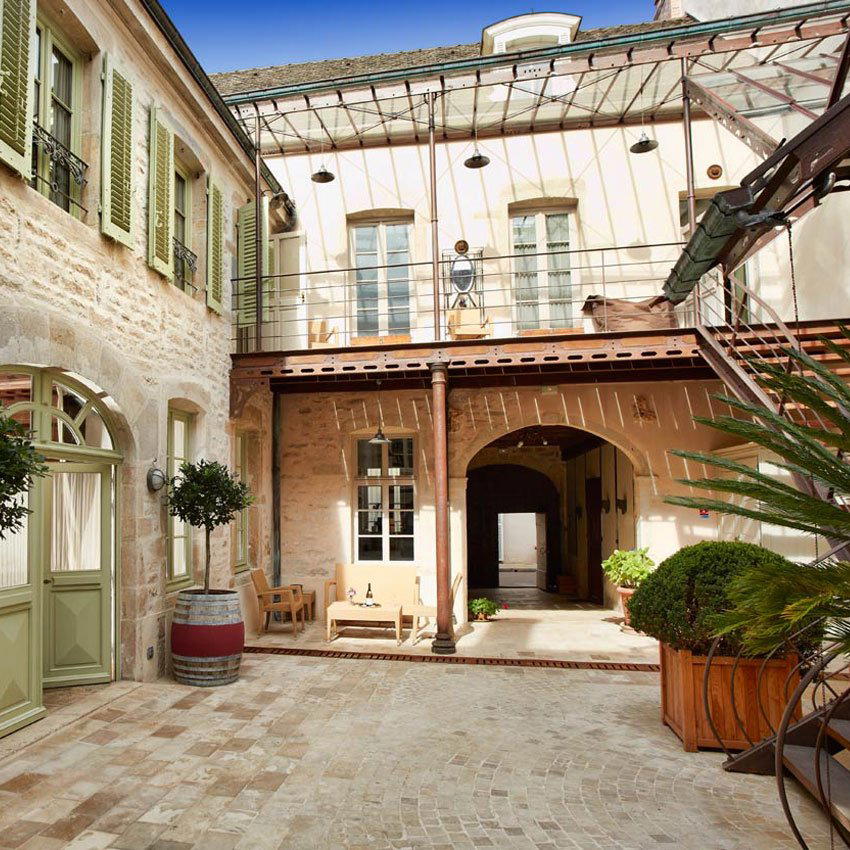
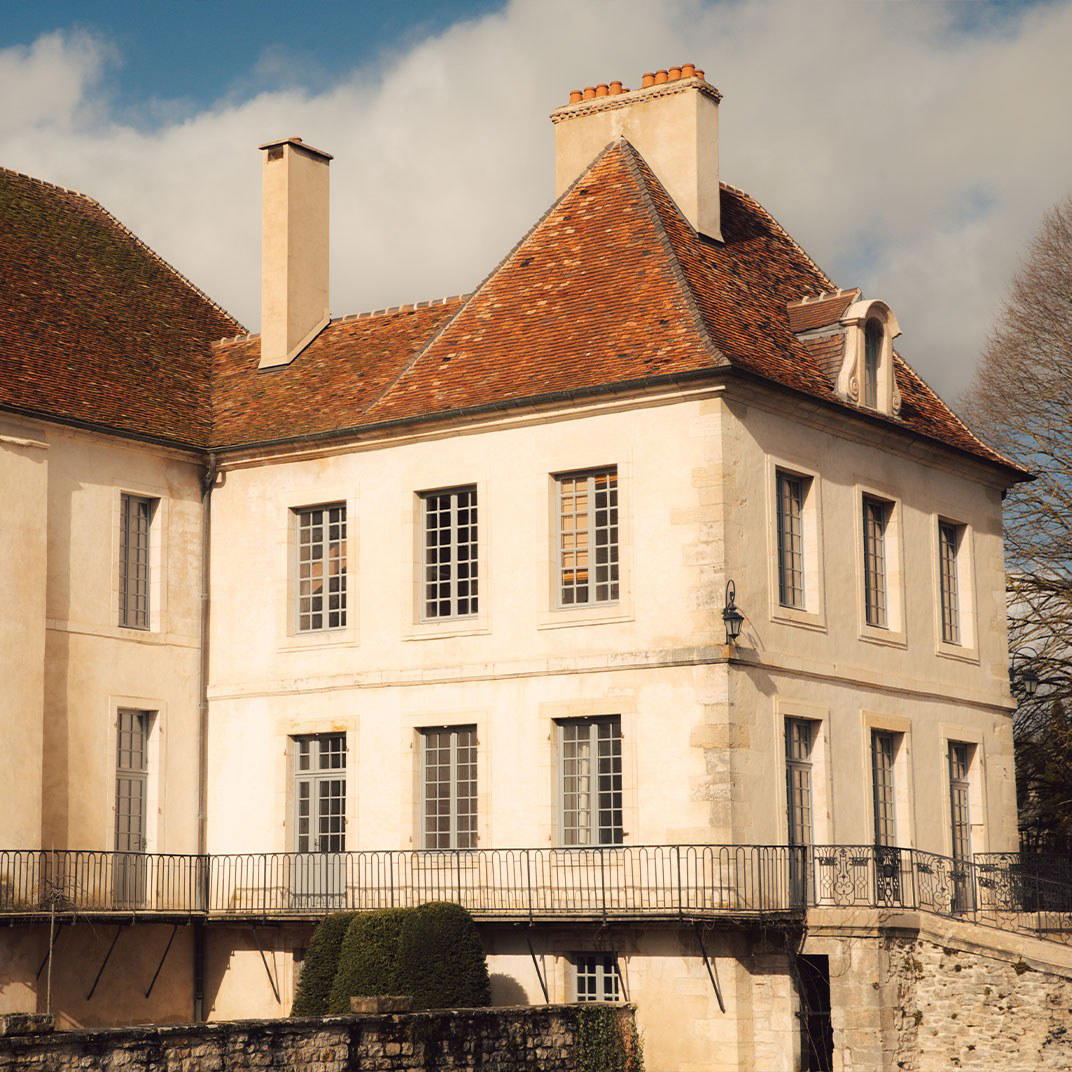
Domaine Anne Gros has operated from its address at 11 Rue des Communes in Vosne-Romanée since Anne Gros took charge of the estate in 1988, building a reputation in the village's demanding upper tier. Its wines are read as precise expressions of Côte de Nuits terroir rather than winemaker intervention.
Pearl is the En Primeur Club membership app — saves, bookings, and concierge access live there. Same editors, same standards.
- Address
- 11 Rue des Communes, 21700 Vosne-Romanée
- Phone
- +33 3 80 61 07 95
- Website
- anne-gros.com
- Directions
- Get directions
 Saves & bookings on Pearl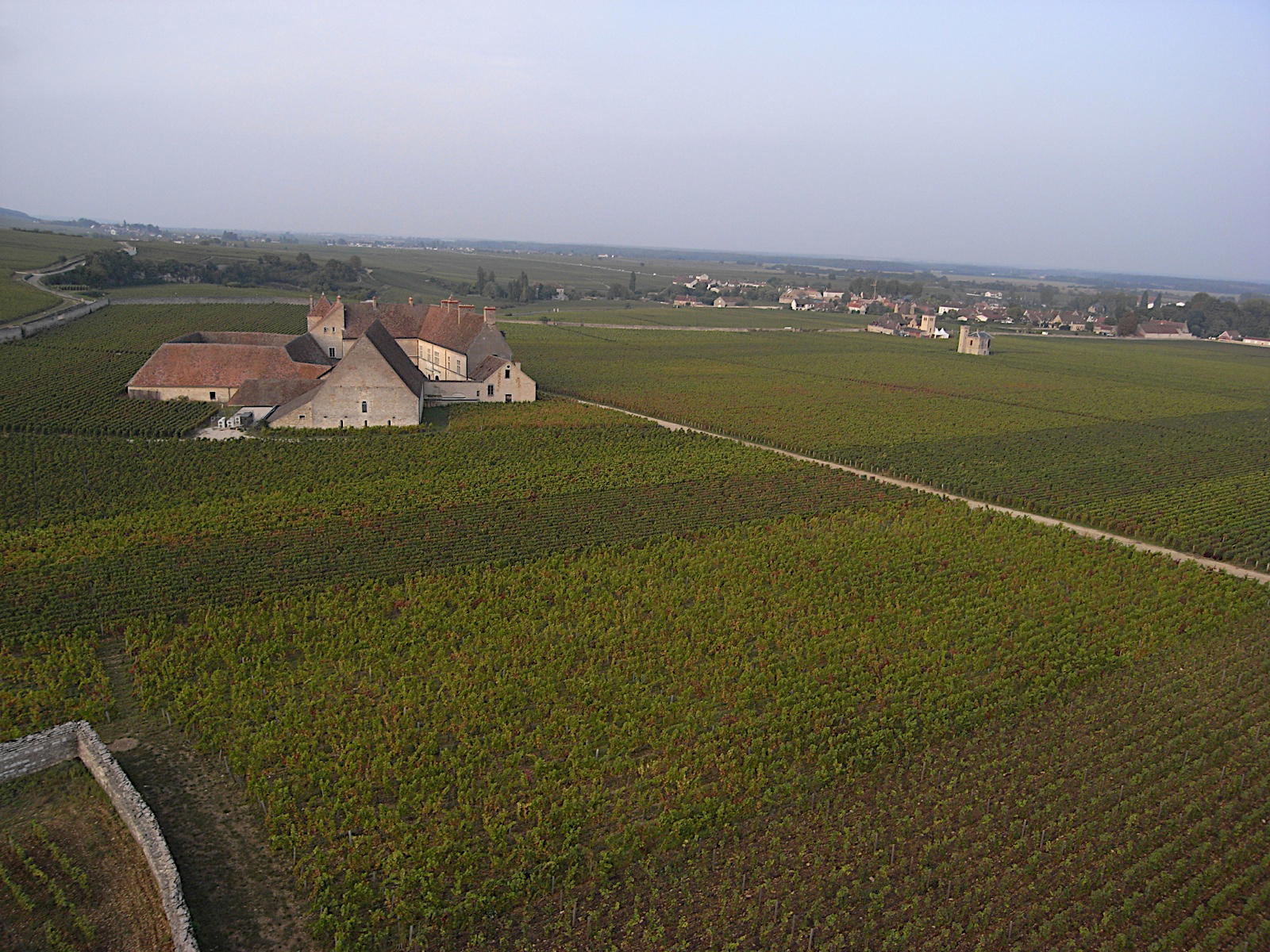
Vosne-Romanée and the Terroir That Shapes Everything Here
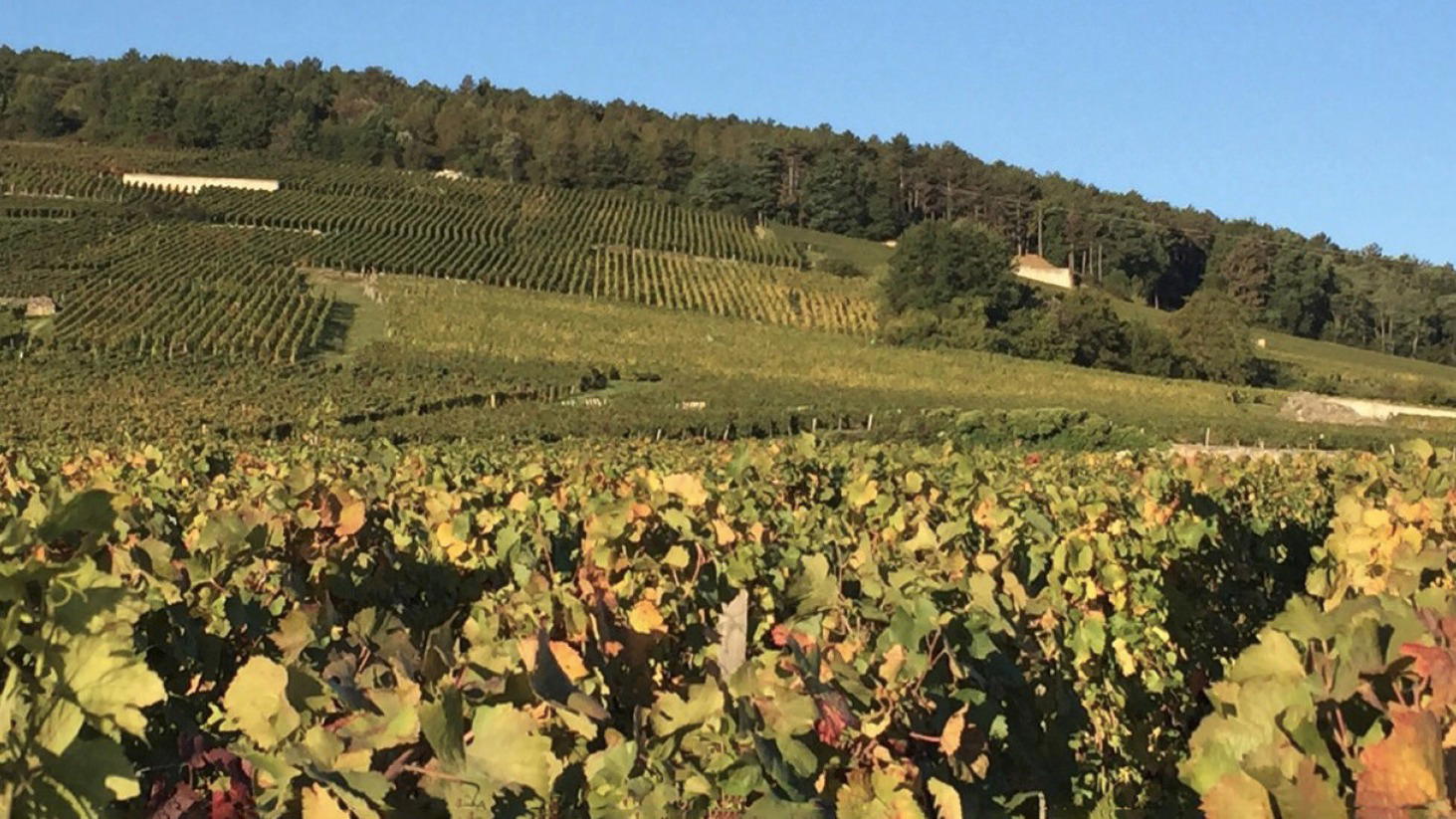
Arrive in Vosne-Romanée on a grey autumn morning and the village says almost nothing about itself. Stone walls, shuttered houses, a road that runs between parcels the locals have mapped obsessively for centuries. The vineyards are the architecture here: Grand Cru and Premier Cru strips arranged on a slope of Jurassic limestone and clay that drains faster than almost anywhere else in Burgundy, forcing vine roots down to where soil temperature holds steady across growing seasons. That geological discipline is what gives the village its character as a wine address, and it is the context against which every producer here, including Domaine Anne Gros, must be read.
Domaine Anne Gros sits at 11 Rue des Communes, which places it in the heart of the commune rather than on the periphery. The estate traces its current form to 1988, when Anne Gros took operational responsibility for the family holdings. That first vintage coincided with a period of significant re-evaluation across Vosne-Romanée: the late 1980s saw producers beginning to separate more deliberately between village, Premier Cru, and Grand Cru fruit at the cellar level, treating each appellation's soil type as a distinct argument rather than a continuum. That orientation has shaped how the domaine approaches its parcels across the decades since.
What Côte de Nuits Terroir Actually Asks of a Winemaker
The Côte de Nuits runs roughly 20 kilometres from Gevrey-Chambertin in the north to Nuits-Saint-Georges in the south, with Vosne-Romanée sitting roughly at its midpoint. The village's reputation rests on a concentration of appellation hierarchy that is unusual even by Burgundy standards: six Grand Crus lie within or adjacent to the commune's boundaries, including Romanée-Conti, La Tâche, Richebourg, Romanée-Saint-Vivant, Grands Échézeaux, and Échézeaux. That density of classified land is not accidental. The slope angle, the exposition toward the east, the shallow topsoil over broken limestone, and the way morning light hits the mid-slope all combine to produce Pinot Noir with a structural profile that diverges noticeably from Gevrey to the north or Chambolle-Musigny to the west.
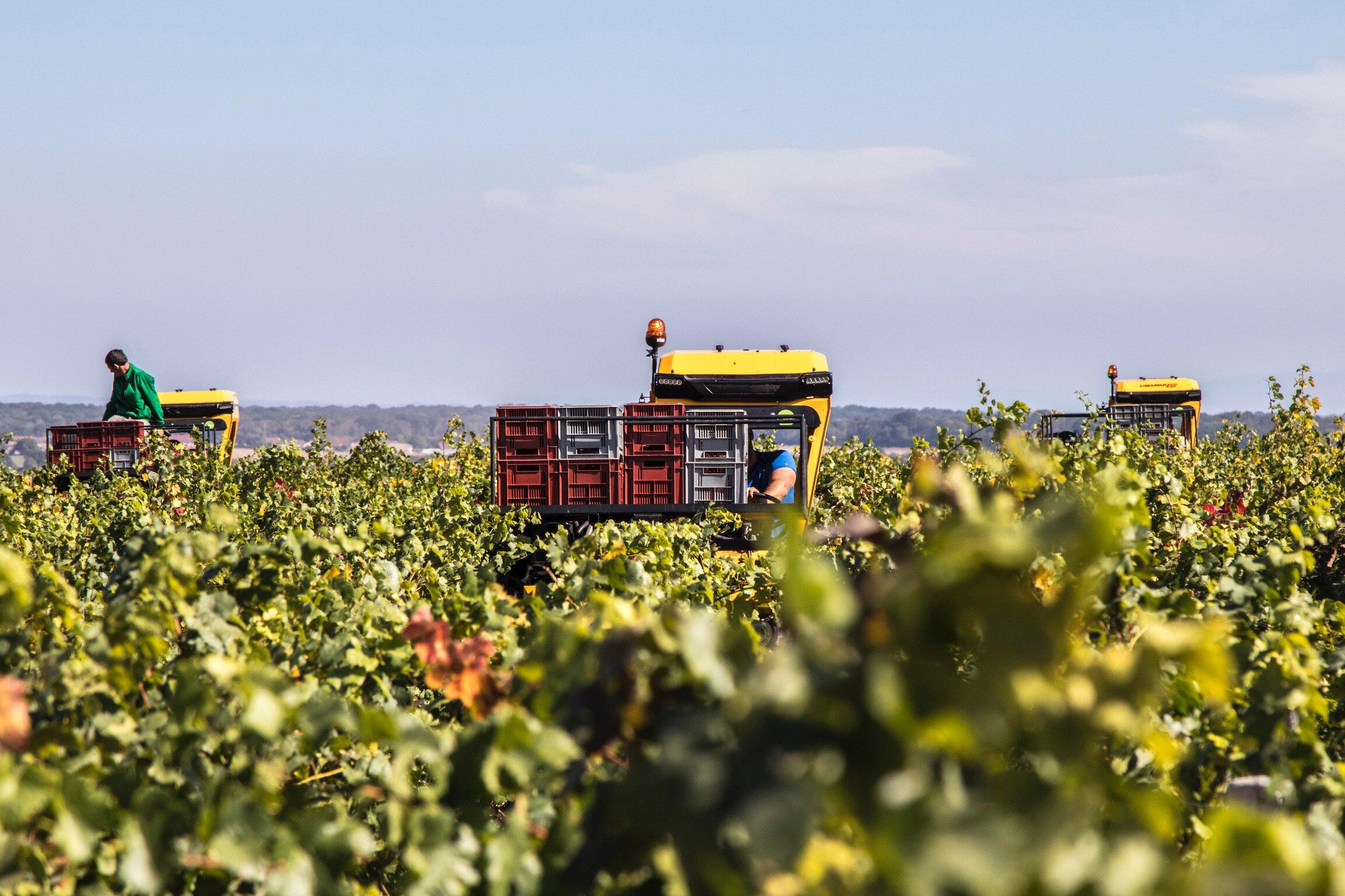
Working within this context, a domaine's choices in the vineyard translate directly into what appears in the bottle. Vine age matters: older vines carry lower yields but produce more concentrated flavour compounds from roots that have reached stable mineral layers. Harvest timing in Vosne-Romanée requires a precision that the village's compressed growing window demands, since the gap between phenolic maturity and over-ripeness can be a matter of days in a warm vintage. Producers in the commune who have held parcels across multiple generations have an informational advantage that newer arrivals take years to accumulate. With a first vintage in 1988, Domaine Anne Gros has now moved through more than three and a half decades of reading those same parcels in different weather years, which is itself a form of terroir knowledge that does not appear on a label.
For comparative context, other producers working from Vosne-Romanée terroir with long parcel relationships include Domaine Jean Grivot, Domaine Rene Engel, Domaine Bizot, Domaine Cecile Tremblay, and Domaine d'Eugénie. Each interprets the same geological substrate differently, and tasting across the village is one useful way to understand how soil position and winemaking philosophy interact at this level.
The winery is a winery in Vosne-Romanée at 11 Rue des Communes, 21700 Vosne-Romanée. That framing matters for buyers approaching the domaine's wines through allocation channels or at auction, where provenance and consistency of recognition carry weight alongside vintage-specific scores.
How to Approach the Wines
The winery produces across several appellation tiers, which is standard practice for Vosne-Romanée estates that hold parcels at different classification levels. Village Vosne-Romanée wines from the domaine offer the clearest read on the house style without the price premium attached to Premier Cru and Grand Cru bottlings. For buyers new to the domaine, this entry point makes comparative sense: it allows assessment of the producer's approach to the commune's baseline terroir before moving to single-site bottles where parcel provenance adds a layer of complexity to interpretation.
Grand Cru parcels, where the domaine holds access, produce wines that require longer cellaring windows to reach the integration point at which Vosne-Romanée limestone terroir expresses itself cleanly through the fruit. Buyers acquiring these bottles on release should plan for a minimum of several years before opening, with the specific window depending on vintage weight. In structurally lighter years, Côte de Nuits Grand Cru wines from serious producers can open earlier than their appellation reputation suggests; in denser vintages, patience is functional rather than merely aspirational.
Visits are by appointment only.
Vosne-Romanée's Broader Producer Ecology
The winery operates within a village producer community where comparisons are inevitable and, for the informed buyer, useful. The commune's concentration of named estates means that a single visit or allocation relationship rarely captures the full range of how Vosne-Romanée terroir expresses itself. Comparing Anne Gros bottles against those from Domaine Jean Grivot or Domaine Rene Engel across shared appellations is the kind of horizontal tasting exercise that teaches more about Côte de Nuits soil variation than any single-producer vertical.
For buyers with broader Burgundy or French wine interests who want to map the Anne Gros style against producers working in different regional traditions, EP Club also covers estates including Albert Boxler in Niedermorschwihr and further afield, Château Bélair-Monange in Saint-Emilion, Château Branaire Ducru in St-Julien, Château Batailley in Pauillac, Château Bastor-Lamontagne in Preignac, and Château Boyd-Cantenac in Cantenac. For those whose interests extend beyond wine entirely, the EP Club platform also features producers like Chartreuse in Voiron, Aberlour in Aberlour, and Accendo Cellars in St. Helena.
How It Stacks Up
Comparable venues nearby, for context on price, style, and recognition.
| Venue | Cuisine | Price | Notes |
|---|---|---|---|
| Domaine Anne GrosThis venue — the venue you are viewing | Pinot Noir, Chardonnay | $$$ | Not listed |
| Domaine Georges Mugneret-Gibourg | Pinot Noir | $$$$ | Vosne-Romanée |
| Domaine Leroy | Pinot Noir, Chardonnay | $$$$ | Vosne-Romanée |
| Domaine Jean Grivot | Pinot Noir, Chardonnay | $$$$ | Vosne-Romanée |
| Domaine Gros Frère et Sœur | Pinot Noir, Chardonnay | $$$$ | Vosne-Romanée |
| Domaine Mongeard-Mugneret | Pinot Noir, Chardonnay | $$$$ | Vosne-Romanée |
Recognition history
Dated appearances from independent guides and award organizations, with the underlying list record or original source where available.
Falstaff Winery - 4 Stars
Falstaff
Continue exploring
More in Vosne-Romanée
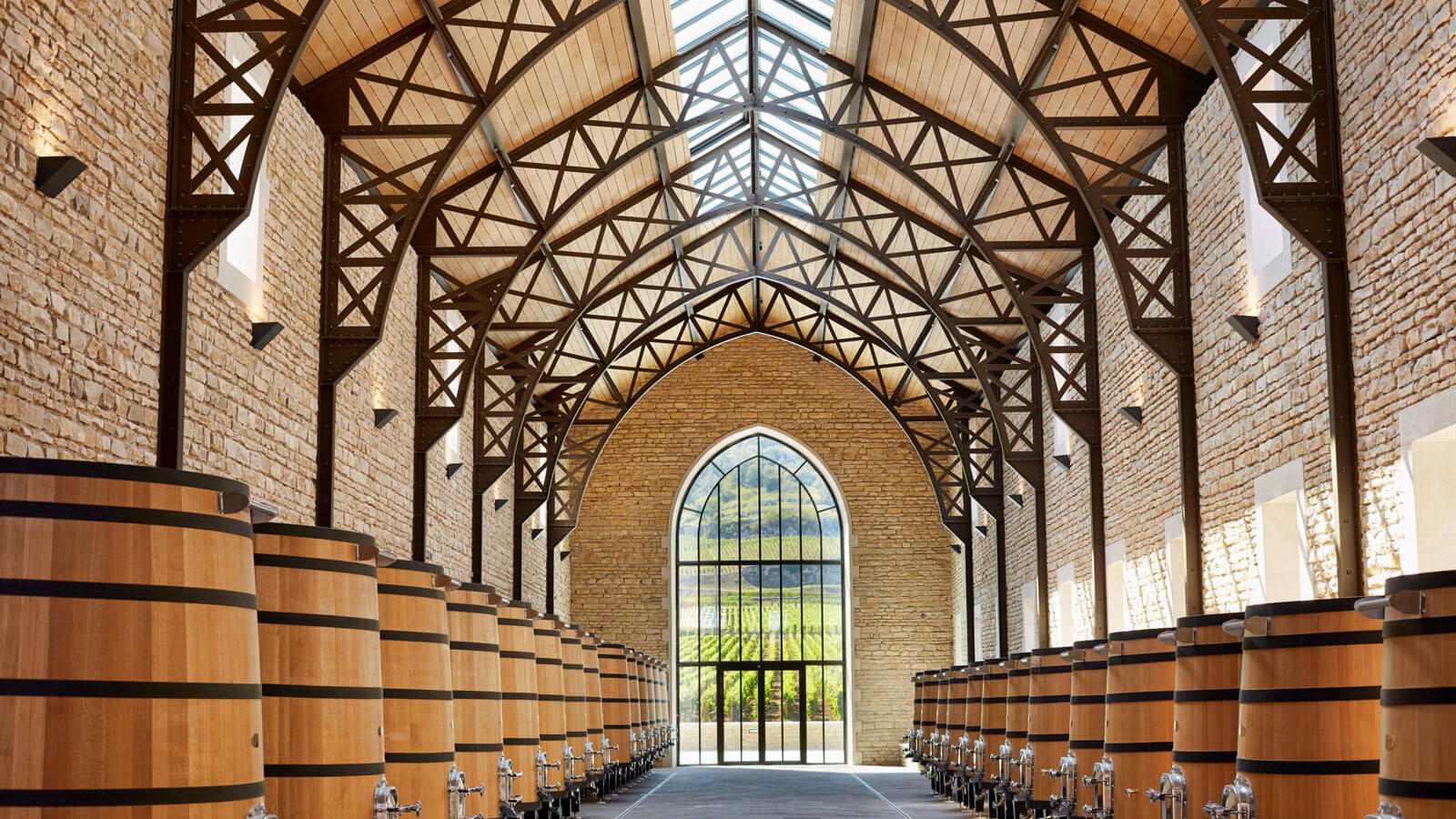
Wineries in Vosne-Romanée
Browse all →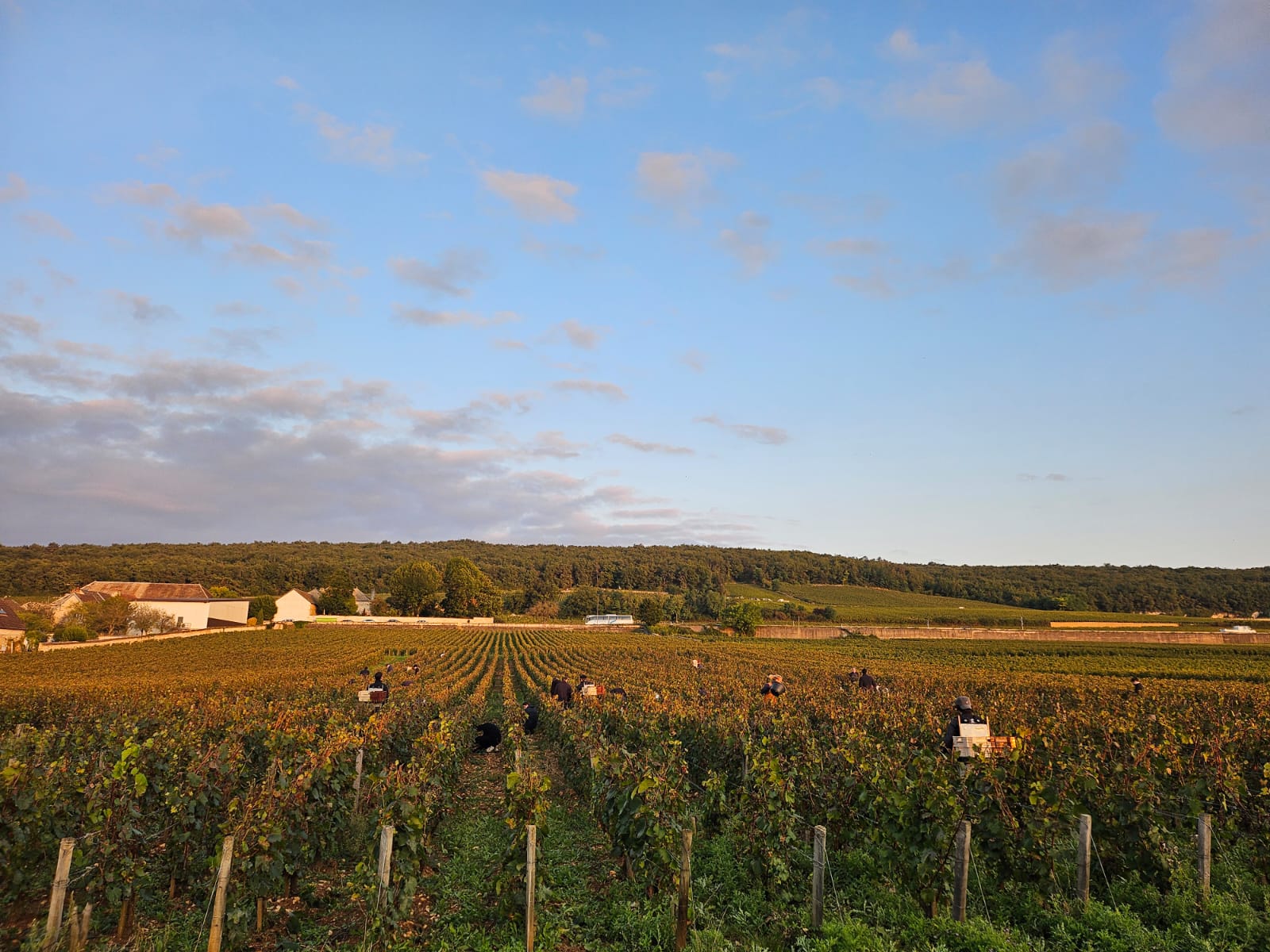
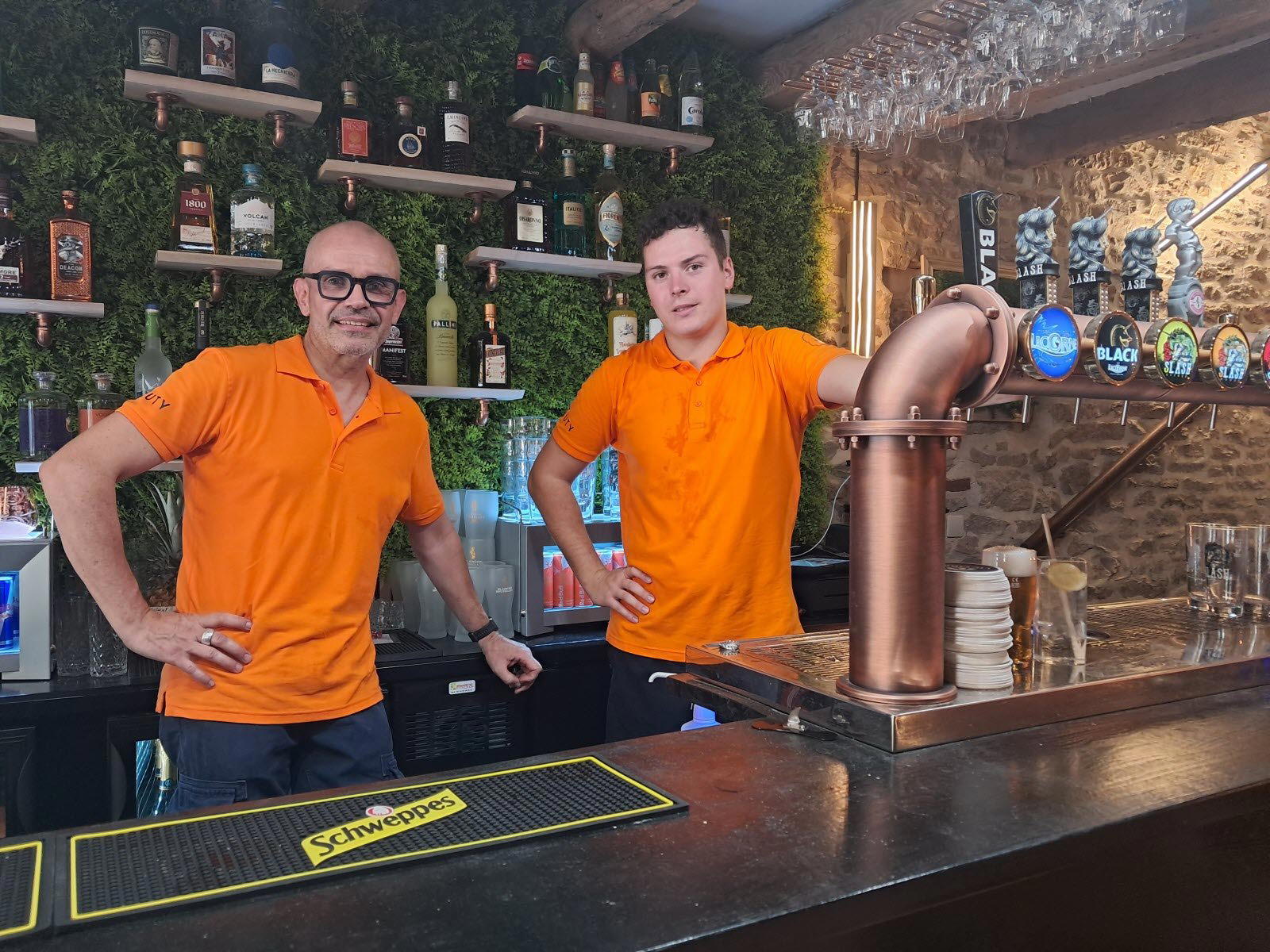
Bars in Vosne-Romanée
Browse all →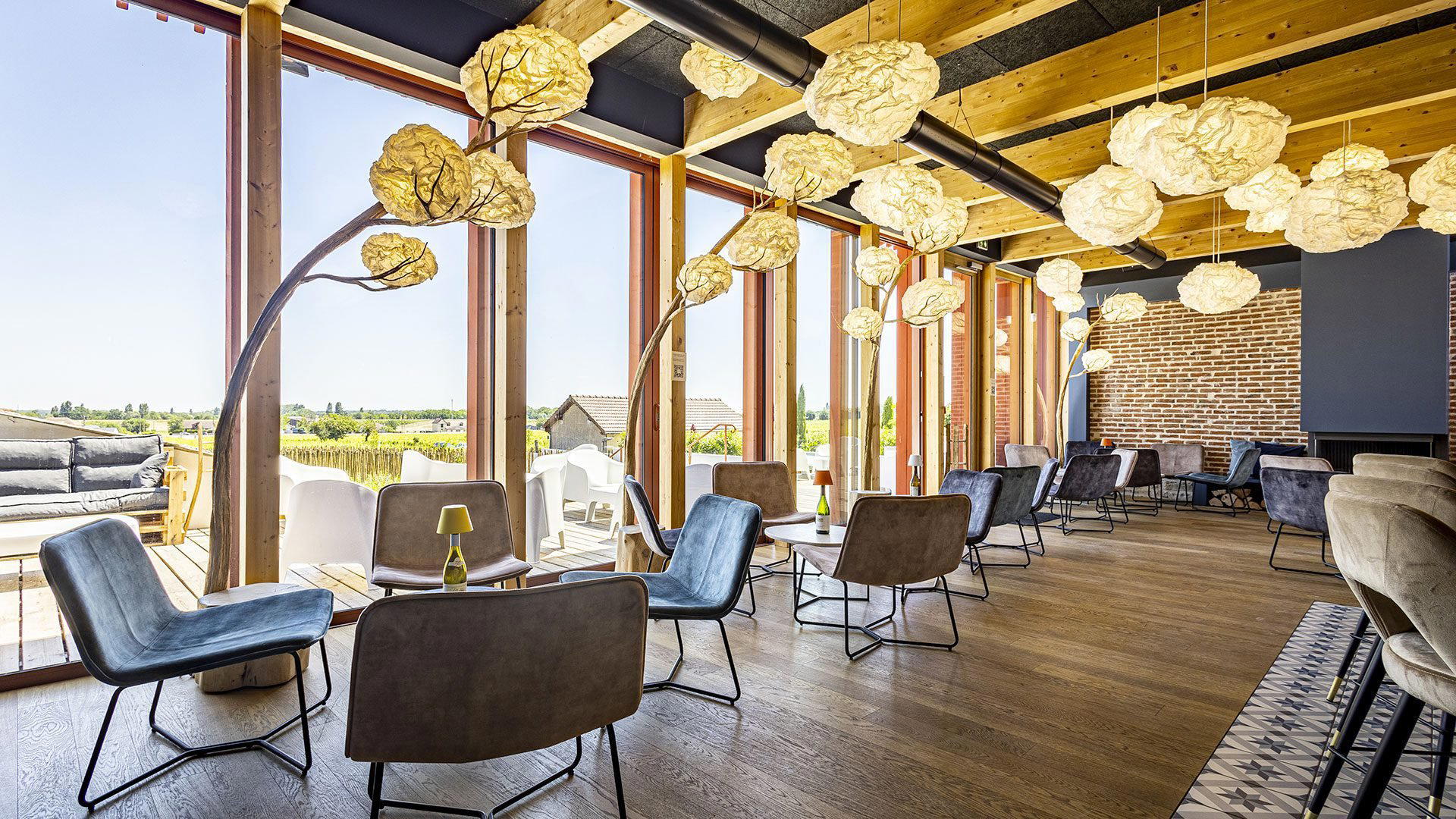
Restaurants in Vosne-Romanée
Browse all →
At a Glance
- Elegant
- Classic
- Sophisticated
- Intimate
- Wine Education
- Special Occasion
- Romantic Getaway
- Cave Tasting
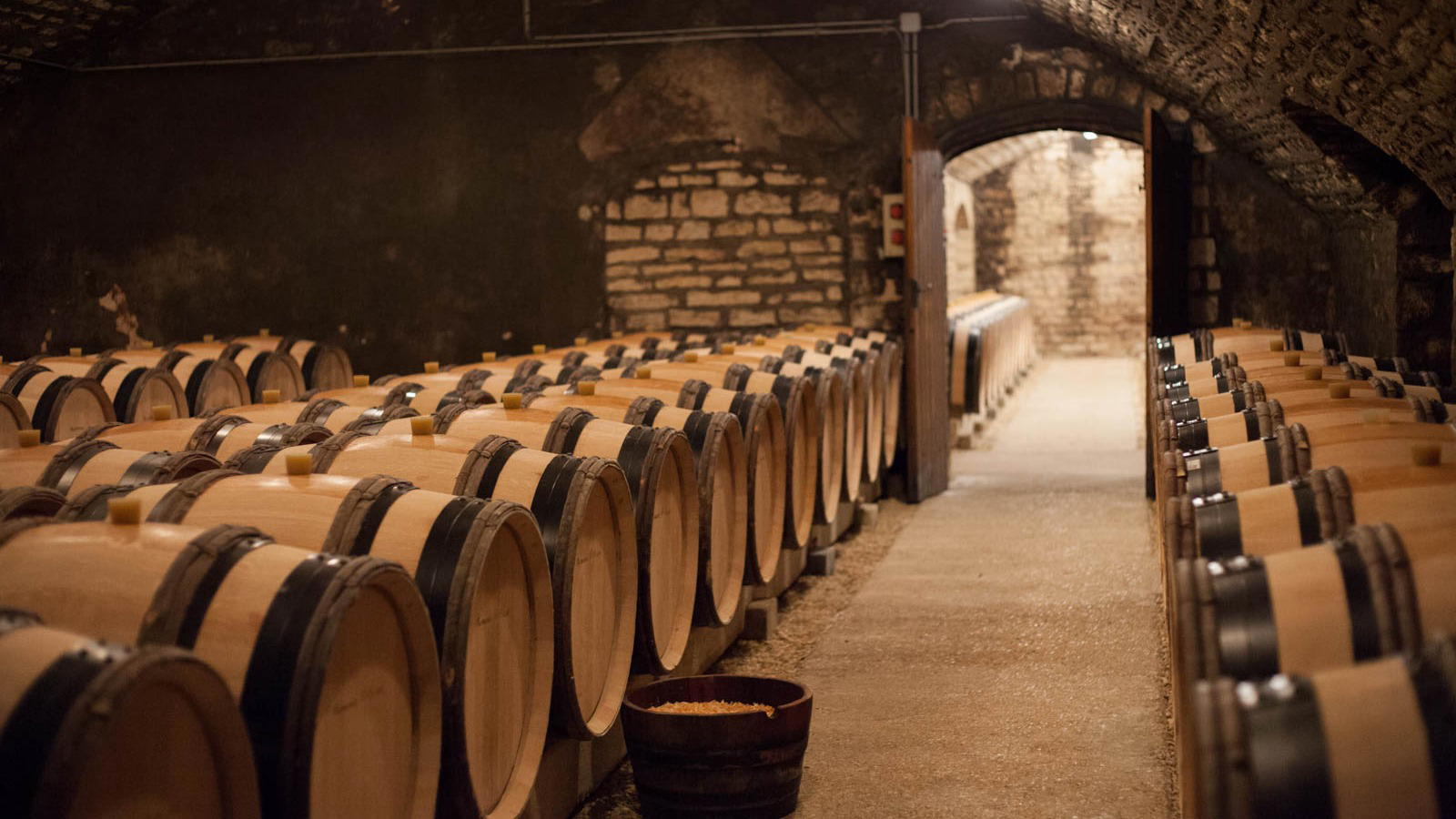
- Barrel Room
- Estate Grounds
- Historic Building
- Biodynamic
- Organic
- Sustainable
- Vineyard
- Vosne Romanée AOC
- Pinot Noir
- Chardonnay
- Syrah
- Grenache
- Carignan
- Cinsault
- Still Red
- Still White
- Cave Tasting
- Barrel Room Tasting
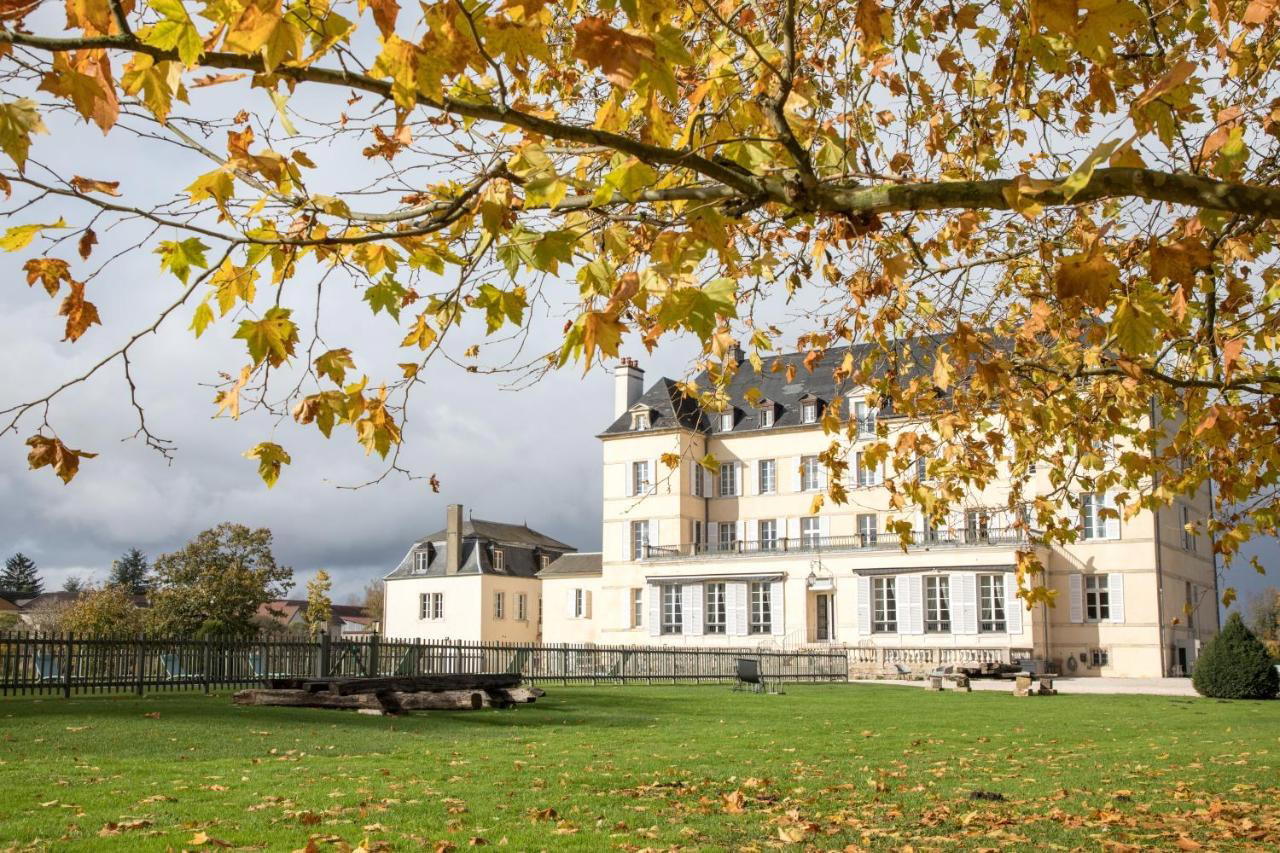
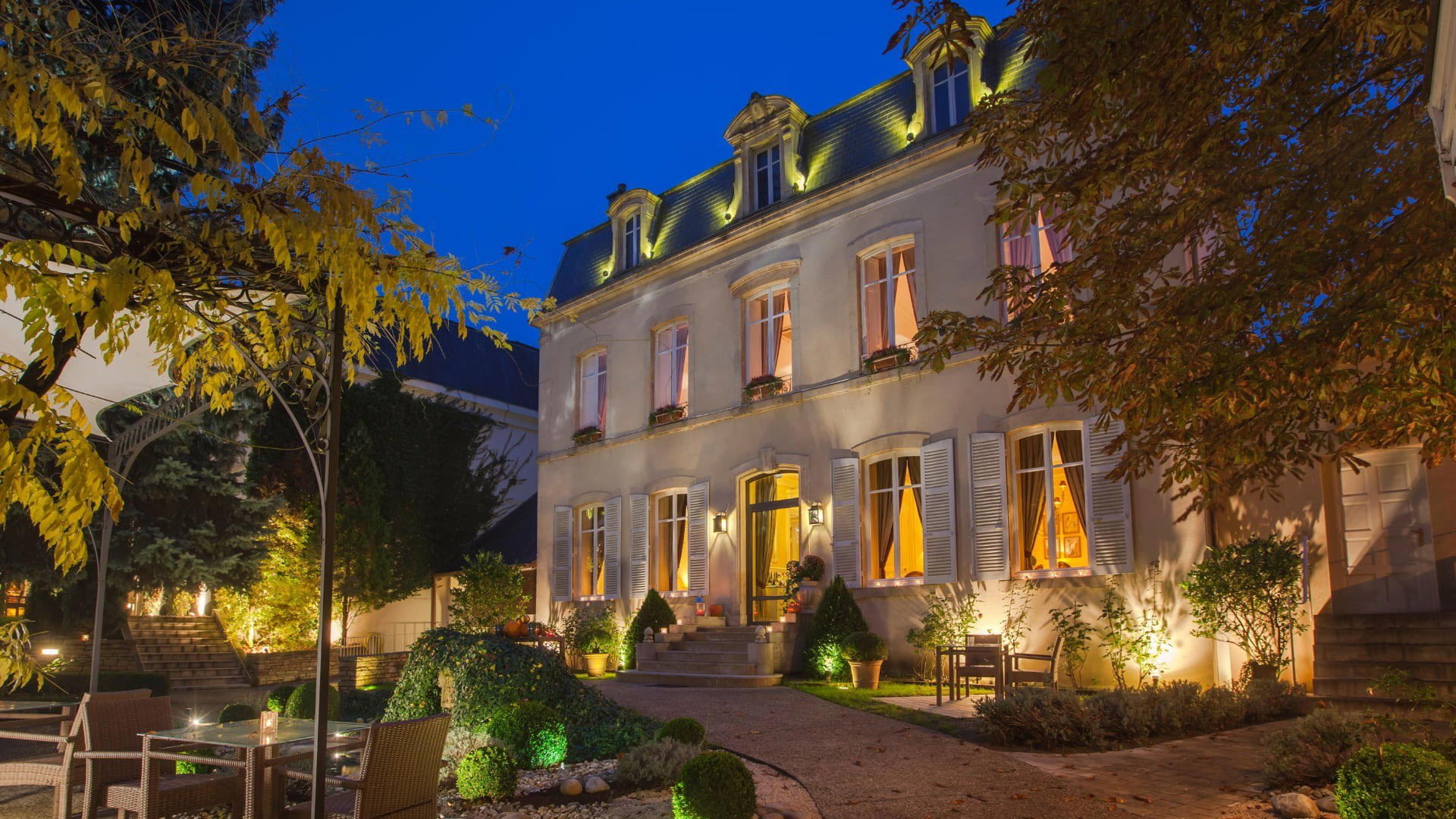
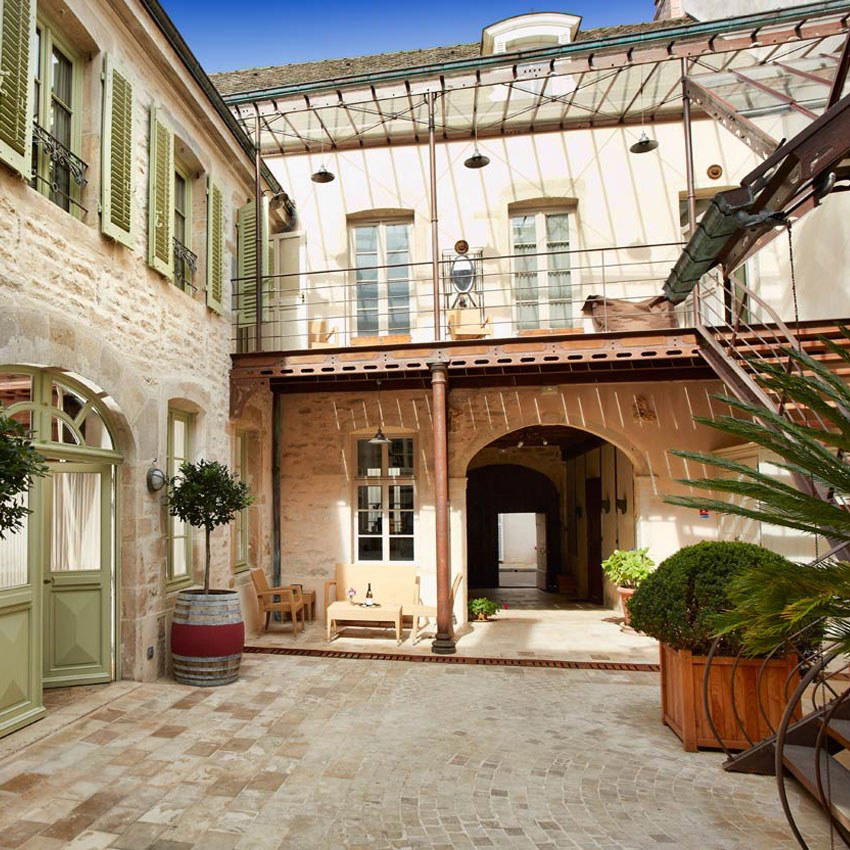
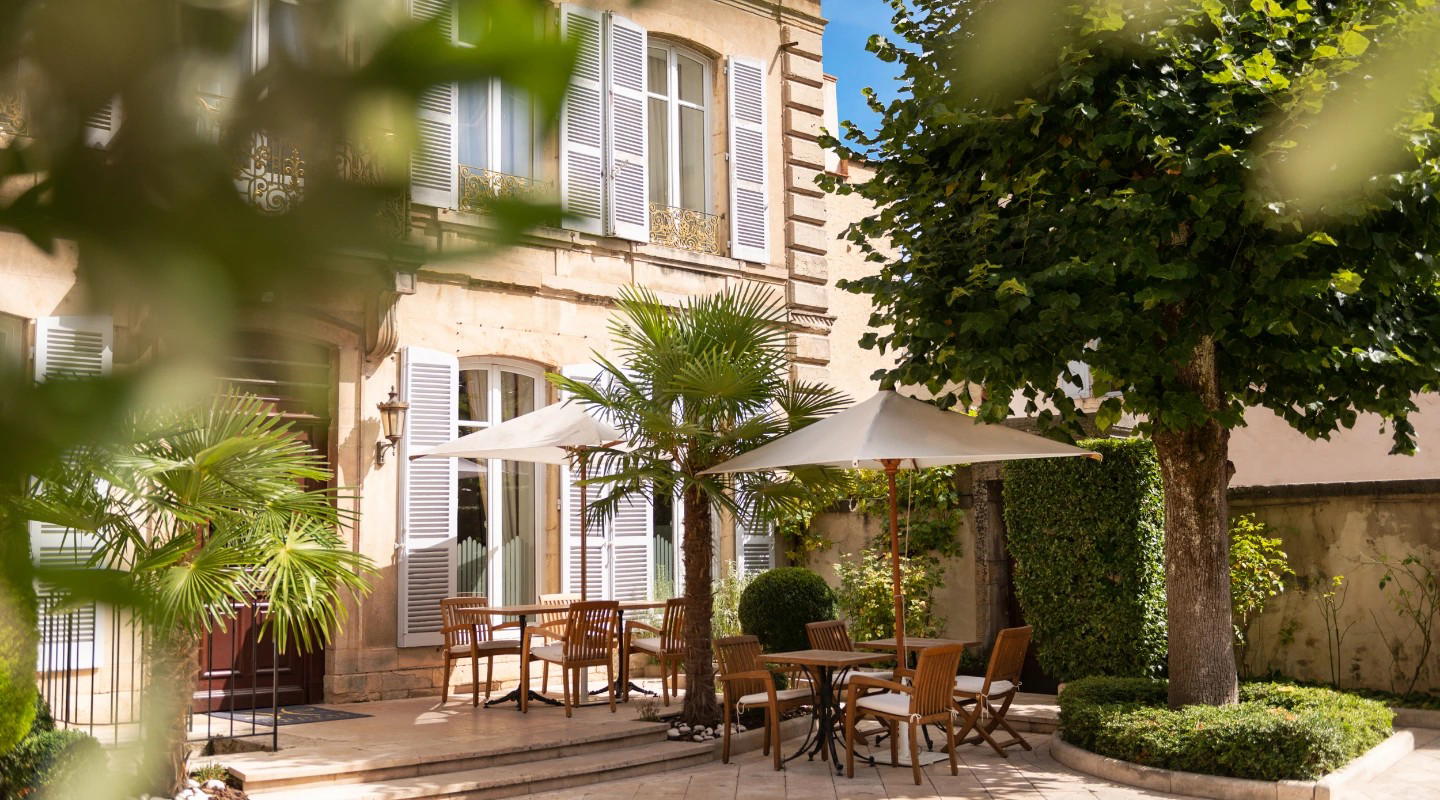
Historic winery with traditional Burgundian character, featuring barrel-aged wines in a classic cellar setting with meticulous attention to terroir and finesse.