Claridge’s



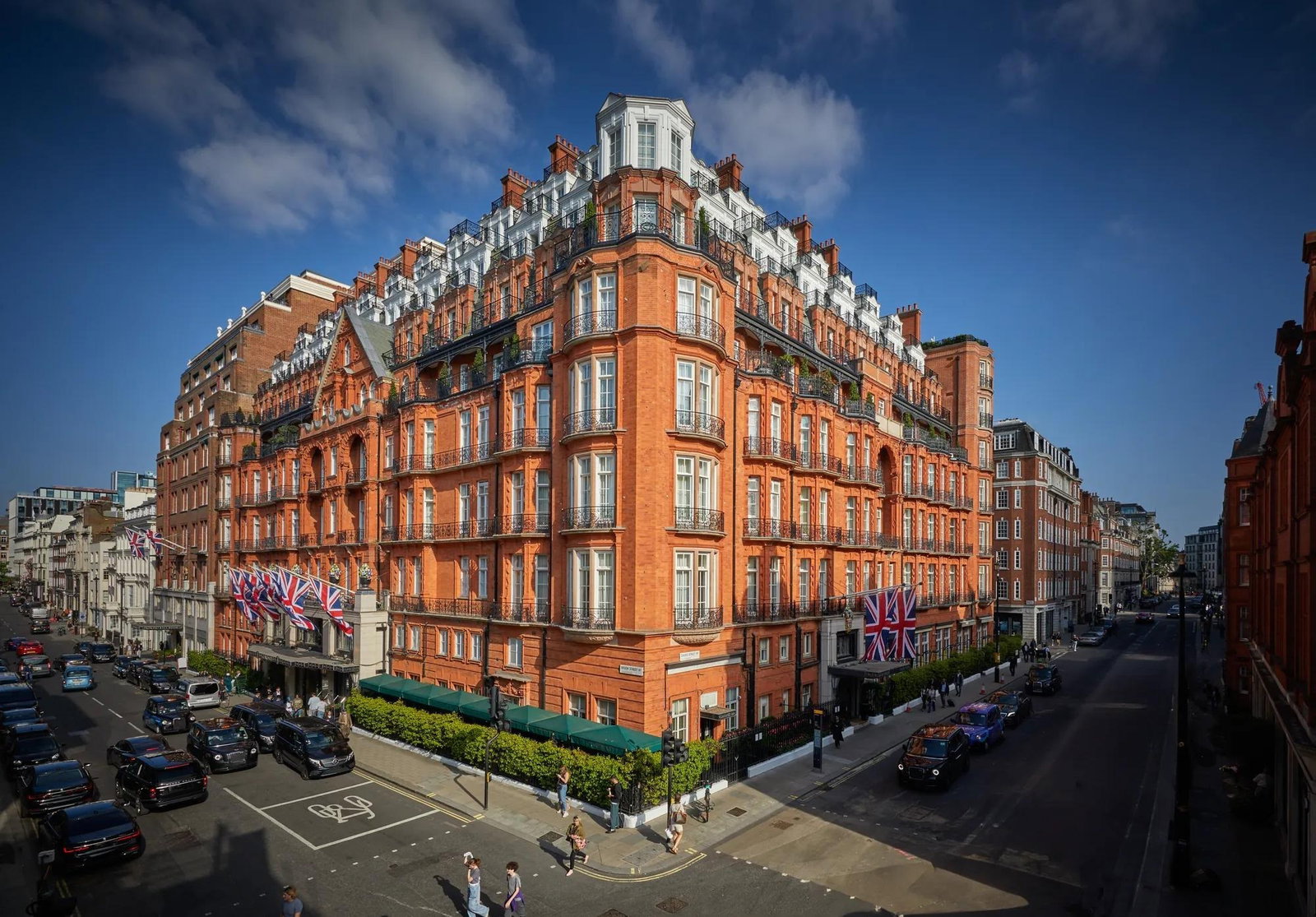




Claridge’s belongs to London’s grand-hotel tradition, but its Art Deco vocabulary gives it a sharper identity than many Mayfair peers. The Brook Street address, 110-room scale,822 reviews, La Liste 99-point hotel score and repeated World’s 50 Best Hotels placements put it in the city’s upper luxury bracket.
Pearl is the En Primeur Club membership app — saves, bookings, and concierge access live there. Same editors, same standards.
- Address
- Brook St, London W1K 4HR
- Phone
- +44 20 7629 8860
- Website
- maybourne.com
- Directions
- Get directions
 Saves & bookings on Pearl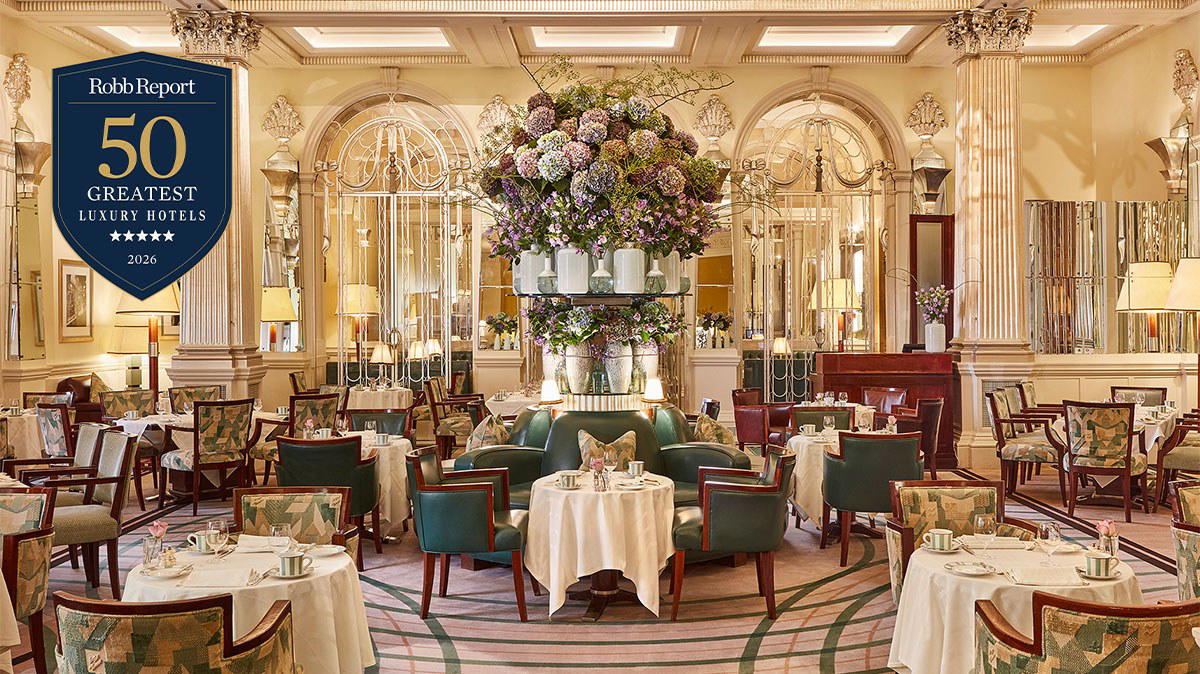
Art Deco London, performed at Mayfair scale
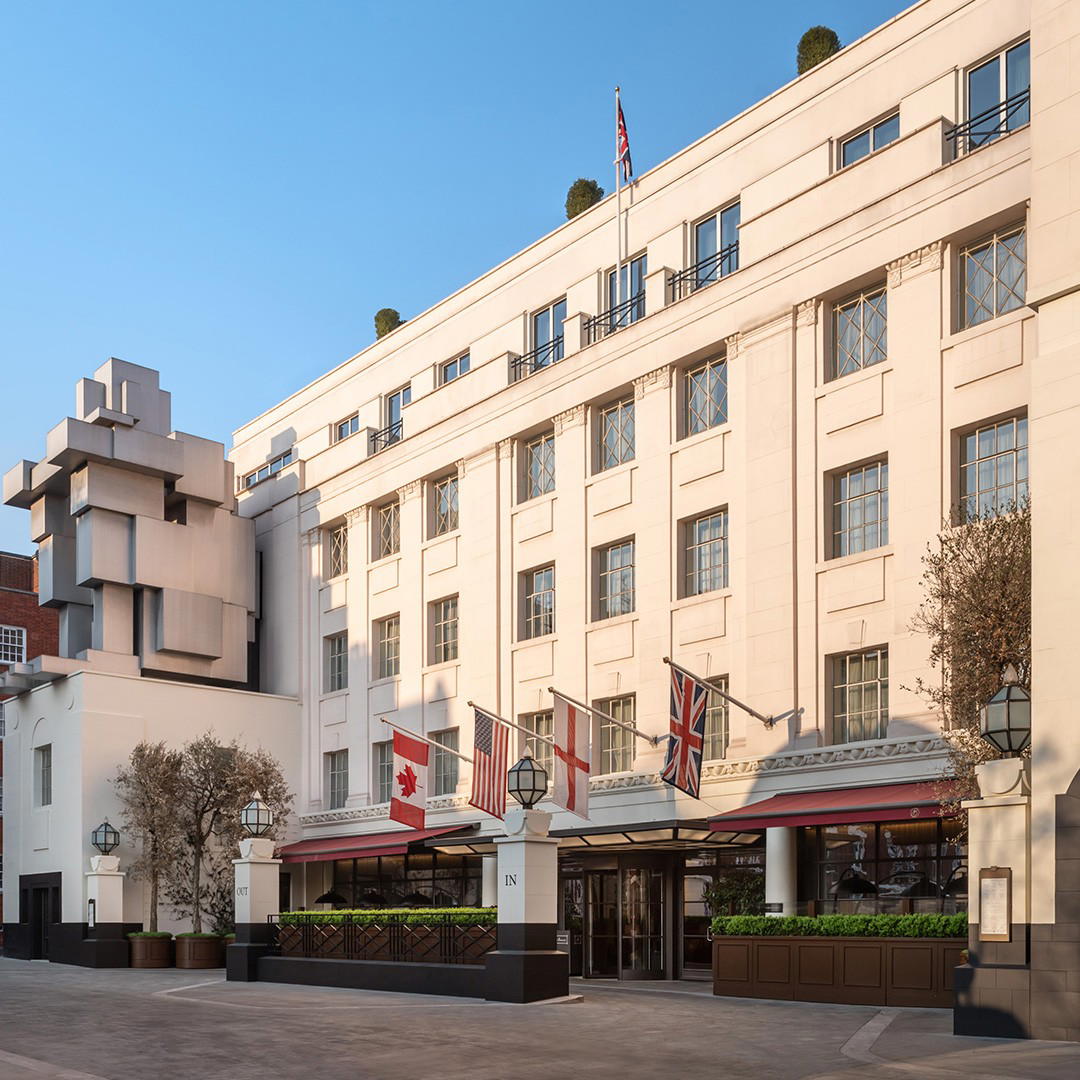
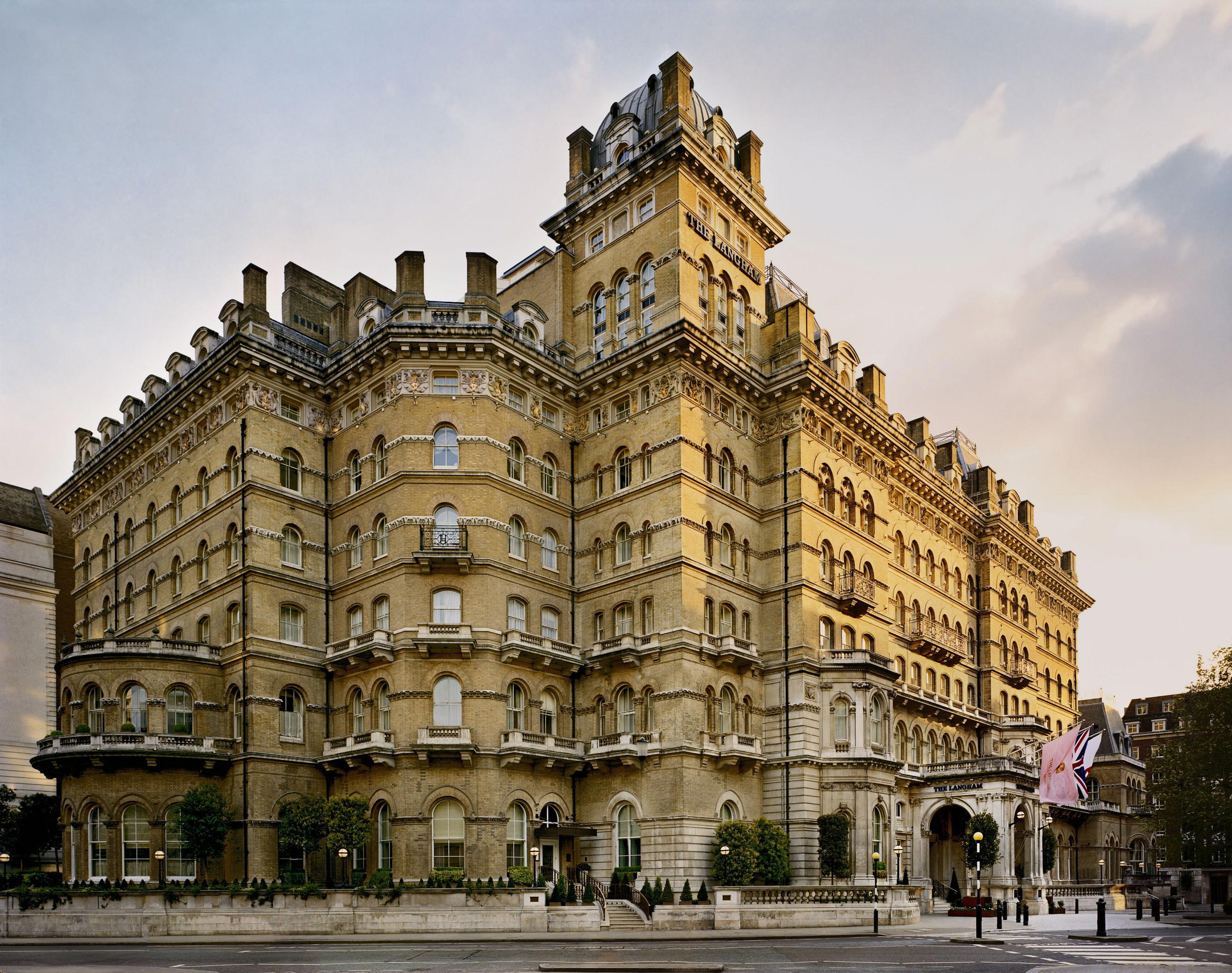
The arrival on Brook Street is not subtle. Claridge’s belongs to the Mayfair school of hotel theatre: polished threshold, formal welcome, rooms that treat circulation space as part of the experience rather than leftover square footage. In London, where luxury hotels split between clubby townhouse discretion, palace-scale ceremony and newer design-led restraint, this address occupies the grand-hotel lane with unusual architectural clarity. The point is not merely age, though the hotel dates to 1856. The point is how Art Deco, Victorian reference and contemporary intervention are held in visible tension, so the building reads as a living London institution rather than a preserved period set.
That matters in a city where high-end hospitality has become increasingly fragmented. NoMad London brings a transatlantic hotel-restoration mood to Covent Garden, Raffles London at The OWO works with state architecture and Whitehall gravitas, and The Connaught defines another Mayfair language through quiet polish and bar culture. Claridge’s sits in the same competitive conversation, but its identity is more explicitly decorative: Lalique associations, gilded columns, brass, mirrored detail, velvet intimacy and the kind of lobby composition that makes arrival feel choreographed.
The awards data confirms its position without needing inflated language. The hotel ranked number 16 in The World’s 50 Best Hotels 2023, number 11 in 2024 and number 16 in 2025, and it was listed first in the United Kingdom within that awards framework in 2023, 2024 and 2025. La Liste Leading Hotels 2026 gives it 99 points, while Star Wine It is London luxury priced, judged and staged at the high end.
Design is the argument, not the backdrop
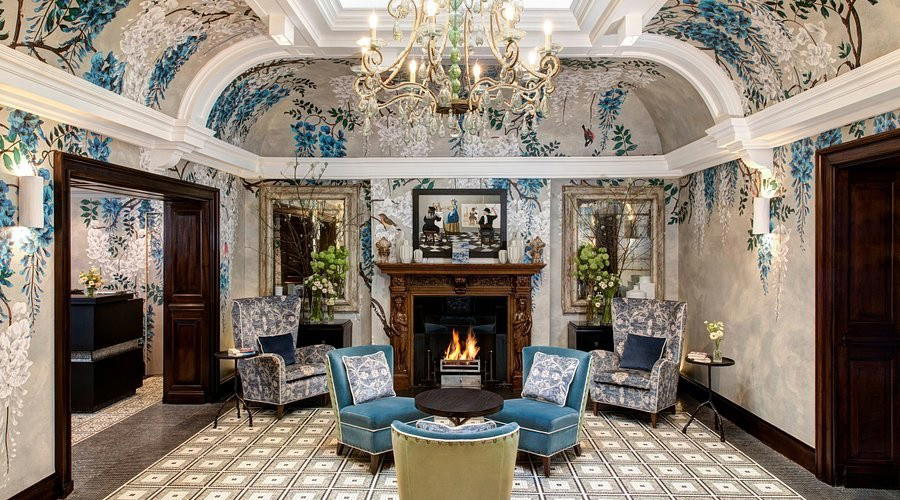
London’s grand hotels often lean on address, history or service mythology. Claridge’s uses all three, but the building’s power comes from design continuity. That contemporary object could have felt like a museum-shop intrusion in a weaker room. Here it works because the foyer already accepts ornament as a serious language.
The hotel’s room count is listed as 110 rooms in one source within the record, while another description cites 203 rooms and suites; the safer editorial conclusion is that Claridge’s operates at a substantial grand-hotel scale rather than as a small townhouse property. That scale separates it from newer limited-key luxury such as The Emory, and from the ecological design messaging of 1 Hotel Mayfair. Here, design is not framed around minimalism or sustainability aesthetics. It is framed around craft, ceremony and historical layering.
The suites give the hotel its architectural range. The Royal Suite draws on Queen Elizabeth II’s 1953 coronation and the celebratory dinner held at the hotel, with hand-painted dining room wall coverings using the national flowers of the United Kingdom: roses, thistles, shamrocks and daffodils. Claridge’s Suites work with Victorian and Art Deco references, including fireplaces, marble bathrooms, entrance halls and sitting rooms. The Empress Eugenie Suite introduces French notes through a garland chandelier of hand-cast glass droplets and gold leaves, plus a Louis XV-style desk. These details matter because they show a property using historical reference as a design system rather than as generic heritage décor.
Designer names also reveal how London luxury has changed. David Linley, Guy Oliver, Diane von Furstenberg, Rigby and Rigby, Michelle Wu and Bryan O’Sullivan are all cited in the record in connection with suite design. That roster places the hotel within a broader pattern: established grand hotels now compete partly through ongoing design authorship, not only through longevity. The comparison with 45 Park Lane is useful here, because that property expresses luxury through a more contemporary, art-forward Dorchester Collection lens. Claridge’s carries modern authorship inside a historically legible frame.
The Mayfair code: ceremony, discretion and address
Mayfair’s hotel culture is built on proximity as much as décor. Brook Street places guests in the luxury-shopping and cultural district of central London, close to the pattern of galleries, private appointments, tailoring, auction rooms and restaurant reservations that define the area’s high-spend rhythm. In that context, the hotel functions less like a resort and more like a London operating base. The experience is designed around entering and exiting the city with minimal friction, while still maintaining a sense of theatre on return.
Service is part of that code, but the more interesting point is its formality. The record describes butlers, concierges and classically attired staff, and contrasts them with the more casual style found in trend-driven hotels. That distinction helps explain why Claridge’s remains relevant in a city full of newer openings. Some travellers want the informality of a converted civic building or design hotel; others want the old London grammar of doormen, hall porters, silver service and institutional memory. The Savoy occupies another historic version of that grammar along the Strand, while Claridge’s keeps it tightly associated with Mayfair.
The same record notes that more than eight heads of state stayed there during the Summer 2012 Olympics. Those details should be read less as celebrity decoration and more as a clue to institutional function. London has hotels that are fashionable, hotels that are private, and hotels that operate as soft-power rooms. Claridge’s belongs to the last category.
That institutional quality also shapes the public rooms. The Fumoir Bar, described as intimate and limited to only a handful of tables, works with dark wood, etched mirrored murals, black-and-white vintage photographs and eggplant-coloured velvet banquettes. The detail is specific enough to explain the appeal without pretending access is casual. In a city where cocktail culture ranges from hotel bars to experimental independent rooms, the Fumoir belongs to the small, high-control hotel-bar format: not high volume, not theatrical for its own sake, but carefully enclosed.
Afternoon tea and the edible side of hotel architecture
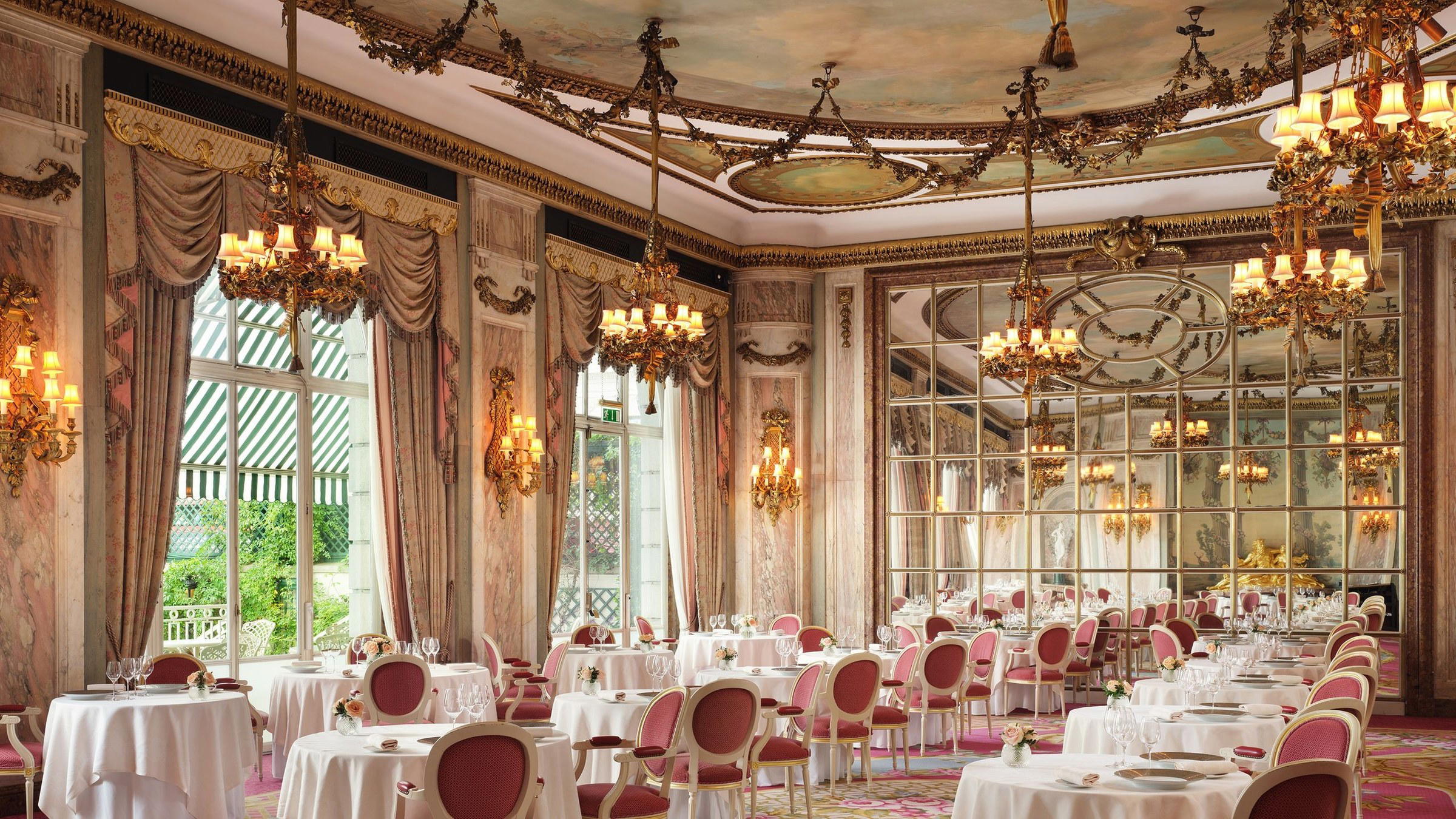
Claridge’s afternoon tea is an institution in the literal sense: the record states it has been served at the hotel for more than 100 years. In London, afternoon tea can slide into tourist pageantry, but at the upper hotel tier it is also a test of room, service and pacing. The Foyer & Reading Room gives the format its architectural support. Live piano music, jade-and-white-striped teacups and the ceremonial handling of tea are not incidental flourishes; they are the infrastructure that turns a simple service into a durable London ritual.
The dining context is broader than tea. The record references the flagship restaurant as Claridge’s, the Foyer, Claridge’s Bar and the Fumoir, and also mentions Fera at Claridge’s under chef Simon Rogan in one historical description. Because hotel restaurant formats change over time, the reliable editorial reading is that food and drink at this address are part of a multi-room hospitality ecosystem rather than a single chef-led destination narrative. Travellers comparing the hotel with London restaurant-led stays should cross-check current dining plans against Our full London restaurants guide, especially if the table is as important as the room.
Wine recognition gives another signal. Star Wine List entries for 2024, 2025 and 2026 place the property within a drinks-aware hotel cohort rather than a hotel that treats wine as background stock. For a Mayfair stay, that matters because the neighbourhood’s luxury rhythm often moves from afternoon appointments to aperitifs, dinner and late bar seating without leaving the central grid. Travellers mapping a fuller evening can also use Our full London bars guide alongside the hotel’s own bar programme.
The Christmas tree tradition deserves mention because it shows how seasonal design has become part of the hotel’s public identity. The record notes collaborations with designers including Dolce & Gabbana, John Galliano and Alber Elbaz. London has many festive hotel displays, but this one is notable because it extends the building’s design logic into an annual cultural object: not merely decoration, but a recurring commission that draws outside attention into the lobby.
How it compares with London's luxury hotel field
The current London hotel field is crowded with capital, restoration and brand ambition. Claridge’s does not compete by sounding new. It competes by being legible. The Art Deco identity gives it a visual shorthand that travellers can understand before they study room categories, while the Mayfair address anchors it in an area where high-end hotels often function as social infrastructure. That differs from 11 Cadogan Gardens, where the Chelsea townhouse mood creates a more residential code, and from newer landmark projects that make adaptive reuse the headline.
The Connaught is the polished Mayfair club with serious bar gravity. The Savoy carries river-adjacent theatre and a Strand identity. Raffles at The OWO translates imperial government architecture into hotel form. The Emory moves toward contemporary suite-led privacy. Claridge’s is the grand Mayfair Art Deco house, with enough documented awards momentum to keep the historical claim current rather than merely nostalgic.
For readers building a broader UK hotel itinerary, the comparison changes outside London. Lime Wood in Lyndhurst and The Newt in Somerset in Castle Cary make country-house landscape and estate culture central. Gleneagles in Auchterarder brings sporting resort breadth. Estelle Manor in North Leigh operates in a newer country-club register. Claridge’s, by contrast, compresses the city’s social codes into one building: arrival, tea, bar, suite, corridor, departure.
International comparisons sharpen the point. The Fifth Avenue Hotel in New York City brings a different urban decorative confidence, Cheval Blanc Paris in Paris operates with LVMH-era polish on the Seine, and Hotel Sacher Wien in Vienna ties hospitality to patisserie, imperial memory and civic tradition. Claridge’s sits among these as London’s version of grand-hotel continuity: less about resort escape, more about belonging to the city’s ceremonial machinery for a few nights.
Planning a stay or visit
The practical case starts with address and tariff. Given the award profile, location and reputation for afternoon tea, advance planning is sensible, particularly around London fashion weeks, major cultural dates, the winter holiday period and high-traffic shopping weekends in Mayfair.
For non-resident visitors, afternoon tea in the Foyer & Reading Room and a seat in the Fumoir are the clearest ways to read the building without committing to a room. The Fumoir’s small number of tables makes it a limited-capacity proposition, while afternoon tea is tied to a format that has operated for more than a century at the hotel. The pillow menu, cited in the record as offering 12 options, is a small but telling example of old-school hotel craft: comfort handled through choice rather than technology theater.
Room selection should be guided by design appetite. Travellers who want full ceremonial scale will look toward the named suites, including the Royal Suite, Claridge’s Suites and Empress Eugenie Suite. Those more interested in London hotel comparison may prefer to study the city as a set: Our full London hotels guide places Claridge’s alongside newer, quieter and more restaurant-driven addresses. For adjacent planning, Our full London experiences guide helps connect a Mayfair stay to cultural programming, while Our full London wineries guide is useful for readers using London as a wine-focused travel base rather than a single-hotel stop.
Outside the capital, readers extending a British itinerary might pair Mayfair formality with a different hospitality register: Full Moon Inn in Bristol, Great Fosters in Egham, Market Street Hotel in Edinburgh, Swinney Wood Log Cabins in Belper or, farther afield, Muir, A Luxury Collection Hotel, Halifax in Halifax. The contrast is useful because it shows what Claridge’s is not: rural, casual, minimalist or retreat-like. Its value lies in concentrated urban ceremony.
Budget Reality Check
| Venue | Price | Awards |
|---|---|---|
| Claridge’sThis venue — the venue you are viewing | World's 50 Best | This venue |
| Raffles London at The OWO | World's 50 Best | Not listed |
| The Connaught | World's 50 Best | Not listed |
Recognition history
Dated appearances from independent guides and award organizations, with the underlying list record or original source where available.
Conde Nast Gold List
Conde Nast
Forbes 5-Star
Forbes
House & Garden 2026 House & Garden Best Hotels in London
House & Garden
La Liste Top Hotels
La Liste
Robb Report The 50 Greatest Luxury Hotels on Earth #7 · No. 7
Robb Report · 2026 Robb Report The 50 Greatest Luxury Hotels on Earth
Star Wine List
Star Wine List
Virtuoso Luxury Hotel Partner
Virtuoso
World's 50 Best Best Hotels #13 · No. 13
World's 50 Best · 2026 World’s 50 Best Hotels 1-50
Forbes 5-Star
Forbes
Michelin 3 Keys
Michelin
Robb Report The 50 Greatest Luxury Hotels on Earth #3
Robb Report
Star Wine List
Star Wine List
World's 50 Best Best Hotels #16
World's 50 Best
Star Wine List
Star Wine List
World's 50 Best Best Hotels #11
World's 50 Best
World's 50 Best Best Hotels #16
World's 50 Best
Continue exploring
More in London
Hotels in London
Browse all →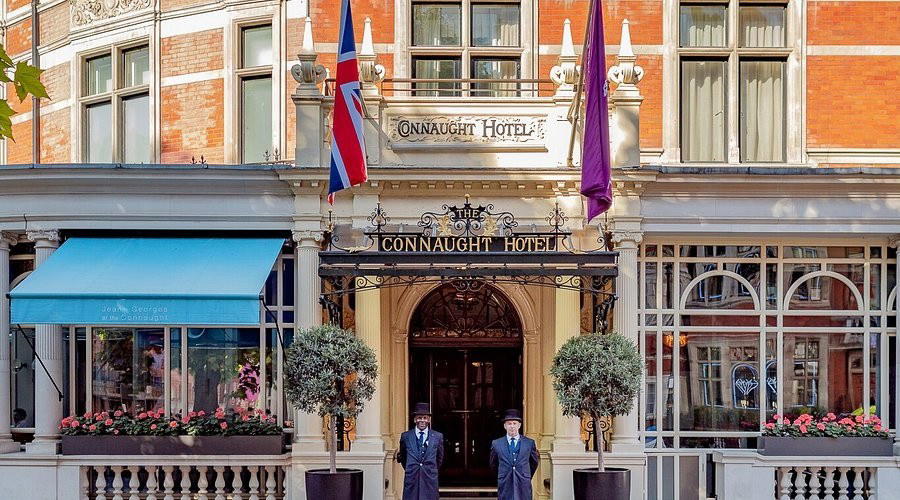
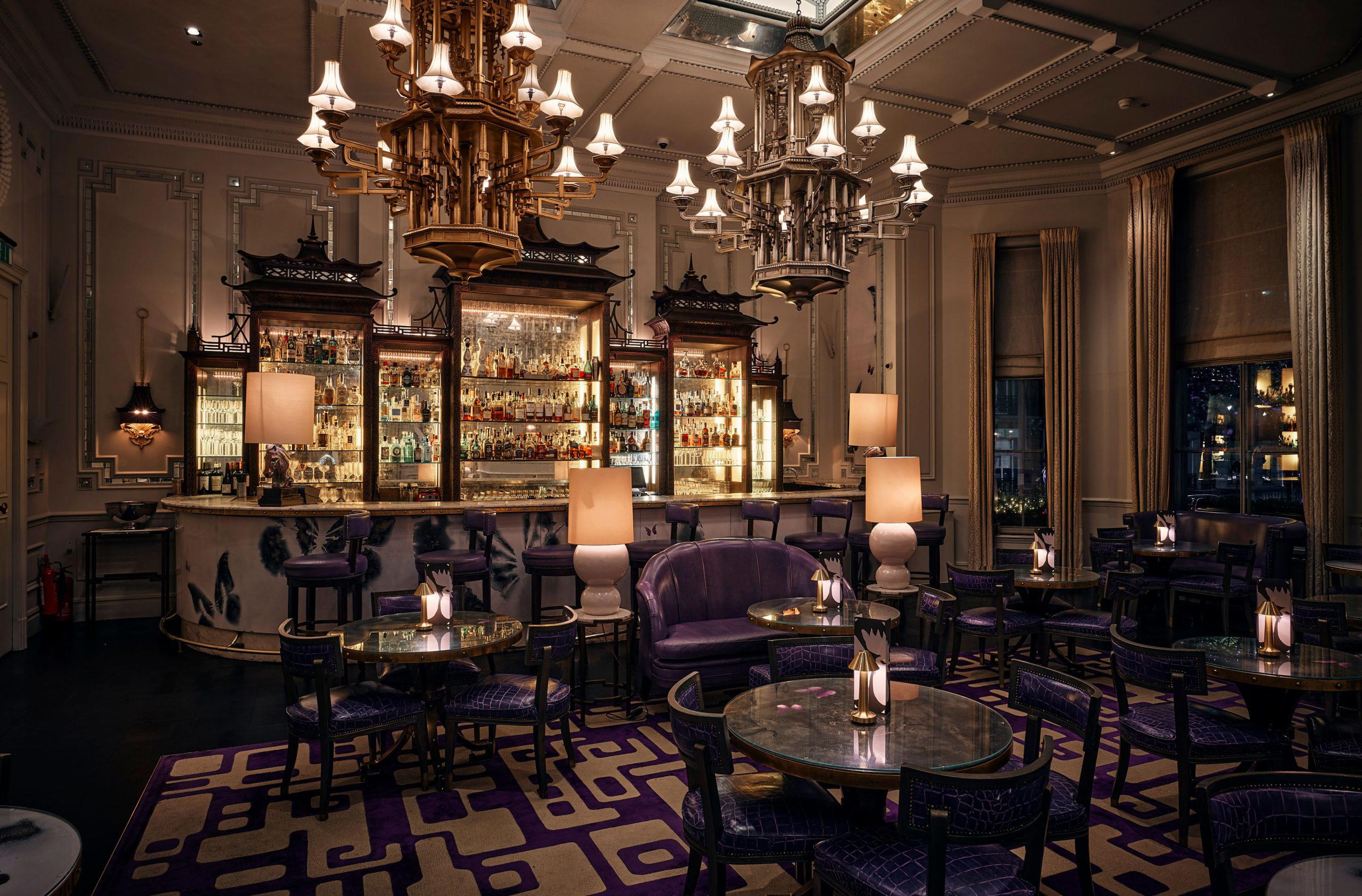
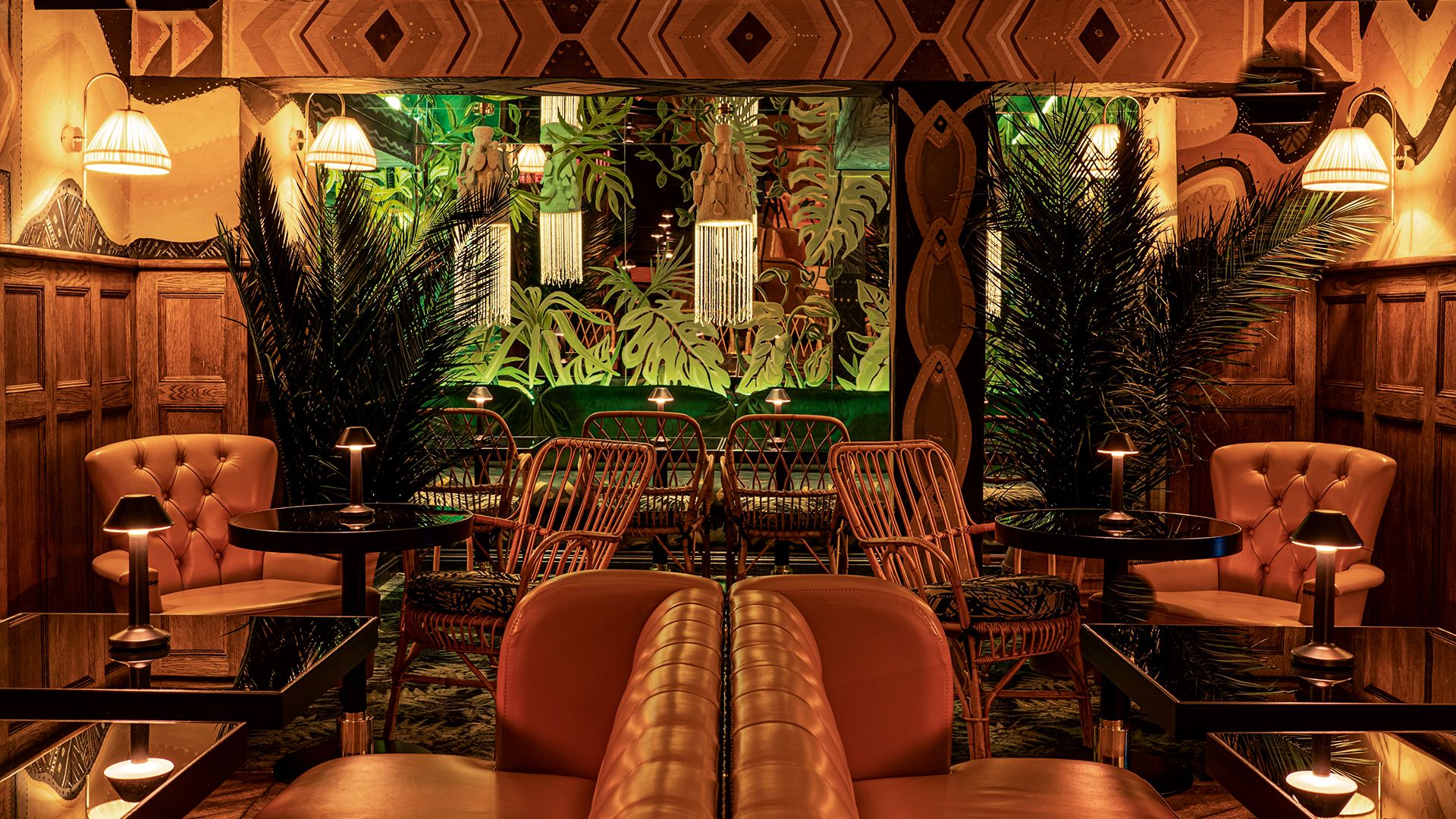
Bars in London
Browse all →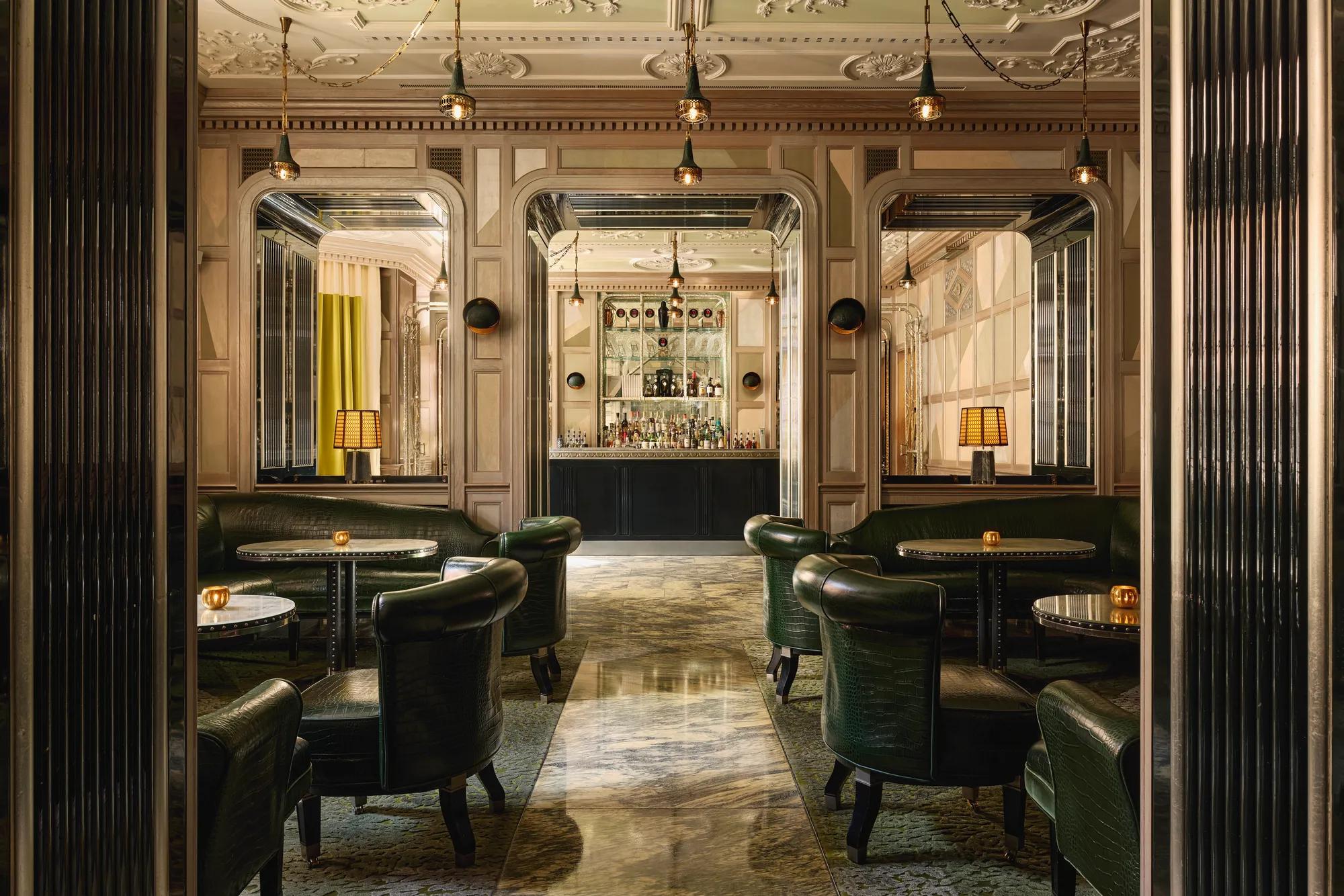
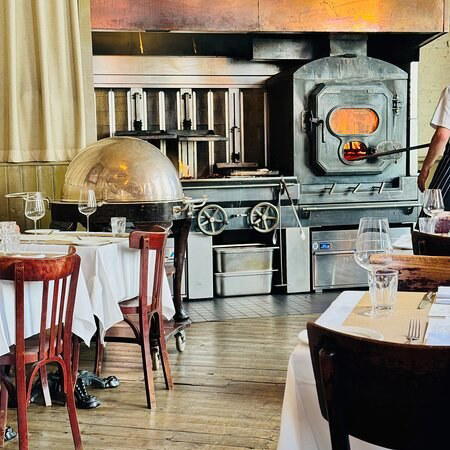
Restaurants in London
Browse all →



At a Glance
- Elegant
- Classic
- Sophisticated
- Ornate
- Well Known
- Romantic Getaway
- Anniversary
- Business Trip
- Celebration
- Historic Building
- Butler Service
- Spa
- Pool
- Fitness Center
- Room Service
- Concierge
- Valet Parking
- Business Center
- Restaurant
- Bar
- Wi Fi
- Street Scene
- Spa
- Pool
- Fitness Center
- Room Service
- Concierge
- Valet Parking
- Business Center
- Restaurant
- Bar
- Wi Fi
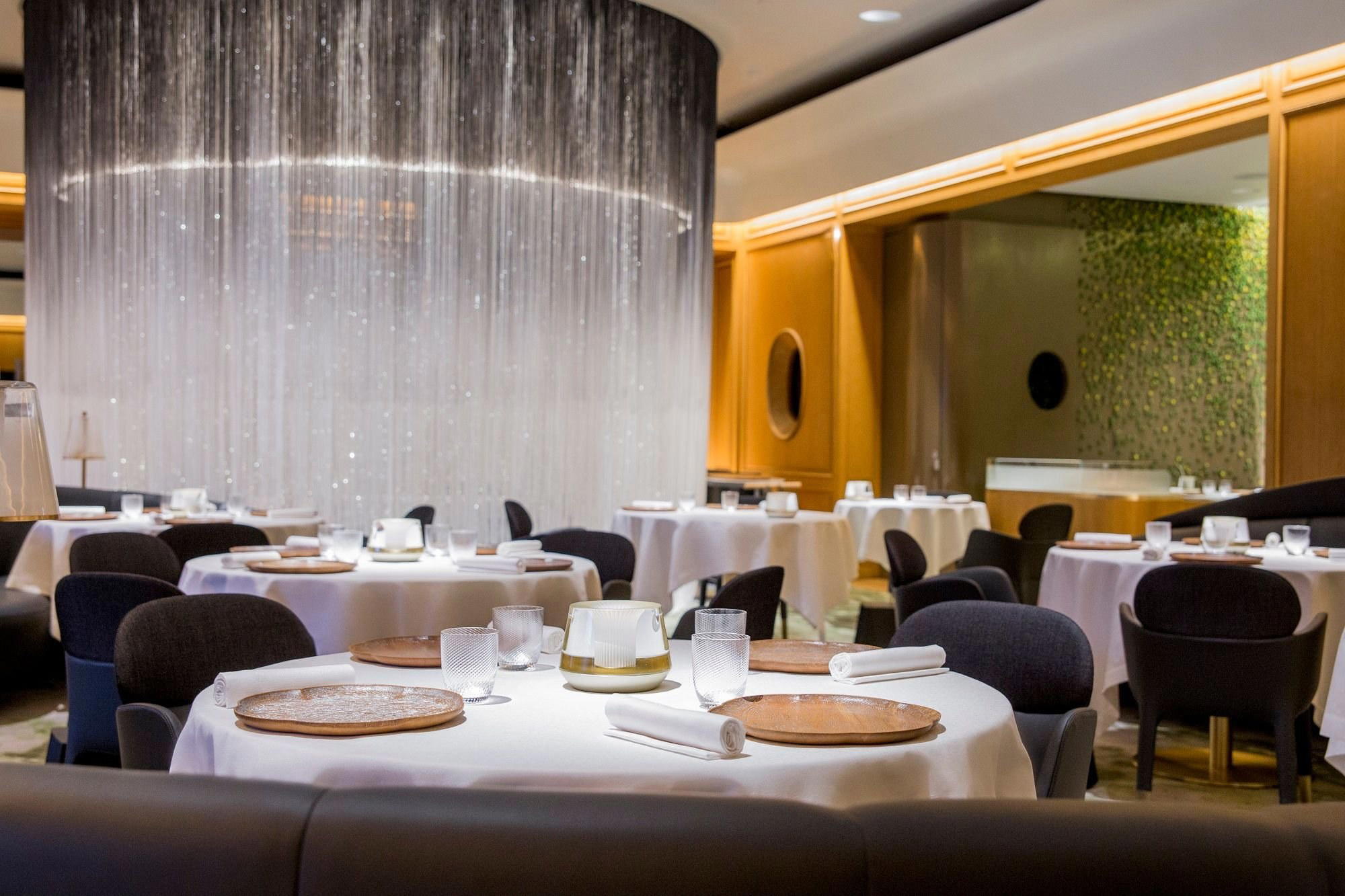
Elegant and sophisticated with serene spa lighting, vaulted pool ceilings, and luxurious, calming atmospheres praised in guest reviews.
Know Before You Go
- Getting there
- Brook St, London W1K 4HR