


Michelin 3 Grapes · World's 50 Best #9 · Falstaff Winery - 5 Stars
Château d'Yquem sits at the apex of Sauternes because the appellation’s fragile equation of mist, autumn sun and noble rot is rarely expressed with such market confidence.

Pearl is the En Primeur Club membership app — saves, bookings, and concierge access live there. Same editors, same standards.
- Address
- Château d'Yquem, 33210 Sauternes
- Phone
- +33 5 57 98 07 07
- Website
- yquem.fr
- Directions
- Get directions
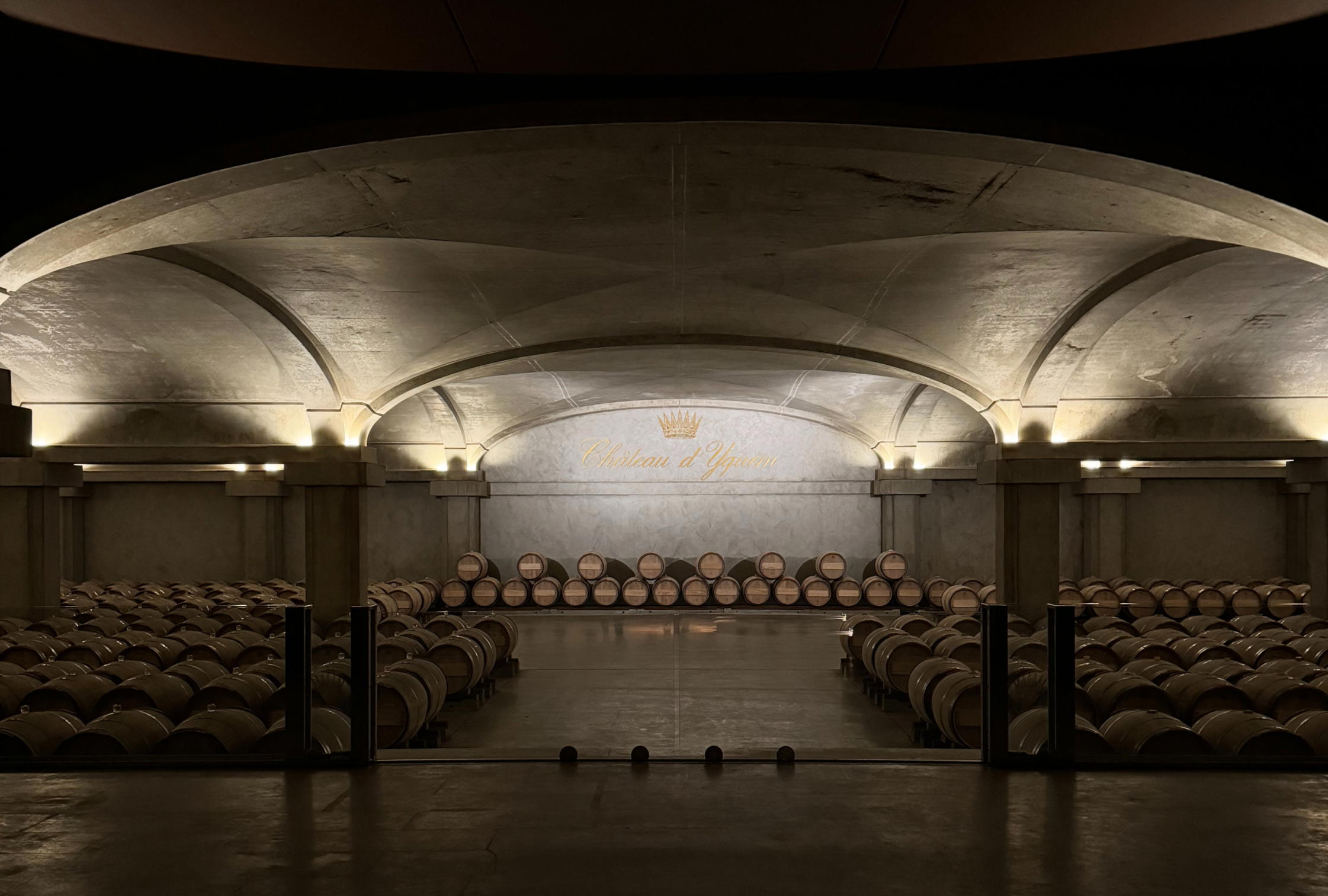
Where Sauternes Turns Weather Into Wine
Approaching Sauternes, the scene shifts from broad Bordeaux grandeur to something more meteorological. The region’s reputation depends on fog, patience and risk: morning humidity from the nearby waterways encourages botrytis cinerea, while afternoon sun has to dry the berries before decay takes over. In that narrow climatic bargain, Château d'Yquem occupies a rare position. The estate is not simply a famous château with a sweet-wine label attached; it is a reference point for how Sauternes converts fragile autumn conditions into wines built for decades rather than dessert-course convenience.
The useful way to read Yquem is through terroir expression, not luxury shorthand. Sauternes is an appellation where concentration is earned berry by berry, often through successive passes through the vineyard rather than a single harvest sweep. The wines depend on shrivelled fruit affected by noble rot, which concentrates sugar, acidity and aromatic compounds. That process makes the category expensive to produce and difficult to scale. It also explains why old vintages are followed by collectors with a level of seriousness more often associated with first-growth reds than sweet wine.
Those two pieces of information matter because Sauternes has to defend its place in a market that now drinks drier, younger and faster. In practical terms, ch d'yquem is not competing with casual tasting-room stops. It belongs to the narrower category of estates whose wines function as cultural benchmarks.
The Land Behind the Sweetness
Sweet wine is often misunderstood by travellers because sweetness reads as style rather than origin. In Sauternes, the better question is not how sweet the wine is, but how the vineyard keeps that sweetness in tension. The appellation’s gravels, clay-limestone elements and variable exposures matter because botrytised grapes can become heavy if acidity, phenolic detail and controlled concentration are absent. The great test is balance: sugar should carry flavour and age, not flatten the wine into syrup.
Yquem’s position in Sauternes makes sense only inside that demanding agricultural logic. Noble rot is not a recipe; it is a weather event that must be selected, managed and refused when conditions fail. This is why Sauternes has long occupied a complicated place in Bordeaux. It requires labour-intensive picking, relies on autumn conditions that can change by the day, and produces wines whose commercial rhythm differs from the faster cycle of dry reds and whites. The reward is a category capable of long ageing, with bottles that can move through honeyed, citrus, spice and dried-fruit registers over time. Those are general markers of mature Sauternes, not a tasting note for a specific bottle.
Within the local context, comparisons sharpen the point. Château d’Arche, Château Filhot and Château Guiraud help define the broader Sauternes conversation: historic estates, botrytised production and a category fighting for contemporary attention without abandoning its old grammar. Yquem sits above that discussion in market perception, but the terroir question remains shared across the appellation. Mist, rot, selection and time are the basic materials.
Why the Estate Matters Beyond Sauternes
Bordeaux status usually belongs to classified red-wine estates, but Sauternes complicates that hierarchy. A great sweet wine has to persuade drinkers before dinner, with cheese, after dinner or decades later from a cellar. That flexibility is part of the intellectual appeal, yet it also makes the category harder for casual visitors to place. Château d'Yquem matters because it gives Sauternes a global reference point: a name that collectors use when discussing longevity, vintage selection and the economics of noble rot.
The estate’s prestige also changes how visitors should think about the region. Sauternes is not a theme-park extension of Bordeaux’s grand châteaux circuit. It is a small, weather-sensitive wine zone where production decisions can be more severe than in many dry-wine regions. In a difficult year, selection can shape whether a wine feels precise or merely sweet. That pressure gives the category its seriousness.
There is also a broader French comparison. Burgundy houses such as Maison Joseph Drouhin in Beaune and Domaine François Lamarche in Chablis are often discussed through site specificity, parcel identity and vintage transparency. Sauternes deserves a similar reading, even though the mechanism is different. Here, terroir is filtered through botrytis and selection rather than through dry-wine fruit purity alone. That distinction is the reason Yquem remains useful as a lens on French wine: it proves that sweetness can be an outcome of place, not an escape from it.
How to Place It in a Bordeaux Itinerary
For travellers building a wine-focused stay, Sauternes rewards a slower day than the Left Bank or Saint-Émilion circuits. The address, Château d'Yquem, 33210 Sauternes, places the estate inside the village’s wine country rather than in a dense urban tasting zone. Public database details do not list phone, website, opening hours, booking method or prices, so planning should be handled with caution and confirmed through official channels before travel. That absence of practical data is itself a signal: this is not a casual drop-in proposition in the way many cellar-door visits can be.
The smarter itinerary compares categories rather than stacking famous names. A day around Sauternes can pair Yquem’s prestige with nearby appellation context from Château Guiraud, Château d’Arche or Château Filhot. That sequence teaches more than a single prestige stop because it shows how different estates operate within the same noble-rot framework. Travellers who want a wider Bordeaux contrast can look north to Château Duhart-Milon or across to biodynamic Margaux context at Château Durfort-Vivens in Margaux.
Timing matters because Sauternes is a seasonal wine story. Autumn is the dramatic hinge, when humidity and sun decide the character of a harvest, but visitor access is not guaranteed by season alone. Spring and early summer can make the vineyards easier to read visually, while harvest periods may bring operational limits.
The Reader Decision: Prestige Stop or Terroir Study?
There are two legitimate reasons to seek out Yquem. The second is more interesting: the chance to understand how a difficult category earns authority through land, climate and selection. Sauternes asks for patience from the drinker because its wines often reveal themselves through age, food pairing and context rather than through immediate fashion.
That distinction matters for experienced travellers. Anyone looking for a broad tasting-room social experience may find the Sauternes model less convenient than regions built around hospitality volume. Anyone interested in how wine value is created by risk, scarcity and repeat harvest passes will find the category intellectually generous. Yquem’s role is to anchor that conversation, but the estate should not be treated as the whole story. It is the reference that makes the surrounding appellation easier to understand.
International comparisons make the point clearer. Rioja’s architectural ambition at Bodegas Ysios in Laguardia frames wine through design and regional branding. Napa estates such as Cakebread Cellars in Rutherford often express hospitality through polished visitor infrastructure and varietal clarity. Provence’s Château Simone in Meyreuil points toward another model: tradition, site identity and regional specificity outside the glare of mainstream luxury. Sauternes sits apart because its central drama is biological and climatic. Botrytis, not architecture or cellar theatre, is the protagonist.
Planning Around Sauternes
Sauternes works better as a compact wine-country base than as a box-ticking detour. The village and surrounding communes give travellers enough context to understand why the appellation’s wines differ from dry Bordeaux, but the area is small enough that dining, hotels and bars should be planned before arrival. EP Club’s city guides can help structure the non-winery portions of the trip: Our full Sauternes restaurants guide, Our full Sauternes hotels guide and Our full Sauternes bars guide cover the surrounding hospitality options.
For wine planning, Our full Sauternes wineries guide gives the strongest framework because this region is better read through multiple estates than through a single label. Travellers who want cultural programming beyond cellar visits can also use Our full Sauternes experiences guide. The key is to keep the day focused. Sauternes rewards attention to climate, slope, selection and age; rushing through it as a sweet addendum to Bordeaux misses the point.
In the wider market, Yquem belongs to the rare-wine and collectible category, where vintage, provenance and bottle condition can drive large differences in value. That market context does not tell a visitor what an estate experience costs, but it does explain why the name carries weight far beyond the village. Practical planning should separate three things: visiting the château, tasting Sauternes in the region and acquiring bottles through reputable merchants or restaurant lists.
Recognition, Side-by-Side
| Venue | Price | Awards |
|---|---|---|
| Château d'YquemThis venue — the venue you are viewing | $100–150 | Michelin 3 Grapes · World's 50 Best #9 |
| Château Duhart-Milon | $50–100 | Michelin Main Selection · Falstaff Winery - Listed |
| Château Filhot | Not listed | Falstaff Winery - 1 Stars |
| Château Guiraud | Not listed | Michelin Main Selection · Falstaff Winery - 3 Stars |
| Château d’Arche | Not listed | Falstaff Winery - 1 Stars |
Recognition history
Dated appearances from independent guides and award organizations, with the underlying list record or original source where available.
Michelin 3 Grapes
Michelin
World's 50 Best Vineyards #9
World's 50 Best
Falstaff Winery - 5 Stars
Falstaff
Full recognition history (7 entries)
World's 50 Best Vineyards #13
World's 50 Best
World's 50 Best Vineyards #18
World's 50 Best
World's 50 Best Vineyards #23
World's 50 Best
World's 50 Best Vineyards #31
World's 50 Best
Continue exploring
More in Sauternes
Wineries in Sauternes
Browse all →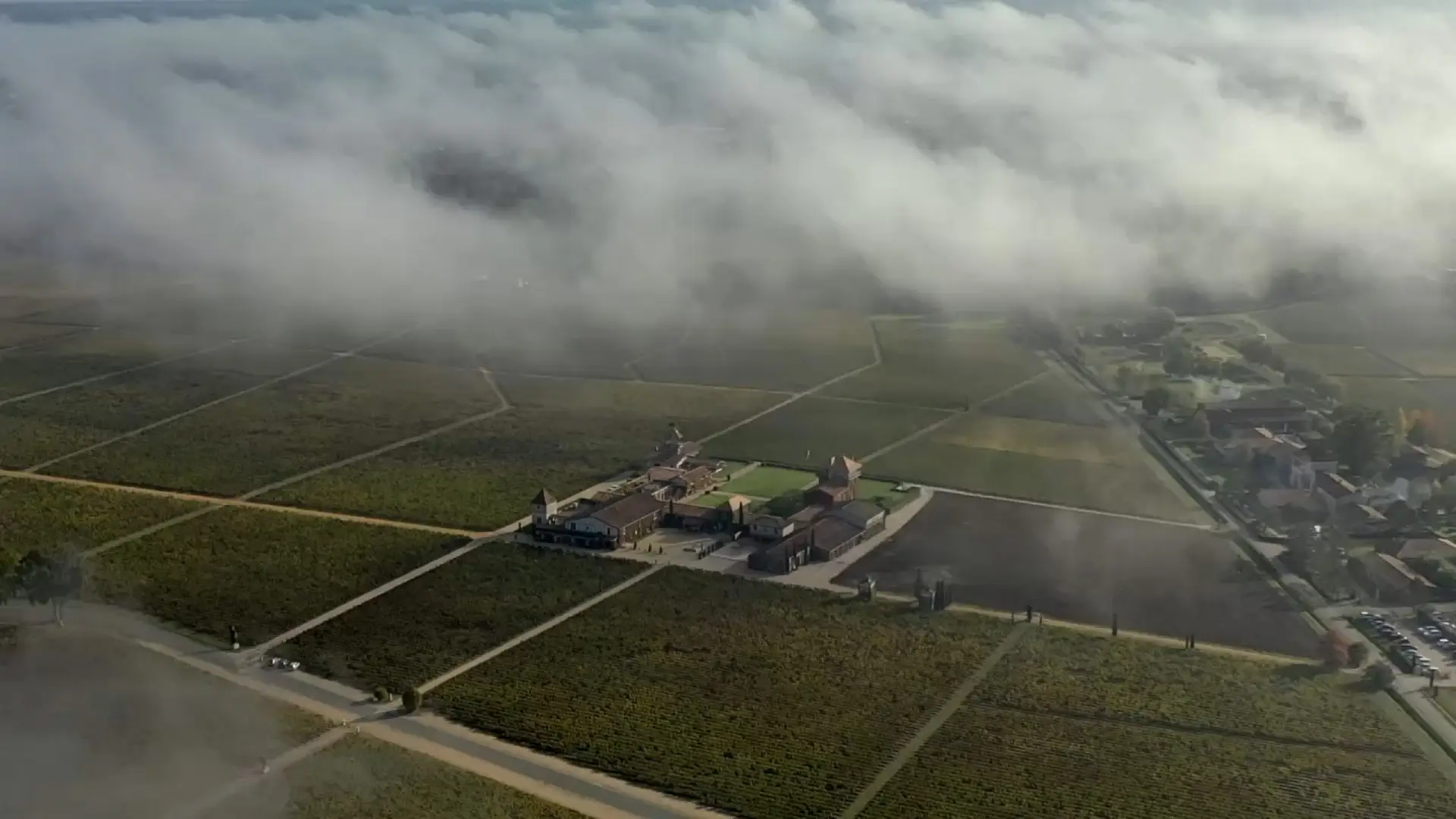
Bars in Sauternes
Browse all →
Restaurants in Sauternes
Browse all →
Details
- Elegant
- Classic
- Well Known
- Sophisticated
- Ornate
- Special Occasion
- Wine Education
- Vineyard Tour
- Historic Building
- Estate Grounds
- Vineyard
- Semillon
- Sauvignon Blanc
- Dessert
- Private Tasting
- French
- English
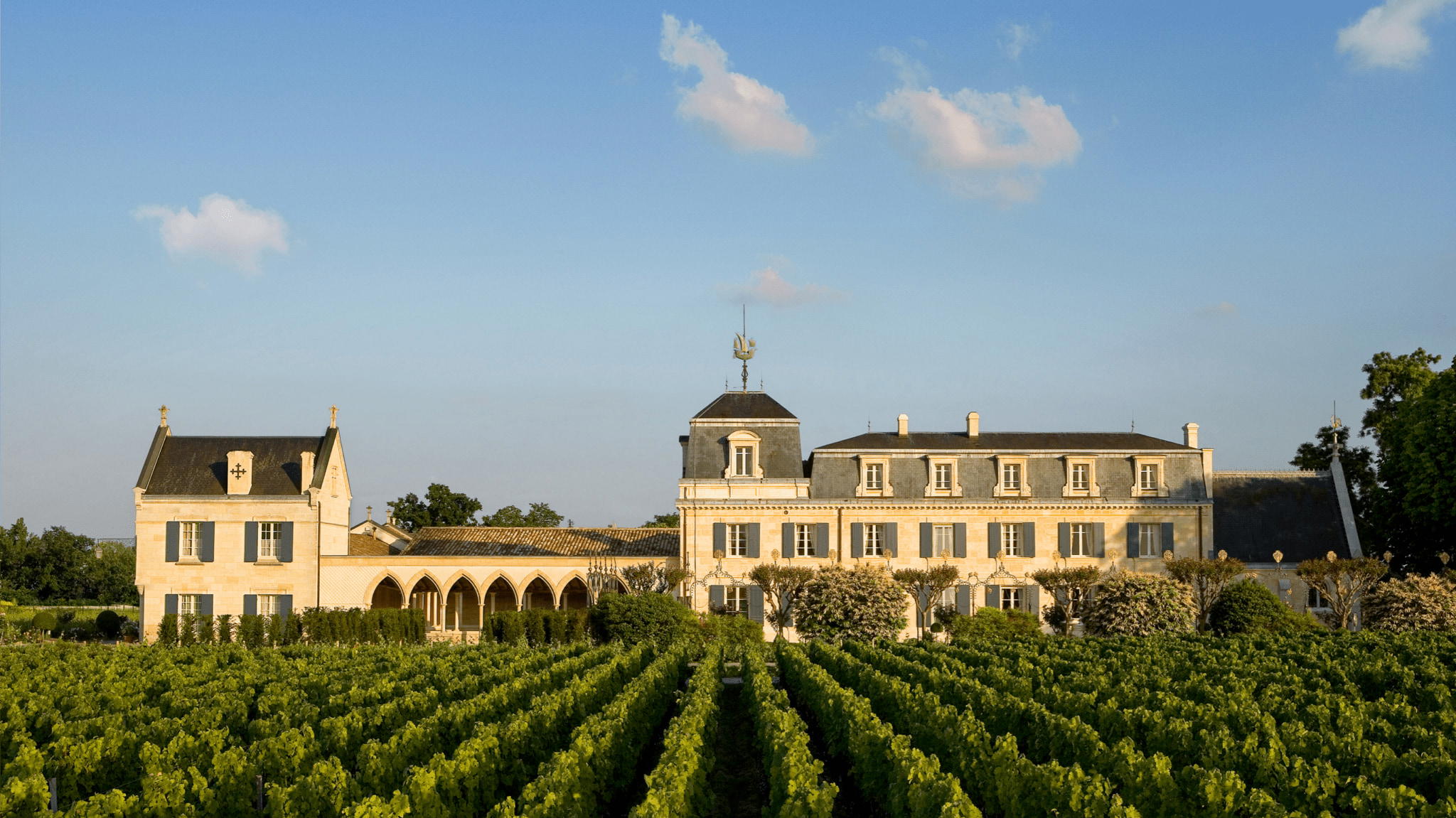
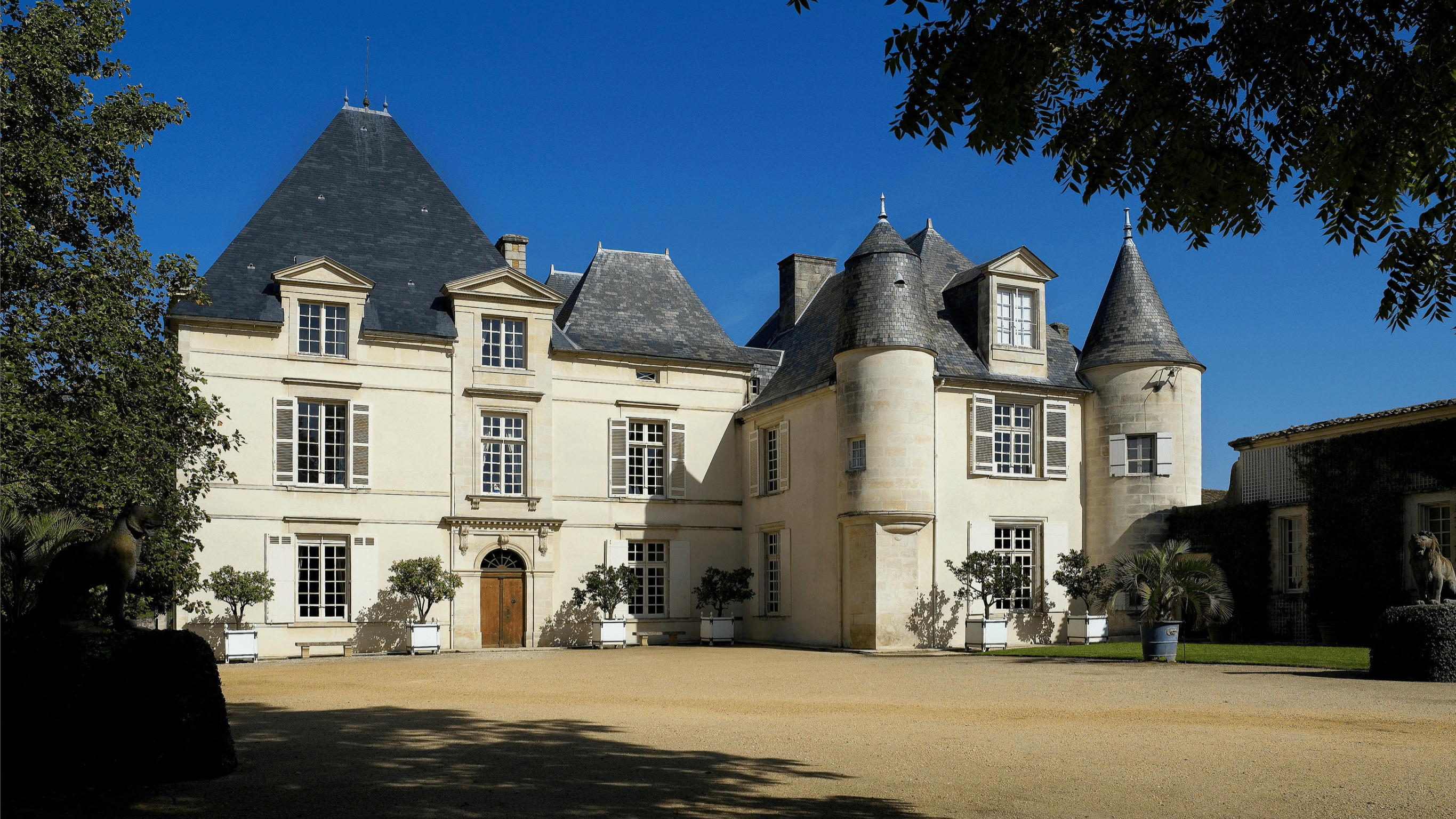
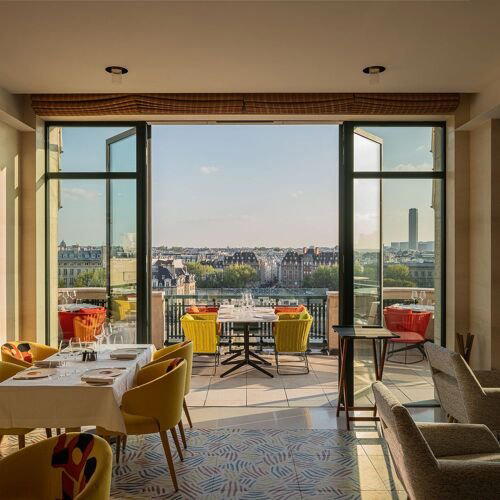
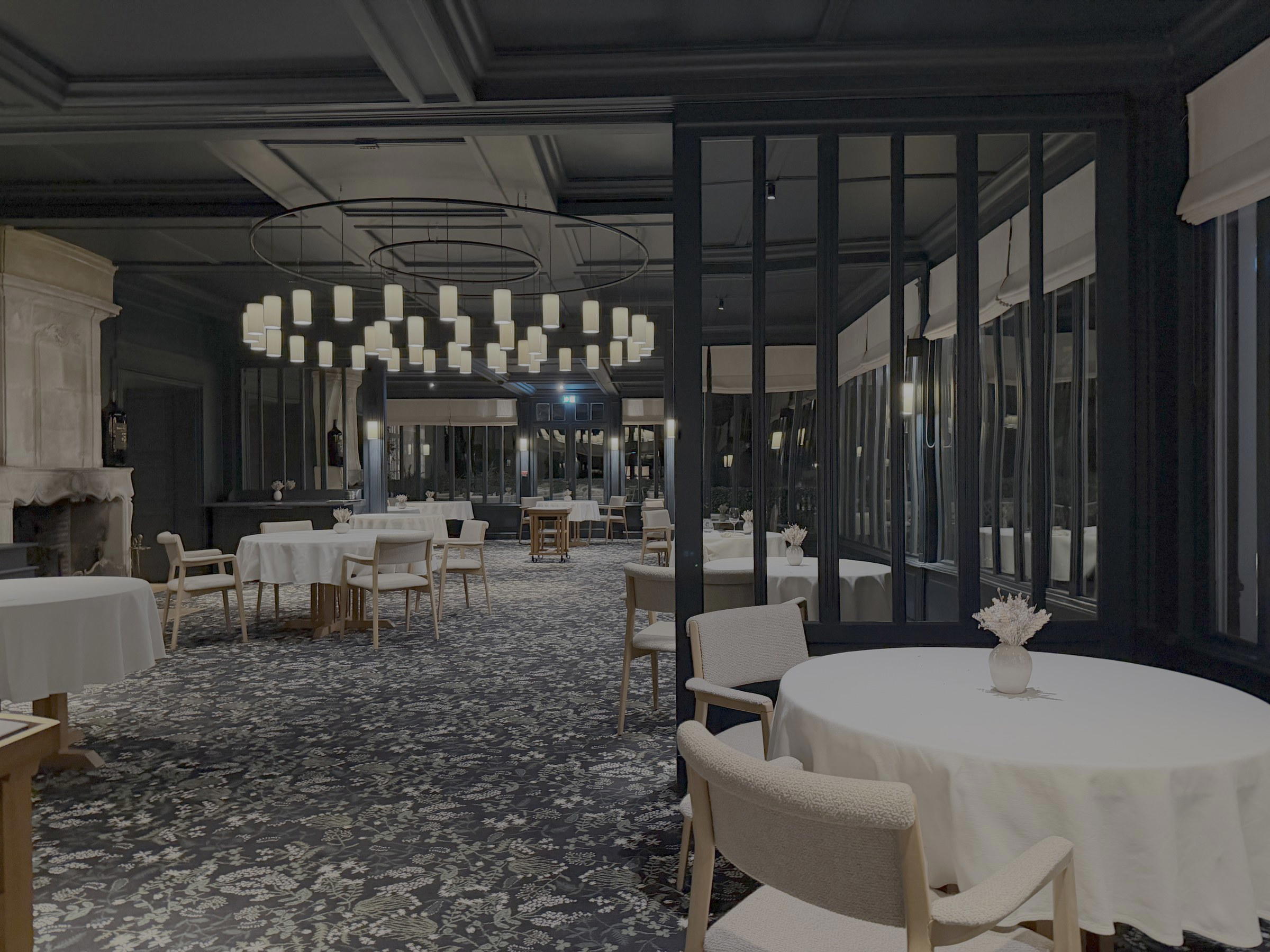
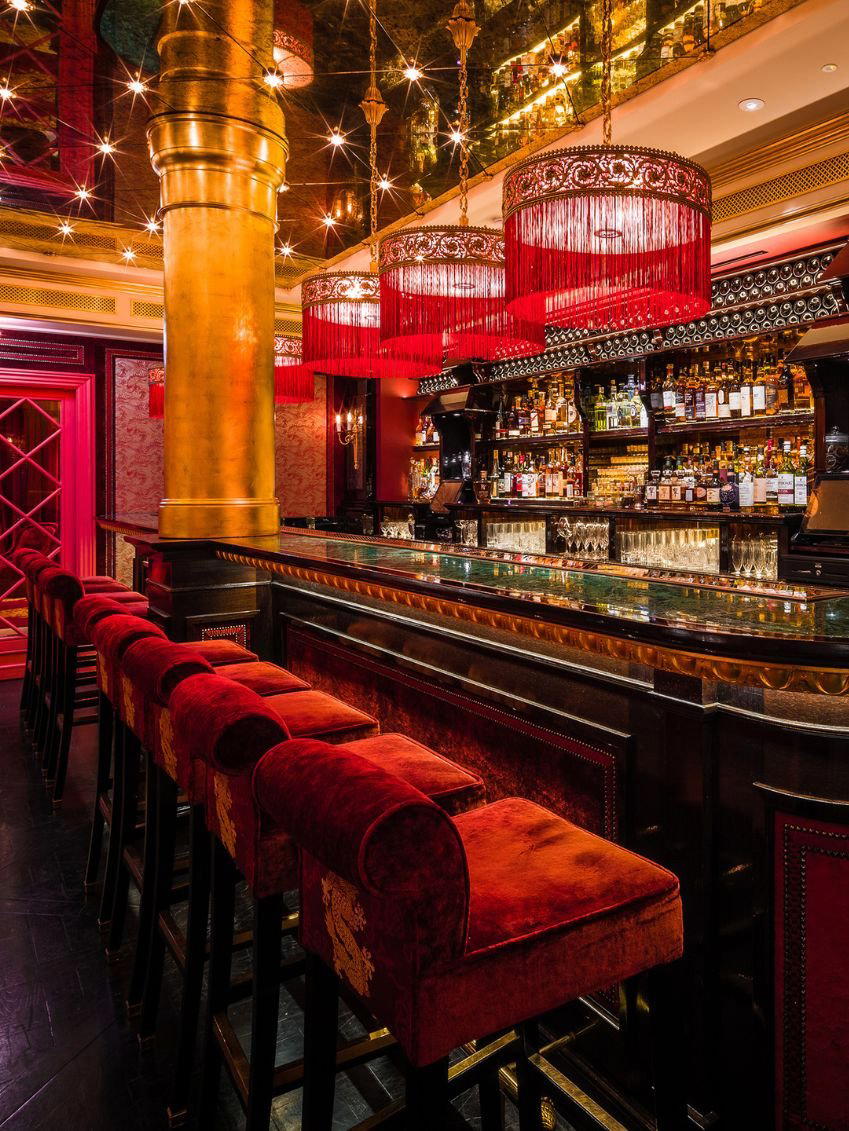
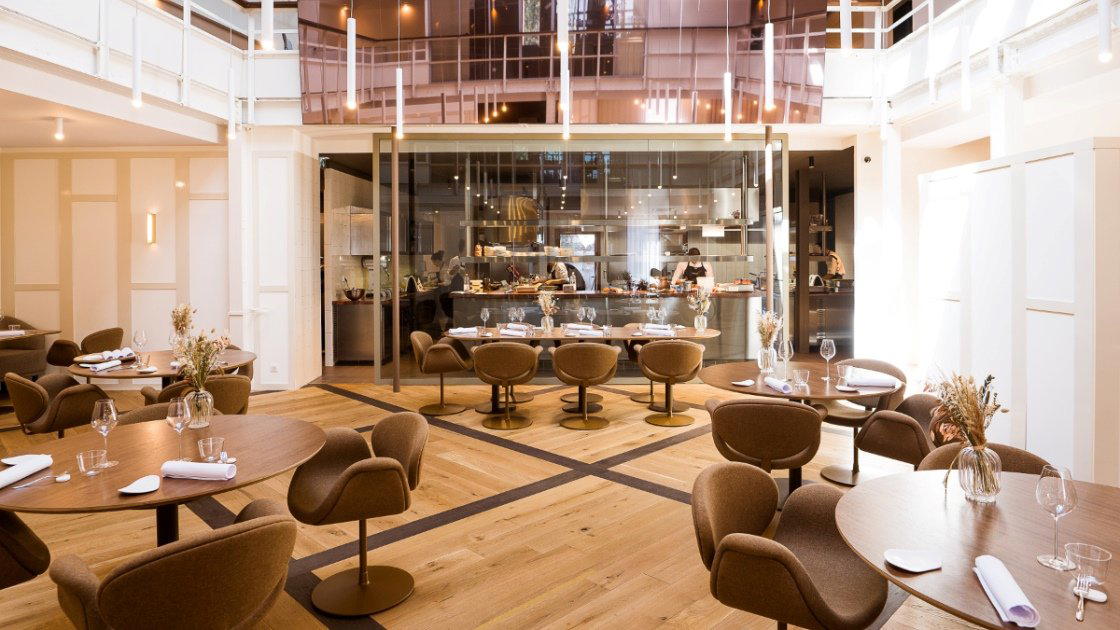
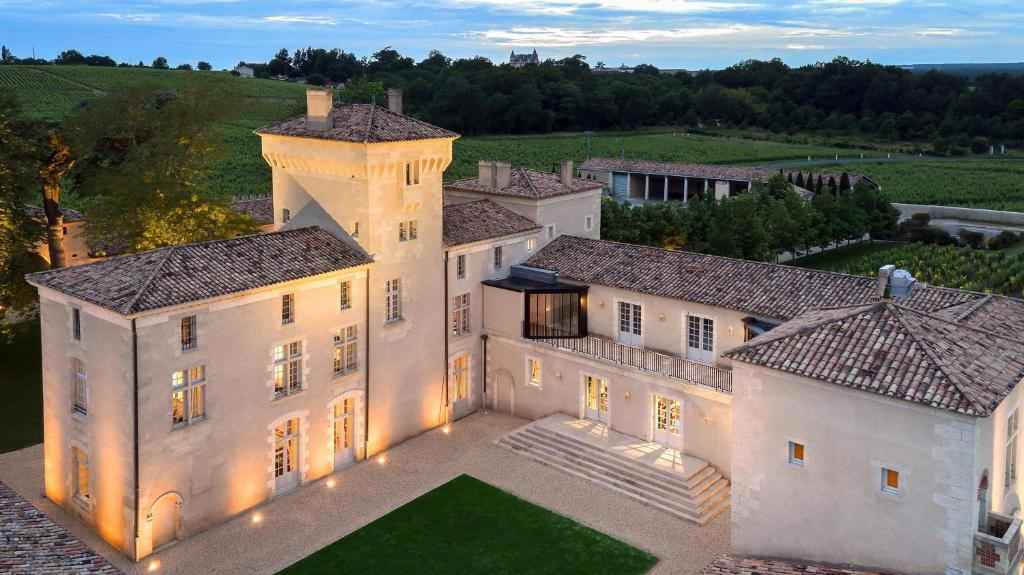
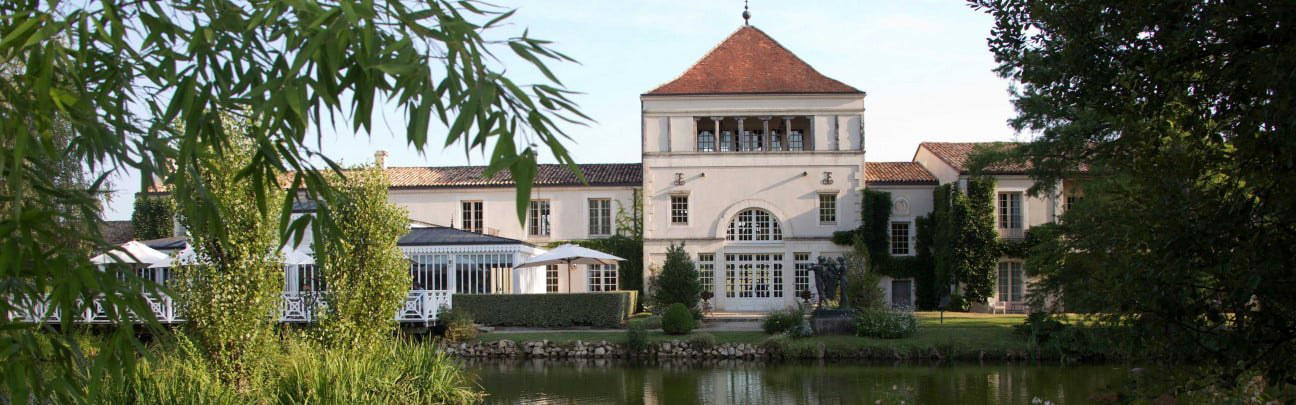
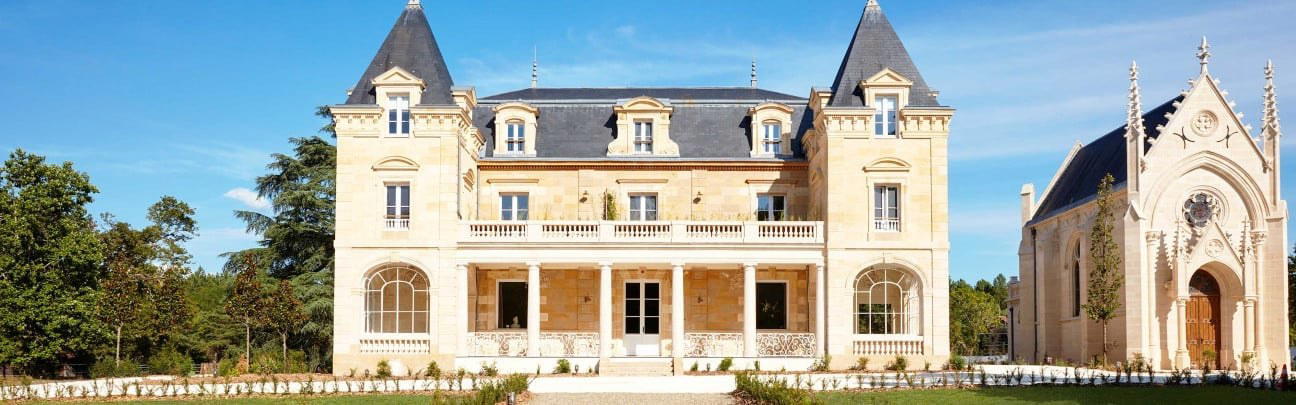
Ornate historic château with preserved 17th-century frescoes, elegant tasting rooms, and a serene, sophisticated atmosphere amid rolling vineyards.