Domaine Dugat-Py

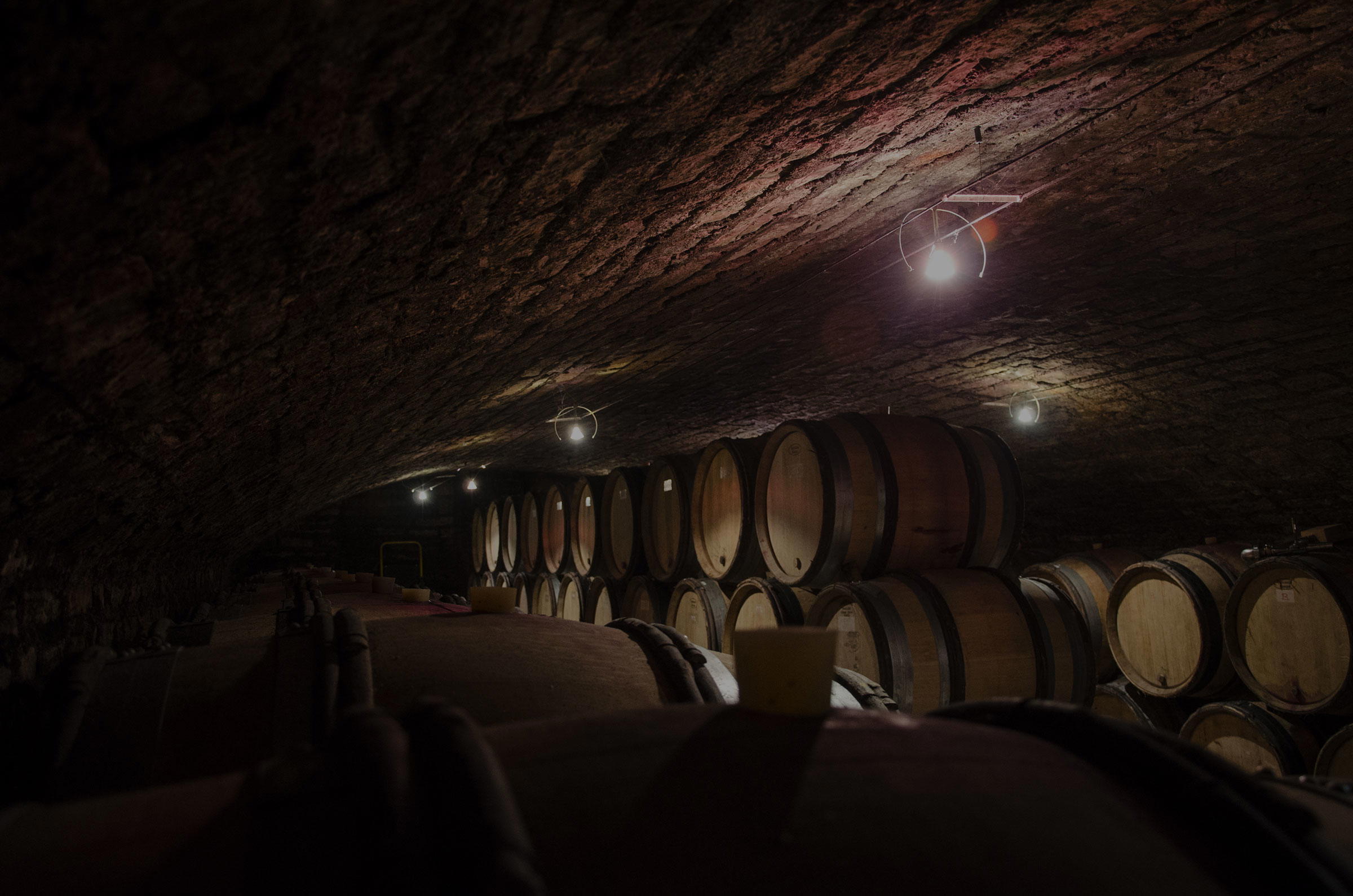
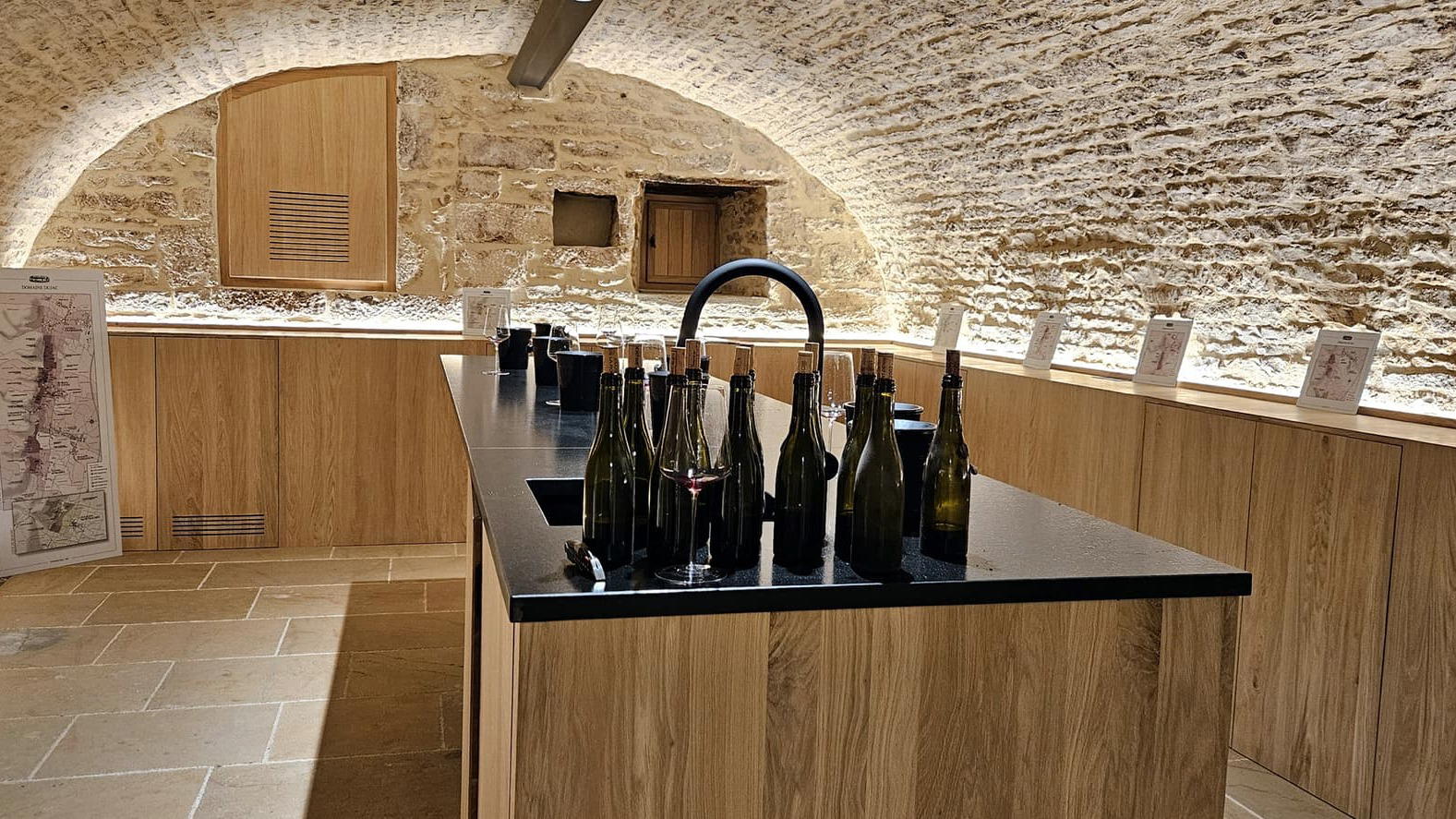
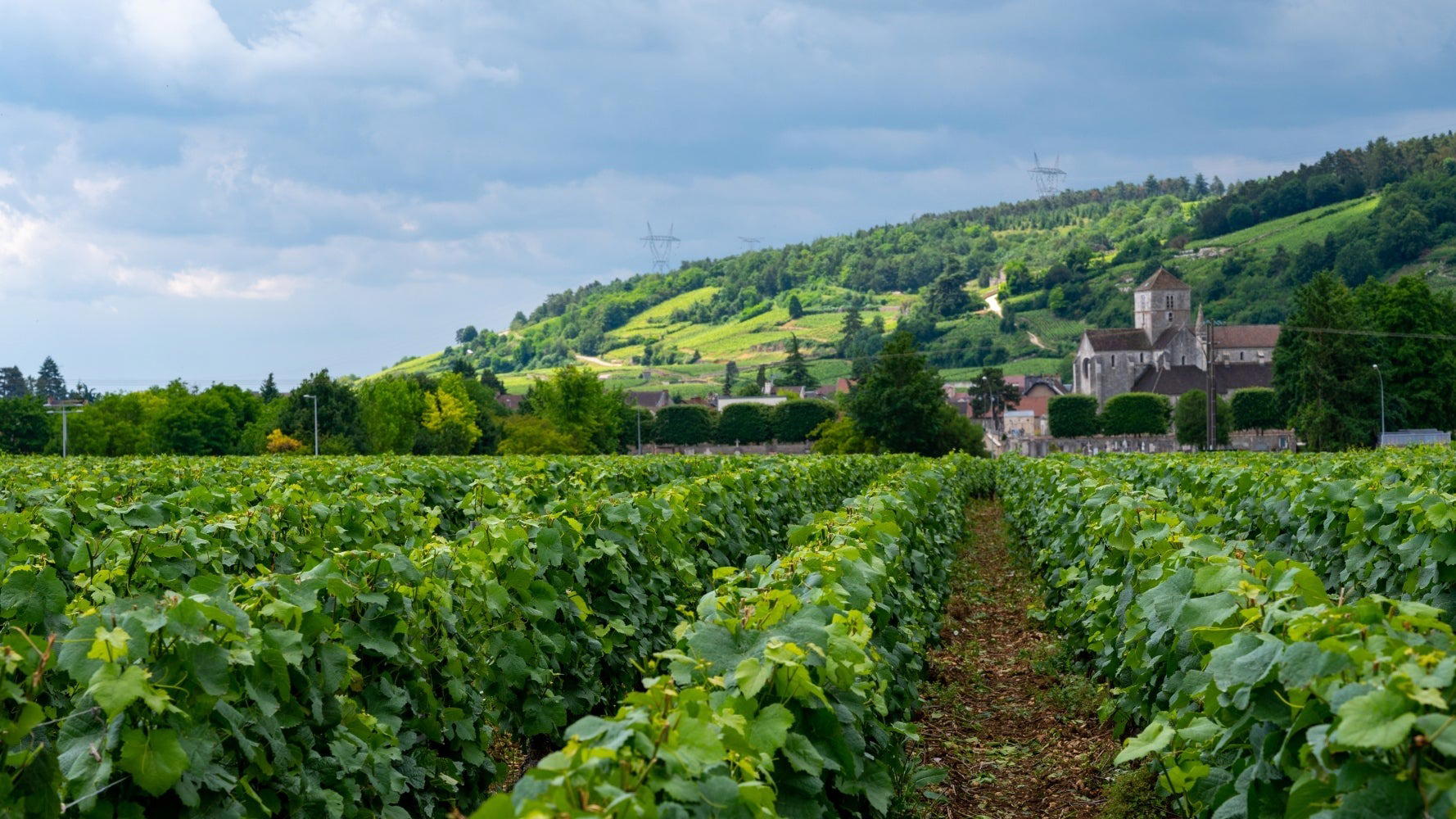
Domaine Dugat-Py: Organic Gevrey-Chambertin estate at 2 Rue de Planteligone pairs cave tastings and barrel-room visits with vineyard views, plus Michelin 3 Grapes recognition for 2026.
Pearl is the En Primeur Club membership app — saves, bookings, and concierge access live there. Same editors, same standards.
- Address
- 2 Rue de Planteligone, 21220 Gevrey-Chambertin
- Phone
- +33 3 80 51 82 46
- Website
- dugat-py.fr
- Directions
- Get directions
 Saves & bookings on Pearl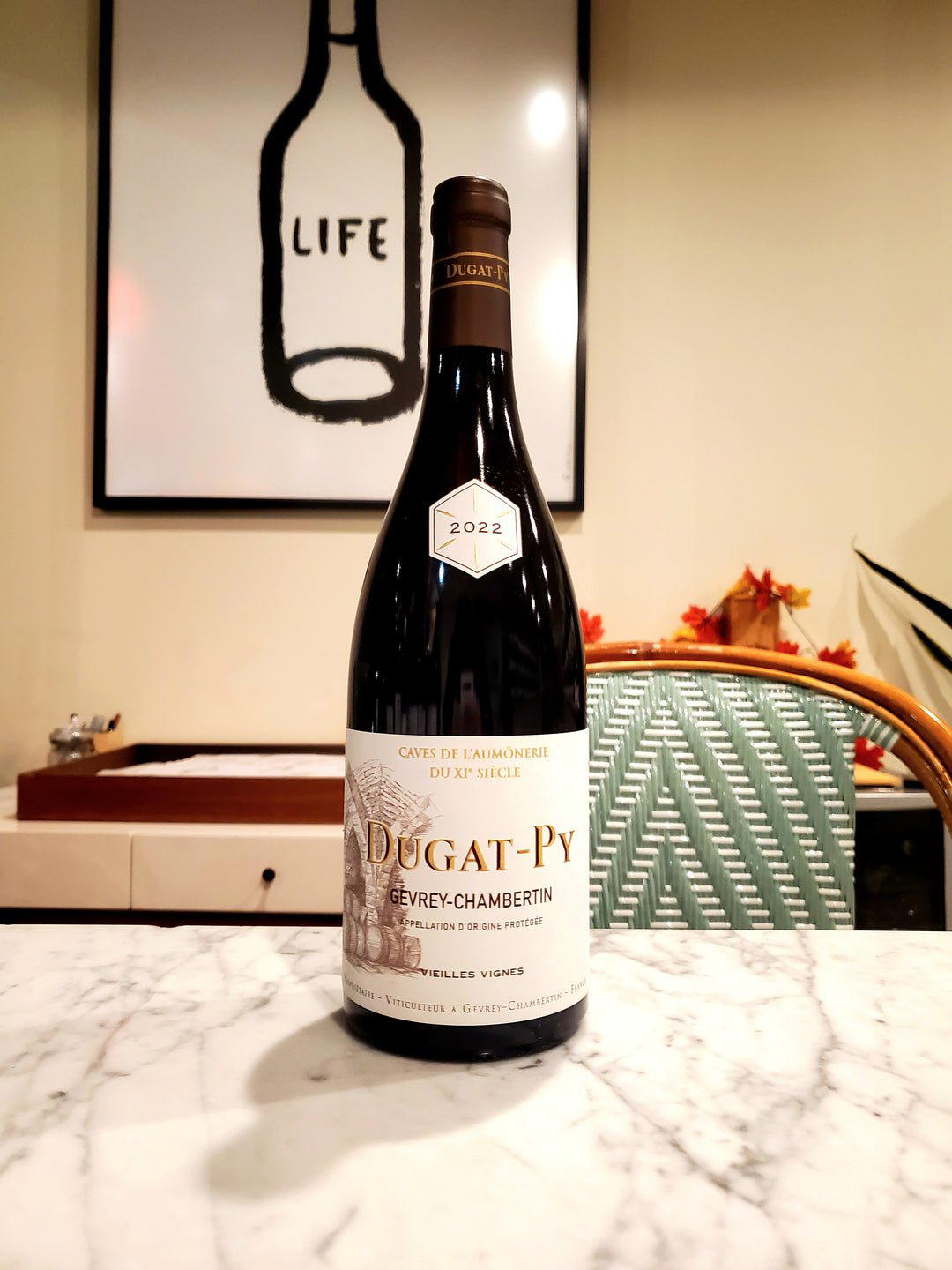
The Gevrey-Chambertin tradition of long-élevage, minimal-intervention Pinot Noir finds one of its most technically consistent expressions at Domaine Dugat-Py, a 15-hectare estate that has operated inside the village's dense concentration of parcellaire holdings since Bernard Dugat established the domaine in 1994. The domaine works entirely within the boundaries of Gevrey-Chambertin and the immediately adjacent Côte de Nuits villages, holding parcels across eight village-level climats and four Premier Cru sites, Champeaux, Lavaut Saint-Jacques, Petite Chapelle, and Évocelles, alongside a small allocation of Grand Cru Charmes-Chambertin and Mazis-Chambertin. The house style that has defined the domaine since its first vintage sits closer to the high-extraction, long-maceration tradition of Domaine Claude Dugat (Loïc's uncle) and Domaine Denis Mortet than to the lighter-touch, shorter-élevage school associated with Domaine Armand Rousseau or Domaine Denis Bachelet.
Dugat-Py's cellar protocol follows the extended-maceration model that became the technical signature of a small cohort of Gevrey producers in the 1990s: whole-cluster fermentation percentages ranging from 50 to 100 percent depending on vintage and parcel, ambient-yeast primary fermentation running 18 to 25 days including post-fermentation maceration, and extended élevage in a high percentage of new oak, typically 80 to 100 percent new barrels for the Premier and Grand Cru cuvées, 50 to 60 percent for village-level bottlings. The combination of long skin contact and heavy oak regime produces wines that require extended bottle age to integrate, a profile that positions the domaine inside the cellar-worthy rather than early-drinking segment of the Gevrey market. The house does not fine or filter prior to bottling, a protocol Dugat-Py has maintained across all cuvées since the mid-1990s.
Loïc Dugat-Py entered the family holdings in 1989 after completing viticultural studies at Beaune, working initially alongside his father Bernard Dugat. Average yields across the domaine's holdings sit between 30 and 35 hectoliters per hectare, approximately 20 percent below the Gevrey-Chambertin AOC maximum and consistent with the yield discipline practiced by the village's most quality-focused producers. Vine age across the parcellaire is relatively high, the Vieilles Vignes village cuvée is sourced from vines planted between 1920 and 1950, while the Premier Cru holdings average 40 to 60 years.
The domaine's Grand Cru holdings are small and tightly allocated. Charmes-Chambertin represents approximately 0.50 hectare of the estate's total surface, divided between two parcels in the climat's northern section near the border with Mazoyères-Chambertin. The Mazis-Chambertin holding is smaller still, at 0.23 hectare, and consistently produces the domaine's most structured and age-demanding cuvée. Both Grand Cru bottlings are vinified with 100 percent whole clusters in warm vintages and 80 to 90 percent in cooler years, a whole-cluster percentage that exceeds the Gevrey baseline and aligns Dugat-Py's technique with the full-cluster advocates inside the Burgundy conversation, a group that includes Domaine Cécile Tremblay in Morey-Saint-Denis, Domaine Georges Roumier in Chambolle-Musigny, and a small number of other producers working at the technical edges of the Côte d'Or tradition.
Dugat-Py's Premier Cru holdings define the domaine's identity inside the Gevrey hierarchy more than the Grand Cru allocations. Champeaux, the domaine's largest Premier Cru parcel at 1.10 hectares, sits on the southern edge of the village near the border with Morey-Saint-Denis and produces a wine that consistently reads as more floral and less tannic than the domaine's other Premier Cru cuvées. Lavaut Saint-Jacques, a 0.60-hectare holding in one of Gevrey's most highly regarded Premier Cru sites, occupies a mid-slope position with southeast exposure and yields the domaine's most mineral-driven and age-worthy Premier Cru. Petite Chapelle, adjacent to the Grand Cru Chapelle-Chambertin, represents 0.40 hectare and produces a wine that sits structurally between the Champeaux and Lavaut bottlings. The Évocelles parcel, a recent addition to the domaine's holdings, is vinified separately only in certain vintages; in lighter years, the fruit is blended into the Vieilles Vignes village cuvée.
The village-level program at Dugat-Py includes three separately bottled cuvées: a standard village Gevrey-Chambertin, a Cœur de Roy bottling sourced from parcels near the village center, and the Vieilles Vignes cuvée mentioned above. The Vieilles Vignes bottling functions as the stylistic anchor of the domaine's village-level production and represents the clearest expression of Dugat-Py's cellar philosophy at the entry tier, whole-cluster fermentation ranging from 60 to 80 percent, 50 percent new oak, and a structural profile that requires five to seven years of bottle age to show well. The Cœur de Roy cuvée, introduced in the early 2000s, is a selection from a single parcel in the Cœur de Roy climat and is typically vinified with slightly higher new-oak percentages than the standard village bottling.
The domaine's allocation system operates through a small network of importers and négociants, with the majority of production pre-sold to long-standing clients in France, the United States, and Japan. Retail distribution is limited, and the wines are rarely available on the spot market outside of auction channels. The Premier Cru bottlings are priced closer to the median for their respective climats, though the domaine's secondary-market performance, particularly for the Lavaut Saint-Jacques and Champeaux cuvées, has pushed resale prices well above the ex-cellar baseline in recent vintages. The village-level Vieilles Vignes cuvée is consistently among the more expensive village Gevrey bottlings at release, reflecting both the domaine's reputation and the lower yields that define the cuvée's production.
Critical reception of Dugat-Py's wines has been consistently positive inside the trade press, with the Grand Cru and Premier Cru cuvées receiving regular scores in the 92-to-96-point range from Vinous, Burghound, and Wine Advocate. The domaine's style, high extraction, heavy oak, long bottle-age requirement, has occasionally drawn criticism from critics favoring a lighter-touch approach, but the wines' aging trajectory has validated the cellar protocol over time. Bottles from the late 1990s and early 2000s, now entering their third decade, consistently show well in vertical tastings and demonstrate the structural integrity that long maceration and whole-cluster fermentation can produce when applied to high-quality fruit and managed through careful élevage.
Dugat-Py's position inside the Gevrey-Chambertin hierarchy is defined by the domaine's consistent alignment with the village's extraction-forward wing rather than with the finesse-oriented school that dominates critical discourse around Domaine de la Romanée-Conti and the other benchmark estates of the Côte de Nuits. The comparison group for Dugat-Py includes Domaine Claude Dugat, Domaine Denis Mortet, and Domaine Duroché, all Gevrey producers working with extended maceration protocols, high whole-cluster percentages, and significant new-oak regimes.
The domaine does not offer public tastings or cellar visits, a policy that is standard among the smaller Burgundy estates and reflects both the limited production volumes and the allocation-driven sales model. Trade professionals and long-standing clients can arrange visits by appointment, but the domaine maintains a low public profile and does not participate in the regional salon circuit. This access model is consistent with the approach taken by most of the Côte de Nuits' upper-tier producers and reflects the reality that demand for the wines far exceeds available supply at every tier of the portfolio.
For further exploration of the Gevrey-Chambertin terroir and the technical diversity inside the village's producer base, see our full Gevrey-Chambertin wineries guide. For comparative context on other Burgundy producers working inside the extended-maceration tradition, see Jean-Marc & Thomas Bouley in Volnay. For broader access to the village's dining and lodging infrastructure, see our full Gevrey-Chambertin restaurants guide, our full Gevrey-Chambertin hotels guide, our full Gevrey-Chambertin bars guide, and our full Gevrey-Chambertin experiences guide.
The Minimal Set
Comparable venues nearby, for context on price, style, and recognition.
| Venue | Cuisine | Price | Notes |
|---|---|---|---|
| Domaine Dugat-PyThis venue — the venue you are viewing | Not listed | $$$$ | Not listed |
| Domaine Pierre Damoy | Gevrey-Chambertin, Pinot Noir | $$$$ | Not listed |
| Domaine Fourrier | Gevrey-Chambertin, Pinot Noir | $$$$ | Not listed |
| Domaine Duroché | Not listed | $$$$ | Gevrey-Chambertin, Pinot Noir, Chardonnay |
| Domaine Joseph Roty | Gevrey-Chambertin, Pinot Noir | $$$$ | Not listed |
| Domaine Rossignol-Trapet | Gevrey-Chambertin, Pinot Noir | $$$$ | Not listed |
Recognition history
Dated appearances from independent guides and award organizations, with the underlying list record or original source where available.
Falstaff Winery - Listed
Falstaff
Michelin 3 Grapes
Michelin · 2026 Michelin 3 Grapes - Burgundy
Continue exploring
More in Gevrey-Chambertin
Wineries in Gevrey-Chambertin
Browse all →
Bars in Gevrey-Chambertin
Browse all →
Restaurants in Gevrey-Chambertin
Browse all →
At a Glance
- Classic
- Elegant
- Rustic
- Intimate
- Sophisticated
- Wine Education
- Special Occasion
- Solo Exploration
- Cave Tasting
- Barrel Room
- Historic Building
- Vineyard Tour
- Organic
- Vineyard
- Gevrey Chambertin
- Pinot Noir
- Chardonnay
- Still Red
- Cave Tasting
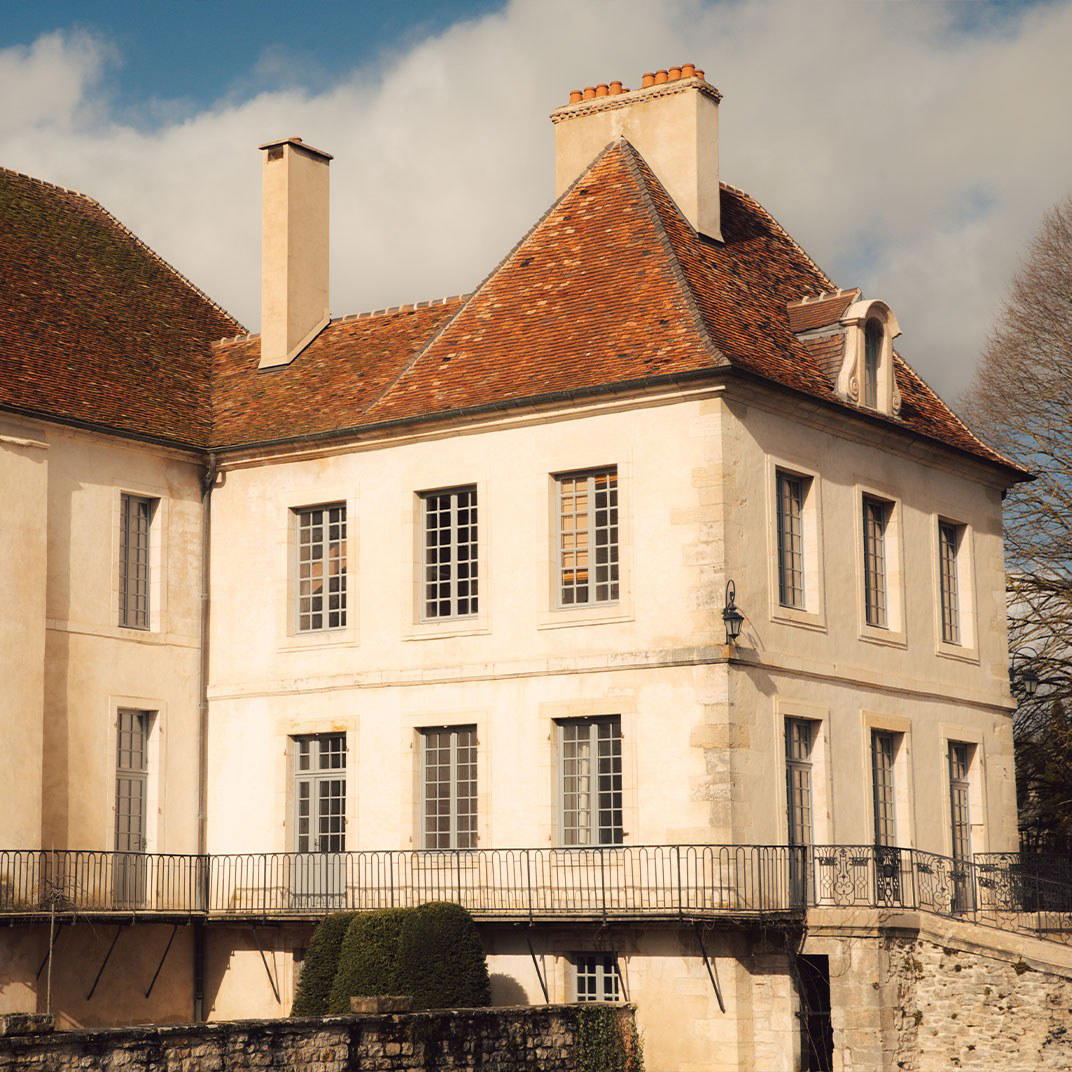
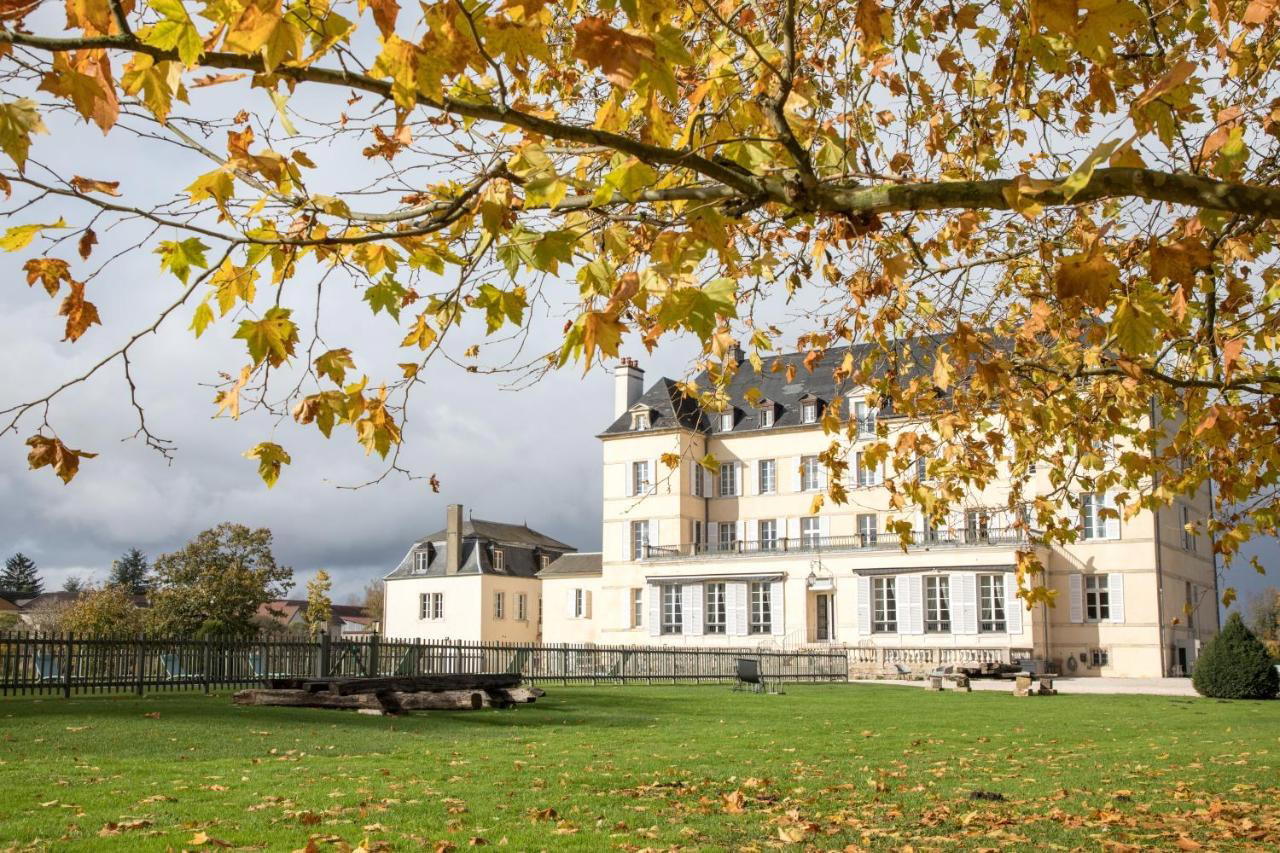
Historic 11th-century cellars with elegant, nuanced wines evoking tradition and finesse.