
World's 50 Best #34
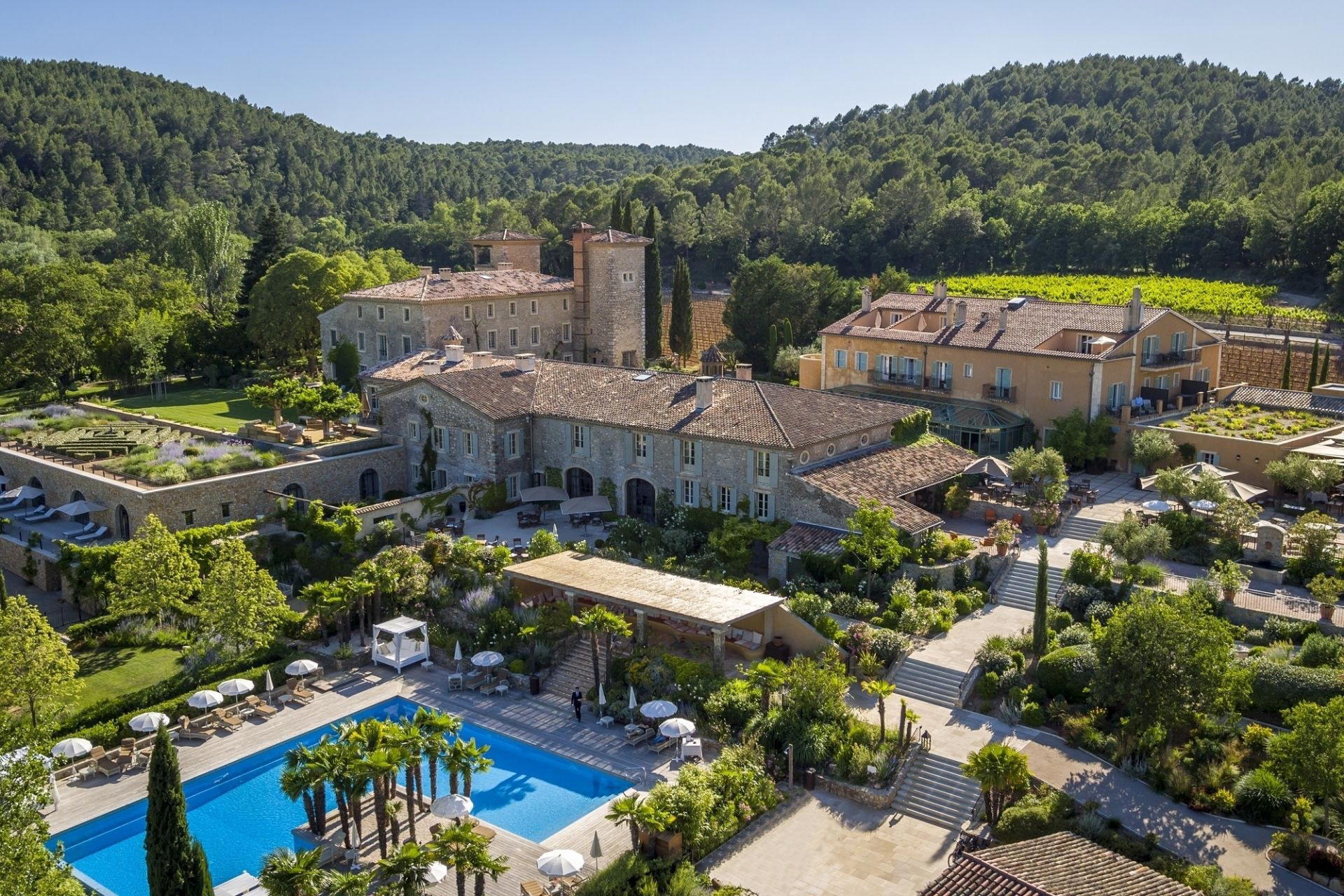
Operating from within the Château de Berne estate in Flayosc, Château de Beaucastel holds a first vintage dating to 1779, placing it among the older continuous wine-producing addresses in Provence.

Pearl is the En Primeur Club membership app — saves, bookings, and concierge access live there. Same editors, same standards.
- Address
- Chateau de Berne Hotel Spa Cellars, Chemin des Imberts, Flayosc, France
- Website
- beaucastel.com
- Directions
- Get directions
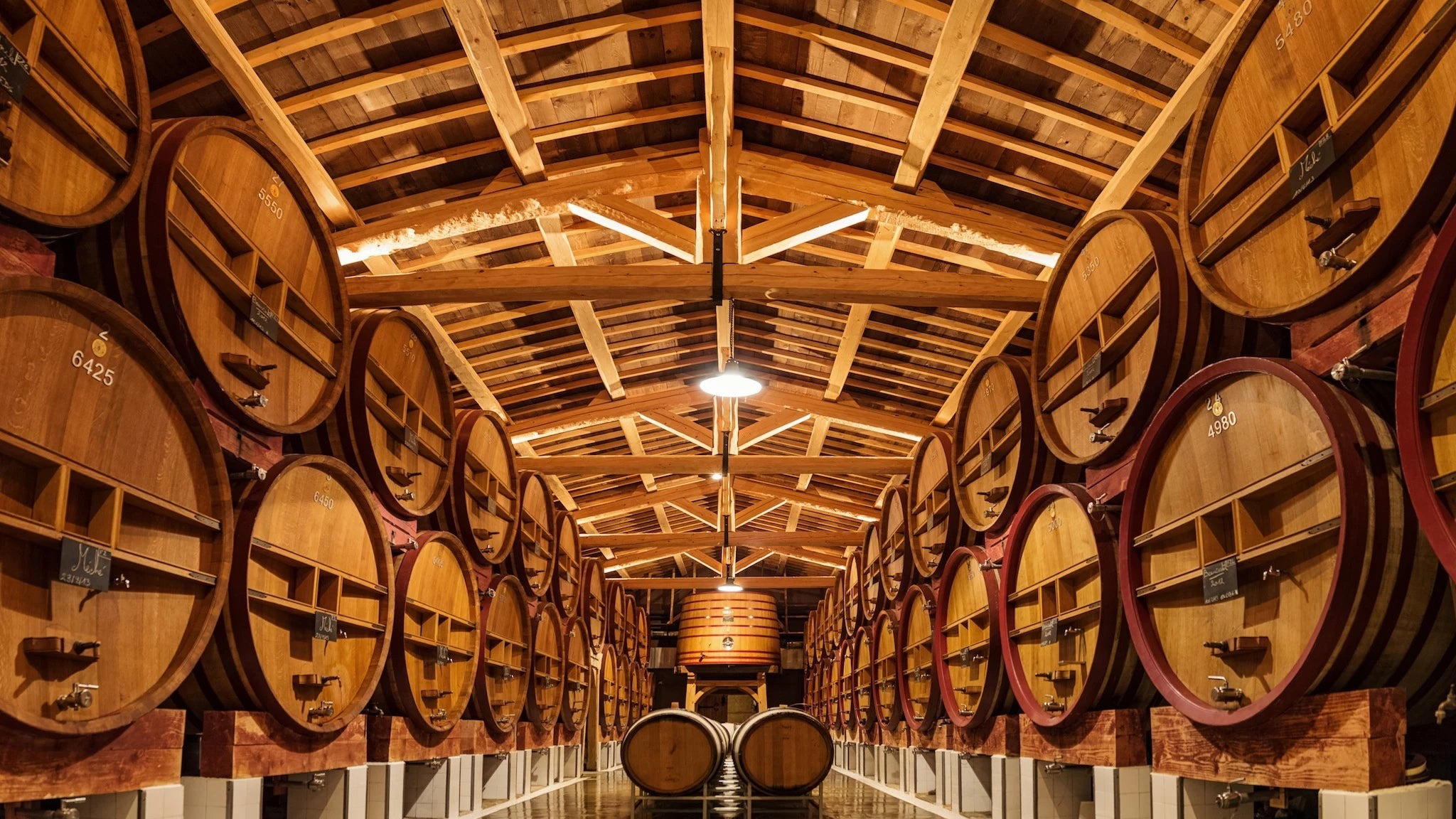
Stone, Soil, and Two and a Half Centuries of Provençal Viticulture
The Var hinterland behind the Côte d'Azur has always produced wine in the shadow of the coast's rosé reputation. Drive inland from the motorway corridor and the landscape shifts from resort density to rolling garrigue, limestone outcrops, and estate parcels that predate the republic. Flayosc sits in this quieter register of Provence, a village whose wine addresses rarely surface in Paris restaurant lists but whose terroir — clay-limestone soils, continental temperature swings, and the mistral's drying influence — is capable of genuine complexity. Château de Beaucastel operates inside this context, at a first vintage recorded in 1779, which places its origins well before Appellation d'Origine Contrôlée classification existed as a concept.
That founding date is more than archival footnote. Estates that have maintained continuous production across more than two centuries carry an embedded knowledge of a site that no technical consultation can replicate: which parcels ripen earliest, how a given vintage's rain pattern will interact with the subsoil drainage, where the canopy needs the most management in a hot summer. For comparison, Château Bastor-Lamontagne in Preignac and Château Branaire Ducru in St-Julien both carry multi-century histories that underpin their current critical positioning, longevity does not guarantee quality, but it does signal a relationship with place that shapes production philosophy over generations.
What the Var Terroir Actually Does to a Wine
Provence's quality conversation has been dominated for a decade by rosé, specifically the pale, Grenache-forward style that Château d'Esclans in Courthézon helped bring to international attention. But the Var's inland estates have always produced a fuller range, and the terroir around Flayosc is better understood as a Continental-Mediterranean hybrid than a coastal expression. Summer heat is real but the elevation and mistral exposure prevent the flat, overripe character that warmer southern sites can produce. The result, across well-managed estates in this zone, tends toward wines with preserved acidity and aromatic lift alongside the warmth of the south.
Winemaker Césaire Desfrièches is the named technical steward at Château de Beaucastel, working within the cellars at the Château de Berne address on Chemin des Imberts. The cellar infrastructure at an estate operating at this level in Provence typically combines temperature-controlled fermentation with oak aging programs calibrated to the vintage weight, though the specific protocols here are not part of the available record. What the terroir argument supports, for any serious estate in this corridor, is that the Var limestone subsoil moderates extraction and provides a mineral counterpoint to the region's fruit intensity. That tension, warmth against structure, is the defining quality signal to look for from an inland Provençal cellar of this vintage age.
For readers building a mental map of French wine terroir across regions, the contrast with Alsatian granite (see Albert Boxler in Niedermorschwihr) or the gravel and clay of the Médoc (explored through Château Batailley in Pauillac or Château Cantemerle in Haut-Médoc) is instructive. Provence limestone is its own dialect, and Flayosc's inland position gives it a vocabulary distinct from the coastal appellation's lighter, earlier-drinking style.
Recognition and the 2025 Prestige Rating
Within the French wine context, that positioning sits alongside properties from other regions that EP Club has assessed at comparable levels, including Château Bélair-Monange in Saint-Emilion and Château Boyd-Cantenac in Cantenac. The rating signals a property operating with consistency and ambition that goes beyond regional novelty.
For a Var estate to earn recognition at this level is notable precisely because the region has historically been assessed through the lens of volume rosé production rather than structured, cellar-serious winemaking. Estates of similar age and seriousness in Bordeaux or the Rhône carry expectations that Provençal estates are now beginning to attract as the region's quality ceiling rises. Other French estates navigating the same upward credibility arc include Château Clinet in Pomerol and Château d'Arche in Sauternes, both of which have consolidated reputations in categories with well-established critical vocabularies that Provence is still developing.
The Estate Setting and Visiting Context
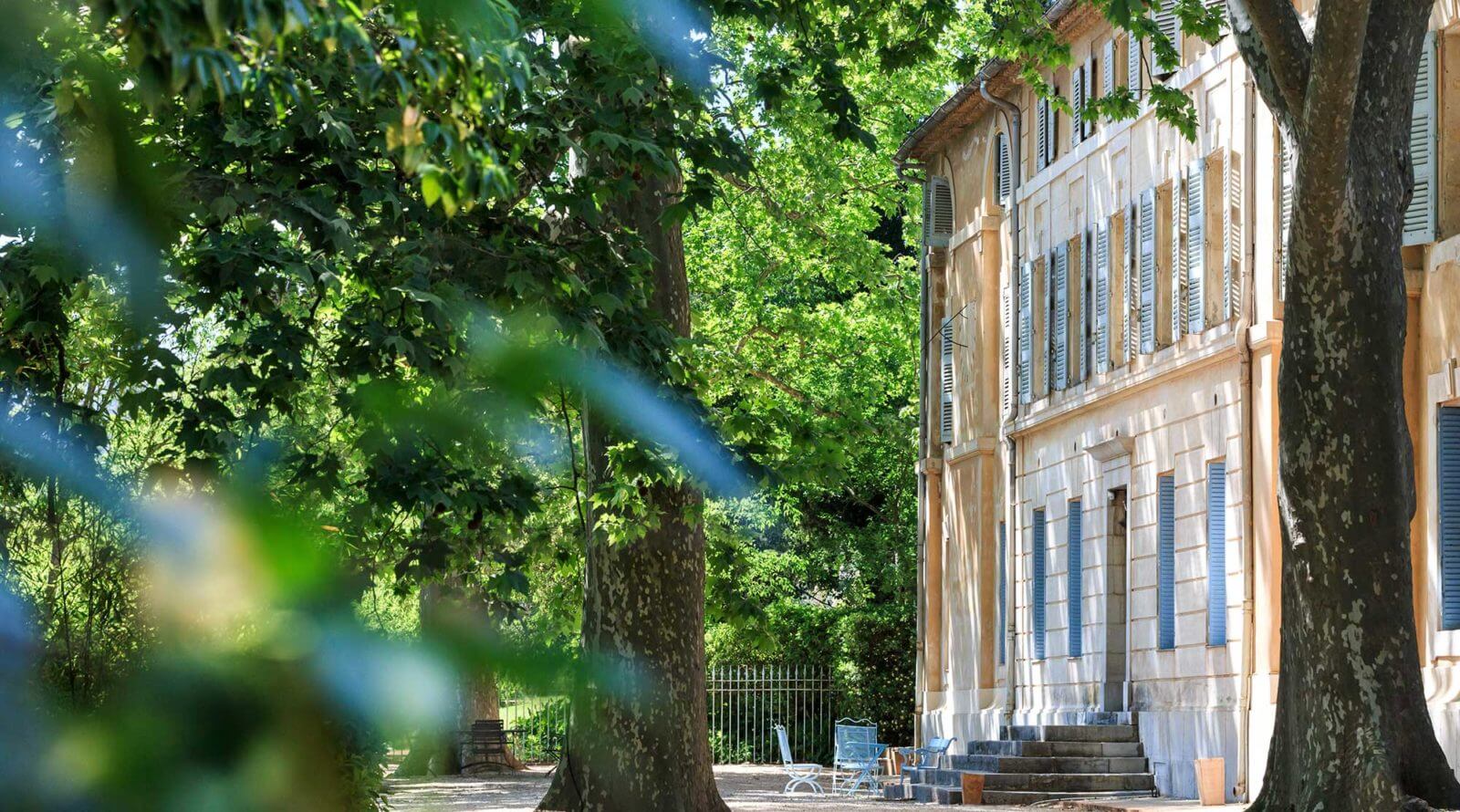
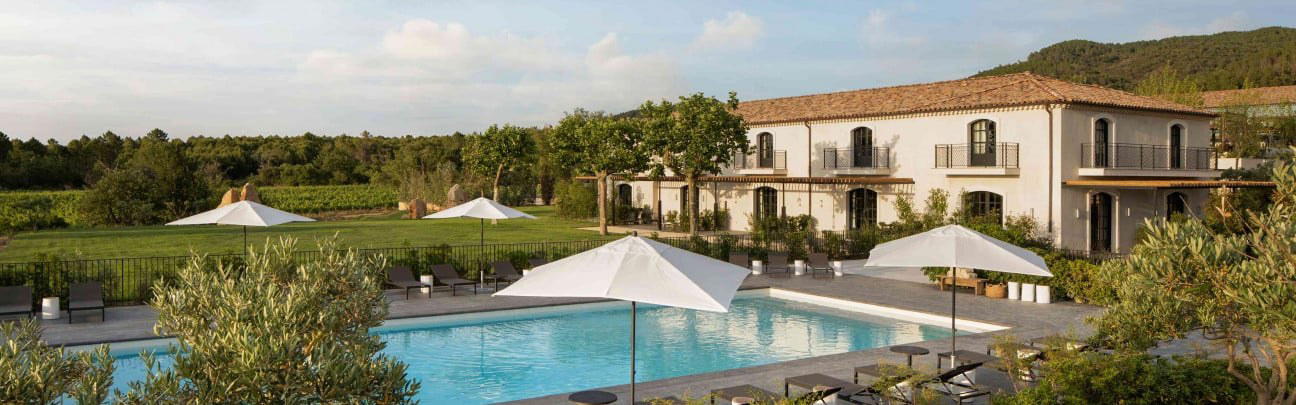
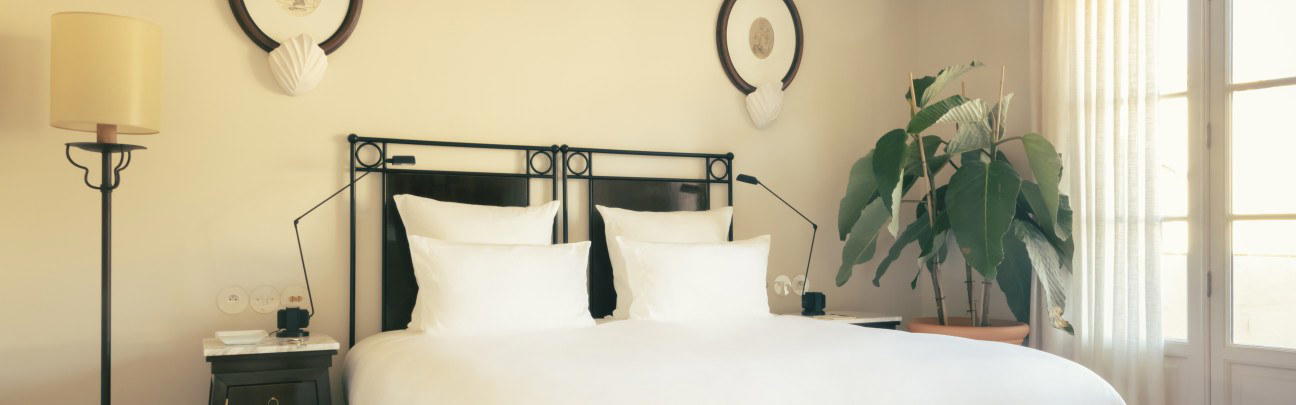
The Château de Berne complex on Chemin des Imberts provides the physical frame for Château de Beaucastel's cellars. Château de Berne is an estate hotel with spa facilities, which positions a visit here differently from a standalone winery appointment. The practical recommendation is to contact the estate directly to establish availability and format before travelling, particularly during the spring and autumn harvest-adjacent windows when estate programs often shift.
Flayosc itself is a short drive from Draguignan and sits within easy reach of the broader Var wine corridor. The village operates at a quieter tempo than the coastal resort towns, which makes it a sensible base for combining cellar visits with the kind of unhurried exploration that serious wine travel requires. For the broader context of what Flayosc's dining and wine addresses offer as a whole, our full Flayosc restaurants guide covers the range. Readers building a wider Provençal and southern French itinerary might also consider how properties like Château Dauzac in Labarde or Chartreuse in Voiron fit into a trip that extends beyond the Var.
Placing Château de Beaucastel in a Wider Winery Context
The serious wine traveller arriving in this corner of Provence will find Château de Beaucastel occupying a particular space: old enough to carry genuine historical weight, operating within a hotel context that broadens its audience beyond pure wine pilgrims, and recently rated at a level that warrants treating it as a substantive address rather than an incidental stop. That combination is less common in Provence than in Bordeaux or Burgundy, where the infrastructure for serious wine tourism is more developed and the critical vocabulary more established. For those who have visited comparable estate-hotel combinations in California (such as Accendo Cellars in St. Helena) or at well-resourced Médoc addresses, the format will feel familiar; the terroir expression will not.
The 1779 first vintage is the anchor. Most wine regions have a handful of estates whose founding predates modern appellation law and whose site knowledge is genuinely accumulated rather than constructed. In the Var, those addresses are rare. That rarity, combined with a 2025 rating at the Prestige tier, makes Château de Beaucastel a property worth treating with the same planning seriousness a visitor would bring to a first-growth appointment on the Left Bank or a domaine visit in the Côte de Nuits.
Quick Comparison
Comparable venues nearby, for context on price, style, and recognition.
| Venue | Cuisine | Awards | Notes |
|---|---|---|---|
| Château de BeaucastelThis venue — the venue you are viewing | Grenache, Mourvèdre | World's 50 Best #34 | Not listed |
| Château de Berne | Grenache, Cinsault | World's 50 Best #43 | Fargues |
| Chateau Haut-Brion | Cabernet Sauvignon, Merlot | Michelin 2 Grapes · World's 50 Best #35 | Pessac |
| E. Guigal | Syrah, Viognier | World's 50 Best #42 · Falstaff Winery - 5 Stars | Ampuis |
| Veuve Clicquot Ponsardin | Pinot Noir | World's 50 Best #51 | Reims |
| Chapoutier | Syrah | World's 50 Best #77 · Falstaff Winery - Listed | Tain-l'Hermitage |
Recognition history
Dated appearances from independent guides and award organizations, with the underlying list record or original source where available.
World's 50 Best Vineyards #34
World's 50 Best
Continue exploring
More in Flayosc
Wineries in Flayosc
Browse all →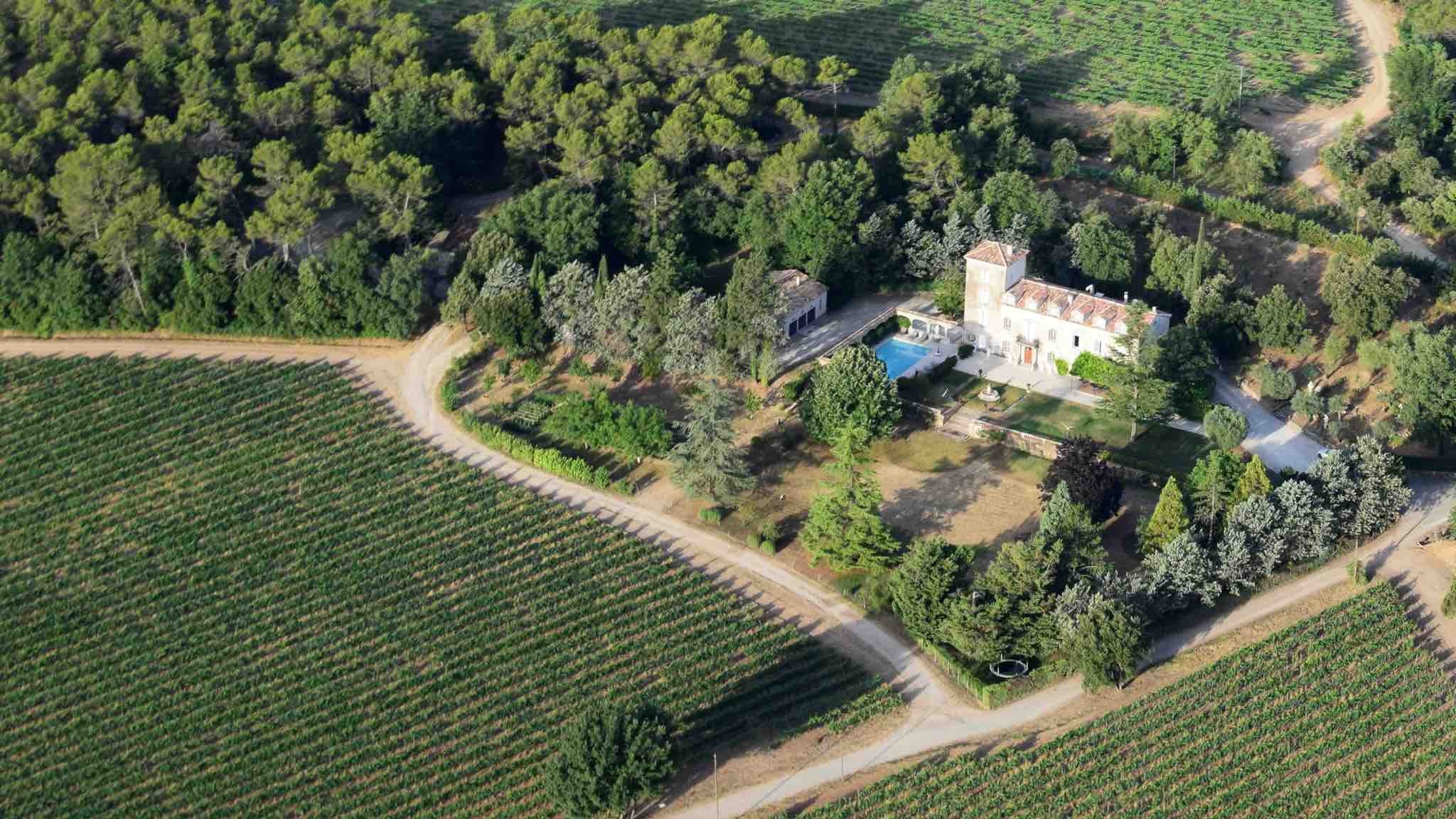
Bars in Flayosc
Browse all →
Restaurants in Flayosc
Browse all →
Details
- Classic
- Elegant
- Well Known
- Rustic
- Wine Education
- Special Occasion
- Vineyard Tour
- Historic Building
- Vineyard
- Grenache
- Mourvèdre
- Syrah
- Roussanne
- Counoise
- Cinsault
- Vaccarèse
- Terret Noir
- Muscardin
- Clairette
- Picpoul
- Picardan
- Bourboulenc
- Still Red
- Still White
- Cave Tasting
- Private Tasting
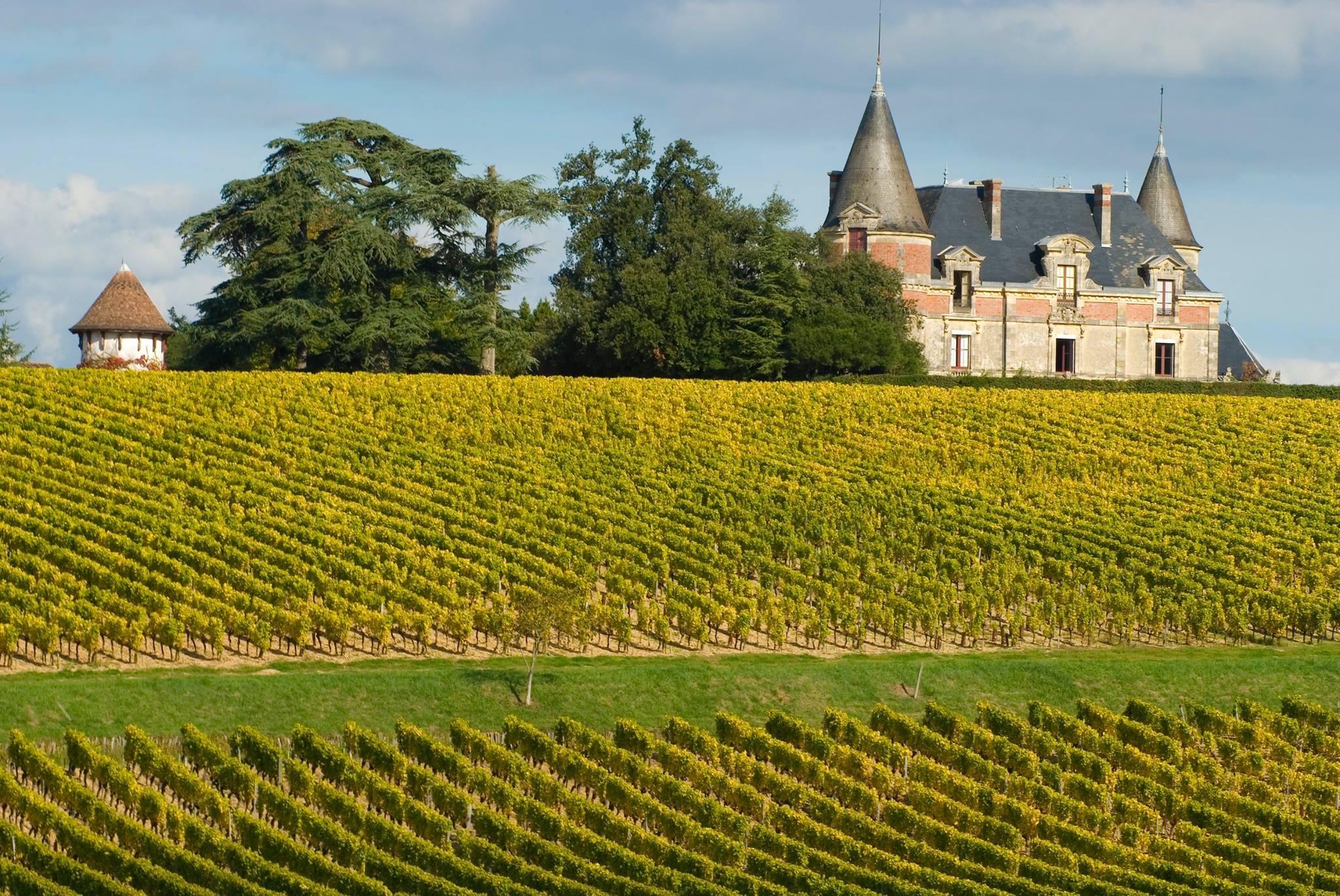
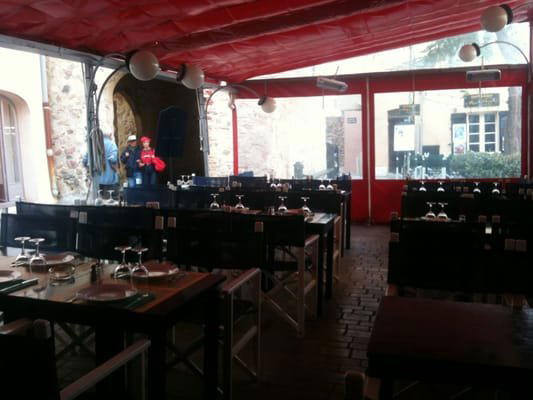
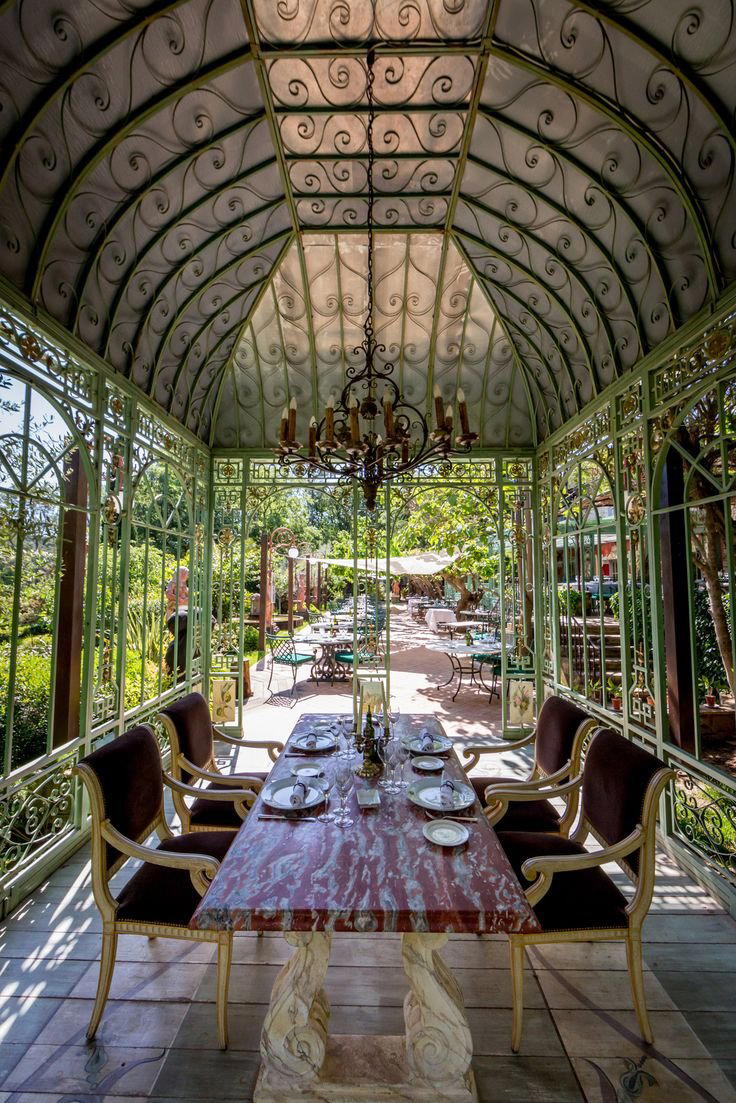
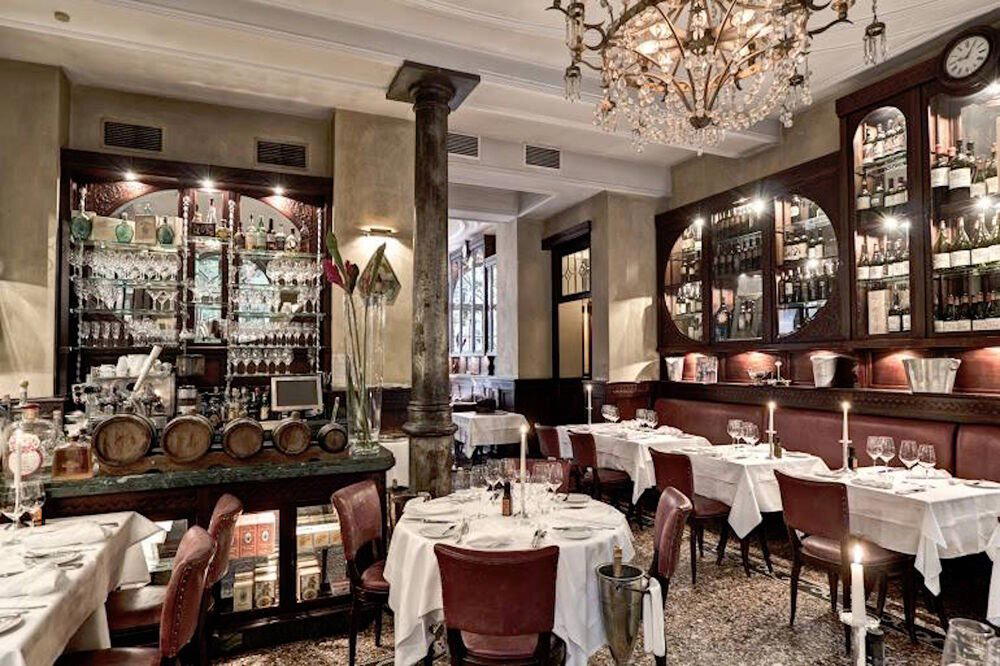
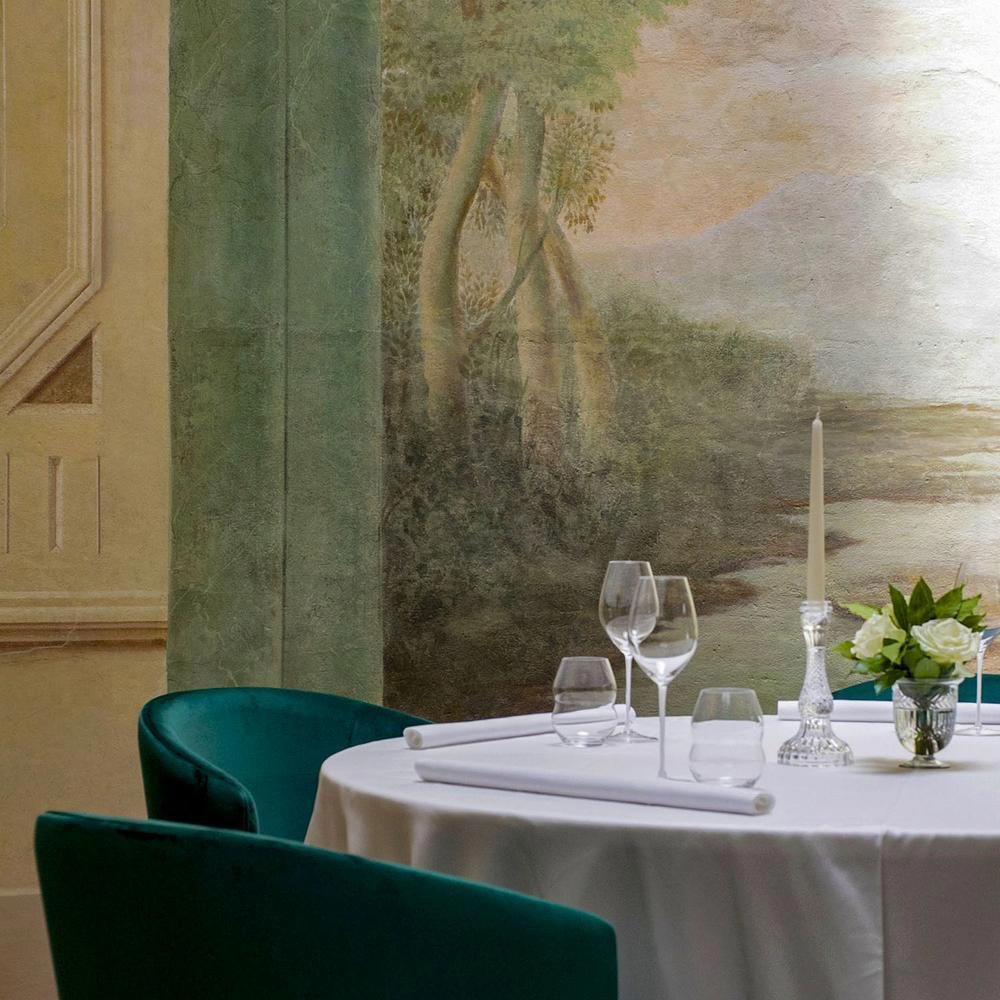
Historic château setting amid expansive vineyards with a sophisticated, timeless atmosphere.