


Châteauneuf-du-Pape, France
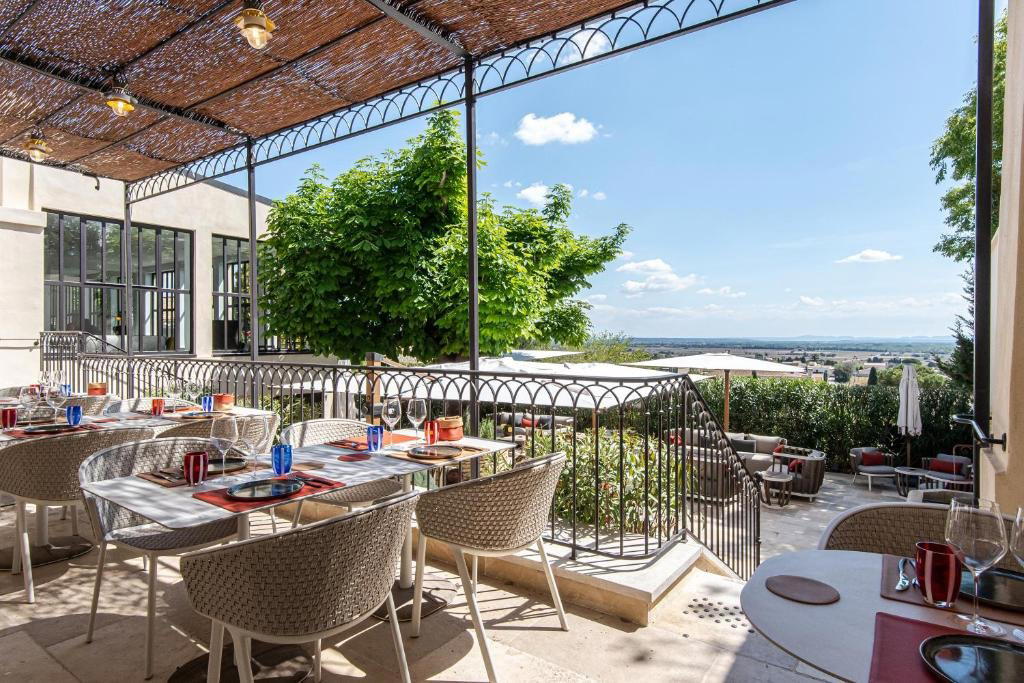
La Mère Germaine
Chef Adrien Soro applies Mediterranean technique to Provençal produce, with a wine list dominated by the appellation's own labels. Price range: €€€€.
Restaurants, hotels, bars and wineries in Châteauneuf-du-Pape from the En Primeur Club guide.
Accolades in Châteauneuf-du-Pape

La Mère Germaine and Le Comptoir de la Mère Germaine are the two restaurants in our guide, both in the neighborhood Châteauneuf-du-Pape. Hostellerie du Château des Fines Roches is the hotel in that same neighborhood.
La Mère Germaine, in Châteauneuf-du-Pape, serves modern Provençal fine dining and holds We're Smart World 4 Radishes for 2025. Chef Adrien Soro cooks the vegetable-forward menu Le Potager des Papes in a Belle Époque dining room. Formats are a tasting menu, a la carte and a prix fixe. The wine program is exceptional: an extensive, sommelier-led list dominated by the appellation's own wines.
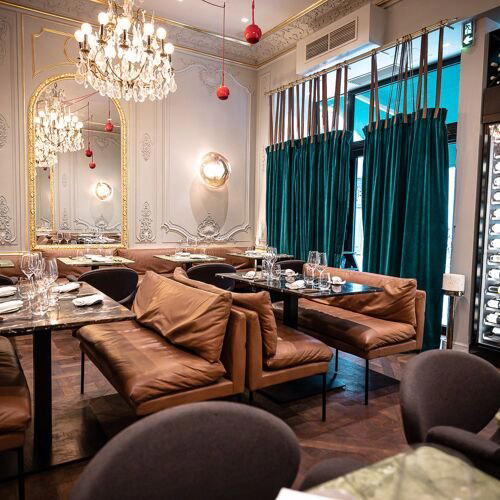
Le Comptoir de la Mère Germaine, in Châteauneuf-du-Pape, is the bistro annex of La Mère Germaine, with modern French bistro cooking and a rotisserie. The latest Michelin recognition is a Plate for 2026. The room uses a counter format and a spit-roast oven, with vineyard terrace views. South American accents sit in a southern French kitchen. Service is a la carte. The wine program has an extensive, sommelier-led list.
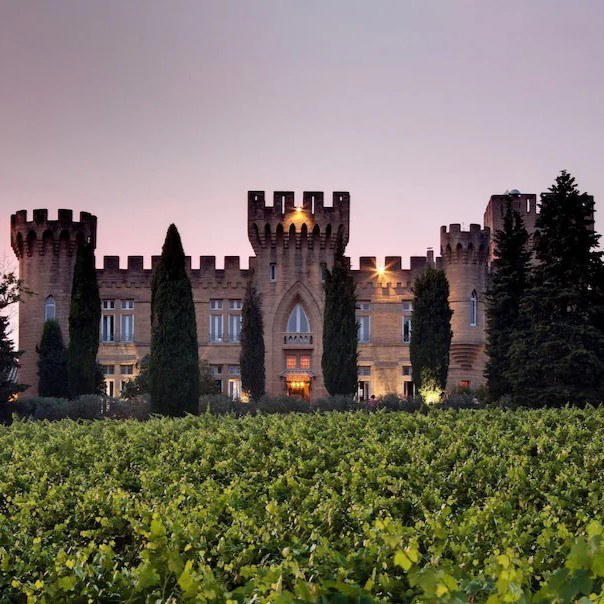
Hostellerie du Château des Fines Roches, in Châteauneuf-du-Pape, occupies a 19th-century castellated château with neoclassical architecture. Its hilltop position overlooks the vineyards. The rooms feature beds with four posts and bathrooms within turrets. It holds Michelin Selected for 2025.
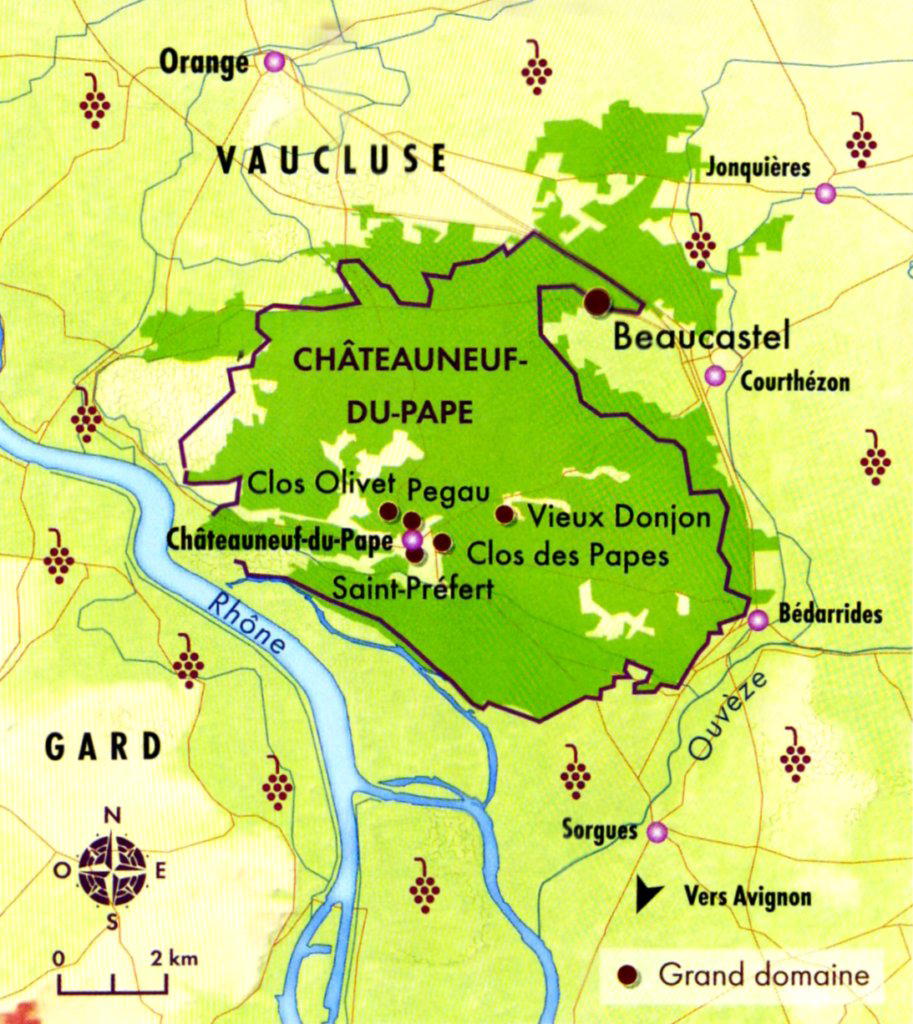
Château Rayas, in northern Châteauneuf-du-Pape, and Domaine La Barroche, in Châteauneuf-du-Pape, work old Grenache vines. Clos des Papes, in Châteauneuf-du-Pape, is a family estate with Falstaff Winery Listed recognition for 2026, while Domaine du Pegau, in Châteauneuf-du-Pape, makes Grenache-dominated blends from old vines.
Château Rayas, in northern Châteauneuf-du-Pape, makes 100% Grenache wines from old vines on sandy, north-facing terroir, in extremely limited quantities. The Reynaud family has produced these wines here since 1880.
Domaine La Barroche, in Châteauneuf-du-Pape, works century-old Grenache vines on sandy soils in the heart of the appellation. It produces elegant, pure Châteauneuf-du-Pape wines and has drawn serious collector attention.
Clos des Papes, in Châteauneuf-du-Pape, is a family estate dating to 1896. It produces one red cuvée and one white cuvée from biodynamically farmed vineyards across diverse terroirs. The domaine holds Falstaff Winery Listed for 2026.
Domaine du Pegau, in Châteauneuf-du-Pape, has produced Châteauneuf-du-Pape since its first vintage in 1987, with Laurence Feraud overseeing the wines. The style is powerful Grenache-dominated blends from old vines, using traditional whole-cluster fermentation and extended aging in old oak.
Domaine du Vieux Donjon, Domaine Pierre Usseglio, Domaine Saint Préfert and Domaine Charvin are all in the neighborhood Châteauneuf-du-Pape and work old vines.
Domaine du Vieux Donjon, in Châteauneuf-du-Pape, is a family-owned estate crafting traditional Châteauneuf-du-Pape. Old vines average over 50 years, in a blend of 13 grape varieties led by Grenache. The domaine holds Falstaff Winery Listed for 2026.
Domaine Pierre Usseglio, in Châteauneuf-du-Pape, is a family-owned estate producing Châteauneuf-du-Pape from old Grenache vines across diverse terroirs. The first vintage was 1949, and winemaker Thierry Usseglio leads the estate, now in its eighth decade of production.
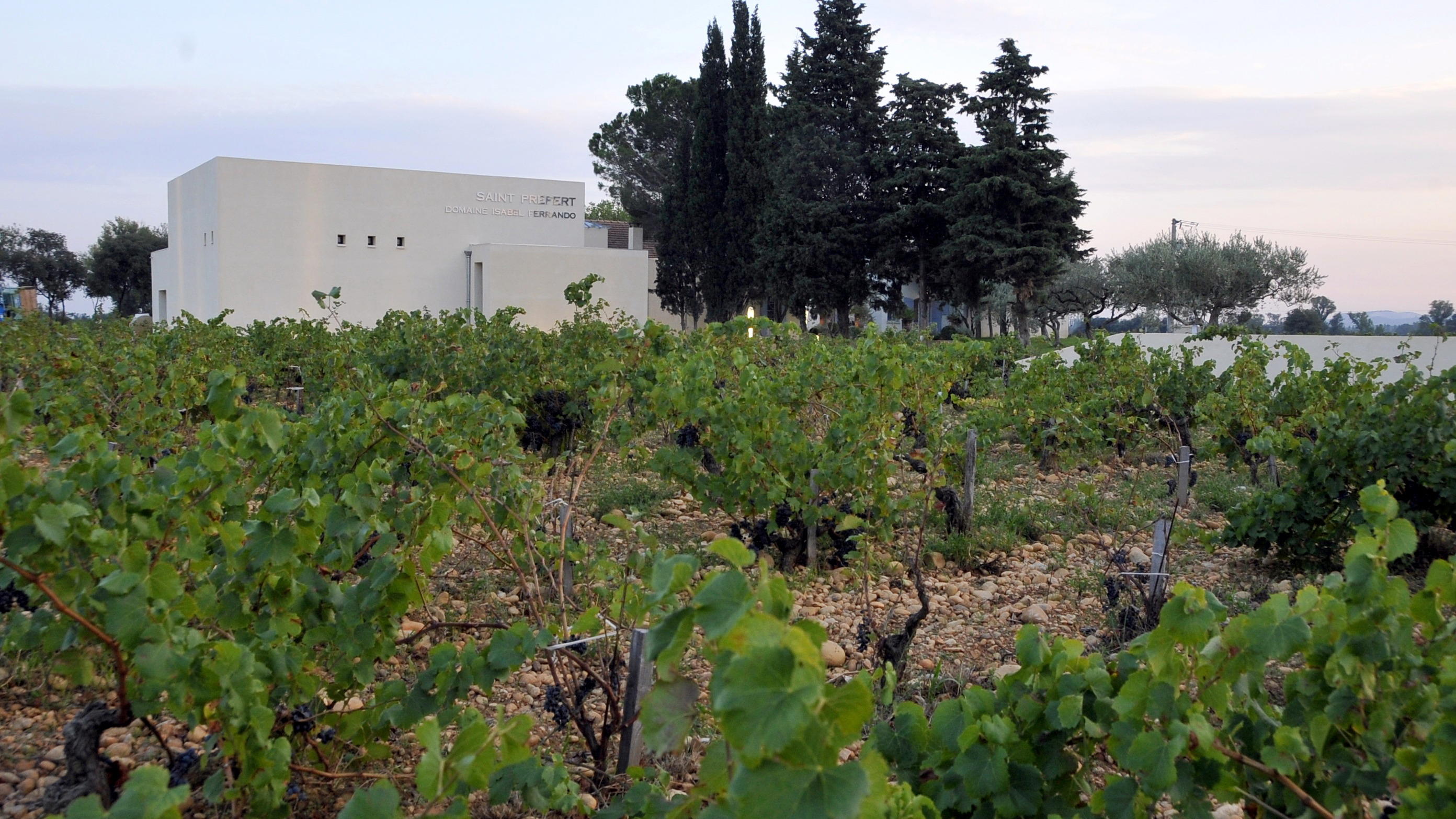
Domaine Saint Préfert, in Châteauneuf-du-Pape, produces Châteauneuf-du-Pape from old vines under winemaker Isabel Ferrando. She uses traditional methods, with concrete vats and whole-bunch fermentation. The estate's roots date to 1920.
Domaine Charvin, in Châteauneuf-du-Pape, makes its wines through traditional whole-bunch vinification in concrete tanks. Under winemaker Laurent Charvin, the estate produces pure, perfumed Grenache-based Châteauneuf-du-Pape from old vines on sandy soils.
The neighborhood Châteauneuf-du-Pape holds 37 venues in our guide, the largest cluster. La Mère Germaine, Le Comptoir de la Mère Germaine, Hostellerie du Château des Fines Roches, Domaine La Barroche, Clos des Papes and Domaine du Pegau are in that neighborhood.
Our guide has no Michelin-starred restaurants in Châteauneuf-du-Pape. La Mère Germaine has no Michelin star. Le Comptoir de la Mère Germaine, in the neighborhood Châteauneuf-du-Pape, holds a Michelin Plate for 2026.
La Mère Germaine, in the neighborhood Châteauneuf-du-Pape, is the restaurant in our guide that serves a tasting menu. Formats there also include a la carte and a prix fixe. Chef Adrien Soro cooks the vegetable-forward menu Le Potager des Papes, modern Provençal fine dining in a Belle Époque dining room. The wine program is exceptional and sommelier-led, with a list dominated by the appellation's own wines.
La Mère Germaine, in the neighborhood Châteauneuf-du-Pape, holds the guide's one exceptional wine program: an extensive, sommelier-led list dominated by the appellation's own wines. Le Comptoir de la Mère Germaine, in the same neighborhood, has a wine list that is also extensive and sommelier-led. Those are the two restaurant wine programs in our guide.
By Emmett Haley · Updated October 8, 2026 · Editorial standards
Châteauneuf-du-Pape
Selected entries from the current guide for Châteauneuf-du-Pape.
Châteauneuf-du-Pape, France
Chef Adrien Soro applies Mediterranean technique to Provençal produce, with a wine list dominated by the appellation's own labels. Price range: €€€€.
Châteauneuf-du-Pape, France
The bistronomic offshoot of Châteauneuf-du-Pape's celebrated La Mère Germaine, Le Comptoir trades the parent restaurant's formal register for a more relaxed counter format anchored by a gleaming spit-roast oven. A Michelin Plate holder in 2025, it layers South American accents into a southern French kitchen, a combination that makes it one of the village's more distinctive lunch or dinner propositions at the €€ price point.
Châteauneuf-du-Pape
Selected entries from the current guide for Châteauneuf-du-Pape.
Châteauneuf-du-Pape, France
A 19th-century castellated château on the Route de Sorgues, Hostellerie Château des Fines Roches holds Michelin Selected status and sits at the northern edge of Châteauneuf-du-Pape's appellation. The property trades on its architectural drama and vineyard position rather than resort scale, making it a logical base for serious wine travellers exploring the southern Rhône.
Châteauneuf-du-Pape
Selected entries from the current guide for Châteauneuf-du-Pape.
No venues found.
Châteauneuf-du-Pape
Selected entries from the current guide for Châteauneuf-du-Pape.
Châteauneuf-du-Pape, France
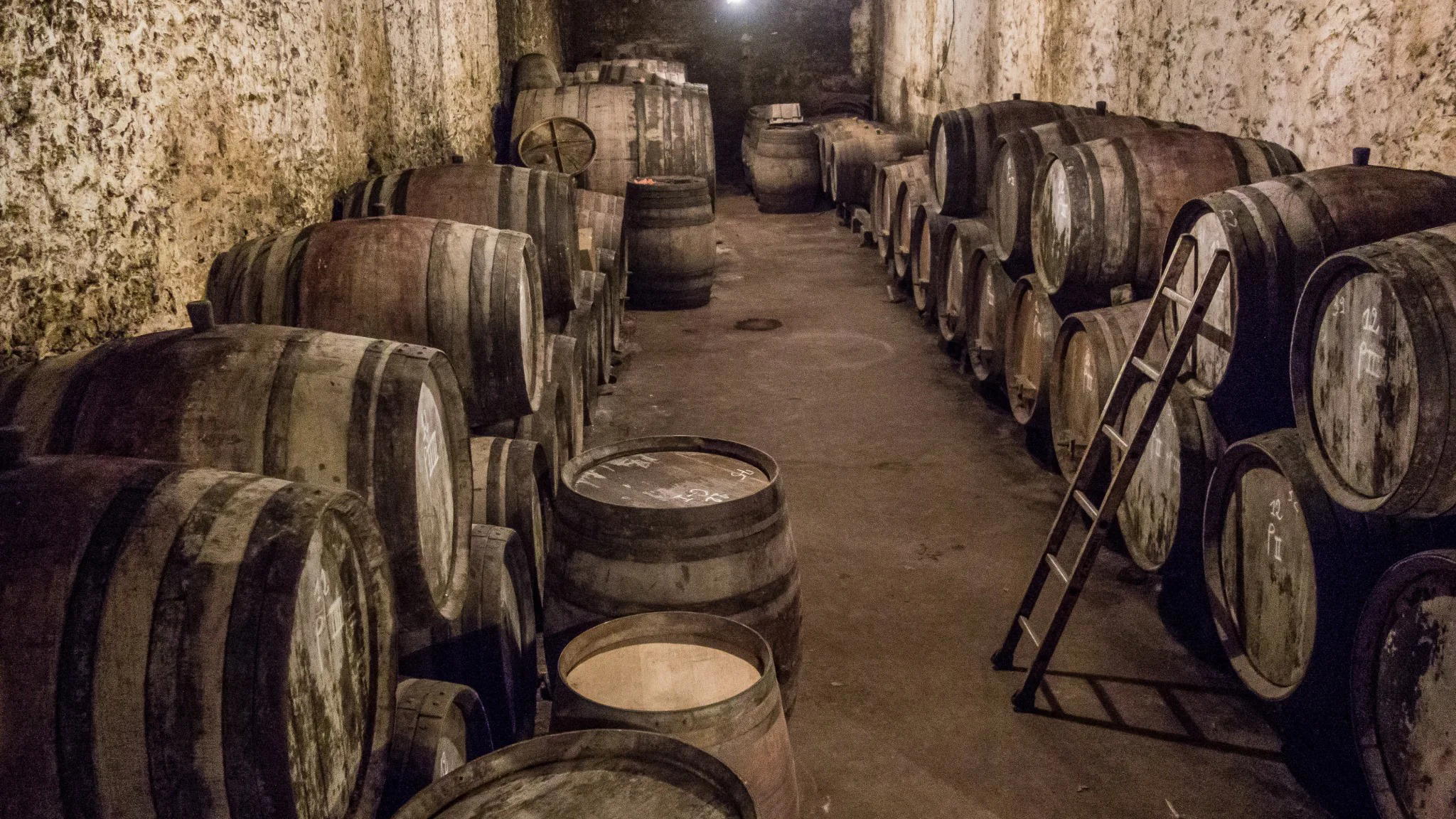
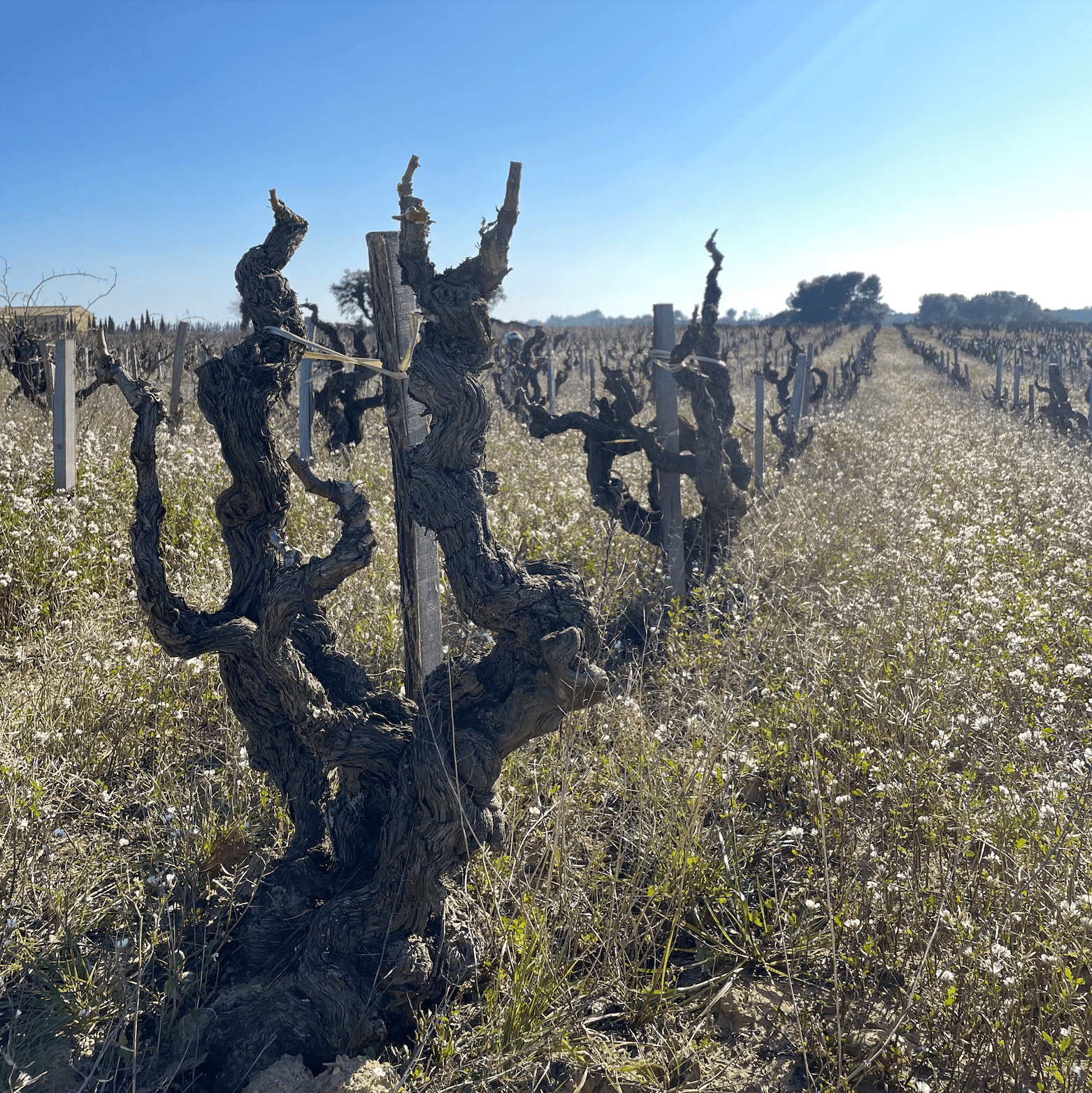
Chateau Rayas is among Châteauneuf-du-Pape's most scrutinised addresses, held up across the wine world as a reference point for what pure, old-vine Grenache can achieve in this southern Rhône appellation. Allocation is tight, critical attention is intense, and its wines consistently anchor debates about terroir expression in the region.
Châteauneuf-du-Pape, France
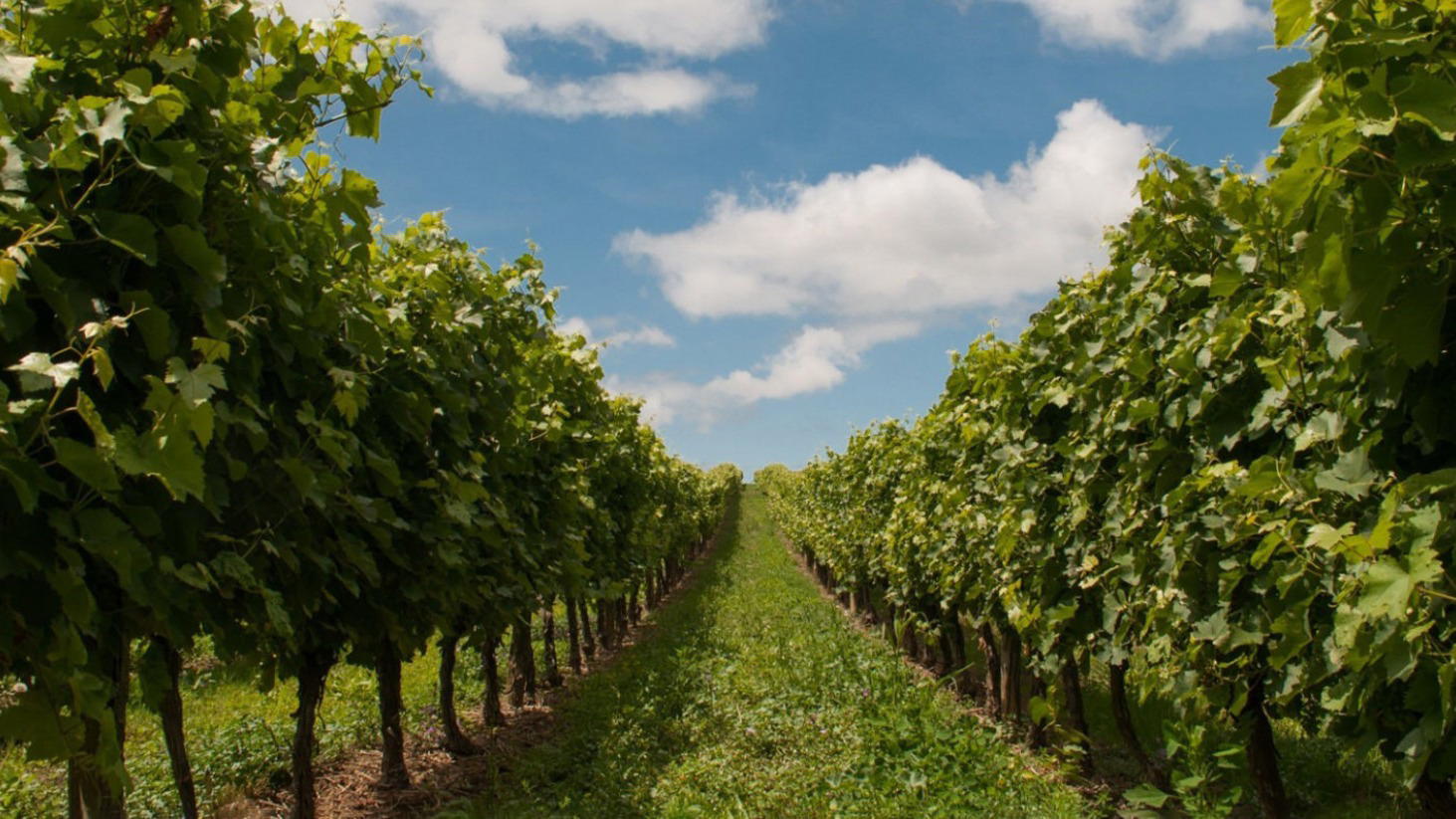
Domaine La Barroche is a Châteauneuf-du-Pape producer under winemaker Julien Barrot, working from a first vintage of 2003 and. The domaine operates within the southern Rhône's demanding terroir tradition, producing wines that have drawn serious collector attention. Based on the Chemin du Clos in the heart of the appellation, it represents one of the region's more closely watched addresses.
Châteauneuf-du-Pape, France
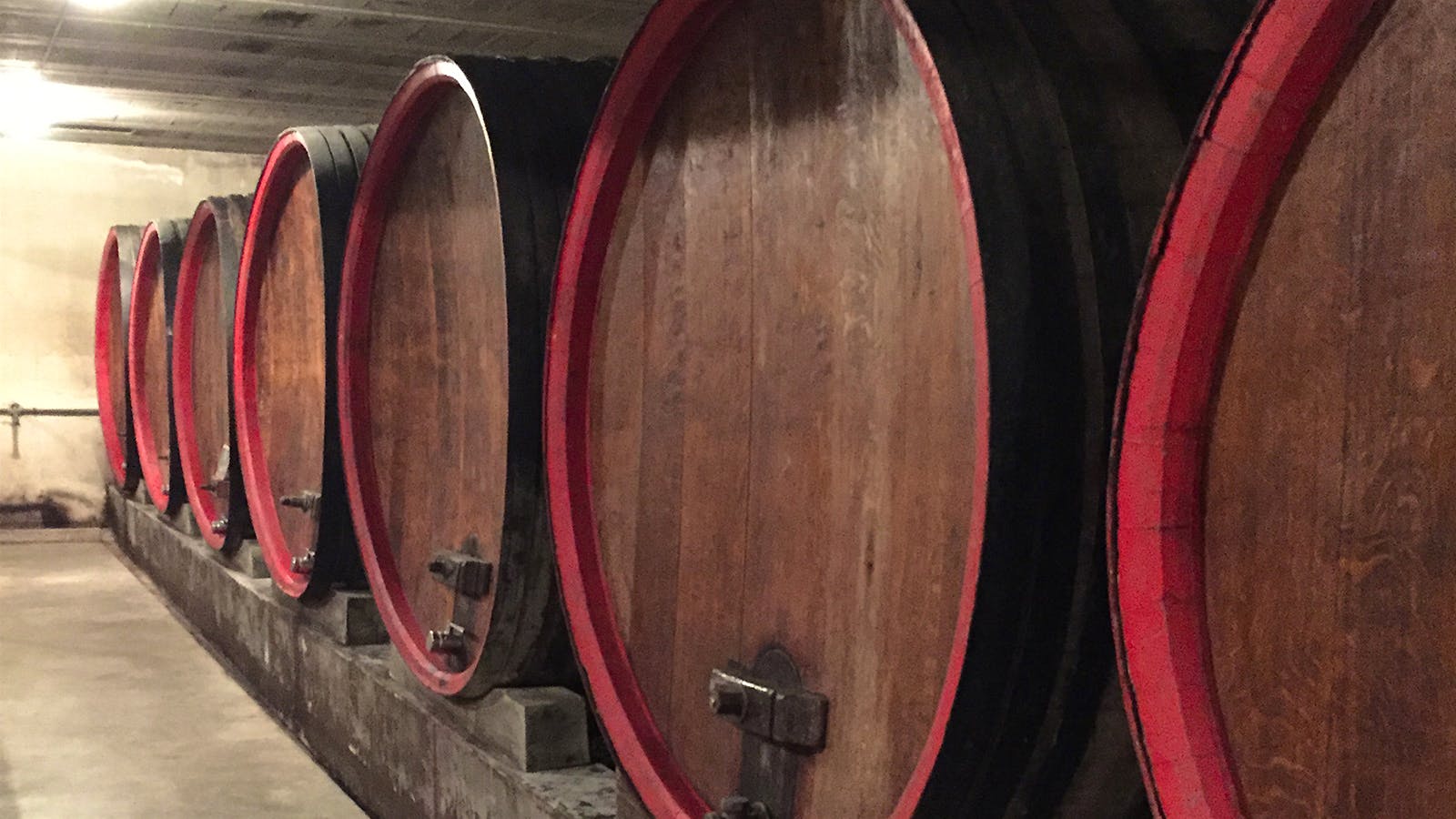
Clos Des Papes is one of Châteauneuf-du-Pape's most consistently referenced domaines, led by winemaker Paul-Vincent Avril and. Visitors planning a southern Rhône itinerary will find it a logical anchor point for the village.
Châteauneuf-du-Pape, France
The domaine occupies the quieter, producer-focused end of French wine, where terroir expression and vineyard longevity carry more weight than public visibility. It rewards the visitor prepared to seek it out.
Châteauneuf-du-Pape, France
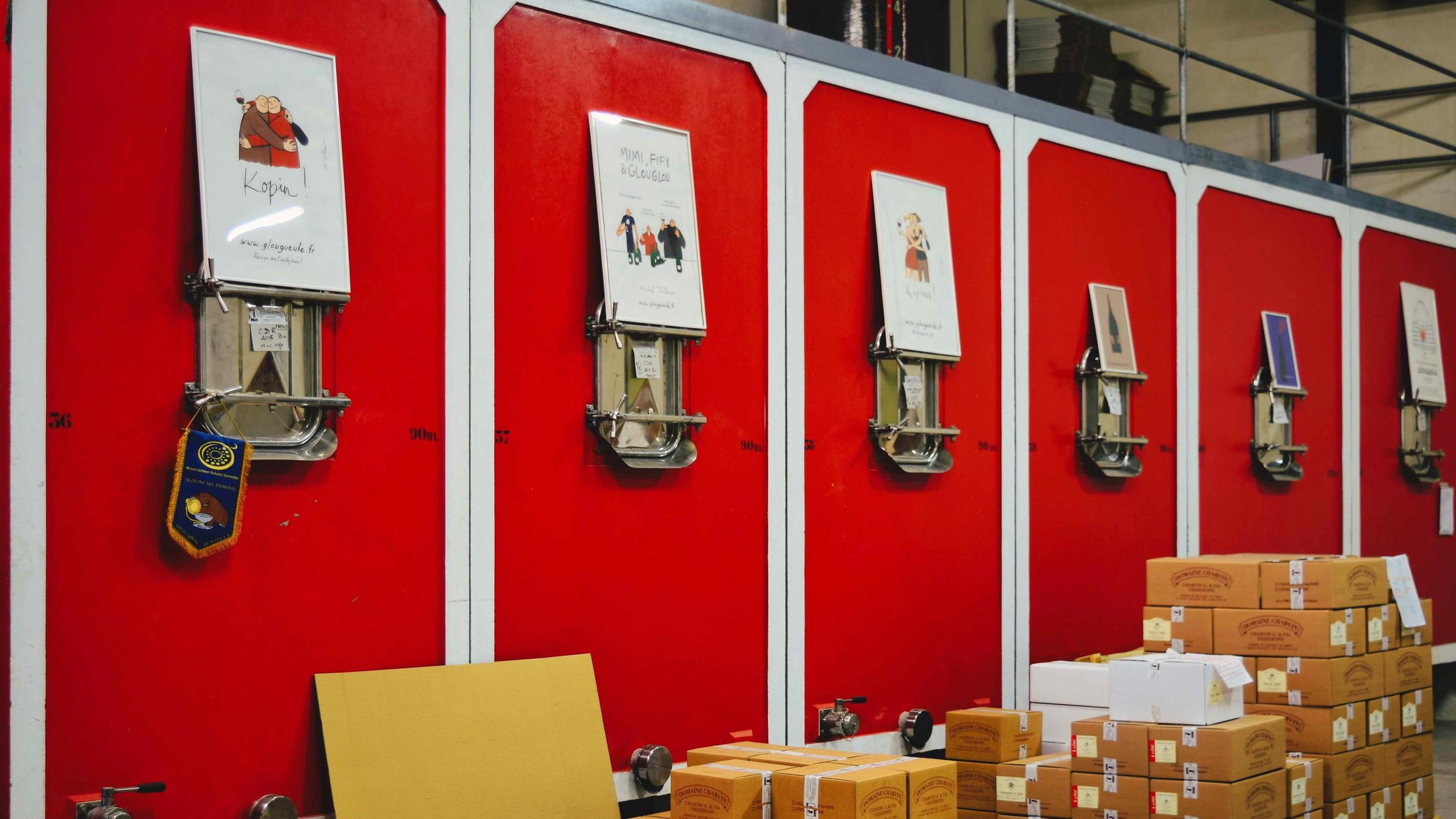
Domaine Charvin operates from the limestone and clay soils north of Orange, where Laurent Charvin produces Châteauneuf-du-Pape in a style that prioritises site expression over intervention.
Châteauneuf-du-Pape, France
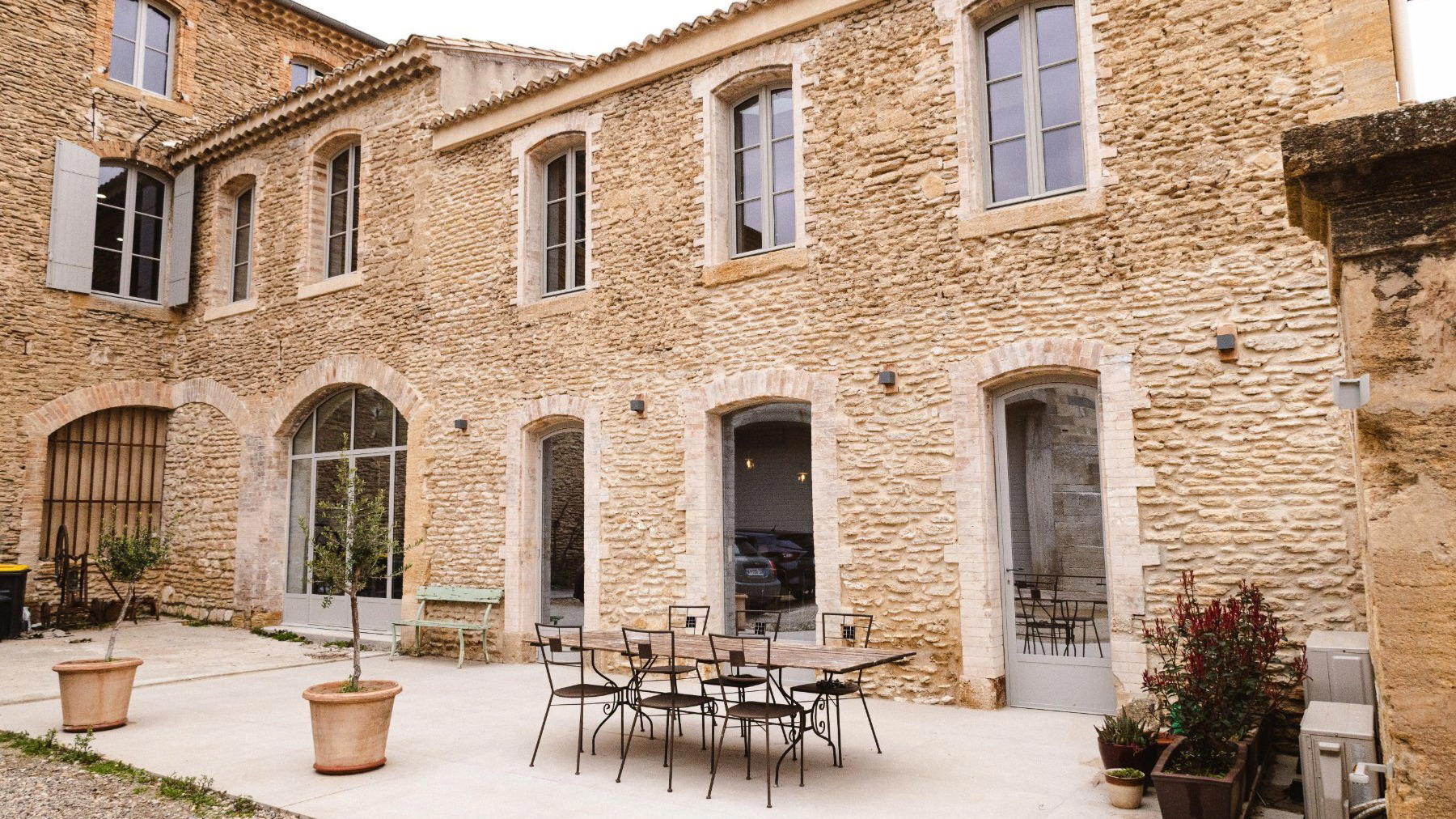
Domaine du Pegau has been producing Châteauneuf-du-Pape since its first vintage in 1987, with Laurence Feraud overseeing a program built around extended aging and traditional blending. Located at 15 Avenue Impériale, it sits among the appellation's most closely watched producers for old-vine Grenache-led assemblage.
Châteauneuf-du-Pape, France
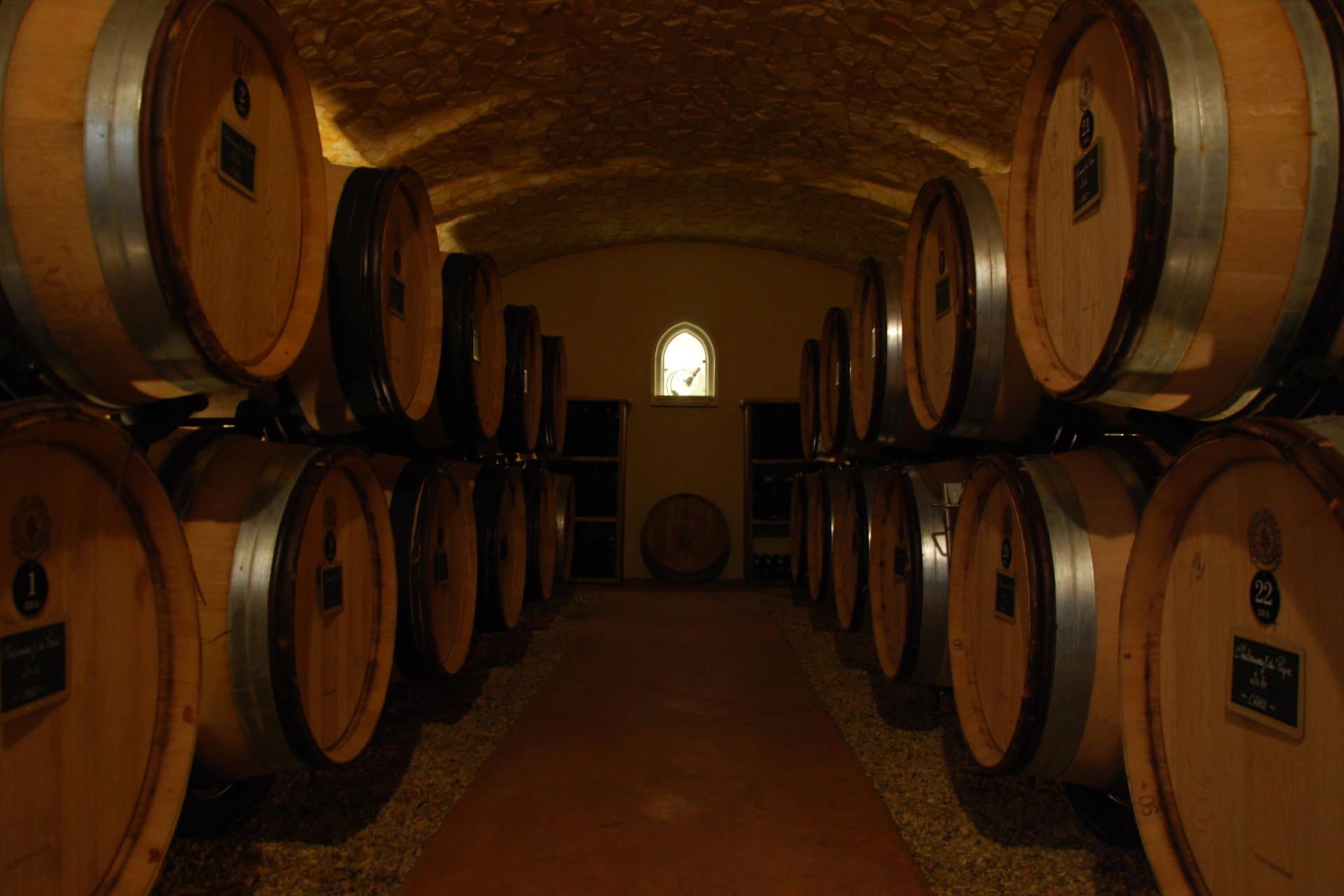
Domaine Pierre Usseglio has shaped Châteauneuf-du-Pape since its first vintage in 1949, with winemaker Thierry Usseglio carrying the estate into its eighth decade of production. The domaine draws serious collectors and visitors who come to understand Châteauneuf at its most historically grounded.
Châteauneuf-du-Pape, France
Domaine Saint Préfert is a Châteauneuf-du-Pape estate with roots dating to 1920, now producing under winemaker Isabel Ferrando. Visitors approaching the estate find a property shaped as much by its geological inheritance as by any recent intervention.
Châteauneuf-du-Pape, France
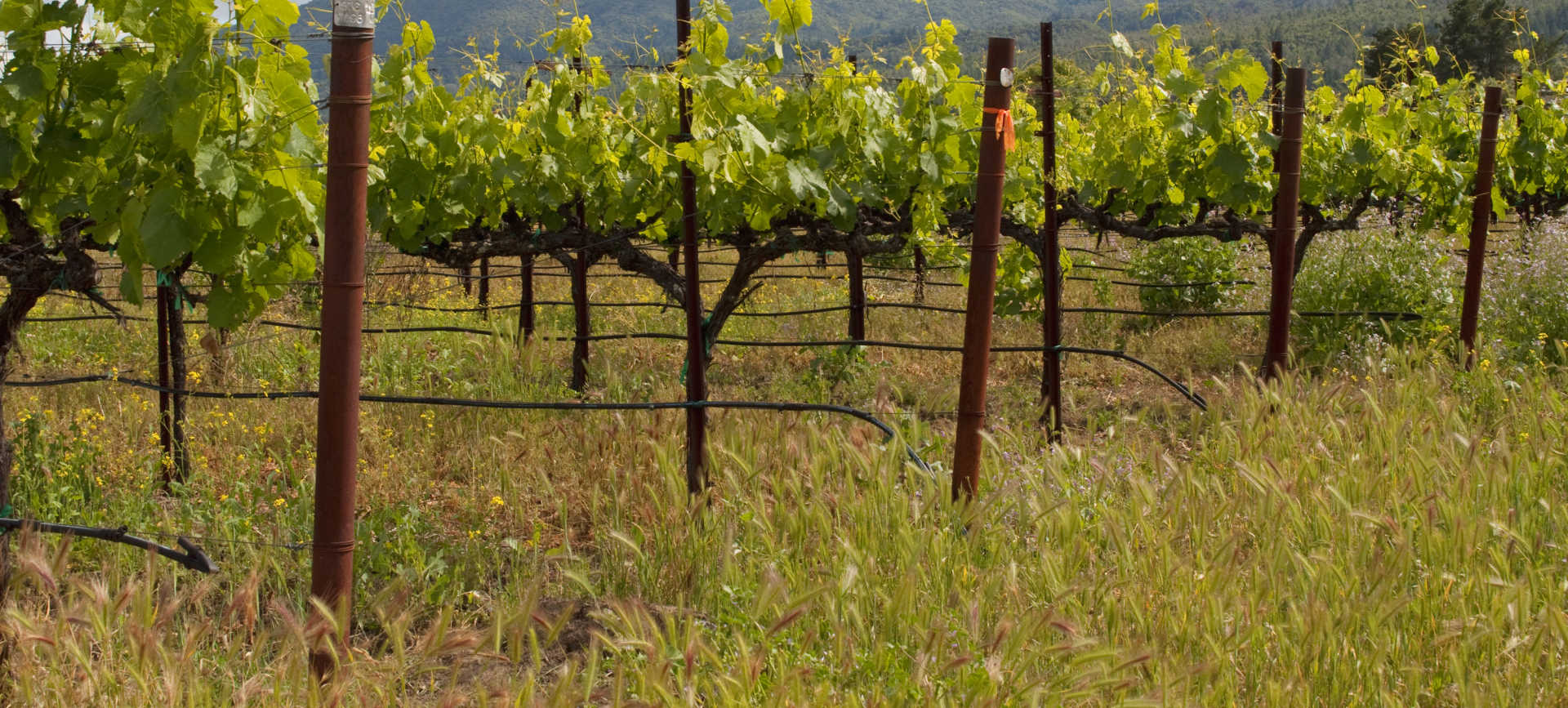
Under winemaker Florent Lançon, the estate sits on the plateau outside the village where the appellation's characteristic galets roulés define both the terrain and the wines. It belongs to the tier of historically grounded Châteauneuf producers whose reputations rest on site continuity rather than recent reinvention.
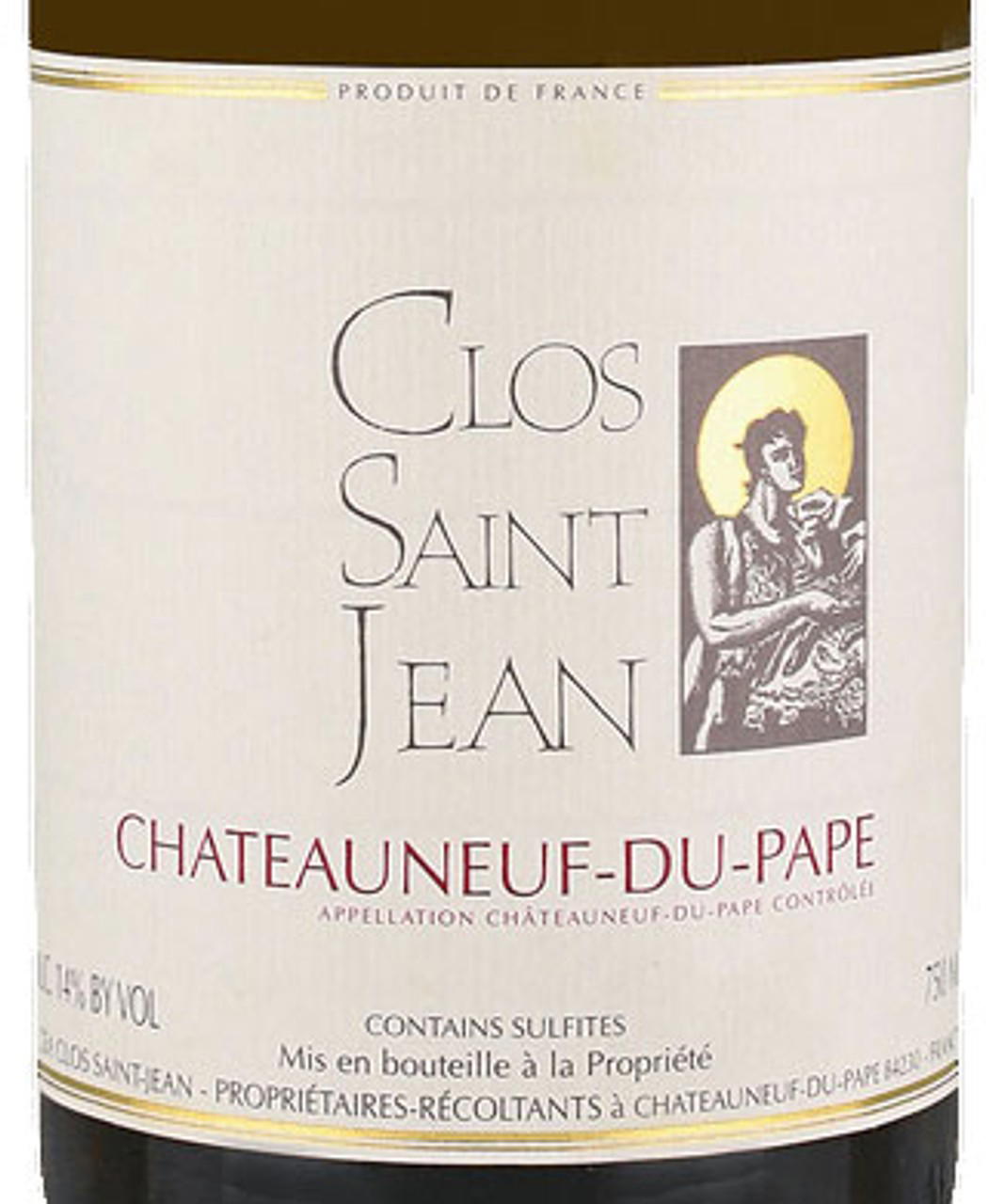
Châteauneuf-du-Pape, France
Situated on Rue du Moulin à Vent, the domaine works within one of the Southern Rhône's most demanding appellations, where sustainable viticulture and the region's famously complex terroir shape every vintage.
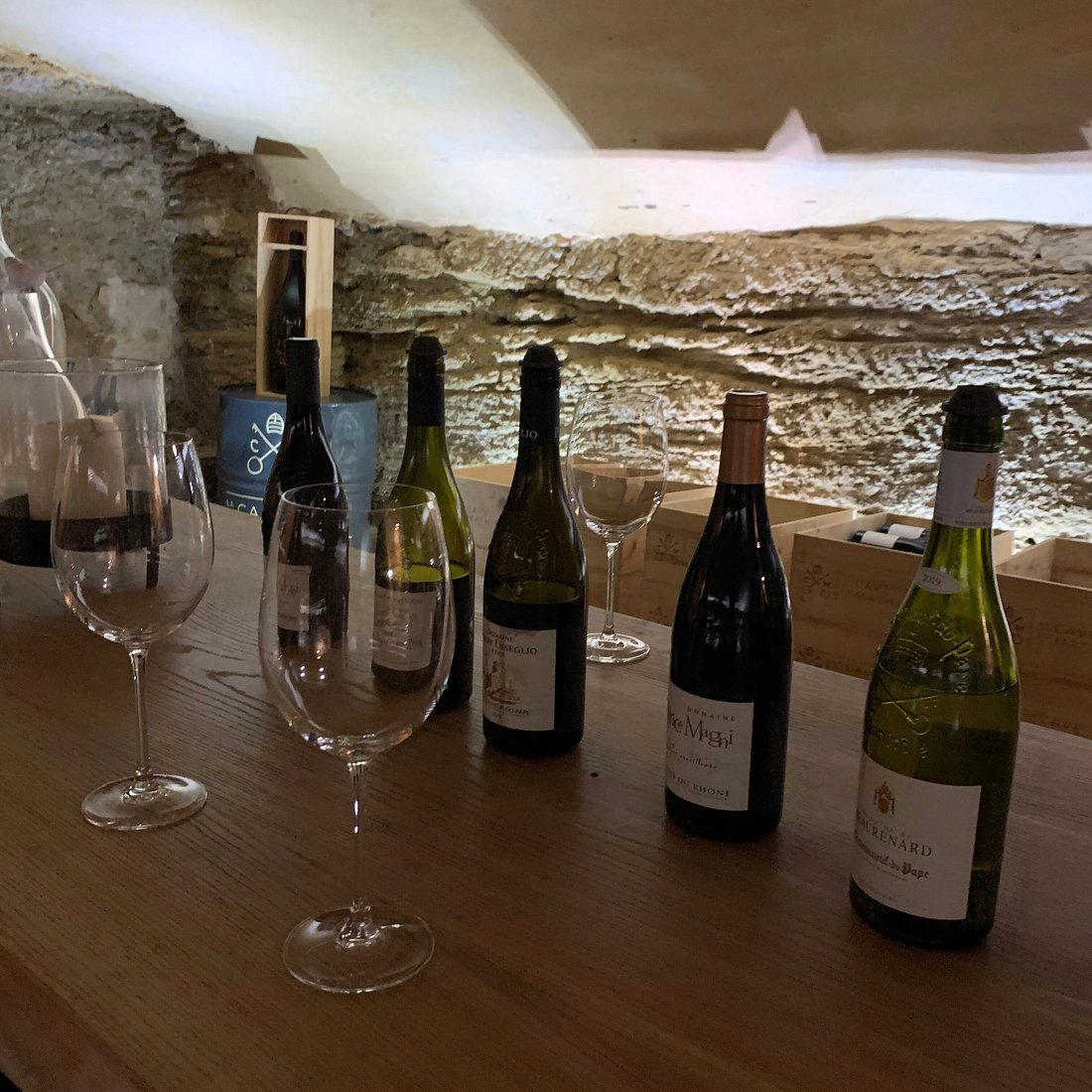
Châteauneuf-du-Pape, France
Bertrand Gonnet Vignerons belongs to the quieter side of Châteauneuf-du-Pape: a small family domaine where old-vine Grenache, Syrah, and Mourvèdre matter more than visitor theatre. The interest here is terroir expression, especially the Font du Roi / Font du Vent orbit and the La Font du Roi Lieu-dit Les Combes cuvée, rather than a polished tasting-room performance.
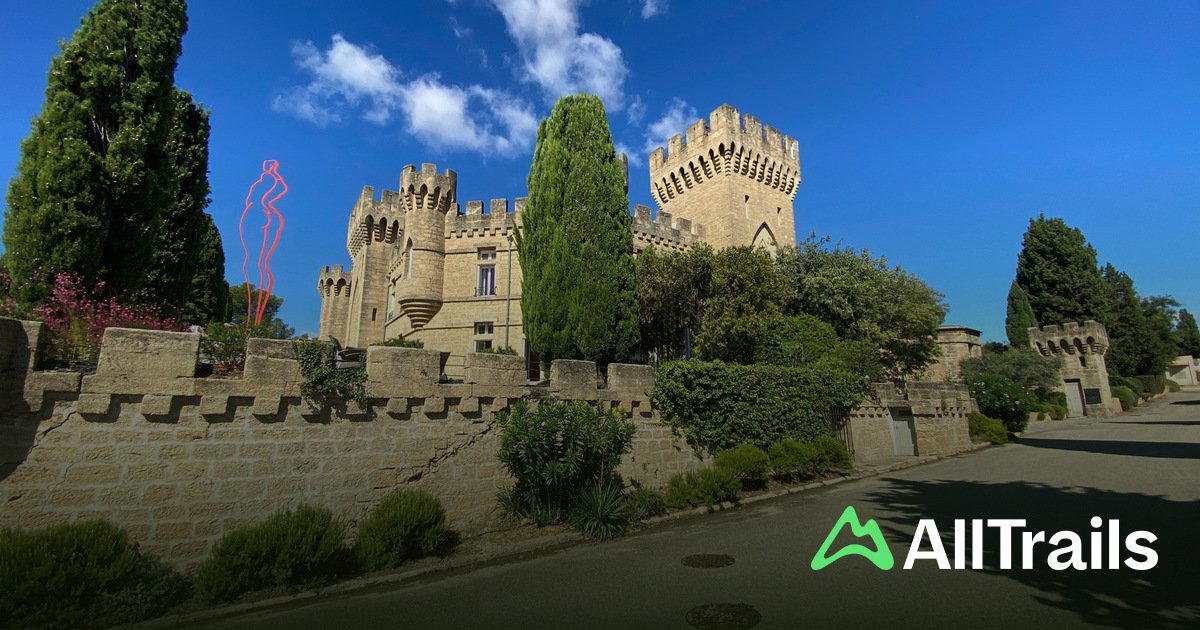
Châteauneuf-du-Pape, France
Château de la Gardine is a historic family estate in Châteauneuf-du-Pape, working Grenache, Syrah, Mourvèdre, Roussanne and Clairette across estate vineyards and a surrounding forest belt. The draw is terroir literacy: Rhône valley views, an educational cellar format, sustainable vineyard practice and wines shaped by limestone, Mistral and old-vine southern Rhône structure.
Châteauneuf-du-Pape, France
Château Fargueirol is a family-run Châteauneuf-du-Pape estate shaped by rocky galets, old-vine Grenache, and a northern appellation setting. The appeal is not spectacle but terroir literacy: classic red blends, a small white production, and a relaxed vineyard tasting format that makes sense for visitors who want the Southern Rhône explained through soil, vine age, and cellar choices.
Châteauneuf-du-Pape, France
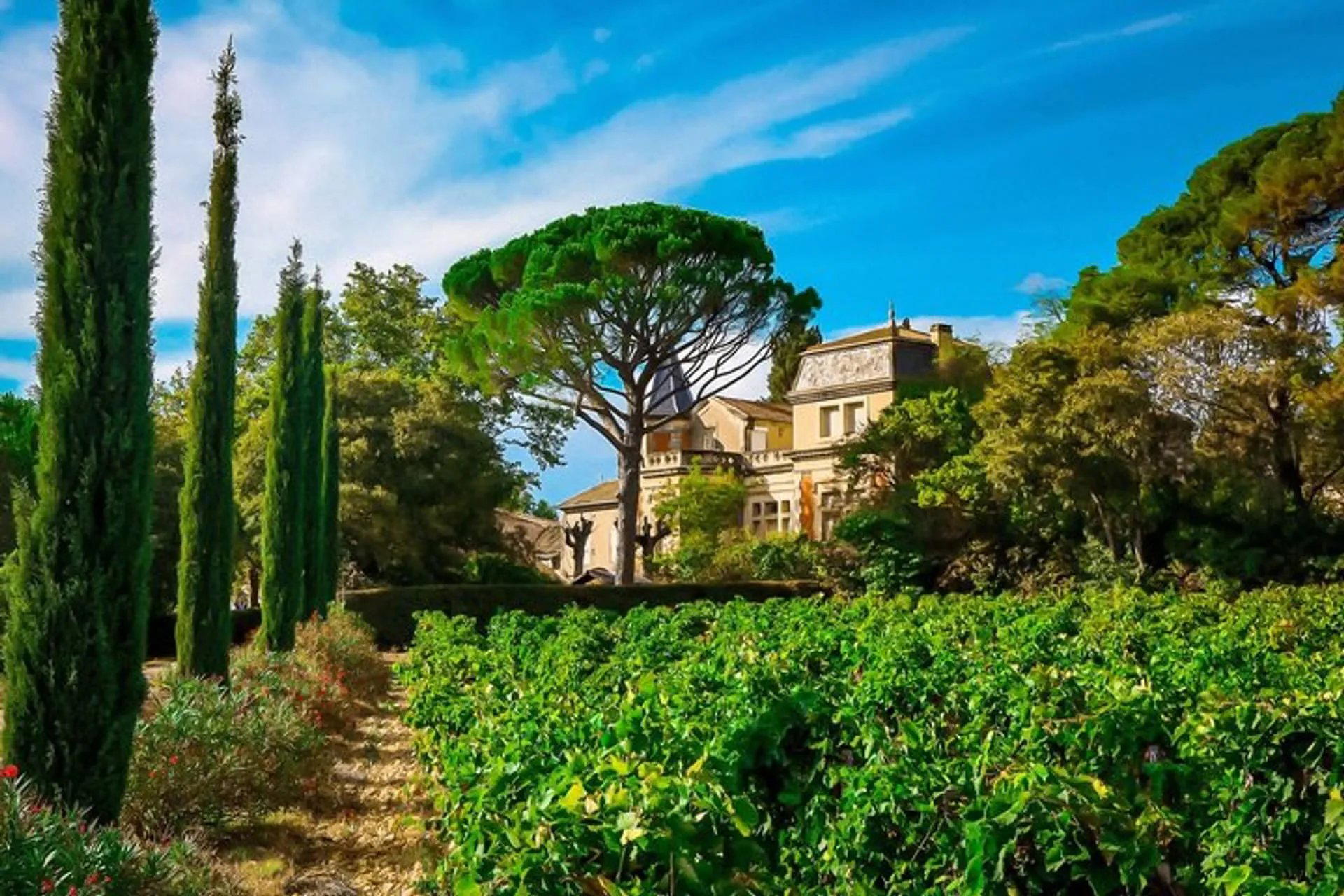
Château Fortia is a historic Châteauneuf-du-Pape estate where the visit is framed by vineyard, cellar and appellation history rather than tasting-room gloss. Its interest lies in terroir expression: a 32-hectare estate, Syrah-forward red blends, white varieties in Roussanne and Grenache Blanc, and a direct line to Baron Le Roy’s role in shaping France’s AOC system.

Châteauneuf-du-Pape, France
Clos Du Mont-Olivet is a traditional Châteauneuf-du-Pape estate for drinkers who care about soil, vine age, and cellar potential rather than polished tasting-room theatre. The draw is the Southern Rhône in a classical register: Grenache-led reds, still whites, old-vine parcels, sustainable farming, and a historic stone-house setting tied to four generations of the Sabon family.
Châteauneuf-du-Pape, France
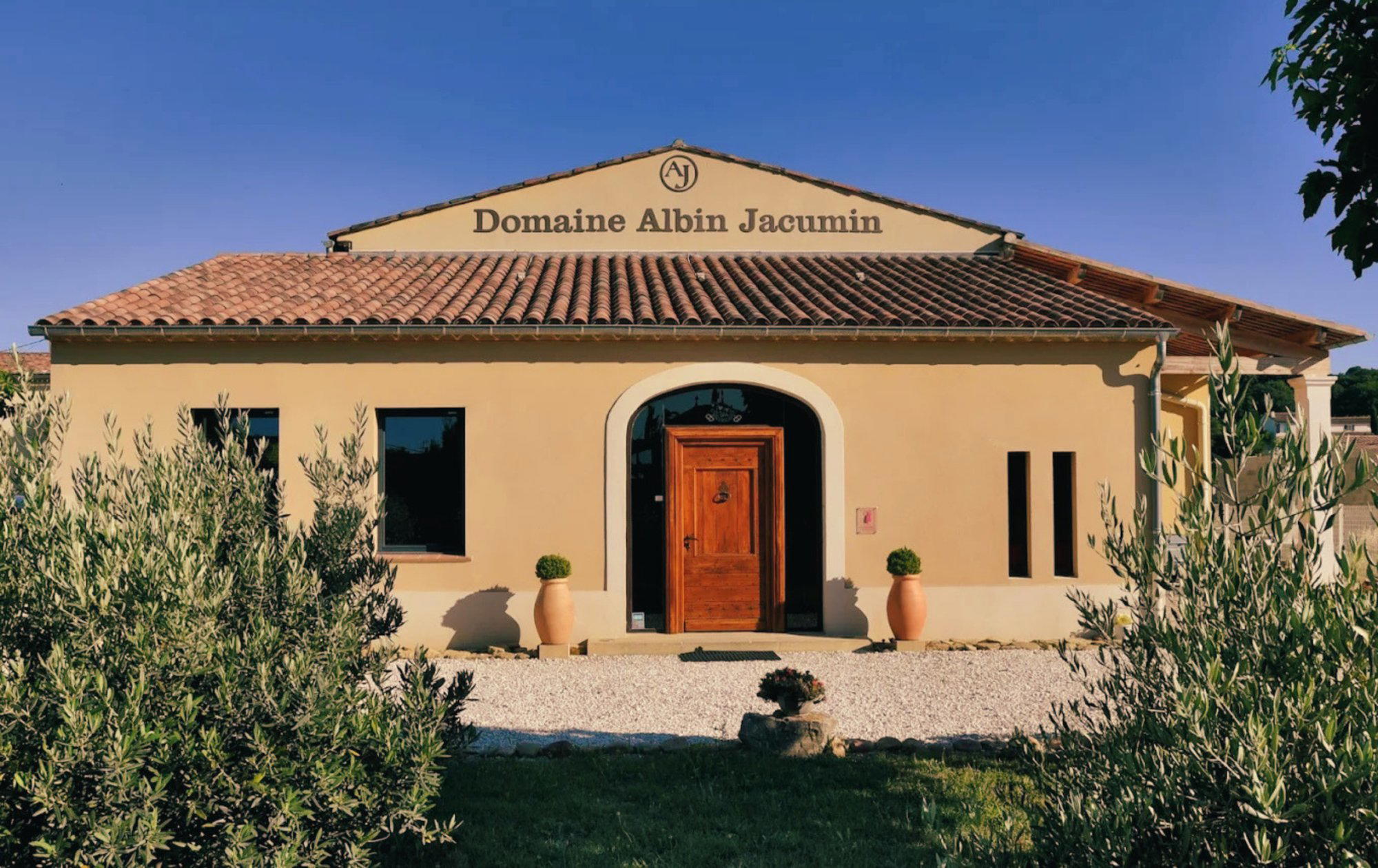
A modern family-run Châteauneuf-du-Pape domaine with 19 hectares in the appellation and a cellar renovation dating to 2012. The interest here is terroir range: northern-plateau parcels, Grenache-led reds, a small white production, and limited cuvées that show how this appellation can move between accessibility and age-worthy structure.
Châteauneuf-du-Pape, France
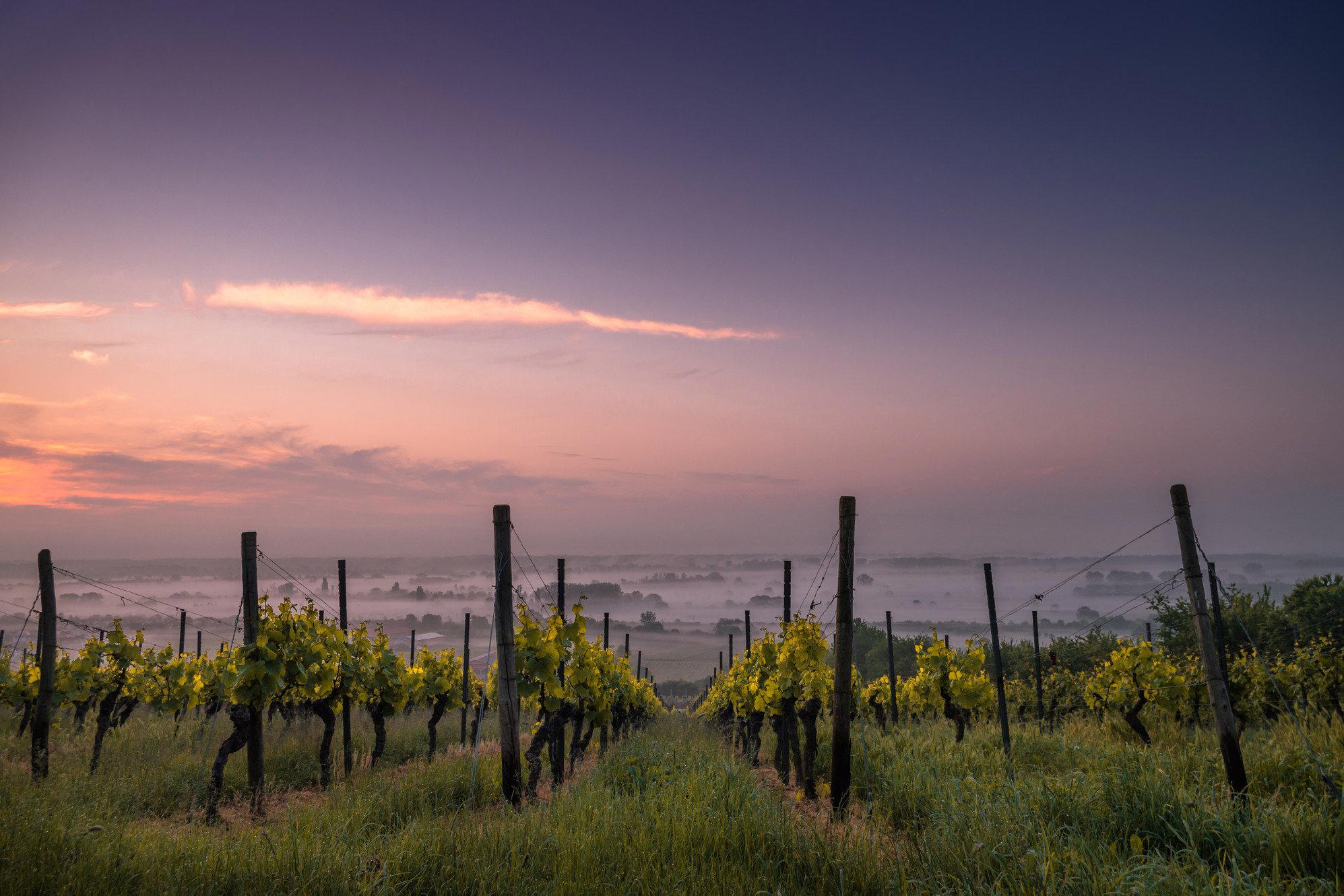
Domaine André Mathieu is a historic Châteauneuf-du-Pape estate with family roots traced to around 1600 and formal establishment in 1854. Its appeal is traditional rather than polished: old foudres, spontaneous fermentation, scattered parcels, and a rare commitment to all 13 authorized AOC grape varieties shape a cellar experience built around terroir rather than hospitality theatre.
Châteauneuf-du-Pape, France
Domaine Barville is a Châteauneuf-du-Pape estate under Maison Brotte, shaped by 15 hectares of estate-grown fruit on Pradel clay-pebble soils and Beaurenard shattered limestone. The wines sit firmly in the appellation’s Grenache-led tradition, with Syrah, Mourvèdre and Roussanne adding structure, texture and a white-wine counterpoint.
Châteauneuf-du-Pape, France
A small, family-run Châteauneuf-du-Pape estate for drinkers who care about old-vine structure, organic farming and cellar tradition over polished visitor theatre. Domaine Bois de Boursan works across 27 parcels, uses all 13 permitted appellation varieties and keeps the tasting format quiet, guided and wine-led.
Châteauneuf-du-Pape, France
Domaine Chante-Perdrix is a traditional Châteauneuf-du-Pape estate shaped by old vines, galets roulés stones, and a Grenache-led Southern Rhône register. Founded in 1896 and run by the fifth generation of the Nicolet family, it suits travelers who want the appellation’s warm, rustic, vineyard-first character rather than a polished hospitality production.
Châteauneuf-du-Pape, France
Domaine Christophe Mestre is a small family-run Châteauneuf-du-Pape cellar with a traditional Rhône register: red and white blends, a cellar tasting format, and a practical rather than polished sense of hospitality. The draw is terroir context at close range, with 17 hectares, four generations of winegrowing, and a portfolio that includes Cuvée des Sommeliers and the Syrosé rosé introduced in 2020.
Châteauneuf-du-Pape, France
A small Châteauneuf-du-Pape estate with 12 hectares across four lieux-dits, Domaine Clef de Saint Thomas reads the appellation through plot work, old-vine Grenache and Syrah, and a concise red-and-white portfolio. Its appeal is not spectacle but scale: propriétaire-récoltant production, village-cellar intimacy, and a countryside hospitality style tied to the estate’s lime-tree gatherings.
Châteauneuf-du-Pape, France
A fourth-generation Maret family estate in Châteauneuf-du-Pape, Domaine de la Charbonnière is strongest when read through its soils: La Crau, Les Brusquières and Mourre des Perdrix each shape a different register of Southern Rhône red. The visit is built around focused estate tasting rather than spectacle, with traditional cuvées, sustainable vineyard work and critic recognition from Wine Advocate, Jeb Dunnuck and Wine Spectator anchoring its reputation.
Châteauneuf-du-Pape, France
Domaine de la Consonnière is a small family-run Châteauneuf-du-Pape estate shaped by old-vine Grenache, restrained cellar work, and a traditional tasting format. Its appeal is not spectacle but focus: 8 hectares, limited volumes, cellar tastings, and a red wine language rooted in the Southern Rhône’s heat, stones, and long Grenache tradition.
Continue exploring


