Bodegas Vivanco


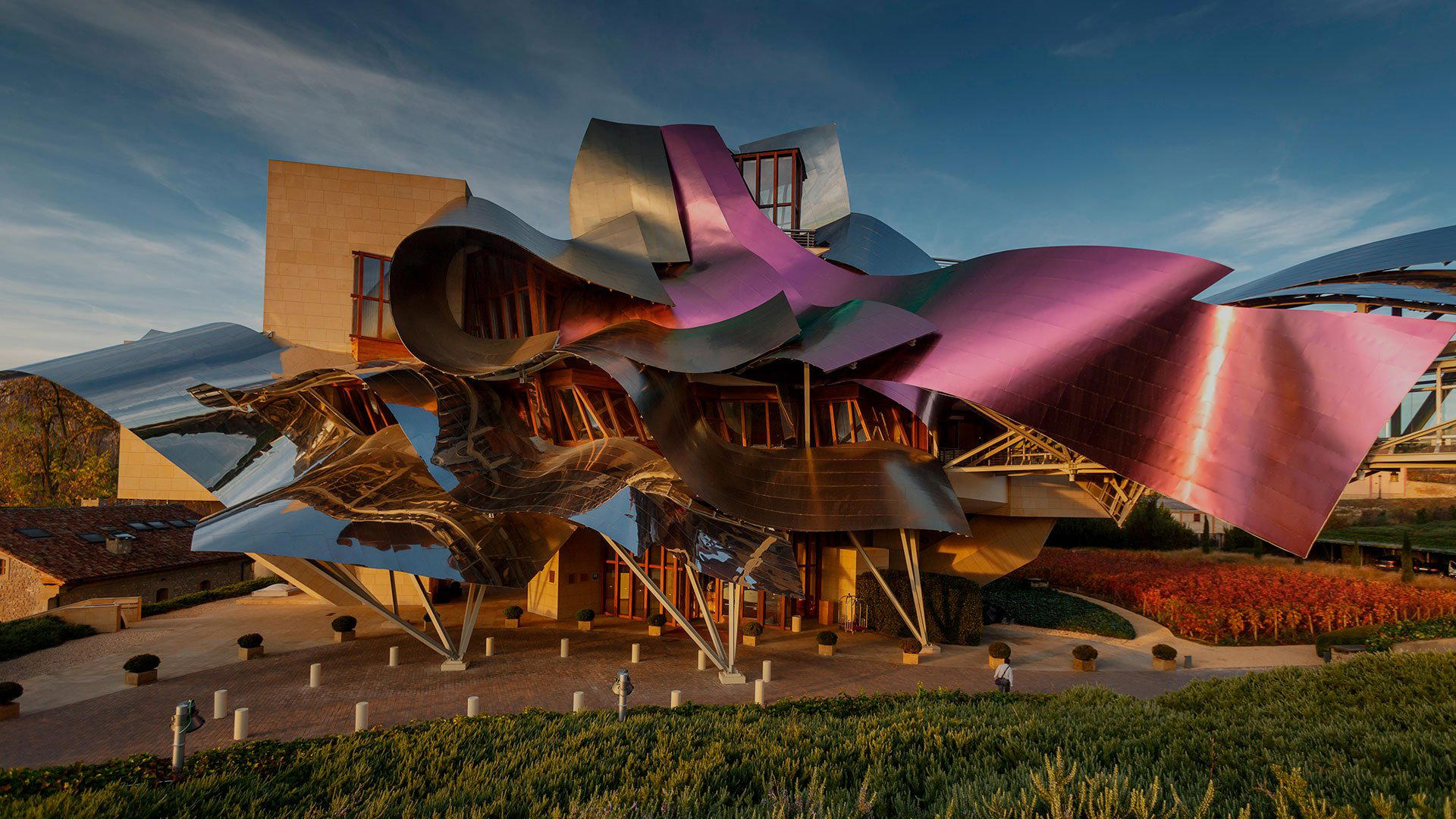
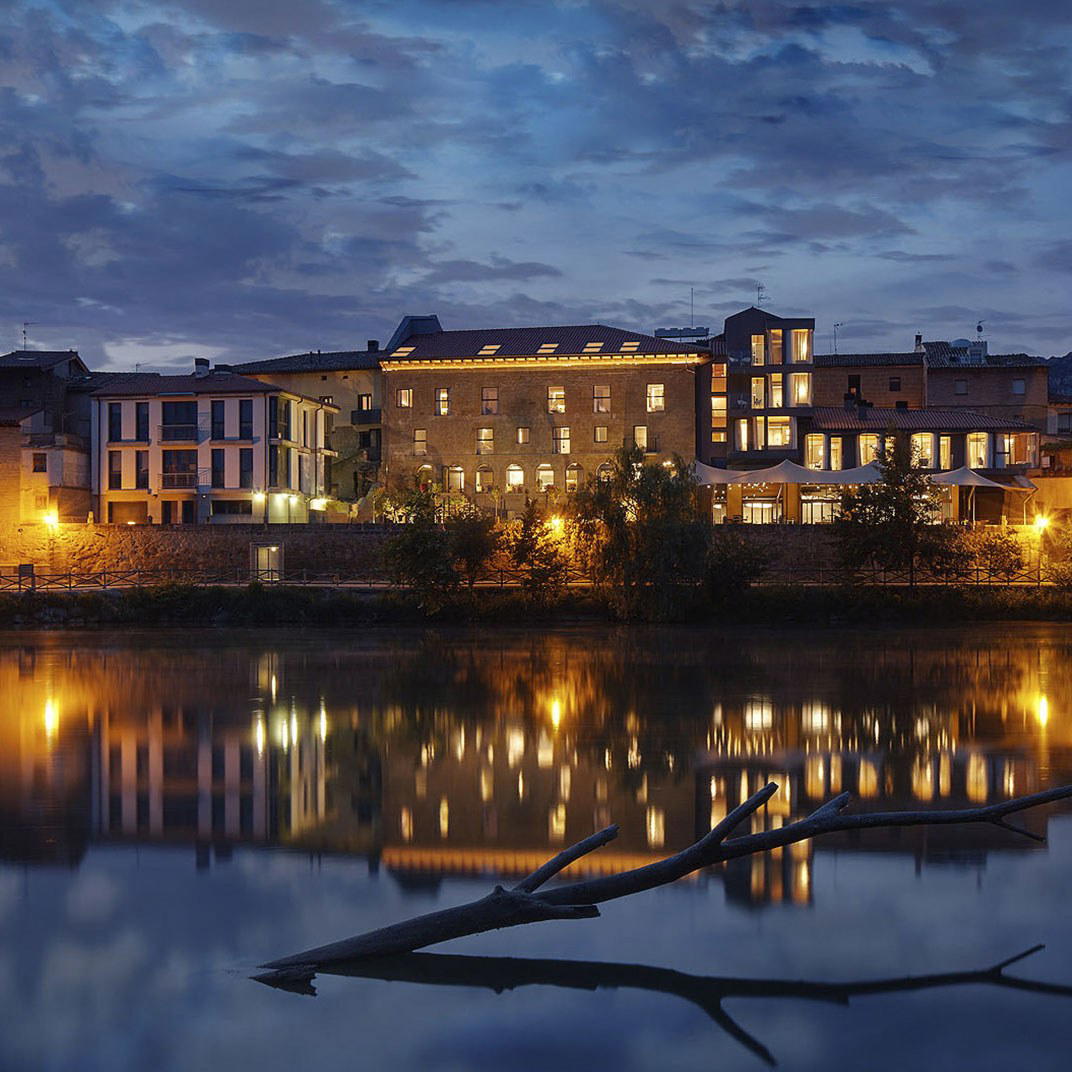
Set against the Cantabrian foothills with views across the surrounding hills and valleys, it represents one of the region's most serious engagements with both viniculture and wine heritage.
Pearl is the En Primeur Club membership app — saves, bookings, and concierge access live there. Same editors, same standards.
- Address
- N-232, 26330 Briones, La Rioja, Spain
- Phone
- +34 941 322 013
- Website
- vivancoculturadevino.es
- Directions
- Get directions
 Saves & bookings on Pearl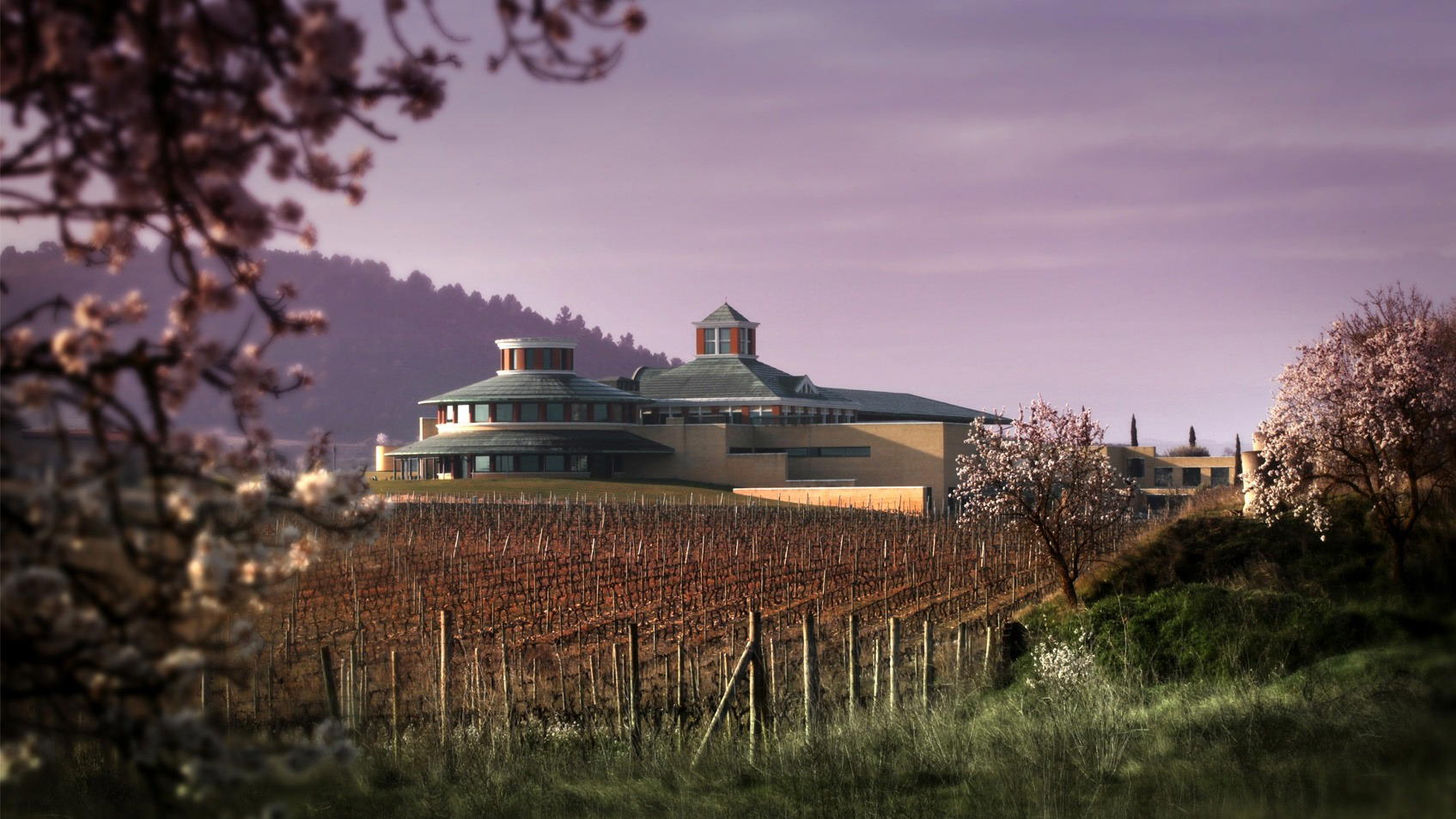
Where the Cantabrian Foothills Meet a Century of Rioja
Approaching Briones from the N-232, the Cantabrian mountain range frames the northern horizon in a way that explains a great deal about why Rioja Alta produces wine differently from the warmer, flatter plains to the south. The foothills act as a climatic buffer, moderating Atlantic weather systems before they sweep across the vineyards below. At this elevation and latitude, diurnal temperature swings are wide enough to preserve acidity through the growing season — a structural signature that distinguishes Rioja Alta from its Baja counterpart. Bodegas Vivanco sits within this geography in the village of Briones, and the surrounding hills and valleys visible from the property are not incidental scenery: they are the argument for why the wine tastes the way it does.
The winery was established in 1915, which places its origins in an era when Rioja's appellation identity was still being assembled by the pioneering houses of Haro and Cenicero. For context on where that places it among Spanish wine estates, consider the competitive set: operations like CVNE (Cune) in Haro and Marqués de Cáceres in Cenicero occupy the same broad tradition of Rioja Alta production, each with different house styles but similar ambitions around structured, age-worthy red wine.
The Museum as Evidence, Not Decoration
Spain's wine estates have taken different approaches to cultural programming. Some offer cellar tours as logistics, moving visitors through barrel rooms with explanatory placards. Others have invested in architecture — Bodegas Ysios in Laguardia, with its Santiago Calatrava facade, made the building itself the statement. Vivanco took a third path: the Museum of Wine Culture at Briones spans 4,000 square metres and frames wine as a subject of sustained civilisational interest, with collections that reach back through art history, archaeology, and agricultural tradition.
The distinction matters for how you plan your visit. This is not a tasting room with some display cases appended to justify a longer booking window. The museum operates as a serious cultural institution, and the time required to move through it properly runs well beyond the standard winery visit. For wine travellers who find that a single estate can anchor a full day rather than a half-morning, Vivanco's format suits that preference directly. The combination of vineyard setting, production facility, and 4,000 square metres of cultural context makes it one of the few estates in the Iberian peninsula where the non-wine programme carries independent weight.
Among Spanish wine estates that have made heritage and culture central to their visitor proposition, few have invested at this scale. Codorníu in Sant Sadurní d'Anoia offers a comparison point in terms of estate scale and historical reach, though its identity is anchored in Cava rather than still red wine. Abadía Retuerta in Sardón de Duero approaches heritage through a different register entirely, with a twelfth-century monastery at its core. Each represents a distinct model for how Spanish wine estates incorporate the past into the present visitor experience.
Rioja Alta and the Case for Altitude
The terroir argument in Rioja has grown more specific over the past two decades. Where the appellation once marketed itself as a unified region with a shared identity built around Tempranillo and oak ageing, producers and critics have increasingly mapped the differences between sub-zones. Rioja Alta, which includes the Briones enclave where Vivanco operates, is generally associated with higher elevation, more clay and limestone in the soil profile, and cooler growing conditions than the lower-lying areas of Rioja Baja. The resulting wines tend to carry more structural tension, tighter tannins in youth, more reserved fruit, and a track record for extended cellaring.
This is the broader tradition within which Vivanco's production sits. It does not operate in isolation from the regional conversation: Briones is a small hilltop village whose position above the Ebro valley concentrates the effects of the foothills climate. The views described in the estate's own documentation, across surrounding hills and valleys, are not simply a selling point. They correspond to the vineyard orientation and altitude that shape the wine's profile. Understanding the geography here is understanding the wine.
For comparison, estates operating in different Spanish wine traditions make for useful orientation. Bodegas Protos in Peñafiel works within Ribera del Duero, where the Tempranillo-dominant model produces wines at altitude but under a more continental climate. Clos Mogador in Gratallops operates under Mediterranean conditions in Priorat, with a Garnacha and Carignan focus that represents a sharply different terroir logic. Emilio Moro in Pesquera de Duero offers another Ribera reference point. Each of these estates is pressing a different geographical argument through its wine, and visiting more than one in a structured trip allows the differences to become legible in the glass.
Planning a Visit to Briones
Briones sits in La Rioja province, accessible via the N-232 highway that runs through the heart of the Rioja Alta wine corridor. The village itself is a designated heritage settlement, compact and refined, with the winery and museum below the old town. For visitors travelling the broader Spanish wine circuit, the N-232 route connects several significant estates in a logical sequence. CVNE in Haro lies to the northwest; Marqués de Cáceres in Cenicero is within range to the east. Logroño, the regional capital, sits approximately 30 kilometres to the southeast and functions as the most practical base for a multi-day exploration of the Alta zone.
Given the scope of the museum, an early-morning start is worth considering if you intend to move through both the cultural programme and any tasting or vineyard element in a single visit. The estate is also bookable as part of wider Spanish wine itineraries; for travellers building a route that extends beyond Rioja, the connection to Jerez-based estates like Lustau or González Byass (Tío Pepe) adds a useful counterpoint in a different Spanish wine tradition altogether. For a broader view of the region's restaurant and hospitality offer, see our full Valle de Mena restaurants guide.
The combination of a working estate with over a century of continuous production, a museum at genuine institutional scale, and a terroir position in one of Rioja Alta's most characterful villages makes it a reference point for anyone taking the region seriously.
Recognition history
Dated appearances from independent guides and award organizations, with the underlying list record or original source where available.
Falstaff Winery - 1 Stars
Falstaff
World's 50 Best Best Vineyards #24
World's 50 Best
World's 50 Best Best Vineyards #31
World's 50 Best
World's 50 Best Best Vineyards #44
World's 50 Best
World's 50 Best Best Vineyards #41
World's 50 Best
Continue exploring
More in Valle de Mena
Wineries in Valle de Mena
Browse all →
Bars in Valle de Mena
Browse all →
Restaurants in Valle de Mena
Browse all →
At a Glance
- Modern
- Elegant
- Scenic
- Rustic
- Wine Education
- Solo Exploration
- Group Outing
- Vineyard Tour
- Historic Building
- Panoramic View
- Organic
- Sustainable
- Vineyard
- Doca Rioja
- Tempranillo
- Graciano
- Garnacha
- Mazuelo
- Viura
- Maturana Tinta
- Tempranillo Blanco
- Maturana Blanca
- Still Red
- Still White
- Still Rosé
- Sparkling
- Private Tasting
Sophisticated and educational atmosphere blending modern innovation with traditional Rioja winemaking heritage.
Know Before You Go
- Getting there
- N-232, 26330 Briones, La Rioja, Spain