Skip to Main Content
← Collection
WinemakerMichel Fauconnet
RegionLe Mesnil-sur-Oger, France
First Vintage1760
Pearl

Delamotte sits at 7 Rue de la Brèche d'Oger in Le Mesnil-sur-Oger, one of Champagne's most storied grand cru villages, with a founding vintage dating to 1760. Under winemaker Michel Fauconnet, the house operates in quiet counterpoint to its sister label Salon, earning a Pearl 4 Star Prestige rating in 2025. For those tracking Côte des Blancs Champagne at the serious end of the spectrum, Delamotte is a reference point.

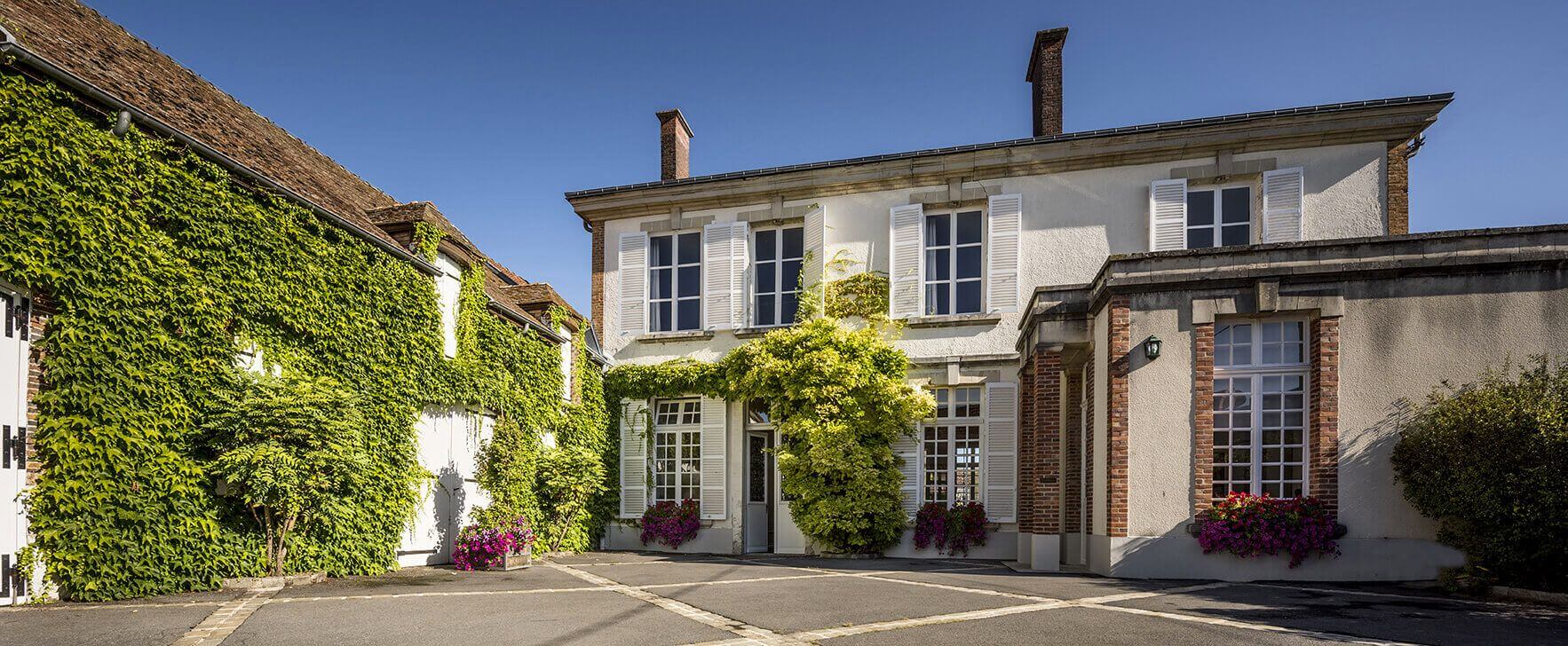
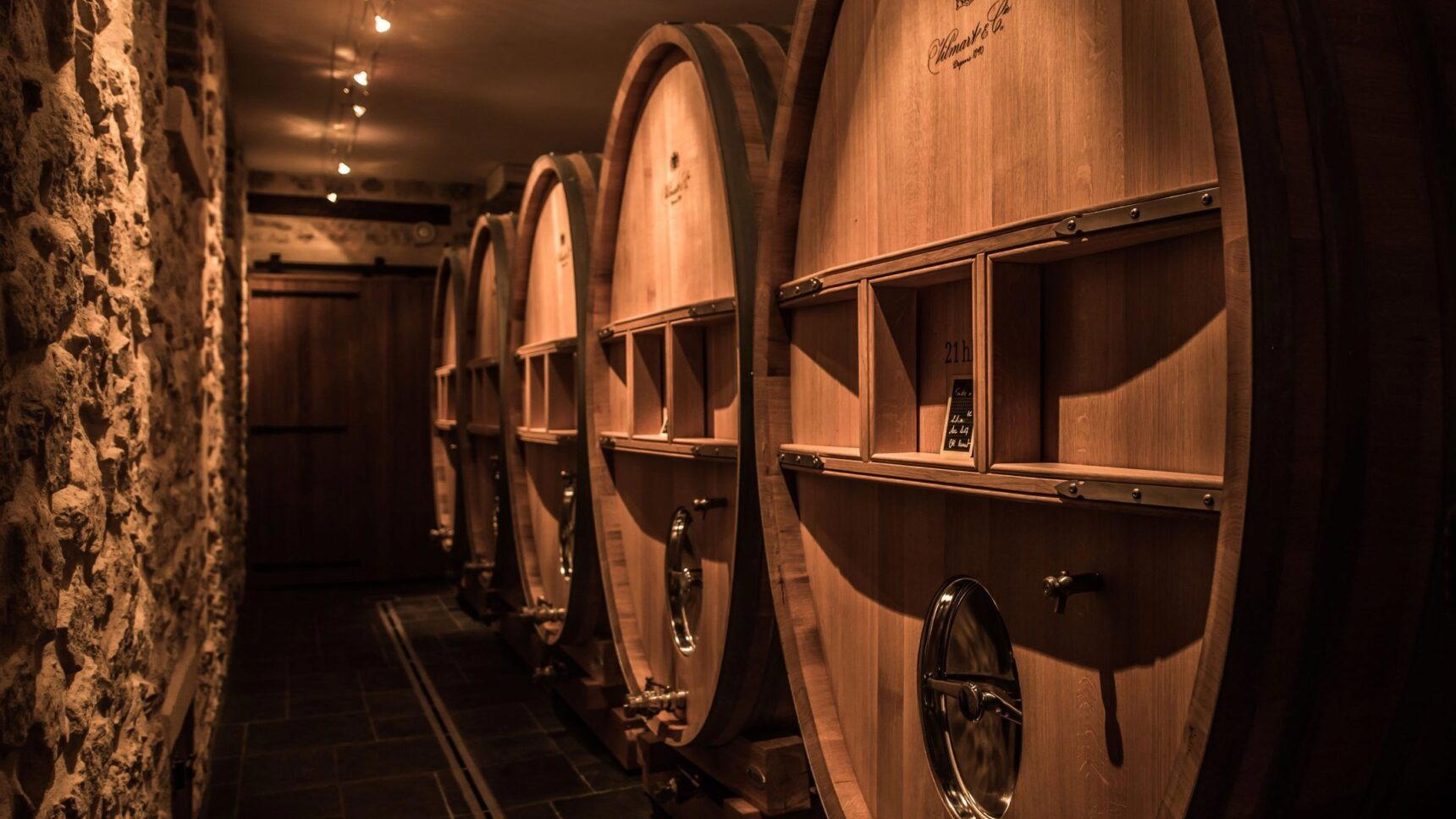
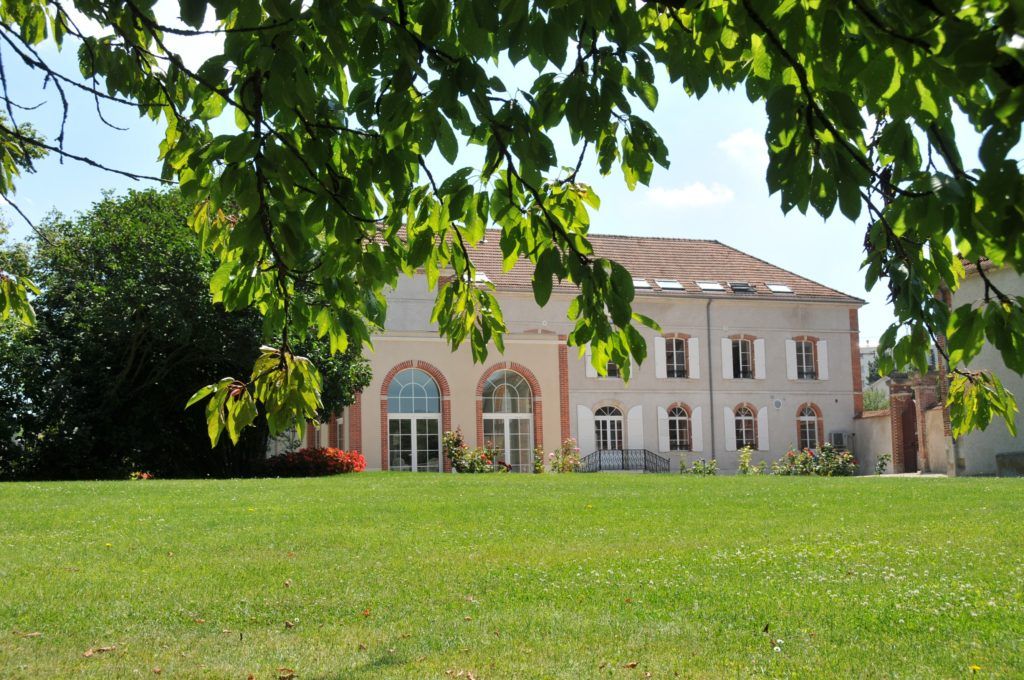
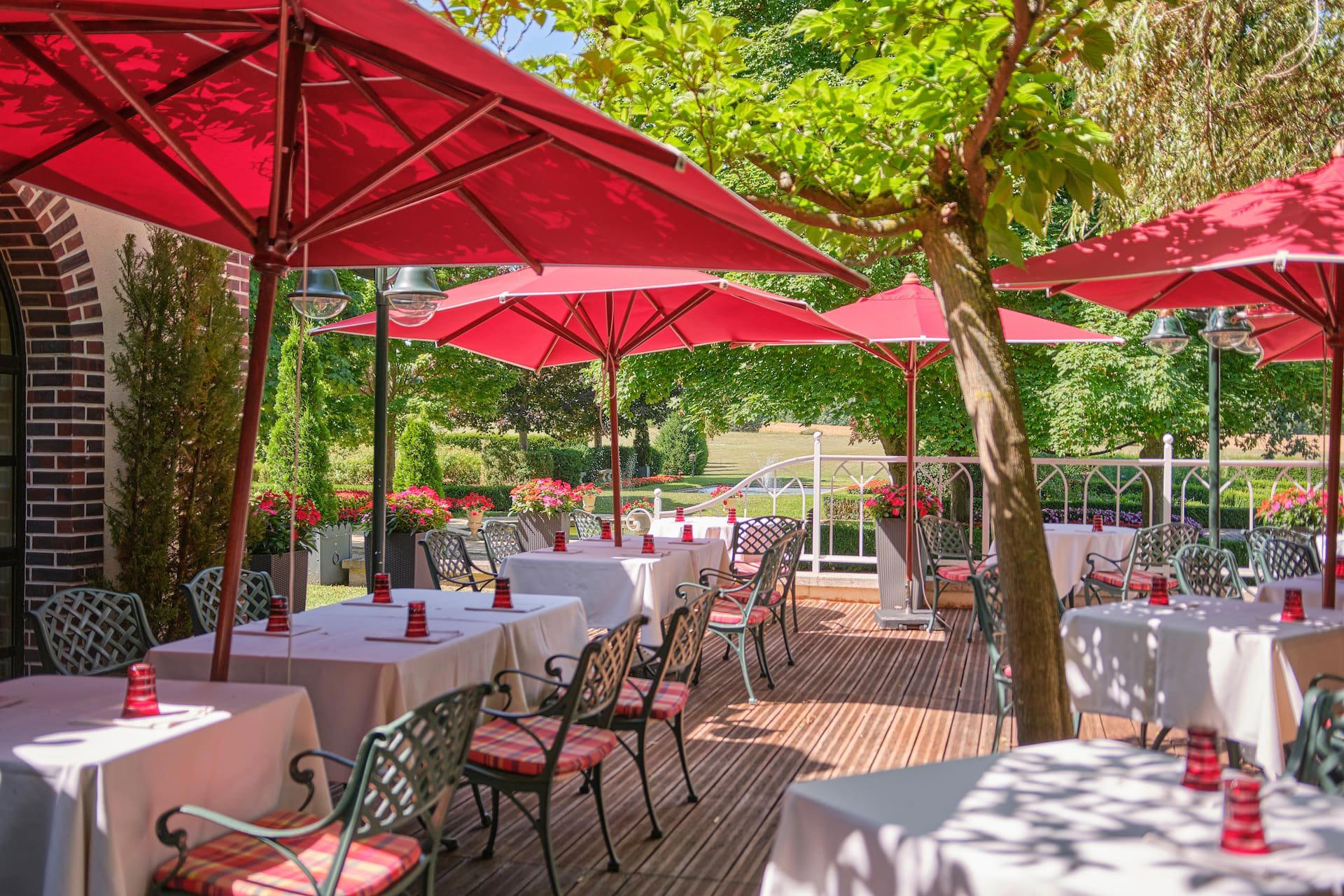
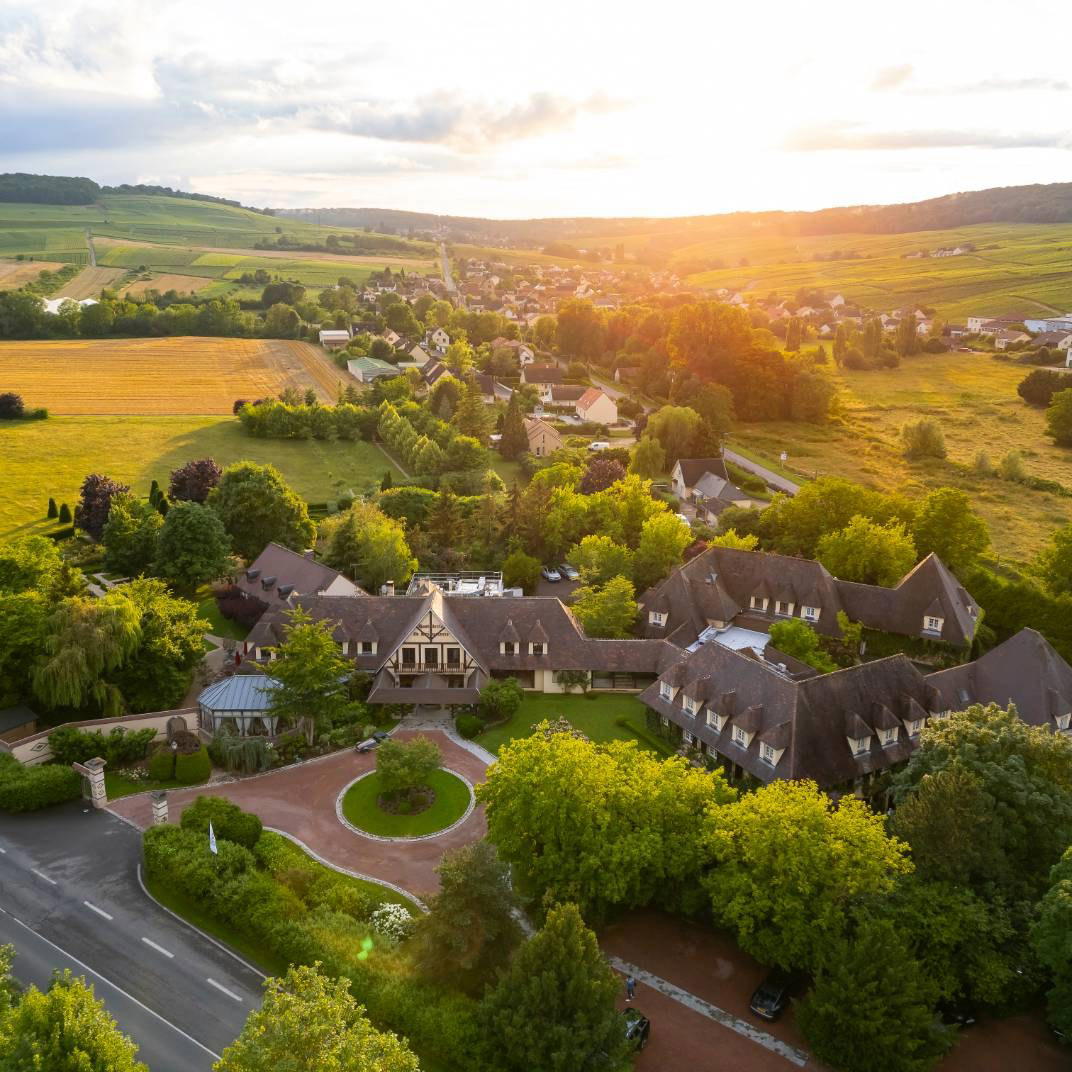
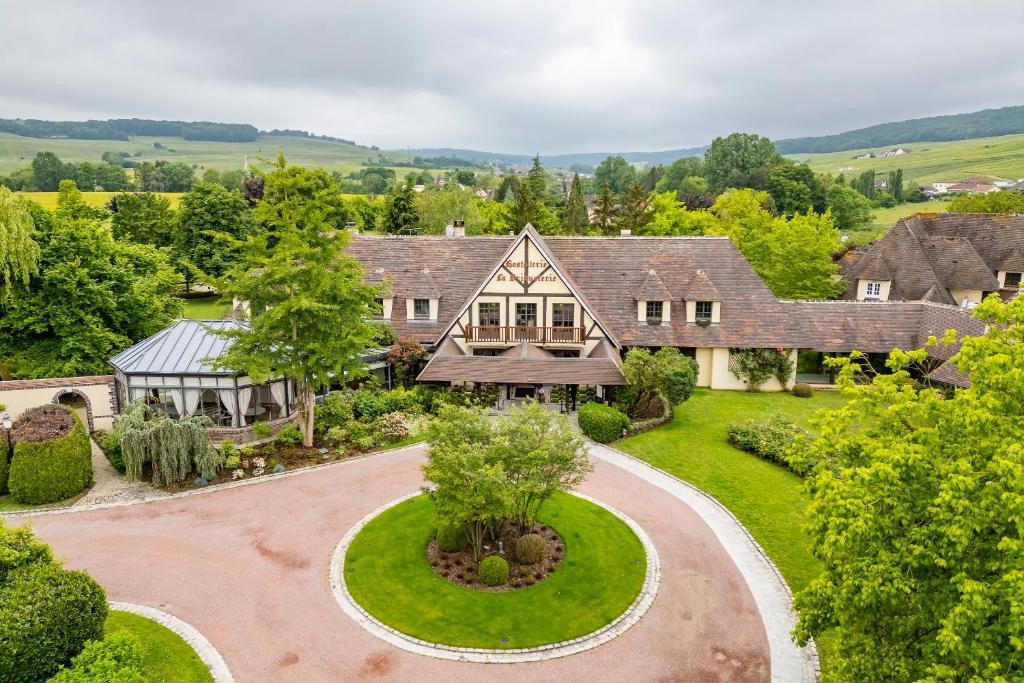
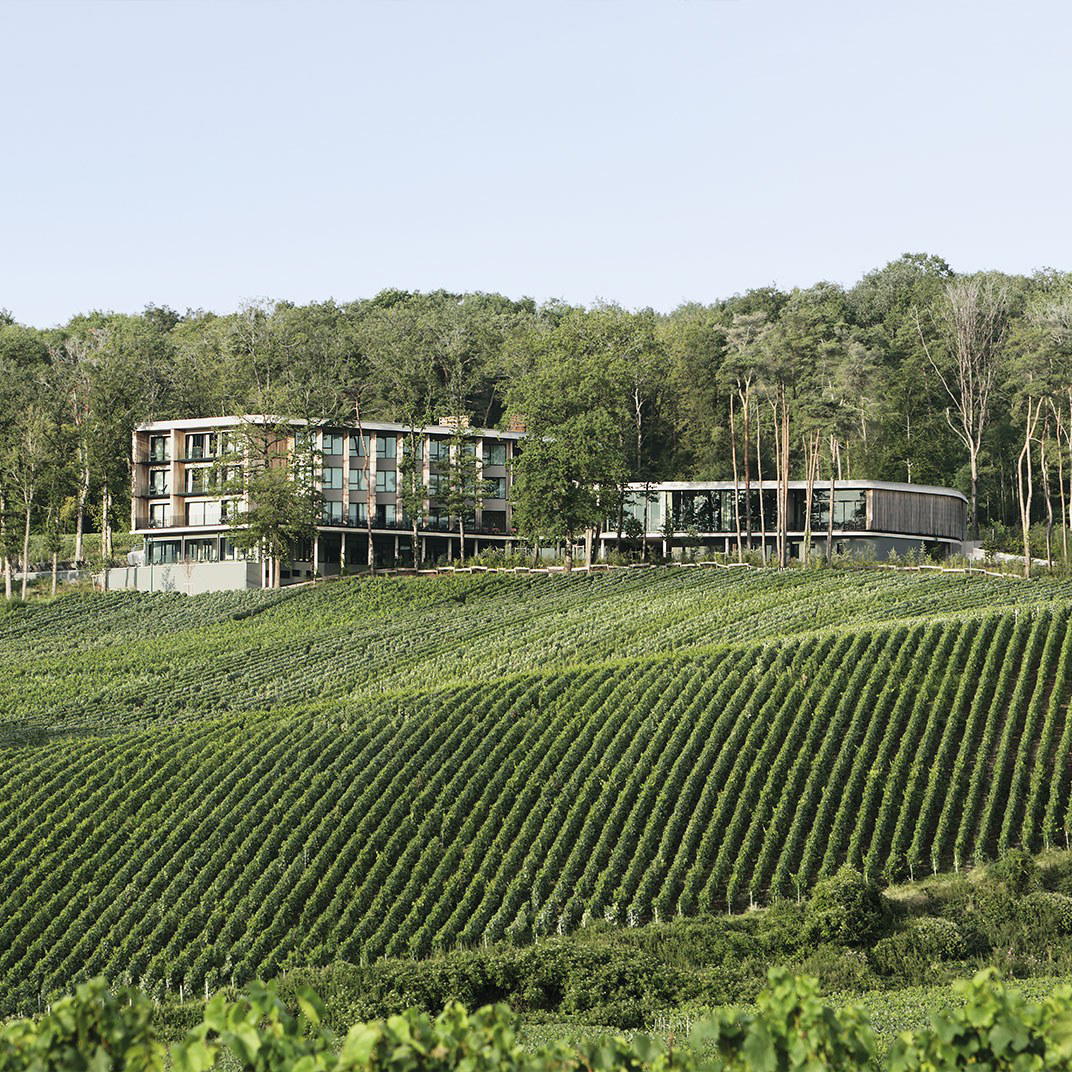
Delamotte winery in Le Mesnil-sur-Oger, France
About

The Village That Shapes the Wine

Le Mesnil-sur-Oger does not announce itself loudly. The village sits on the Côte des Blancs south of Épernay, its chalky subsoil running deep beneath quiet streets and modest facades. What makes it significant is geological: the grand cru chalk here produces Chardonnay with a mineral precision that has drawn Champagne houses for centuries. Delamotte, at 7 Rue de la Brèche d'Oger, is one of the oldest addresses in that story, with a founding vintage recorded in 1760. Approaching the property, the architecture is reserved in the way that much of the Marne countryside is reserved — there is no performance of grandeur, only the quiet authority of long continuity.

That restraint is worth reading as a signal. In a Champagne region where marketing investment often substitutes for terroir credibility, a house that lets its village do the talking occupies a specific position. Le Mesnil-sur-Oger produces some of the most coveted blanc de blancs base material on the Côte des Blancs, and Delamotte draws directly from that inheritance. For context on the broader village, see our full Le Mesnil-sur-Oger wineries guide.

Michel Fauconnet and the Logic of Restraint

Winemaking philosophy in Champagne tends to split along a clear axis: houses that prioritize consistency and volume versus those that treat each vintage as a discrete expression of site. Delamotte under Michel Fauconnet belongs firmly to the second category. The approach here is rooted in the idea that Le Mesnil-sur-Oger's chalk speaks most clearly when winemaking intervenes as little as possible — a philosophy that places Delamotte in the same intellectual tradition as a small number of Côte des Blancs producers who have resisted the drift toward richer, more manipulated styles.

Fauconnet's work at Delamotte is inseparable from the house's relationship with Champagne Salon, which operates as a sister label under the same ownership. Salon is one of Champagne's most allocation-constrained wines, produced only in declared vintages and only from Le Mesnil-sur-Oger fruit. Delamotte functions, in part, as the vehicle through which non-Salon vintages and cuvées reach the market , but that framing undersells it. The house has its own identity, its own non-vintage expression, and its own vintage blanc de blancs that draws on the same grand cru parcels. The winemaker's task is to maintain distinction between two labels while holding the same terroir logic across both.

That kind of dual-label stewardship demands precision about when fruit is allocated where, and it reinforces the house's commitment to site transparency over stylistic uniformity. Other producers working in a comparable intellectual register in the Côte des Blancs include Pierre Peters, whose single-village approach and reserve wine system offer a useful point of comparison for readers calibrating where Delamotte sits in the broader peer set.

2025 Recognition and What It Signals

In 2025, Delamotte received a Pearl 4 Star Prestige rating , the EP Club's designation for houses operating at the upper tier of their category. In Champagne terms, that bracket is defined not by price alone but by a combination of terroir specificity, production discipline, and critical consistency. The rating places Delamotte alongside a peer set of houses where grand cru sourcing, low-intervention winemaking, and allocation-style distribution are the common denominators.

For readers using awards as a navigation tool, the Pearl 4 Star Prestige signals a house where the gap between effort and output is narrow. These are not labels where marketing spend determines quality perception. The rating also reflects the increasing critical attention paid to Côte des Blancs blanc de blancs as a category , as Champagne buyers have become more fluent in terroir, houses anchored to specific grand cru villages have accumulated recognition at a faster rate than multi-appellation blenders.

The Côte des Blancs in Competitive Context

Champagne as a category has undergone significant stratification over the past decade. The grandes marques continue to dominate volume, but a smaller tier of village-anchored, blanc de blancs-focused producers has grown in both critical standing and secondary market attention. Delamotte sits in that tier, with credentials that predate the current enthusiasm for terroir-specific Champagne by several centuries. The founding vintage of 1760 means the house was producing wine before most of the Champagne region's regulatory framework existed , a historical depth that few addresses can claim.

In the broader context of French fine wine, this kind of long institutional continuity carries a different weight than it does in newer wine regions. Houses like Château Bélair-Monange in Saint-Emilion or Château Bastor-Lamontagne in Preignac operate within classification systems that codify historical reputation. Champagne's grand cru village hierarchy functions similarly: Le Mesnil-sur-Oger carries a classification weight that accrues to every house working its chalk, and Delamotte has been doing so for longer than most.

Readers exploring French wine estates across different regions and styles will find useful reference points in houses that have also built reputations through site discipline: Albert Boxler in Niedermorschwihr is one Alsatian parallel, where grand cru specificity drives the entire portfolio logic.

Planning a Visit

Le Mesnil-sur-Oger is approximately 15 kilometres south of Épernay, reachable by car along the D10 through the vineyard corridor of the Côte des Blancs. The village does not have significant tourist infrastructure, which is part of its character. Visits to Delamotte at 7 Rue de la Brèche d'Oger are leading arranged in advance; the house operates on the quieter end of the Champagne visitor spectrum, more suited to those arriving with specific interest in blanc de blancs terroir than those looking for a conventional cellar tour experience.

Booking windows and availability details are not listed publicly and prospective visitors should contact the house directly. Given the house's sister-label relationship with Salon, visitors should not expect the latter's wines to feature in standard tastings , Salon allocations follow a separate channel entirely. For broader planning across the village, our full Le Mesnil-sur-Oger restaurants guide, hotels guide, bars guide, and experiences guide cover the full range of options in and around the village.

Those building a broader Côte des Blancs itinerary may also find value in cross-referencing estates from other French fine wine regions to understand how Delamotte's production philosophy compares across categories: Château Batailley in Pauillac, Château Boyd-Cantenac in Cantenac, and Abadía Retuerta in Sardón de Duero each represent the kind of long-tenure, terroir-anchored production logic that Delamotte embodies in Champagne. For something further afield in the spirits category, Chartreuse in Voiron and Aberlour in Aberlour share the characteristic of institutional age acting as a quality signal in its own right.

Frequently Asked Questions

Peer Set Snapshot

These are the closest comparables we have in our database for quick context.

Collector Access

Access the Cellar?

Our members enjoy exclusive access to private tastings and priority allocations from the world's most sought-after producers.

Get Exclusive Access