
One of Barsac's most enduring addresses, Château Nairac has produced botrytised Sémillon under the same appellation rules as its Sauternes neighbours since its first recorded vintage in 1879. A visit positions the visitor squarely inside the classical Graves-adjacent sweet wine tradition.
Pearl is the En Primeur Club membership app — saves, bookings, and concierge access live there. Same editors, same standards.
- Address
- 81 Av. Aristide Briand, 33720 Barsac
- Phone
- +33 5 56 27 16 16
- Website
- chateau-nairac.com
- Directions
- Get directions
 Saves & bookings on Pearl
The Barsac Tradition Nairac Sits Inside
The left bank of the Ciron river divides two appellations that share a winemaking logic but carry different reputations in the market. Sauternes commands the headline prices and the auction room attention; Barsac, its permitted sub-appellation, operates in a smaller, more considered tier where estates like Château Nairac have worked the same botrytis-dependent method across generations. The fog that rolls off the Ciron each autumn morning is not a poetic flourish: it is the direct mechanism by which Botrytis cinerea concentrates sugars in Sémillon and Muscadelle grapes, and Barsac's geography places it at the precise intersection of humidity and afternoon heat that makes the process reliable rather than accidental.
Within that context, Château Nairac occupies the bracket of historically grounded estates whose credibility is measured in decades rather than marketing cycles. Its first recorded vintage dates to 1879, giving it a production lineage that predates the formalization of much of what we now call the Bordeaux classification system. For visitors approaching Barsac from the north via the D114, the estates appear in relatively rapid succession, and Nairac's address on the Avenue Aristide Briand places it inside the compact geography that defines the appellation's core.
What a Visit to Barsac's Sweet Wine Estates Looks Like
Visiting a Barsac estate in the harvest season means arriving into a working environment, not a hospitality set piece. The format at most of the appellation's serious producers follows a recognizable pattern: a reception in or adjacent to the chai, a brief walk through the vineyards or cellars depending on the stage of the vintage, and a seated tasting that moves through the estate's current and back vintages. The emphasis at these visits is almost always on the wine itself rather than on theatrical presentation, which suits the deliberate, contemplative character of a sweet wine tasting.
Sauternes and Barsac tastings demand a different pace than a dry red flight. Residual sugar, acidity, and botrytis-derived complexity require time between glasses, and the serious estates know this. A tasting room that rushes through five vintages in twenty minutes is not giving the wines a fair demonstration. The format at estates of Nairac's standing tends to allow for proper intervals and usually includes at least one older vintage to show how the wine develops in bottle, which is where the strongest argument for these wines' quality is made.
Winemaker Thomas Duroux oversees production at Château Nairac. His presence at the estate is relevant as a credential signal rather than as a biographical subject: Duroux brings a professional formation that is traceable through public record, and his involvement positions Nairac within the cohort of Barsac properties where winemaking decisions are made by practitioners with serious track records in the Bordeaux appellation system. For context on the range of approaches within the Barsac and Sauternes tier, Château Climens and Château Doisy-Daëne represent the appellation's most discussed names, each operating with a distinct house style against which Nairac's positioning can be read.
In a category where the gap between a technically competent producer and a genuinely distinguished one is often measured in harvest decisions made over ten or fifteen consecutive vintages, a prestige-tier rating carries weight as a signal of consistent production quality rather than a single exceptional release. The sweet wine category at this level rewards patience: the estates that earn sustained recognition are those whose wines perform across a range of botrytis conditions, not only in the exceptional years that most producers would struggle to get wrong.
For comparative reference, the Barsac appellation's competitive set includes estates with different ownership structures, vine age profiles, and cellar philosophies. Château Bastor-Lamontagne in Preignac operates at a different scale and appellation positioning, while the broader Graves-adjacent market includes addresses across several sub-regions. Nairac's 2025 rating should be read against that wider field, not in isolation.
Planning a Visit to Barsac
Barsac sits roughly 40 kilometres southeast of Bordeaux city, accessible by train on the Bordeaux-La Réole line with a station in the village itself, or by car via the A62 motorway followed by the D113. The town is small, and the appellation's estates are concentrated within a short radius of the village centre, making it practical to arrange two or three visits in a single day without significant driving. Harvest season, typically mid-September through October depending on the botrytis development in any given year, is when the estates are most actively engaged with production, and visits during this period require advance planning. Outside of harvest, the late spring and early autumn windows tend to offer more predictable availability for tasting appointments.
Visiting Château Nairac at 81 Avenue Aristide Briand, Barsac 33720 is the starting point. As of the time of writing, contact details for booking are not listed in EP Club's database, which means prospective visitors should check the estate's current website or contact via their registered address to confirm tasting availability, formats, and any seasonal restrictions. For a broader orientation to the appellation's visiting options, our full Barsac guide maps the area's producers and practical logistics in detail.
For visitors building a longer Bordeaux itinerary that extends beyond the sweet wine appellations, estates including Château Batailley in Pauillac, Château Branaire Ducru in St-Julien, Château Cantemerle in Haut-Médoc, Château Bélair-Monange in Saint-Emilion, and Château Boyd-Cantenac in Cantenac represent the range of appellations and styles available within a reasonable driving radius. For those whose wine travel extends further into France, Albert Boxler in Niedermorschwihr and Chartreuse in Voiron offer reference points in Alsace and the Dauphiné respectively. For Provence comparisons, Château de Selle and Château de l'Aumérade provide a useful contrast in regional identity and tasting room format. Further afield, Accendo Cellars in St. Helena and Aberlour in Aberlour illustrate how production heritage and winemaking credentials translate across very different production traditions.
Recognition history
Dated appearances from independent guides and award organizations, with the underlying list record or original source where available.
Falstaff Winery - Listed
Falstaff
Continue exploring
More in Barsac
Wineries in Barsac
Browse all →
Bars in Barsac
Browse all →
Restaurants in Barsac
Browse all →
At a Glance
- Elegant
- Romantic
- Classic
- Sophisticated
- Romantic Getaway
- Wine Education
- Special Occasion
- Celebration
- Vineyard Tour
- Estate Grounds
- Historic Building
- Barrel Room
- Vineyard
- Garden
- Barsac AOC
- Sémillon
- Sauvignon Blanc
- Muscadelle
- Dessert
- Estate Tasting
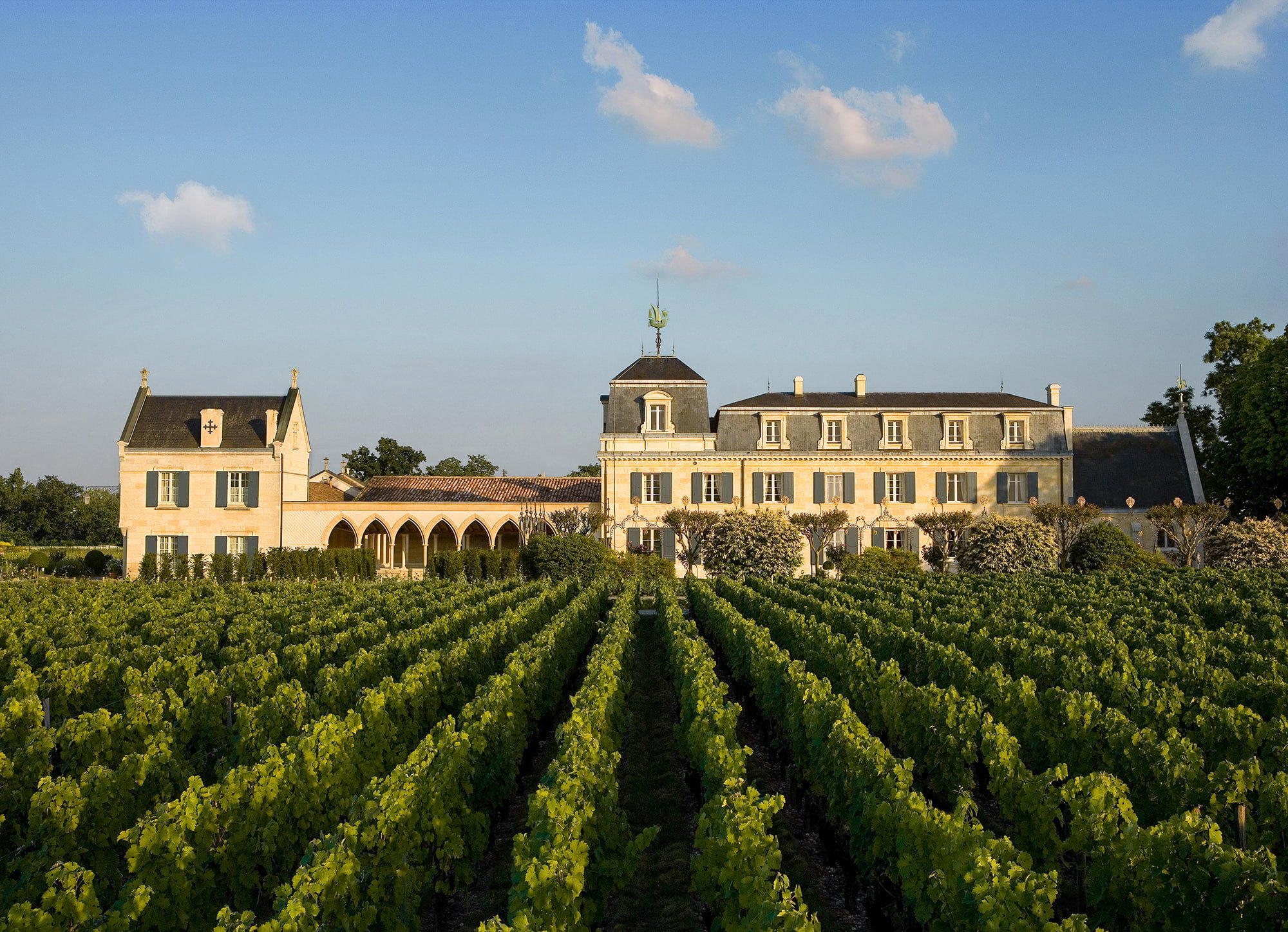
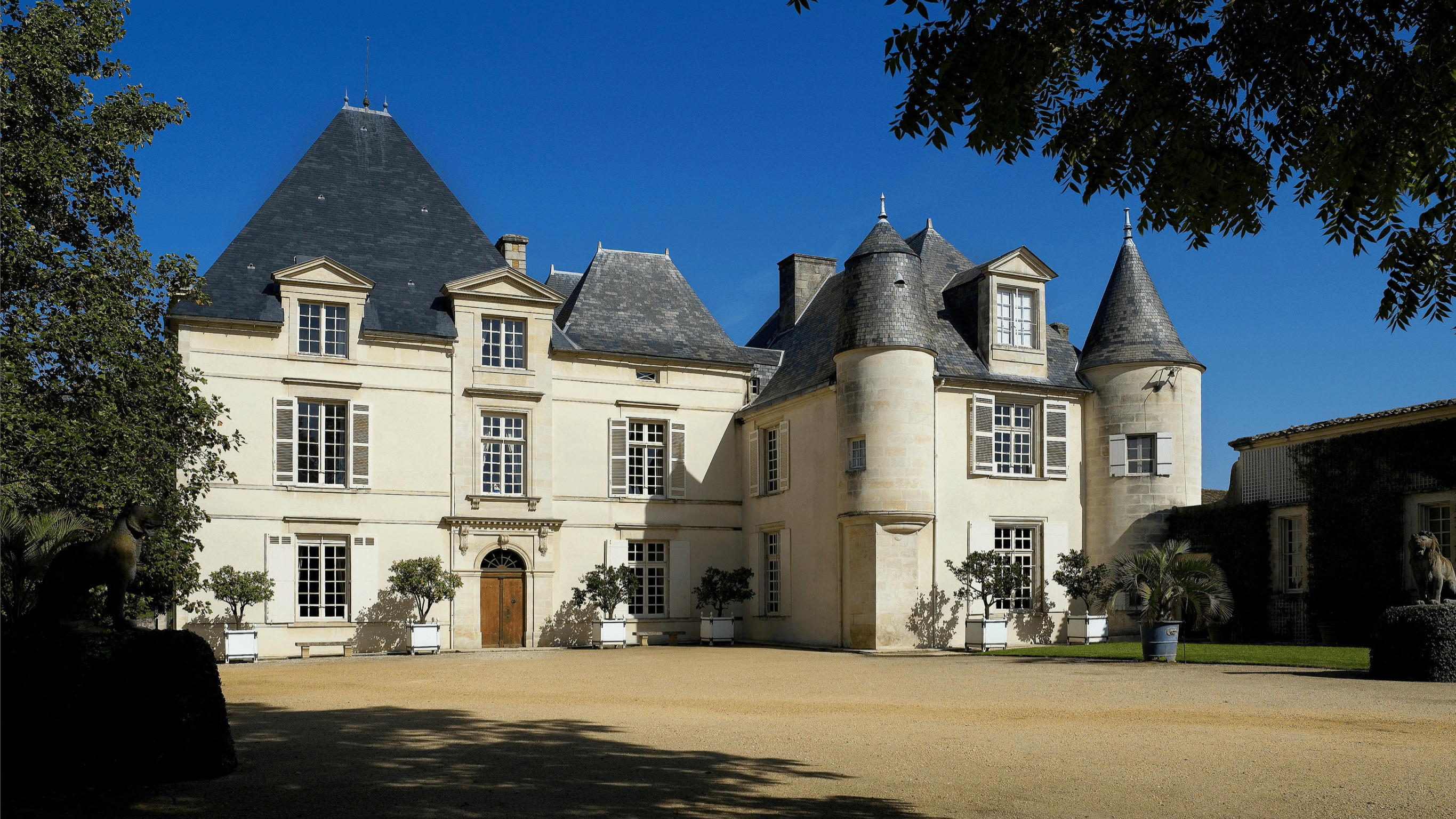
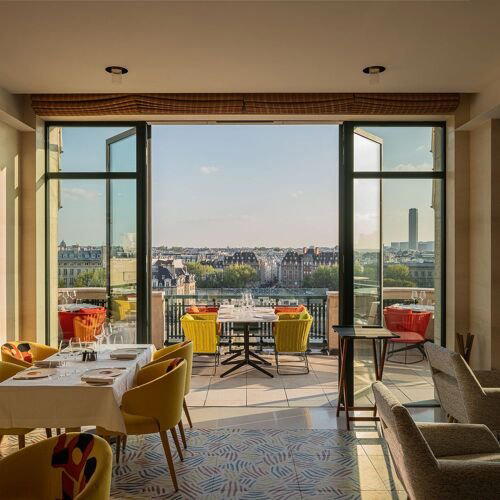
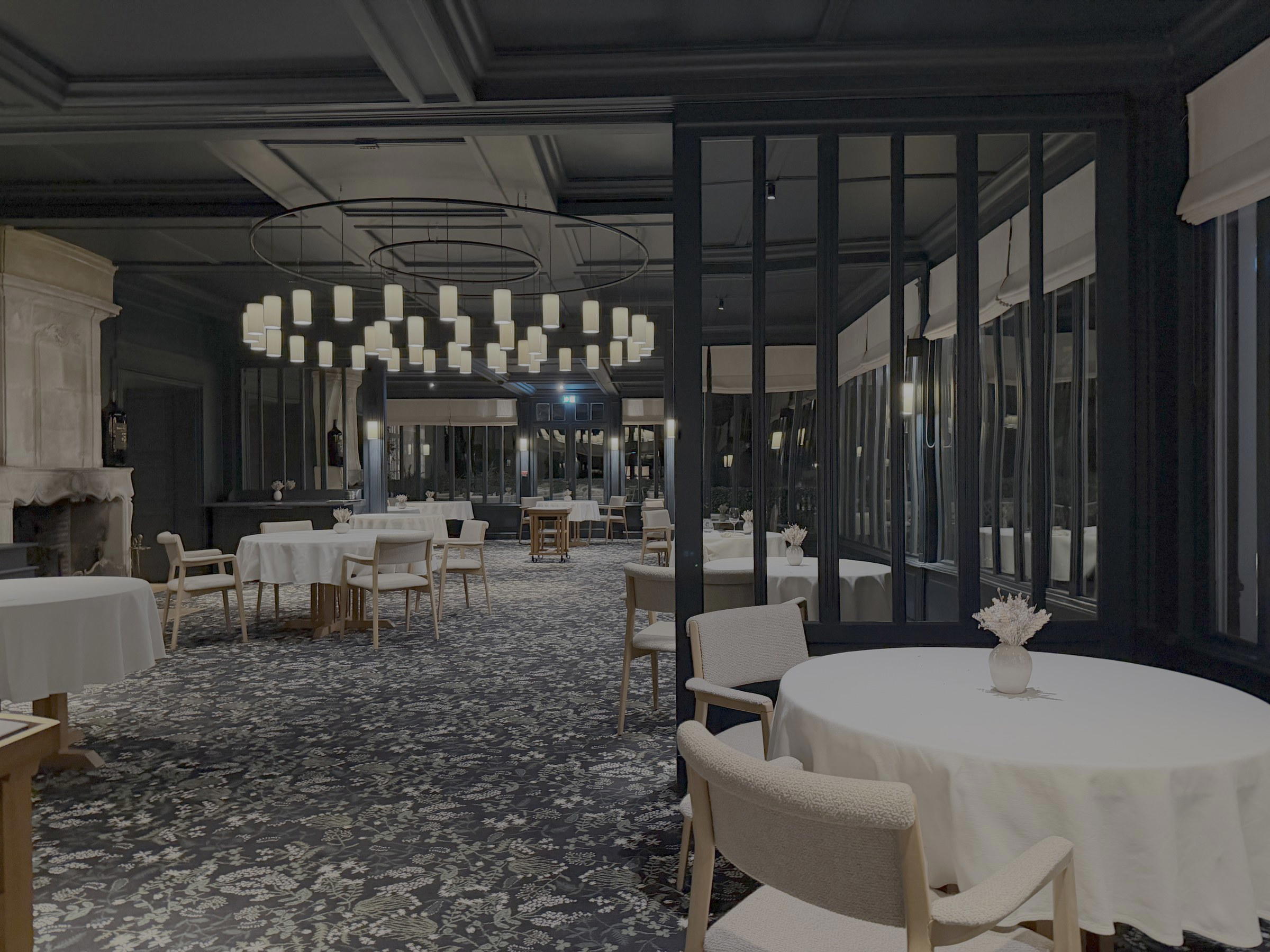
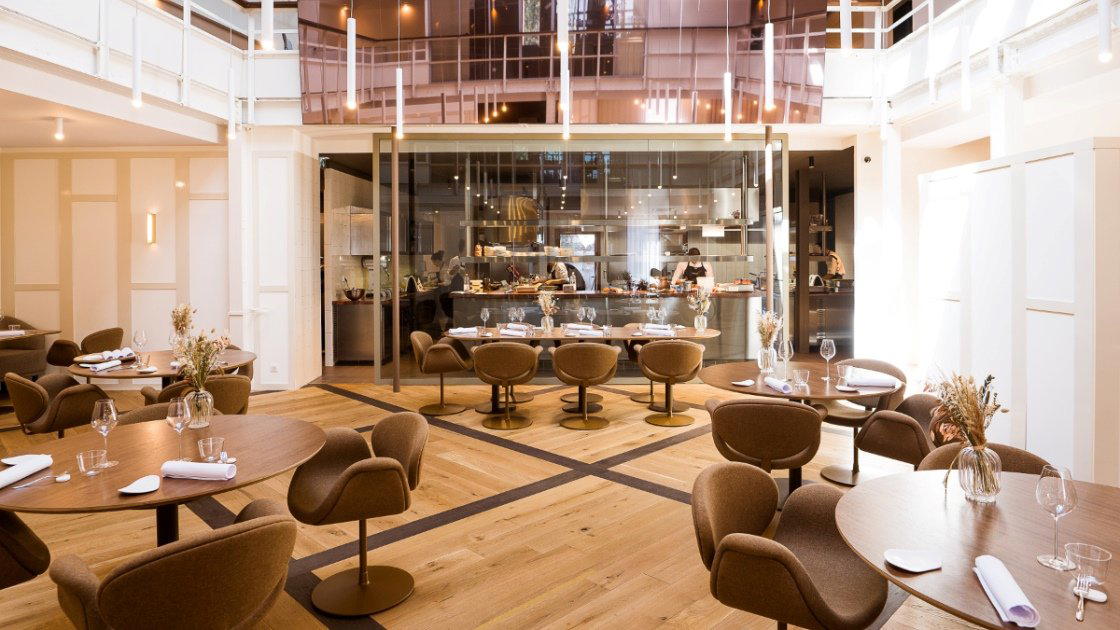
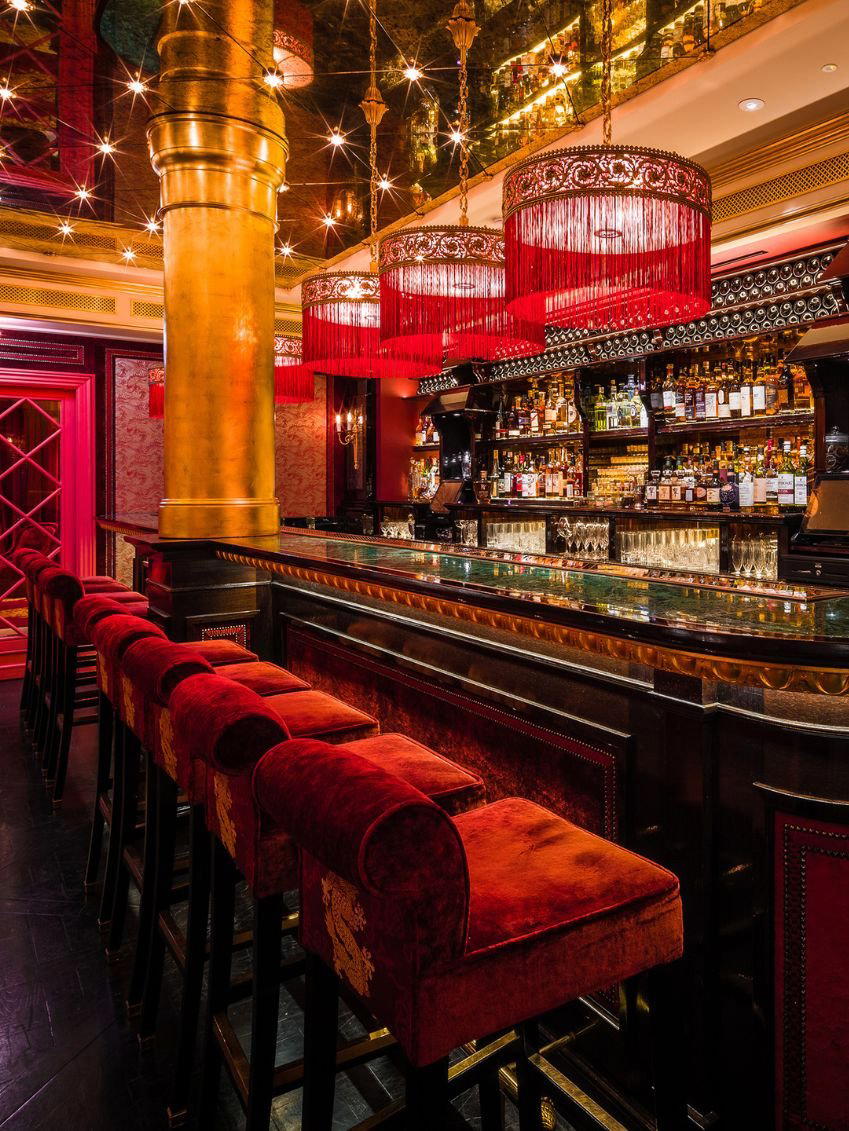
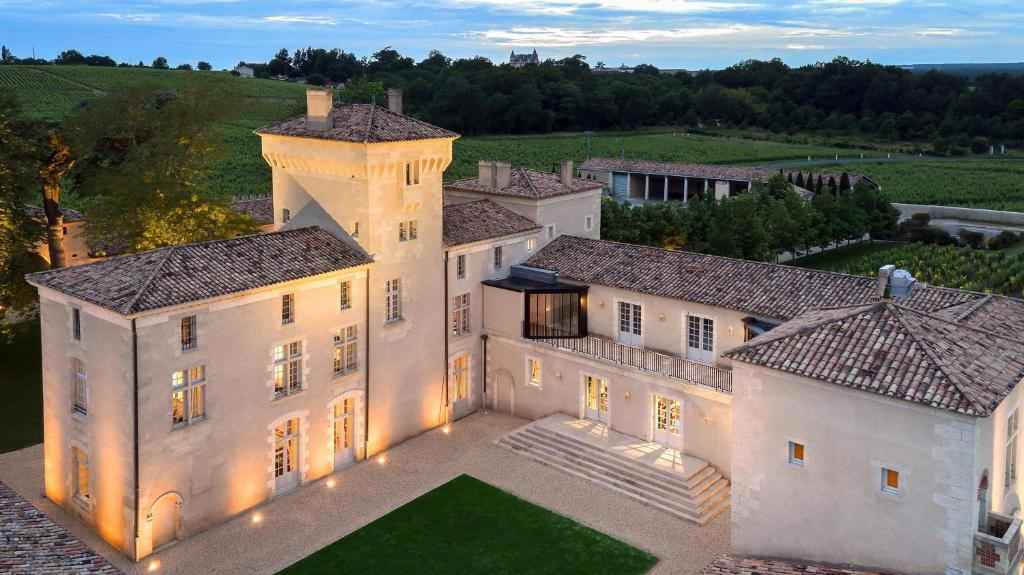
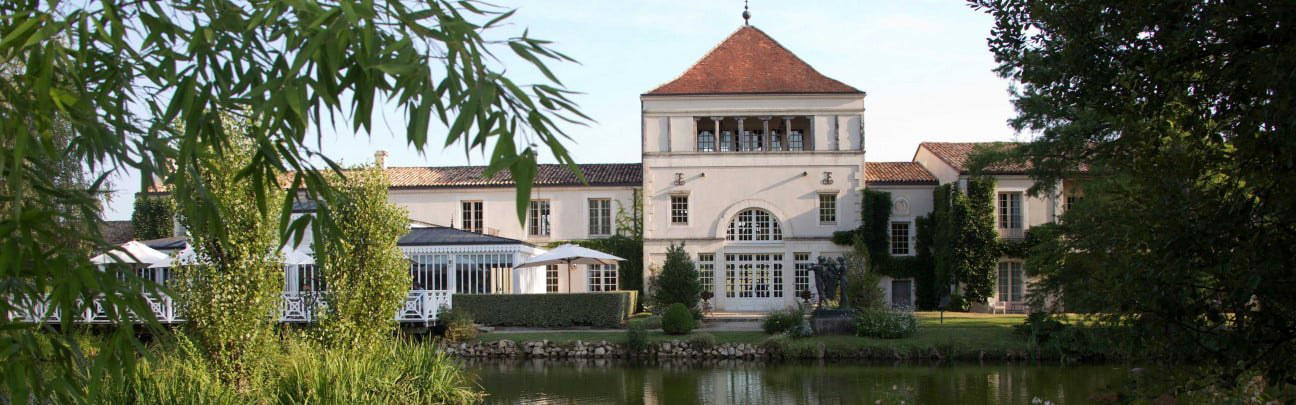
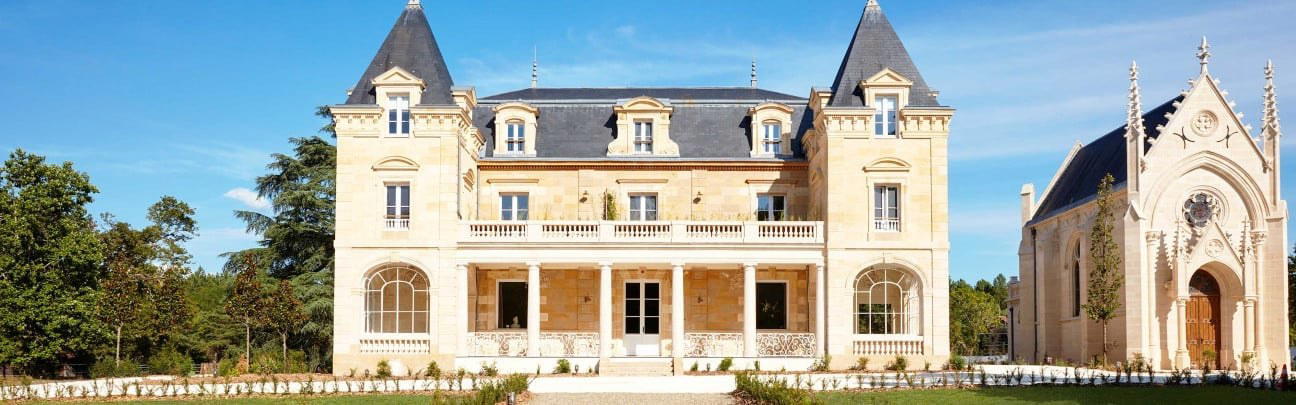
Historic and refined, with architectural elements spanning from the 17th century through modern restoration, set amid rolling vineyard terraces in the heart of the Sauternes region.
Know Before You Go
- Getting there
- 81 Av. Aristide Briand, 33720 Barsac