Colgin Cellars

Falstaff Winery - Listed
Colgin Cellars has operated from St. Helena since its first vintage in 1992, building a reputation among Napa Valley's allocation-driven collector tier.

Pearl is the En Primeur Club membership app — saves, bookings, and concierge access live there. Same editors, same standards.
- Address
- St Helena, CA 94574
- Website
- colgincellars.com
- Directions
- Get directions
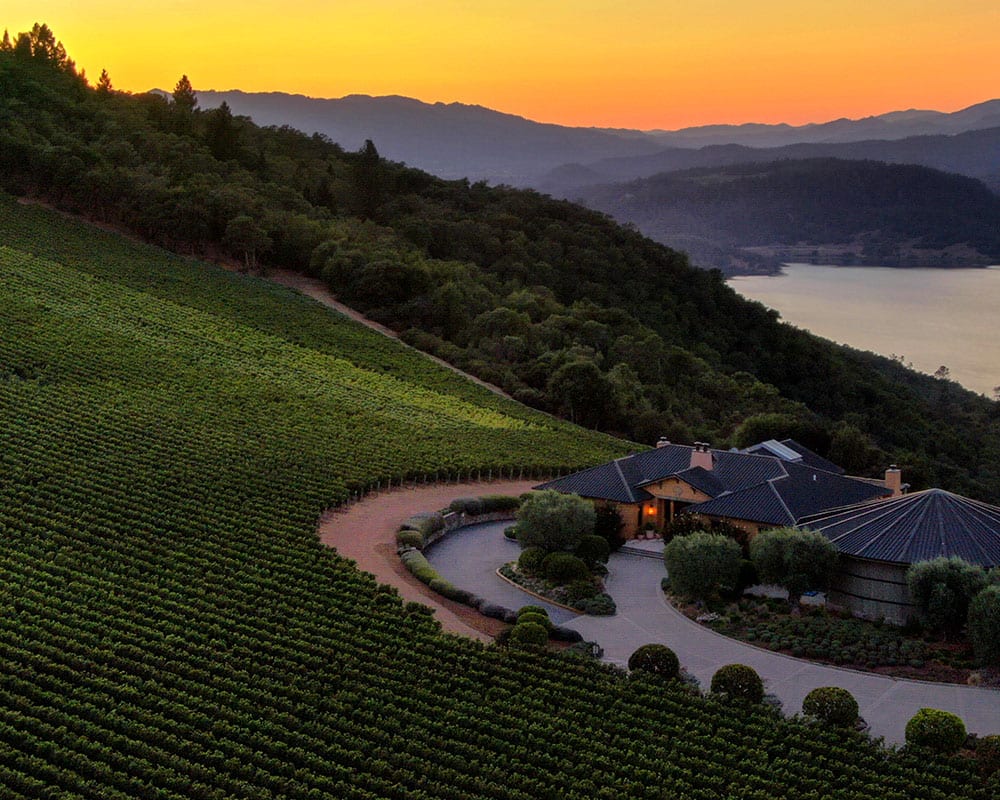
Where Napa's Collector Tier Sets Its Own Terms
The stretch of the Napa Valley running through St. Helena has always operated at a different register from the valley's more visitor-oriented south. Here, the wineries that matter most to serious collectors are rarely the ones with the largest tasting rooms or the most visible highway signage. Colgin Cellars fits that pattern precisely. Since its first vintage in 1992, the estate has occupied a narrow tier of Napa Cabernet producers where wine moves almost entirely through allocation lists rather than retail channels, and where critical recognition functions as the primary currency of access.
Approaching this part of St. Helena, the visual language of the valley shifts. The properties become more private, the entrances more deliberate. For a producer like Colgin, that physical discretion mirrors the commercial reality: the wines are not sold through conventional channels, and the estate does not position itself as a drop-in destination. What you are dealing with here is a winery that has organised itself around scarcity as a structural feature, not a marketing posture.
Winemaking Authority Under Allison Tauziet
In Napa's upper tier, the winemaker's name carries weight as a credential rather than a personality vehicle. Allison Tauziet, who leads production at Colgin Cellars, represents the kind of authority that collectors cite when assessing a wine's trajectory over time. The question serious buyers ask about any allocation-level Napa Cabernet house is whether the winemaking vision is coherent across vintages, and whether it has the discipline to hold up against the valley's increasingly competitive premium field.
Colgin's position since 1992 gives Tauziet and the estate a depth of vintage record that newer entrants cannot replicate. The valley has grown considerably more competitive in the three decades since that first vintage, with producers such as Accendo Cellars and Dana Estates establishing their own footholds in the collector-grade St. Helena conversation. Against that backdrop, a sustained reputation maintained across more than thirty years of production is the clearest form of evidence available.
The Allocation Model and What It Signals
Napa's premium Cabernet market has divided sharply over the past decade. One segment has moved toward accessible tasting experiences, wine clubs with transparent pricing, and broad retail distribution. The other has moved in the opposite direction: tighter allocation lists, longer wait times, and prices that reflect demand among a relatively small number of committed buyers rather than the general market. Colgin operates firmly in the second segment.
This is not an unusual structure at the valley's upper end. Brand Napa Valley and Chappellet Winery each occupy adjacent parts of that premium St. Helena field, as does the historically anchored Charles Krug, the valley's oldest continuously operating winery. What distinguishes the allocation tier from merely expensive wine is the combination of a verifiable critical record, a constrained production volume, and a winemaking approach that collectors assess across multiple vintages rather than on a bottle-by-bottle basis. Colgin satisfies all three conditions.
For context beyond the valley, Alpha Omega Winery in Rutherford and Artesa Vineyards and Winery in Napa represent the more accessible end of premium Napa production, with visitor experiences designed for broader engagement. Colgin is not in competition with that model. The two tiers serve different buyer relationships entirely.
Critical Recognition as a Collector Signal
In the collector-grade winery category, awards function as confirmation signals for buyers who are already committed to the allocation queue, and as entry-point evidence for those evaluating whether to join it.
The broader California fine wine field offers useful comparison here. Producers like Adelaida Vineyards in Paso Robles, Alban Vineyards in Arroyo Grande, and Andrew Murray Vineyards in Los Olivos each pursue critical recognition within their own regional contexts, but the Napa Cabernet collector tier operates under a different set of stakes. The wines move at prices where critical validation is essentially a prerequisite for sustained allocation demand, not an optional credential.
Outside California, the contrast is equally instructive. Adelsheim Vineyard in Newberg and Alexander Valley Vineyards in Geyserville occupy different regional prestige structures where the pricing dynamics and allocation mechanics differ from the Napa Cabernet model.
Planning a Visit or Joining the Allocation List
For those considering access to Colgin Cellars, the practical reality is that this is not a walk-in experience. Visits to the estate, if available, require advance arrangement, and the most reliable route to the wines is through the allocation list rather than through any retail or secondary market channel. The estate's location in St. Helena places it within the broader St. Helena wine corridor, and those planning a visit to the area will find useful context in our full St. Helena restaurants guide. Phone and website details are best confirmed through current allocation list correspondence or through a specialist wine broker familiar with the Napa collector tier.
Timing matters in this part of the valley. The harvest period from late August through October brings the most activity to the vineyards themselves, while spring visits, typically April through May, offer a quieter context for understanding the estate's setting before the summer tourist season concentrates traffic on the valley's more visitor-oriented producers.
Cuisine and Awards Snapshot
Comparable venues nearby, for context on price, style, and recognition.
| Venue | Cuisine | Price | Awards | Notes |
|---|---|---|---|---|
| Colgin CellarsThis venue — the venue you are viewing | Cabernet Sauvignon, Cabernet Franc | Not listed | Falstaff Winery - Listed | Not listed |
| Bryant Family Vineyard | Cabernet Sauvignon, Cabernet Franc | Not listed | Falstaff Winery - Listed | Pritchard Hill |
| Fantesca Estate & Winery | Cabernet Sauvignon, Pinot Noir | $100–150 | Not listed | Spring Mountain District |
| Brand Napa Valley | Cabernet Sauvignon, Cabernet Franc | Not listed | Not listed | Pritchard Hill |
| Chappellet Winery | Cabernet Sauvignon, Chardonnay | $30–50 | Falstaff Winery - Listed | Pritchard Hill |
| Sinegal Estate Winery | Cabernet Sauvignon, Sauvignon Blanc | Not listed | Not listed | St Helena |
Recognition history
Dated appearances from independent guides and award organizations, with the underlying list record or original source where available.
Falstaff Winery - Listed
Falstaff
Continue exploring
More in St. Helena
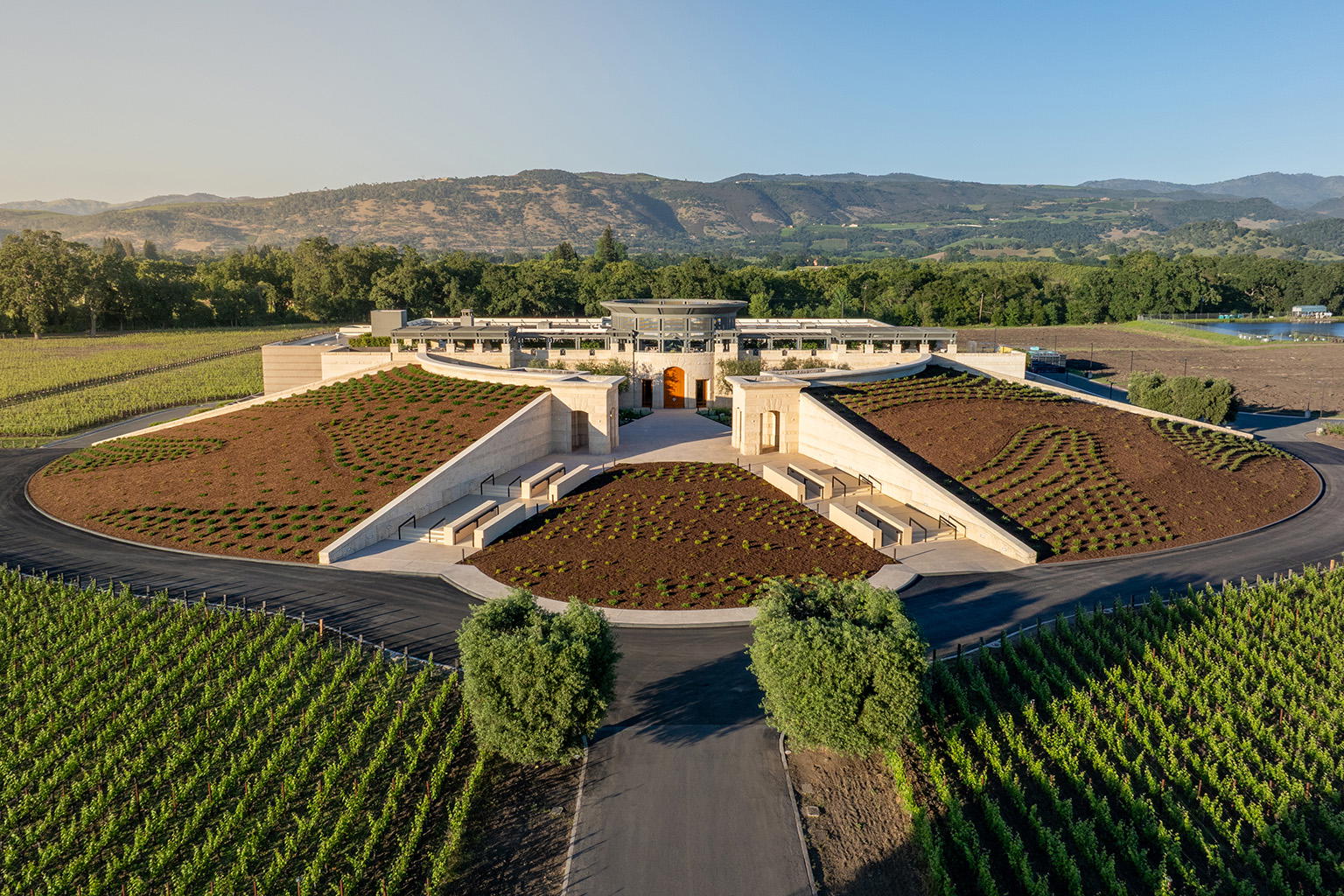
Wineries in St. Helena
Browse all →

Bars in St. Helena
Browse all →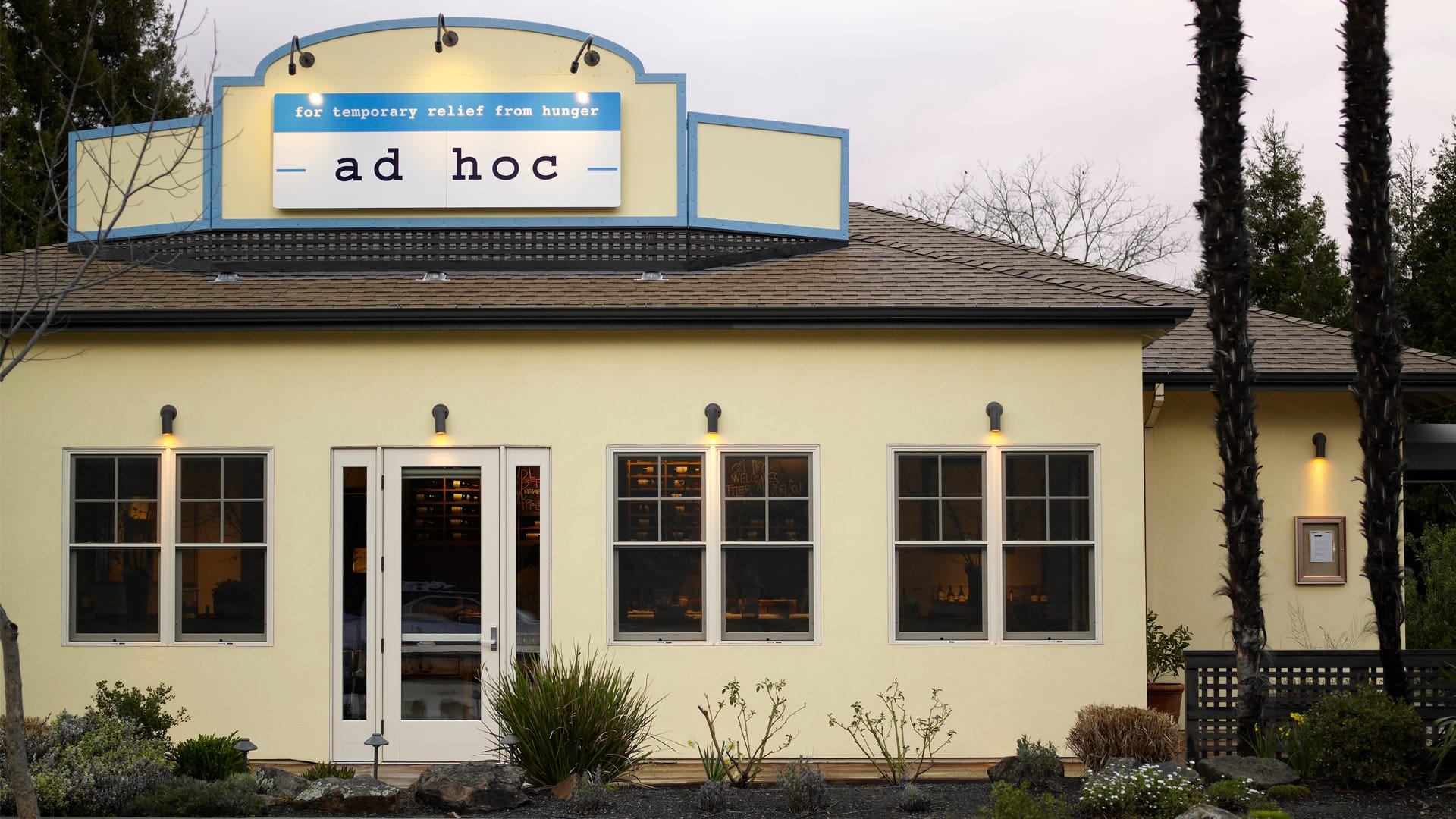
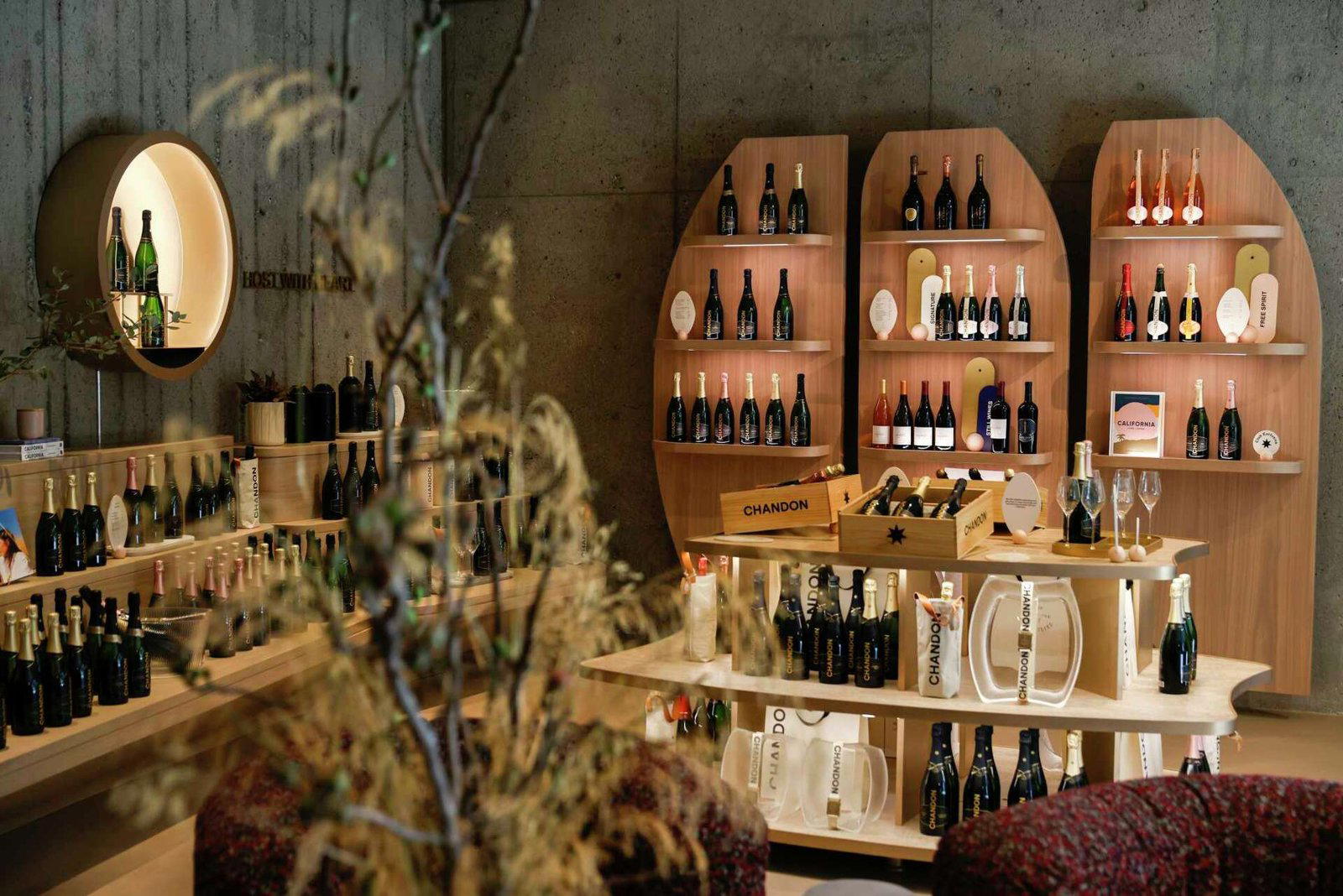
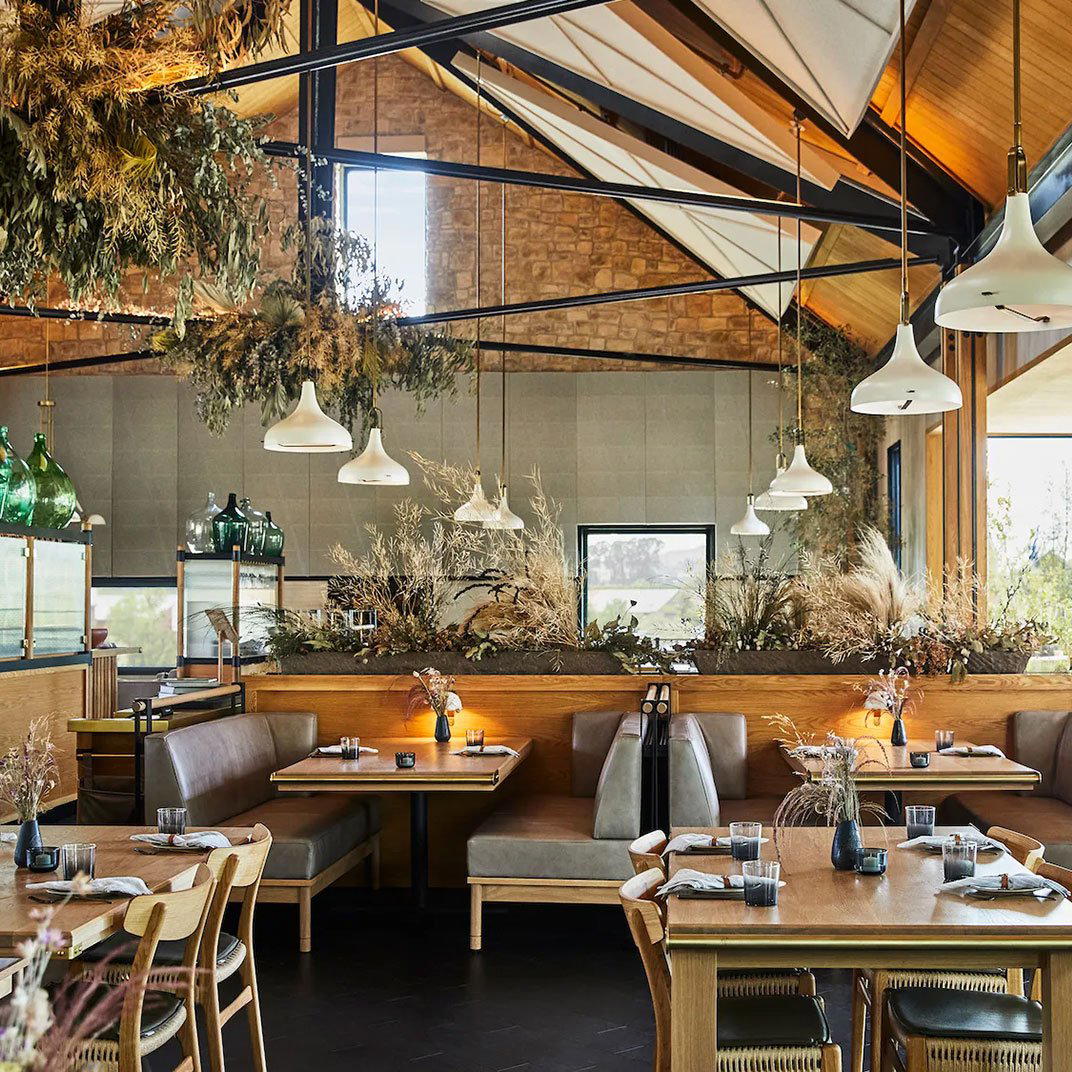

Restaurants in St. Helena
Browse all →




Details
- Elegant
- Sophisticated
- Intimate
- Scenic
- Special Occasion
- Wine Education
- Vineyard Tour
- Estate Grounds
- Panoramic View
- Cave Tasting
- Sustainable
- Mountain
- Vineyard
- Cabernet Sauvignon
- Cabernet Franc
- Merlot
- Petit Verdot
- Syrah
- Still Red
- Private Tasting
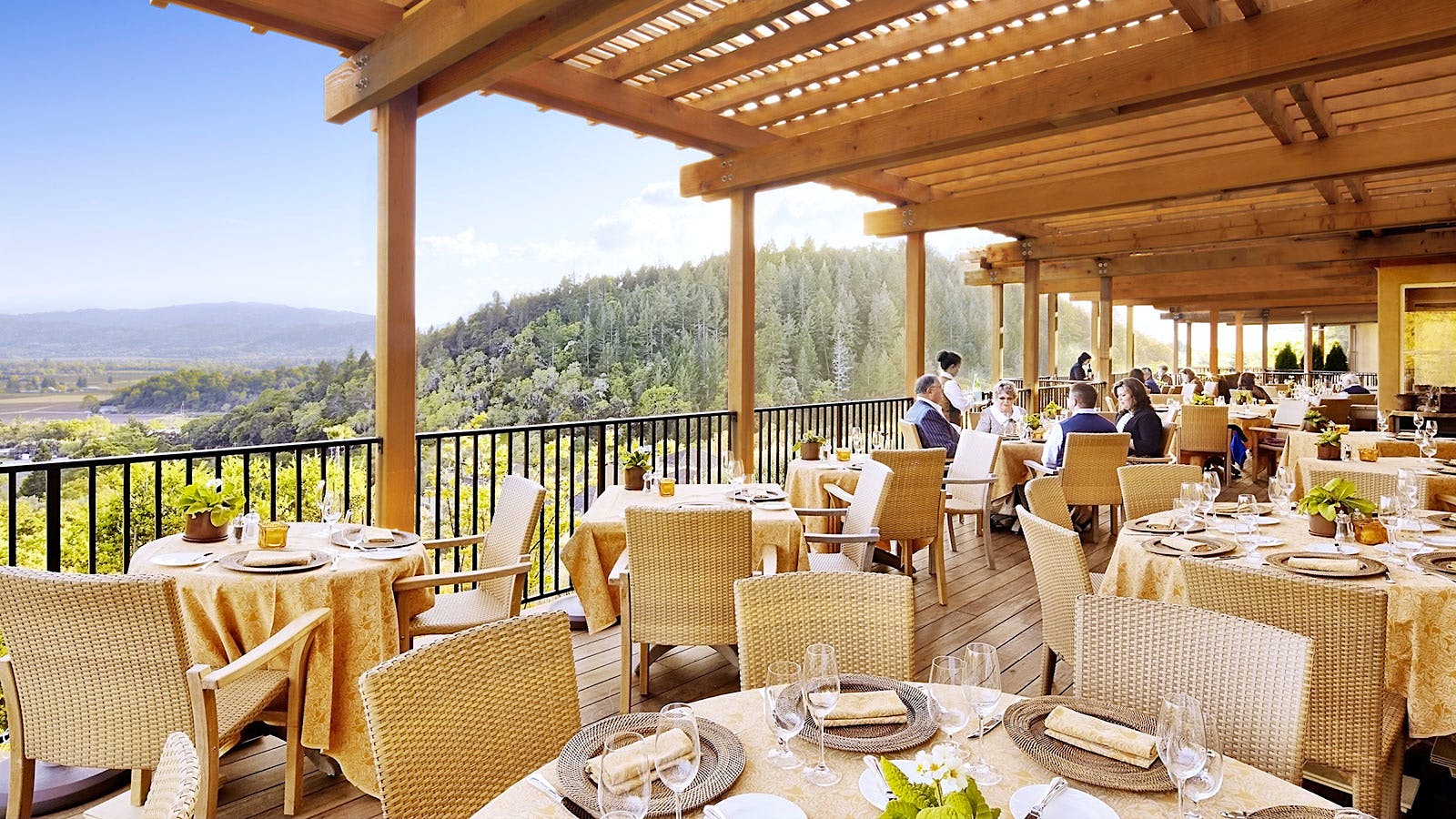
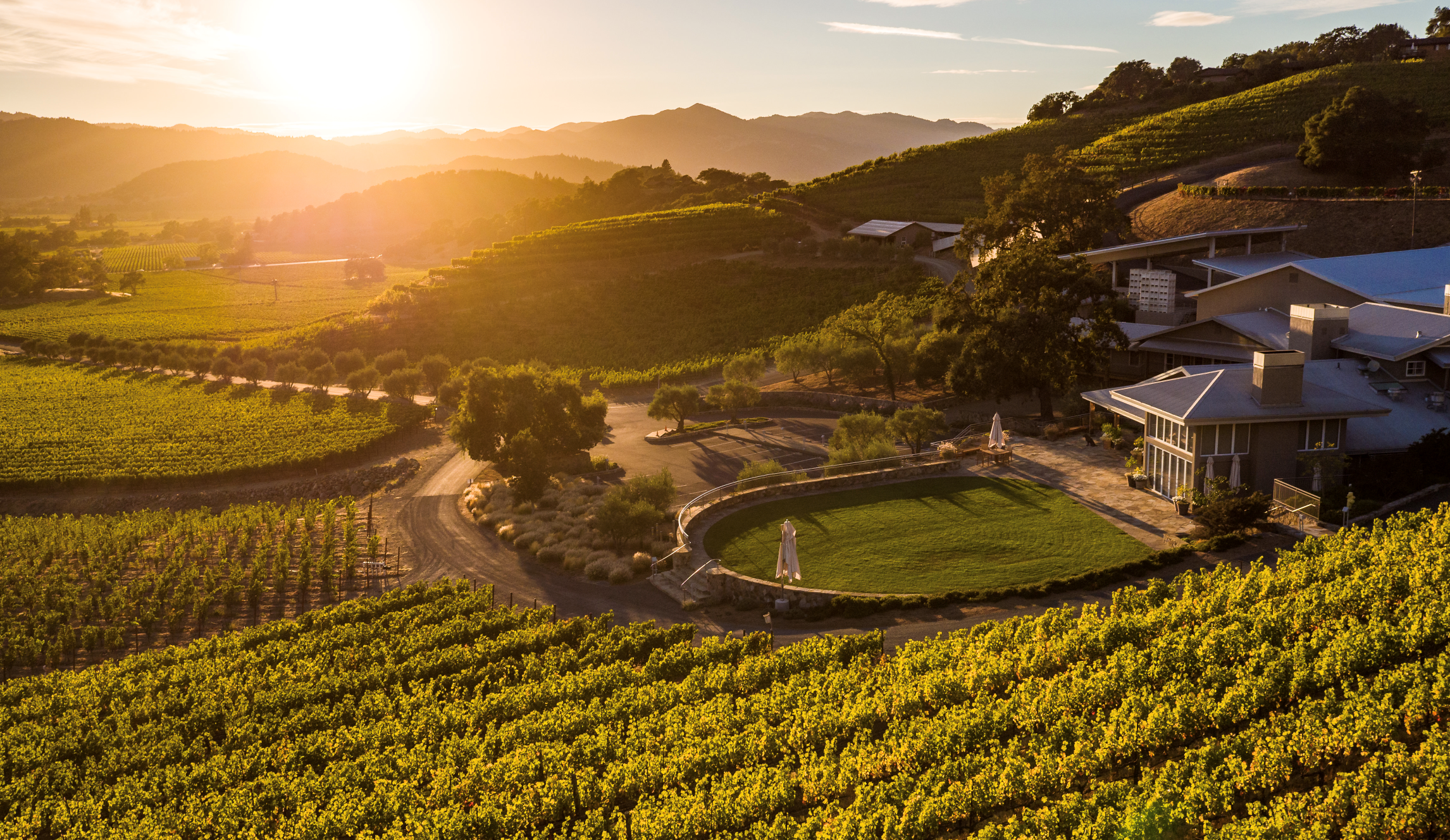
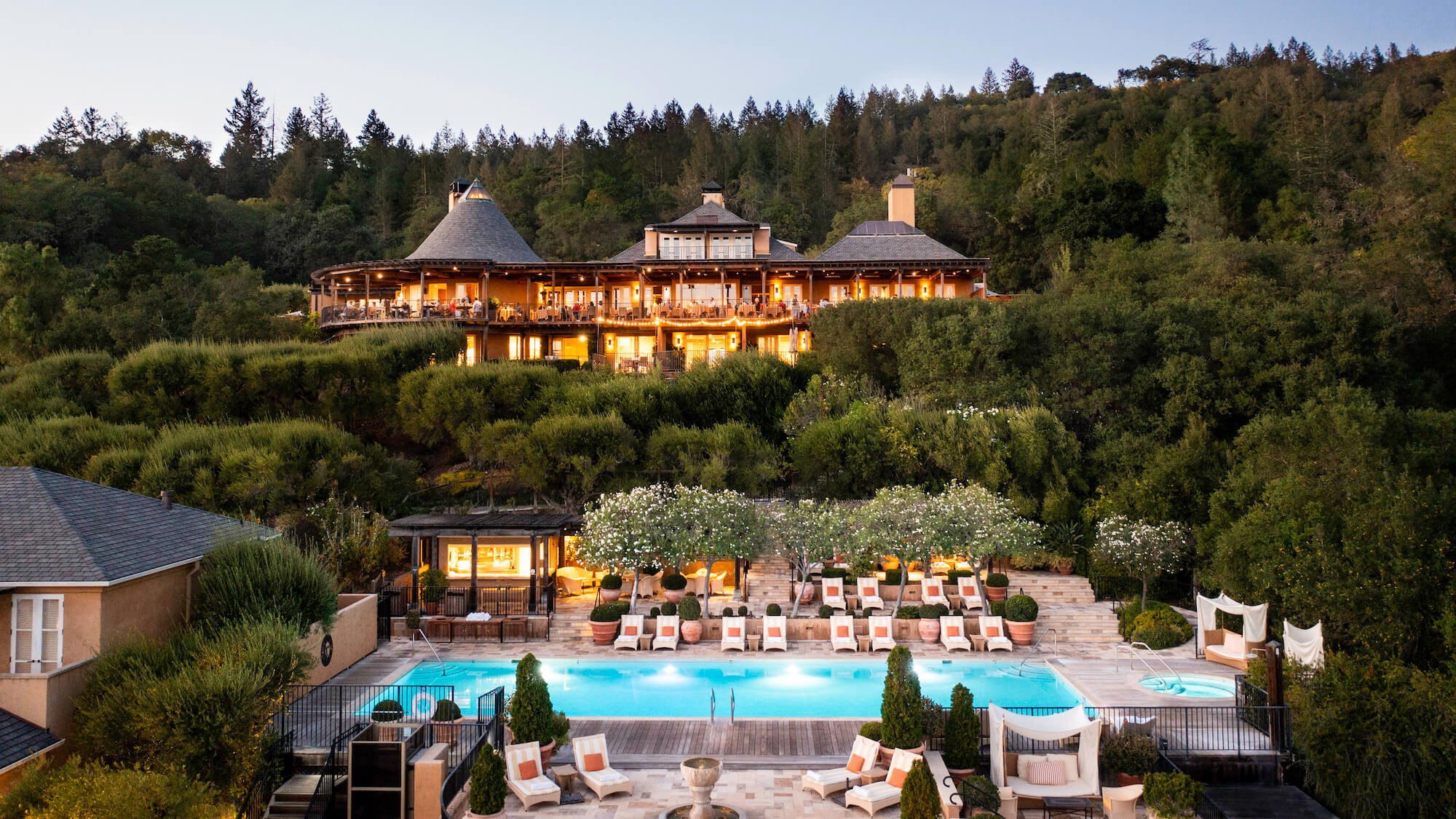
Intimate and elegant atmosphere blending luxury estate design with natural hillside beauty, offering a sense of exclusivity and connection to the land.