← Guides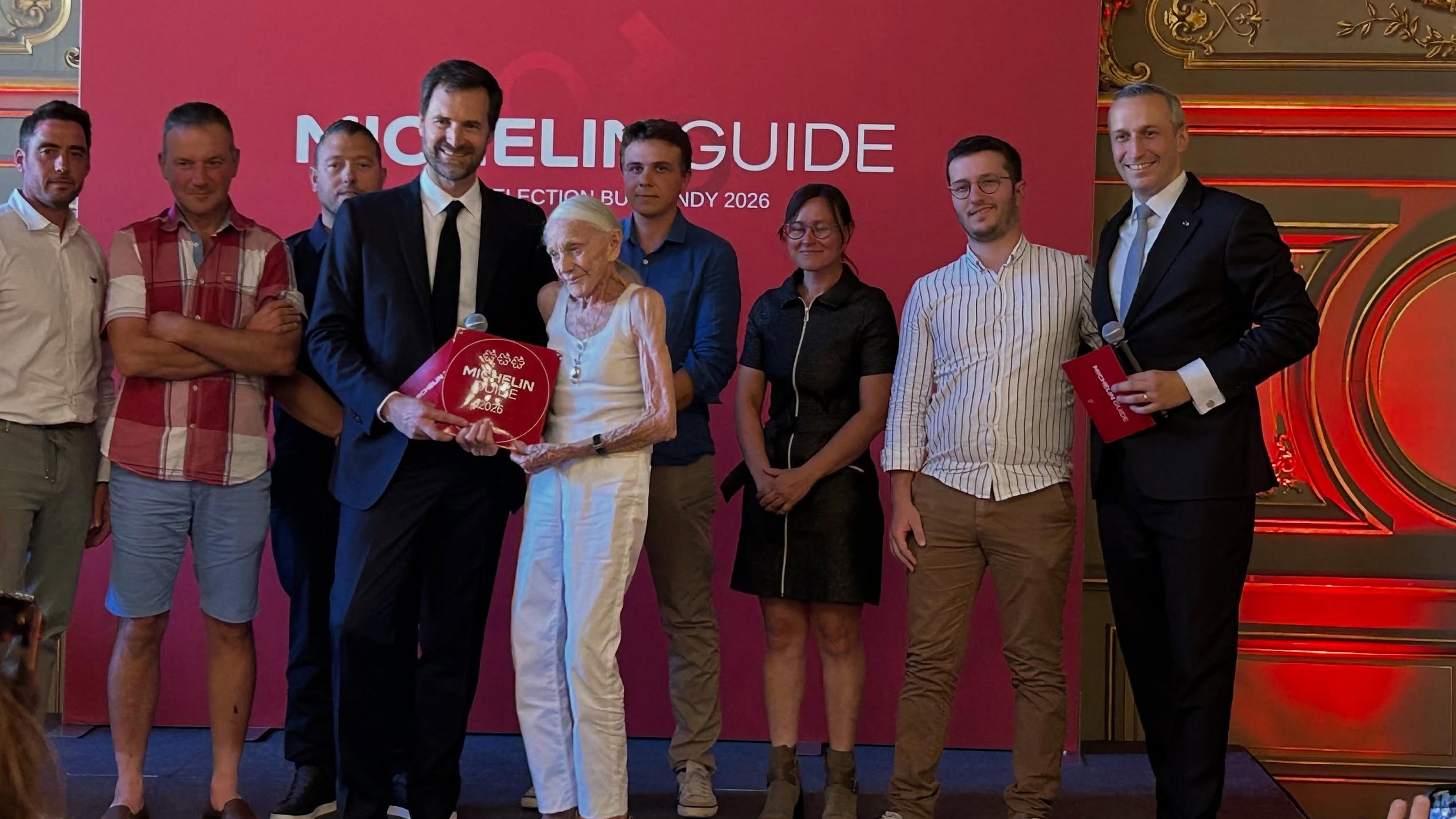
MICHELIN's first Grape Selection rates Burgundy estates, with nine Three-Grape domaines now joining the collector shorthand.
MICHELIN's first Grape Selection rates Burgundy estates, with nine Three-Grape domaines now joining the collector shorthand.
MICHELIN has just handed Burgundy collectors a new cellar shorthand. The MICHELIN Grape Selection Burgundy is the Guide's first wine-estate rating, unveiled in 2026 at the Palace of the Dukes of Burgundy (Palais des Ducs) in Dijon, with 94 Burgundy estates recognized and nine placed in the top Three MICHELIN Grapes tier.
This is not a restaurant list with a wine appendix. MICHELIN has moved the grape symbol into the cellar, rating estates rather than individual bottles or restaurant wine programs. It is the first time MICHELIN has rated wineries rather than restaurants, and this Michelin Burgundy selection is where the system begins. The inaugural Burgundy selection spans four tiers: Three MICHELIN Grapes, Two MICHELIN Grapes, One MICHELIN Grape and Selected.
For Burgundy buyers, that distinction matters. A critic score usually attaches itself to a cuvée and a vintage. An appellation name tells you where the wine comes from. MICHELIN's Grape system points at the producer as the unit of confidence.
Only nine estates received Three MICHELIN Grapes in the inaugural Burgundy selection: Domaine de la Romanée-Conti, Domaine Leroy, Domaine d'Auvenay, Coche-Dury, Domaine Georges Roumier, Dugat-Py, Cécile Tremblay, Jean-Marc & Thomas Bouley and Hubert Lamy. For anyone already watching allocations, restaurant lists and secondary-market availability, this is a new marker to place beside the old ones.
The stated criteria are useful because they do not simply reward fame. MICHELIN judges estates on five criteria, agronomy, technical mastery, identity, balance, and consistency across vintages, weighing precision in the vineyard and cellar, faithful terroir expression, and the personality of the vintner. Gwendal Poullennec, International Director of the MICHELIN Guide, put it directly: Excellence is not defined solely by the prestige of a name. It is expressed above all through the precision of the work carried out both in the vineyard and in the cellar.
That sentence is the crux. Burgundy already has layers of hierarchy: regional, village, premier cru, grand cru, producer reputation, merchant relationships, critic notes, vintage conditions and allocation history. MICHELIN's new system does not replace any of those. It adds another estate-level lens.
For the collector, the immediate question is not whether a Three-Grape estate was already famous. Some were. The sharper question is how this recognition will be used by buyers who are not reading every domaine report, and by restaurants, hotels and concierges that already understand MICHELIN's visual language. A grape symbol is easier to translate than a paragraph of vintage nuance.
The first Burgundy selection recognized 94 estates across four tiers. The Three-Grape tier is the flashpoint, but the Two-Grape and One-Grape categories will be watched closely by buyers looking for domaines with less immediate glare and serious long-term following.
| Estate | Appellation | Winemaker |
|---|---|---|
| Cécile Tremblay | Morey-Saint-Denis | Cécile Tremblay |
| Dugat-Py | Gevrey-Chambertin | Loïc Dugat-Py |
| Domaine Georges Roumier | Chambolle-Musigny | Christophe Roumier |
| Domaine de la Romanée-Conti | Vosne-Romanée | Bertrand de Villaine & Perrine Fenal |
| Domaine Leroy | Vosne-Romanée | Lalou Bize-Leroy |
| Domaine d'Auvenay | Saint-Romain | Lalou Bize-Leroy |
| Coche-Dury | Meursault | Raphaël Coche |
| Jean-Marc & Thomas Bouley | Volnay | Thomas Bouley |
| Hubert Lamy | Saint-Aubin | Olivier Lamy |
Nine estates hold the top tier. Two, Leroy and d'Auvenay, belong to Lalou Bize-Leroy. Each earns its place for different reasons.
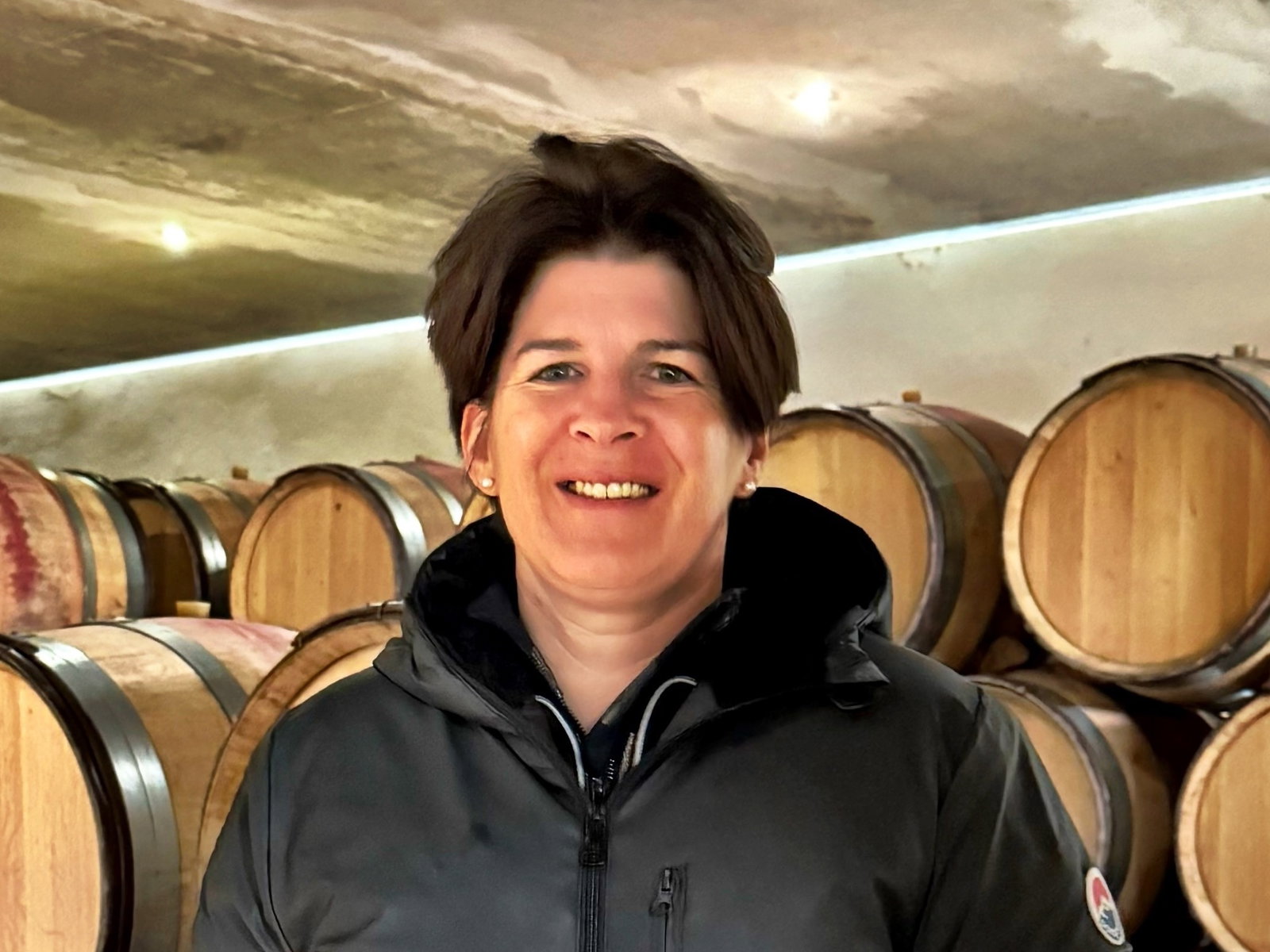
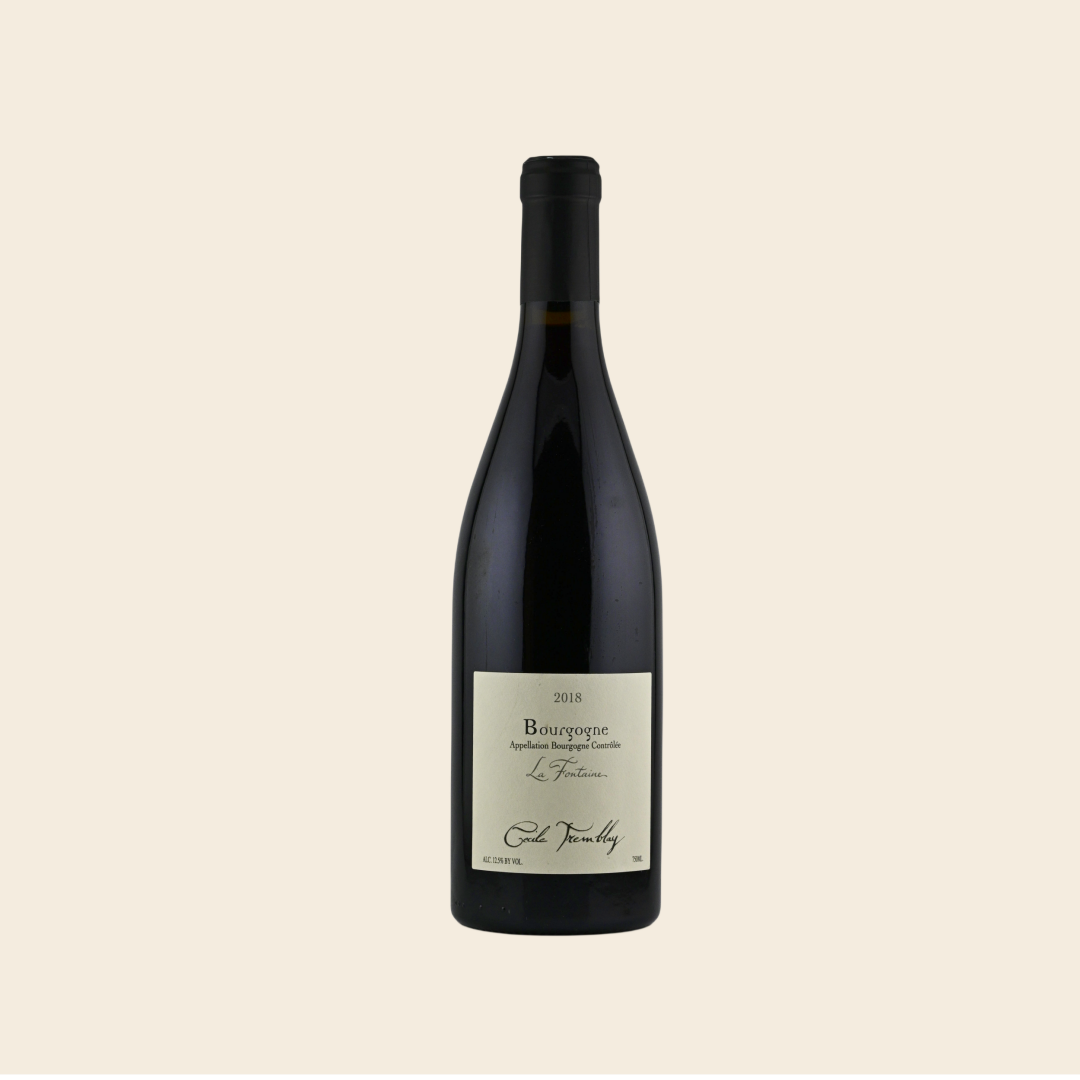
Cécile Tremblay reclaimed her family's Morey and Vosne parcels in 2003 and built one of modern Burgundy's most sought-after names. Allocations are tight and the wines rarely reach the open market.
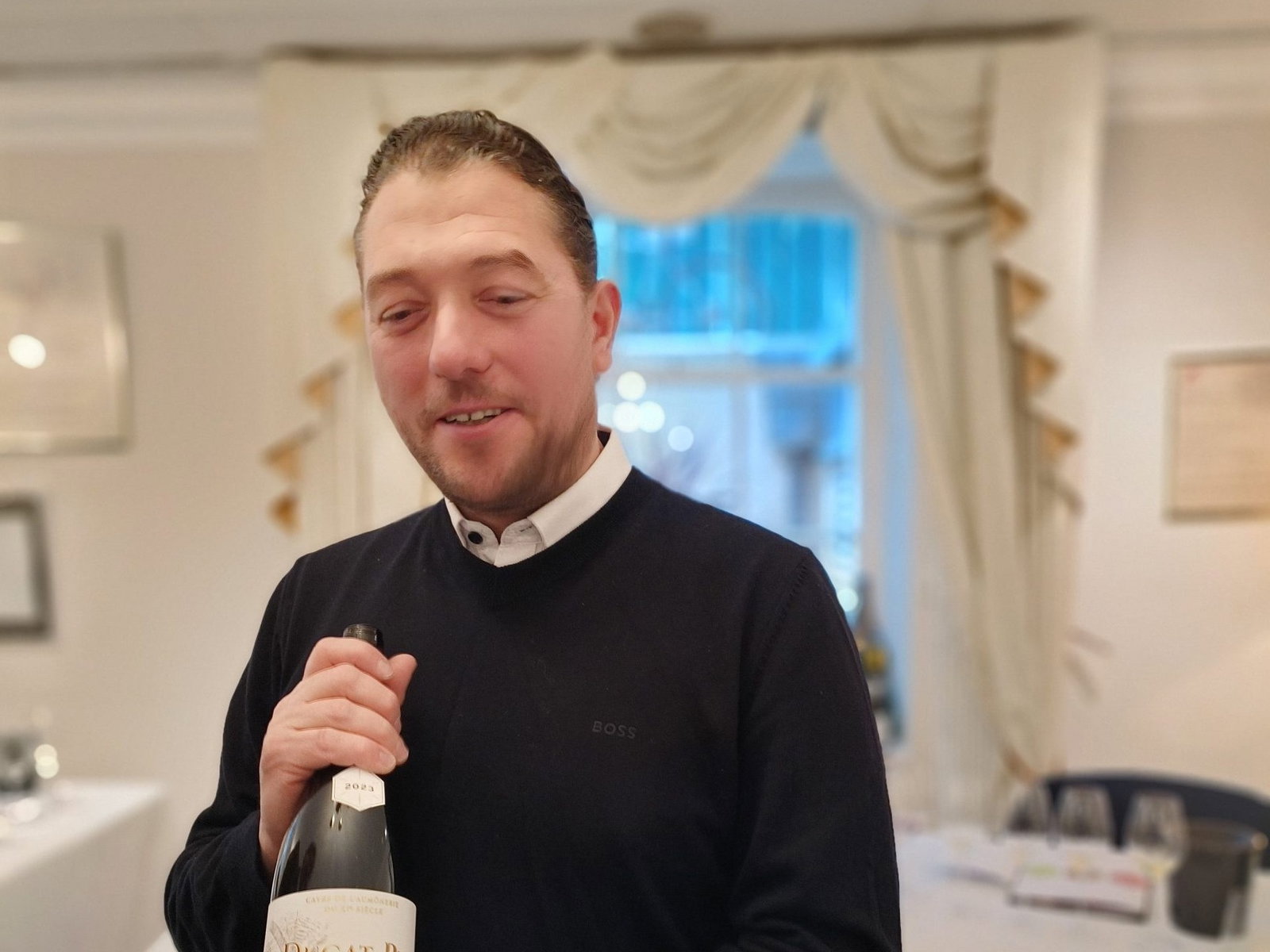
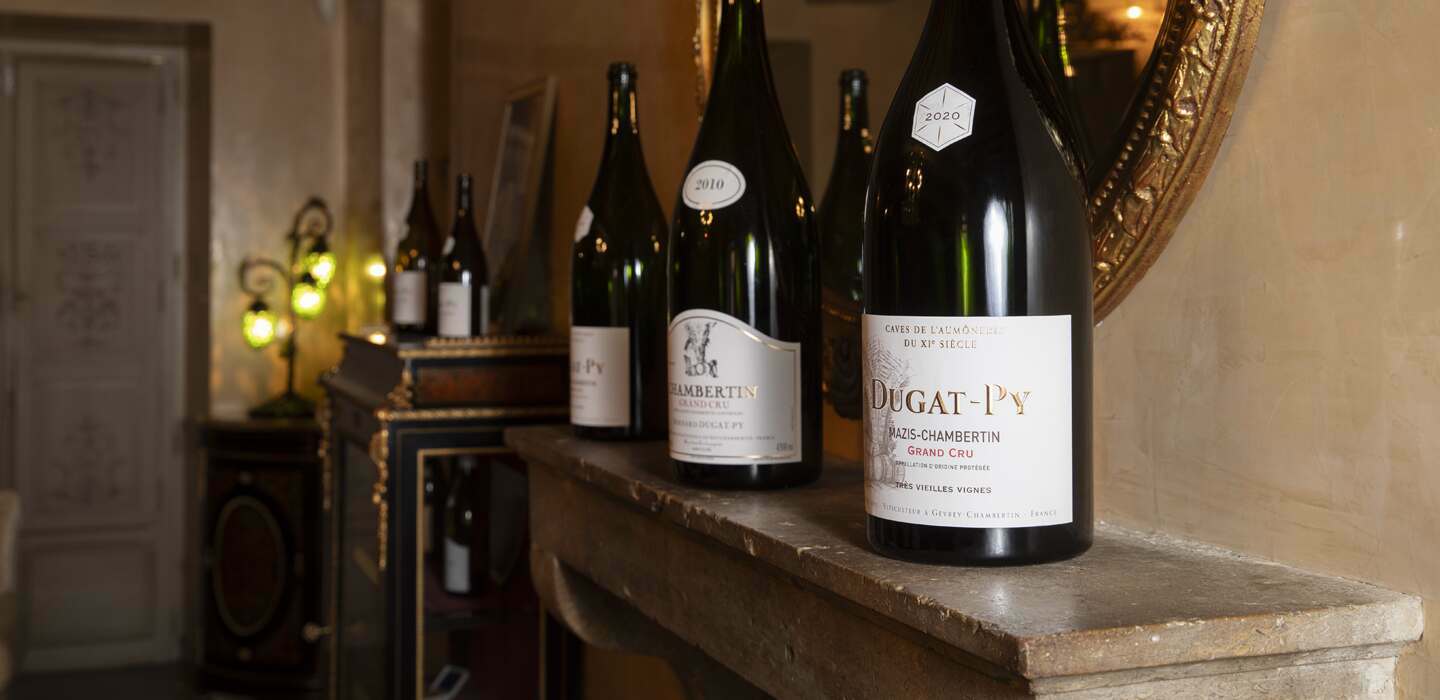
Loïc Dugat-Py, who took the reins from his father Bernard in 2015, farms old vines at tiny yields for some of Gevrey-Chambertin's most concentrated reds. Demand far outstrips the small quantities made.
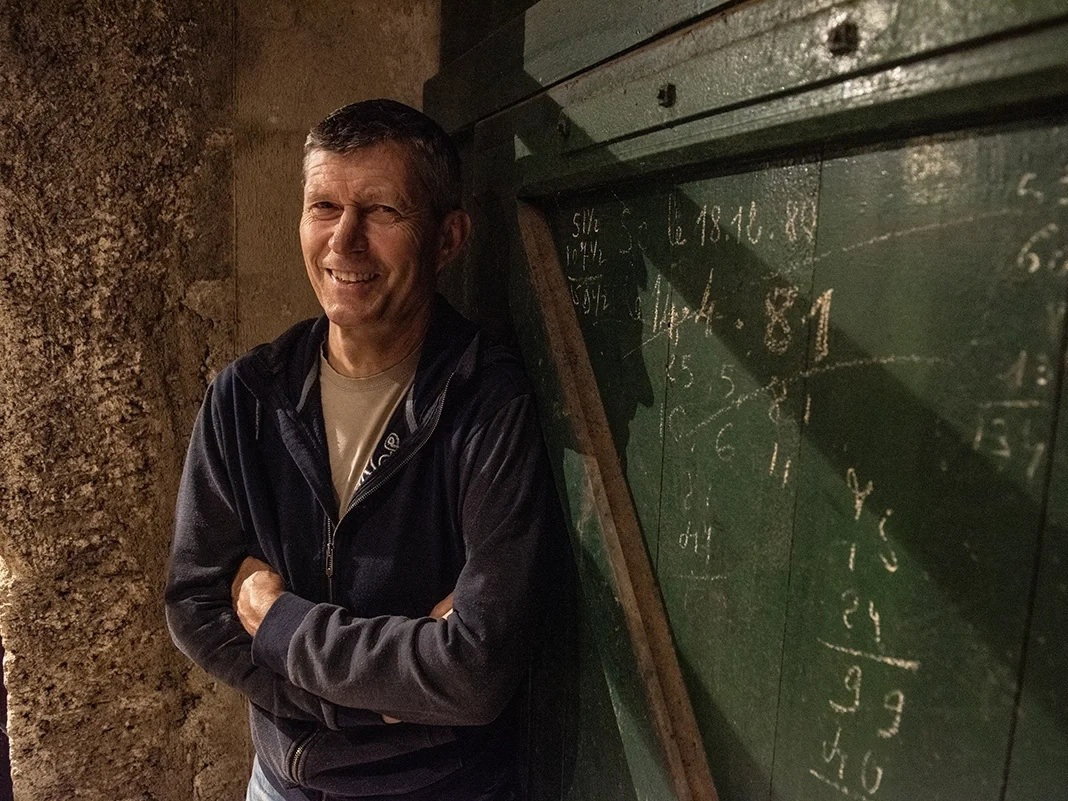
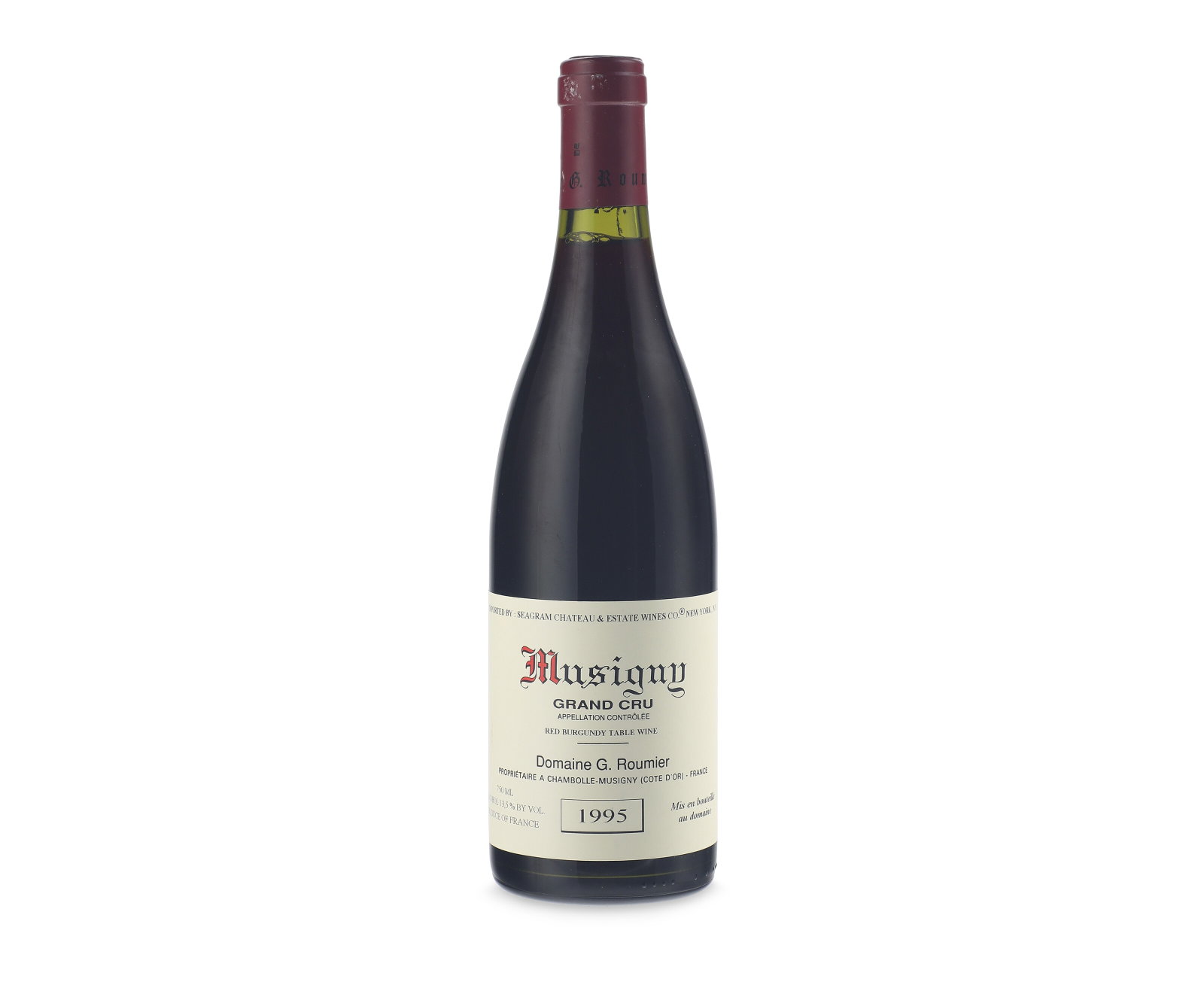
Christophe Roumier has run Domaine Georges Roumier since 1990; his Bonnes-Mares and Musigny sit among Burgundy's blue-chip collectibles, where provenance and allocation history matter as much as the vintage.

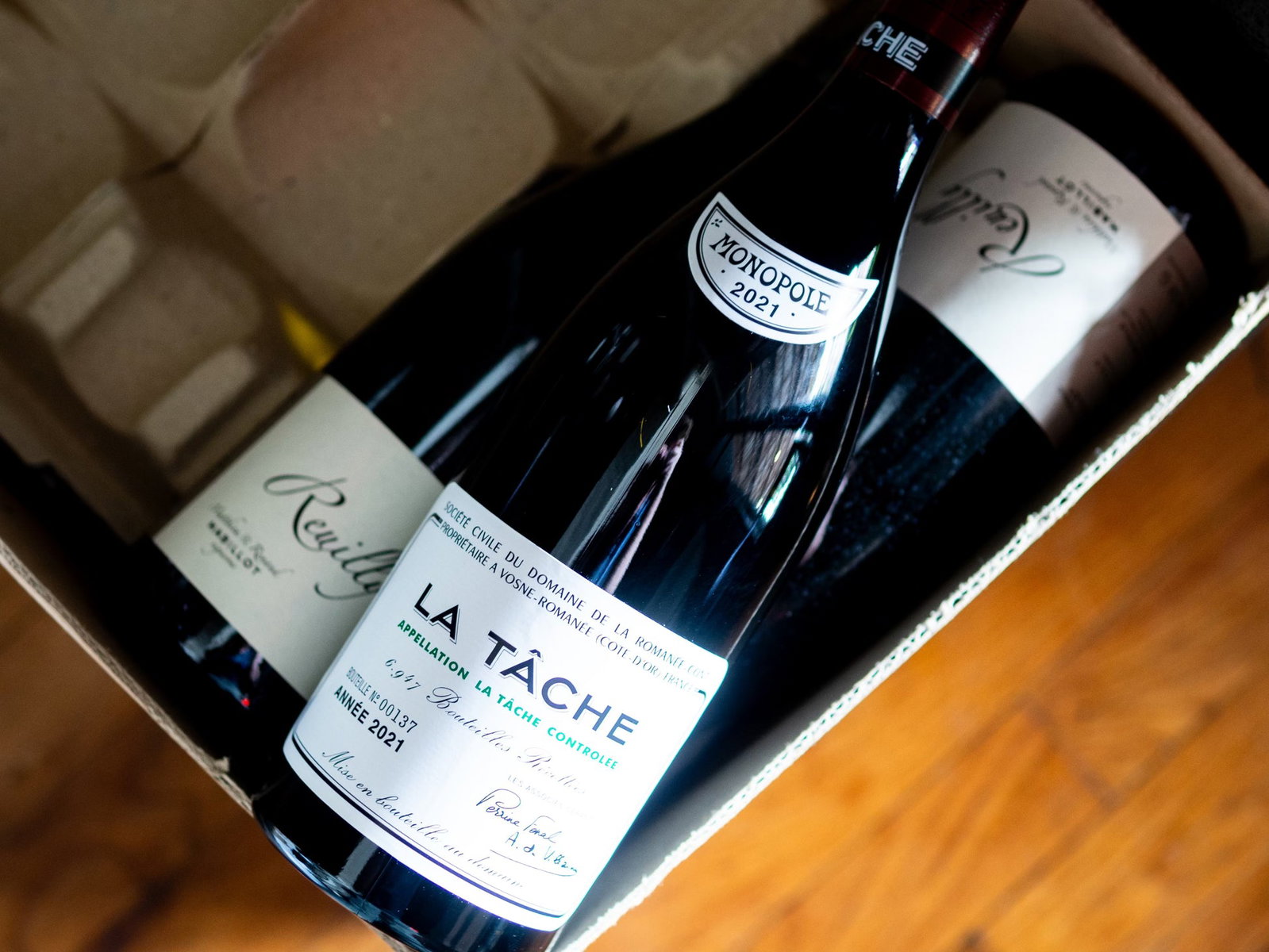
One famous name in Burgundy, now co-directed by Bertrand de Villaine and Perrine Fenal. A Three-Grape nod changes nothing about the near-impossible allocations, but it formalizes the domaine's place atop the hierarchy.
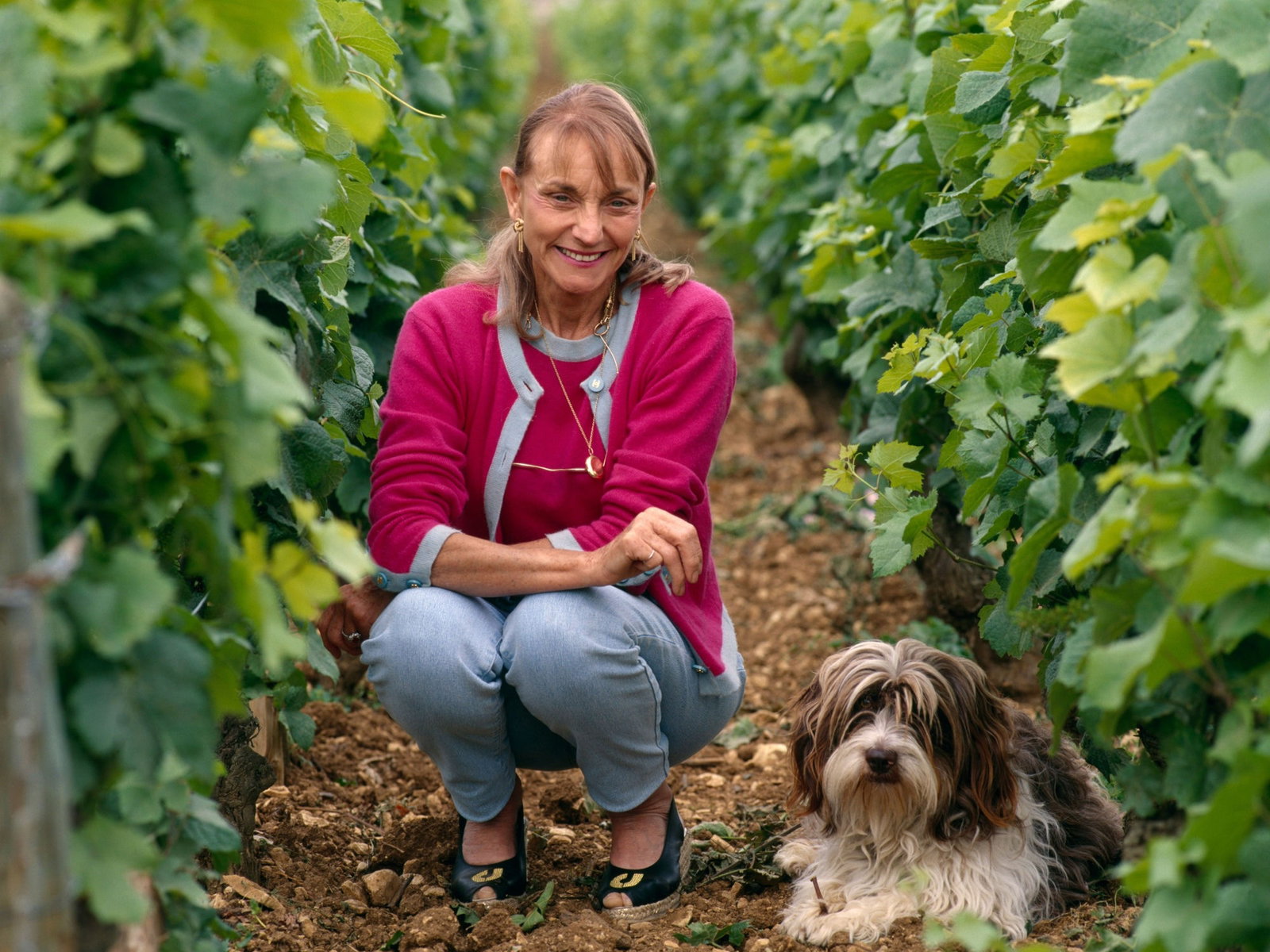
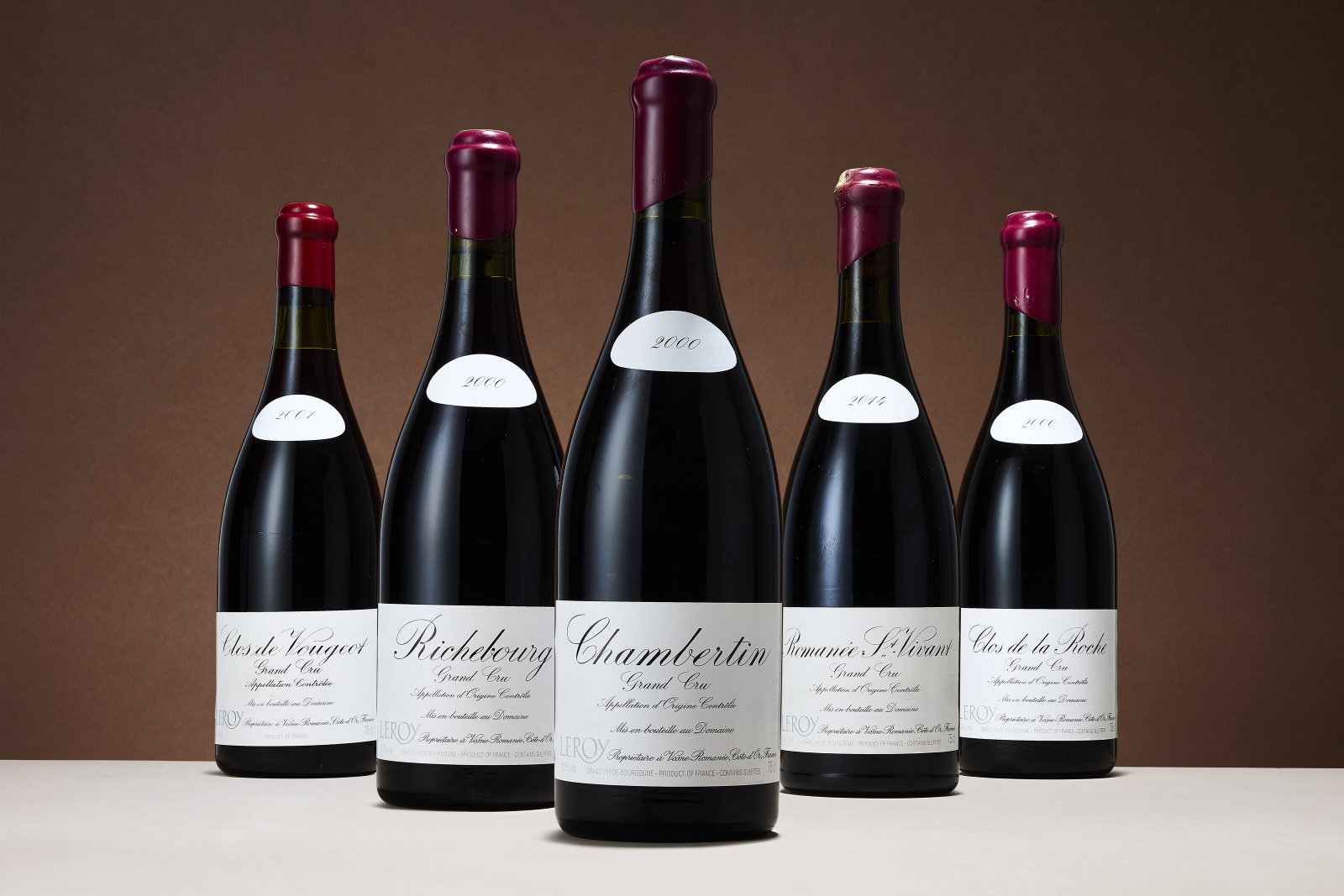
Lalou Bize-Leroy's Domaine Leroy is Vosne-Romanée's second Three-Grape address, farmed biodynamically at some of the lowest yields in the region. Scarcity and pricing already sit at the summit of the market.
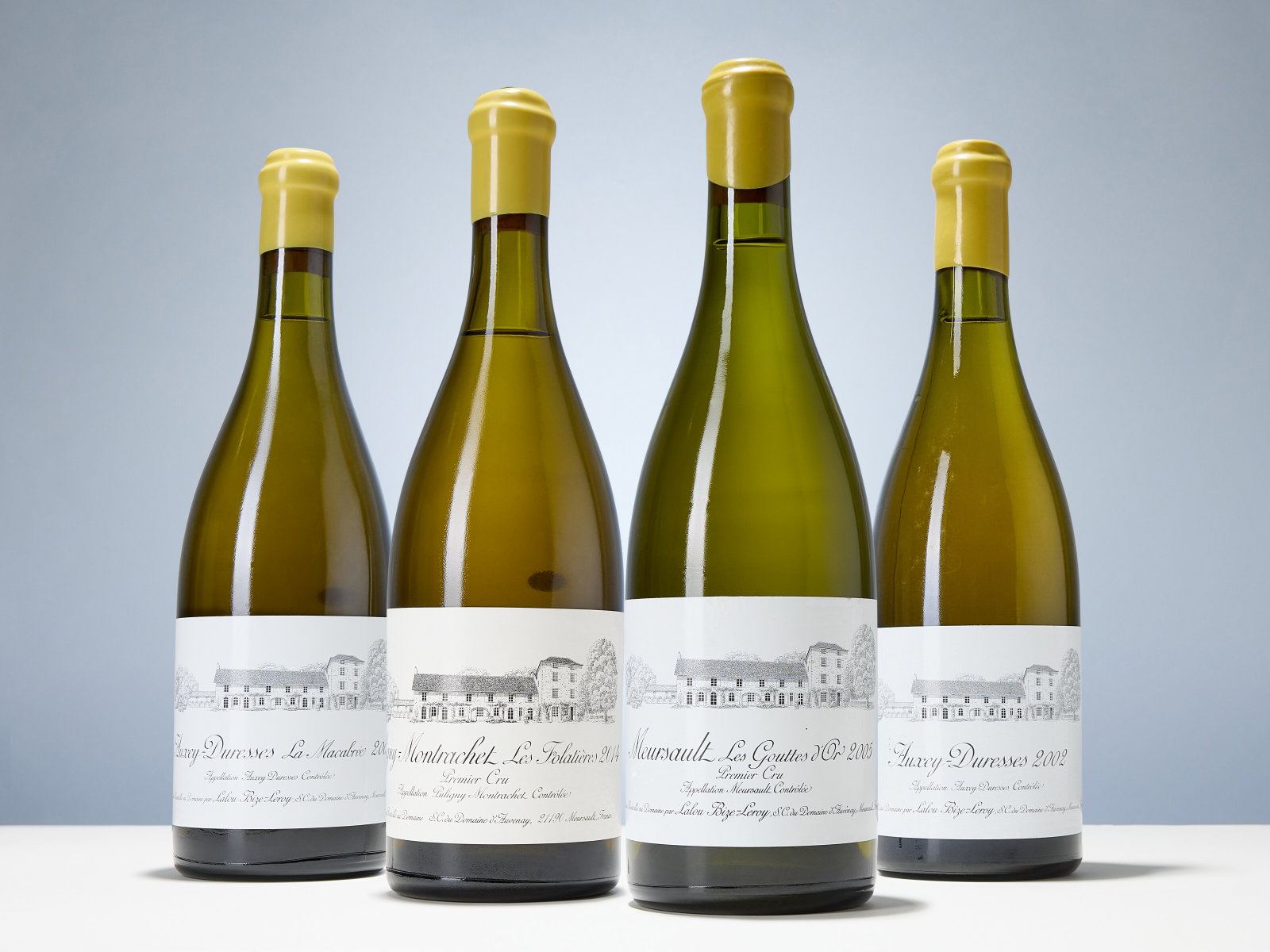
Domaine d'Auvenay is Bize-Leroy's tiny personal estate in Saint-Romain, the source of her rarest, hardest-to-find bottlings, and the second of her two estates in the top tier.
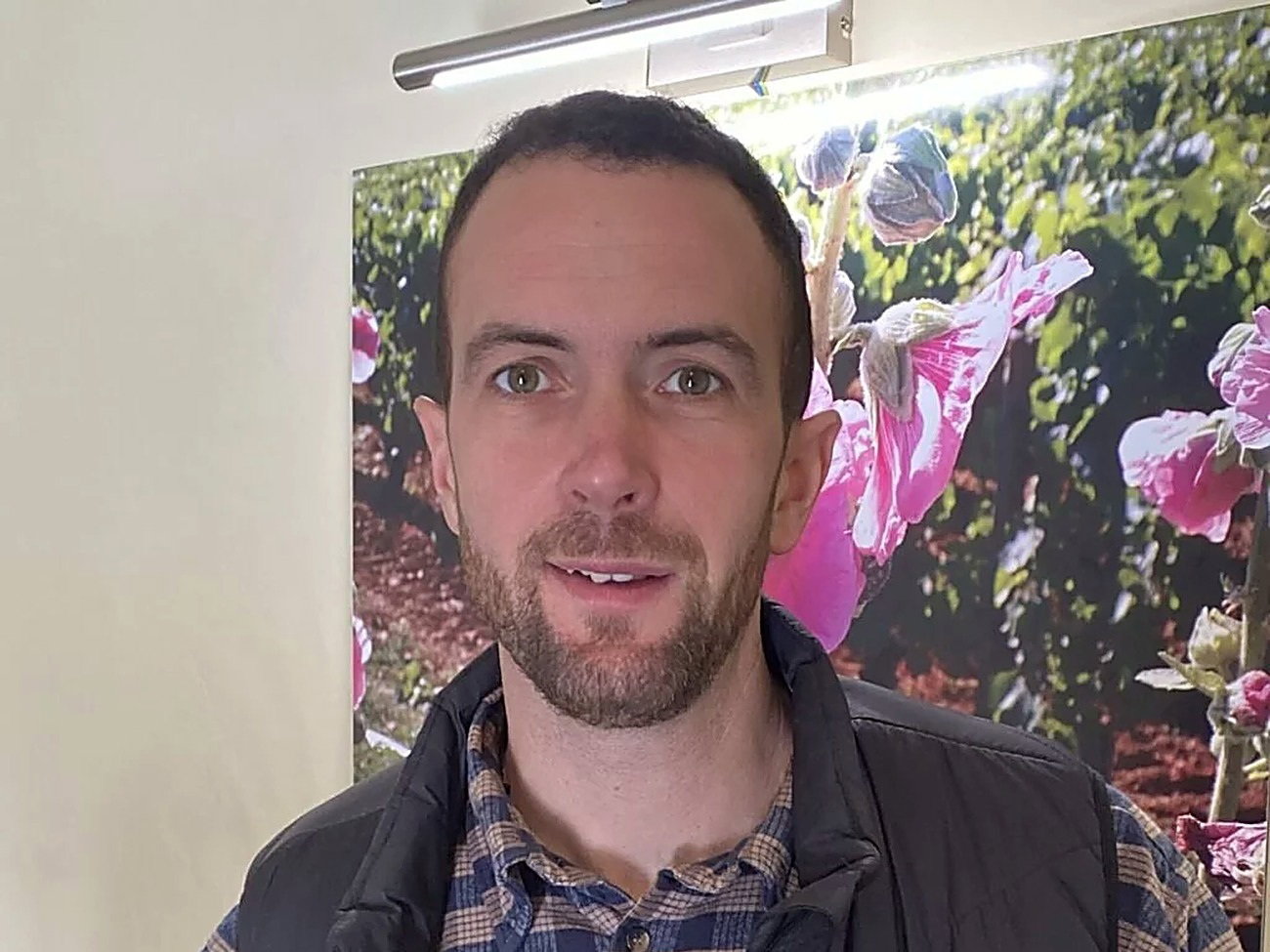
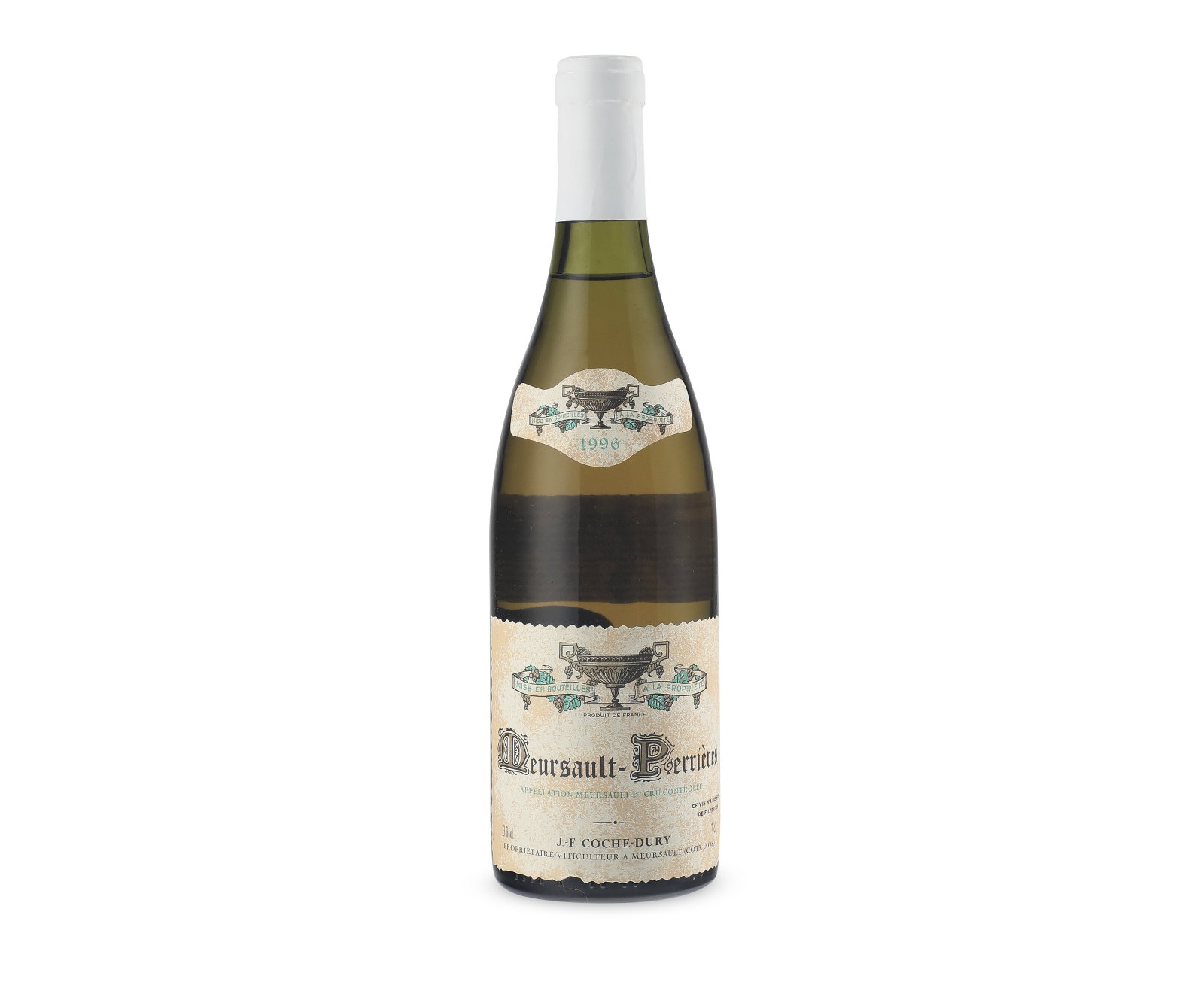
Raphaël Coche has taken the reins from his father Jean-François at the Meursault benchmark. Coche-Dury's whites are among white Burgundy's most chased lots.
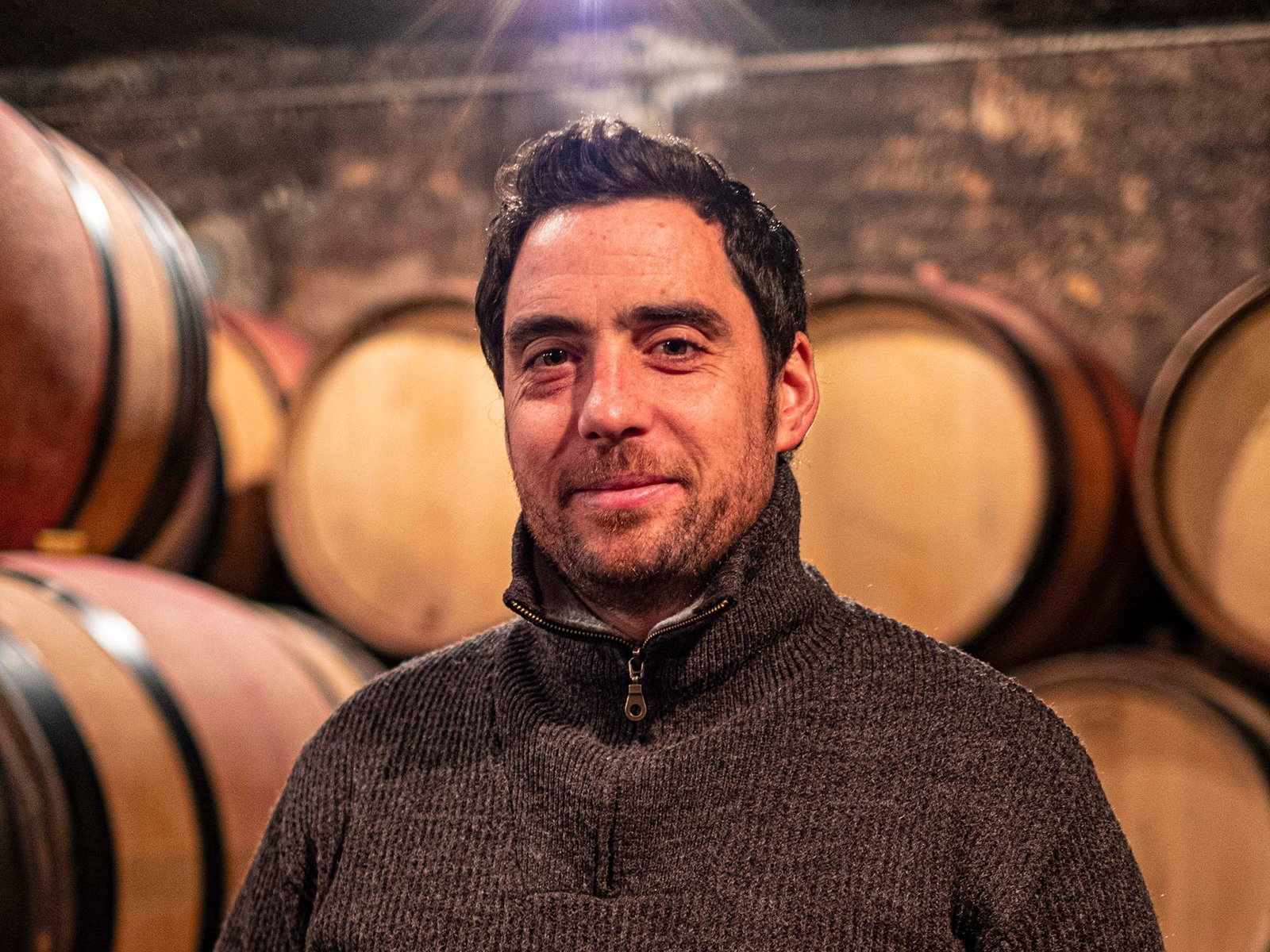
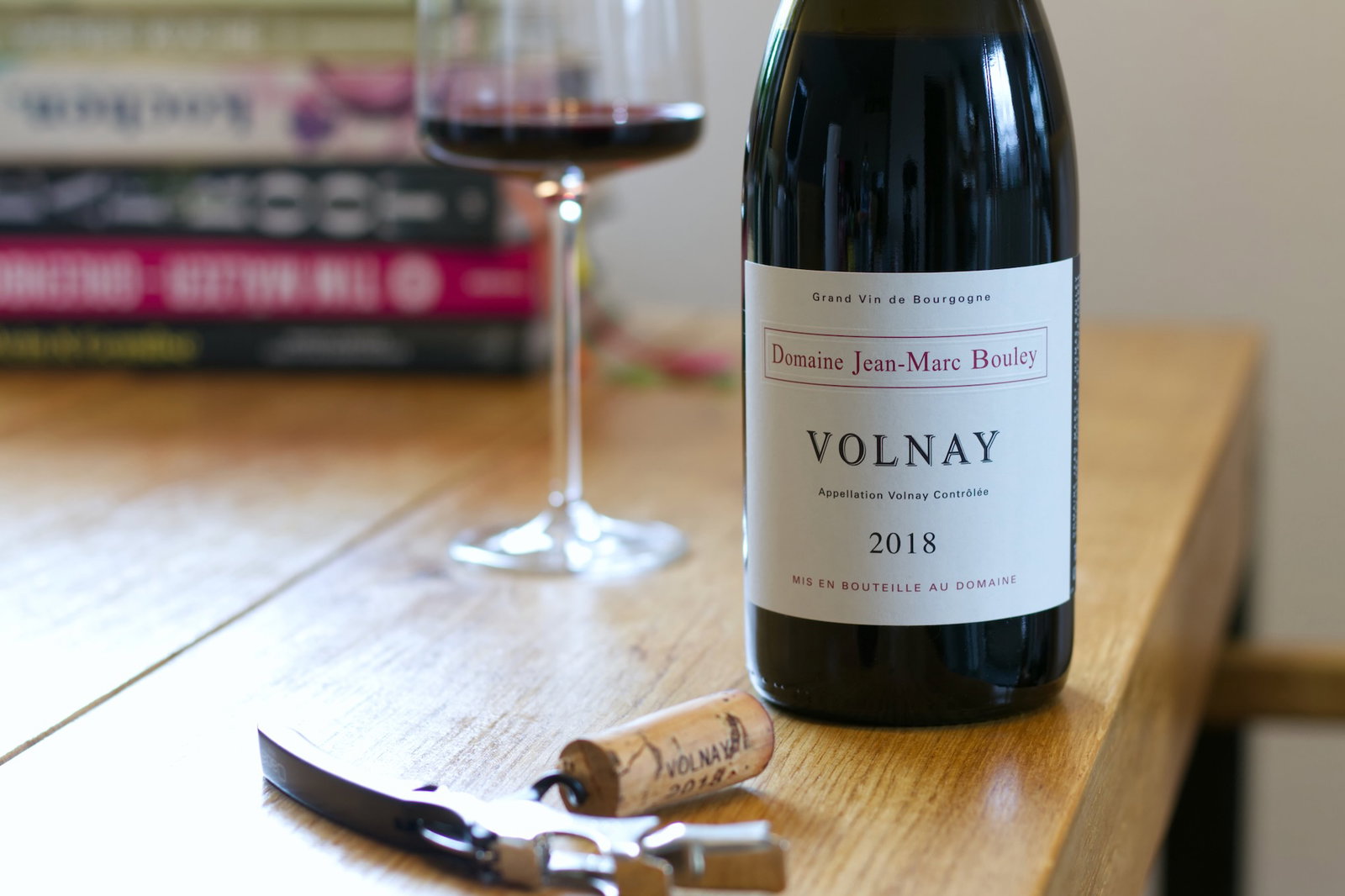
Jean-Marc and Thomas Bouley bring Volnay into the top tier with precise, ageworthy reds. A quieter name than its neighbors, the estate may reward buyers reading a step ahead.
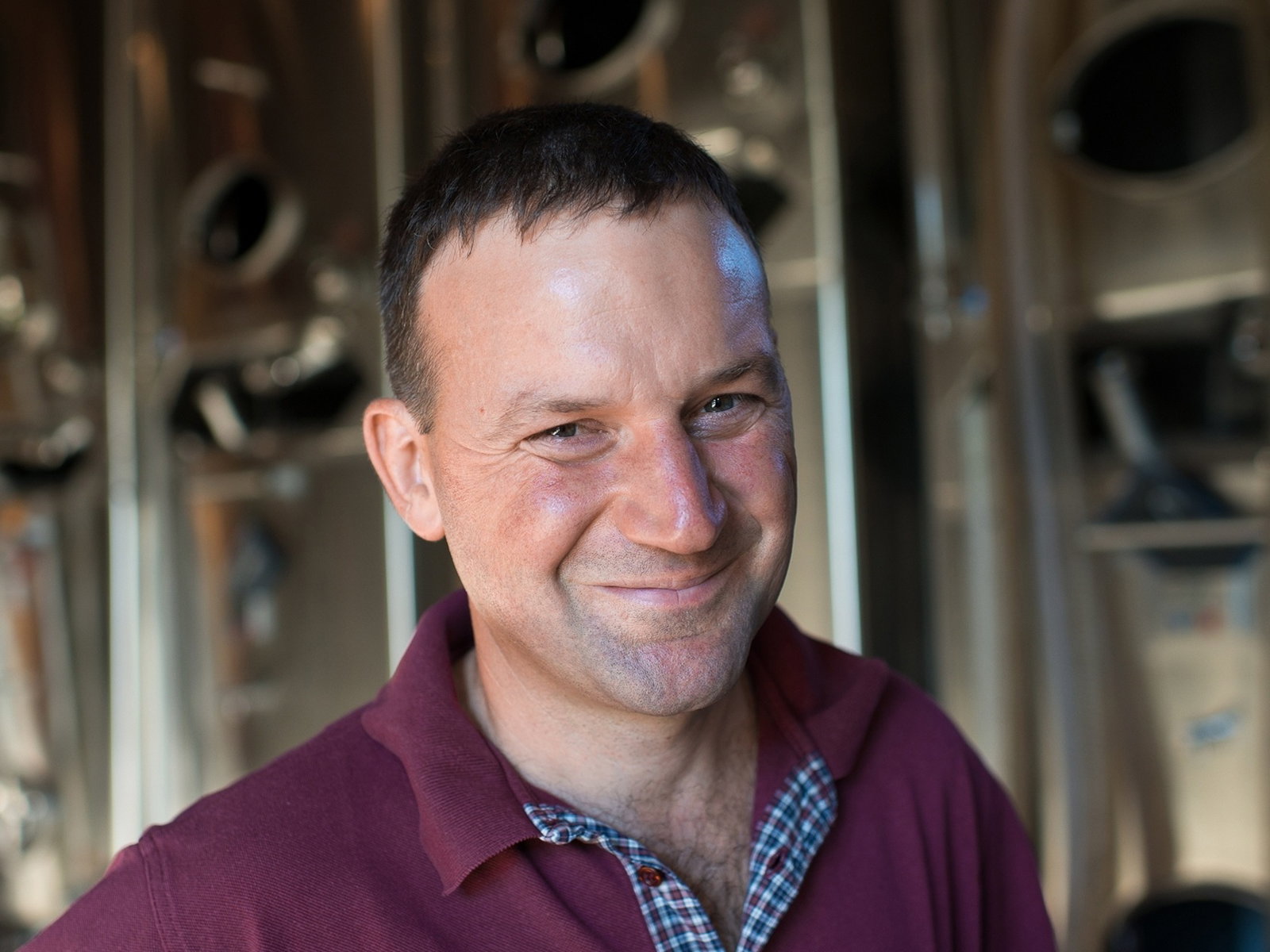
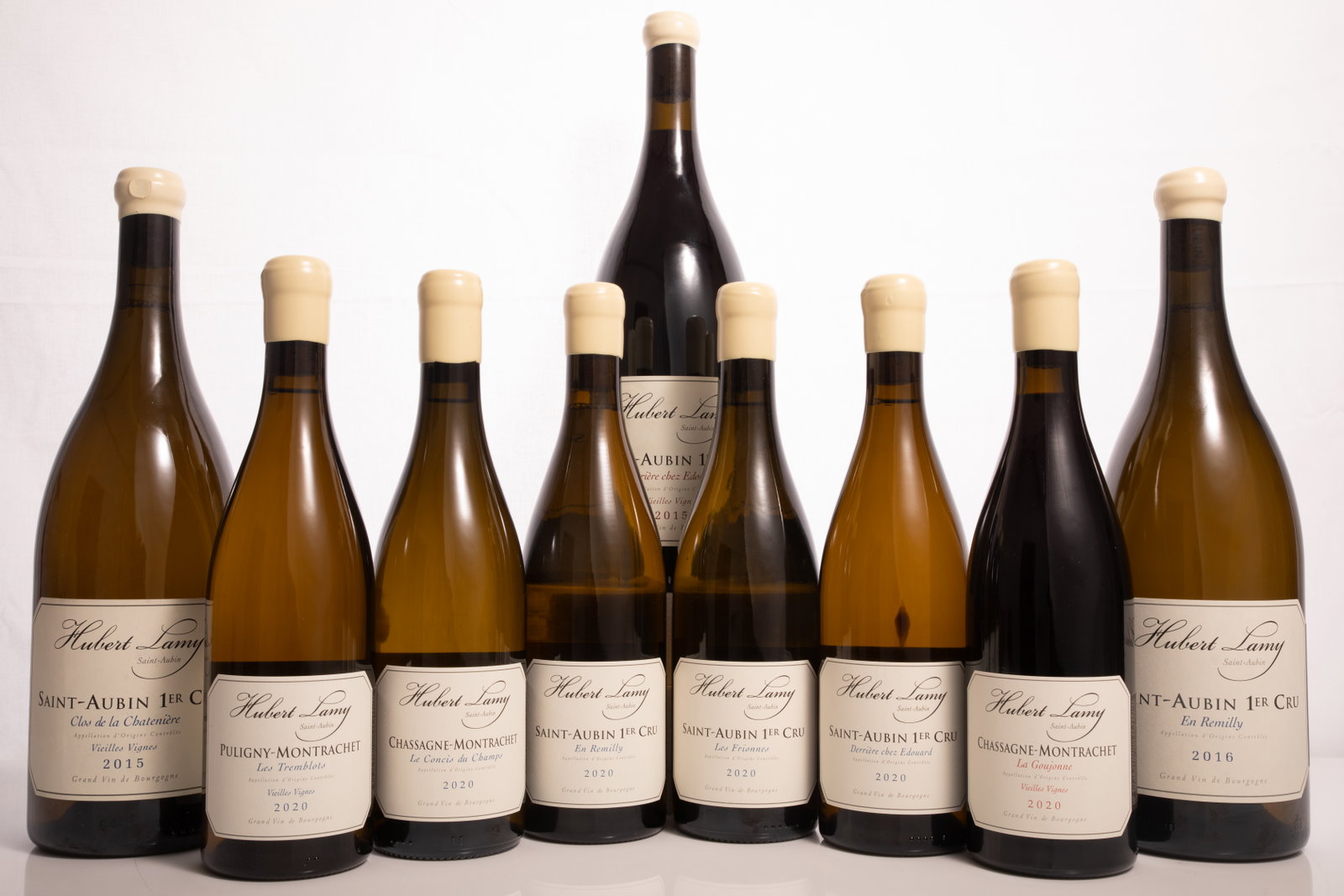
Olivier Lamy's high-density plantings redefined Saint-Aubin, long a value hunting-ground now recognized at the summit. For now, its cellar-worthy whites are still priced below the marquee villages.
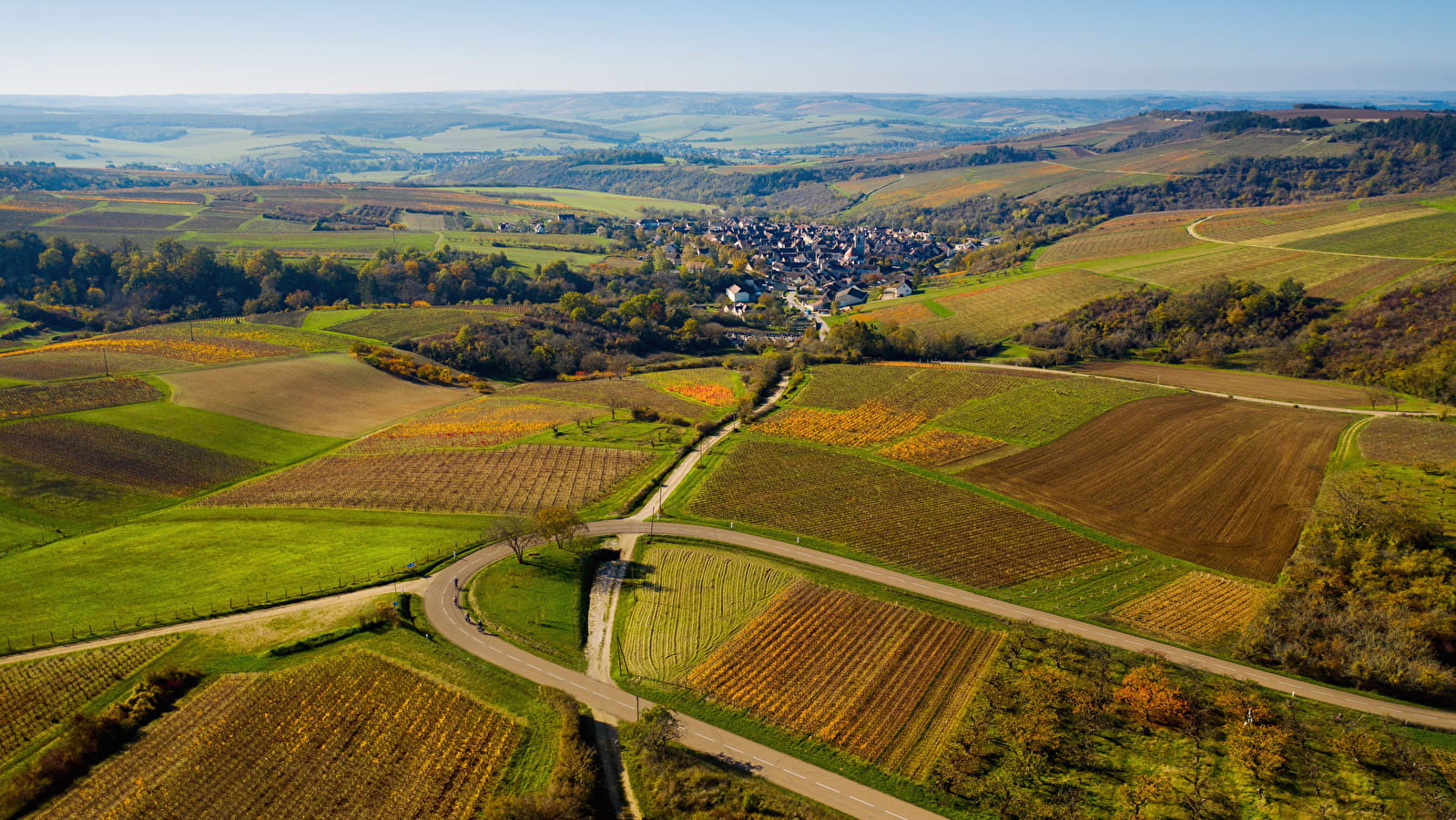
The MICHELIN Grape Selection Burgundy does three things at once. It borrows MICHELIN's familiar tiered visual grammar, applies it to wine estates rather than restaurants, and asks buyers to think across vintages rather than through a single bottle note.
That last point is central for en primeur-minded collectors. A bottle score can be exacting, especially when tied to a specific vintage and cuvée. A vineyard classification can be precise in geography. But neither quite answers the practical question many buyers ask when the allocation email arrives: do I trust this producer across the cellar, across weather, across years?
MICHELIN's top wine distinction is framed around estate confidence. Three MICHELIN Grapes is the top tier, reserved for producers whose wines earn confidence across vintages. That is not the same as saying every bottle is equal, or that vintage no longer matters. Burgundy would not permit such laziness. It means MICHELIN wants the estate's consistency, identity and technical command to be read as the core message.
For buyers used to cross-checking The Wine Advocate, Burghound, Decanter, merchant notes and sommelier recommendations, this new symbol will not end the conversation. It may shorten the first step. If a domaine appears with Three Grapes, the collector can then move more quickly to the questions that actually determine a purchase: which cuvée, which vintage, which provenance, which price, and whether the bottle has a place in the cellar rather than just on a trophy shelf.
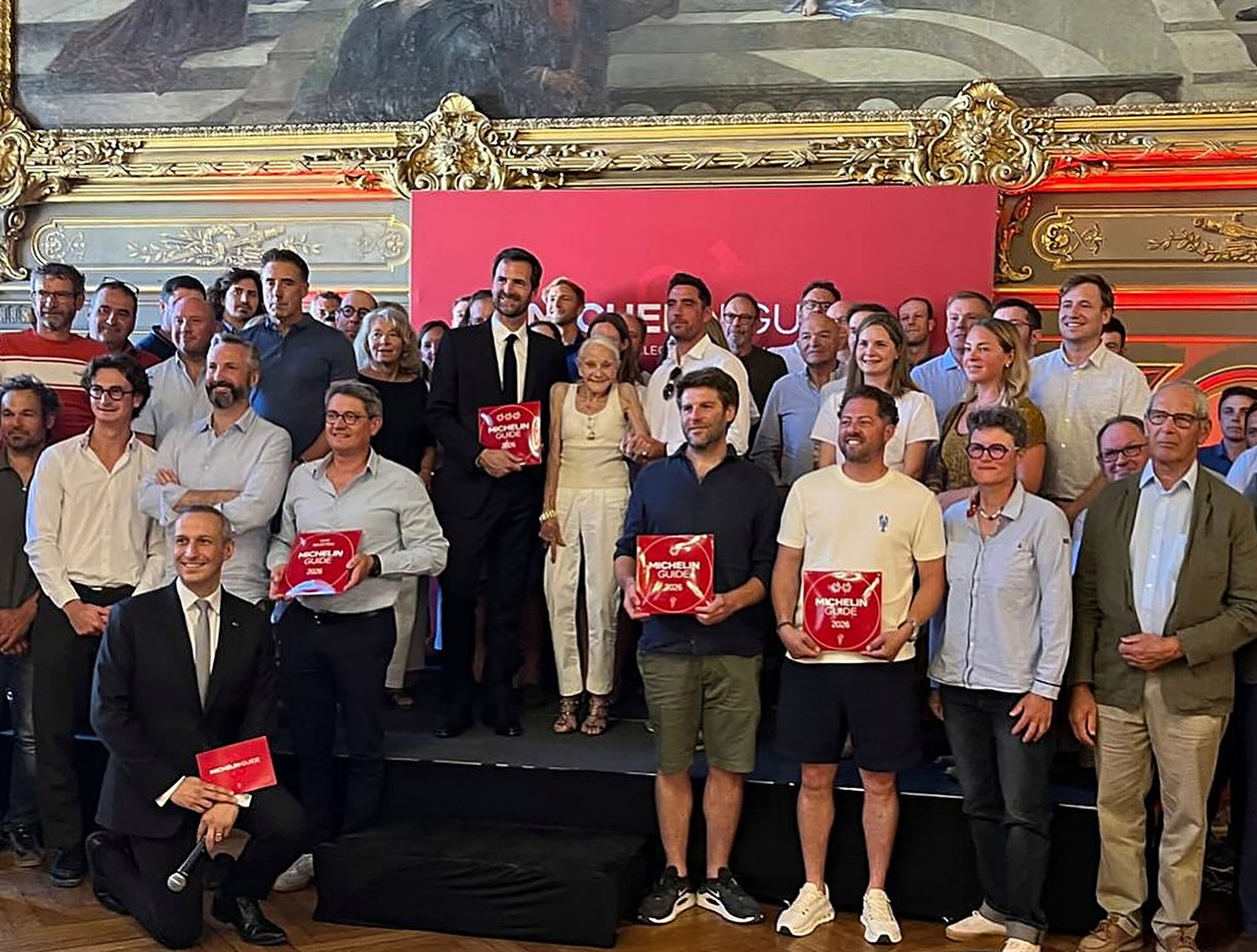
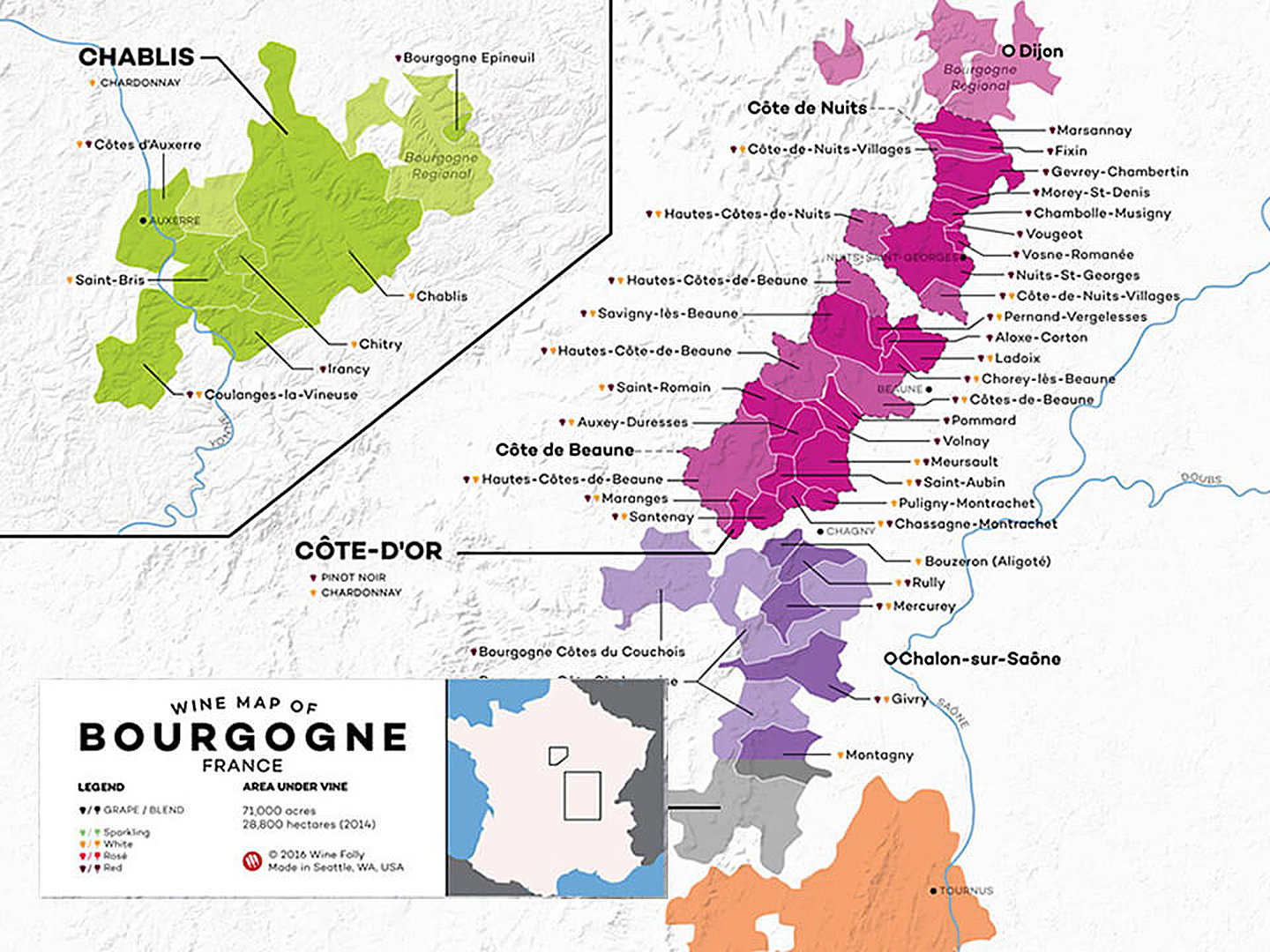
The Three-Grape tier will attract the first wave of attention, but the rest of the inaugural list may prove just as useful for buyers who like to read one step ahead of the obvious. The Two-Grape, One-Grape and Selected estates, with their appellations and tiers:
Burgundy collectors rarely buy by tier alone. A Two-Grape estate in an appellation you already cellar may matter more to your buying life than a Three-Grape name you will never be offered. The Selected category can still point toward domaines worth watching, giving the list a dynamic quality rather than a frozen hierarchy.
The presence of Côte Chalonnaise names, including Bruno Lorenzon in Mercurey, Dureuil-Janthial in Rully and Maxime Cottenceau in Montagny, also prevents the inaugural Burgundy selection from reading only as a Côte d'Or roll call. For travelers, that widens the map. For collectors, it invites a more disciplined look at producer identity beyond the villages with the loudest auction-room echo.
The market reaction should be read carefully. A Three-Grape designation will not create bottles where allocations are already tight, and it should not tempt anyone to ignore vintage, storage or provenance. Burgundy punishes shortcuts. Still, symbols matter. Restaurants will use them, merchants will cite them, and collectors will file them away alongside their own tasting notes.
The MICHELIN Grape Selection Burgundy arrives as a new layer rather than a new law. Its best use is comparative: place the grape tier beside appellation, producer history, critic commentary, cellar need and the actual bottle in front of you. If MICHELIN continues to apply the same discipline as the program expands through wine, the first Burgundy list will be remembered not only for its nine Three-Grape estates, but for changing how quickly a producer's name can travel from a cellar door in the Côte d'Or to a collector's buying decision.
| Estate | Appellation | Winemaker | Tier |
|---|---|---|---|
| Dujac | Morey-Saint-Denis | Jeremy Seysses | Two MICHELIN Grapes |
| Denis Mortet | Gevrey-Chambertin | Arnaud Mortet | Two MICHELIN Grapes |
| Georges Mugneret-Gibourg | Vosne-Romanee | Marie-Christine Mugneret and Marie-Andrée Mugneret | Two MICHELIN Grapes |
| Bruno Clair | Marsannay-la-Cote | Bruno & Édouard Clair | Two MICHELIN Grapes |
| Gerard Mugneret | Vosne-Romanee | Pascal Mugneret | Two MICHELIN Grapes |
| Jacques-Frederic Mugnier | Chambolle-Musigny | Frédéric Mugnier | Two MICHELIN Grapes |
| Jean-Claude Bachelet | Saint-Aubin | Benoît Bachelet and Jean-Baptiste Bachelet | Two MICHELIN Grapes |
| Paul Pillot | Chassagne-Montrachet | Thierry Pillot | Two MICHELIN Grapes |
| Arnaud Ente | Meursault/Puligny-Montrachet | Arnaud Ente and Marie-Odile Ente, with their son Pierre Ente | Two MICHELIN Grapes |
| Benoit Ente | Meursault/Puligny-Montrachet | Benoît Ente | Two MICHELIN Grapes |
| Benoit Moreau | Chassagne-Montrachet | Benoît Moreau | Two MICHELIN Grapes |
| Lamy-Caillat | Chassagne-Montrachet | Sébastien Caillat and Florence Lamy | Two MICHELIN Grapes |
| Bonneau du Martray | Pernand-Vergelesses | Thibault Jacquet | Two MICHELIN Grapes |
| Domaine des Comtes Lafon | Meursault | Léa & Pierre Lafon | Two MICHELIN Grapes |
| Domaine des Croix | Beaune | David Croix | Two MICHELIN Grapes |
| Domaine Leflaive | Puligny-Montrachet | Pierre Vincent | Two MICHELIN Grapes |
| Etienne Sauzet | Puligny-Montrachet | Émilie Boudot and Benoît Riffault | Two MICHELIN Grapes |
| Jean-Marc Vincent | Santenay | Jean-Marc Vincent and Anne-Marie Vincent | Two MICHELIN Grapes |
| Bruno Lorenzon | Mercurey, Cote Chalonnaise | Bruno Lorenzon | Two MICHELIN Grapes |
| Dureuil-Janthial | Rully, Cote Chalonnaise | Vincent Dureuil-Janthial, with Céline Dureuil | Two MICHELIN Grapes |
| Armand Rousseau | Gevrey-Chambertin | Éric & Cyrielle Rousseau | One MICHELIN Grape |
| Bertrand & Laetitia Dugat | Gevrey-Chambertin | Claude Dugat | One MICHELIN Grape |
| Denis Bachelet | Gevrey-Chambertin | Denis Bachelet | One MICHELIN Grape |
| Duroche | Gevrey-Chambertin | Pierre Duroché | One MICHELIN Grape |
| Joseph Roty | Gevrey-Chambertin | Pierre-Jean Roty | One MICHELIN Grape |
| Trapet | Gevrey-Chambertin | Jean-Louis Trapet | One MICHELIN Grape |
| Comte Georges de Vogue | Chambolle-Musigny | Jean Lupatelli | One MICHELIN Grape |
| Ghislaine Barthod | Chambolle-Musigny | Clément Boillot | One MICHELIN Grape |
| Hudelot-Noellat | Chambolle-Musigny | Charles Van Canneyt | One MICHELIN Grape |
| Louis Boillot | Chambolle-Musigny | Clément Boillot | One MICHELIN Grape |
| Clos de Tart | Morey-Saint-Denis | Alessandro Noli | One MICHELIN Grape |
| Domaine des Lambrays | Morey-Saint-Denis | Jacques Devauges | One MICHELIN Grape |
| Domaine Ponsot | Morey-Saint-Denis | Alexandre Abel | One MICHELIN Grape |
| Arnoux-Lachaux | Vosne-Romanee | Charles Lachaux | One MICHELIN Grape |
| Domaine Sylvain Cathiard | Vosne-Romanee | Sébastien Cathiard | One MICHELIN Grape |
| Meo-Camuzet | Vosne-Romanee | Jean-Nicolas Méo | One MICHELIN Grape |
| Chateau de la Tour | Vougeot | Édouard Labet | One MICHELIN Grape |
| Faiveley | Nuits-Saint-Georges | Jérôme Flous | One MICHELIN Grape |
| Bernard-Bonin | Meursault | Nicolas Bernard and Véronique Bonin | One MICHELIN Grape |
| Henri Boillot | Meursault | Henri Boillot | One MICHELIN Grape |
| Henri Germain | Meursault | Jean-François Germain and Lucie Germain | One MICHELIN Grape |
| Roulot | Meursault | Jean-Marc Roulot | One MICHELIN Grape |
| Vincent Girardin | Meursault | Eric Germain | One MICHELIN Grape |
| Domaine de Montille | Volnay | Étienne de Montille | One MICHELIN Grape |
| Marquis d'Angerville | Volnay | Guillaume d'Angerville | One MICHELIN Grape |
| Michel Lafarge | Volnay | Frédéric Lafarge, with Chantal Lafarge and Clothilde Lafarge | One MICHELIN Grape |
| Roblet-Monnot | Volnay | Pascal Roblet-Monnot | One MICHELIN Grape |
| Benjamin Leroux | Beaune | Benjamin Leroux | One MICHELIN Grape |
| Joseph Drouhin | Beaune | Véronique Drouhin | One MICHELIN Grape |
| Louis Jadot | Beaune | Frédéric Barnier | One MICHELIN Grape |
| Pierre-Yves Colin-Morey | Chassagne-Montrachet | Pierre-Yves Colin-Morey | One MICHELIN Grape |
| Marc Colin | Saint-Aubin | Damien Colin | One MICHELIN Grape |
| Henri & Gilles Buisson | Saint-Romain | Franck Buisson and Frédérick | One MICHELIN Grape |
| Domaine Berthaut-Gerbet | Fixin | Amélie Berthaut | Selected |
| Sylvain Pataille | Marsannay | Sylvain Pataille | Selected |
| Charles Audoin | Marsannay | Cyril Audoin | Selected |
| Domaine Felettig | Chambolle-Musigny | Gilbert & Pauline Felettig | Selected |
| Domaine Camille Thiriet | Cote de Nuits-Villages | Camille Thiriet and Matt Chittick | Selected |
| Benoit Chevallier | Vosne-Romanee | Benoît Chevallier | Selected |
| Fourrier | Gevrey-Chambertin | Jean-Marie Fourrier | Selected |
| Hubert Lignier | Morey-Saint-Denis | Laurent Lignier | Selected |
| Domaine Jobard-Morey | Meursault | Valentin Jobard | Selected |
| Anne Boisson | Meursault | Anne Boisson and Pierre Boisson | Selected |
| Ballot-Millot | Meursault | Charles Ballot | Selected |
| Buisson-Charles | Meursault | Patrick & Louis Essa | Selected |
| Camille & Guillaume Boillot | Meursault | Guillaume Boillot and Camille Boillot-Violot | Selected |
| Pierre Boisson | Meursault | Pierre Boisson | Selected |
| Pierre Girardin | Meursault | Pierre-Vincent Girardin | Selected |
| Pierre Morey | Meursault | Anne Morey | Selected |
| Alex Moreau | Chassagne-Montrachet | Alex Moreau | Selected |
| Ramonet | Chassagne-Montrachet | Jean-Claude Ramonet and Noël Ramonet | Selected |
| Vincent Dancer | Chassagne-Montrachet | Théo Dancer | Selected |
| Jacques Carillon | Puligny-Montrachet | Jacques Carillon | Selected |
| Thomas-Collardot | Puligny-Montrachet | Jacqueline Collardot and Matthieu Collardot | Selected |
| Albert Bichot | Beaune | Alain Serveau | Selected |
| Bouchard Pere & Fils | Beaune | Frédéric Weber | Selected |
| Bachelet-Monnot | Dezize-les-Maranges | Marc Bachelet and Alexandre Bachelet | Selected |
| Nicolas Perrault | Dezize-les-Maranges | Nicolas Perrault | Selected |
| Alain Gras | Saint-Romain | Arthur Gras | Selected |
| Joseph Colin | Saint-Aubin | Joseph Colin | Selected |
| Lafouge | Auxey-Duresses | Gilles & Maxime Lafouge | Selected |
| Pierre Guillemot | Savigny-les-Beaune | Vincent Guillemot | Selected |
| Rapet | Pernand-Vergelesses | Vincent & Robin Rapet | Selected |
| Yvon Clerget | Pommard | Thibaud Clerget | Selected |
| Maxime Cottenceau | Montagny, Cote Chalonnaise | Maxime Cottenceau | Selected |
The MICHELIN Grape Selection Burgundy is MICHELIN's first wine-estate rating system, unveiled in 2026 at the Palace of the Dukes of Burgundy (Palais des Ducs) in Dijon. It rates entire estates across four tiers, with 94 Burgundy producers recognized in the inaugural selection.
Nine estates received the top Three MICHELIN Grapes designation: Domaine de la Romanée-Conti, Domaine Leroy, Domaine d'Auvenay, Coche-Dury, Domaine Georges Roumier, Dugat-Py, Cécile Tremblay, Jean-Marc & Thomas Bouley, and Hubert Lamy.
MICHELIN's inspectors assess estates on five criteria: agronomy, technical mastery, identity, balance, and consistency across vintages, weighing precision in vineyard and cellar work, faithful terroir expression, and the personality of the vintner. Gwendal Poullennec, MICHELIN's International Director, said excellence is not defined solely by the prestige of a name but by the precision of the work in the vineyard and cellar.
Unlike critic scores tied to specific cuvées and vintages, the MICHELIN Grape Selection rates the producer as the unit of confidence, giving collectors an estate-level marker across a domaine's portfolio.
The nine Three-Grape estates span the Côte de Nuits and Côte de Beaune, including Morey-Saint-Denis, Gevrey-Chambertin, Chambolle-Musigny, Vosne-Romanée, Meursault, Volnay, Saint-Romain and Saint-Aubin.
Get the App
Take the shortlist into the En Primeur Club app for concierge access, saved places, and the next step after discovery.
Get Exclusive AccessMore from the editors