Gérard Mugneret

Gérard Mugneret belongs to the quieter side of Vosne-Romanée: small-scale Côte de Nuits Pinot Noir shaped by old vines, massal selection and a cellar culture that prizes restraint over spectacle. The domaine’s Michelin Guide Burgundy 2 Grapes distinction and sandstone-ageing shift from the 2022 vintage place it firmly in the village conversation about terroir clarity rather than cellar gloss.
Pearl is the En Primeur Club membership app — saves, bookings, and concierge access live there. Same editors, same standards.
- Address
- 7 Rue de la Grand Velle, 21700 Vosne-Romanée, France
- Phone
- +33 3 80 61 09 95
- Website
- gerard-mugneret.fr
- Directions
- Get directions
 Saves & bookings on Pearl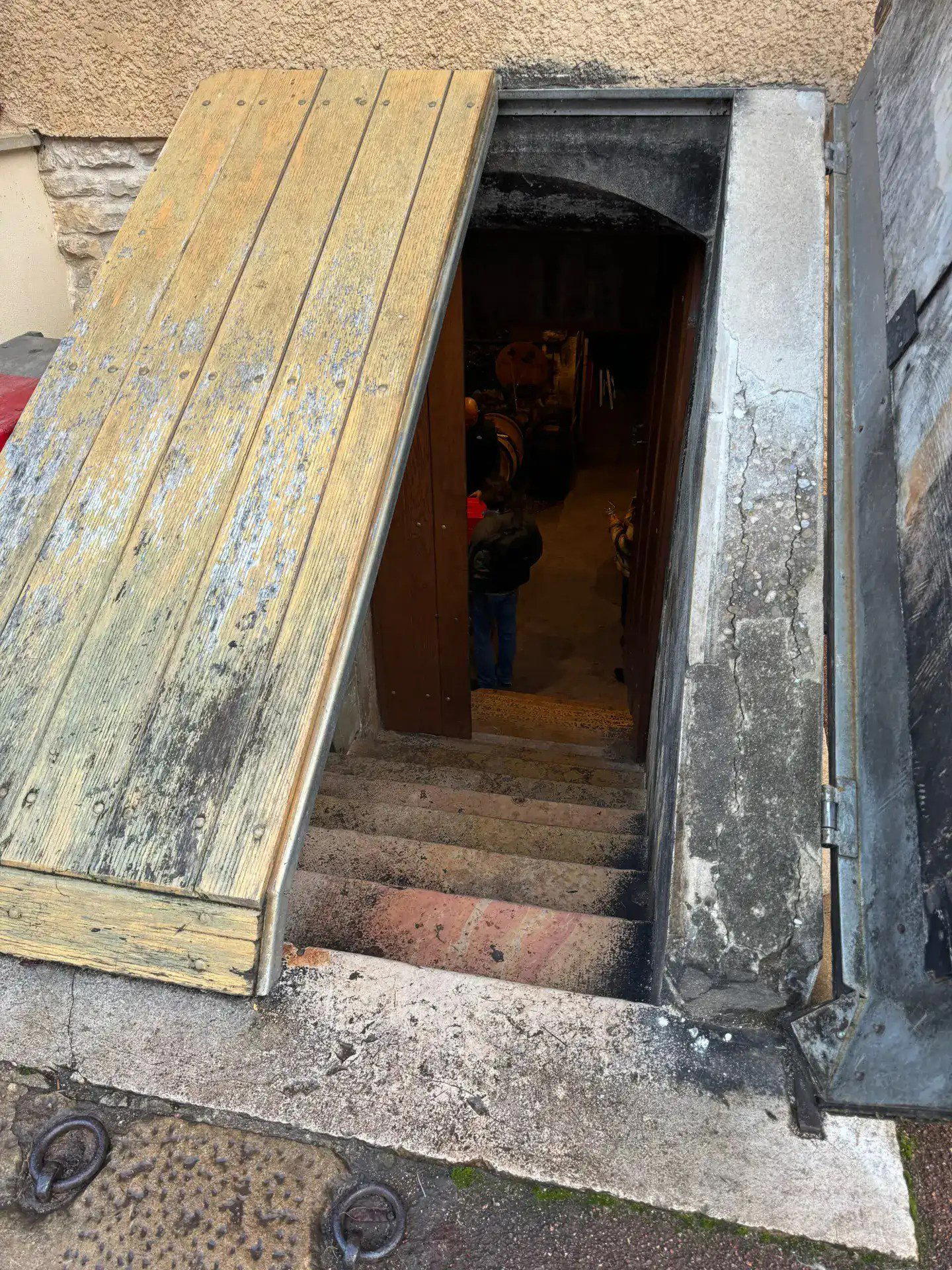
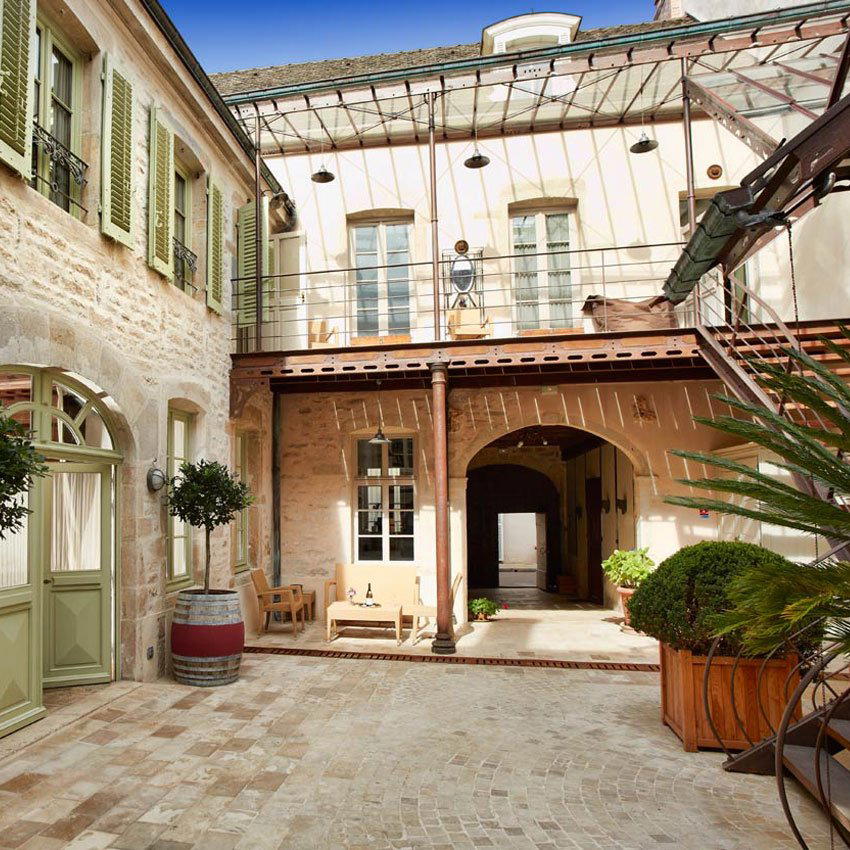
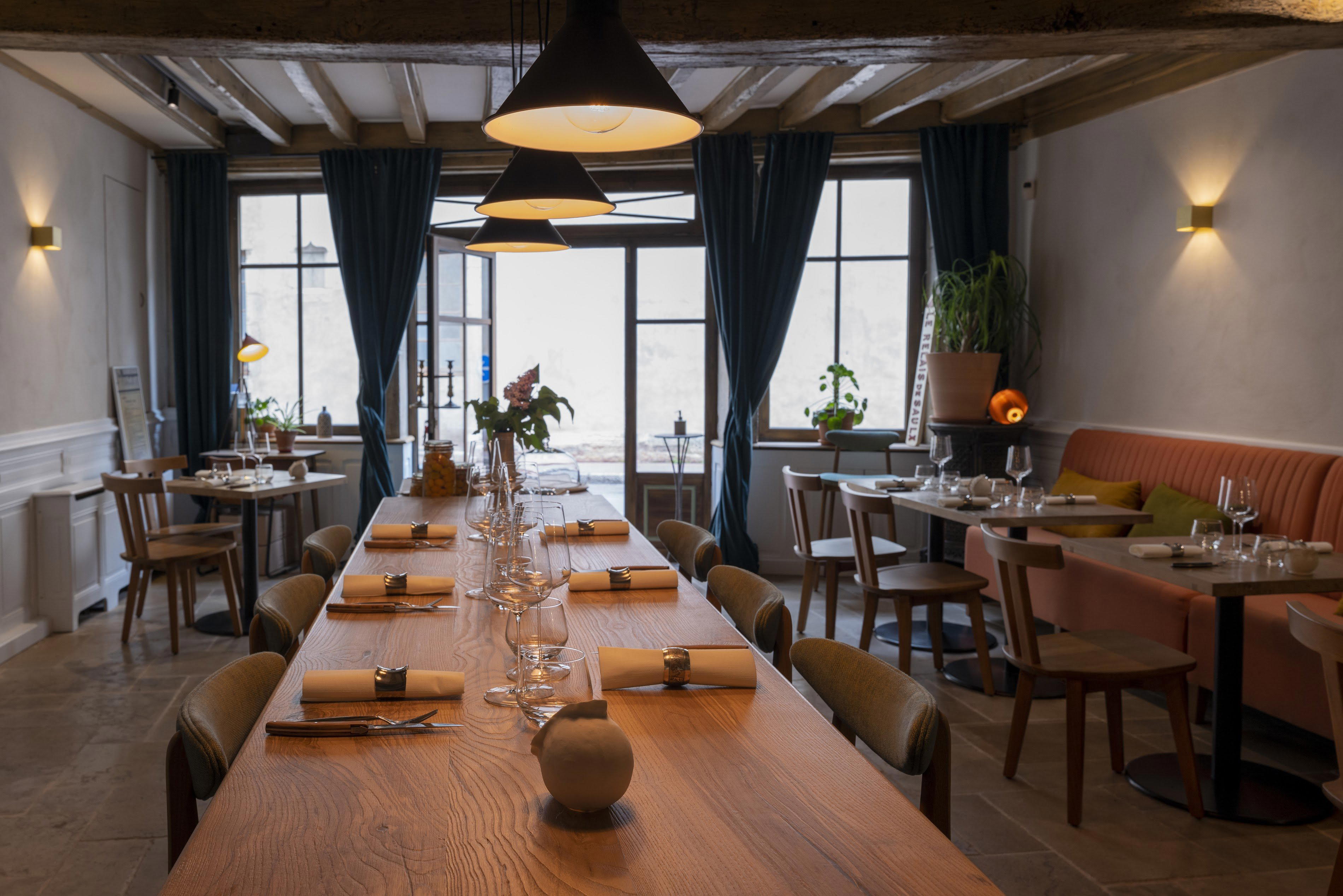
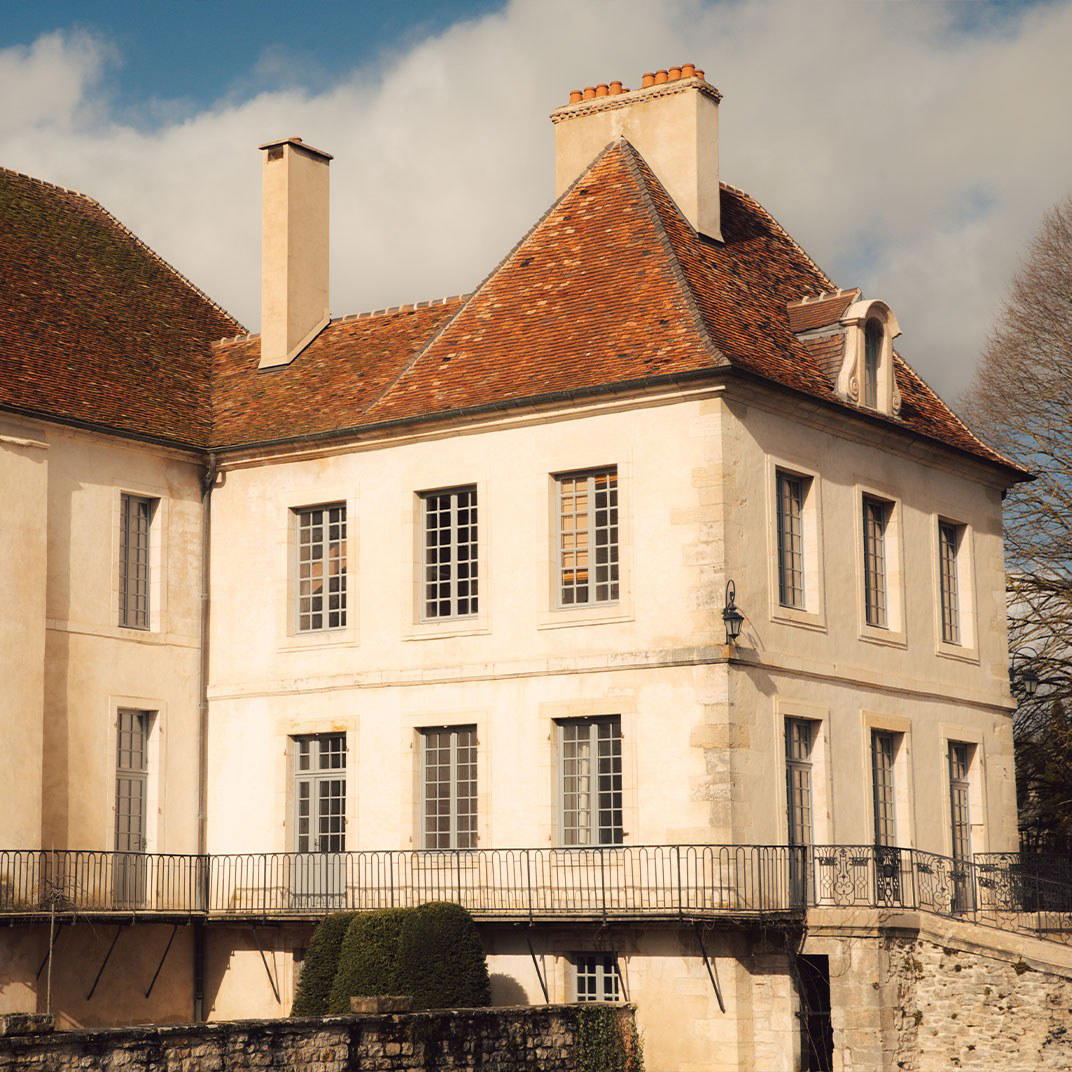
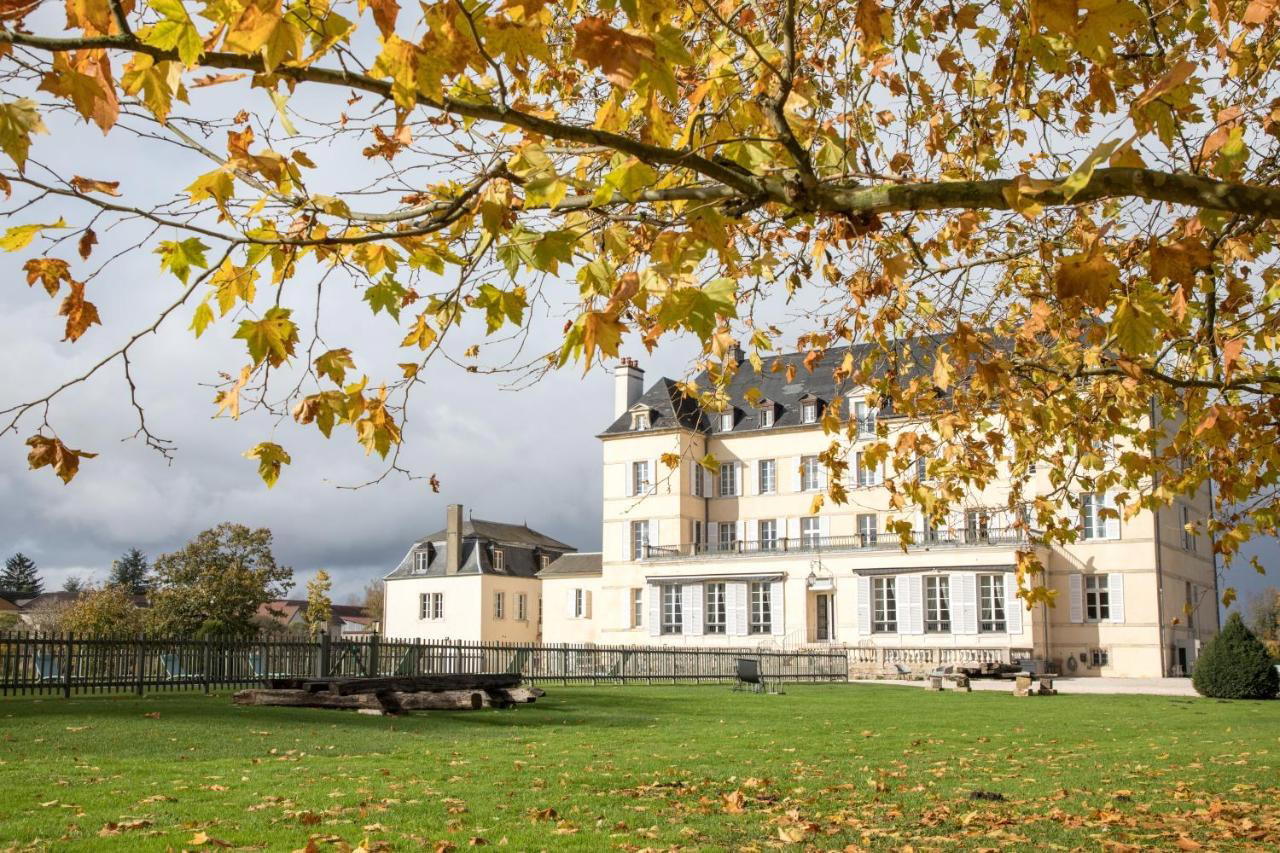
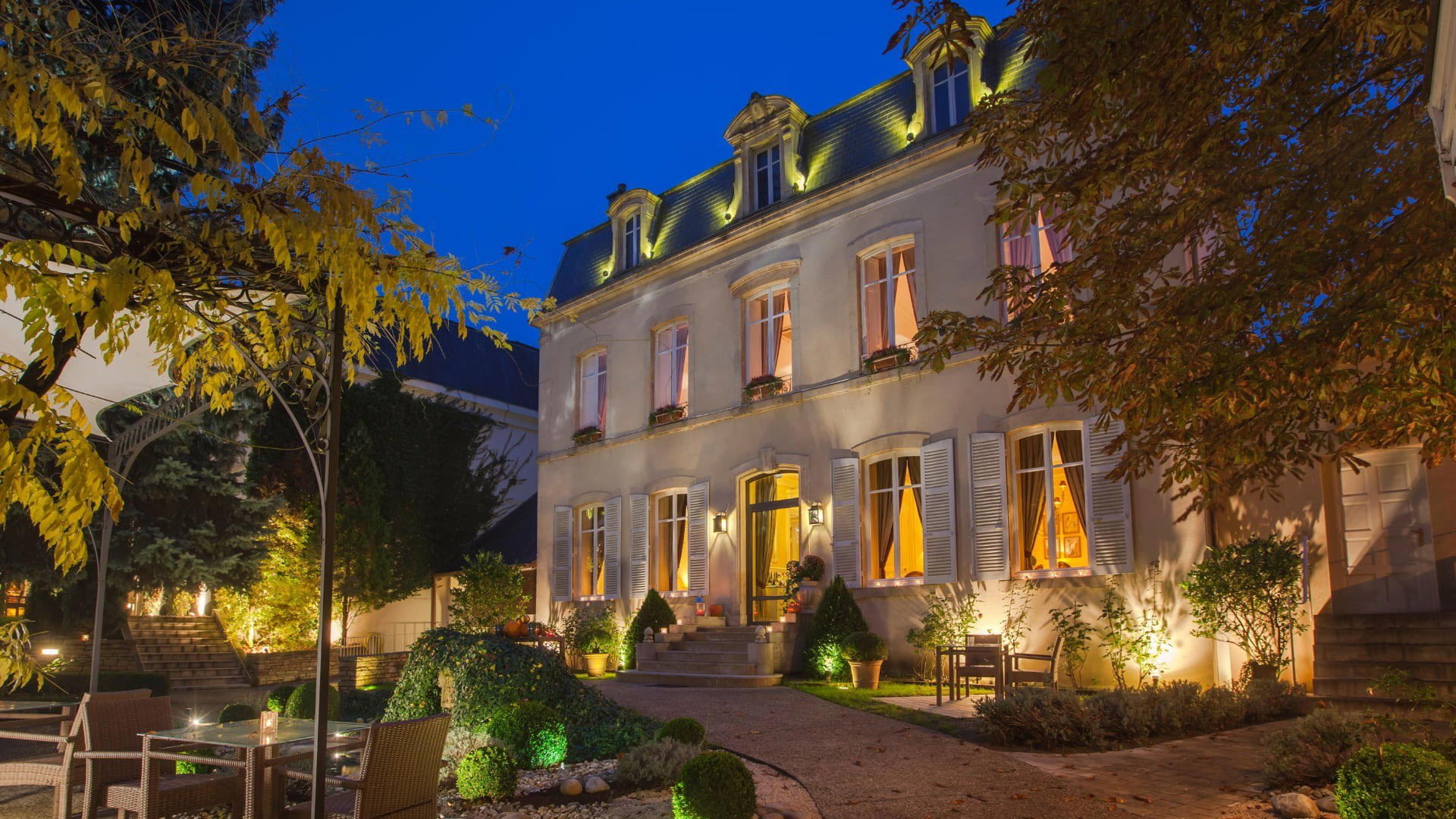
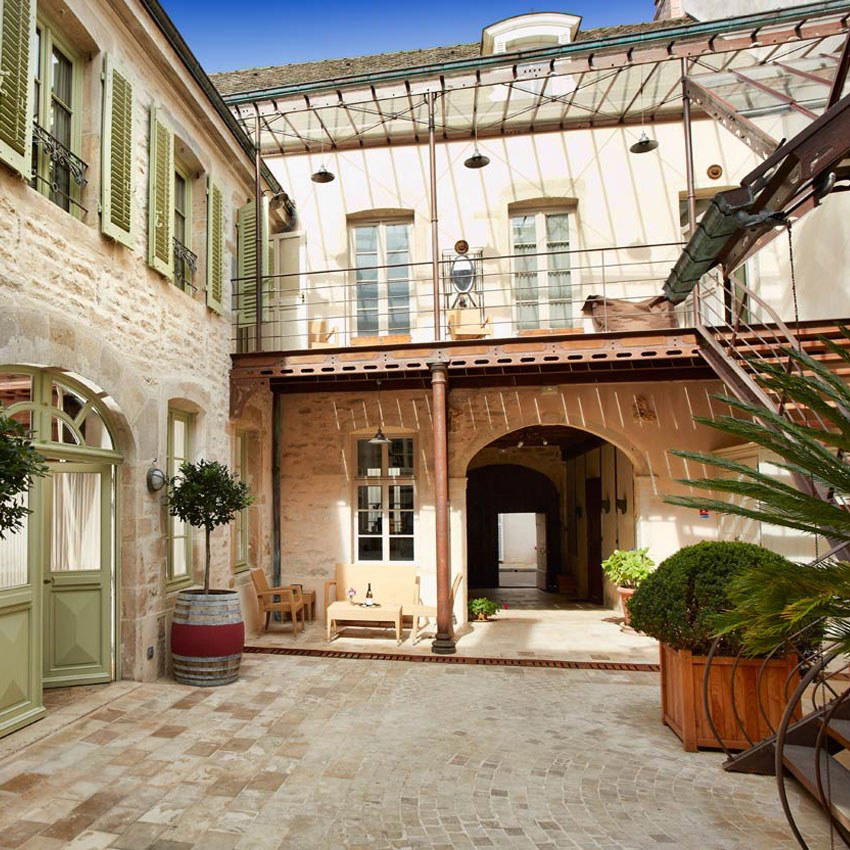
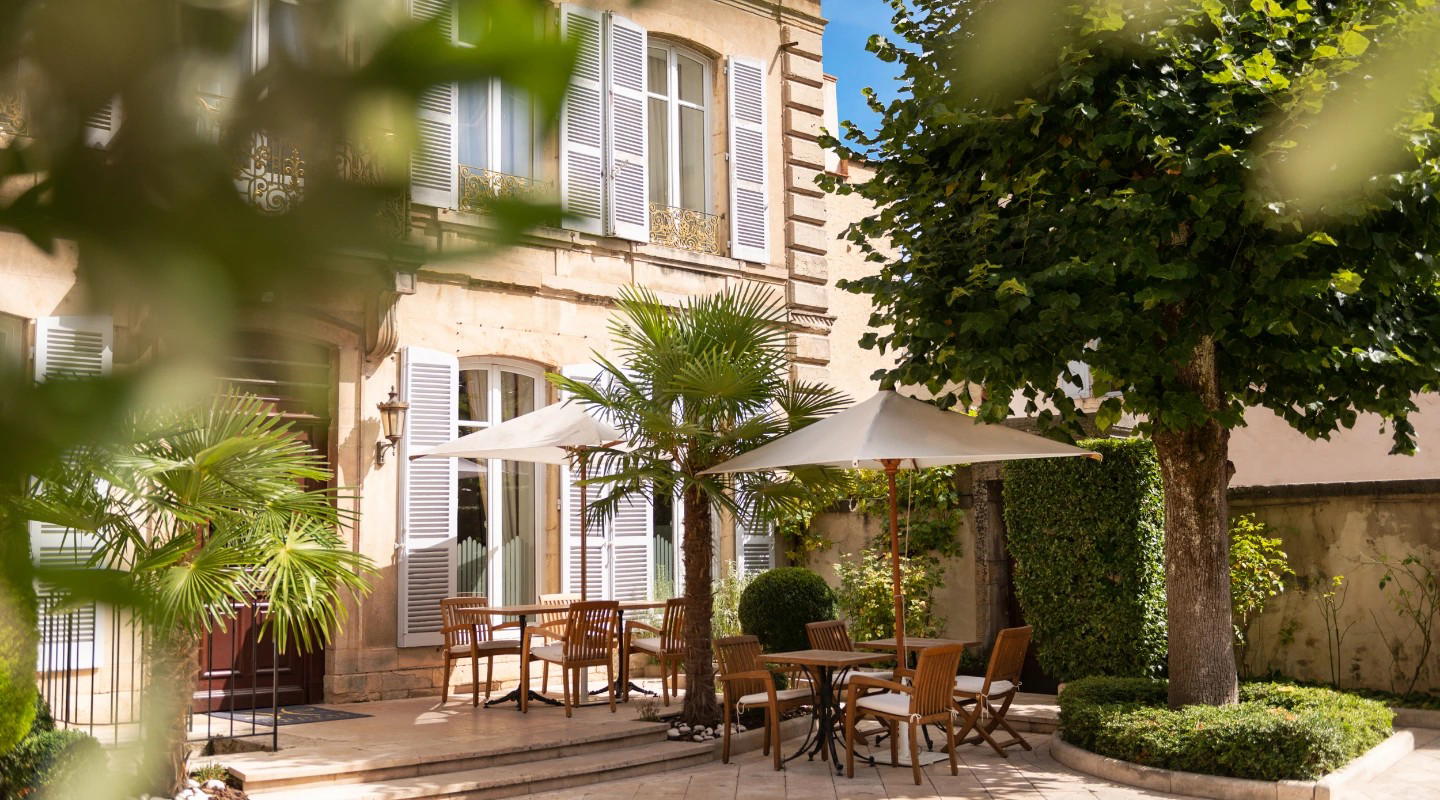
Vosne-Romanée needs no theatre. At Gérard Mugneret, the picture is deliberately restrained: a family-run Burgundy domaine in Vosne-Romanée with a humble, terroir-focused philosophy. The atmosphere is discreet, thoughtful and classic, emphasizing work in the vines and careful, reflective vinification rather than showy hospitality. In a village whose name already carries considerable weight, that kind of understatement is part of the appeal: the interest lies less in presentation and more in the patient logic of place, craft and continuity.
That restraint matters because Vosne-Romanée can easily be flattened into luxury shorthand. Gérard Mugneret is best framed through the confirmed facts: it is a Burgundy wine estate in Vosne-Romanée, listed at $$$, and recognized with the Michelin Guide Burgundy 2 Grapes wine-estate distinction. Beyond that, specific claims about parcels, production methods, visitor formats or cuvées should be treated cautiously unless confirmed directly by the domaine. This is not a weakness in the profile; it is a useful editorial boundary, especially in Burgundy, where reputation often encourages assumptions to travel faster than detail.
Vosne-Romanée through a discreet Burgundy domaine
The domaine’s strongest editorial signal is not size or décor, but tone. Gérard Mugneret is described as family-run, humble and terroir-focused, with an emphasis on work in the vines and careful, reflective vinification. That places the estate in a classic Burgundy register: quieter, more agricultural and less built around showy hospitality. It also gives the address a particular kind of seriousness, one that is rooted in attention rather than display.
For visitors and collectors, the useful lens is therefore not a long list of technical claims, but the confirmed identity of the place. This is a Vosne-Romanée domaine whose public profile rests on Burgundy’s vineyard culture and on a restrained approach to wine rather than spectacle. Read in that way, the domaine becomes less a destination to decode through amenities and more an address to approach through the broader language of Burgundy: village, soil, family work and measured winemaking.
The Michelin Guide Burgundy 2 Grapes wine-estate distinction is a relevant marker because it recognizes the estate within Burgundy’s wine context without turning the discussion into trophy-counting. It supports the idea of the winery as a serious wine address in Vosne-Romanée while leaving room for the domaine’s quieter character. The distinction is most useful as confirmation of standing, not as a substitute for the more nuanced understanding that Burgundy often requires.
A Burgundy address defined by restraint
Many premium wine addresses are discussed through hospitality details, technical claims or producer lore. The description of the winery points instead to a quieter editorial frame: discreet, thoughtful and classic, with the emphasis placed on the vineyard and vinification rather than on a polished public performance. That makes the profile feel especially aligned with the village’s more contemplative side, where the strongest impressions are often built from restraint, patience and precision.
That makes the estate most relevant for readers who want to understand Vosne-Romanée through a working Burgundy domaine. The confirmed facts do not establish a specific tasting format, booking system, food offering, seating style or detailed public program, so those details should be checked directly before planning around them. The safest expectation is therefore not a scripted experience, but a serious wine address whose public information should be handled carefully and at the source.
Competitively, the winery can be read alongside other highly regarded Burgundy names without overstating equivalence. Domaine de la Romanée-Conti and Domaine du Comte Liger-Belair represent another level of global scarcity; Domaine Jean Grivot and Domaine Bizot offer other reference points for Vosne-Romanée. The winery is better understood on its own terms: a family-run domaine in Vosne-Romanée with a restrained, terroir-focused identity. That distinction matters, because a village map is not only a hierarchy of fame; it is also a set of different ways to express place.
For readers mapping the village in greater depth, the winery sits naturally within a broader Vosne-Romanée wine itinerary, alongside other local wine addresses and dining in Vosne-Romanée considered generically. The essential planning point is simple: treat the domaine as a Burgundy wine estate first, and verify any public-facing details directly before relying on a specific format. This approach keeps the focus where the available information places it: on the domaine’s identity, its village context and its restrained Burgundy character.
How to read the visit in a wider French wine itinerary
A stop here suits travellers using Vosne-Romanée as a study in Burgundy’s discreet wine culture rather than as a stage-managed hospitality stop. The confirmed description emphasizes a humble, terroir-focused philosophy and an atmosphere that is thoughtful and classic. In itinerary terms, that makes the winery a quieter kind of anchor, one that helps frame Vosne-Romanée through seriousness and understatement rather than through spectacle.
Hours are listed Monday through Friday, 8 AM–12 PM and 1–5 PM, with Saturday and Sunday closed. Price is listed as $$$. Those details, together with the Michelin Guide Burgundy 2 Grapes wine-estate distinction, give one reliable public frame for the winery: a serious, family-run Vosne-Romanée domaine whose appeal is grounded in Burgundy’s vineyard-first discipline. For anyone planning around it, strong reading is measured and practical: respect the limited confirmed information, check details directly, and understand the address within Burgundy’s culture of restraint.
At-a-Glance Comparison
Comparable venues by cuisine and price in the same metro.
| Venue | Price | Awards |
|---|---|---|
| Gérard Mugneret | $$$ | Michelin Guide Burgundy 2 Grapes wine-estate distinction. |
Recognition history
Dated appearances from independent guides and award organizations, with the underlying list record or original source where available.
Michelin 2 Grapes
Michelin · 2026 Michelin 2 Grapes - Burgundy
Continue exploring
More in Vosne-Romanée
Wineries in Vosne-Romanée
Browse all →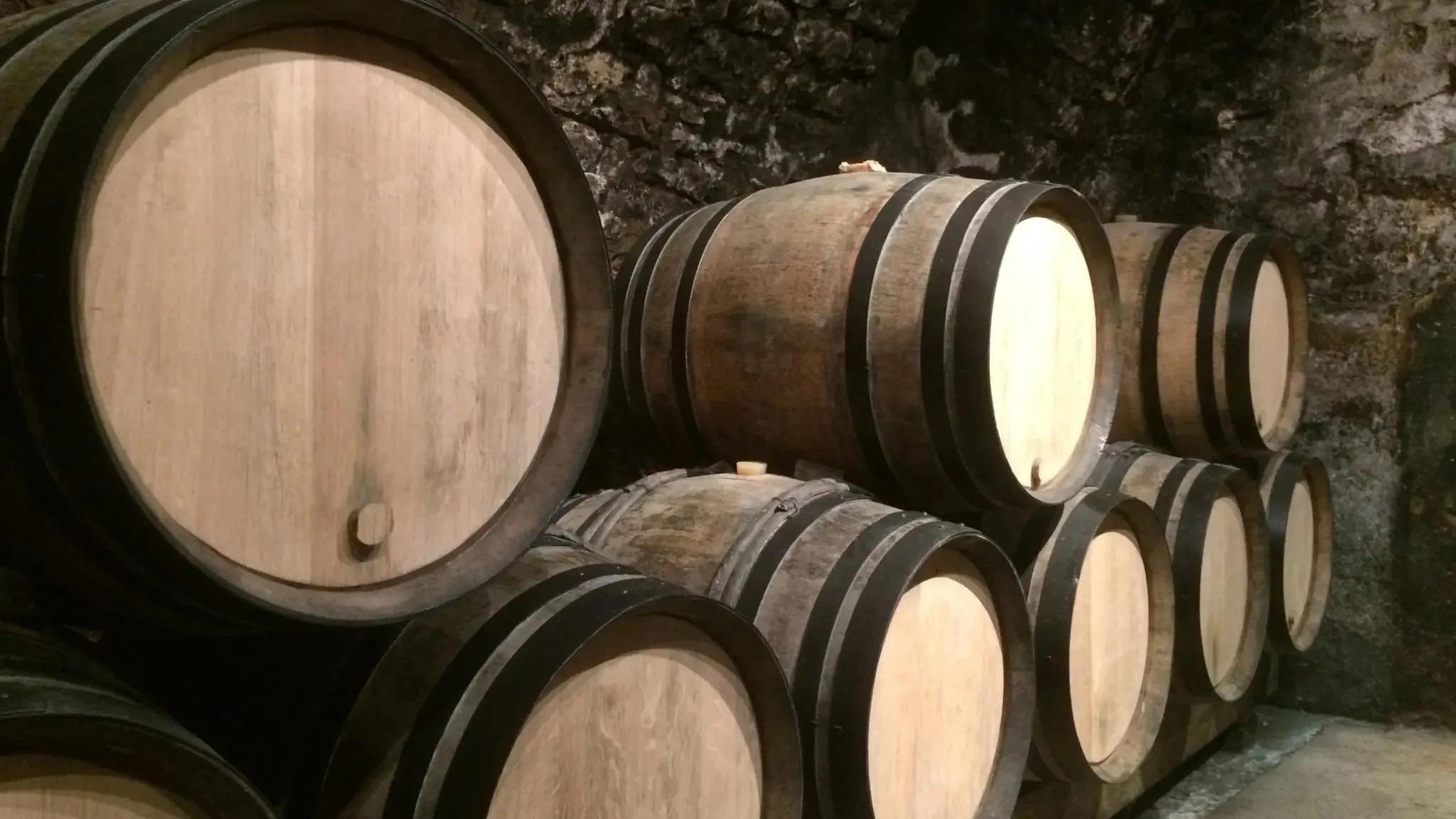
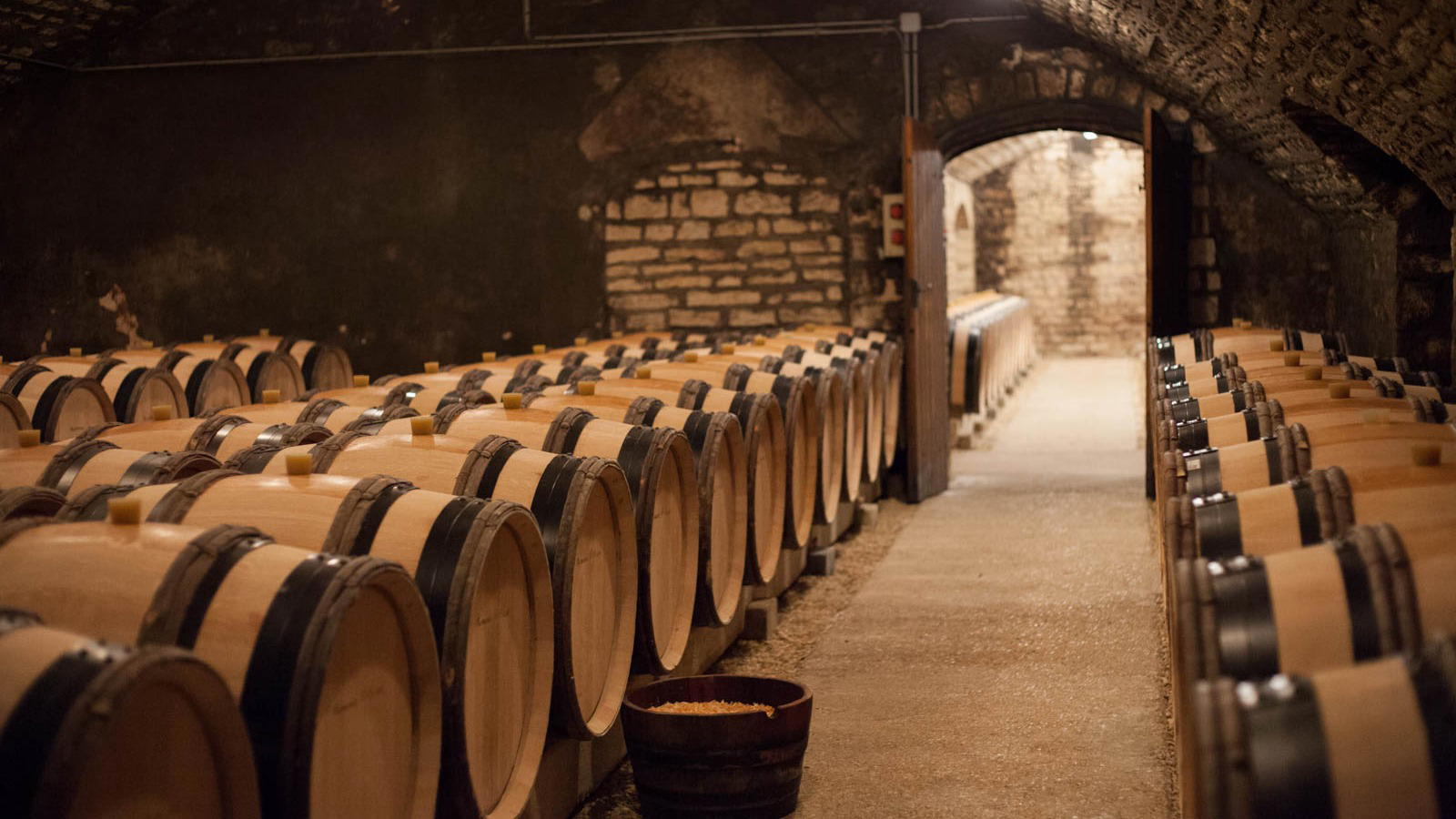
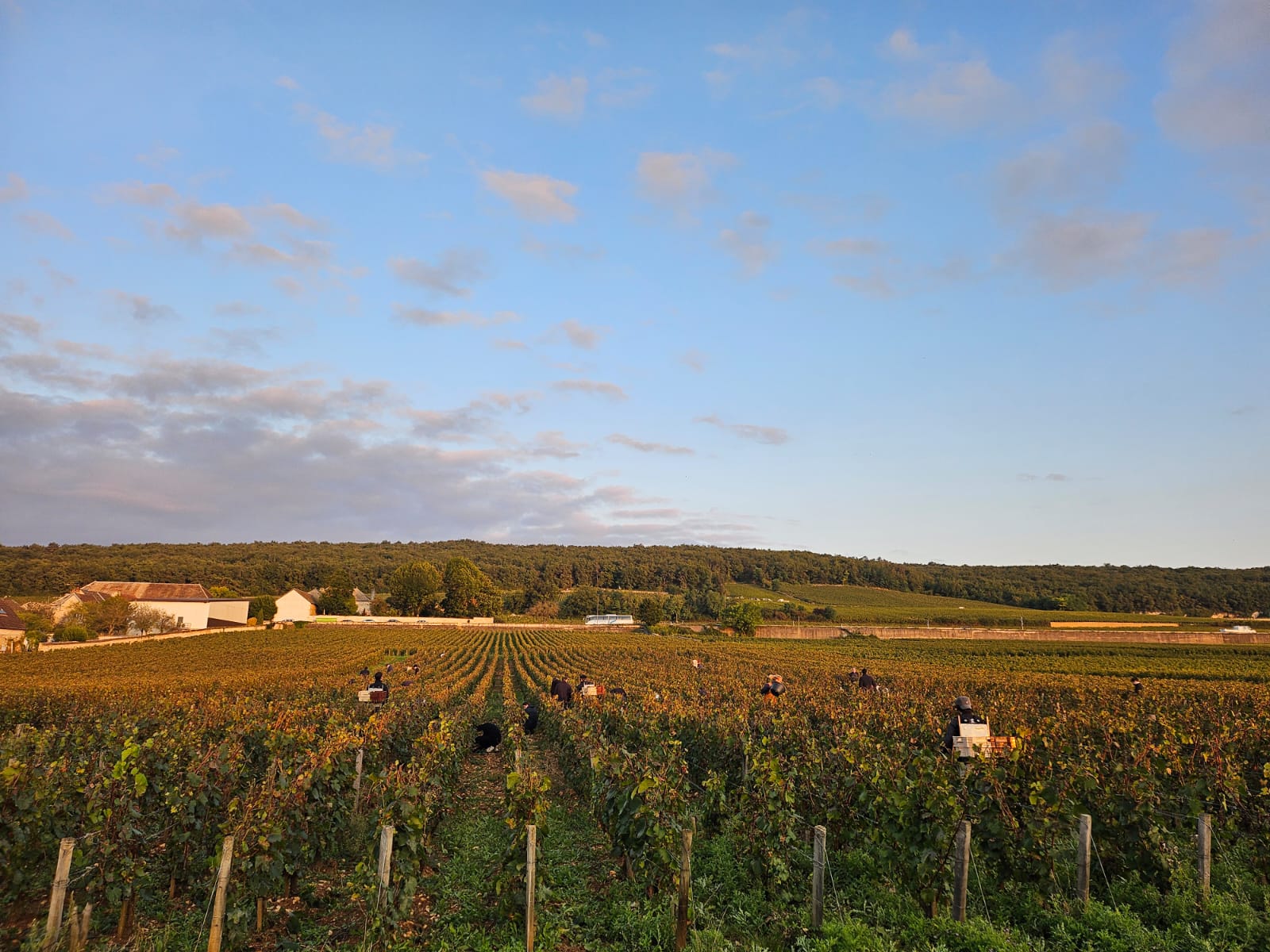
Bars in Vosne-Romanée
Browse all →
Restaurants in Vosne-Romanée
Browse all →
At a Glance
- Classic
- Elegant
- Intimate
- Rustic
- Scenic
- Romantic Getaway
- Group Outing
- Wine Education
- Special Occasion
- Solo Exploration
- Estate Grounds
- Historic Building
- Private Tasting
- Organic
- Biodynamic
- Sustainable
- Vineyard
- Vosne Romanée AOC
- Pinot Noir
- Gamay
- Still Red
- Appointment Tasting
- Cellar Tasting
- Barrel Tasting
Current opening hours
- Monday
- 8 AM–12 PM, 1–5 PM
- Tuesday
- 8 AM–12 PM, 1–5 PM
- Wednesday
- 8 AM–12 PM, 1–5 PM
- Thursday
- 8 AM–12 PM, 1–5 PM
- Friday
- 8 AM–12 PM, 1–5 PM
- Saturday
- Closed
- Sunday
- Closed
Hours can change for holidays and private events. Last verified .
Family-run Burgundy domaine in Vosne-Romanée with a humble, terroir-focused philosophy; the atmosphere is discreet, thoughtful and classic, emphasizing work in the vines and careful, reflective vinification rather than showy hospitality.