
Michelin 1 Grape
Domaine de Montille has shaped Volnay's identity since its first vintage in 1863, with winemaker Étienne de Montille working a portfolio of village and premier cru parcels that read as a precise map of the appellation's terroir.

Pearl is the En Primeur Club membership app — saves, bookings, and concierge access live there. Same editors, same standards.
- Address
- 2 Rue du Pied de la Vallée, 21190 Volnay
- Phone
- +33 3 80 21 39 14
- Website
- demontille.com
- Directions
- Get directions
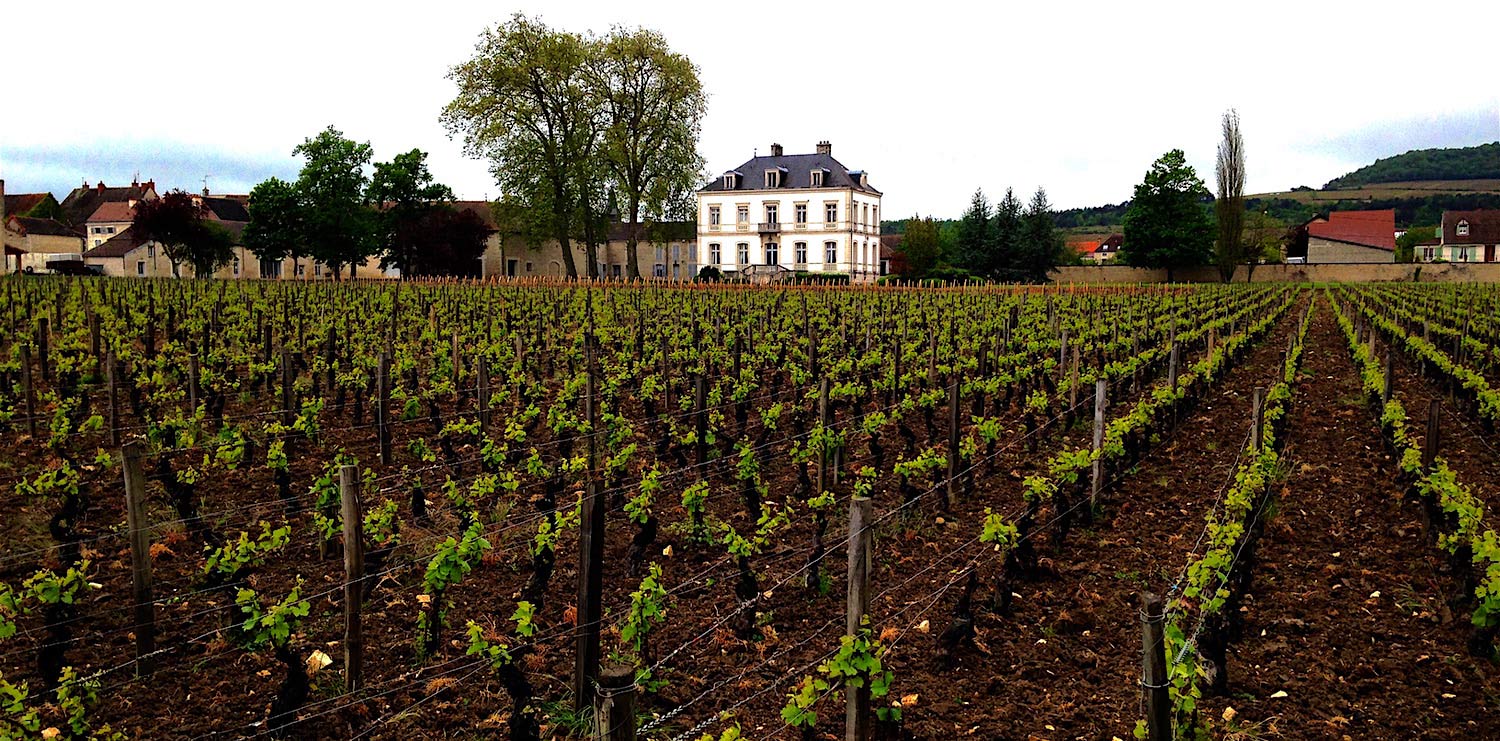
A Village Built Around Its Vines
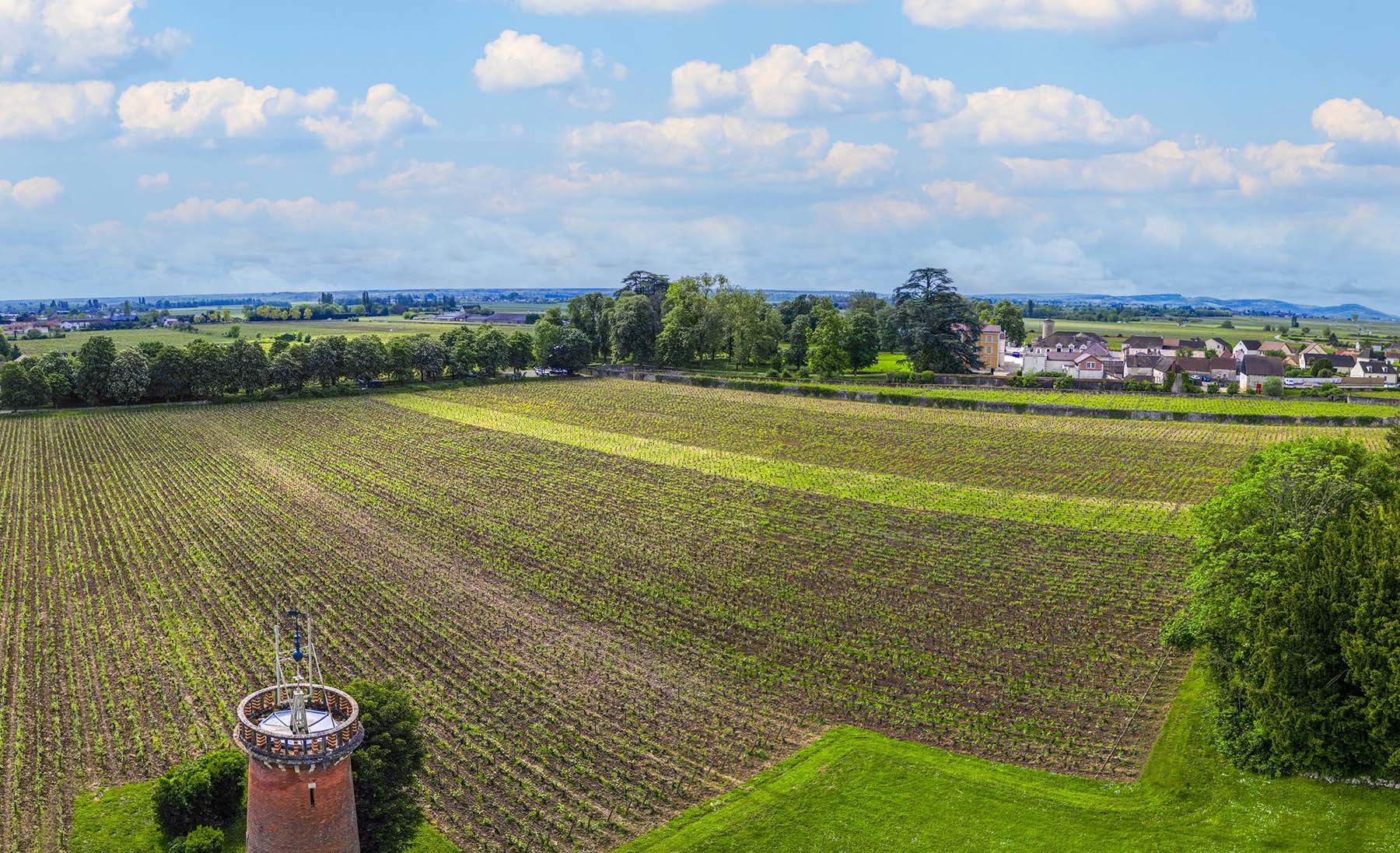
Volnay is a small commune on the Côte de Beaune where the density of serious producers per square kilometre is difficult to match anywhere in Burgundy. The village sits above Meursault and below Pommard, with a ridge of premier cru vineyards that consistently produce some of the most fragrant Pinot Noir in the appellation. The style here runs cooler and more mineral-driven than Pommard to the north, and several of the village's longstanding domaines have been central to establishing that reputation over generations. Domaine de Montille, with a lineage traceable to 1863, belongs to the founding layer of that story.
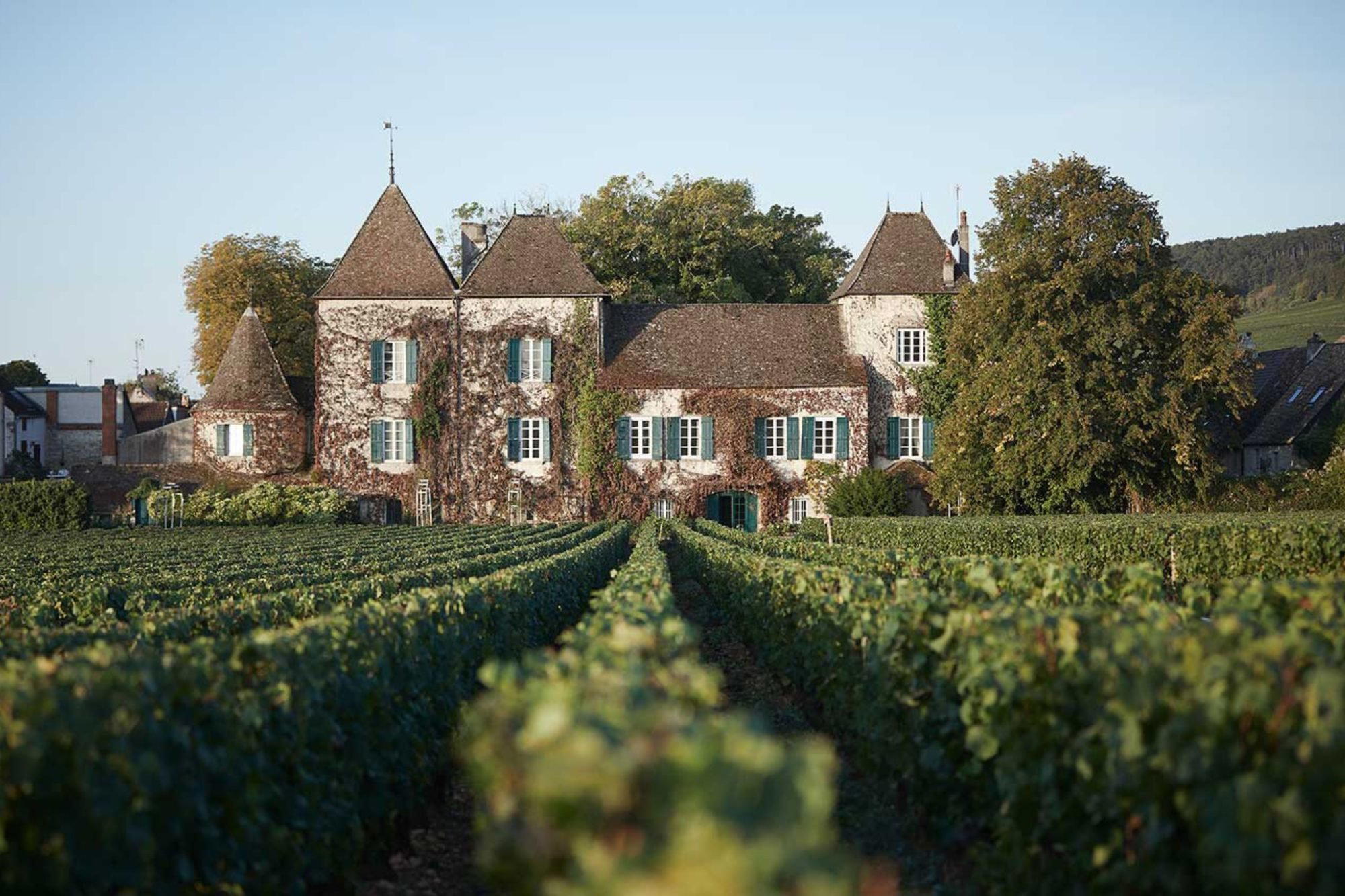
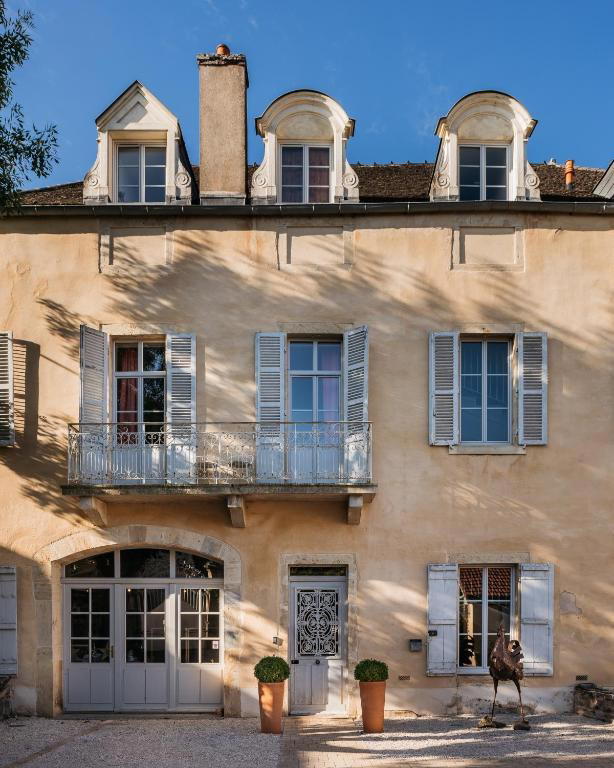
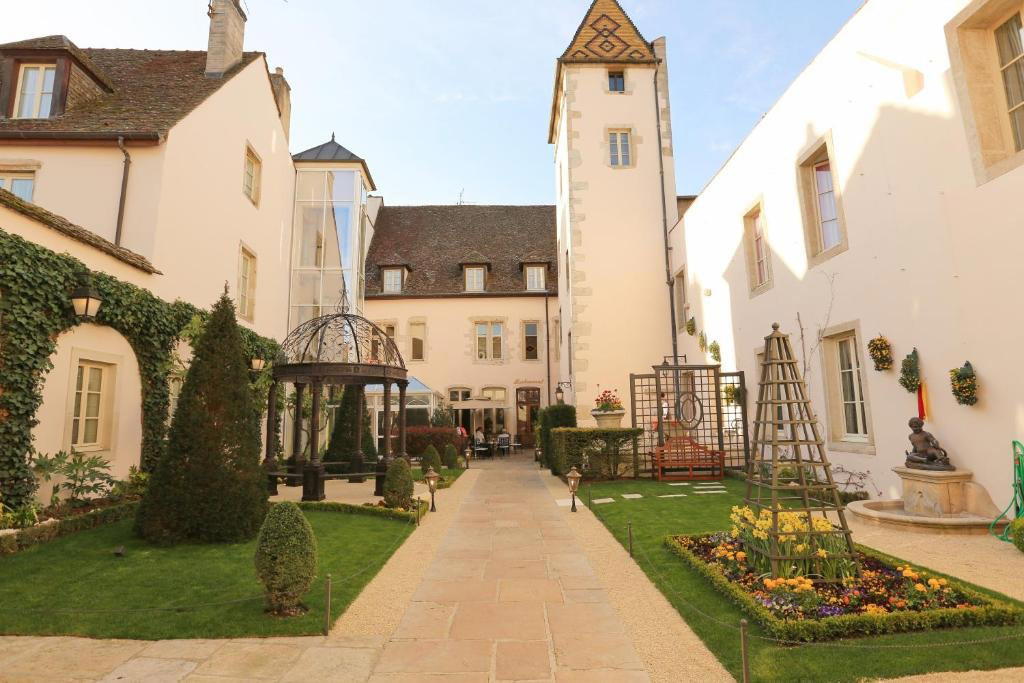
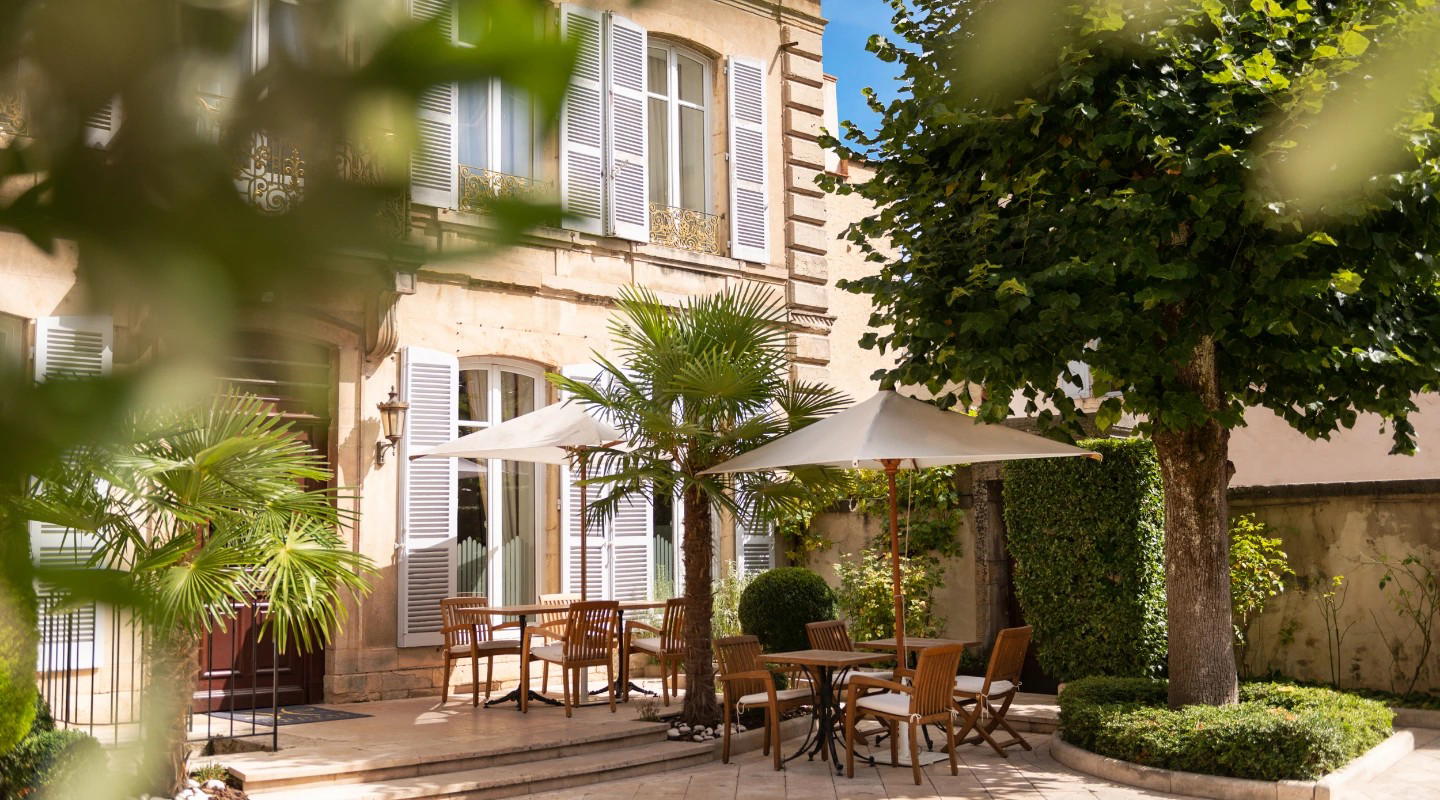
The address on Rue du Pied de la Vallée places the domaine firmly inside the village core, where historic cellars and working winery buildings line narrow lanes that function simultaneously as residential streets and wine tourism corridors. Arriving on foot or by car, the architectural register is consistently sober: stone facades, modest signage, no theatrical gatehouse architecture. Volnay does not perform prestige in the way that certain Médoc châteaux do. The statement is made in the glass, and the buildings reflect that priority. The same restraint defines the wider peer group in the village, including Domaine Marquis d'Angerville, Domaine de la Pousse d'Or, Domaine Michel Lafarge, and Domaine Thomas Bouley.
Étienne de Montille and the Domaine's Direction
Winemaker philosophy at Domaine de Montille is inseparable from the broader conversation about where serious Burgundy sits on the intervention spectrum. Étienne de Montille represents a generation that inherited both significant vineyards and a defined stylistic identity, and the domaine's approach has consistently prioritised the expression of individual parcels over winemaking signatures. In a region where the difference between a village wine and a premier cru should be legible in the bottle, that restraint is a governing principle rather than a marketing position.
The domaine's holdings extend across several of Volnay's key premier cru designations, which means the portfolio functions as a comparative study of the appellation's varied exposures and soils. Where some domaines focus on a single flagship wine, Domaine de Montille's range invites drinkers to read across vineyards, tracking how slope aspect and limestone depth shift the character of the same grape within a few hundred metres. That kind of granularity is precisely what draws serious collectors to Volnay rather than to larger, more standardised appellations.
The 1863 first vintage is not merely a founding date: it signals a continuity of place-based knowledge that cannot be replicated by newer entrants, however technically accomplished. In Burgundy's hierarchy, vine age and accumulated site understanding carry weight that no financial investment alone can accelerate. Domaine de Montille's century-and-a-half of uninterrupted production places it in a category of institutional knowledge that the village's younger domaines are only beginning to accrue.
How Domaine de Montille Sits Within the Appellation
Volnay's premium tier is defined by a cluster of historically rooted domaines whose wines trade on allocation and whose reputations are tracked closely by Burgundy's specialist merchant network.
The competitive set in Volnay is unusually coherent. The appellations's size keeps the number of serious players manageable, and the style consensus is strong enough that deviations are immediately legible. Wines that lean toward excessive extraction or heavy oak read as foreign to the appellation's character, and the domaines that have maintained long-term reputations have generally been those that resisted those stylistic pressures during periods when they were commercially fashionable. Domaine de Montille's consistency across multiple decades of changing Burgundy fashion is a data point in its favour.
Beyond Volnay, the domaine's portfolio has expanded to include holdings in other parts of the Côte de Nuits and Côte de Beaune, which places it in a slightly different structural position from the strictly village-focused producers. That breadth adds range for collectors who want a single-domaine view across multiple appellations, though the Volnay wines remain the core reference point for most buyers. For comparison, other French producers building their reputations around place-specific precision include Albert Boxler in Niedermorschwihr, while the Bordeaux world offers a different model of estate identity through addresses such as Château Bélair-Monange in Saint-Emilion, Château Batailley in Pauillac, Château Branaire Ducru in St-Julien, Château Bastor-Lamontagne in Preignac, Château Boyd-Cantenac in Cantenac, and Château Cantemerle in Haut-Médoc.
Planning a Visit to Domaine de Montille
Volnay receives a steady stream of serious wine visitors, particularly during the autumn harvest window and the spring en primeur season when trade buyers and collectors move through the Côte de Beaune in sequence. The village is compact enough to visit on foot once you have parked, and the concentration of producers means that a single day can cover several appointments without logistical strain. Domaine de Montille does not operate an open-door tasting room in the commercial sense; appointments are the standard model for any serious producer in the village, and advance contact is required.
For broader context on eating, drinking, and moving around the area, the full Volnay guide covers the village's key producers and practical visitor information in detail.
Budget Reality Check
Comparable venues nearby, for context on price, style, and recognition.
| Venue | Cuisine | Price | Awards |
|---|---|---|---|
| Domaine de MontilleThis venue — the venue you are viewing | Volnay, Pinot Noir, Chardonnay | $50–100 | Michelin 1 Grape |
| Domaine Marquis d'Angerville | Volnay, Pinot Noir, Chardonnay | Not listed | Michelin 1 Grape · Falstaff Winery - Listed |
| Domaine Thomas Bouley | Volnay, Pinot Noir, Chardonnay | Not listed | Michelin 3 Grapes · Falstaff Winery - Listed |
| Domaine de la Pousse d'Or | Volnay, Pinot Noir, Chardonnay | Not listed | Falstaff Winery - Listed |
| Domaine Michel Lafarge | Volnay, Pinot Noir, Chardonnay | Not listed | Michelin 1 Grape · Falstaff Winery - Listed |
| Château de Pommard | Pommard, Pinot Noir, Chardonnay | $50–100 | Falstaff Winery - Listed |
Recognition history
Dated appearances from independent guides and award organizations, with the underlying list record or original source where available.
Michelin 1 Grape
Michelin · 2026 Michelin 1 Grape - Burgundy
Continue exploring
More in Volnay
Wineries in Volnay
Browse all →
Bars in Volnay
Browse all →
Restaurants in Volnay
Browse all →
Details
- Classic
- Elegant
- Sophisticated
- Quiet
- Well Known
- Wine Education
- Special Occasion
- Solo Exploration
- Group Outing
- Historic Building
- Vineyard Tour
- Private Tasting
- Biodynamic
- Organic
- Sustainable
- Vineyard
- Pinot Noir
- Chardonnay
- Still Red
- Still White
- Private Tasting
- Appointment Tasting
- French
- English
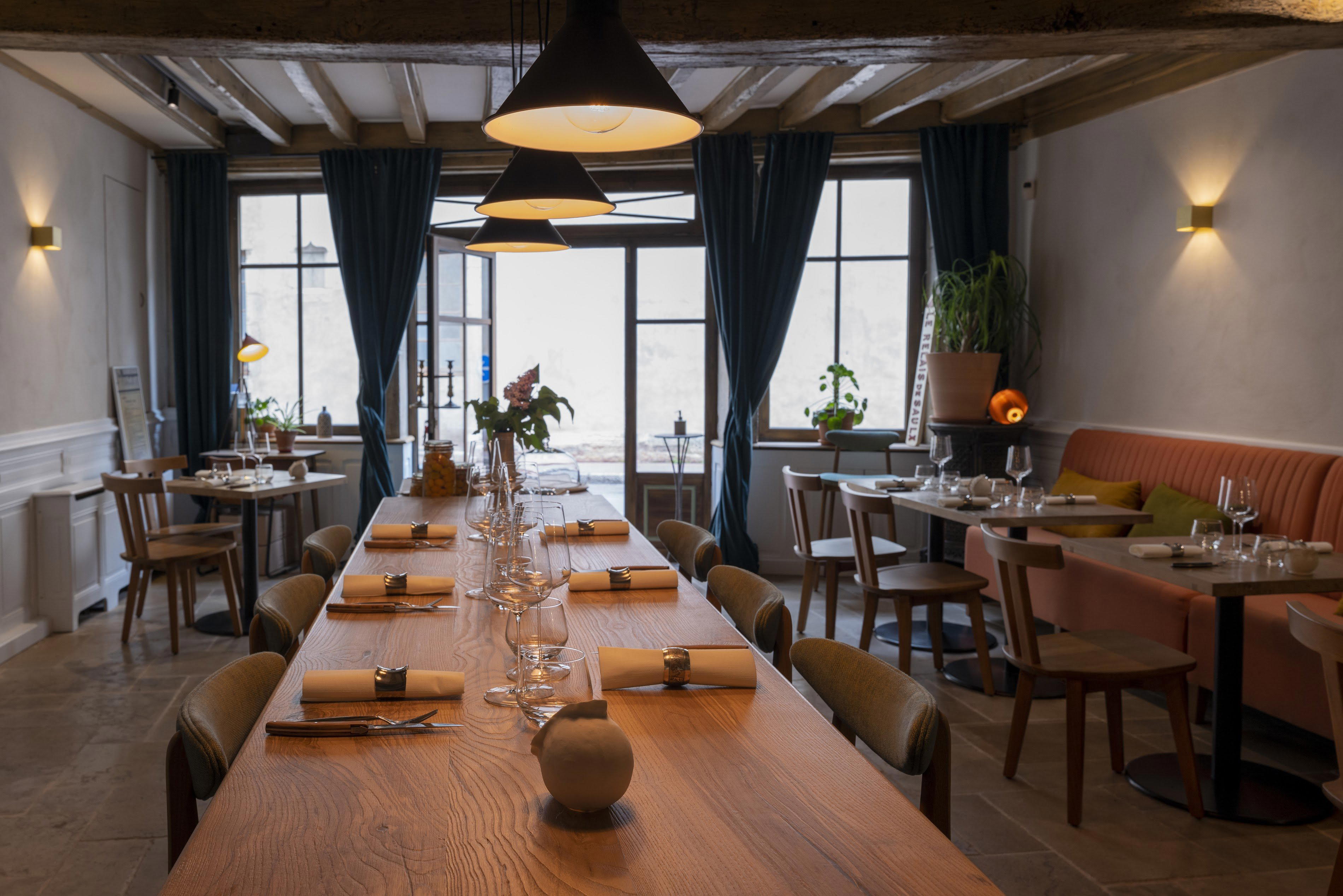
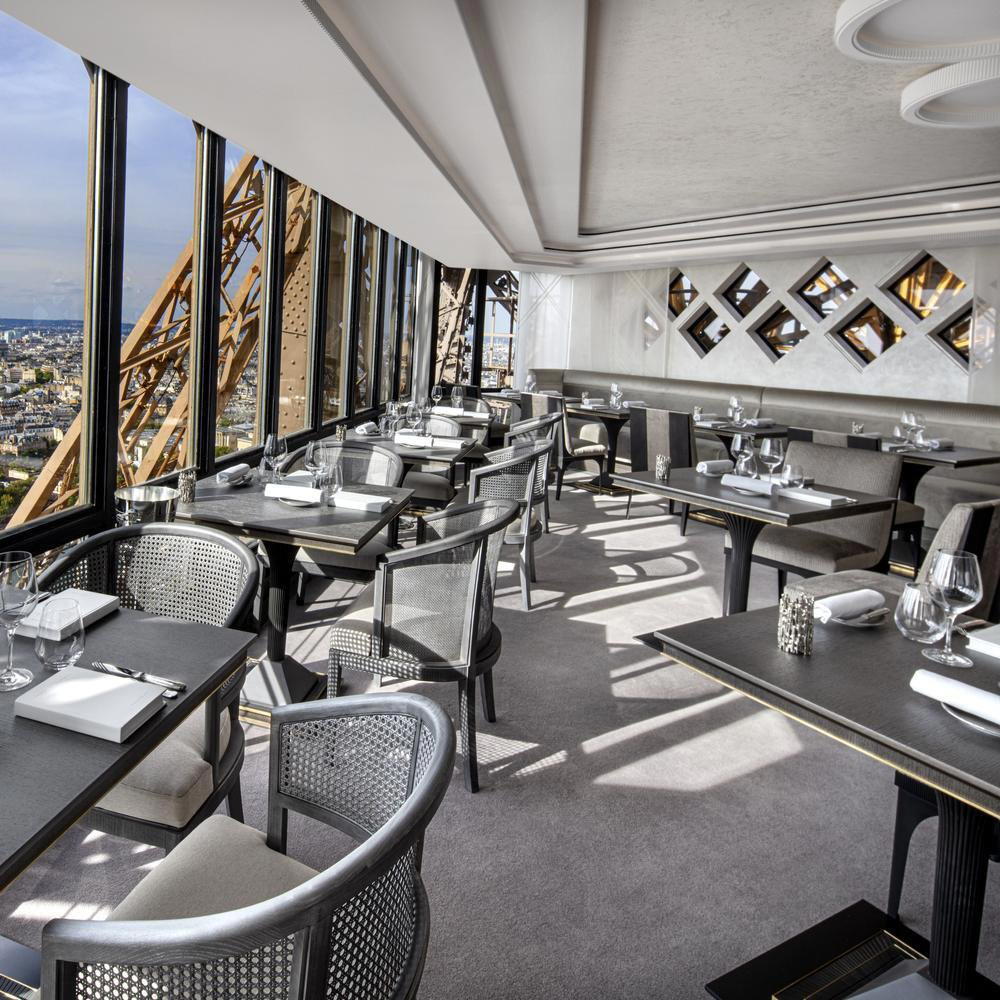
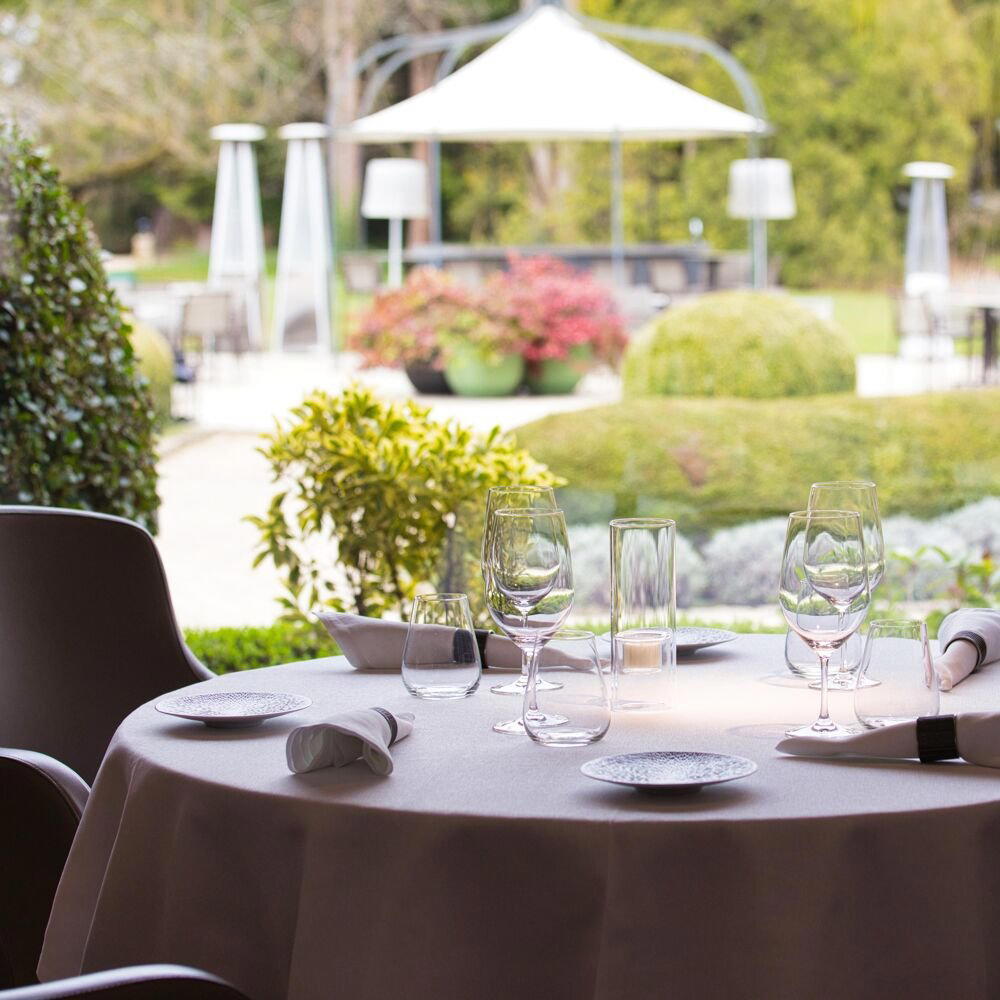
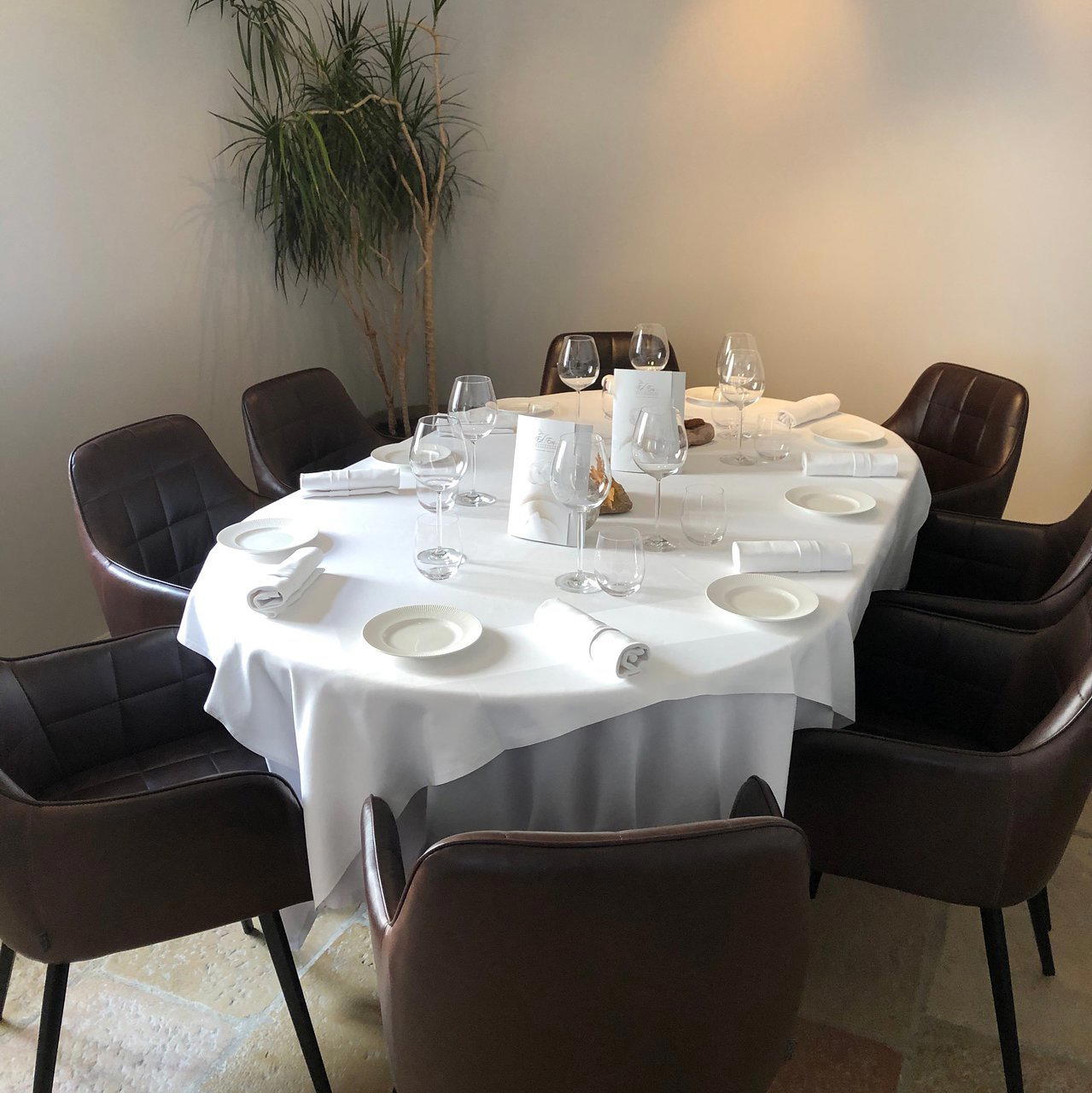
Historic, refined Burgundy estate atmosphere with an emphasis on terroir, purity, and classic winemaking heritage.