Domaine Georges Mugneret-Gibourg

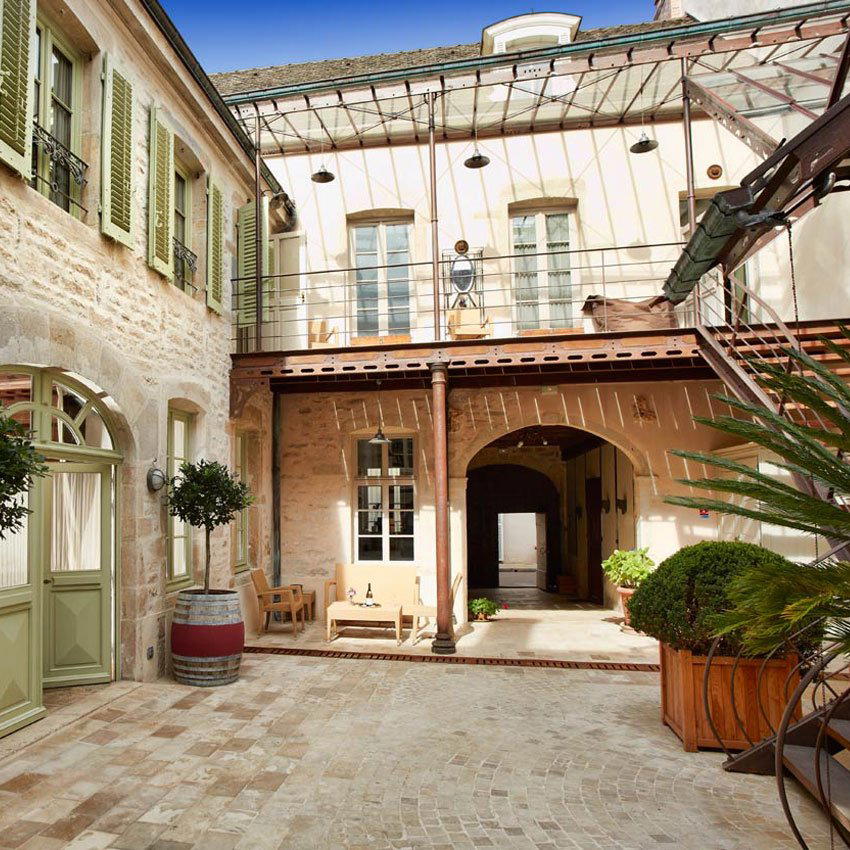
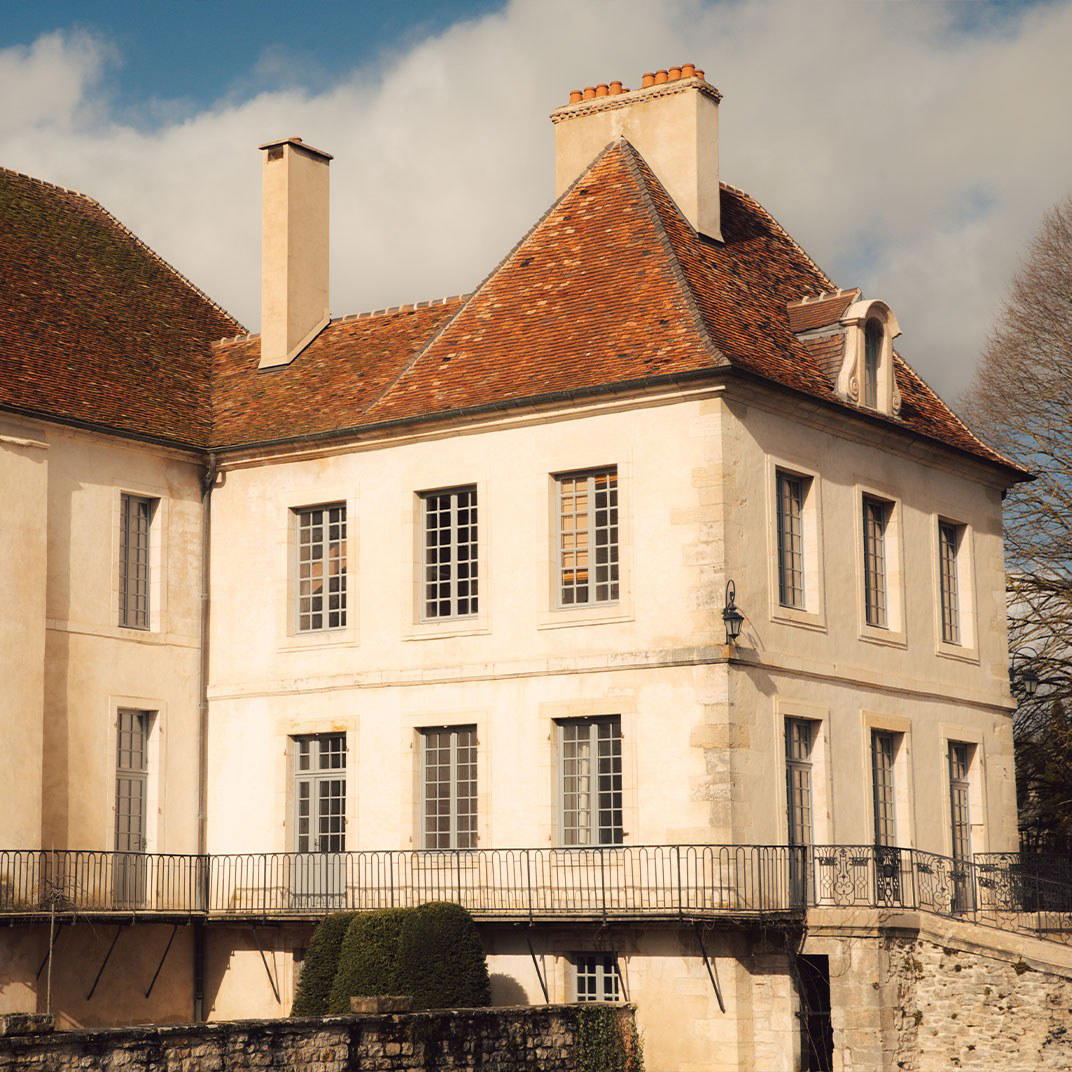
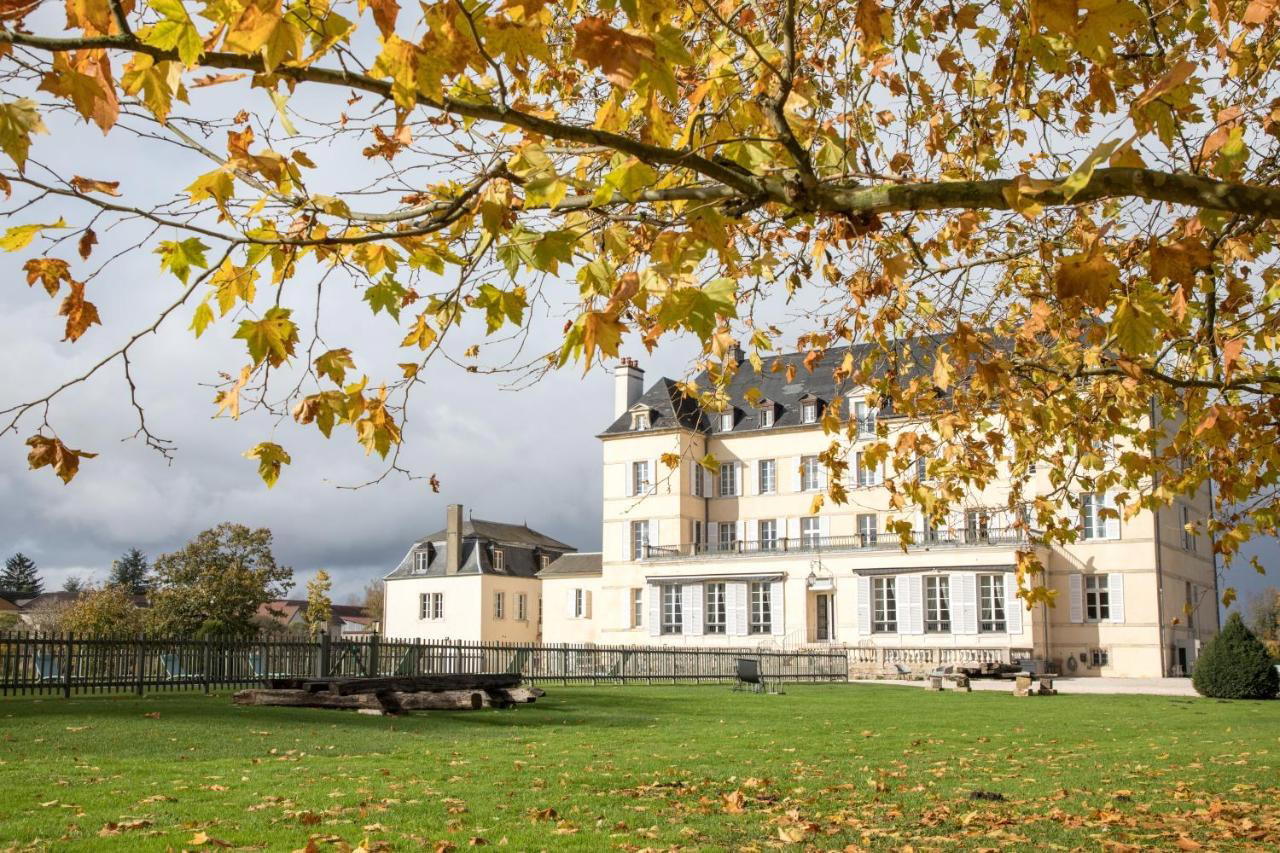
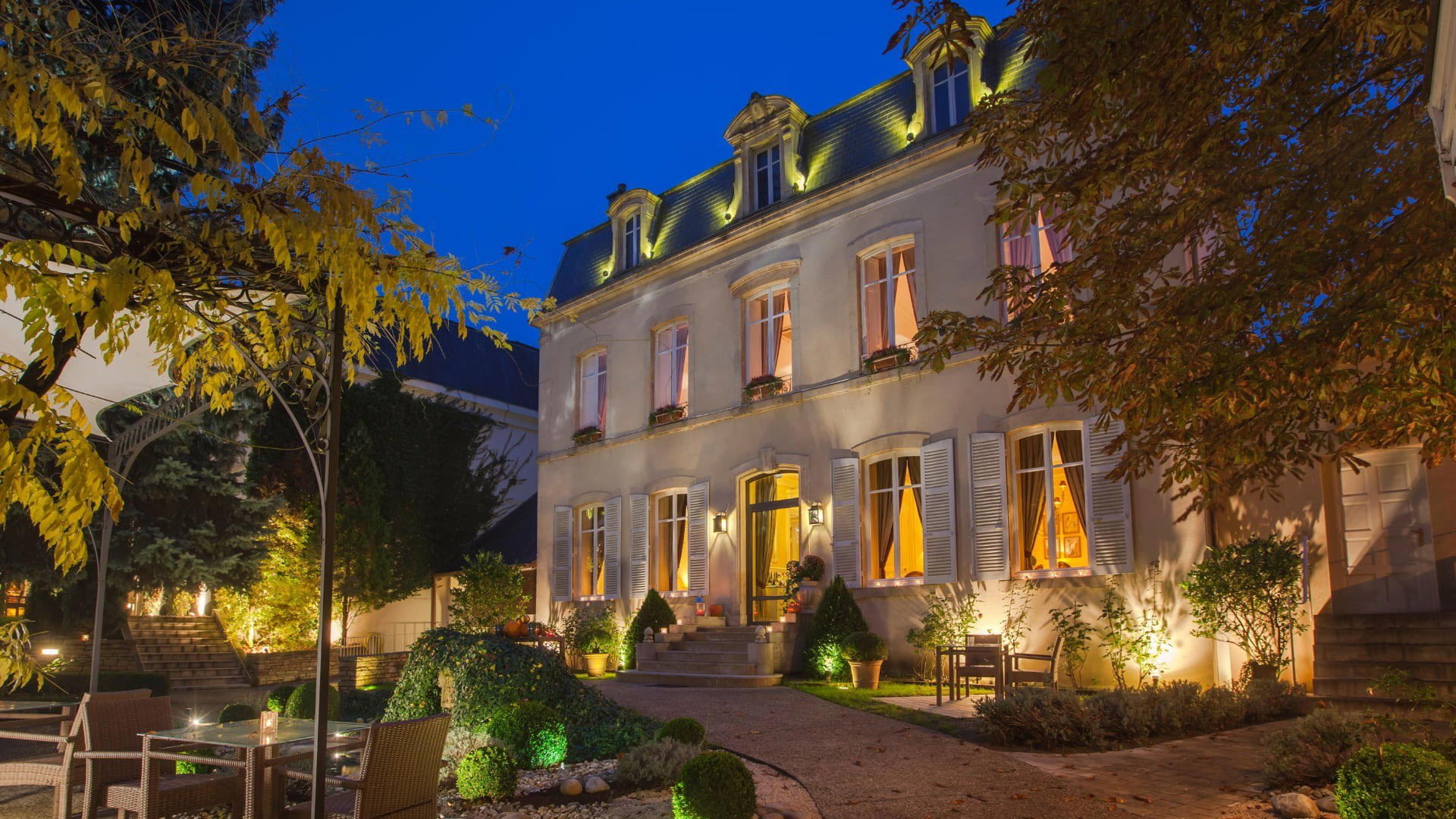
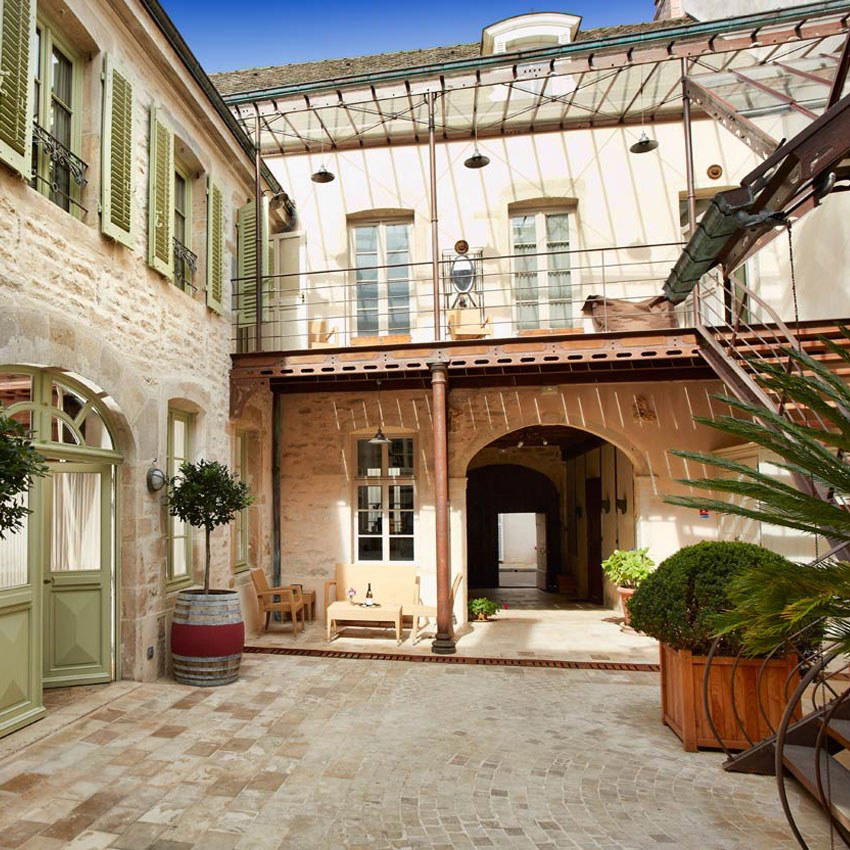
Domaine Georges Mugneret-Gibourg runs cave tastings and vineyard tours from a historic building at 5 Rue des Communes in Vosne-Romanée, with quiet, smart-casual visits and vineyard views.
Pearl is the En Primeur Club membership app — saves, bookings, and concierge access live there. Same editors, same standards.
- Address
- 5 Rue des Communes, 21700 Vosne-Romanée
- Phone
- +33 3 80 61 01 57
- Website
- mugneret-gibourg.com
- Directions
- Get directions
 Saves & bookings on Pearl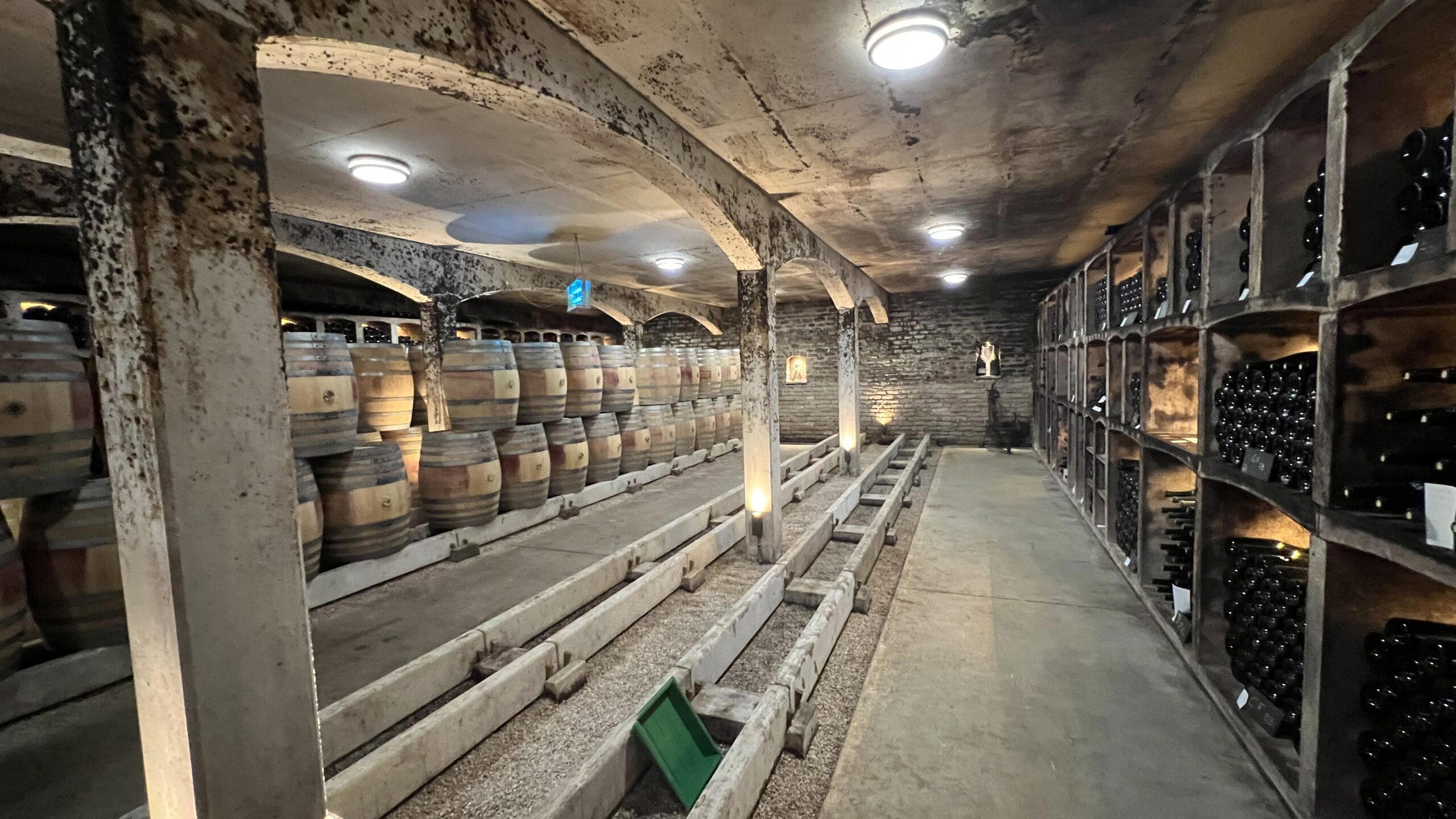
The Vosne-Romanée appellation has produced a lineage of domaines whose cellar protocols, whole-cluster inclusion, extended maceration, barrel programs that balance new oak against the Pinot Noir structure, define the reference standard for Burgundy's Côte de Nuits. Domaine Georges Mugneret-Gibourg sits inside that lineage, working from parcels across Vosne-Romanée, Nuits-Saint-Georges, and Chambolle-Musigny, with a cellar program shaped by the Mugneret family's five-generation transmission of technique. Marie-Christine Mugneret has run the domaine since 2009, following the death of her mother Marie-Andrée Mugneret, whose thirty-year tenure (1979–2009) established the house's contemporary profile. The domaine produces approximately 40,000 bottles annually across fourteen appellations, with holdings in premier cru and village-level Vosne-Romanée forming the core of the portfolio.
The Mugneret name splits across two separate domaines in Vosne-Romanée, Domaine Gérard Mugneret, run by Pascal Mugneret, and Domaine Georges Mugneret-Gibourg, which descends through the female line from Georges Mugneret (1931–1988) and his wife Jacqueline Gibourg. Georges Mugneret established the domaine in the 1950s, consolidating parcels from both the Mugneret and Gibourg families; his daughter Marie-Andrée took the cellar in 1979 and expanded the holdings through the 1980s and 1990s, acquiring parcels in Échezeaux and Clos de Vougeot. Marie-Christine Mugneret trained alongside her mother from the late 1990s and assumed full control in 2009, maintaining the cellar protocols her mother had refined over three decades. The succession is entirely documented in The Wines of Burgundy (Clive Coates, 2008) and in annual domaine profiles in Vinous and Decanter.
Domaine's premier cru holdings include Vosne-Romanée Les Chaumes (0.35 hectares), Nuits-Saint-Georges Les Chaignots (0.70 hectares), and Chambolle-Musigny Les Feusselottes (0.50 hectares). Village-level Vosne-Romanée is sourced from multiple parcels totaling approximately 2.5 hectares, with a portion of the fruit coming from vines planted in the 1920s and 1930s. The grand cru holdings, Échezeaux (0.67 hectares) and Clos de Vougeot (0.30 hectares, mid-slope), were acquired by Marie-Andrée Mugneret in the 1980s and represent the top of the domaine's hierarchy. Annual production per cuvée ranges from 1,200 bottles (Clos de Vougeot) to approximately 6,000 bottles (village Vosne-Romanée).
Cellar Protocols and Oak Regime
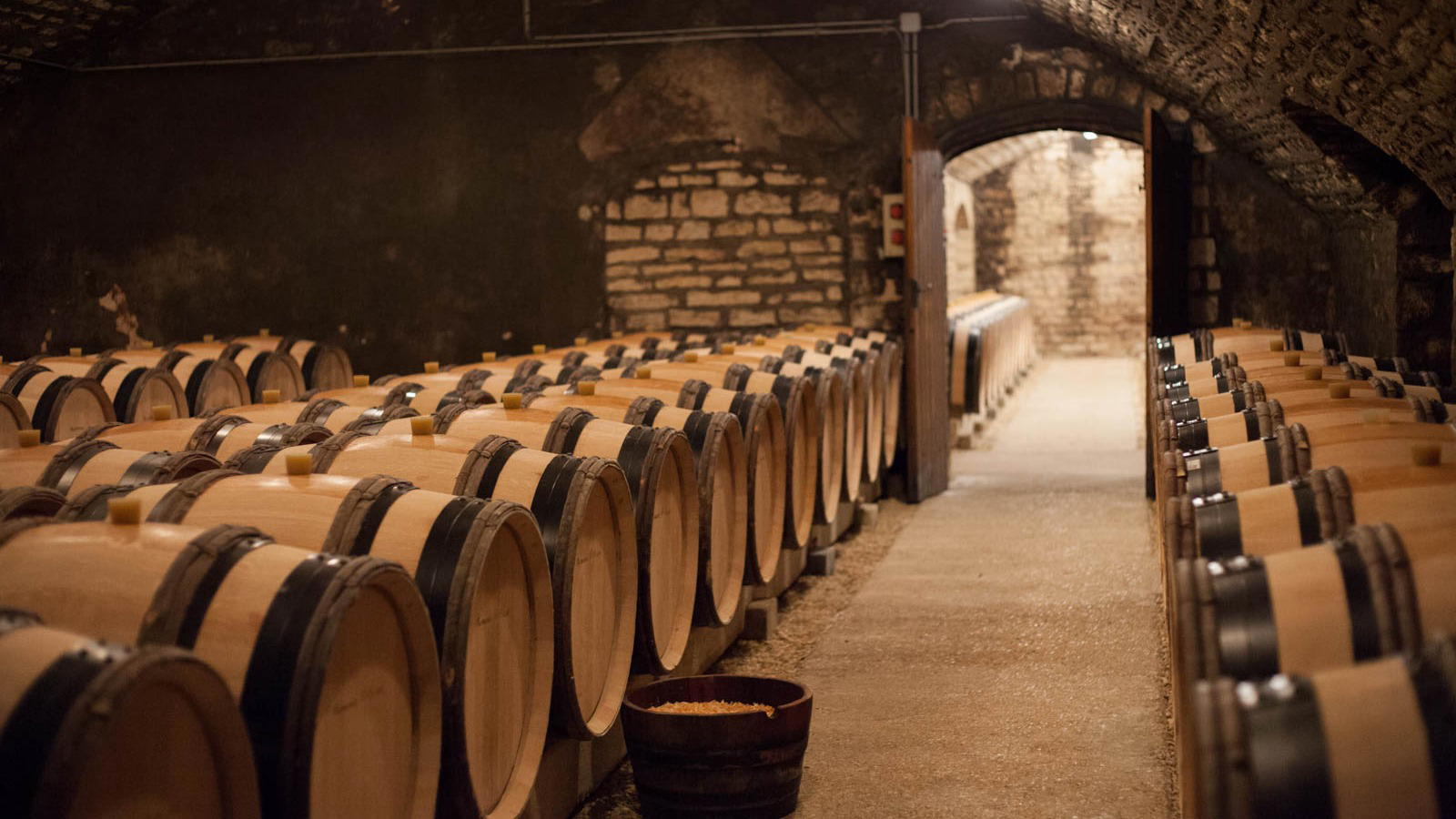
Mugneret-Gibourg's cellar protocol sits inside the moderate-extraction camp of Vosne-Romanée winemaking, closer to the restrained style of Domaine Cécile Tremblay in Morey-Saint-Denis than to the richer, darker extraction associated with Domaine Arnoux-Lachaux. Whole-cluster inclusion varies by vintage and appellation, typically running 30% to 50% for village Vosne-Romanée and premier cru bottlings, and 50% to 80% for the Échezeaux and Clos de Vougeot cuvées. Marie-Christine Mugneret has stated in trade interviews that whole-cluster decisions are made by tasting the stems at harvest; the protocol is vintage-specific rather than fixed across years. Cold maceration runs five to seven days at approximately 12°C before fermentation begins; total cuvaison (maceration plus fermentation) extends sixteen to twenty-one days depending on the cuvée and the vintage tannin structure.
The oak regime favors François Frères barrels, with new-oak percentages ranging from 30% for village Vosne-Romanée to 50% for Échezeaux and Clos de Vougeot. Barrel aging extends sixteen to eighteen months, followed by a light fining (typically egg white) and bottling without filtration. The élevage timeline places Mugneret-Gibourg in the middle of the Burgundy spectrum, shorter than the twenty-four-month programs at Domaine Leroy, longer than the fourteen-month protocols common among high-volume négociants. Sulfur additions are kept to approximately 30 to 40 mg/L total SO2 at bottling, within the low-intervention range but not at the vin nature floor.
Peer-Set Positioning Inside Vosne-Romanée
Vosne-Romanée's domaine landscape stratifies by holding quality, cellar scale, and market access. At the leading sits Domaine de la Romanée-Conti, whose grand cru monopoles (Romanée-Conti, La Tâche) and allocation-only distribution set a pricing and access ceiling no other Burgundy producer approaches. Below that apex, a cluster of family domaines, Mugneret-Gibourg, Domaine Gérard Mugneret, Domaine Jean Grivot, Domaine Sylvain Cathiard, Domaine Méo-Camuzet, work premier cru and village-level parcels with annual production between 30,000 and 70,000 bottles. Mugneret-Gibourg's holdings across three appellations (Vosne-Romanée, Nuits-Saint-Georges, Chambolle-Musigny) give the domaine a broader geographic spread than many Vosne-Romanée peers, who concentrate holdings within a single village.
The domaine's market position reflects its premier cru and grand cru allocations: release prices for the Échezeaux cuvée sit between €150 and €200 per bottle ex-cellar (trade pricing, vintage-dependent), placing it in the same bracket as premier cru bottlings from Domaine Arnoux-Lachaux and village-level Vosne-Romanée from Domaine Sylvain Cathiard. Secondary-market pricing for mature vintages (2005, 2009, 2010, 2015) runs 200% to 300% above release, a multiple consistent with upper-tier Vosne-Romanée producers but below the 500%-plus multiples commanded by DRC and a handful of micro-production domaines. Distribution is handled through a traditional Burgundy allocation model: the majority of production is sold to long-term négociant and restaurant clients in France, the United States, and the United Kingdom, with a small portion available for direct purchase at the domaine by appointment.
Vineyard Work and Generational Transition
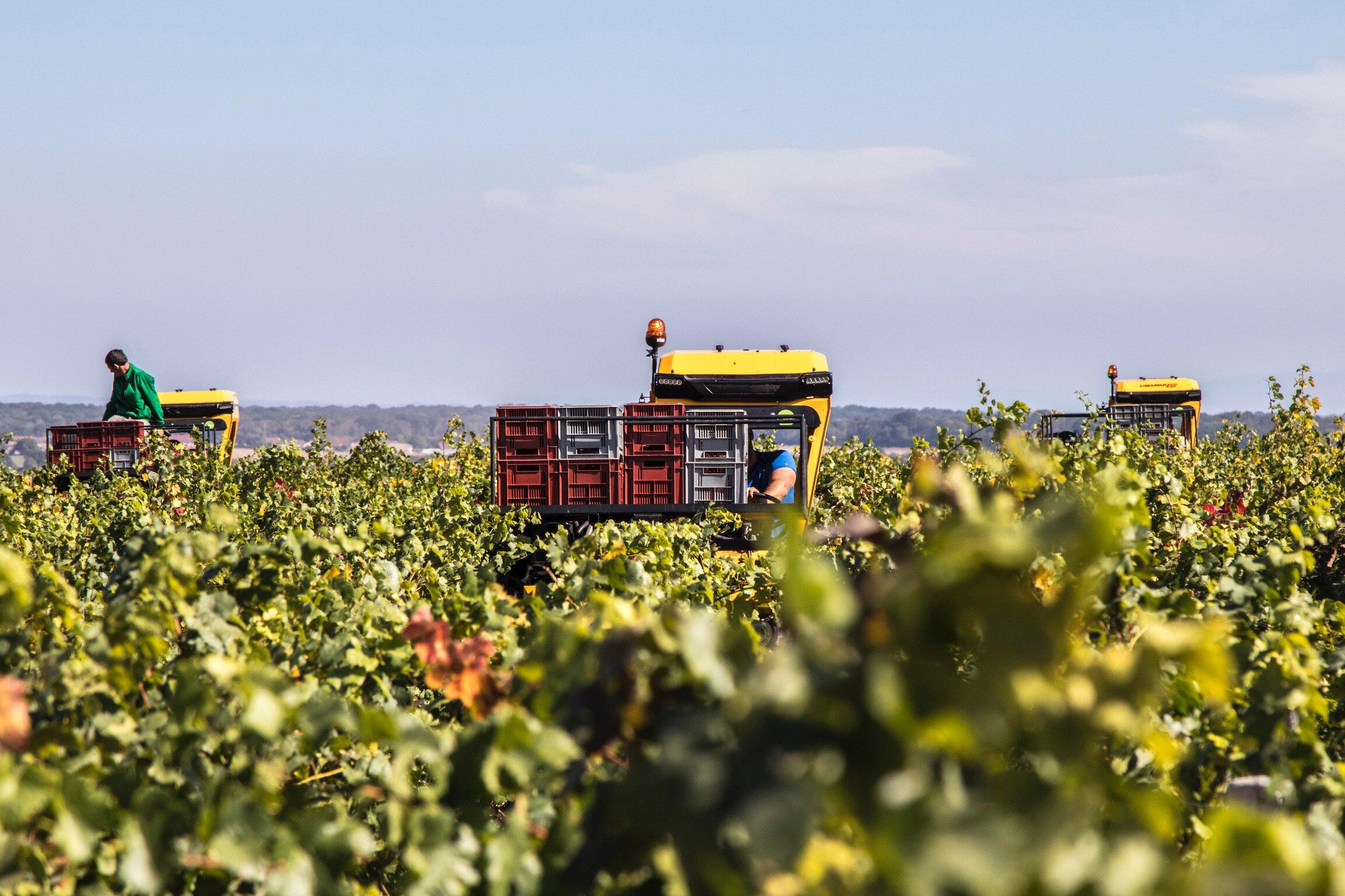
Mugneret-Gibourg converted to organic viticulture in the early 2000s under Marie-Andrée Mugneret, earning Ecocert certification in 2008, one year before Marie-Christine took over. The vineyard program uses cover crops, green manure, and biodynamic preparations (500, 501) on a trial basis, though the domaine does not pursue full biodynamic certification. Pruning follows the Guyot simple system across most parcels, with cordon training used in older sections of the Vosne-Romanée village holdings. Yields are managed through green harvest and bunch thinning, targeting approximately 35 to 40 hectoliters per hectare for premier cru and grand cru parcels, within the appellation maximum but below the 45 to 50 hL/ha common among volume producers.
Marie-Christine Mugneret's tenure since 2009 has maintained the cellar protocols established by her mother, with incremental adjustments to whole-cluster inclusion and to barrel sourcing. The 2010, 2015, and 2019 vintages have been highlighted in trade reviews from Vinous, Decanter, and Burghound as examples of the domaine's current style, structured, floral, with firm tannins in youth and a fifteen-to-twenty-year aging arc typical of premier cru Vosne-Romanée. The domaine does not engage in promotional tastings or public events; access is through trade channels and by appointment at the domaine in Vosne-Romanée. No visitor center, no tasting room open to walk-in traffic.
Appellation Spread and Cuvée Hierarchy
Mugneret-Gibourg's portfolio structure reflects the multi-appellation holdings common among mid-sized Burgundy domaines. The base of the range includes Bourgogne Rouge (approximately 3,000 bottles annually) and Bourgogne Hautes-Côtes de Nuits (approximately 2,500 bottles), both sourced from parcels outside the core Vosne-Romanée holdings. Village-level Vosne-Romanée accounts for the largest single production volume, followed by Nuits-Saint-Georges (village and premier cru combined) and Chambolle-Musigny Les Feusselottes. The grand cru cuvées, Échezeaux and Clos de Vougeot, are produced in the smallest volumes and command the highest release prices, but the domaine's reputation rests primarily on the premier cru Vosne-Romanée Les Chaumes and Nuits-Saint-Georges Les Chaignots bottlings, both of which are cited regularly in Burghound and Vinous vintage reports as reference-standard examples of their respective appellations.
The Chambolle-Musigny Les Feusselottes cuvée occupies a distinct position within the portfolio: the parcel sits on the Vosne-Romanée border, and the wine's profile, floral, lighter in body, with higher-toned red fruit, reads as Chambolle rather than as Vosne. The cuvée is often compared in trade reviews to the Chambolle-Musigny bottlings from Domaine Georges Roumier, though at a lower price point and with wider availability. Annual production runs approximately 2,000 bottles, placing it in the middle of the domaine's output hierarchy.
Access Structure and Trade Distribution
Mugneret-Gibourg operates on a traditional Burgundy allocation model. The domaine does not maintain a retail shop or an online storefront; approximately 80% of annual production is sold to négociants, importers, and restaurant clients under long-term contracts, with the remaining 20% available for direct purchase by appointment at the domaine. Allocation lists are managed through the domaine's négociant partnerships, primarily with Becky Wasserman in the United States, Corney & Barrow in the United Kingdom, and a handful of French importers for the domestic market. Retail pricing on the secondary market reflects the domaine's allocation structure: bottles are difficult to source outside of established trade channels, and secondary-market premiums run high relative to release prices.
The domaine's direct-sales protocol requires advance appointment and operates on a first-come, first-served basis for existing clients; new clients are added to the allocation list on a waiting basis, with priority given to trade buyers and restaurant sommeliers. No walk-in sales, no tasting-room hours, no public tours. The access structure sits at the restrictive end of the Vosne-Romanée spectrum, more open than DRC (which sells nothing at the domaine) but more restricted than larger producers like Domaine Méo-Camuzet, which maintains a tasting room and accepts limited walk-in traffic during harvest season.
Recognition and Trade-Publication Coverage
Mugneret-Gibourg's bottlings are reviewed annually by Burghound (Allen Meadows), Vinous (Neal Martin), and Decanter (Burgundy correspondent reports), with scores typically ranging from 90 to 95 points on the 100-point scale for premier cru and grand cru cuvées. The domaine does not hold Michelin stars or other culinary recognitions, it is a winery, not a restaurant, but its market position and critical reception place it within the upper tier of Vosne-Romanée producers below the monopole-holding apex. The 2015 Échezeaux received a 94-point score from Neal Martin in Vinous (vintage 2015 Burgundy report, published 2017); the 2010 Vosne-Romanée Les Chaumes received a 93-point score from Allen Meadows in Burghound (issue 54, 2014). Both scores are consistent with the domaine's peer-set positioning among upper-tier family domaines in the appellation.
The domaine is listed in Clive Coates's The Wines of Burgundy (2008) and in Jasper Morris's Inside Burgundy (2010) as a reference producer for Vosne-Romanée. No monograph or book-length treatment of the domaine exists, but the family's five-generation lineage and the quality of the premier cru holdings ensure ongoing coverage in annual Burgundy vintage reports across the trade press. The domaine does not engage in marketing or public relations beyond its négociant partnerships and does not participate in promotional tastings or wine fairs. Its reputation is built entirely on the quality of the bottlings and on the allocation-driven scarcity that defines the Burgundy market.
Budget Reality Check
Comparable venues nearby, for context on price, style, and recognition.
| Venue | Cuisine | Price |
|---|---|---|
| Domaine Georges Mugneret-GibourgThis venue — the venue you are viewing | Vosne-Romanée, Pinot Noir | $$$$ |
| Domaine Gros Frère et Sœur | Vosne-Romanée, Pinot Noir, Chardonnay | $$$$ |
| Domaine Jean Grivot | Vosne-Romanée, Pinot Noir, Chardonnay | $$$$ |
| Domaine Bizot | Vosne-Romanée, Pinot Noir, Chardonnay | $$$$ |
| Domaine Leroy | Vosne-Romanée, Pinot Noir, Chardonnay | $$$$ |
| Domaine Mongeard-Mugneret | Vosne-Romanée, Pinot Noir, Chardonnay | $$$$ |
Recognition history
Dated appearances from independent guides and award organizations, with the underlying list record or original source where available.
Michelin 2 Grapes
Michelin · 2026 Michelin 2 Grapes - Burgundy
Continue exploring
More in Vosne-Romanée
Wineries in Vosne-Romanée
Browse all →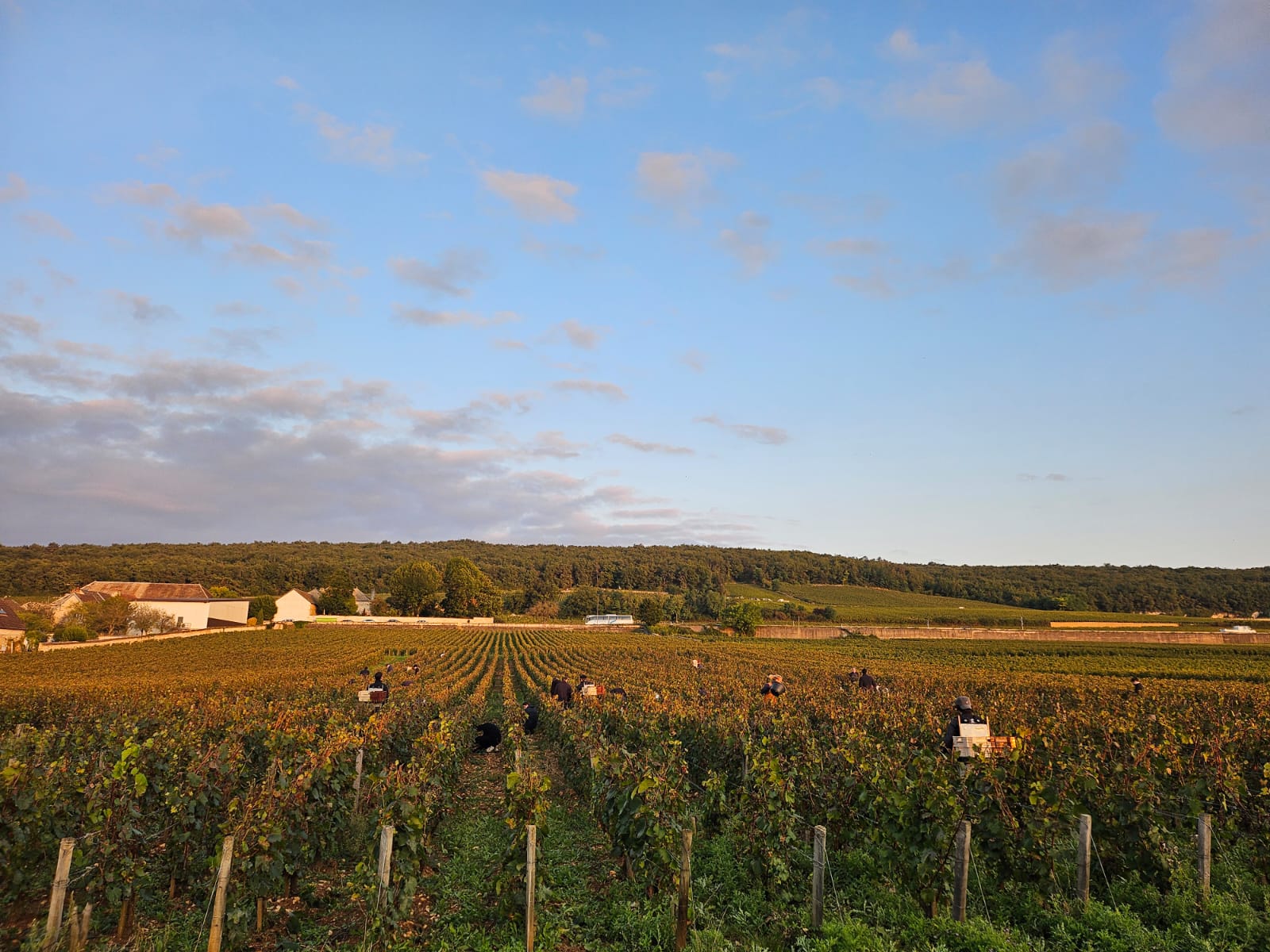
Bars in Vosne-Romanée
Browse all →
Restaurants in Vosne-Romanée
Browse all →
At a Glance
- Elegant
- Classic
- Rustic
- Sophisticated
- Intimate
- Wine Education
- Special Occasion
- Solo Exploration
- Cave Tasting
- Vineyard Tour
- Estate Grounds
- Historic Building
- Sustainable
- Vineyard
- Vosne Romanée AOC
- Pinot Noir
- Still Red
- Cave Tasting
Classic and elegant winery atmosphere focused on terroir expression, with gentle winemaking preserving the delicacy and freshness of Pinot Noir in historic Burgundy cellars.