Domaine Henri & Gilles Buisson

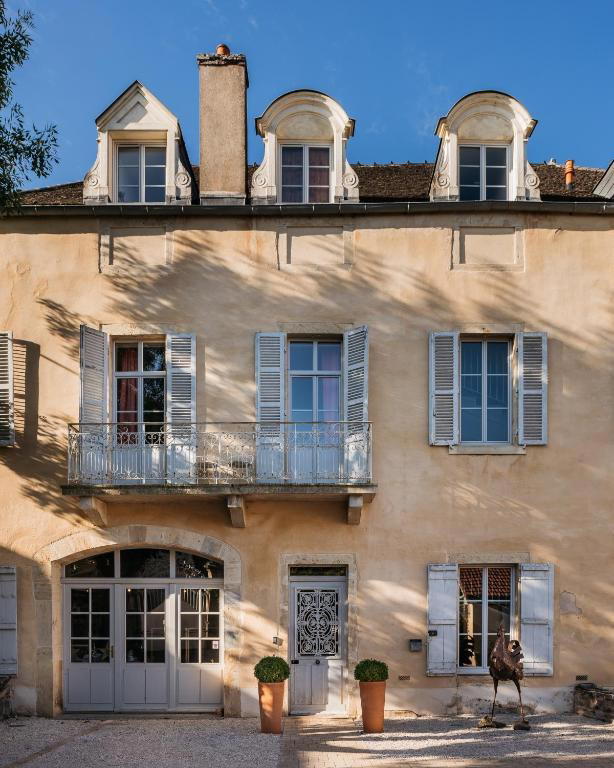
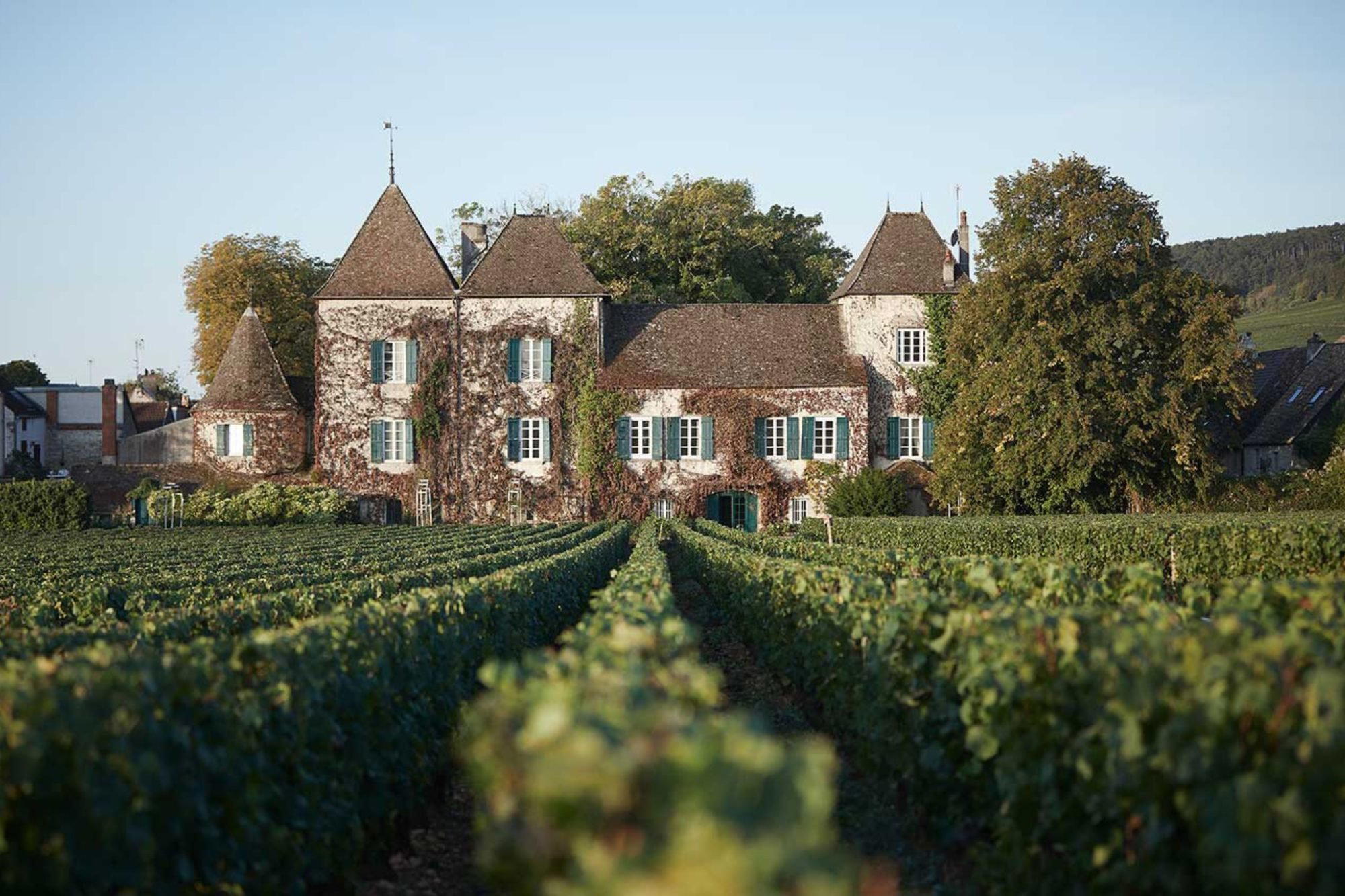
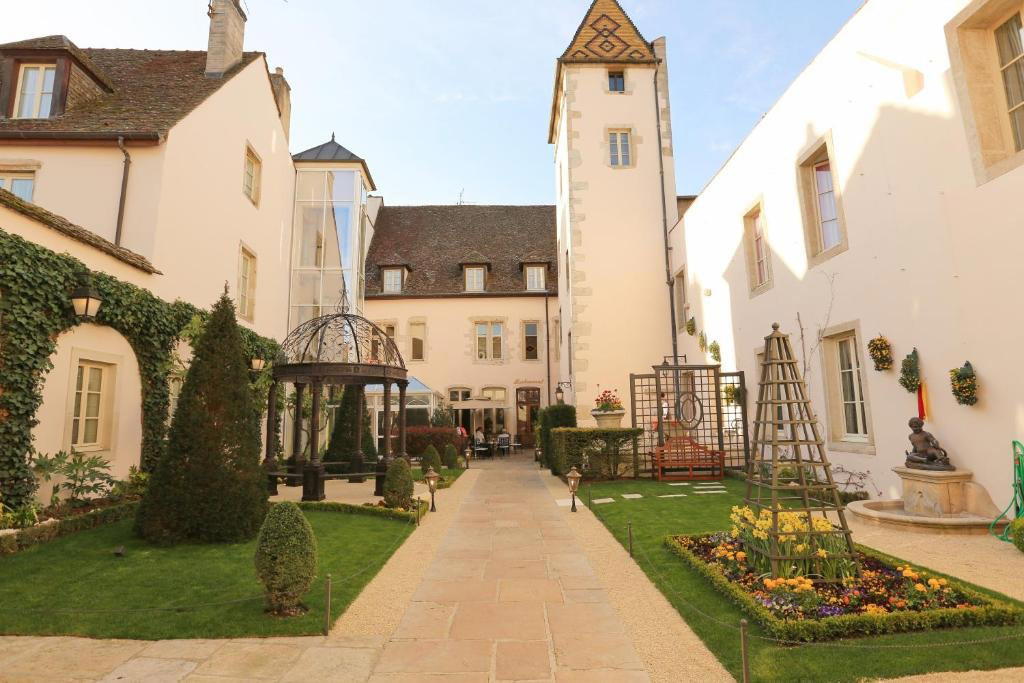
Domaine Henri & Gilles Buisson in Saint-Romain pairs organic, biodynamic production with vineyard views and quiet estate grounds for a slower, focused visit.
Pearl is the En Primeur Club membership app — saves, bookings, and concierge access live there. Same editors, same standards.
- Address
- Imp. du Clou, 21190 Saint-Romain
- Phone
- +33 3 80 21 22 22
- Website
- domaine-buisson.com
- Directions
- Get directions
 Saves & bookings on Pearl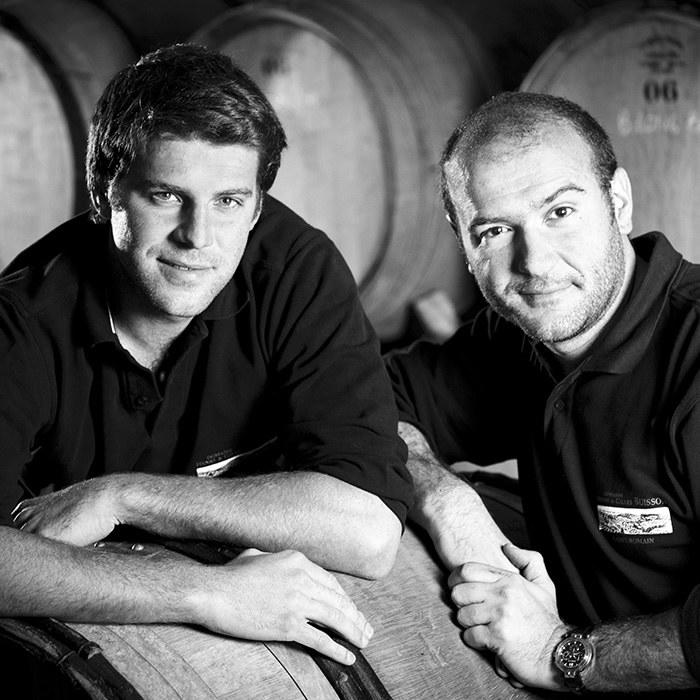
Saint-Romain sits at the western edge of the Côte de Beaune, above the valley floor where Meursault and Auxey-Duresses lie, and the appellation's elevation and exposure produce Burgundy whites and reds that trade richness for tension. Domaine Henri & Gilles Buisson, established in its current form by Henri Buisson in 1947, though the Buisson family's viticultural roots in Saint-Romain extend back generations, is now run by brothers Franck and Frédéric Buisson and works within the classic small-domaine structure that has defined Burgundy viticulture since the post-war parcellisation: estate fruit, domain bottling, minimal intervention in the cellar, and a strong preference for native fermentation and neutral oak over new-wood regimes. The domaine's holdings sit primarily in Saint-Romain itself, with small parcels in the surrounding appellations, and the house style reflects the high-acid, mineral-driven profile that Saint-Romain terroir delivers when farmed with restraint.
Lineage and Estate Structure
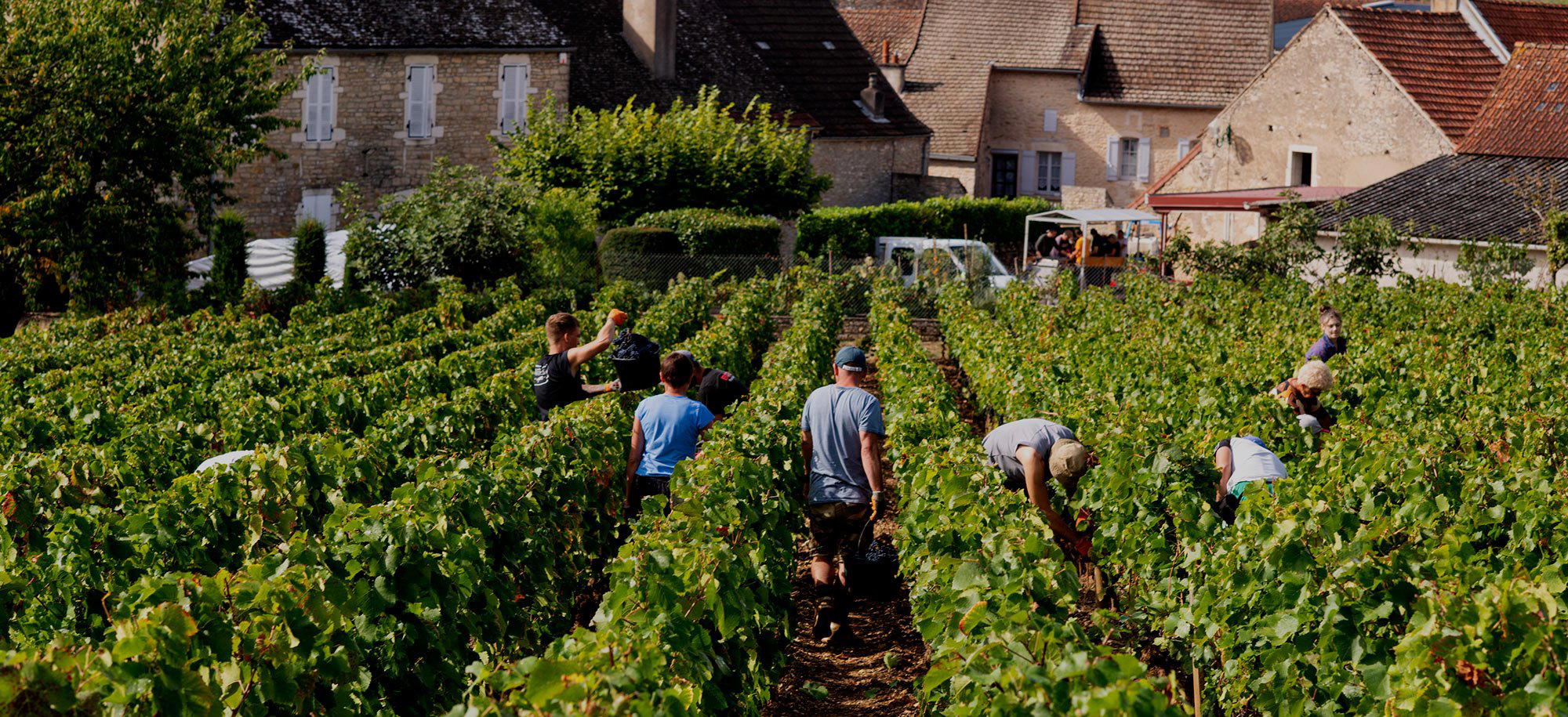
The domaine was established by Henri Buisson in the immediate post-war years, a period when many Burgundy estates were still selling fruit to négoce rather than bottling under their own label. Gilles Buisson took over in the subsequent generation and expanded the estate bottling program, and brothers Franck and Frédéric Buisson have run the cellar since taking over the estate from their father Gilles in 2009. The Buisson family's approach sits inside the traditional Burgundy small-domaine model: hand-harvesting, whole-cluster fermentation on a portion of the reds, indigenous yeast, and barrel aging in older oak rather than the high new-oak percentages that defined the 1990s Burgundy style. The cellar is gravity-fed, the press is vertical, and the aging regime for whites typically runs 12 to 18 months in barrel with minimal batonnage, allowing the high natural acidity of Saint-Romain fruit to structure the wine without winemaker intervention.
The soils are Jurassic limestone with significant clay content at lower elevations and pure limestone at the summit of the slope, and the exposure is generally southwest-facing, though the high elevation (300 to 400 metres) moderates ripening and preserves acidity even in warm vintages. The Buisson holdings include parcels in the lieu-dit Sous le Château, a mid-slope site with good drainage and classic Burgundy limestone bedrock, and the domaine also works fruit from parcels in Auxey-Duresses and Monthélie, both neighbouring appellations that share Saint-Romain's elevation and soil profile.
Winemaking Protocol and Cellar Regime
The Buisson brothers' cellar work is conservative in the Burgundy sense: minimal sulfur at harvest, native fermentation, no fining or filtration at bottling, and a strong preference for older barrels over new wood. The white fermentation typically runs 18 to 24 days in barrel, with the wine staying on fine lees through the winter and receiving only light batonnage in the first six months. The barrel aging regime for whites is 12 to 15 months in 228-litre pièces, with new oak held to under 10 percent across the cellar, and the wines are bottled without fining or filtration, leaving a small amount of sediment in bottle. The reds follow a similar protocol: whole-cluster inclusion varies by vintage and parcel, typically running between 20 and 40 percent, and the fermentation is conducted in open-top wood fermenters with manual pigeage twice daily during the active phase. The red aging regime is 14 to 18 months in barrel, again with minimal new oak, and the wines are bottled without fining and with only a light filtration if the vintage requires it.
The sulfur regime is restrained but not zero-added: typical total SO2 at bottling for the whites sits between 80 and 100 ppm, and the reds run slightly lower, between 60 and 80 ppm. This places the domaine inside the low-intervention camp without crossing into the vin nature category that defines producers like Domaine d'Auvenay or Domaine Leroy, both of which work with even lower sulfur levels and accept higher volatile acidity in exchange for maximum transparency to terroir. The Buisson wines are clean, structured, and built for mid-term aging rather than for immediate consumption, and the house style sits closer to the classic Burgundy profile of the 1980s and early 1990s than to the riper, oakier profile that dominated the late 1990s and early 2000s.
Signature Bottlings and Parcel Selection
The domaine's core bottlings are the Saint-Romain Blanc and Saint-Romain Rouge, both village-level wines that blend fruit from multiple parcels within the appellation. The Saint-Romain Blanc is 100 percent Chardonnay, fermented and aged in barrel, and the wine typically shows high acidity, citrus and white-flower aromatics, and a stony mineral finish that reflects the limestone bedrock. The Saint-Romain Rouge is 100 percent Pinot Noir, fermented with partial whole-cluster inclusion, and the wine sits in the lighter-bodied, high-acid register that Saint-Romain reds occupy, closer to the profile of Domaine Alain Gras in the same appellation than to the denser, more extracted style of Domaine Dugat-Py in Gevrey-Chambertin or Domaine Georges Roumier in Chambolle-Musigny.
The domaine also produces small quantities of Auxey-Duresses Blanc and Monthélie Rouge, both from purchased fruit rather than estate holdings, and these bottlings follow the same cellar protocol as the Saint-Romain wines. The Auxey-Duresses Blanc is fermented in barrel with indigenous yeast and aged for 12 to 15 months in older oak, and the wine shows slightly more body and richness than the Saint-Romain Blanc while maintaining the same high-acid structure. The Monthélie Rouge is vinified with whole-cluster inclusion and aged in barrel for 14 to 16 months, and the wine sits between the Saint-Romain Rouge and a village-level Volnay in terms of density and structure, with red-fruit aromatics, firm tannins, and a long mineral finish.
The domaine does not produce premier cru bottlings, as Saint-Romain itself has no classified premier cru vineyards, and the estate's holdings in Auxey-Duresses and Monthélie are also village-level parcels. This positions the domaine firmly in the entry-level and mid-tier segments of the Burgundy market, where Saint-Romain wines typically trade at one-third to one-half the price of equivalent village-level bottlings from Meursault or Puligny-Montrachet. The trade-off is commercial: Saint-Romain lacks the name recognition and collector demand that drive pricing in the more famous appellations, but the terroir and the winemaking protocols are often indistinguishable from those of the higher-priced villages, and the Buisson wines in particular offer a clear view of classic Burgundy viticulture and cellar work at a significantly lower price point. The domaine's production is small, typical annual output sits between 3,000 and 5,000 cases across all bottlings, and distribution is split between direct sales from the cellar, placements on restaurant lists in France and Belgium, and a small network of importers in the United States, the United Kingdom, and Japan. The wines are not widely allocated in the sense that Domaine de la Romanée-Conti or Coche-Dury bottlings are allocated, but availability is limited by production volume rather than by artificial scarcity, and the domaine does not maintain a formal allocation list or a multi-year waiting list for new buyers.
The Saint-Romain appellation as a whole has gained modest recognition over the past two decades as collectors and sommeliers have looked for value alternatives to the more expensive Côte de Beaune villages, and the Buisson wines have benefited from that broader trend. The domaine's white bottlings in particular have earned placements on serious wine lists in Paris, Lyon, and Brussels, and the wines are occasionally cited in trade publications as exemplars of the Saint-Romain style. The domaine does not participate in the major Burgundy négociant allocations, does not sell fruit to larger houses, and does not produce a négociant line under a separate label, which keeps the estate firmly in the artisan-producer category rather than in the commercial-producer category that defines larger Burgundy operations.
The domaine is open to trade and consumer visits by appointment, with a preference for buyers, sommeliers, and serious collectors over casual tourists. The cellar is located in the village of Saint-Romain itself, a small commune of fewer than 400 residents, and the tasting room is informal, typically conducted in the barrel cellar with Franck or Frédéric Buisson or another family member leading the session. The domaine does not maintain regular public hours, does not offer walk-in tastings, and does not charge a tasting fee for trade visitors. Consumer visitors are generally charged a nominal fee (typically 10 to 15 euros per person) that is waived with purchase, and the domaine requires advance booking by email or phone, with a minimum of two to three days' notice preferred.
The domaine's allocation structure is direct: existing clients receive first access to each vintage, and new buyers are accepted on a case-by-case basis depending on available volume. The wines are released approximately 18 to 24 months after harvest, following the barrel aging period and a short post-bottling rest, and the domaine does not hold back library stock for later release. This places the Buisson wines in the immediate-availability category rather than in the cellar-release category that defines producers like Domaine Cécile Tremblay or Jean-Marc & Thomas Bouley, both of which hold wines in the cellar for extended periods before release. For trade buyers, the domaine offers standard Burgundy terms: payment on delivery, no consignment, and no requirement for multi-vintage purchases or bundled allocations.
For those exploring the broader Burgundy wine region, the domaine sits within easy reach of other Saint-Romain producers and the surrounding Côte de Beaune appellations. The village itself offers limited infrastructure for visitors, there are no hotels within the commune, and restaurant options are minimal, but the domaine is a short drive from Beaune, Meursault, and Puligny-Montrachet, all of which offer more extensive lodging and dining options. For a full view of the area's hospitality landscape, see our Saint-Romain restaurants guide, our Saint-Romain hotels guide, our Saint-Romain bars guide, and our Saint-Romain experiences guide.
Cost Snapshot
Comparable venues nearby, for context on price, style, and recognition.
| Venue | Cuisine | Price | Notes |
|---|---|---|---|
| Domaine Henri & Gilles BuissonThis venue — the venue you are viewing | Saint-Romain, Pinot Noir, Chardonnay | $$$ | Not listed |
| Domaine d'Auvenay | Saint-Romain, Chardonnay, Pinot Noir | $$$$ | Not listed |
| Domaine Chandon de Briailles | Not listed | $$$ | Savigny-lès-Beaune, Pinot Noir, Chardonnay |
| Domaine René Bouvier | Not listed | $$$ | Gevrey-Chambertin, Pinot Noir, Chardonnay |
| Domaine Génot-Boulanger | Meursault, Chardonnay, Pinot Noir | $$$ | Not listed |
| Domaine Bachelet-Monnot | Not listed | $$$ | Dezize-lès-Maranges, Pinot Noir, Chardonnay |
Recognition history
Dated appearances from independent guides and award organizations, with the underlying list record or original source where available.
Falstaff Winery - Listed
Falstaff
Michelin 1 Grape
Michelin · 2026 Michelin 1 Grape - Burgundy
Continue exploring
More in Saint-Romain
Wineries in Saint-Romain
Browse all →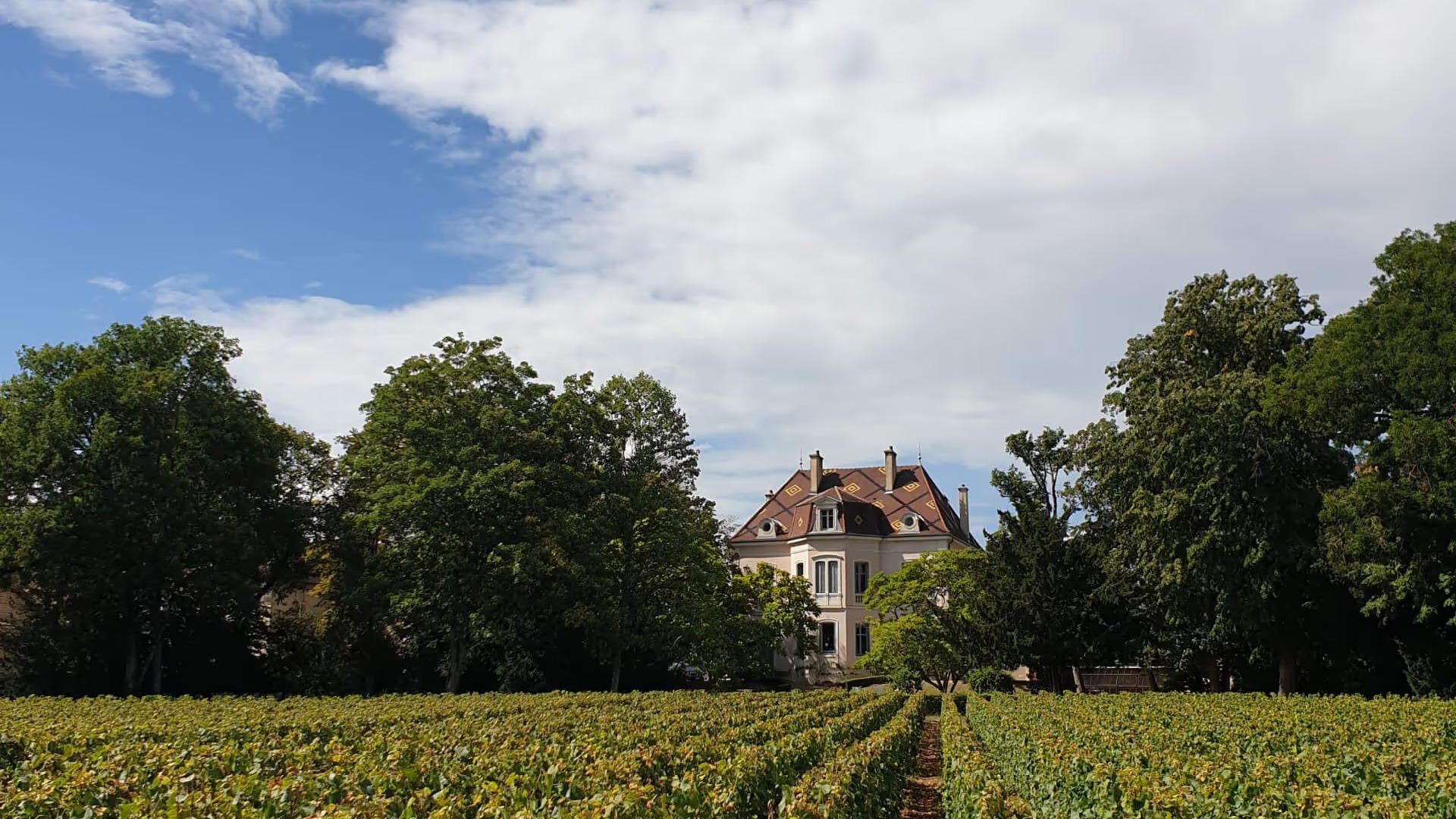
Bars in Saint-Romain
Browse all →
Restaurants in Saint-Romain
Browse all →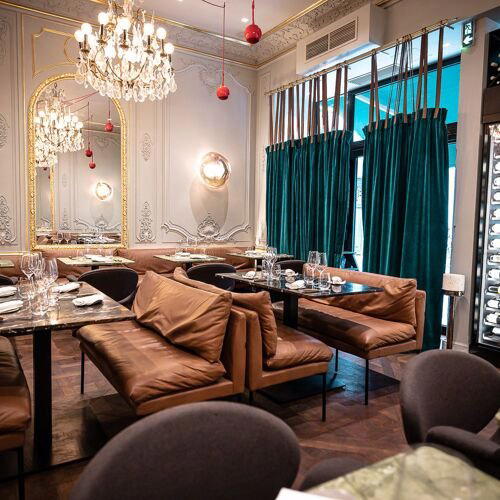
At a Glance
- Quiet
- Rustic
- Classic
- Solo Exploration
- Wine Education
- Special Occasion
- Historic Building
- Private Tasting
- Organic
- Biodynamic
- Vineyard
- Saint Romain AOC
- Pinot Noir
- Chardonnay
- Still Red
- Still White
- Private Tasting
A biodynamic, family-run Burgundy domaine with a strong sustainability ethos and a traditional, terroir-focused cellar culture.