Domaine Leroy


Michelin 3 Grapes · Falstaff Winery - Listed
Domaine Leroy operates from a quiet lane in Vosne-Romanée, producing grands crus and premiers crus under a biodynamic farming model in place since the first vintage in 1988. Access is by arrangement through trade relationships; no public tasting room or booking channel is listed.

Pearl is the En Primeur Club membership app — saves, bookings, and concierge access live there. Same editors, same standards.
- Address
- 15 Rue de la Fontaine, 21700 Vosne-Romanée
- Phone
- +33 3 80 61 10 82
- Website
- domaine-leroy.com
- Directions
- Get directions
A Village, a Ritual, and the Weight of Burgundy's Most Debated Cellar
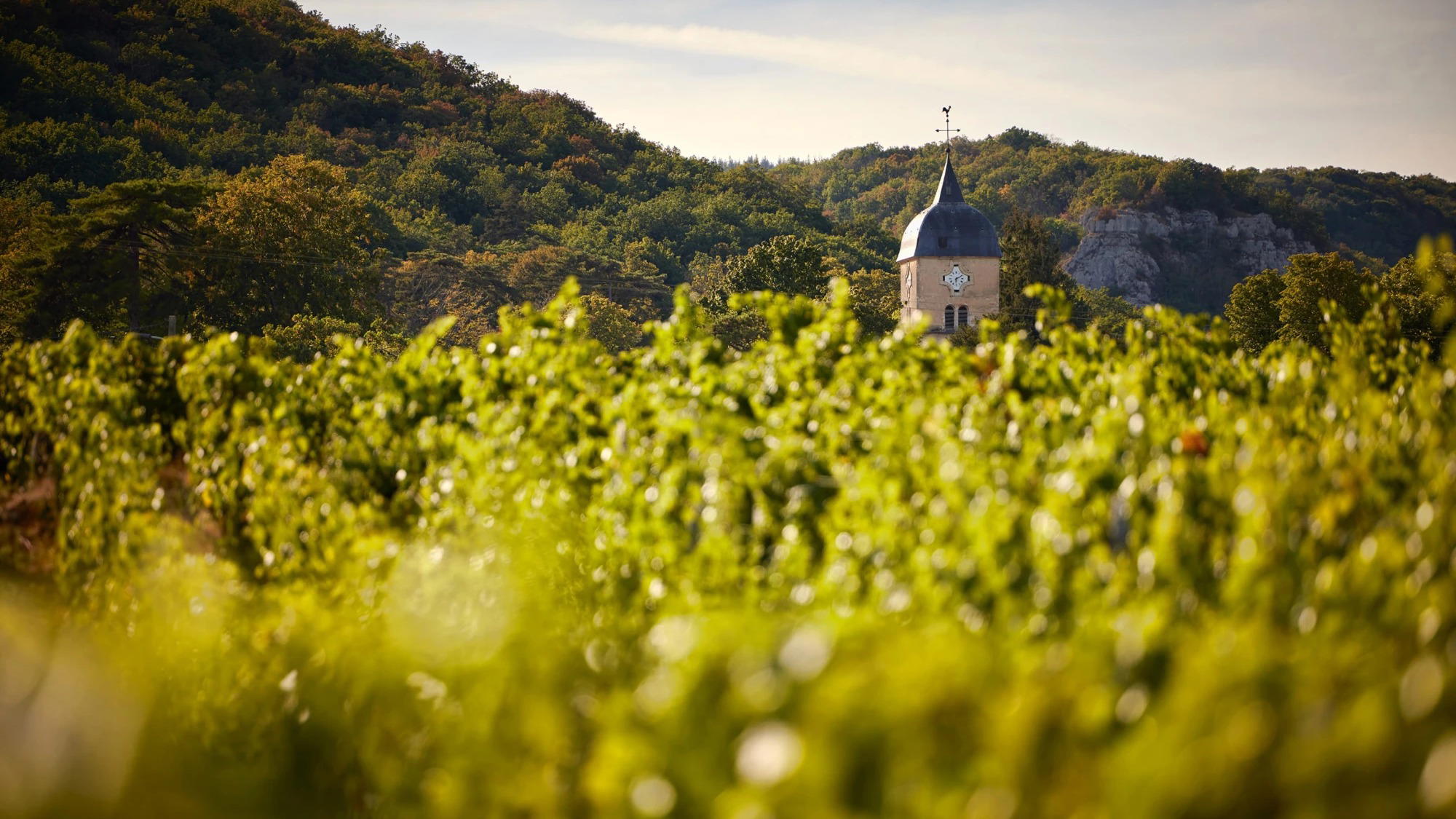
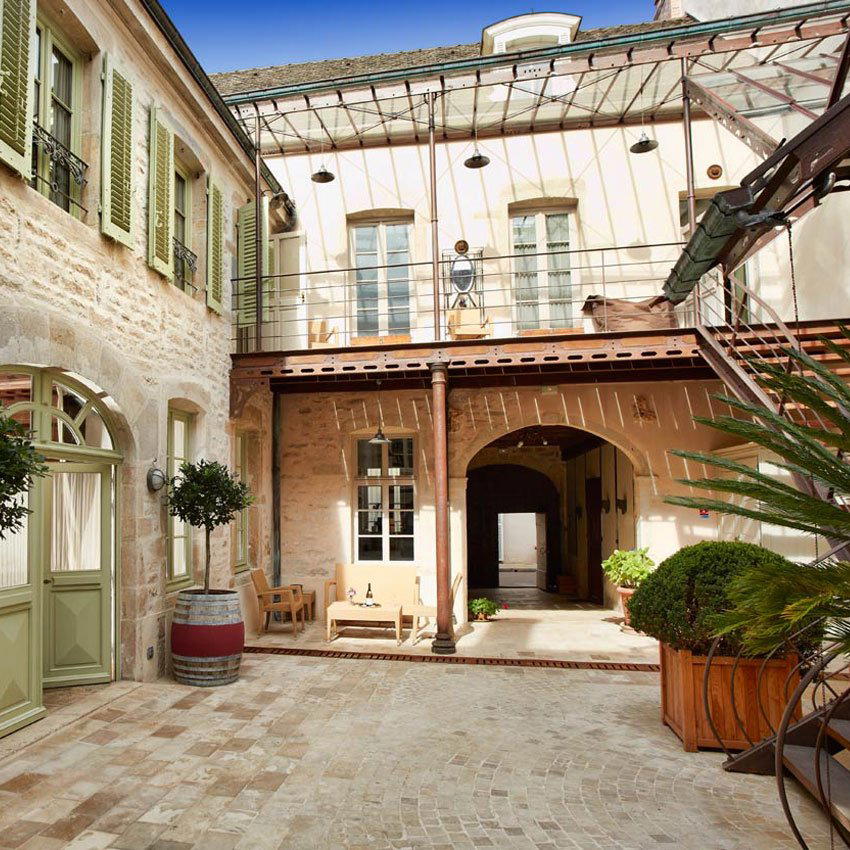
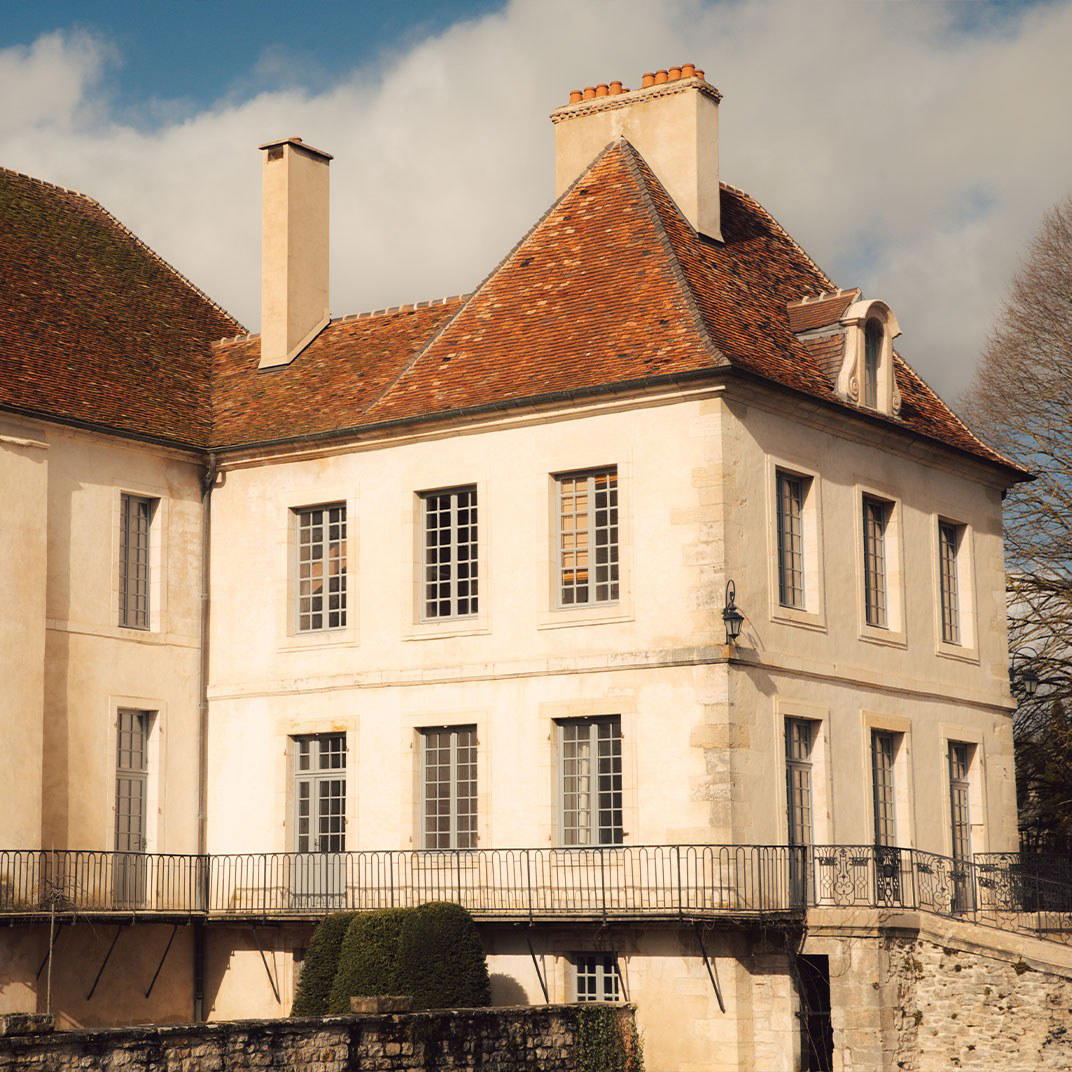
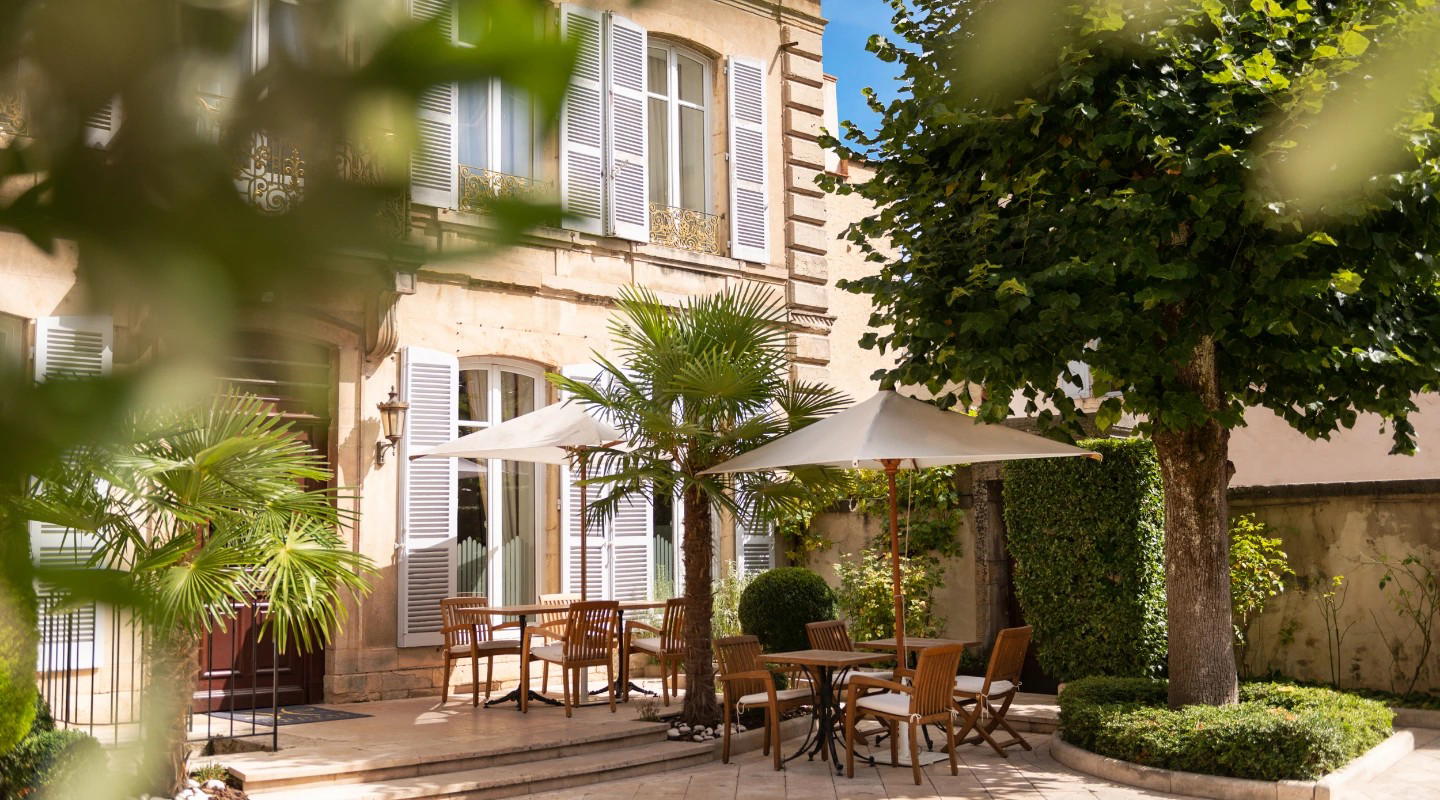
The village of Vosne-Romanée announces itself quietly. Arriving from Nuits-Saint-Georges along the D974, the vineyard wall on your left rises to meet the road with the same indifference it has shown for centuries. There are no signs competing for attention, no grand gates. The address on Rue de la Fontaine is residential in scale, a stone building in a lane that could belong to any village in the Côte d'Or, and that restraint is precisely the point. Burgundy's most argued-over address operates at the register of ceremony, not spectacle.
What happens inside that register is inseparable from how the wines are made and, ultimately, how they must be approached. Domaine Leroy's first vintage under its current biodynamic conviction dates to 1988, the year Lalou Bize-Leroy acquired the estate formerly known as Domaine Charles Noellat and began converting the vineyards. That 1988 benchmark matters for the collector because it defines a clear before-and-after: these are not inherited bottles from an earlier era, but wines built on a specific and documented philosophy of farming, applied over more than three decades of continuous practice across some of Burgundy's most celebrated appellation land.
The Ritual of Engagement: How Domaine Leroy Is Encountered
Burgundy has long operated on the logic of the domaine visit as a formal exchange rather than a casual tasting. In the Côte de Nuits, and particularly in Vosne-Romanée, that formality reaches its most structured expression. The village houses a concentration of estates whose wines trade at allocation or above secondary-market prices, and the social contract of entry is understood on both sides. This is not a cellar door in the Napa sense, where walk-ins are welcomed and poured freely. It is closer to what happens in the leading Pomerol properties or in a handful of classified Sauternes houses: access is arranged in advance, tied to existing relationships, and calibrated to the seriousness of the enquirer.
For the serious wine traveller planning a visit to Our full Vosne-Romanée restaurants guide and the surrounding communes, this shapes the entire trip logic. A day in Vosne-Romanée is not assembled from spontaneous stops. It is scheduled weeks or months ahead, built around confirmed appointments, and the list of properties worth that effort in this one village is long enough to fill two days without repetition. Domaine Jean Grivot, Domaine Rene Engel, Domaine Bizot, Domaine Cécile Tremblay, and Domaine d'Eugénie all operate within the same village boundaries and carry the same expectation of pre-arranged engagement.
Biodynamics at Appellation Scale: What the Farming Commitment Means
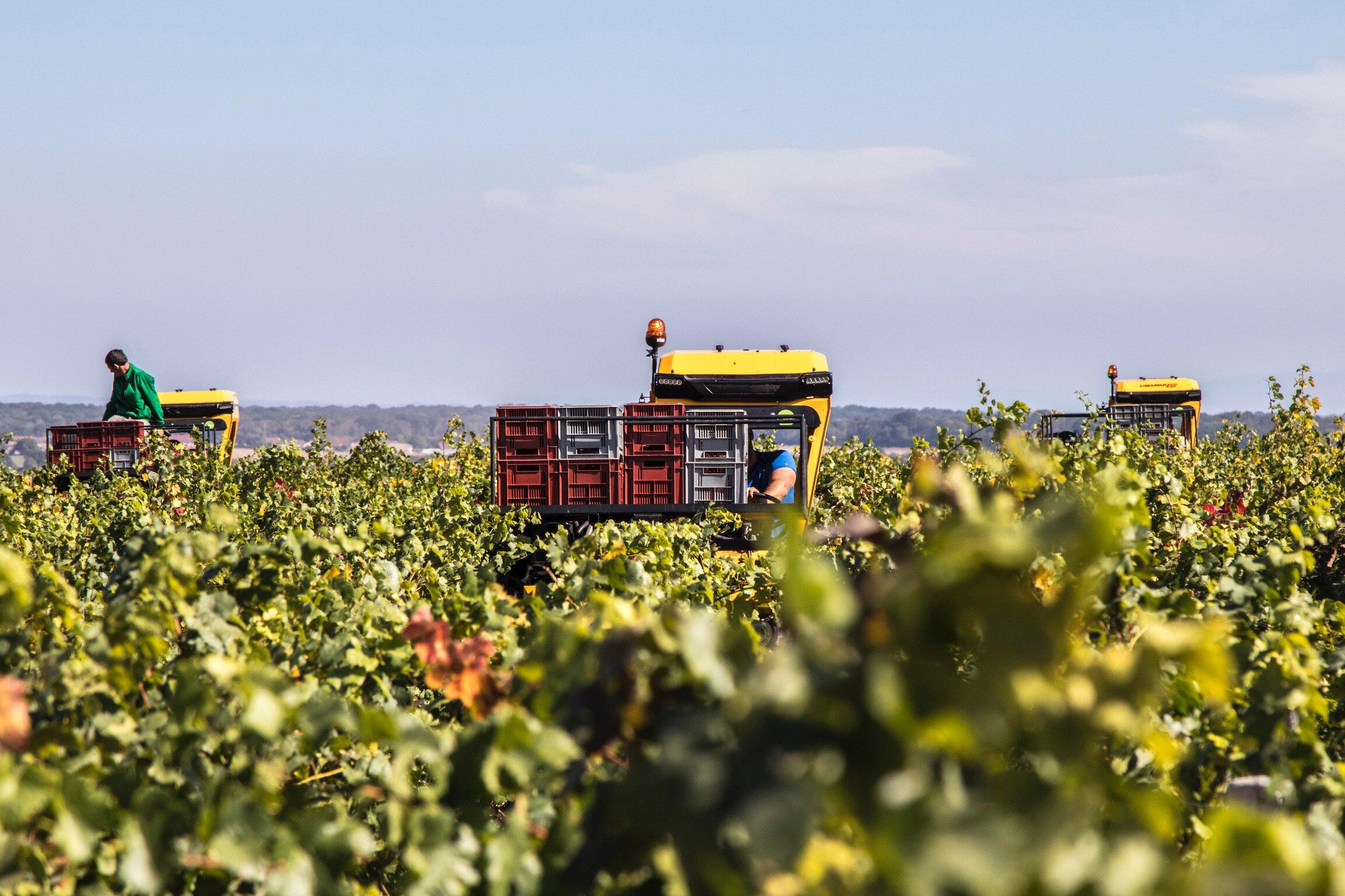
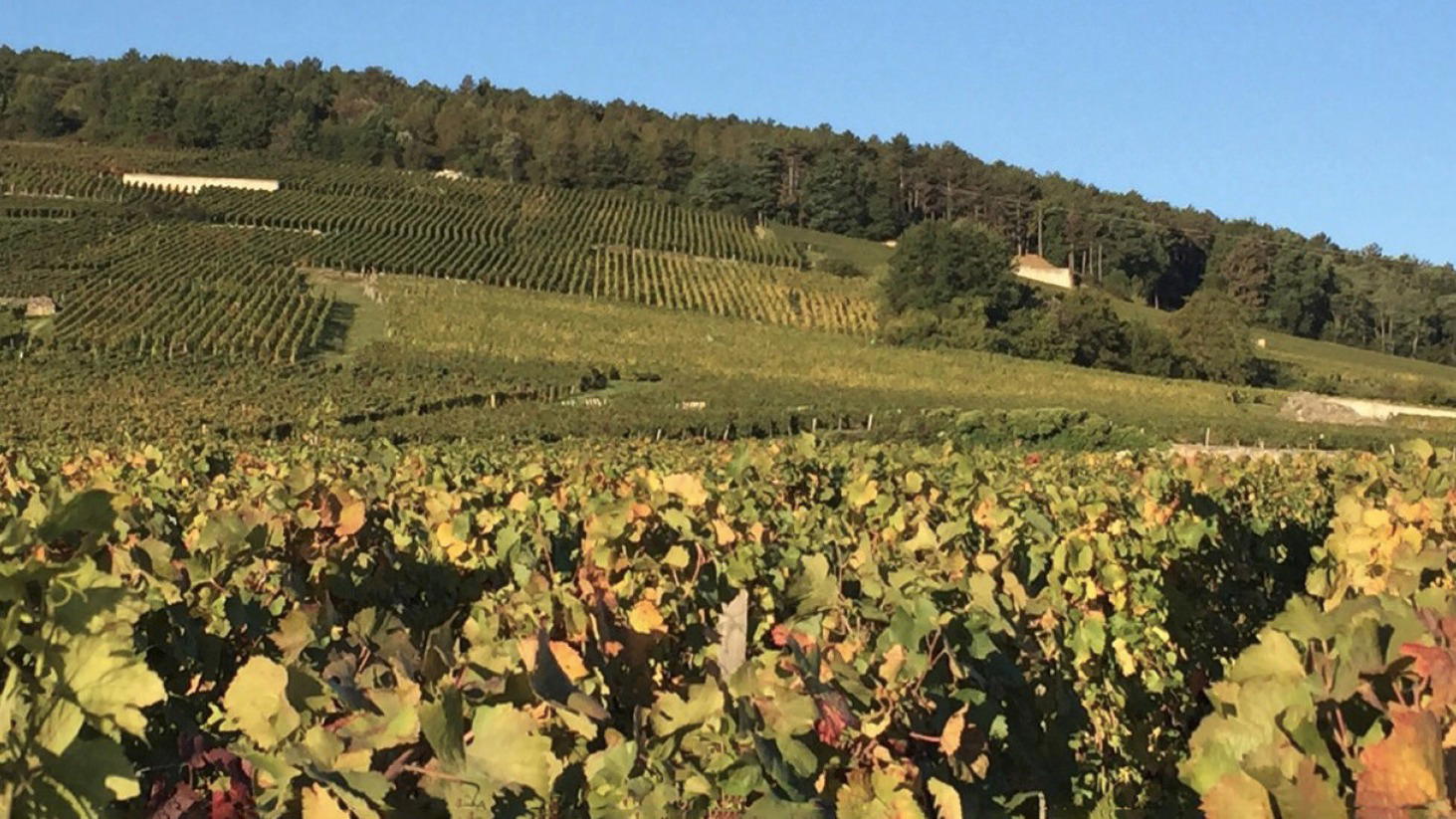
Biodynamic viticulture is now practiced widely enough in Burgundy that the credential alone carries little distinction. What differentiates the domaines where it matters most is the combination of farming philosophy with appellation holdings of genuine quality. Applying intensive, low-yield biodynamic farming to grands crus and premiers crus that already carry price weight is a different proposition from the same approach on regional appellation land. In the Côte de Nuits, the land itself sets the floor for ambition, and the farming decisions amplify or diminish what the geology offers.
Leroy's vineyards include some of the most recognised lieu-dits in Vosne-Romanée and the surrounding communes, which means the question visitors are really evaluating is not whether biodynamics works in the abstract, but what it produces in specific parcels when applied with this level of commitment over more than thirty-five years.
Pacing the Tasting: Burgundy's Vertical Logic
The ritual of tasting at a serious Burgundy domaine follows its own internal clock. Unlike Champagne, where disgorgement dates and dosage create linear comparisons between releases, Burgundy demands vertical thinking. A producer's style is most legible across multiple vintages of the same vineyard, and the domaines that understand this build tastings accordingly. The most instructive sessions in Vosne-Romanée move through several vintages of a single appellation before shifting to the next, allowing the taster to separate what the wine always does from what the vintage asked of it.
At Leroy's level of production discipline, the yields are low enough that each appellation bottling carries high concentration, which means the pacing of a tasting must account for palate fatigue more carefully than at higher-volume estates. Experienced visitors at the leading Burgundy addresses, whether in Vosne-Romanée or at properties like Albert Boxler in Niedermorschwihr in Alsace or Château Bélair-Monange in Saint-Emilion, know to arrive early in the day, limit the total number of appointments, and treat the tasting as the main event of the schedule rather than one stop among many.
The Secondary Market as Context
For most collectors, Domaine Leroy wines are encountered not at the domaine but at auction or through specialist merchants. The price tier these bottles occupy in secondary trading is consistently at the upper register of Burgundy, which places them in a conversation with Domaine de la Romanée-Conti and a very short list of other Côte de Nuits producers. That secondary-market position is relevant to how a visit is framed: for many buyers, a cellar appointment is as much about understanding production context and vineyard provenance as it is about tasting young wine for purchase.
The same logic of rarity and allocation that governs Leroy also governs a number of France's most sought-after producers across categories, from Chartreuse in Voiron on the spirits side to classified Bordeaux estates like Château Batailley in Pauillac, Château Branaire Ducru in St-Julien, and Château Boyd-Cantenac in Cantenac. The common thread is that access, whether physical or commercial, requires preparation. Showing up without a prior relationship or introduction is unlikely to result in a productive visit at any of these addresses. Other properties beyond France follow the same principle: Accendo Cellars in St. Helena and Château Bastor-Lamontagne in Preignac both operate with controlled allocation programs where the buyer relationship is established over time.
Placing It in the Village Conversation
Vosne-Romanée is small enough that its major domaines are separated by walking distance, yet stratified enough that no two estates occupy the same competitive position. Leroy operates at the top of that stratification in terms of price and critical attention, with a production model built on minimal intervention and maximum farming intensity.
For the collector or serious wine traveller building a Côte de Nuits itinerary, the village also rewards attention to producers working at lower price points with genuine rigour. The full range of what Vosne-Romanée offers, from Domaine Jean Grivot's structured approach to the quieter work at Domaine Bizot and Domaine Cécile Tremblay, suggests that the village's appeal is not reducible to its most expensive address. It is the concentration of serious producers within a single commune that makes it worth the trip, with Leroy as the pole around which the rest of the conversation orients itself.
Planning a Visit to Domaine Leroy
Domaine Leroy is located at 15 Rue de la Fontaine in Vosne-Romanée, in the heart of the Côte de Nuits. The domaine does not operate an open tasting room, and phone and online booking details are not publicly listed, which is consistent with its allocation-only distribution model. Access is arranged through existing trade relationships or collector networks; approaching through a specialist wine merchant with Burgundy connections is the most reliable route. The village is accessible by car from Dijon in under thirty minutes and sits between Nuits-Saint-Georges and Vougeot along the Route des Grands Crus, making it a natural anchor for a multi-day Côte de Nuits itinerary. For broader context on the village and surrounding region, our full Vosne-Romanée guide covers the range of producers, restaurants, and logistical details worth knowing before you arrive. If you are also covering Alsace or whisky producers on a wider France trip, Aberlour in Aberlour represents a different but equally instructive model of how a heritage producer manages access and brand identity over time.
Standing Among Peers
Comparable venues nearby, for context on price, style, and recognition.
| Venue | Cuisine | Awards | Notes |
|---|---|---|---|
| Domaine LeroyThis venue — the venue you are viewing | Pinot Noir, Chardonnay | Michelin 3 Grapes · Falstaff Winery - Listed | Not listed |
| Domaine de la Romanée-Conti | Pinot Noir, Chardonnay | Michelin 3 Grapes · Falstaff Winery - 5 Stars | Vosne-Romanée |
| Domaine Arnoux Lachaux | Pinot Noir, Aligoté | Michelin 1 Grape | Vosne-Romanée |
| Domaine d'Eugénie | Pinot Noir, Chardonnay | Falstaff Winery - Listed | Vosne-Romanée |
| Domaine Cecile Tremblay | Pinot Noir | Michelin 3 Grapes · Falstaff Winery - Listed | Vosne-Romanée |
| Domaine Michel Gros | Pinot Noir, Chardonnay | Falstaff Winery - Listed | Vosne-Romanée |
Recognition history
Dated appearances from independent guides and award organizations, with the underlying list record or original source where available.
Michelin 3 Grapes
Michelin · 2026 Michelin 3 Grapes - Burgundy
Falstaff Winery - Listed
Falstaff
Continue exploring
More in Vosne-Romanée
Wineries in Vosne-Romanée
Browse all →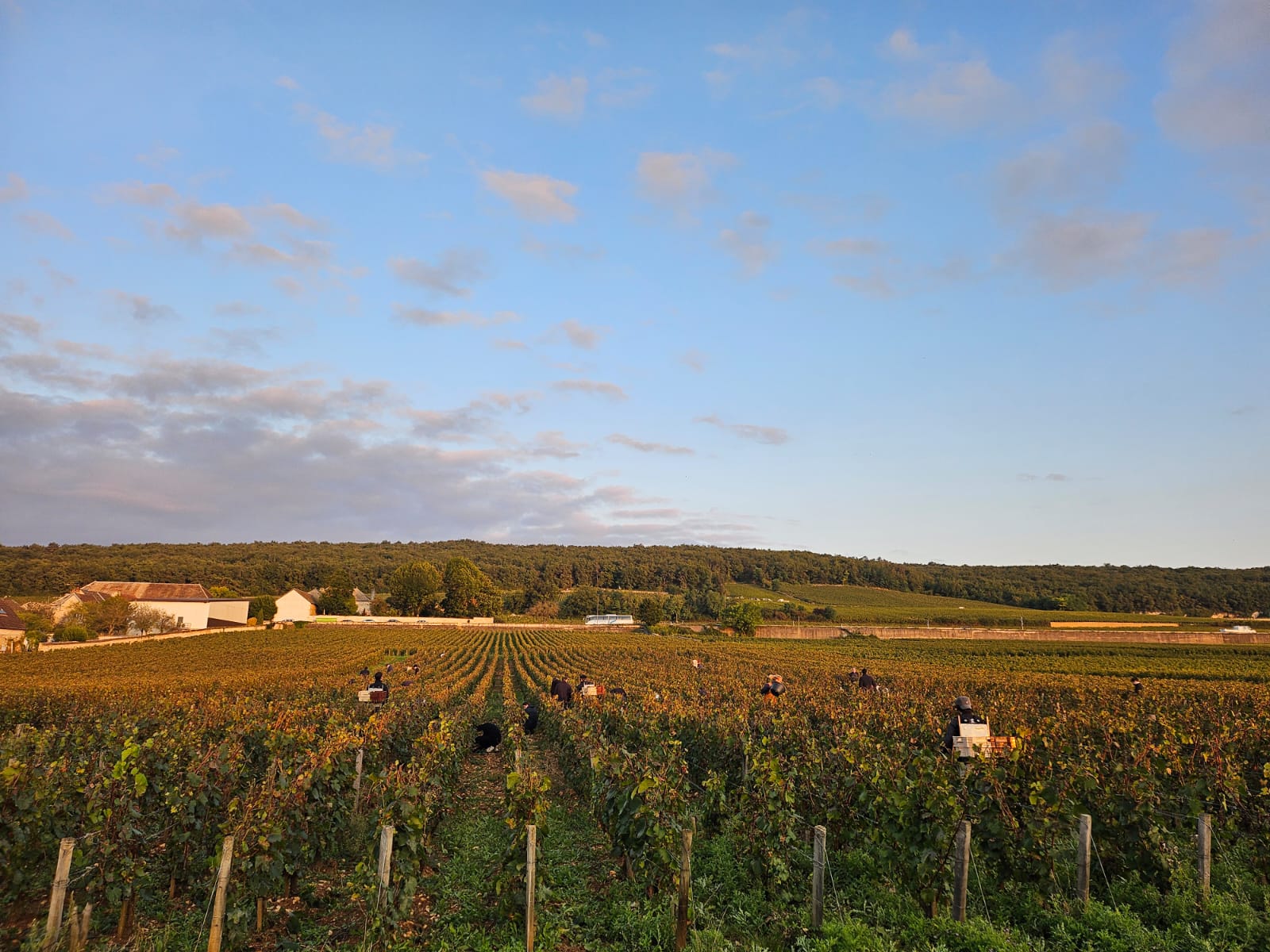
Bars in Vosne-Romanée
Browse all →
Restaurants in Vosne-Romanée
Browse all →
Details
- Elegant
- Sophisticated
- Classic
- Intimate
- Rustic
- Wine Education
- Special Occasion
- Solo Exploration
- Vineyard Tour
- Cave Tasting
- Estate Grounds
- Historic Building
- Biodynamic
- Organic
- Vineyard
- Pinot Noir
- Chardonnay
- Still Red
- Still White
- Private Tasting
- Barrel Room
- French
- English
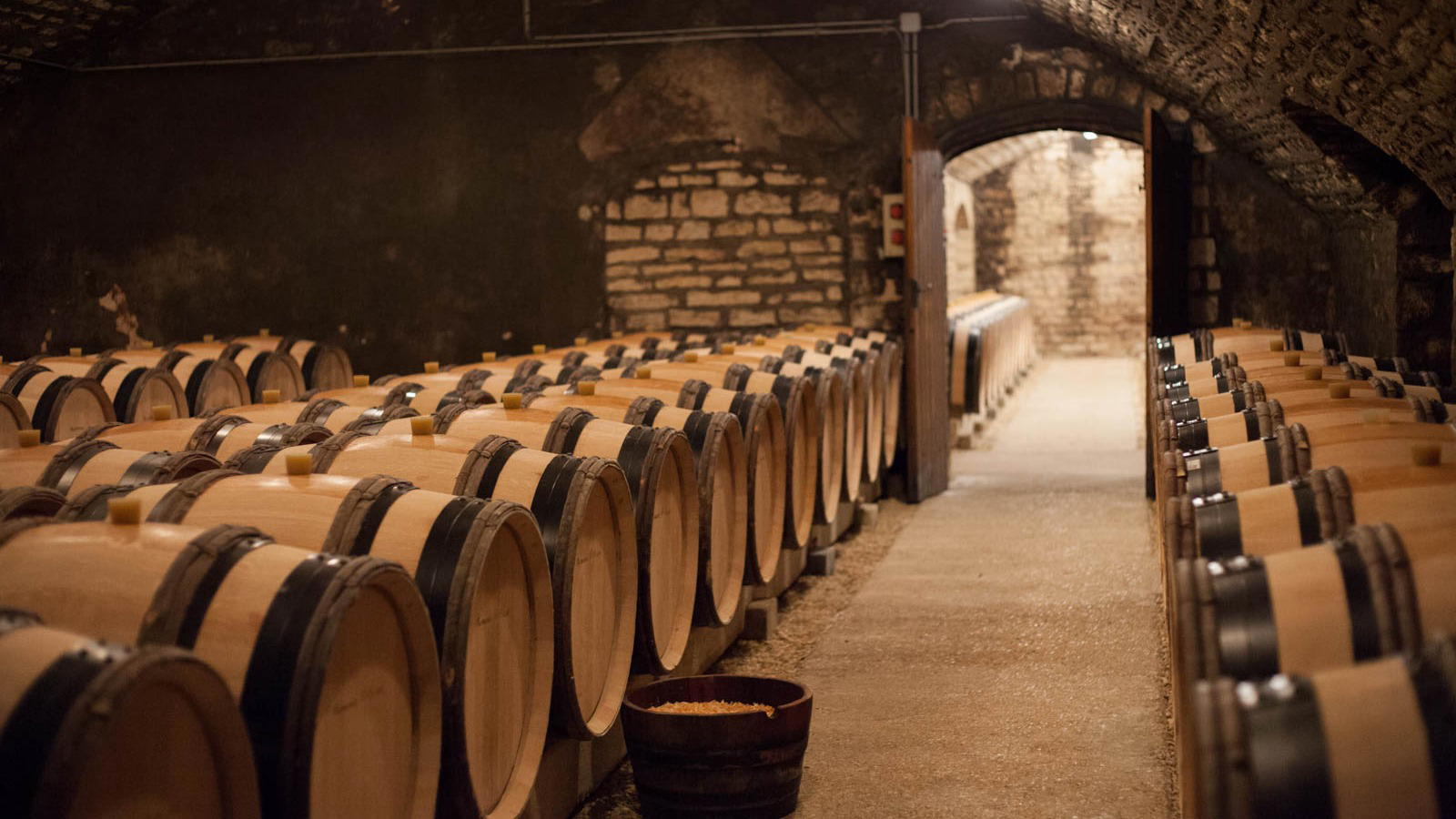
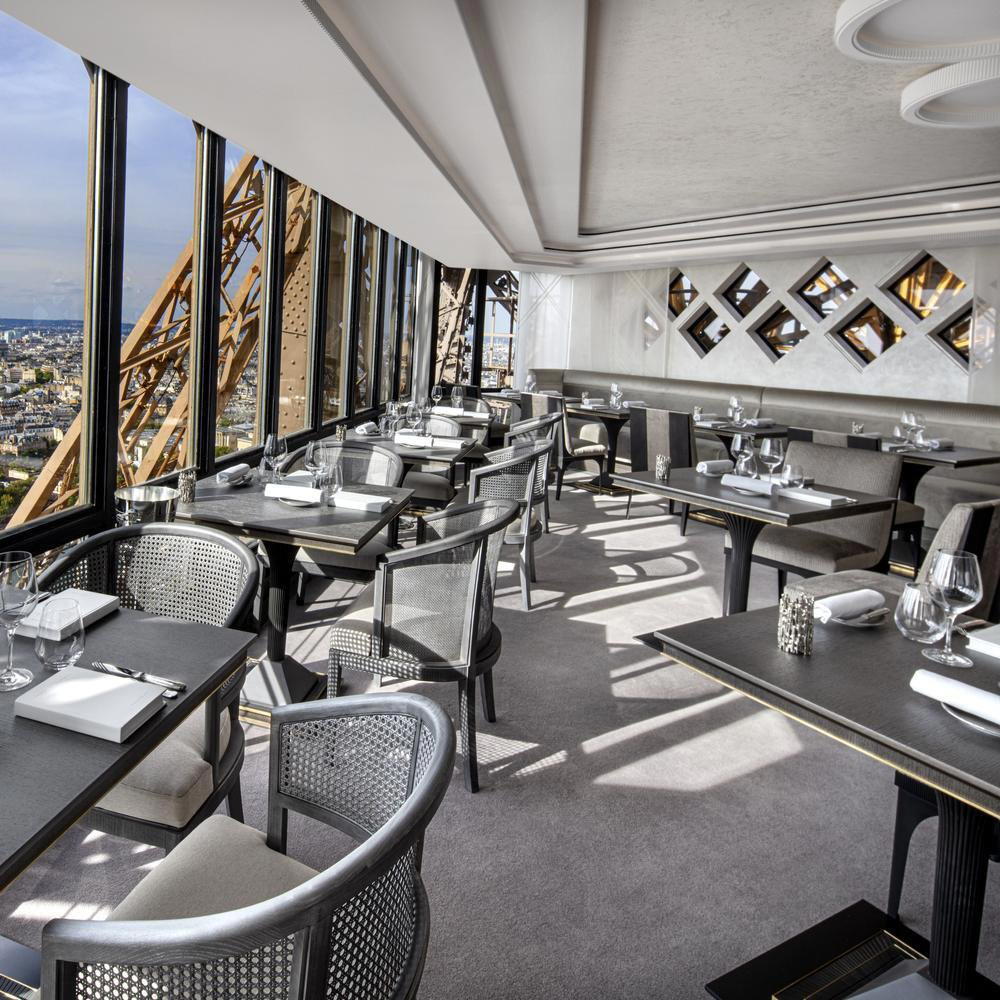
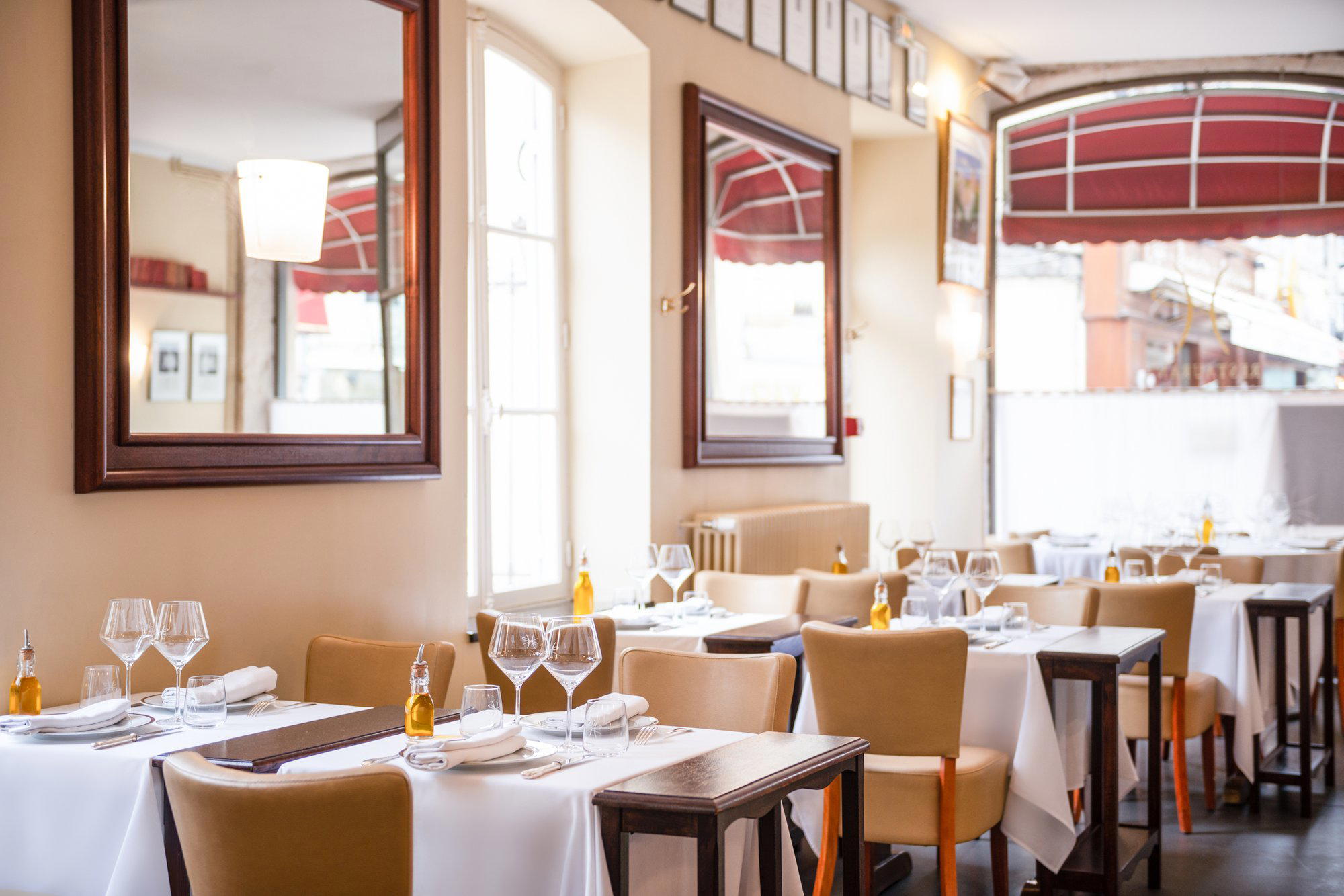
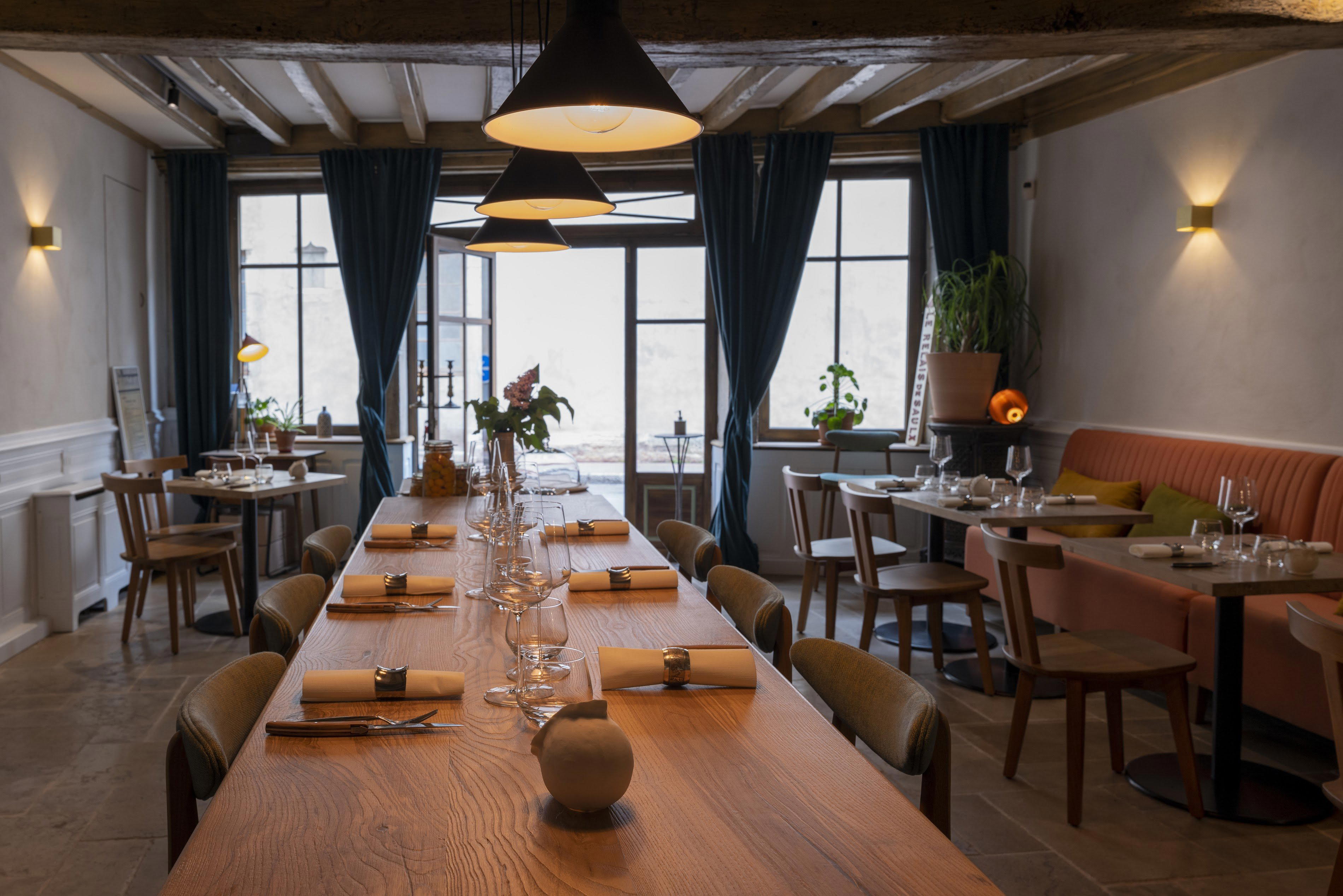
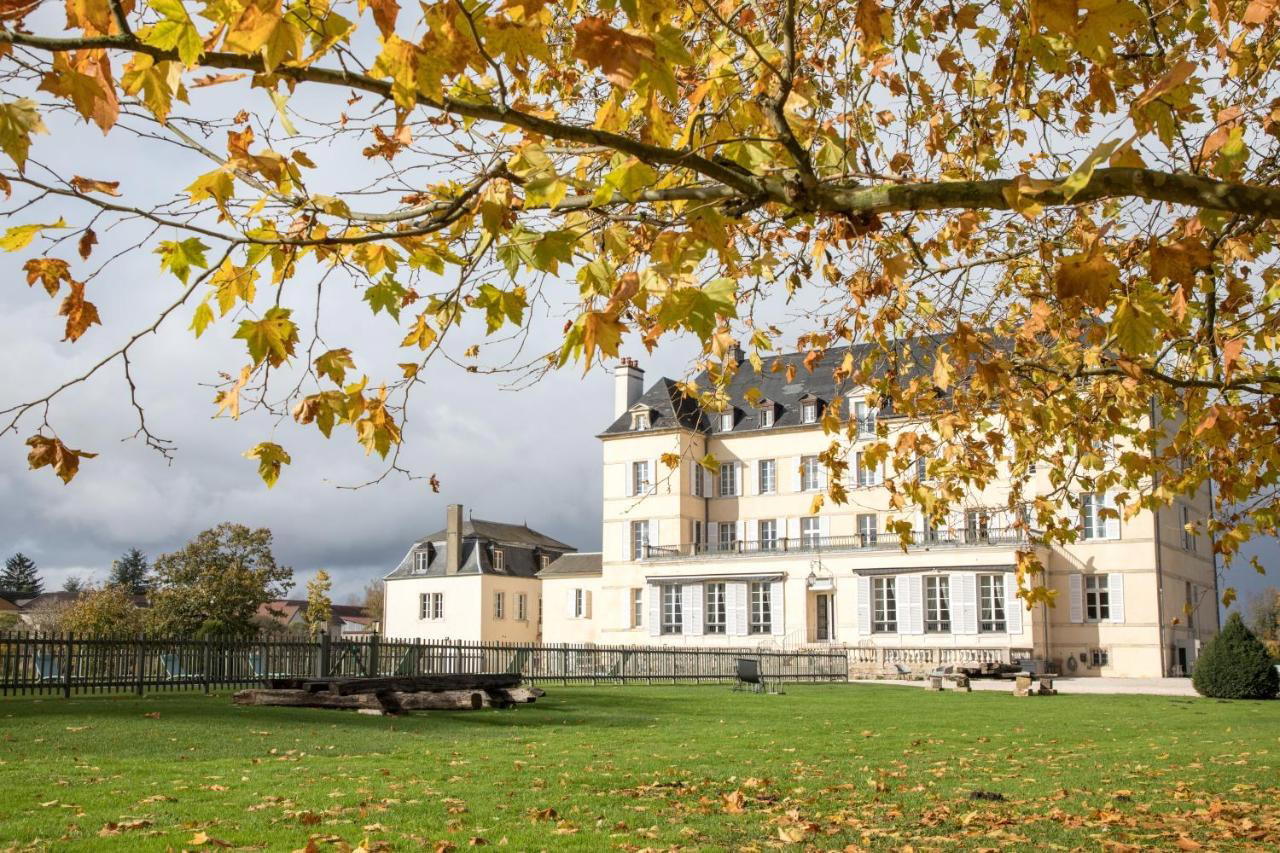
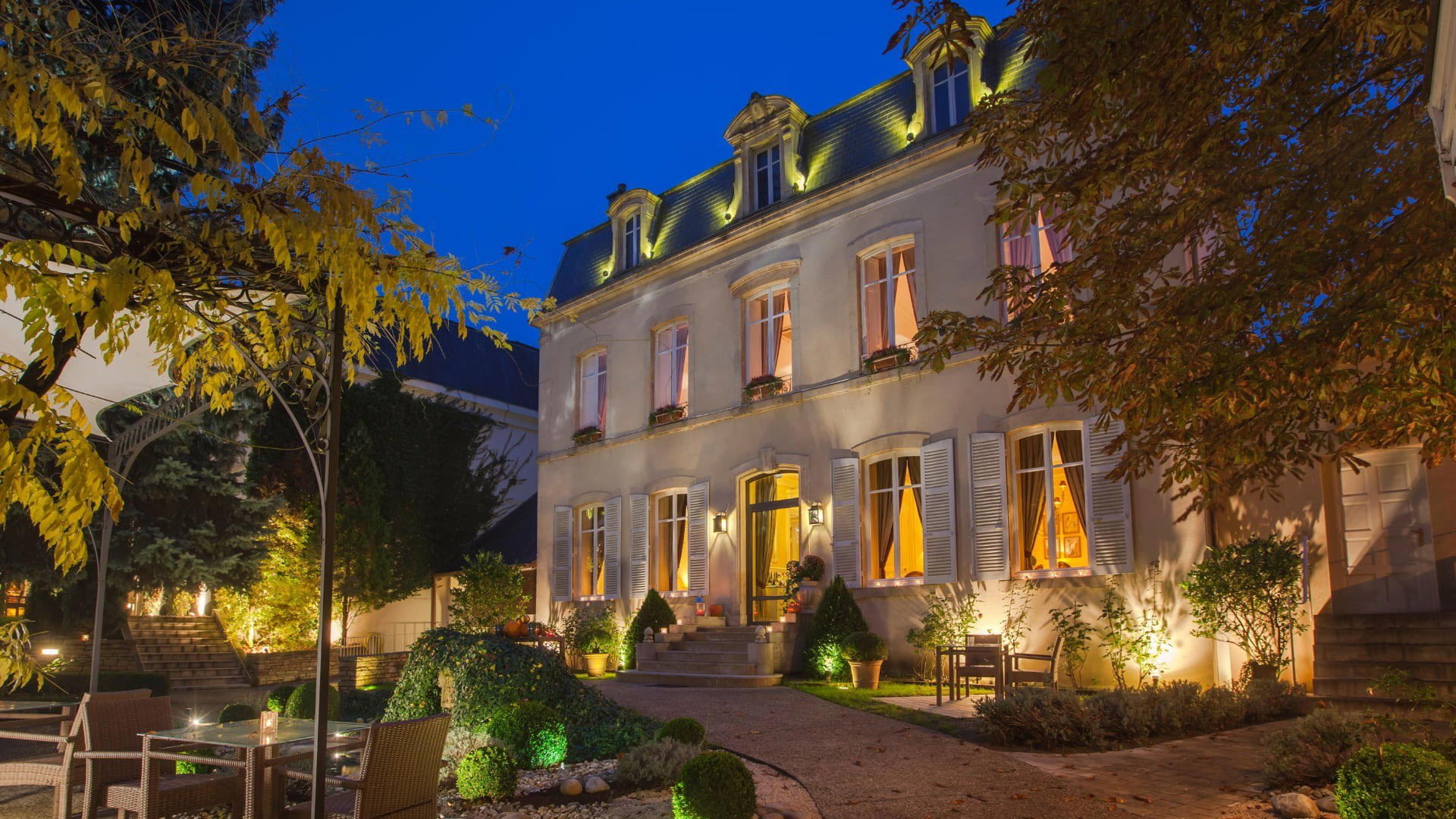
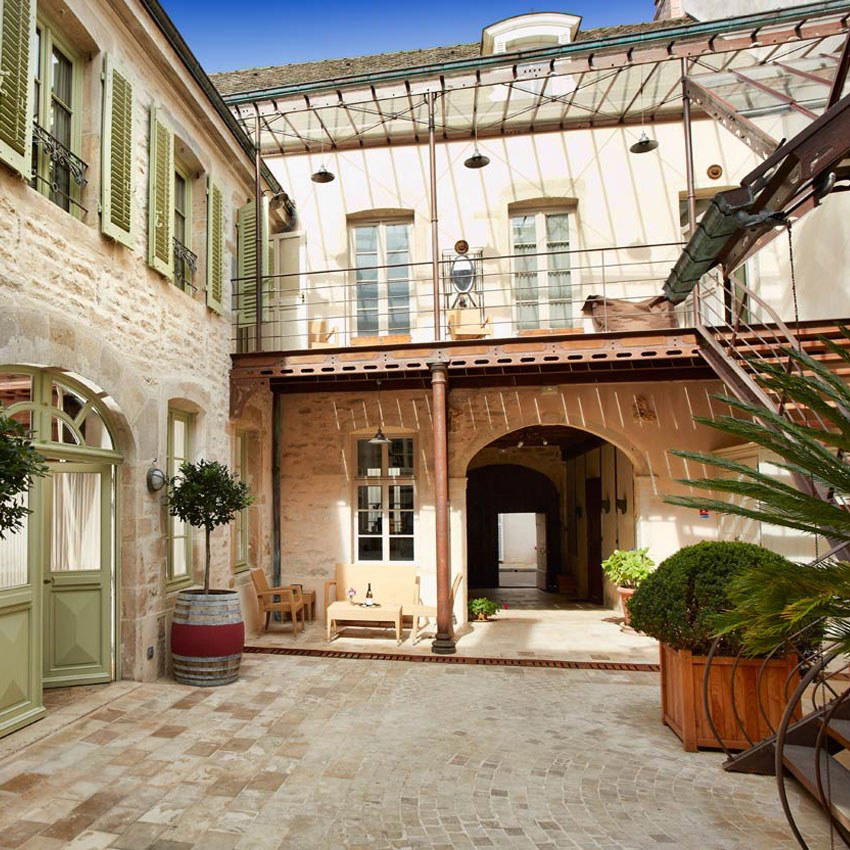
Elegant and serene atmosphere in historic cellars surrounded by immaculate biodynamic vineyards.