← Guides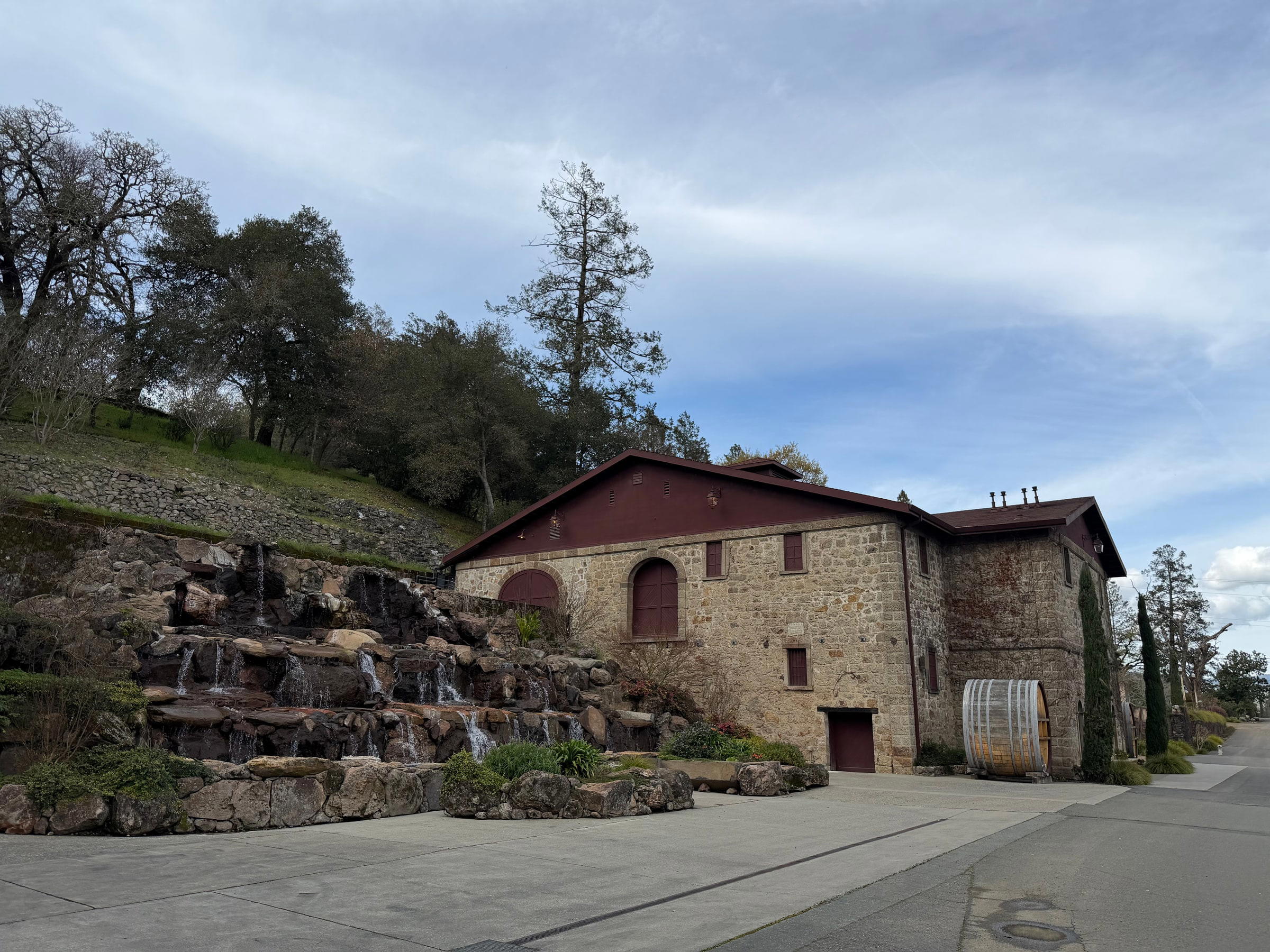
A firsthand Cathiard Vineyard visit with Candice Bernard-Cathiard, the on-site cooperage, Caudalie family context, and a tasting of 2021 Hora, 2021 Founding Brothers, 2021 Cathiard Vineyard and 2020 Cathiard Vineyard.
A firsthand Cathiard Vineyard visit with Candice Bernard-Cathiard, the on-site cooperage, Caudalie family context, and a tasting of 2021 Hora, 2021 Founding Brothers, 2021 Cathiard Vineyard and 2020 Cathiard Vineyard.
The correct name is Cathiard Vineyard, and the visit feels like Napa viewed through the lens of Bordeaux craft. The estate sits off Zinfandel Lane on the lower Mayacamas slope, but the family story reaches directly back to Château Smith Haut Lafitte and the broader Cathiard world of wine, design, hospitality, skincare, and art de vivre.
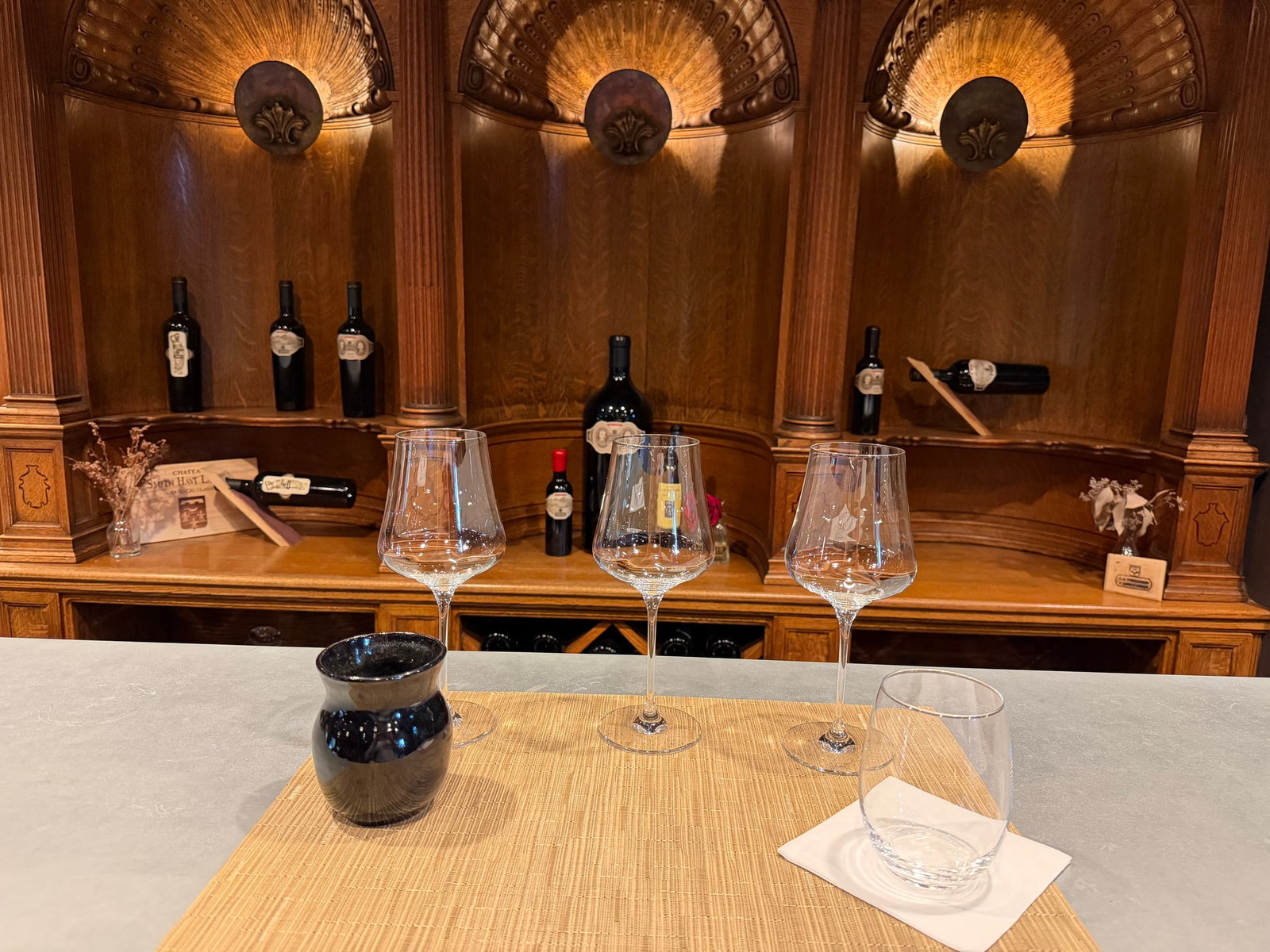
I visited with Candice Bernard-Cathiard, Alice Tourbier’s cousin, which made the whole experience feel personal rather than scripted. The day moved through the arrival drive, the historic stone winery, the working production space, the barrel-making area, the cellar, and finally a private tasting surrounded by the estate’s sculptural labels and bottles.
The wines in my lineup were the 2021s of the three core labels I tasted, Hora, Founding Brothers, and Cathiard Vineyard, followed by the 2020 Cathiard Vineyard. Seeing those bottles together made the label work click: each wine has its own visual identity, but all of them point back to the same family idea of place, craft, and presentation.
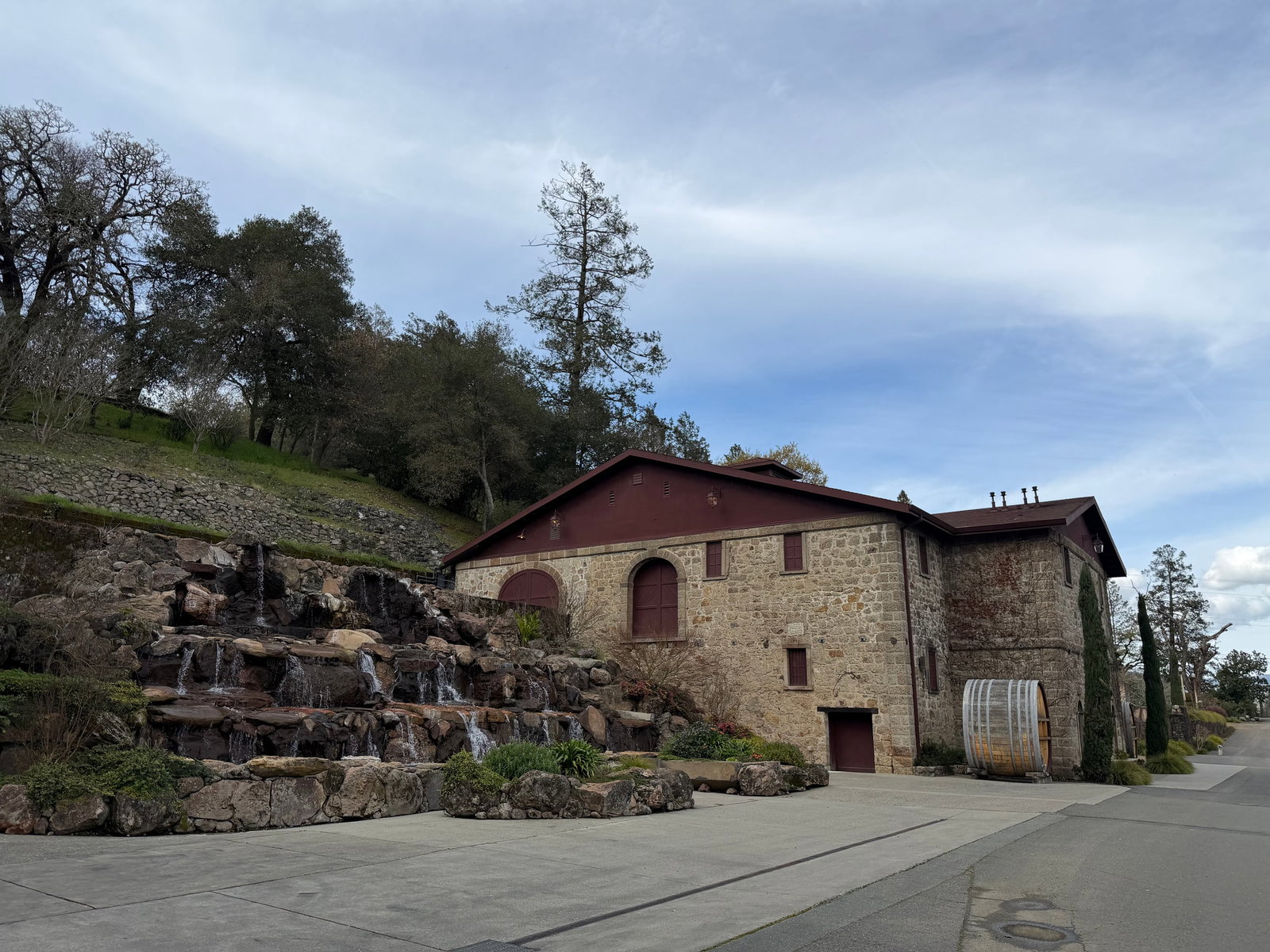
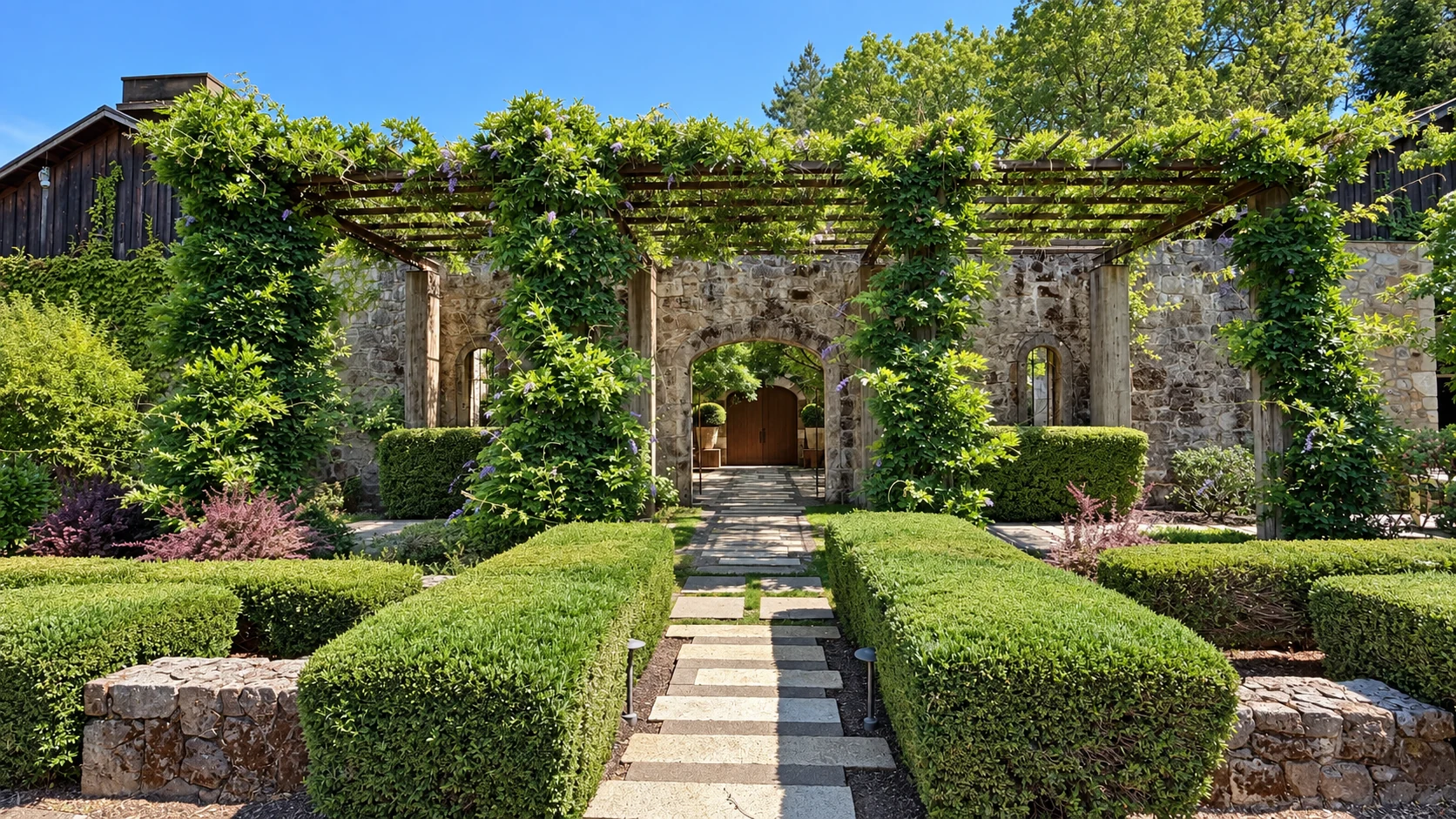
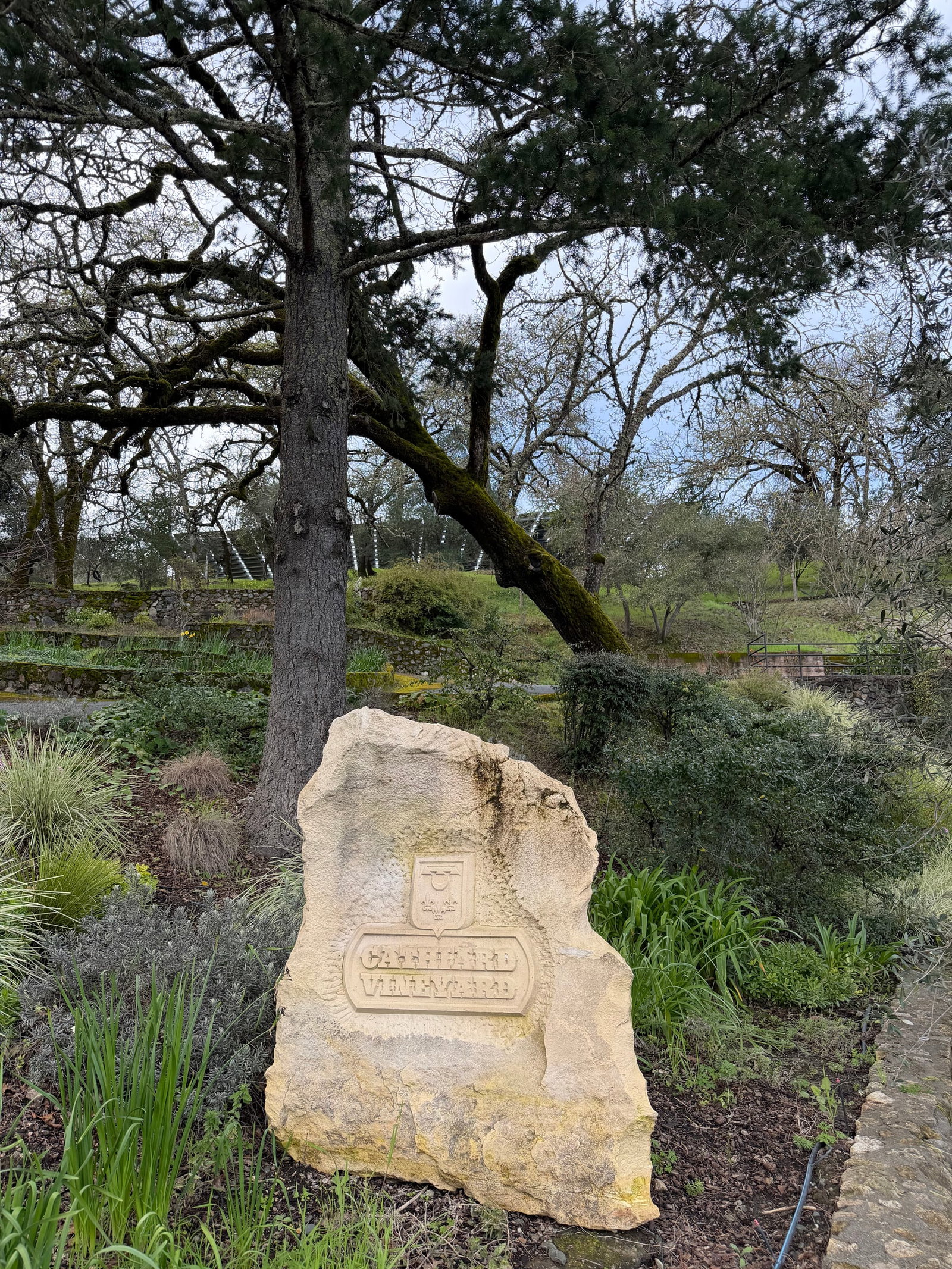
The first impression is quiet and almost hidden. You come into the property through trees and old stone, then the Cathiard Vineyard sign appears along the drive. It does not feel like a public tasting-room stop. It feels more like being let into a private estate that happens to contain a serious winery.
That distinction matters because the property has several layers. There is the old Napa history, the renovated winery, the new family ownership, the French hospitality language, the Caudalie connection, and the current winemaking ambition. A strong host is what keeps all of that from feeling scattered, and Candice did that well: every stop had context.
Cathiard Vineyard is not just a Napa winery with French ownership. Florence and Daniel Cathiard purchased the property in 2020 after building the modern era of Château Smith Haut Lafitte in Bordeaux. That background shapes the Napa experience: cellar investment, environmental thinking, hospitality design, and an unusual emphasis on craft details that many visits leave behind the scenes.
The family’s wider ecosystem also changes the way the estate reads. Caudalie skincare, Les Sources de Caudalie, and restaurants such as La Table du Lavoir are not random references here. They are part of the same philosophy: wine culture as something that extends into wellness, architecture, dining, ritual, and the way a place makes you slow down.
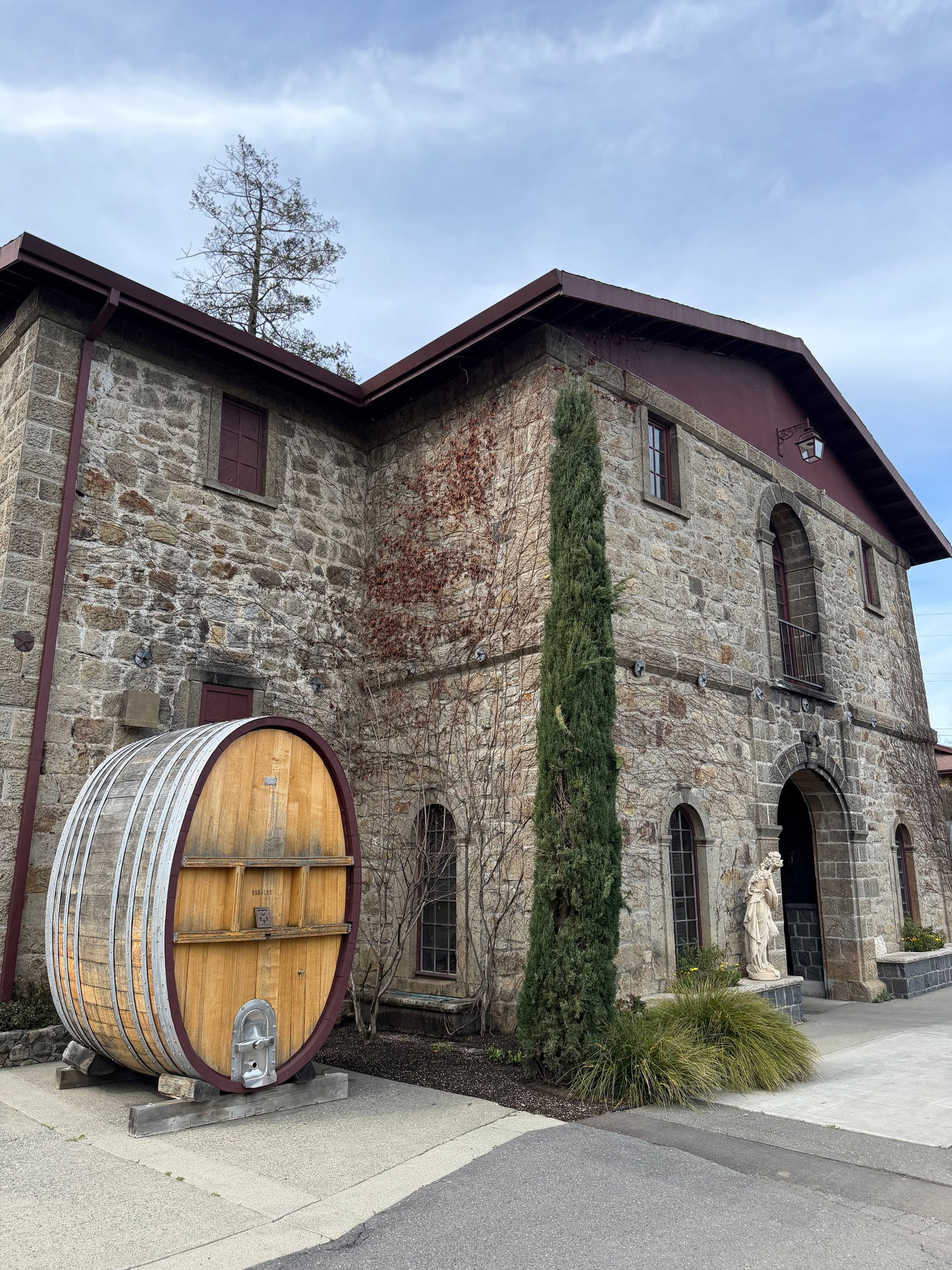
The property’s history reaches back to the Rennie brothers, James and William, who planted grapes and built the stone gravity-flow winery in the late nineteenth century. The official Cathiard story leans into 1885 as the beginning of the estate’s wine identity, and you feel that old Napa architecture immediately when you walk the site.
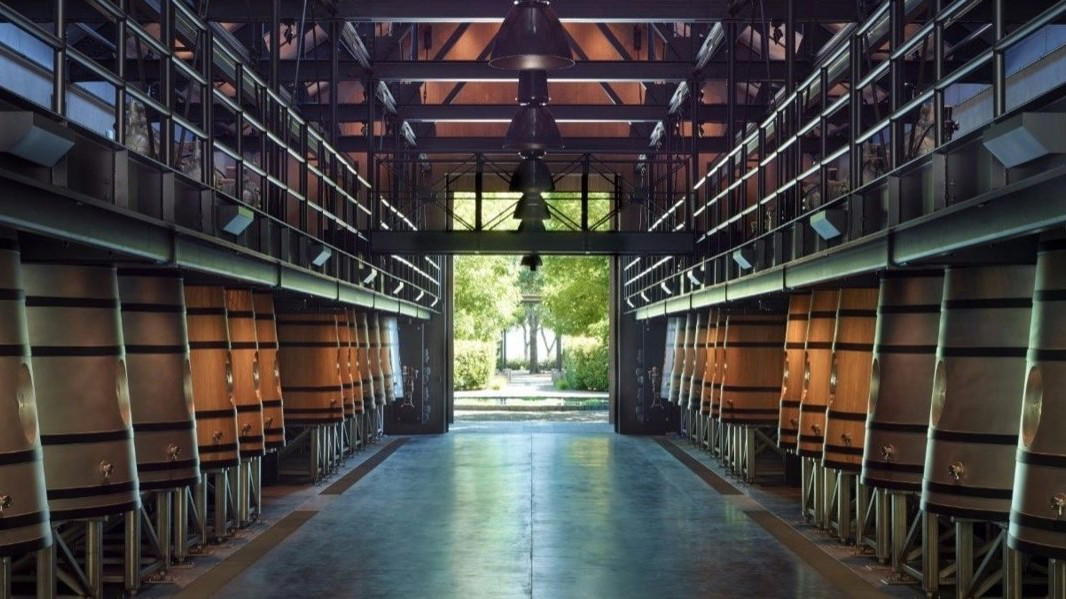
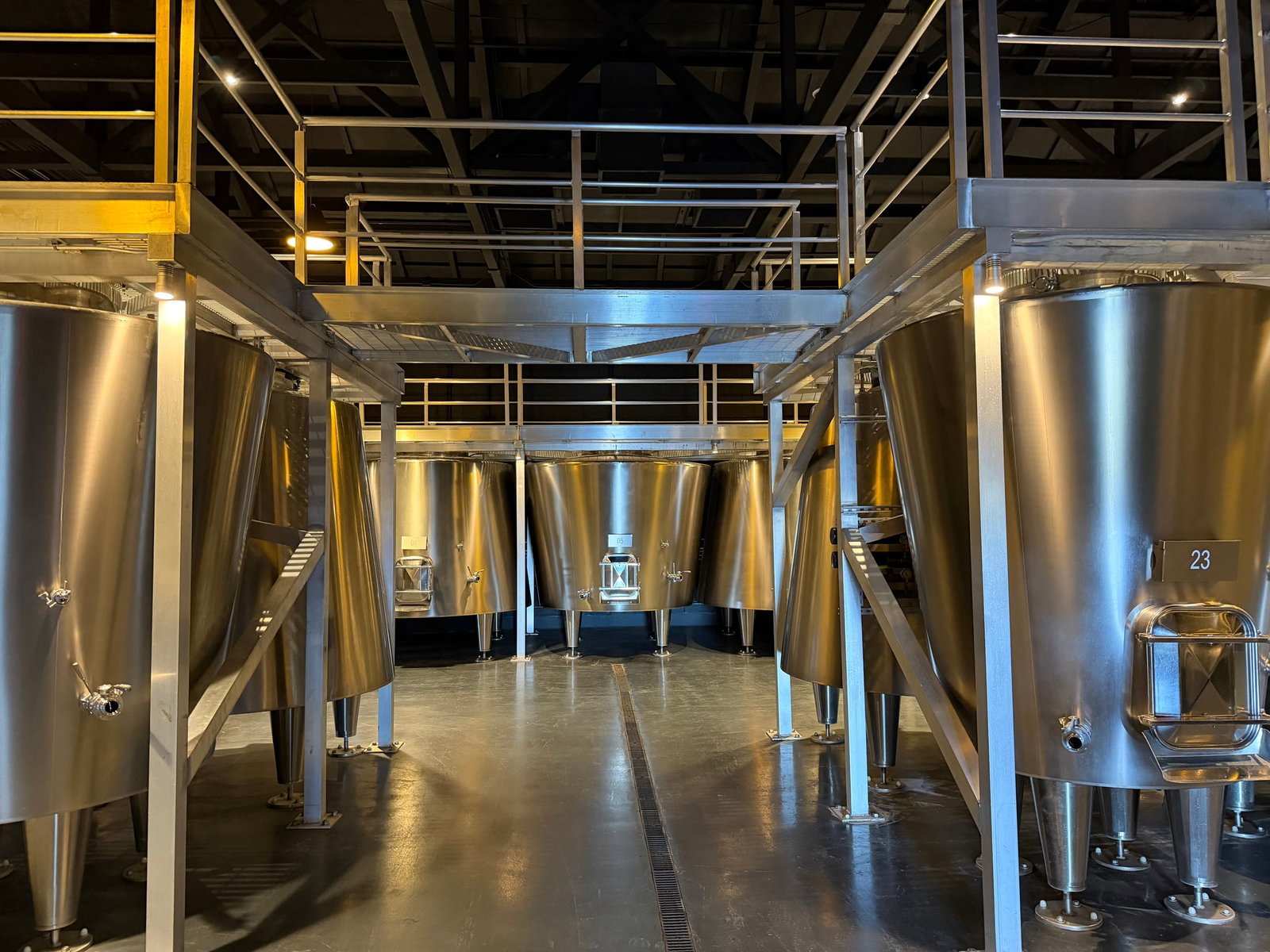
Inside, the winery shifts into a modern production story. Stainless steel tanks, clean lines, and the renovated cellar infrastructure make it clear that this is not just a preservation project. Cathiard is trying to turn a historic property into a precise contemporary Napa estate, while keeping enough of the old stone and cellar atmosphere intact that the place still has soul.
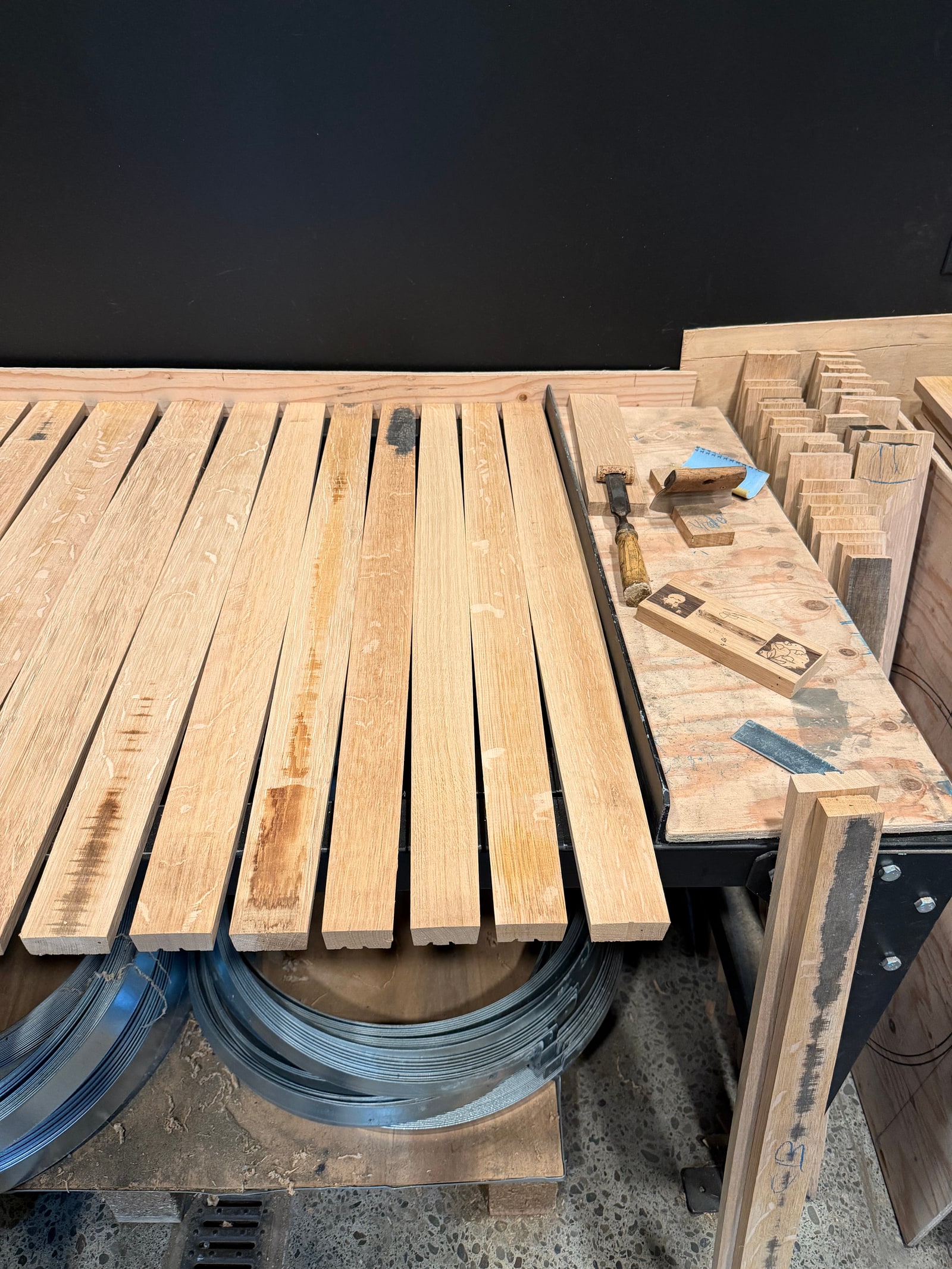
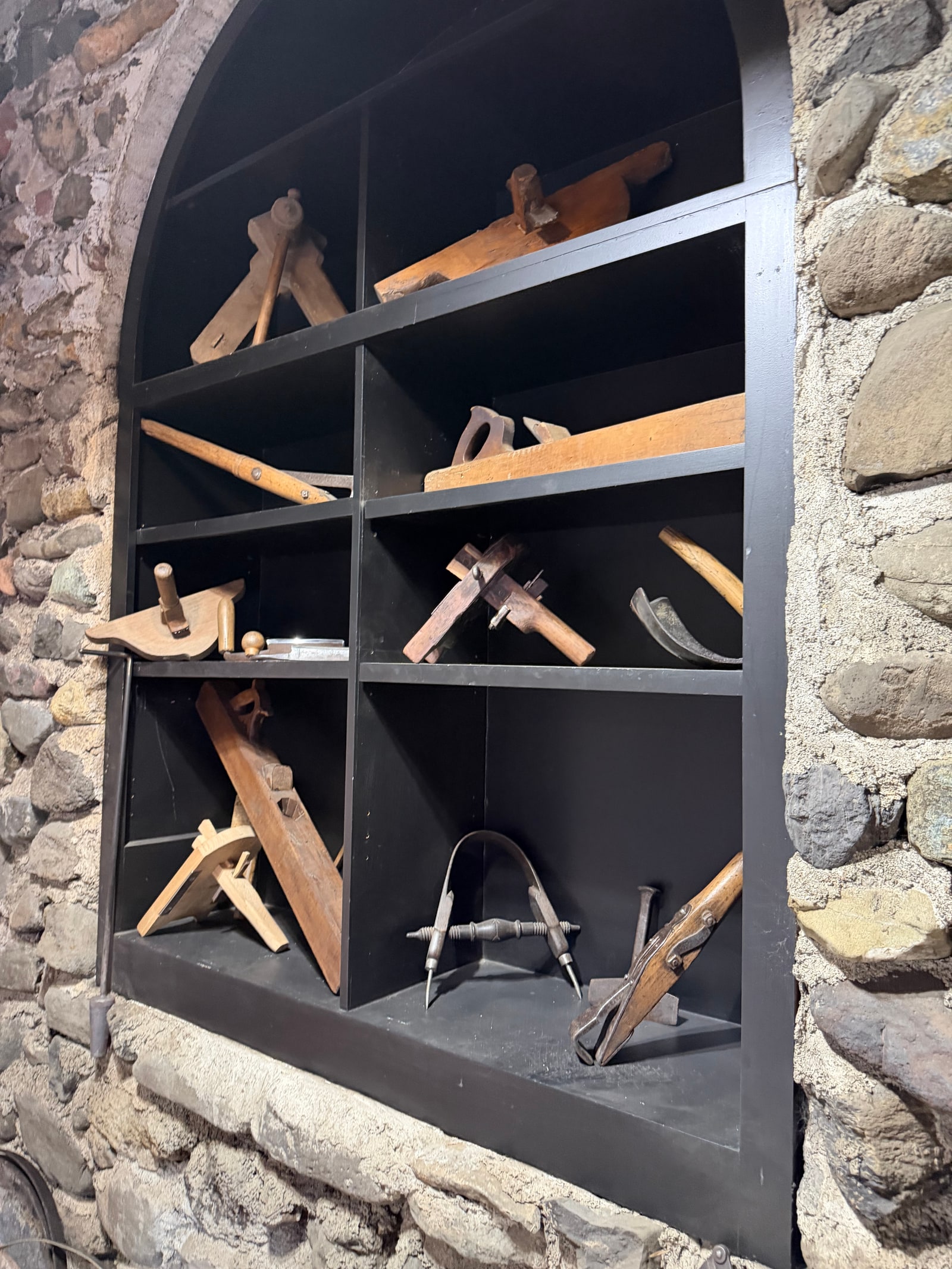
The cooperage was among the more memorable parts of the visit because it turns a detail most wineries describe abstractly into something physical. This is not just a room with barrels stacked in the background. Cathiard has a working on-site cooperage, and the craft is led by Alban Trouvé, the French cooper profiled by the Napa Valley Register and other wine publications for his rare role in St. Helena.
That rarity matters. Napa Wine Project describes Trouvé as the only active cooper currently making wine barrels at a Napa Valley winery, and the broader coverage around Cathiard points to the same thing: this is one of the details that makes the estate feel more like a complete wine atelier than a standard luxury tasting stop. The barrel program is not outsourced out of sight. It is part of the story you can actually see.
The wood begins long before it reaches Napa. Coverage of Trouvé’s work notes that Cathiard uses French oak from forests such as Tronçais, Loches, and Châteauroux, with staves seasoned through the family’s Château Smith Haut Lafitte cooperage in Bordeaux before being shipped to California. Once at Cathiard, the process becomes intensely hands-on: inspecting each stave, rejecting flawed wood, shaping the pieces into the first circular form of the barrel, bending the oak with heat and water, then dialing in the toast.
One interesting part is that the cooperage is not just a heritage display. Trouvé works with the winemaking team so the toast supports the wine rather than dominating it. A heavier toast can pull the profile toward darker, roasted notes; a gentler toast can preserve more aromatic lift. The goal is harmony, not oak flavor for its own sake. Seeing the staves and tools on site made the tasting feel different because the barrels were no longer a technical footnote. They were part of the estate’s voice.
By the time you reach the bottles, you have already seen the building, the cellar, the wood, the tools, and the craft that shapes the élevage. The wine feels less like a finished luxury object and more like the final step in a chain of decisions: vineyard, cellar, oak, fire, patience, and taste.
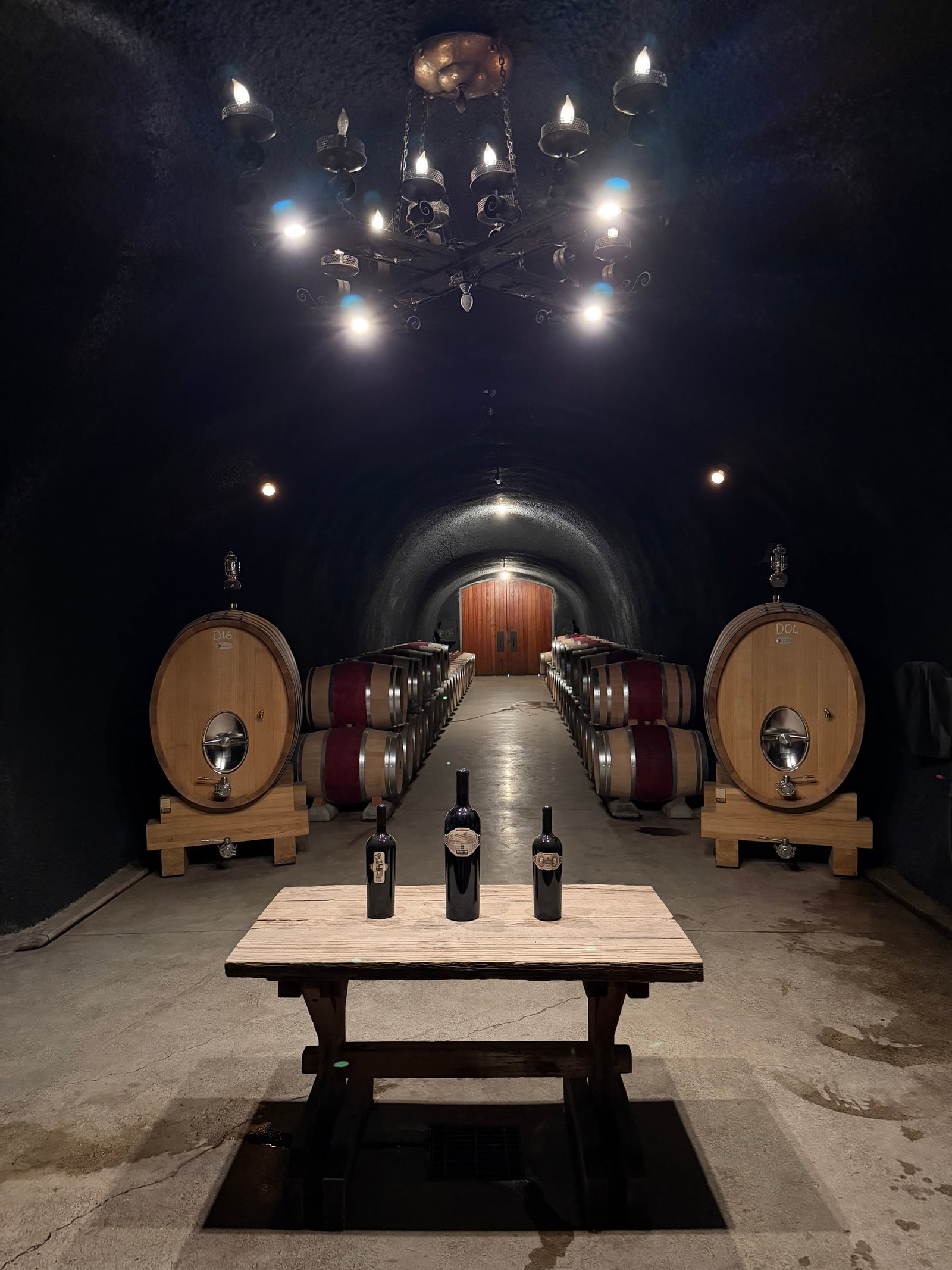
The horseshoe cellar is one cinematic part of the experience. The room has that dark, arched, almost subterranean feeling that makes you instinctively lower your voice. Barrels line the sides, the table is staged in the center, and the wines feel like they belong to the room rather than simply being placed there for a photo.
It is also where the Bordeaux comparison feels most natural. The cellar is not trying to imitate a château exactly, but it carries the same instinct: make the guest understand that wine is a combination of architecture, patience, silence, and controlled drama.
The exact lineup from my visit was four bottles: 2021 Hora, 2021 Founding Brothers, 2021 Cathiard Vineyard, and 2020 Cathiard Vineyard. That made the tasting especially useful because it showed both the breadth of the estate and a one-vintage comparison against the prior-year flagship.
The estate also has OEX in its broader family of wines, but the bottles I tasted were the three 2021 labels plus the 2020 Cathiard Vineyard. That specificity is worth keeping because it makes the visit piece more useful for anyone trying to understand what a private Cathiard tasting can feel like.
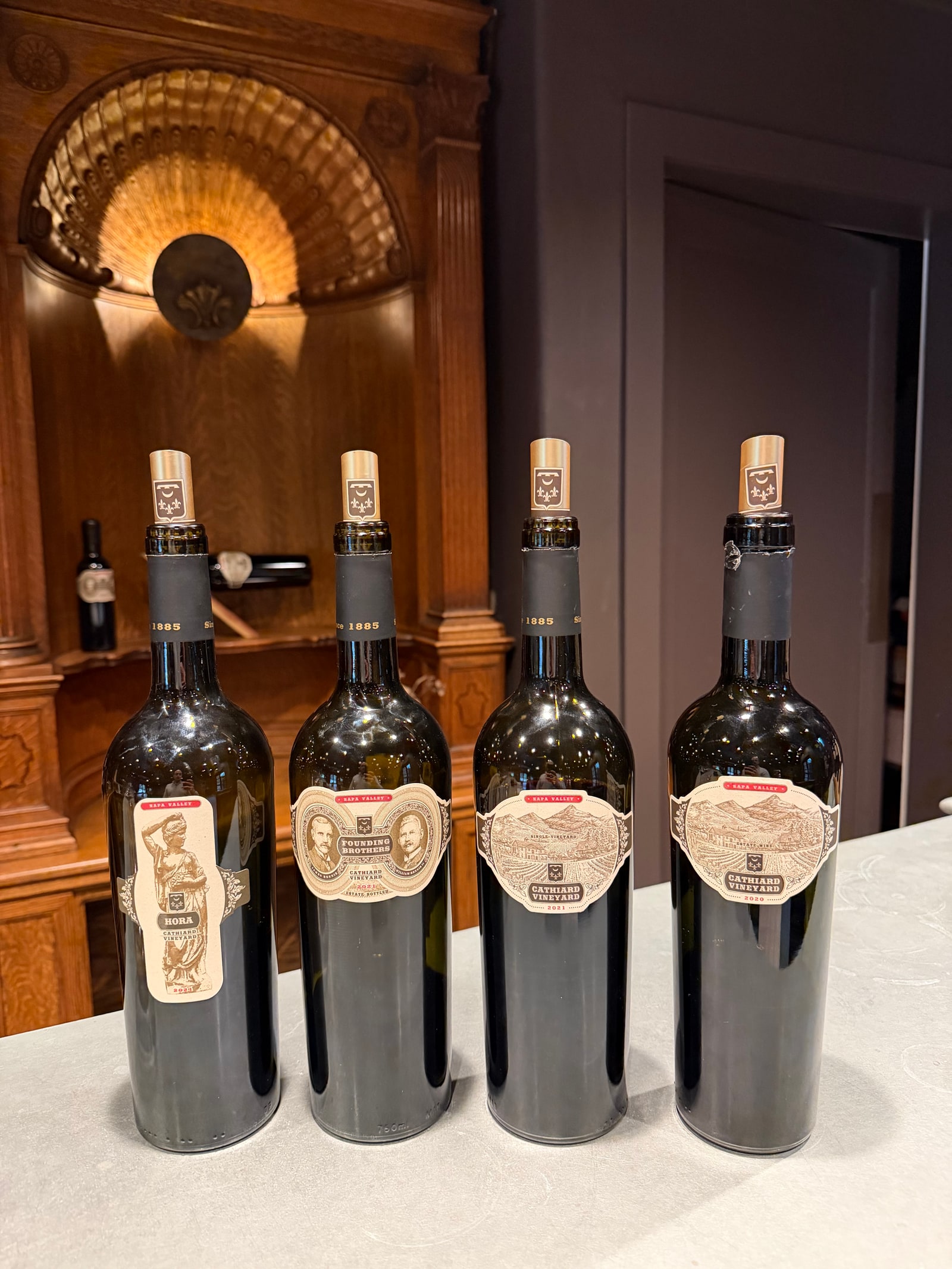
The labels are not a side note. They are among the more memorable parts of Cathiard Vineyard because each bottle has its own identity. Hora has the mythological/seasonal figure. Founding Brothers carries the historic founders. Cathiard Vineyard uses the estate image. OEX, even when not in the lineup, sits in the background as the rarer single-vineyard idea.
That label work matters because it mirrors the visit. You are not just tasting Cabernet in a neutral room. You are moving through a story: old Napa, Bordeaux ownership, family hospitality, barrel craft, Caudalie, cellar drama, then bottles with enough visual design to make the whole thing feel considered.
The Caudalie detail is easy to underestimate, but it is one of the reasons the visit feels different. At many wineries, skincare or hospitality products would feel like a retail add-on. At Cathiard, it makes sense because Caudalie and Les Sources are part of the same family ecosystem that began around Smith Haut Lafitte.
That is why the visit connected back so naturally to Les Sources de Caudalie. If you have stayed there, eaten at La Table du Lavoir, or walked the Smith Haut Lafitte property, Cathiard Vineyard feels like a California chapter of the same story. Napa gives it a different light, but the family language is recognizable: beauty, vines, wellness, cellar craft, and hospitality that tries to feel personal.
Cathiard Vineyard is a reservation-only experience. The official visit language emphasizes a tasting of three wines, the historic and family-owned winery, and the Cathiard Art de Vivre. Because offerings and tasting fees can change, confirm the current format directly when booking.
Yes. Cathiard Vineyard is owned by the Cathiard family, known for Château Smith Haut Lafitte in Bordeaux. That connection shapes the Napa estate’s cellar thinking, hospitality style, and cooperage emphasis.
My visit was hosted by Candice Bernard-Cathiard, who made the property feel personal and connected the Napa estate back to the family’s Bordeaux and Les Sources world.
The lineup was 2021 Hora, 2021 Founding Brothers, 2021 Cathiard Vineyard, and 2020 Cathiard Vineyard.
Yes. The visit included the cooperage/barrel-making area, led by Alban Trouvé. It is among the more distinctive parts of the experience because Cathiard keeps the barrel craft close to the winery itself: French oak, stave selection, bending, toasting, and cellar decisions all become visible parts of the visit.
Yes, especially if you want a Napa visit that goes beyond tasting-room hospitality. The estate combines historic stone, Bordeaux influence, family hosting, cellar drama, on-site craft, Caudalie context, and a serious Cabernet-focused lineup.
Cathiard Vineyard is compelling because it feels like a whole family world translated into Napa Valley. Walking the property with Candice, seeing the historic winery and modern cellar, spending time with the cooperage details, and then tasting 2021 Hora, 2021 Founding Brothers, 2021 Cathiard Vineyard, and 2020 Cathiard Vineyard made the experience feel complete. It is polished, but not generic; French in philosophy, but still rooted in the Mayacamas and Rutherford. The result is one of the more distinctive Napa estate visits for anyone who cares about wine, design, craft, and the stories behind a bottle.
Get the App
Take the shortlist into the En Primeur Club app for concierge access, saved places, and the next step after discovery.
Get Exclusive AccessMore from the editors