Skip to Main Content
← Collection
Saint-Aubin, France

Joseph Colin

Michelin

Joseph Colin has bottled as an independent Saint-Aubin grower since the 2016 vintage, one of the youngest domaines in the Marc Colin line.

Pearl is the En Primeur Club membership app — saves, bookings, and concierge access live there. Same editors, same standards.

Plan your visit on PearlPlan Your Visit
Address
32 Rue des Lavières, 21190 Saint-Aubin, France
Phone
+33 3 80 21 98 76
Saves & bookings on Pearl
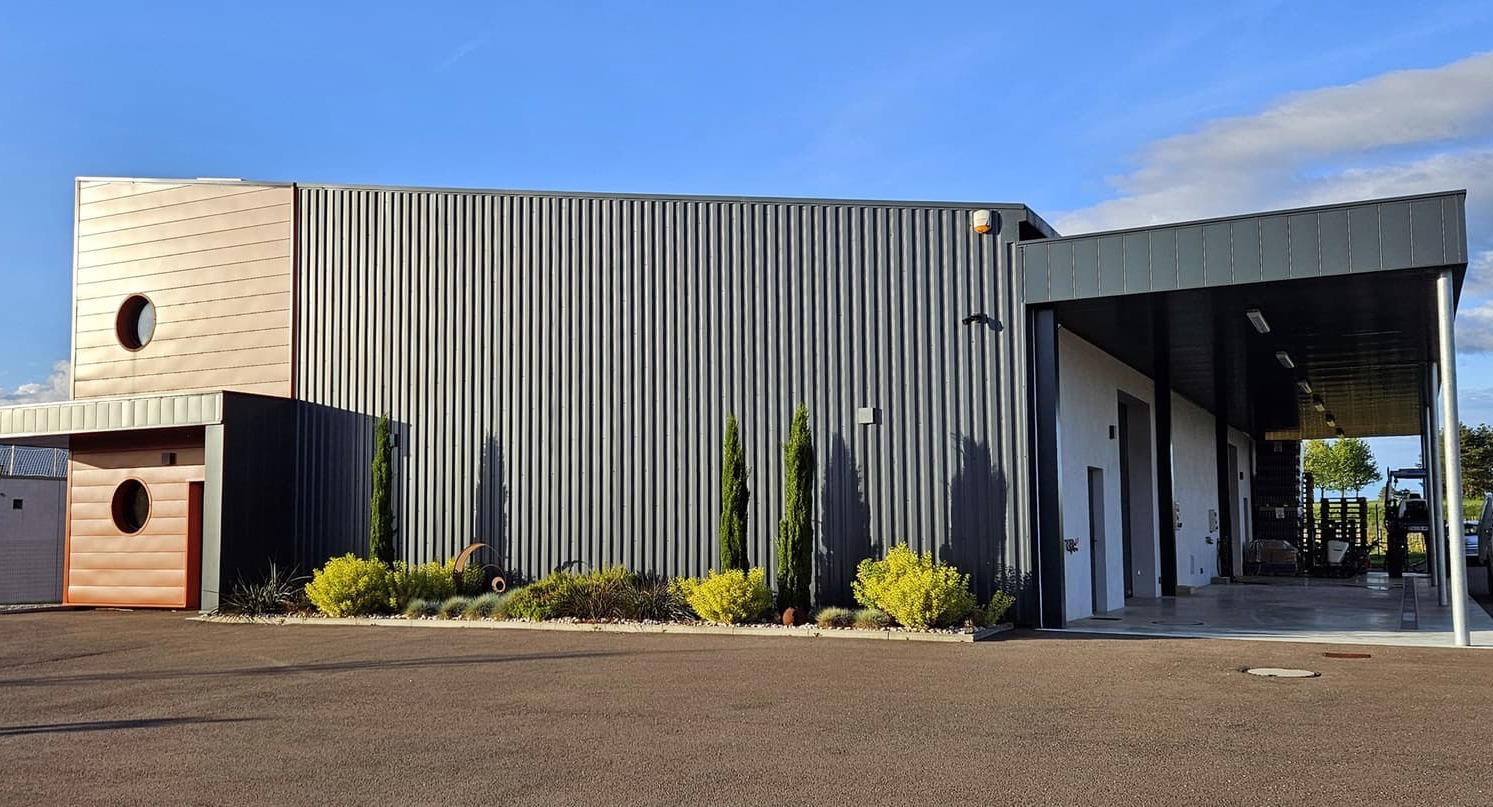
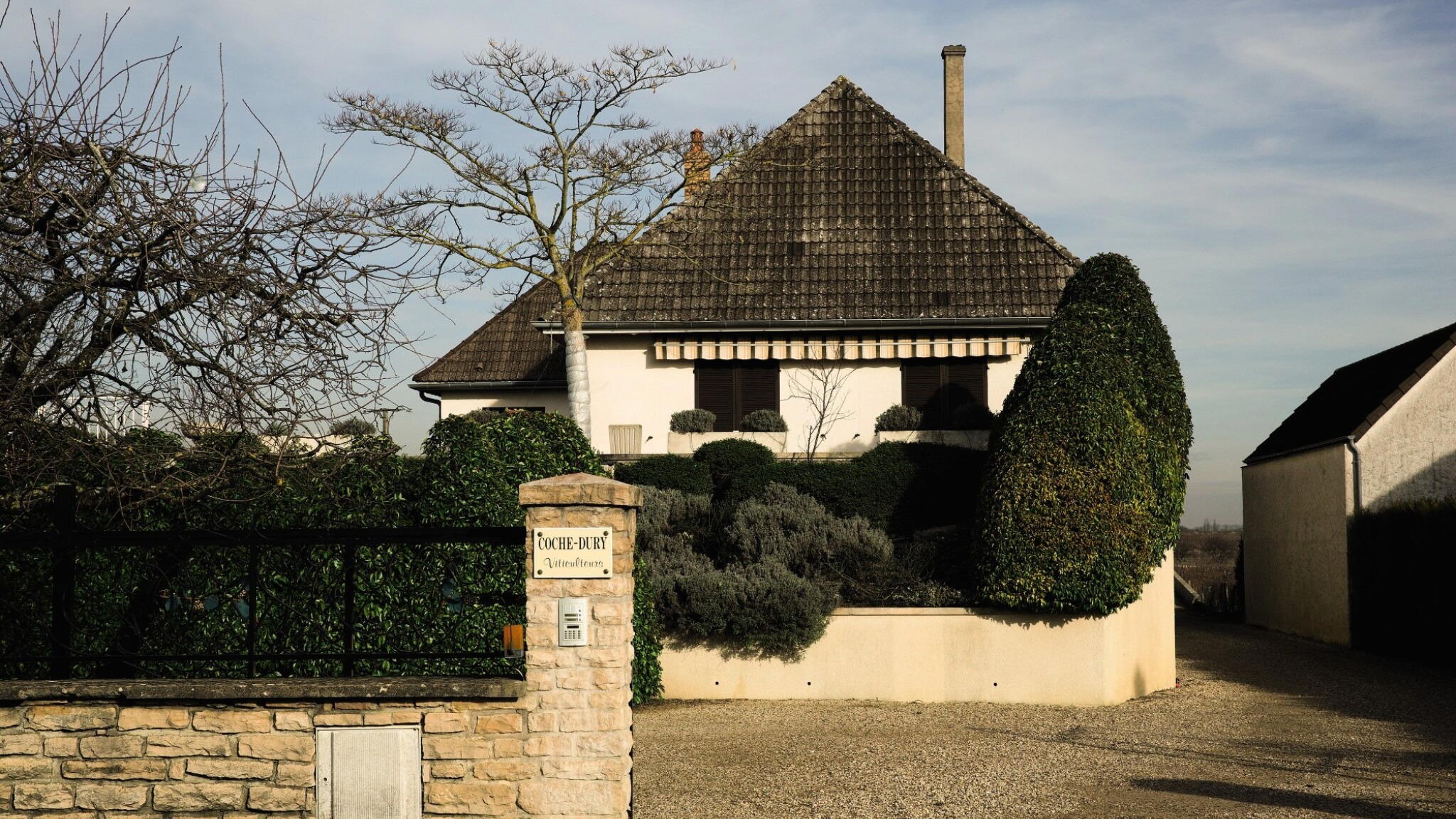
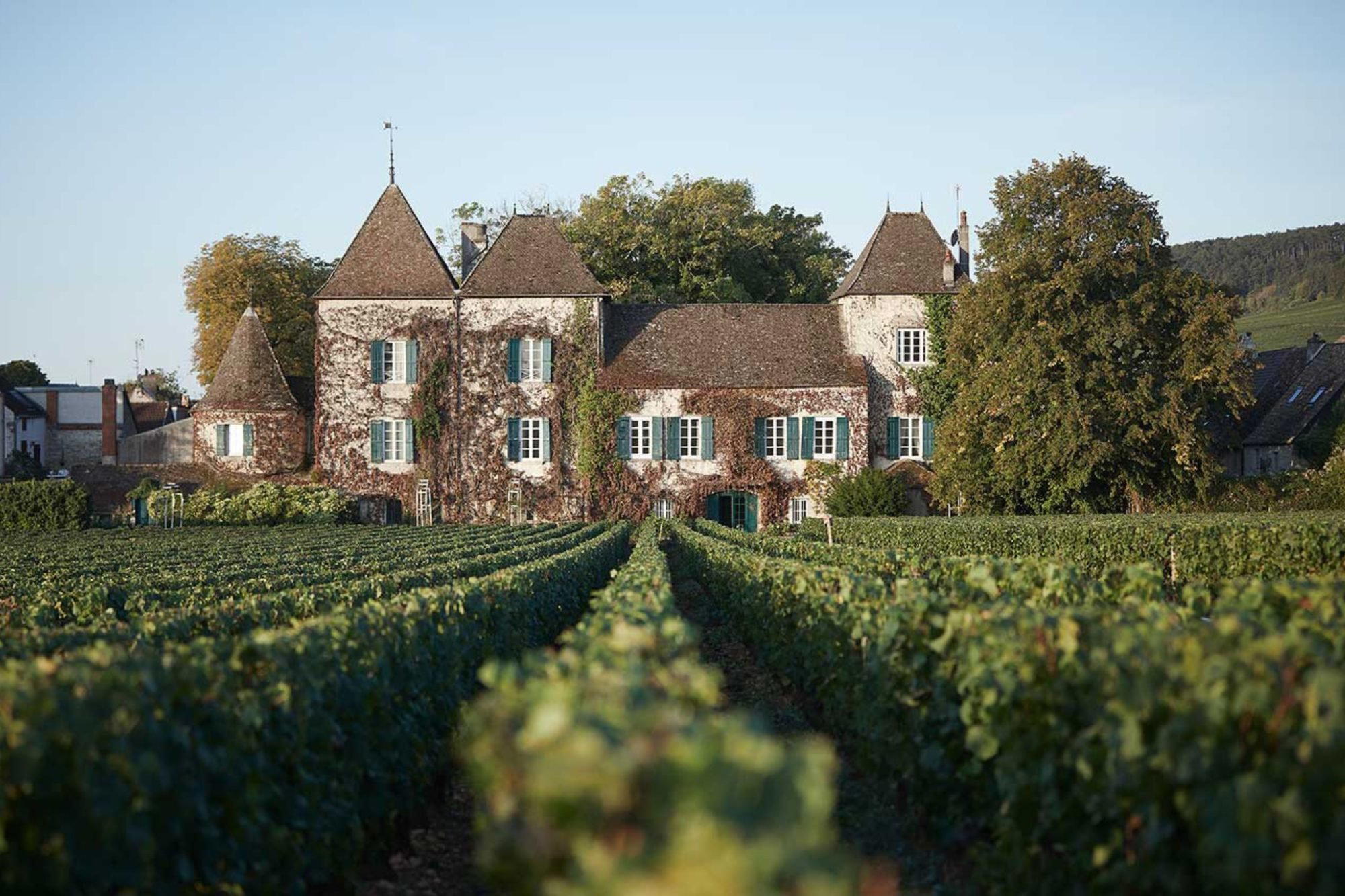
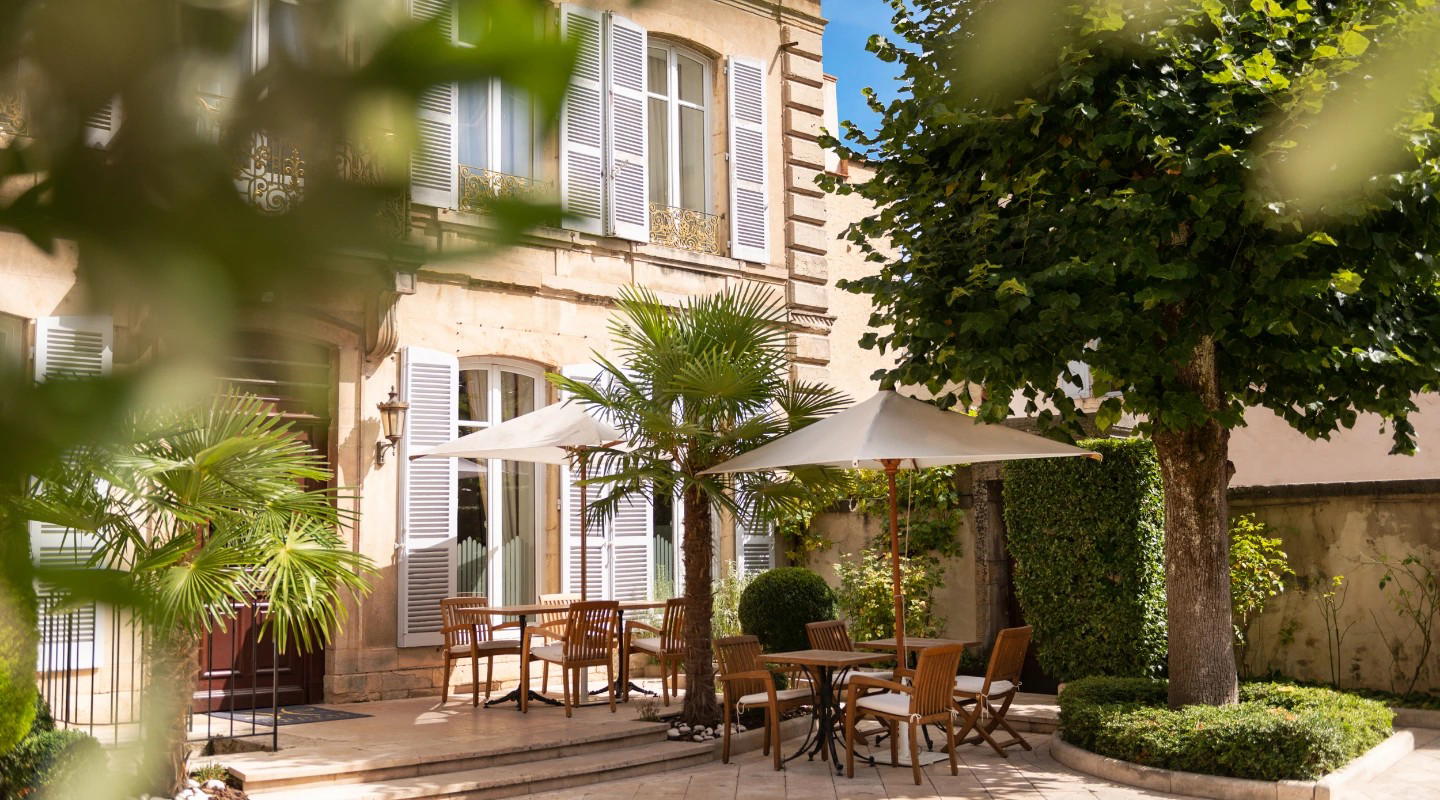
Joseph Colin winery in Saint-Aubin, France
About

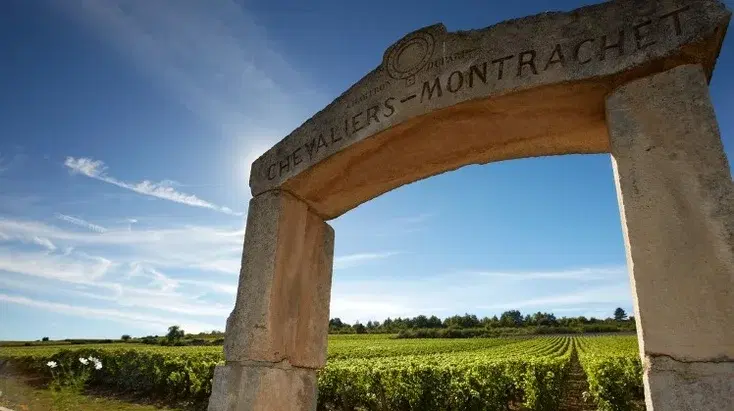
Saint-Aubin has long sat in the shadow of its grander neighbors, Chassagne-Montrachet to the south, Puligny-Montrachet to the north, but the commune's viticultural lineage runs deeper than the market's attention would suggest. The Côte de Beaune's eastern slope stretches into Saint-Aubin with steep, mineral-rich exposures that share the same Jurassic limestone as the grand cru vineyards of Montrachet, and a handful of grower-producers working those slopes have begun to reframe Saint-Aubin's regional positioning inside the trade. Domaine Joseph Colin, founded in 2016 by one of the sons of the Marc Colin lineage, operates inside that reframing effort, a first-generation domaine working inherited parcels across Saint-Aubin, Chassagne-Montrachet, and Puligny-Montrachet with a technical clarity that places it squarely inside the new Saint-Aubin school of precision viticulture and minimal-intervention cellar work.

The Marc Colin domaine has been a reference point in Saint-Aubin since the 1970s, with parcels across the commune's premier cru sites and a winemaking approach grounded in lutte raisonnée viticulture and neutral-oak aging. When Marc Colin retired in 2004, the domaine was divided among the Colin siblings: Pierre-Yves took the Marc Colin name and the bulk of the Saint-Aubin holdings, Damien founded Domaine Damien Colin with parcels in Chassagne, and Joseph, who had worked alongside his father through the final vintages, began bottling under his own name in 2017 after a decade of selling fruit to négociants. The Joseph Colin split carried with it a small but technically significant parcel base: premier cru holdings in Saint-Aubin En Remilly and Les Charmois, village-level holdings in Chassagne-Montrachet and Puligny-Montrachet, and a single climat in Chassagne premier cru Morgeot. The founding vintage of 2016 marked the first full estate-bottling under the Joseph Colin label, with all fruit previously contracted to Burgundy négociants through the 2015 vintage.

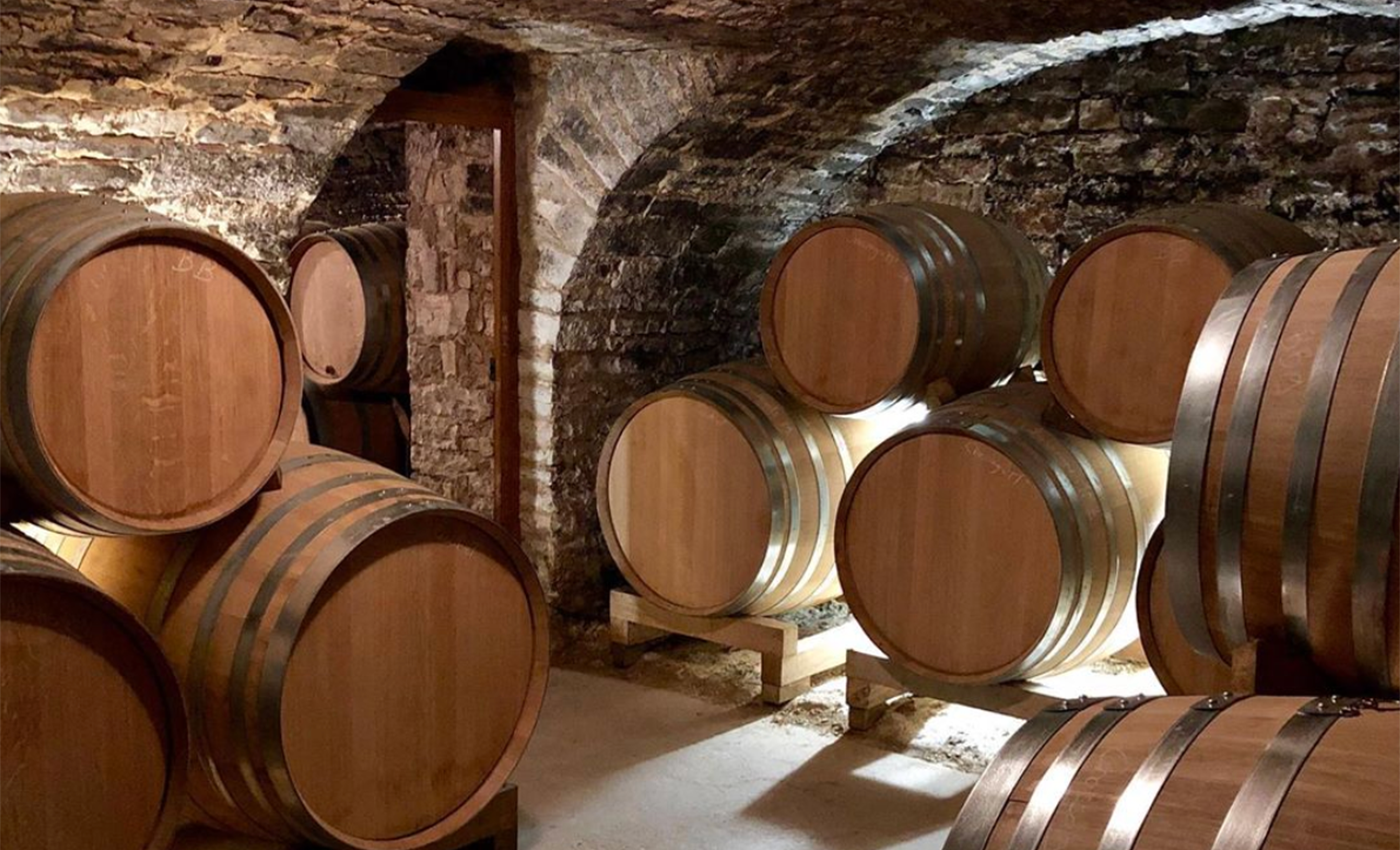
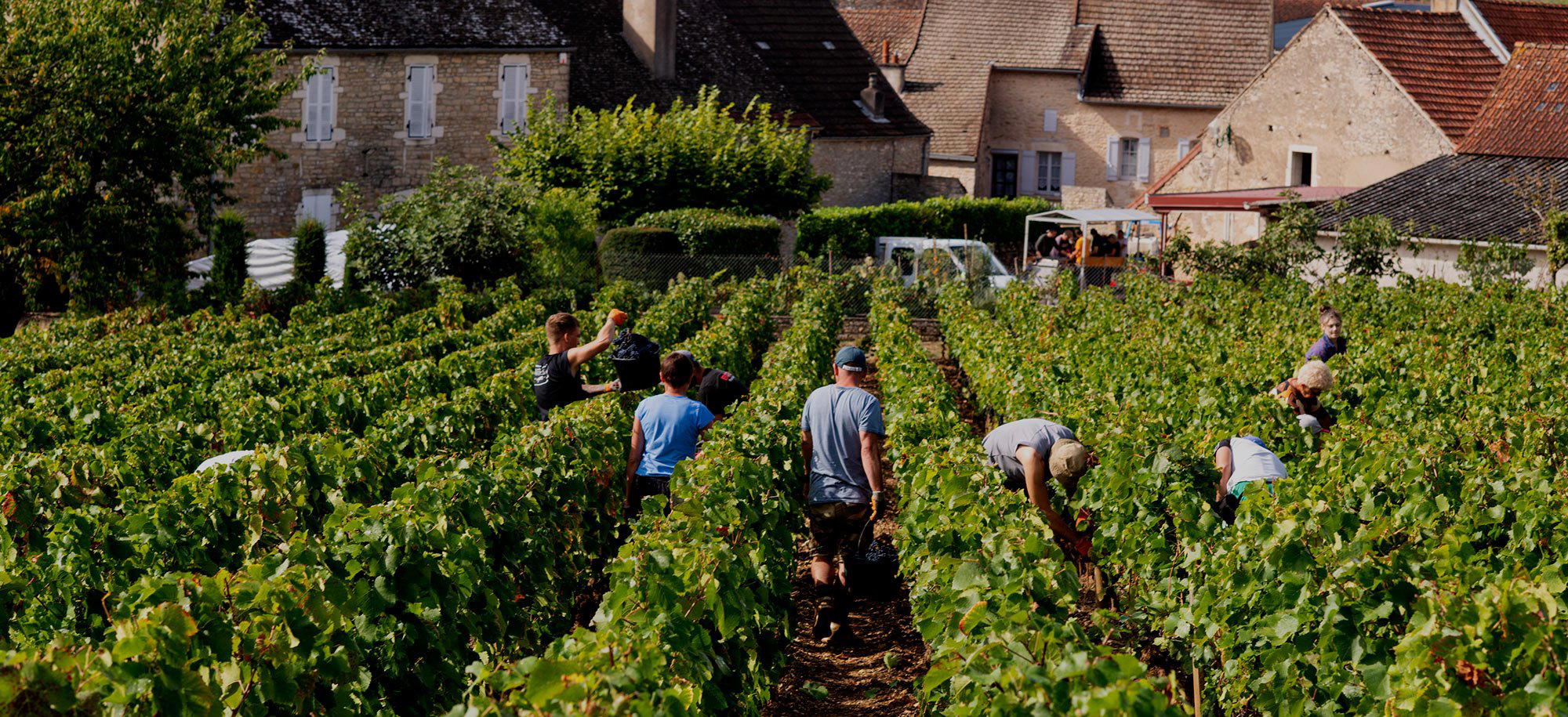
Joseph Colin's viticultural approach follows the Marc Colin lineage framework, hand-harvested fruit, small-batch fermentation in barrel, no new oak on village-level cuvées, minimal sulfur additions, but pushes the precision further on fermentation temperature and post-fermentation aging time. The estate works roughly 8.5 hectares across the three communes, all in Chardonnay except for a small parcel of Pinot Noir in Saint-Aubin. Vineyard work is lutte raisonnée rather than certified organic, but the protocol leans heavily toward organic practices: no herbicides, reduced copper-sulfate treatments, green-harvest to limit yields to 45 to 50 hectoliters per hectare depending on the vintage, and hand-sorting at harvest. Fermentation happens entirely in barrel, 228-liter Burgundy pièces, with indigenous yeasts and no temperature control beyond the ambient cellar environment, which runs between 16 and 18 degrees Celsius during primary fermentation. The premier cru cuvées see 20 to 25 percent new oak, while village-level cuvées ferment and age in second- and third-use barrels. Post-fermentation aging runs 12 to 14 months on fine lees with no bâtonnage, then another 6 months in tank before bottling. Sulfur additions are minimal: typically 30 to 40 milligrams per liter total SO2 at bottling, which sits at the lower end of the Burgundy regional baseline.

The Saint-Aubin premier cru En Remilly cuvée is the estate's technical anchor. En Remilly is a south-facing climat on the mid-slope above the village, with shallow topsoil over hard limestone bedrock and a steep gradient that forces the vines to root deeply. The Joseph Colin parcel sits at 300 to 320 meters elevation, in the upper section of the climat where the soils are thinnest and the limestone exposure most pronounced. The cuvée ferments in 25 percent new oak and ages for 14 months before bottling, with no filtration and no fining. The result is a wine that reads as closer to Puligny in its mineral frame than to the rounder, more immediately expressive style typical of lower-slope Saint-Aubin: high acidity, tight citrus and white-flower aromatics, a saline finish that extends past the fruit. The 2019 vintage of En Remilly showed 13.2 percent alcohol and a pH of 3.15 at bottling, which places it inside the upper range of acidity for premier cru Chardonnay in the Côte de Beaune and well above the regional mean for Saint-Aubin.

The Chassagne-Montrachet premier cru Morgeot cuvée is the estate's sole red-soil holding. Morgeot is a large climat on the Chassagne slope with significant variation in soil type across its 155 hectares, but the Joseph Colin parcel sits in the upper section near the boundary with Saint-Aubin, where the soils carry more clay and iron oxide than the limestone-dominated lower slope. The wine ferments in 20 percent new oak and ages for 12 months, then another 6 months in tank. The style sits between the mineral precision of En Remilly and the rounder, more textured profile typical of mid-slope Chassagne: ripe stone fruit, fuller body, lower acidity than the Saint-Aubin cuvées, but still restrained against the wider Chassagne peer set. The 2018 vintage showed 13.5 percent alcohol and a pH of 3.28 at bottling, which places it inside the regional norm for premier cru Chassagne but at the cooler, higher-acid end of that range.

Village-level Puligny-Montrachet cuvée is the estate's smallest production by volume, roughly 600 bottles per vintage, and draws from a single parcel on the lower slope near the boundary with Chassagne. The wine ferments and ages entirely in second- and third-use barrels for 12 months, then 6 months in tank before bottling. The style is lean and precise, closer to the En Remilly frame than to the rounder village-level Chassagne cuvée: high acidity, citrus pith, white flowers, a tight mineral finish. The cuvée is technically a village-level appellation but reads at a level of intensity and complexity closer to premier cru in the Joseph Colin range, which reflects both the parcel's proximity to premier cru sites and the estate's minimal-intervention cellar protocol. The 2020 vintage showed 13.0 percent alcohol and a pH of 3.12 at bottling, which places it at the high end of acidity for village-level Puligny and well above the regional baseline for Saint-Aubin village wines.

Saint-Aubin premier cru Les Charmois cuvée completes the estate's premier cru range. Les Charmois is a south-facing climat on the mid-slope adjacent to En Remilly, with similar soils and a slightly lower elevation. The Joseph Colin parcel sits at 280 to 300 meters, in the middle section of the climat where the topsoil is marginally deeper than in En Remilly but still shallow by Burgundy standards. The wine ferments in 20 percent new oak and ages for 14 months, with the same no-filtration, no-fining protocol as the En Remilly cuvée. The style reads as slightly rounder and more immediately expressive than En Remilly, ripe citrus, fuller mid-palate, lower acidity, but still inside the mineral-driven, high-tension frame that defines the Joseph Colin house style. The 2019 vintage showed 13.3 percent alcohol and a pH of 3.18 at bottling, which places it inside the upper range of acidity for premier cru Saint-Aubin and closer to the Puligny peer set than to the wider Saint-Aubin baseline.

Village-level Saint-Aubin cuvée and the village-level Chassagne-Montrachet cuvée complete the estate's range. Both ferment and age entirely in second- and third-use barrels for 12 months, then 6 months in tank before bottling, with no new oak. The Saint-Aubin village cuvée draws from several parcels across the commune's lower slopes and reads as the most accessible wine in the range: fresh citrus, white flowers, moderate acidity, a clean mineral finish without the intensity or length of the premier cru bottlings. The Chassagne village cuvée draws from parcels near the Morgeot boundary and reads as rounder and fuller-bodied than the Saint-Aubin village wine, with ripe stone fruit and a softer acid line. Both wines are bottled at 12.8 to 13.0 percent alcohol with pH values between 3.20 and 3.30, which places them inside the regional norm for village-level Côte de Beaune Chardonnay.

Annual production across the estate runs at approximately 3,500 to 4,000 cases, with the village-level cuvées accounting for roughly 60 percent of total volume and the premier cru cuvées split evenly across the four bottlings. The estate sells primarily through traditional Burgundy allocation channels: a small direct-to-consumer list in France, a handful of importers in the United States and the United Kingdom, and a small allocation to Burgundy négociants for the village-level cuvées. The premier cru bottlings are trade-only and allocated, with pricing that sits inside the middle range for Saint-Aubin premier cru: roughly €40 to €50 per bottle at domaine release for the 2019 and 2020 vintages, which places the estate above the cooperative-volume baseline for Saint-Aubin but below the top-tier grower-producers in Chassagne and Puligny. The village-level cuvées are priced at €25 to €30 per bottle at domaine release, which sits inside the regional norm for grower Saint-Aubin and Chassagne.

Years of Operation and Founding Context

Domaine Joseph Colin has been operating as an independent estate since the 2016 vintage, making it one of the youngest domaines in the Marc Colin lineage network. The founding followed a decade-long transition period during which Joseph Colin worked alongside his father at the family domaine and sold fruit to Burgundy négociants before committing to estate bottling. The 2016 vintage marked the first full estate-bottling under the Joseph Colin label, with all prior vintages either sold as fruit or bottled under the Marc Colin or Pierre-Yves Colin-Morey labels. The estate's operating tenure of eight vintages as of 2024 places it inside the second wave of Colin-lineage splits, following the Damien Colin and Pierre-Yves Colin-Morey splits in the mid-2000s and preceding the Caroline Morey and Adrien Morey splits in the late 2010s. The relatively short operating history means the estate's peer-set positioning is still being established inside the trade, but the consistency of the cellar protocol and the precision of the vineyard work across the first eight vintages have already placed the Joseph Colin bottlings inside the upper tier of Saint-Aubin grower references.

The Marc Colin lineage itself traces back to the post-phylloxera replanting period in Saint-Aubin, with the family domaine founded in the early 20th century and expanded significantly under Marc Colin's tenure from the 1970s through the early 2000s. Marc Colin was among the first grower-producers in Saint-Aubin to estate-bottle rather than sell to négociants, and the domaine's technical clarity, particularly on fermentation protocol and oak regime, set a reference point for the commune's shift toward quality-focused production in the 1980s and 1990s. The Colin lineage splits that followed Marc's retirement have produced five separate domaines working parcels across Saint-Aubin, Chassagne, and Puligny, all sharing the same core viticultural framework but diverging on cellar techniques and oak regimes. Joseph Colin's cellar protocol sits inside the Marc Colin tradition, long aging on lees, minimal sulfur, neutral oak on village wines, but pushes the precision further on fermentation temperature and post-fermentation aging time, which places the estate closer to the younger generation of Saint-Aubin producers than to the Marc Colin baseline.

Peer-Set Position and Trade Recognition

The Joseph Colin bottlings sit inside the Saint-Aubin grower peer set alongside Domaine Hubert Lamy, Domaine Henri Prudhon, and the Pierre-Yves Colin-Morey Saint-Aubin cuvées. The estate's technical positioning, high acidity, mineral-driven aromatics, minimal new oak, places it closer to the Hubert Lamy school than to the rounder, more oak-inflected style typical of older Saint-Aubin producers. The premier cru En Remilly and Les Charmois cuvées read as the estate's strongest technical achievements, with a precision and length that sit inside the upper tier of Saint-Aubin premier cru and closer to the Puligny village peer set than to the wider Saint-Aubin baseline. The Chassagne Morgeot cuvée sits inside the middle range of premier cru Chassagne, with a clarity and restraint that distinguish it from the richer, more textured bottlings typical of lower-slope Morgeot parcels. The village-level cuvées are competent but less distinctive, reading as inside the regional norm for grower Saint-Aubin and Chassagne rather than as standouts inside the peer set.

The estate's short operating history means it has not yet accumulated the trade recognition typical of longer-tenured Saint-Aubin domaines, but the consistency of the first eight vintages and the precision of the cellar work have already placed the Joseph Colin bottlings on the radar of Burgundy-focused importers and sommeliers. The premier cru cuvées appear on allocation lists at Burgundy-specialist importers in the United States and the United Kingdom, and the village-level cuvées are beginning to appear on by-the-glass programs at serious wine bars in Paris and London. The estate has not yet been reviewed by major Burgundy critics, neither Allen Meadows at Burghound nor Neal Martin at Vinous has published tasting notes on the Joseph Colin range as of 2024, but the first mentions in regional trade coverage suggest the estate is being positioned inside the Saint-Aubin quality tier rather than as a value alternative to Chassagne or Puligny.

Access to the Joseph Colin bottlings remains primarily through allocation channels, with limited retail availability outside of France. The estate's direct-to-consumer list is small and closes quickly after each vintage release, and the allocation to importers is split across a handful of key markets: the United States (primarily New York and California), the United Kingdom (London-focused), and Belgium. The premier cru cuvées are the most difficult to access, with typical allocations running at one to two cases per importer per vintage. The village-level cuvées are more widely distributed but still inside the trade-allocation frame rather than open retail. For trade buyers sourcing Saint-Aubin, the Joseph Colin range sits inside the middle tier of accessibility, easier to access than the top-tier grower bottlings from Hubert Lamy or Pierre-Yves Colin-Morey, but harder to access than cooperative-volume Saint-Aubin or négociant-bottled village wines. For collectors and sommeliers building verticals, the estate's short operating history means the back-vintage market is thin, with most bottles from the 2016 and 2017 vintages already consumed and the 2018 through 2020 vintages still inside the primary allocation window.

At a Glance
Vibe
  • Quiet
  • Classic
  • Elegant
  • Sophisticated
Best For
  • Solo Exploration
  • Wine Education
  • Special Occasion
Experience
  • Private Tasting
  • Historic Building
Sourcing
  • Sustainable
Views
  • Vineyard
Noise LevelQuiet
CapacitySmall

A focused, terroir-driven Burgundy producer with a hands-off cellar approach, indigenous yeast fermentations, and barrel aging that suggest a precise, understated, and elegant style.

Additional Properties
AVASaint-Aubin AOC
VarietalsChardonnay, Aligoté, Pinot Noir
Wine Stylesstill_white, still_red
Wine ClubNo
DTC ShippingNo