Domaine Joseph Roty


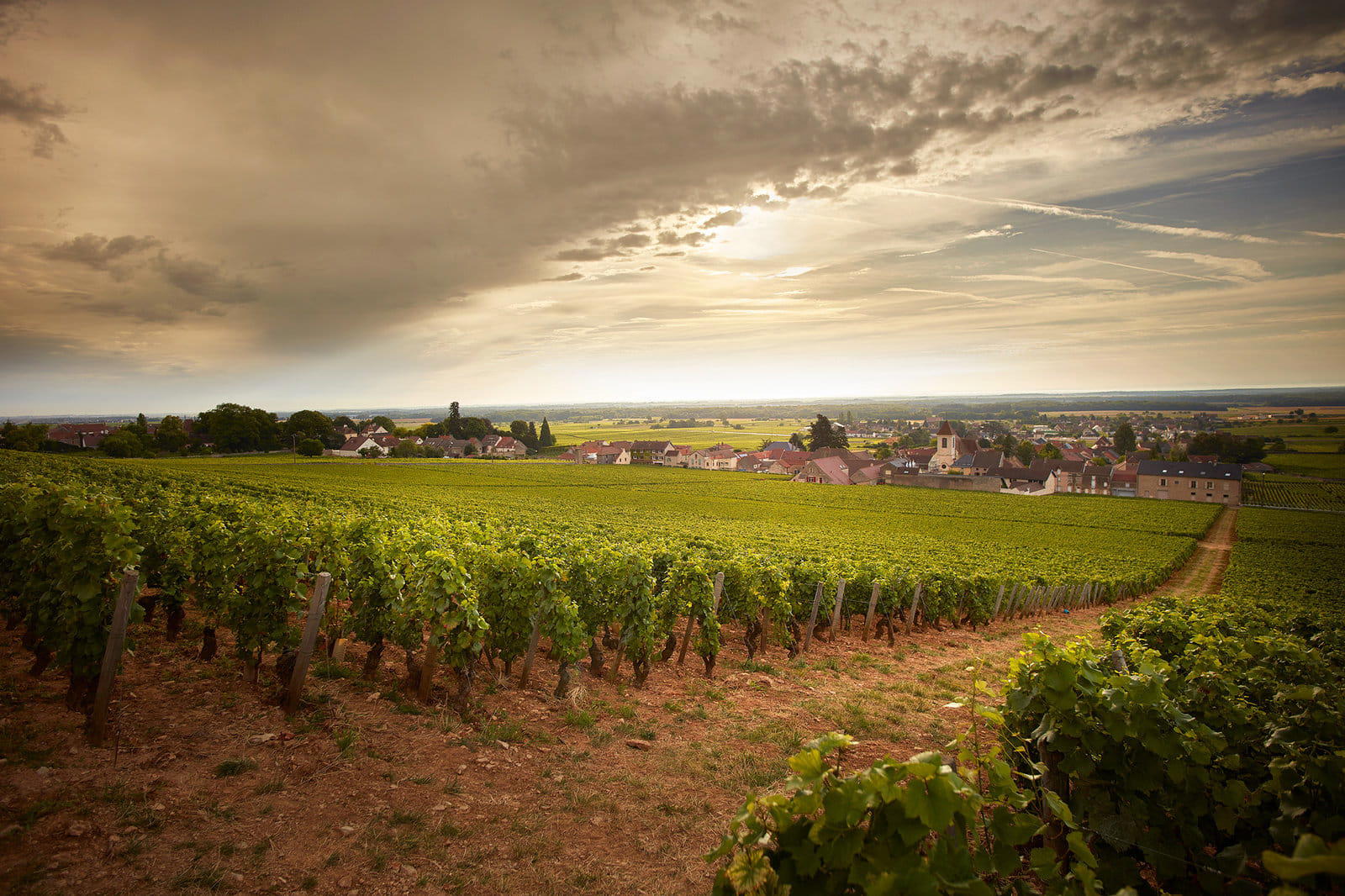
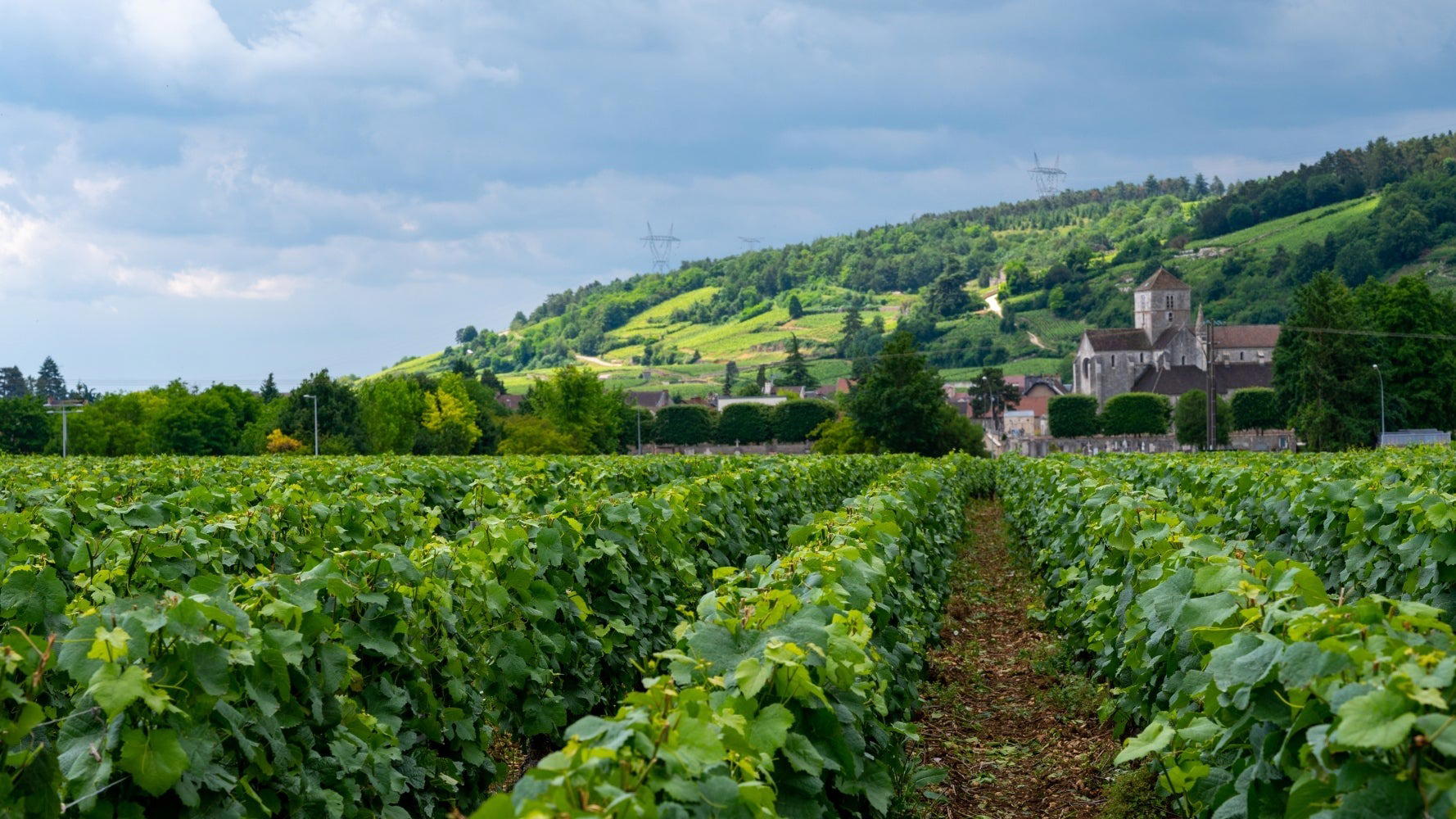
Domaine Joseph Roty focuses on sustainable production, vineyard views, and cave tastings in Gevrey-Chambertin, with 2026 Michelin 1 Grape and Falstaff recognition.
Pearl is the En Primeur Club membership app — saves, bookings, and concierge access live there. Same editors, same standards.
- Address
- 24 Rue Mal de Lattre de Tassigny, 21220 Gevrey-Chambertin
- Phone
- +33 3 80 34 38 97
- Directions
- Get directions
 Saves & bookings on Pearl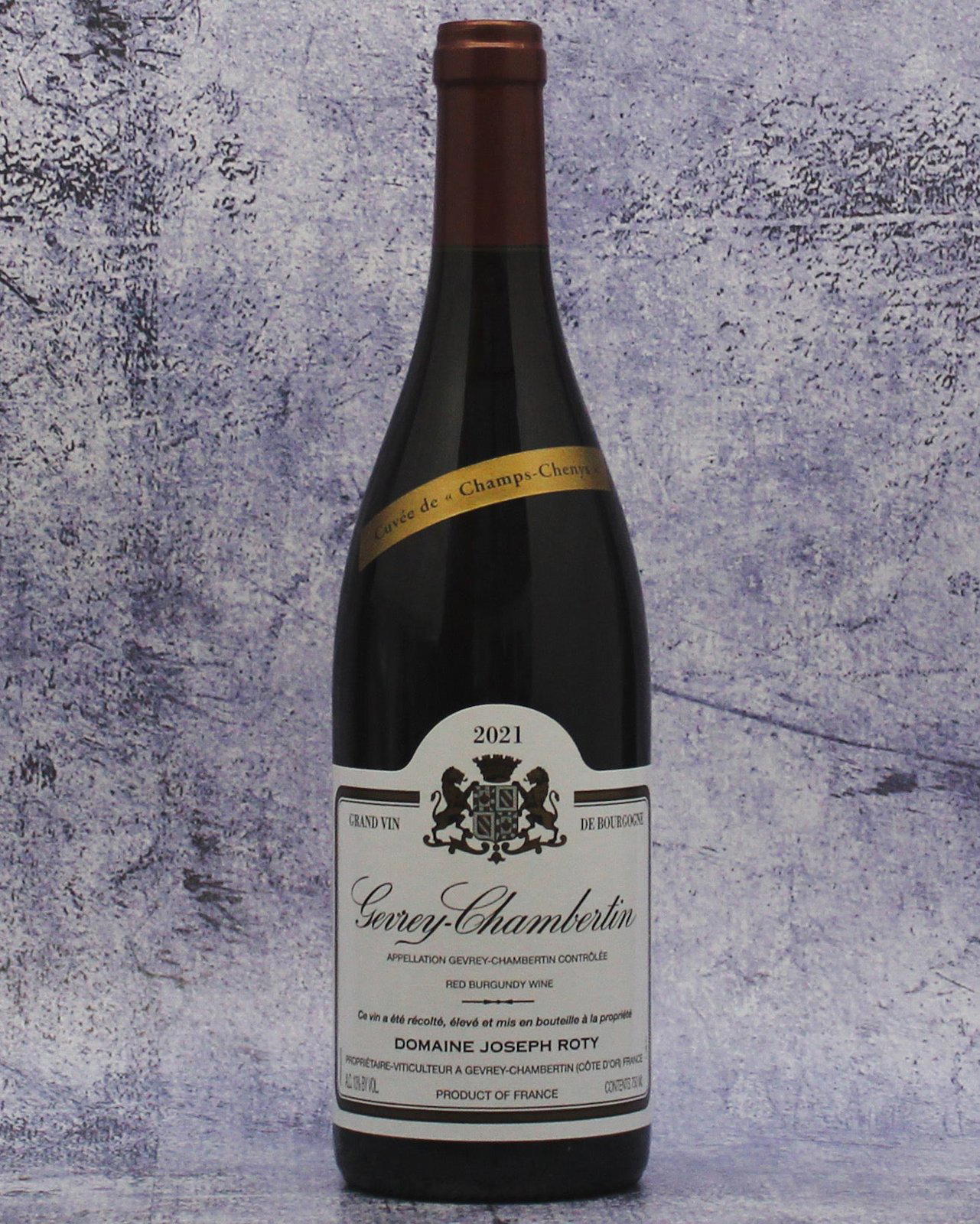
The Gevrey-Chambertin school of Burgundy winemaking, anchored in the lower Côte de Nuits, shaped by centuries of monastic vineyard classification, and carried forward through family domaines that farm grand cru and premier cru parcels measured in fractions of hectares, has always favoured concentration, structure, and cellar-worthiness over early-drinking approachability. Within that broader tradition, a subset of producers in the village have pushed toward even longer fermentation, minimal new-oak influence, and extended bottle age before release, producing Pinot Noir that sits structurally closer to the northern Côte de Nuits (Morey, Chambolle) than to the softer, fruit-forward profile associated with some of the larger Gevrey négociant bottlings. Domaine Joseph Roty, founded in the village in 1949 by Joseph Roty, operates inside that minimal-intervention, long-fermentation wing of the Gevrey school. The domaine farms approximately 12 hectares across Gevrey-Chambertin, Charmes-Chambertin Grand Cru, Mazis-Chambertin Grand Cru, Griottes-Chambertin Grand Cru, and several premier cru parcels including Clos Prieur and Les Fontenys, with an emphasis on old-vine holdings, some parcels dating to the 1930s and 1940s, and a cellar protocol that has remained largely unchanged since the elder Roty's tenure: wild-yeast fermentation, whole-cluster inclusion at 30 to 60 percent depending on vintage and parcel, cuvaison extending 21 to 28 days, and aging in oak barrels with new-wood percentages held below 30 percent even for grand cru lots.
The Joseph Roty approach to fermentation and élevage reflects the late-1970s and early-1980s Burgundy movement toward lower yields, riper fruit, and extended maceration, a technical lineage that also shaped producers such as Domaine Armand Rousseau, Domaine Claude Dugat, and Domaine Dugat-Py in the same village. Joseph Roty himself was a contemporary of Henri Jayer in Vosne-Romanée and of Hubert de Montille in Volnay, and the domaine's working philosophy, rigorous sorting, minimal intervention in the cellar, long aging on fine lees, no fining or filtration, aligns with the Jayer school of Burgundy winemaking even as the geographical focus remains Gevrey-Chambertin rather than Vosne. Pierre-Jean Roty maintained the house style with minor adjustments: slightly higher whole-cluster percentages in warmer vintages, a marginal reduction in new oak from the 40 to 50 percent range his father used in the 1970s down to the current 20 to 30 percent baseline, and a renewed focus on organic farming practices beginning in the early 2000s, though the domaine has not pursued formal organic or biodynamic certification. The estate is now farmed with minimal synthetic inputs, cover crops in the inter-rows, and manual canopy management to control yields, with average production ranging from 25 to 35 hectolitres per hectare depending on the parcel and the vintage, well below the Gevrey-Chambertin appellation maximum of 40 hectolitres per hectare for village-level wines and 35 hectolitres per hectare for premier and grand cru sites.
The domaine's grand cru holdings form the core of its reputation inside the Burgundy trade. Charmes-Chambertin, a 1.37-hectare parcel within the Mazoyères section of the climat, planted in 1935, is vinified with 50 to 60 percent whole clusters in most vintages, fermented in open-top wooden cuves for 24 to 26 days, and aged in 25 percent new French oak from Tronçais and Allier cooperages for 18 to 20 months before bottling without fining or filtration. The resulting wine typically shows darker fruit (black cherry, cassis) and more pronounced tannin structure than the softer, rounder profile associated with some Charmes-Chambertin producers, and the domaine's bottling is often cited in trade tastings as stylistically closer to Mazis-Chambertin than to the village Charmes norm. Mazis-Chambertin itself, a 0.50-hectare parcel in the upper section of the climat, with vines planted in 1942, undergoes a similar protocol but with slightly lower whole-cluster inclusion (30 to 40 percent) and the same aging regime, producing a wine that sits structurally between the Charmes and the Griottes in the domaine's range. Griottes-Chambertin, the smallest of the domaine's grand cru holdings at 0.25 hectares, planted in 1938, is typically especially backward and tannic among the three in youth, with extended bottle age (ten to fifteen years from vintage) often required before the wine's structure softens and the underlying fruit clarity emerges. The domaine also produces a small quantity of Clos de Bèze from a 0.33-hectare parcel acquired in the 1970s, though this bottling is not released in every vintage and is reserved for the estate's allocation clients.
Premier cru production at Roty includes Gevrey-Chambertin Clos Prieur, a 1.10-hectare parcel enclosed within stone walls in the southern section of the village, and Gevrey-Chambertin Les Fontenys, a 0.80-hectare parcel adjacent to the grand cru belt. Both sites are farmed with the same low-yield, high-density philosophy as the grand cru parcels, though the oak regime for premier cru wines is slightly lighter (15 to 20 percent new wood) and the aging period is marginally shorter (16 to 18 months). The Clos Prieur, in particular, has developed a following among collectors and sommeliers for its combination of Gevrey concentration and earlier-drinking accessibility relative to the grand cru bottlings, and the wine is frequently cited as an entry point into the domaine's style for buyers who cannot access the grand cru allocations. Village-level Gevrey-Chambertin is produced from several parcels totalling approximately 4 hectares, with the majority of fruit coming from lieu-dits near the premier cru boundary; this cuvée is aged in 10 to 15 percent new oak and typically released 18 months after harvest, though the domaine has been known to hold back village-level wines in the cellar for an additional year in weaker vintages to allow further integration.
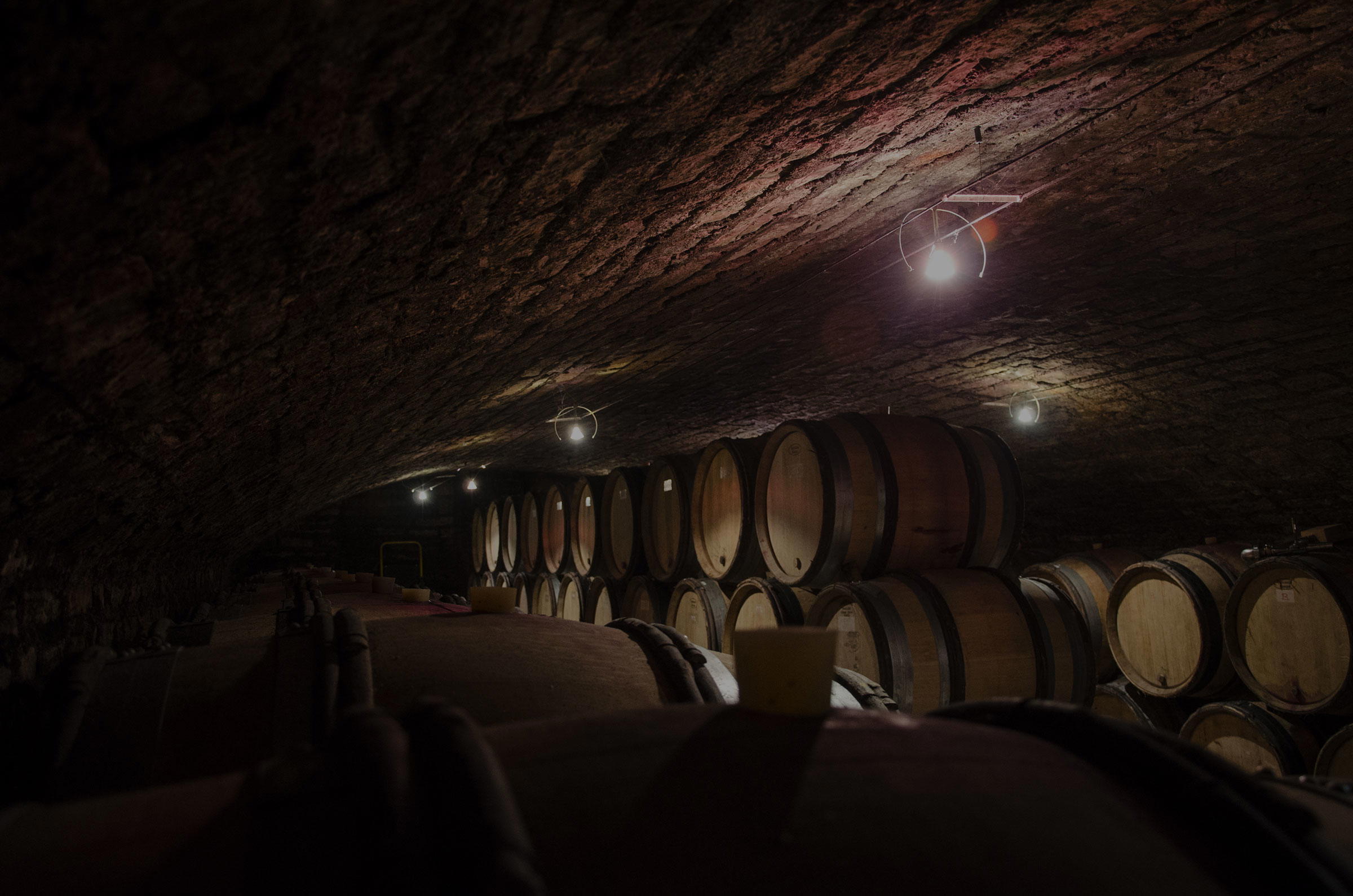
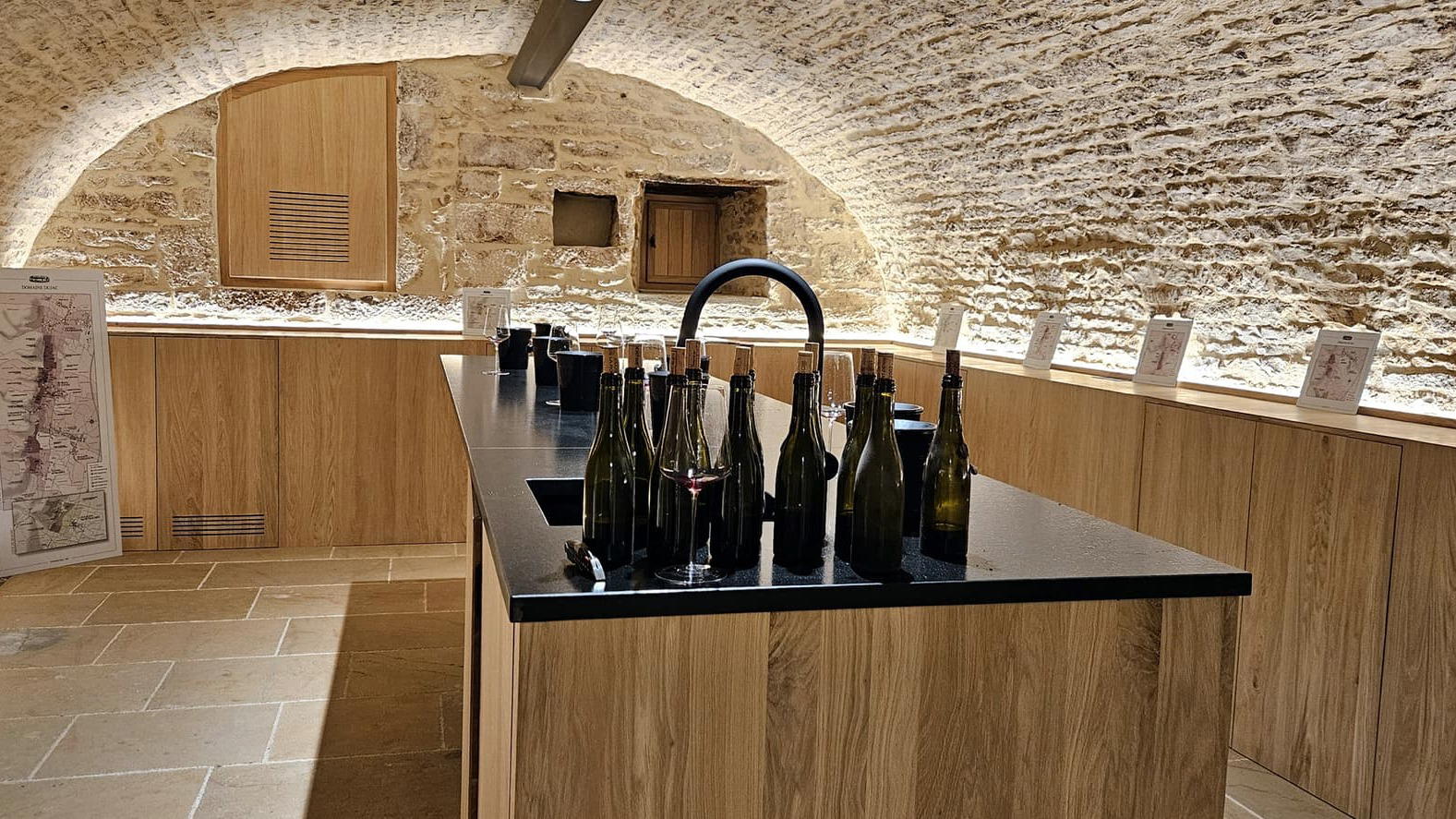
The domaine's working cellar, located beneath the Roty family home on the Route de Beaune in Gevrey-Chambertin, remains a traditional Burgundy setup: gravity-fed from the sorting table to the fermentation cuves, minimal pumping during élevage, natural temperature regulation through thick stone walls, and a single racking from barrel to barrel at approximately twelve months of aging. Pierre-Jean Roty works the cellar largely alone, with seasonal help during harvest and bottling, and the annual production across all cuvées averages 3,500 to 4,000 cases depending on the vintage. The domaine does not maintain a tasting room open to walk-in visitors, and access to the cellar is by appointment only, typically reserved for trade buyers, longstanding allocation clients, and journalists covering Burgundy wine. The allocation structure is tightly controlled: approximately 60 percent of production is distributed through a small network of importers in the United States, the United Kingdom, Japan, and Switzerland, with the remaining 40 percent sold directly from the domaine to private clients in France and Belgium. Pricing on the allocation list reflects the domaine's position inside the upper tier of Gevrey-Chambertin producers: recent-vintage Charmes-Chambertin and Mazis-Chambertin release at approximately €180 to €220 per bottle ex-cellar, Griottes-Chambertin at €250 to €300, and premier cru Clos Prieur at €80 to €100, with village Gevrey-Chambertin typically priced around €40 to €50 per bottle. Secondary-market pricing on older vintages, particularly the 1999, 2005, 2009, and 2015 Charmes-Chambertin, has climbed significantly above release levels, with auction results frequently exceeding €400 to €500 per bottle for well-stored examples from strong vintages.
The domaine's reputation inside the Burgundy trade has remained consistent over the past three decades: recognised as a producer of powerful, structured, age-worthy Gevrey-Chambertin, sitting stylistically between the more polished, new-oak-forward profile of producers such as Domaine Denis Bachelet and the more austere, mineral-driven approach of Domaine Duroché. Trade publications including Vinous, Decanter, and The World of Fine Wine have consistently scored the domaine's grand cru bottlings in the 92 to 96 point range, with particular praise for the Charmes-Chambertin in vintages 2005, 2009, 2015, and 2019. The domaine does not participate in the formal Burgundy en primeur campaign and does not release futures allocations; all wines are sold after bottling, typically 18 to 24 months post-harvest. Pierre-Jean Roty has stated in trade interviews that he prefers to assess each vintage's development in barrel before committing to release schedules, and the domaine has been known to hold back weaker vintages or smaller grand cru lots for extended cellar aging rather than release them into a market that expects annual availability. The wines are not marketed toward early consumption, and the domaine's recommended drinking windows, typically beginning eight to ten years post-vintage for grand cru bottlings, reflect the house commitment to structure and longevity over immediate accessibility. For buyers seeking Gevrey-Chambertin that prioritises traditional fermentation protocols, minimal cellar intervention, and extended bottle age, the Roty range sits as a clear reference point inside the village's upper tier, alongside Claude Dugat, Duroché, and the grand cru-only offerings from Armand Rousseau. The domaine's working cellar protocol, unchanged in most respects since Joseph Roty's founding tenure, continues to produce wines that require patience and cellar space, and the trade positioning reflects that technical commitment: this is a domaine for collectors and sommeliers building verticals, not for buyers seeking accessible village Burgundy for near-term consumption.
What It’s Closest To
Comparable venues nearby, for context on price, style, and recognition.
| Venue | Cuisine | Price | Notes |
|---|---|---|---|
| Domaine Joseph RotyThis venue — the venue you are viewing | Pinot Noir | $$$$ | Not listed |
| Domaine Rossignol-Trapet | Pinot Noir | $$$$ | Gevrey-Chambertin |
| Domaine Denis Mortet | Pinot Noir | $$$$ | Gevrey-Chambertin |
| Domaine Henri Rebourseau | Pinot Noir | $$$$ | Gevrey-Chambertin |
| Domaine René Bouvier | Pinot Noir, Chardonnay | $$$ | Gevrey-Chambertin |
| Domaine Duroché | Pinot Noir, Chardonnay | $$$$ | Gevrey-Chambertin |
Recognition history
Dated appearances from independent guides and award organizations, with the underlying list record or original source where available.
Falstaff Winery - Listed
Falstaff
Michelin 1 Grape
Michelin · 2026 Michelin 1 Grape - Burgundy
Continue exploring
More in Gevrey-Chambertin
Wineries in Gevrey-Chambertin
Browse all →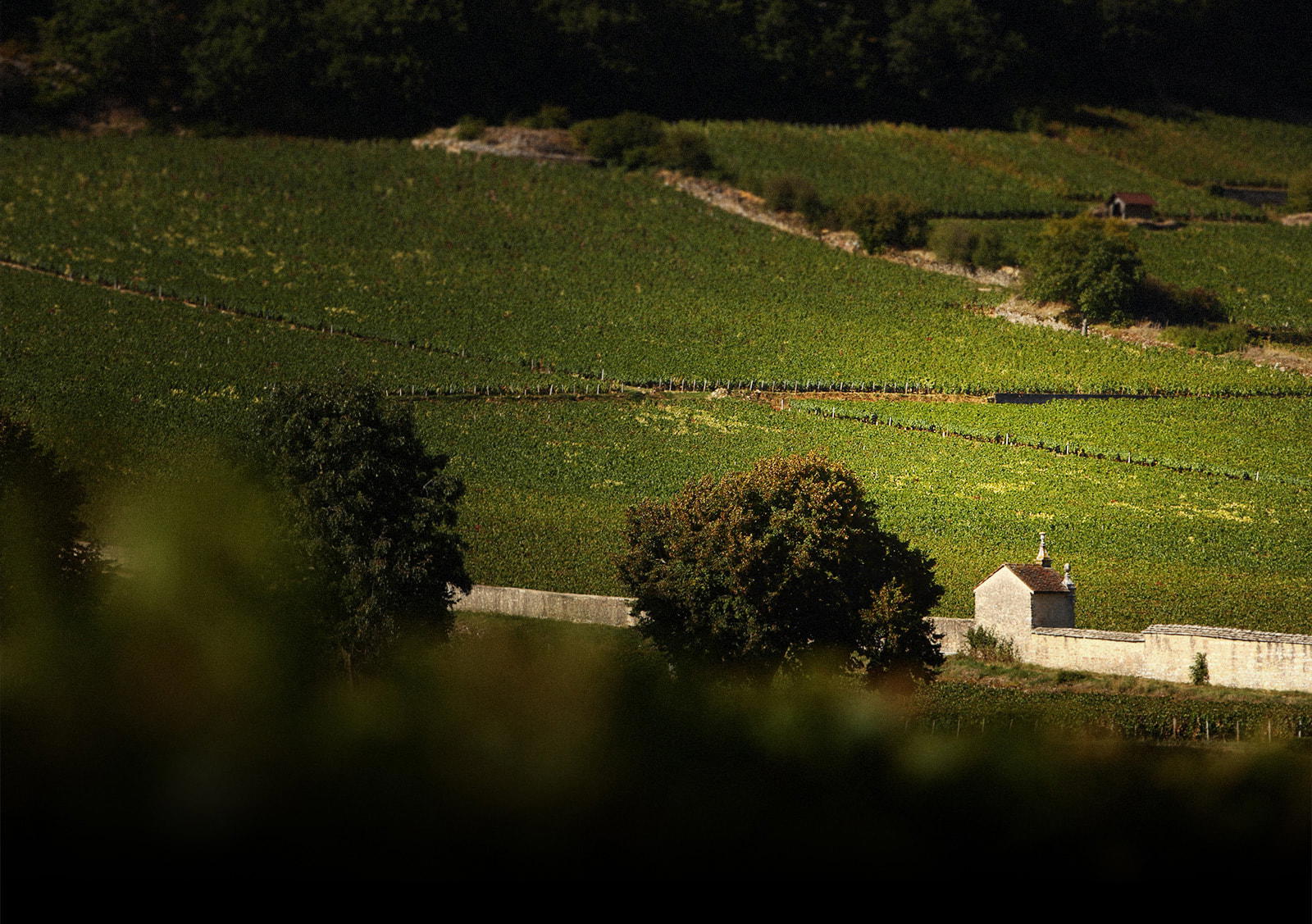
Bars in Gevrey-Chambertin
Browse all →
Restaurants in Gevrey-Chambertin
Browse all →
At a Glance
- Classic
- Quiet
- Elegant
- Intimate
- Sophisticated
- Solo Exploration
- Special Occasion
- Wine Education
- Private Tasting
- Historic Building
- Organic
- Vineyard
- Gevrey Chambertin AOC
- Pinot Noir
- Still Red
- Private Tasting
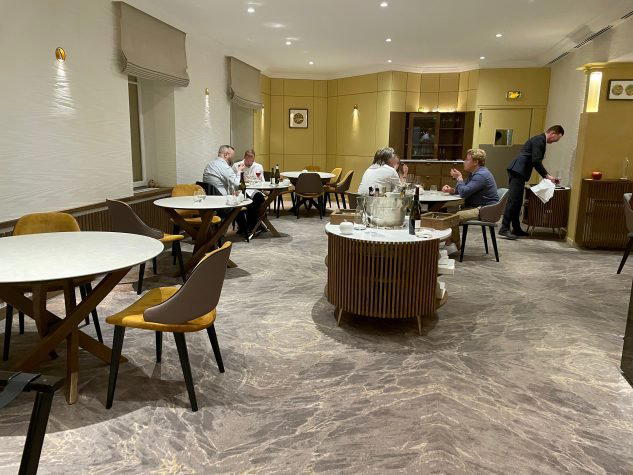
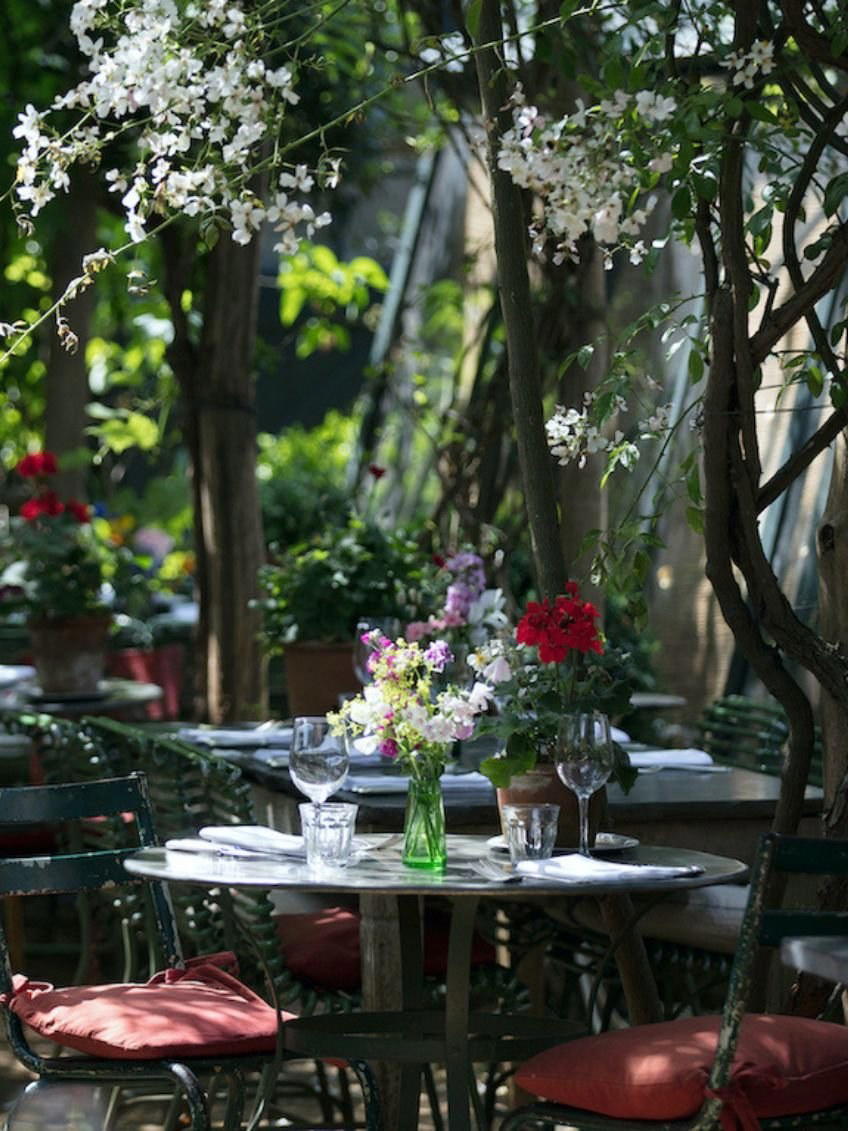
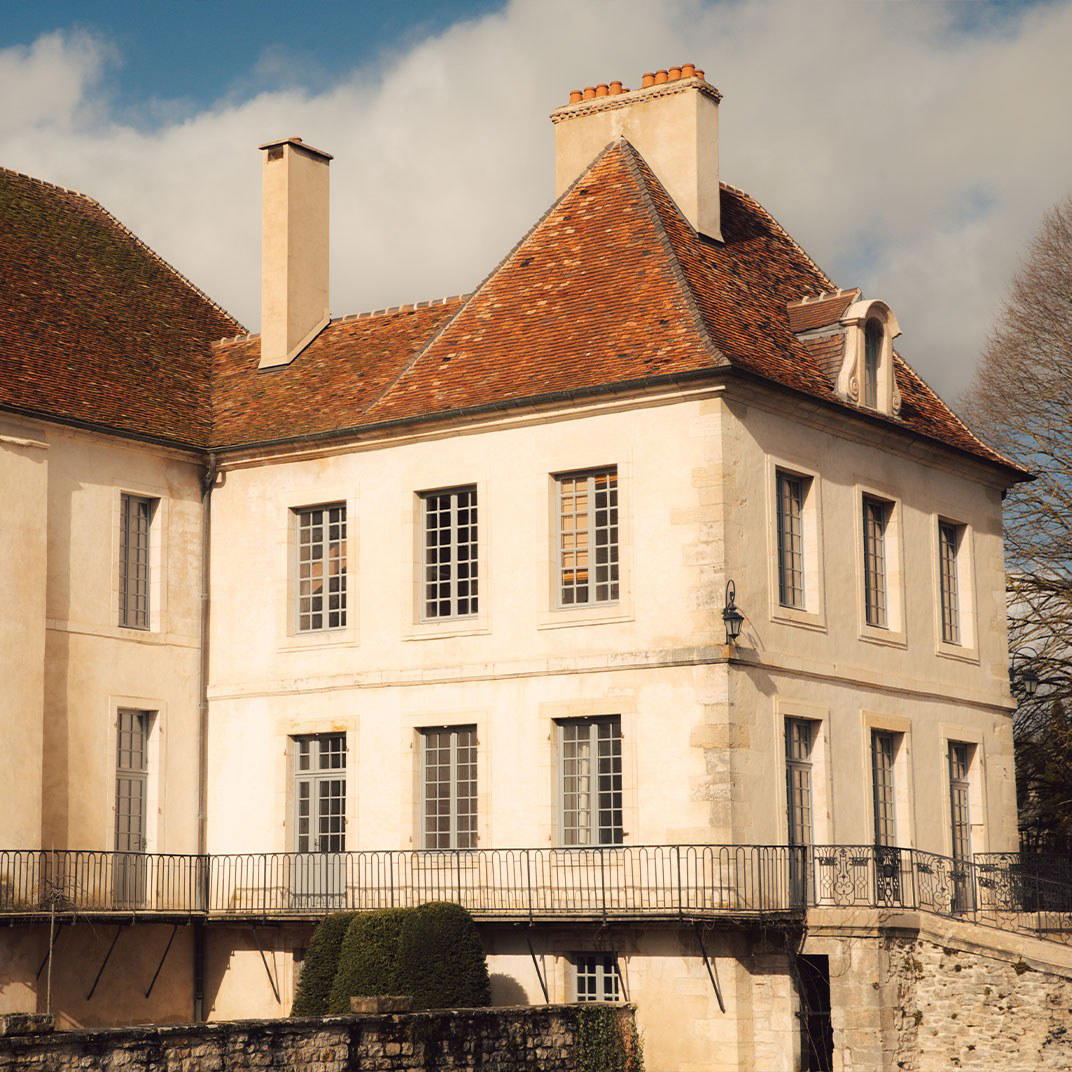
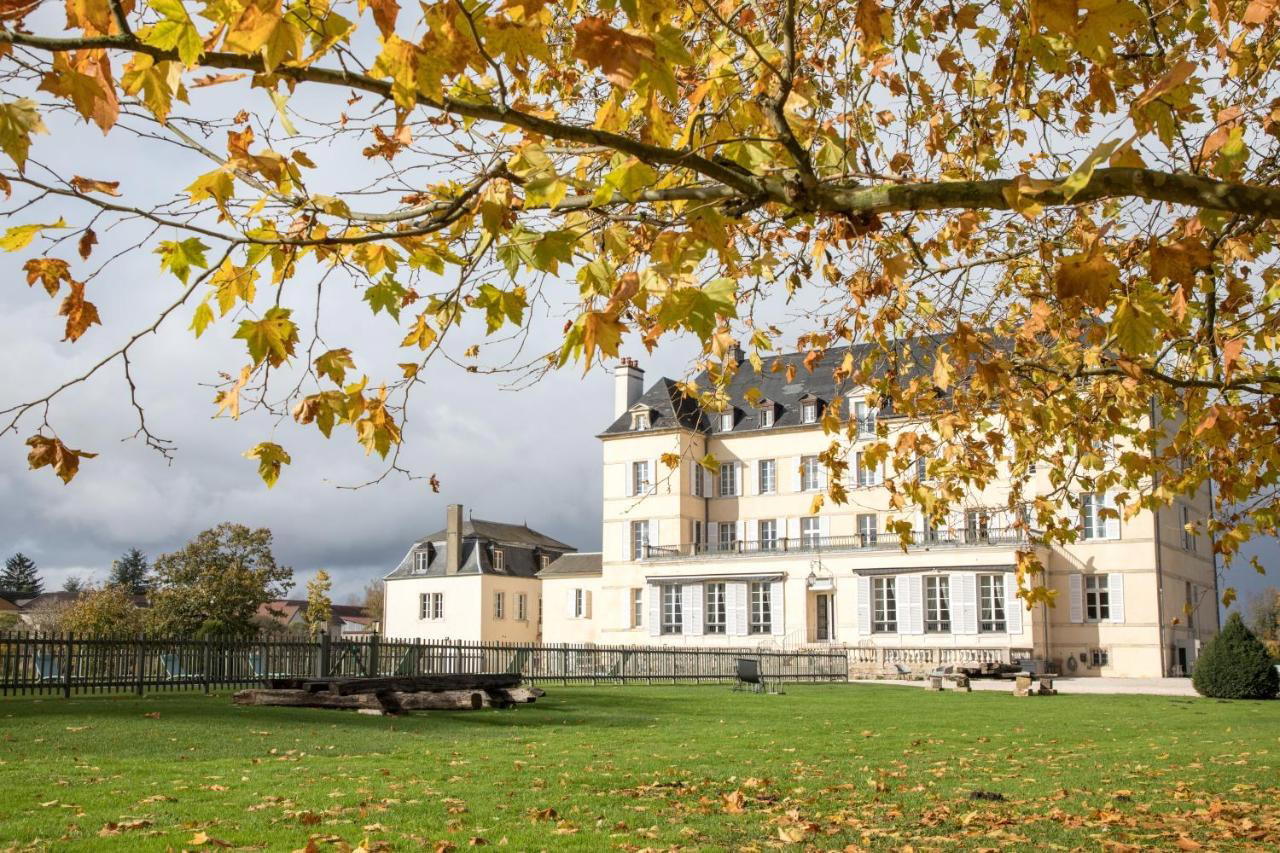
Understated, traditional, and cellar-focused, with a garage-like barrel cellar and a private tasting-room feel overlooking the La Brunelle lieu-dit.