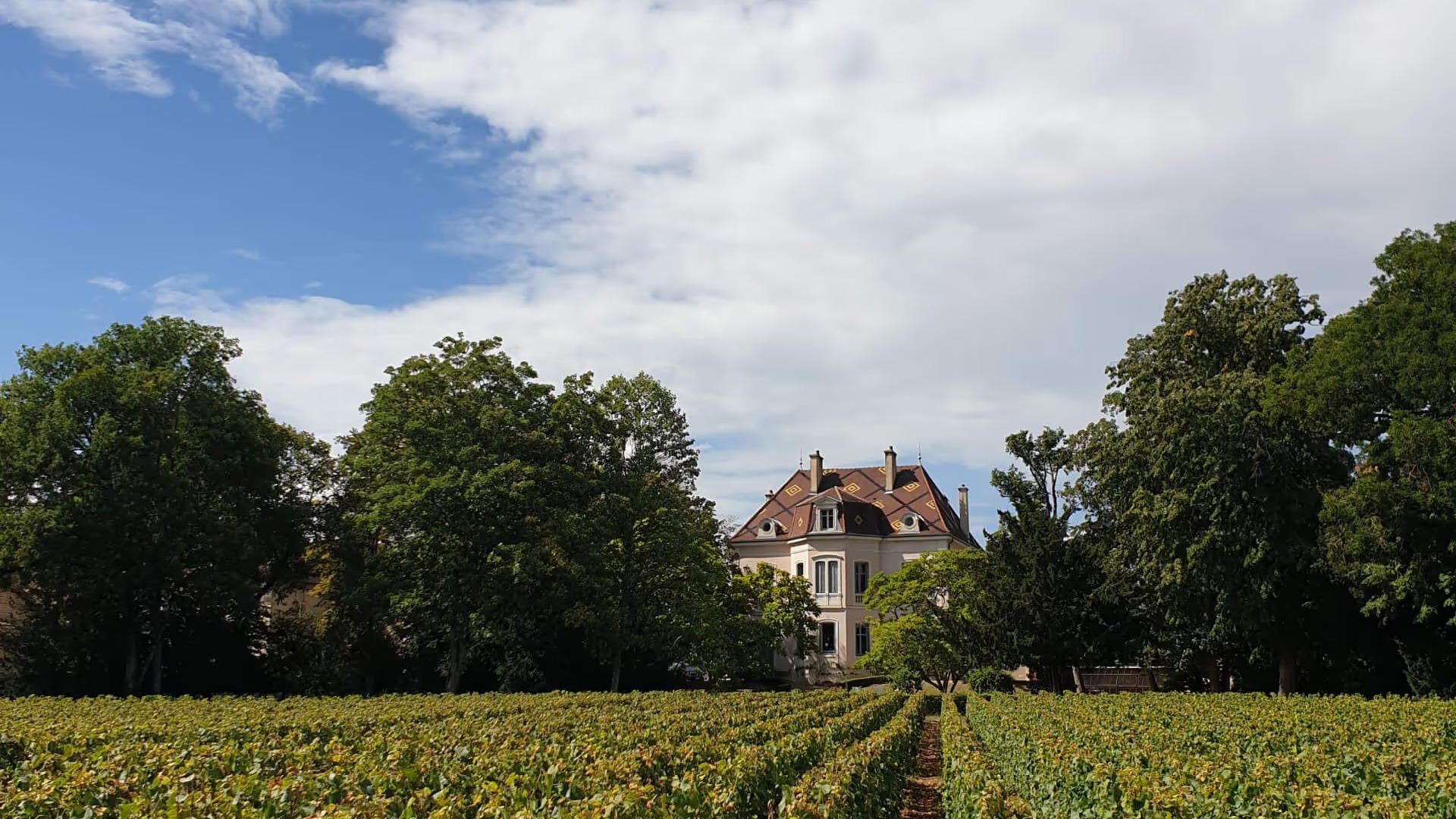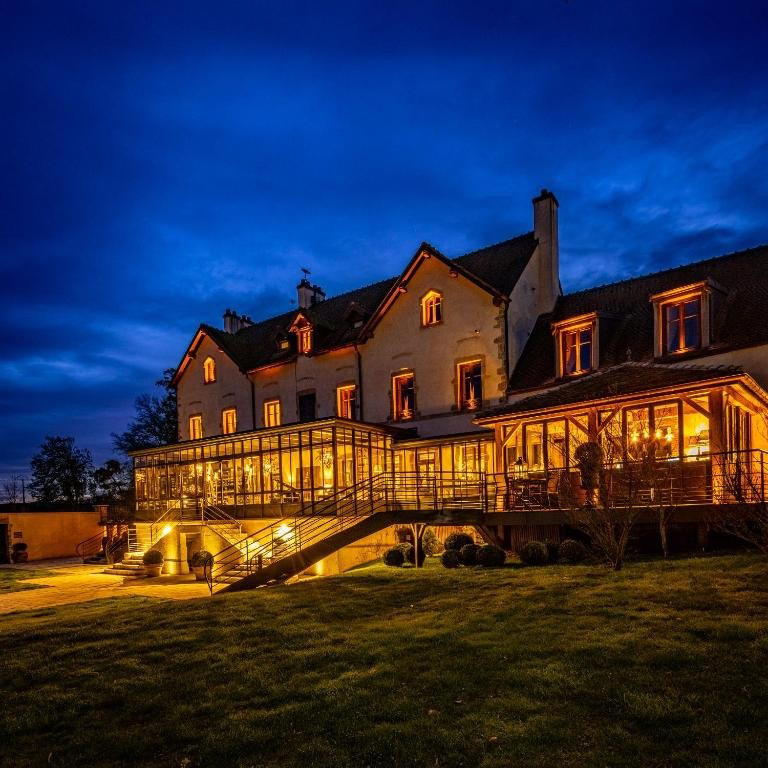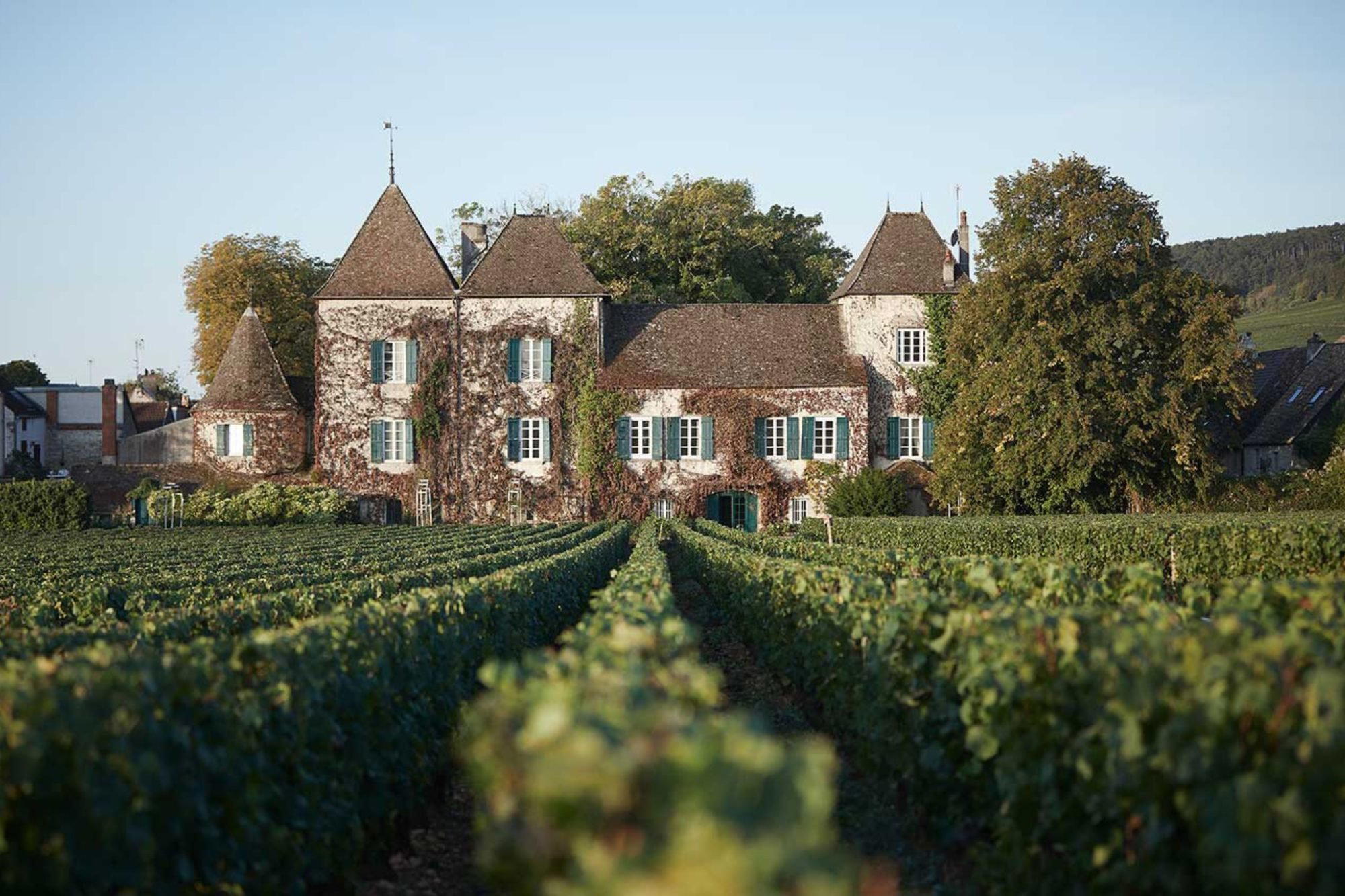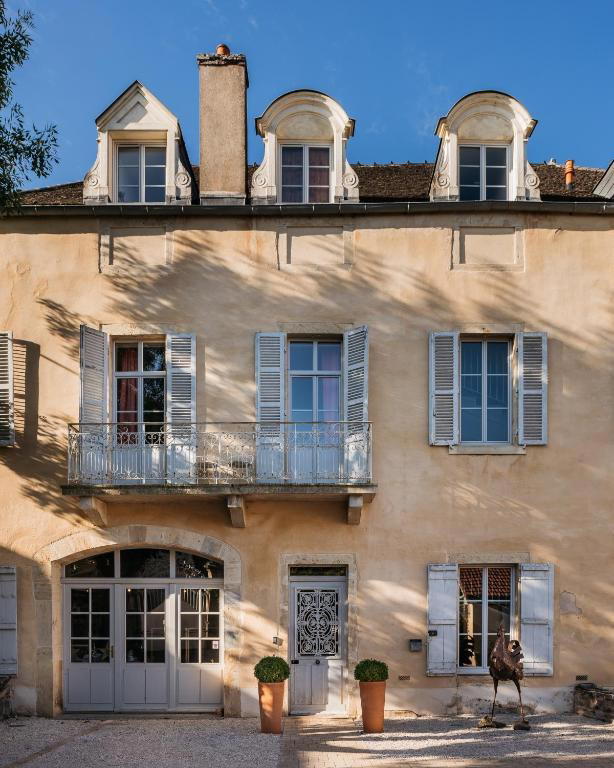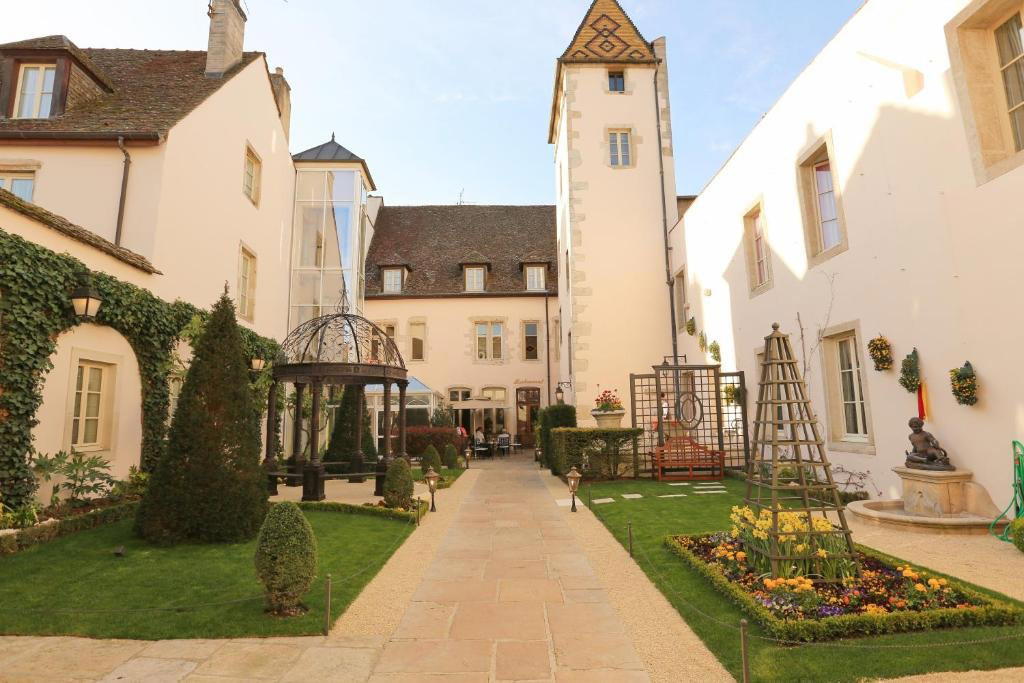
Low-yield Côte de Beaune Pinot and Chardonnay from 5 hectares across Santenay premier cru, Auxey-Duresses, Beaune, Puligny-Montachet.
Pearl is the En Primeur Club membership app — saves, bookings, and concierge access live there. Same editors, same standards.
- Address
- 3 Rue Sainte-Agathe, 21590 Santenay, France
- Phone
- +33 3 80 20 67 37

Burgundy's Côte de Beaune in the late 1990s saw a quiet generational pivot in a handful of small-domaine winemaking operations: heirs stepping into family vineyards with technical training from outside the family estate, working within traditional AOC frameworks but applying longer élevage regimes, stricter fruit selection, and reduced-intervention cellar protocols learned at marquee producers across the region. Domaine Jean-Marc Vincent in Santenay, founded in 1997, sits firmly inside that pivot. Jean-Marc Vincent took over family parcels planted by his grandfather and refocused the estate around low-yield viticulture and extended aging in barrel, positioning the domaine inside the qualitative lane that Burgundy collectors and sommeliers began tracking seriously in the early 2000s as an alternative to the volume-driven cooperative bottlings that had long dominated Santenay's export profile.
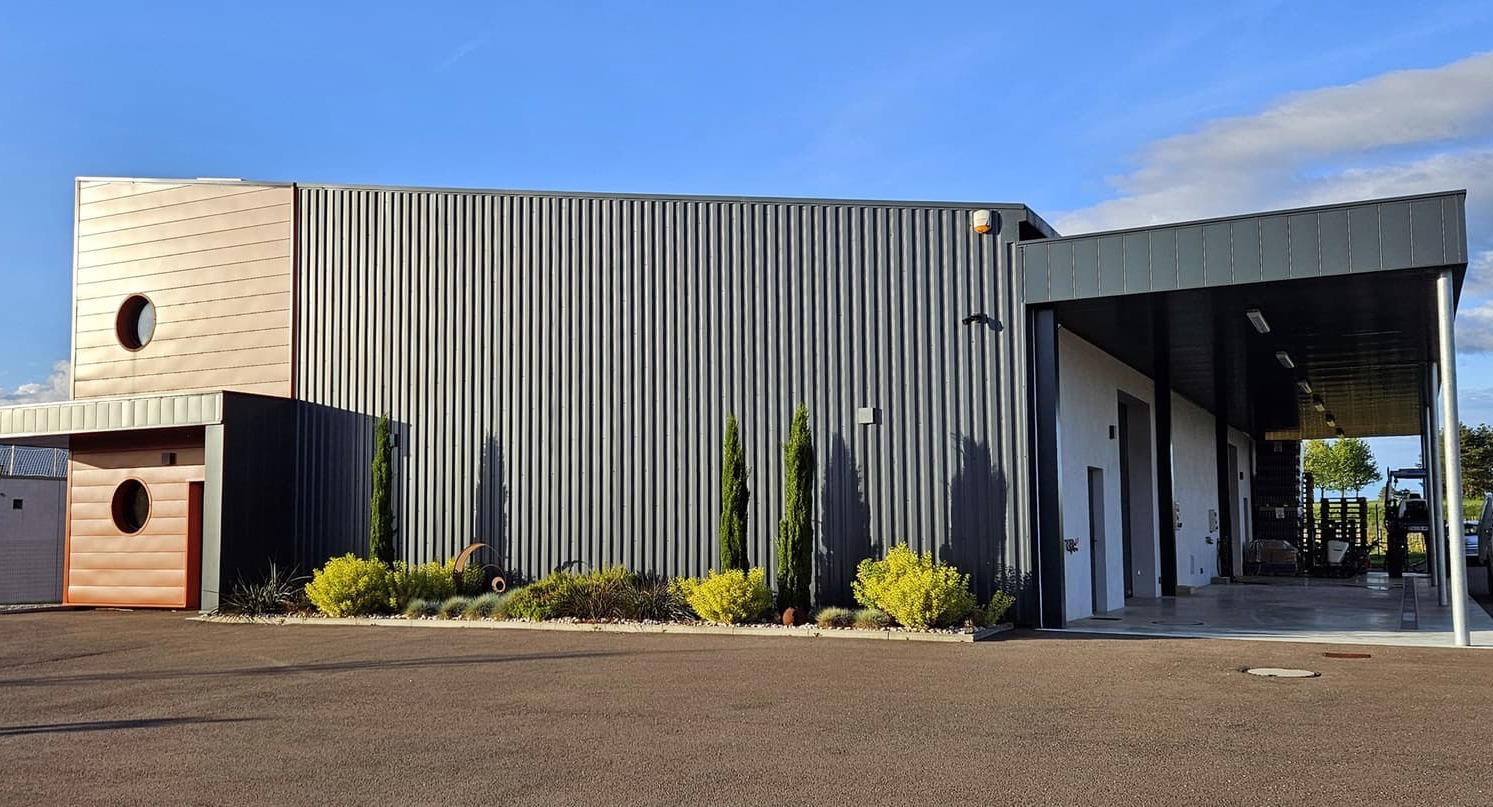
Santenay itself occupies the southern terminus of the Côte de Beaune, a zone historically undervalued relative to its northern neighbors, Meursault, Puligny-Montachet, Chassagne-Montachet, despite sharing similar soils and exposures. The appellation covers approximately 340 hectares of vines, roughly two-thirds planted to Pinot Noir and one-third to Chardonnay, with a network of premier cru sites concentrated on the slopes above the village. Domaine Jean-Marc Vincent works holdings across Santenay's premier cru climats and in neighboring Auxey-Duresses, Beaune, and Puligny-Montachet, with a total estate footprint of approximately five hectares. The production model is estate-grown fruit only, no négociant sourcing, with annual output typically in the range of 1,500 to 2,000 cases depending on vintage conditions. All fermentation and élevage occur in the family cellars in Santenay village.
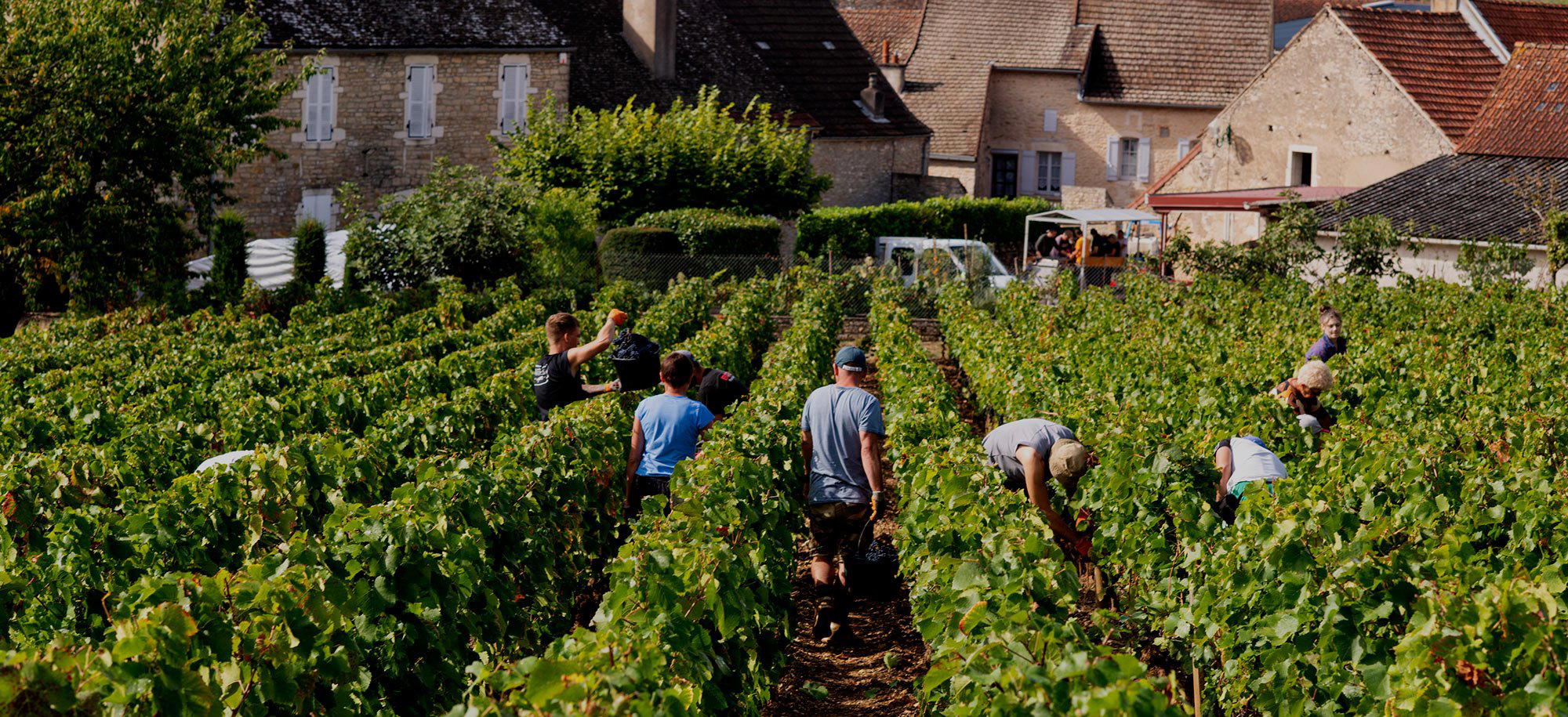
The viticulture program at Domaine Jean-Marc Vincent follows the low-yield discipline that became a marker of quality-focused small Burgundy domaines in the 1990s: strict green-harvesting to reduce cluster load, manual sorting at harvest, late picking to allow full phenolic ripeness. Yields across the estate average 35 to 40 hectoliters per hectare, below the AOC maximum of 50 hectoliters per hectare for Santenay premier cru, and well below the cooperative-average yields that characterized the appellation through the 1980s. The vineyard work is not formally certified organic or biodynamic, but synthetic herbicides and pesticides have been removed from the program since the domaine's founding. Soil management relies on plowing and cover crops; canopy management is manual. The fruit is hand-harvested into small crates, then sorted on tables before fermentation. No destemming machines are used for premier cru fruit; whole-cluster percentages vary by vintage and by parcel, typically ranging from 30% to 60% depending on stem lignification and tannin profile at harvest.
In the cellar, Vincent works a deliberately reduced-intervention protocol that sits closer to the Domaine de la Romanée-Conti and Domaine Leroy extended-aging model than to the faster-turnaround commercial Burgundy timeline. Red wines ferment with indigenous yeasts in open-top wooden vats, with manual pigeage during active fermentation and a total maceration period of 18 to 25 days depending on the vintage and the parcel. No enzymes, no selected yeasts, no acidification or chaptalization except in the most difficult vintages. After fermentation, the wines are racked to barrel for élevage. The oak regime is restrained by Burgundy standards: 20% to 30% new French oak for premier cru reds, with the balance in one- and two-year-old barrels sourced from coopers including François Frères and Tonnellerie Rousseau. Élevage runs 16 to 18 months, longer than the 12- to 14-month cycle common at volume-focused Burgundy producers. Whites ferment and age in barrel for 12 to 14 months, with weekly bâtonnage during the first six months to build texture. All wines are bottled unfined and unfiltered.
The Santenay premier cru bottlings from Domaine Jean-Marc Vincent include wines from Clos Rousseau, La Comme, Beaurepaire, and Grand Clos Rousseau. Clos Rousseau and Grand Clos Rousseau sit on the eastern slopes above Santenay village, mid-slope exposures with calcareous clay soils over Jurassic limestone, planted predominantly to Pinot Noir. These sites produce the estate's most structured reds, typically requiring five to eight years of bottle age to resolve tannins and integrate oak. The La Comme parcel sits slightly lower on the slope, with deeper soils and slightly warmer exposures; the resulting wine shows more forward fruit and earlier drinkability, with an aging window of three to six years. Beaurepaire is a cooler site on the northern edge of the appellation, with higher limestone content in the soil; the wine from this parcel reads as more elegant and less muscular than the Clos Rousseau bottlings, closer in profile to the northern Côte de Beaune style of Volnay or Pommard premier cru.
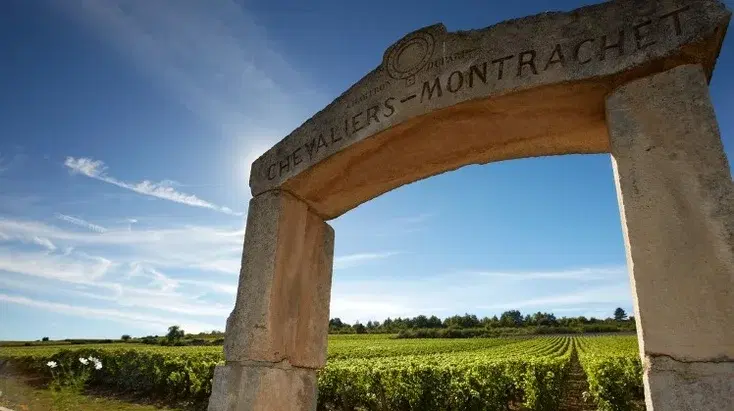
The domaine's white-wine program focuses on Auxey-Duresses and Puligny-Montachet. Auxey-Duresses is a small appellation west of Meursault, historically undervalued but producing Chardonnay with significant minerality and tension when yields are controlled and élevage is extended. Vincent's Auxey-Duresses bottlings come from parcels with south and southeast exposures, fermented and aged in barrel with extended lees contact. The resulting wines sit stylistically between the richer, more buttery Meursault profile and the more mineral-driven Puligny profile, with moderate oak influence and a longer aging curve than most village-level Burgundy whites. The Puligny-Montachet holdings are small, less than half a hectare, but produce a village-level wine that competes qualitatively with many premier cru bottlings from larger producers in the appellation. Puligny-Montachet is one of Burgundy's most prestigious white-wine appellations, home to grand cru sites including Montrachet, Bâtard-Montachet, and Chevalier-Montachet, and the village-level wines from serious producers in the zone trade at price points typically reserved for premier cru wines from other Côte de Beaune villages.
Jean-Marc Vincent's technical training came through work at Domaine Hubert de Montille in Volnay and Domaine Leflaive in Puligny-Montachet, two of the Côte de Beaune's most respected estates. Domaine Hubert de Montille, run by Hubert de Montille and later by his son Etienne, pioneered low-yield viticulture and minimal-intervention winemaking in Volnay in the 1980s and 1990s, producing reds with extraordinary aging potential and a stylistic profile that diverged sharply from the softer, more commercial Burgundy wines of that era. Domaine Leflaive, under the direction of Anne-Claude Leflaive, converted to biodynamic viticulture in the 1990s and became a reference point for white Burgundy from Puligny-Montachet, Bâtard-Montachet, and Chevalier-Montachet. Vincent's cellar work at Domaine Jean-Marc Vincent reflects both influences: the extended élevage and restrained oak from the de Montille school, and the focus on lees aging and texture-building from the Leflaive program.
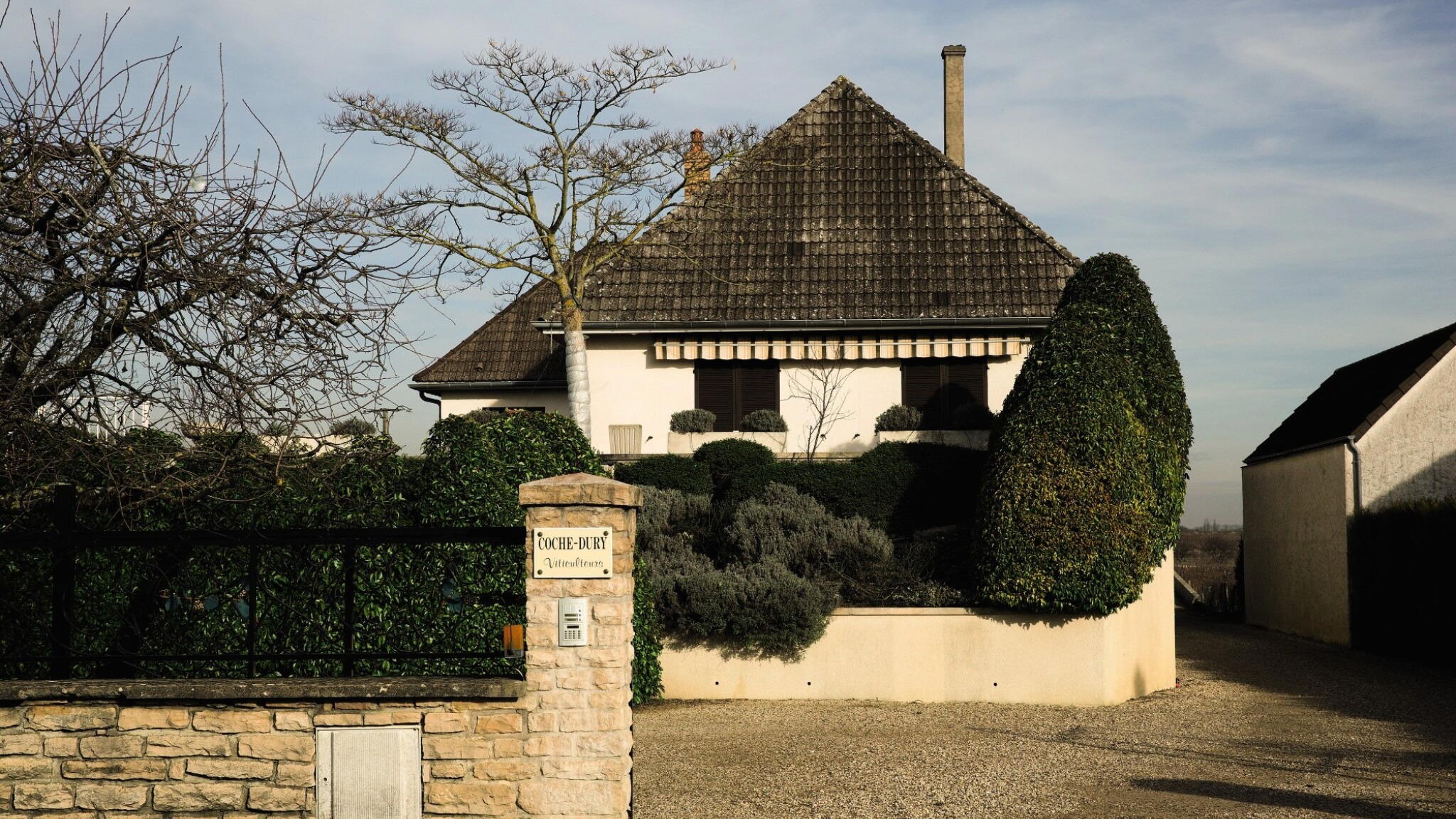
Domaine Jean-Marc Vincent's wines entered U.S. distribution in the early 2000s through importer Kermit Lynch Wine Merchant, a Berkeley-based firm that has long specialized in small-domaine French wines and natural-leaning producers. Kermit Lynch's portfolio includes many of the Côte de Beaune and Côte de Nuits estates that defined the quality-focused small-domaine movement in Burgundy in the 1990s and 2000s, and the firm's imprimatur functions as a significant trust signal for sommeliers and serious collectors in the U.S. market. The wines are also distributed in Europe through agents in the U.K. Belgium, and Switzerland, with a small portion of production sold directly from the domaine to private buyers and to restaurants in France. The allocation structure is informal but restrictive: the domaine produces too little wine to meet demand from existing accounts, and new allocations are rare. Pricing sits in the middle tier of Burgundy premier cru, with recent-vintage Santenay premier cru reds typically trading in the range of $60 to $90 per bottle on U.S. retail shelves, and the Puligny-Montachet village bottling in the range of $80 to $100. These price points place Domaine Jean-Marc Vincent below the marquee Côte de Beaune estates, Domaine de la Romanée-Conti, Domaine Leroy, Domaine Leflaive, Coche-Dury, but above the cooperative-bottled and volume-négociant tier.
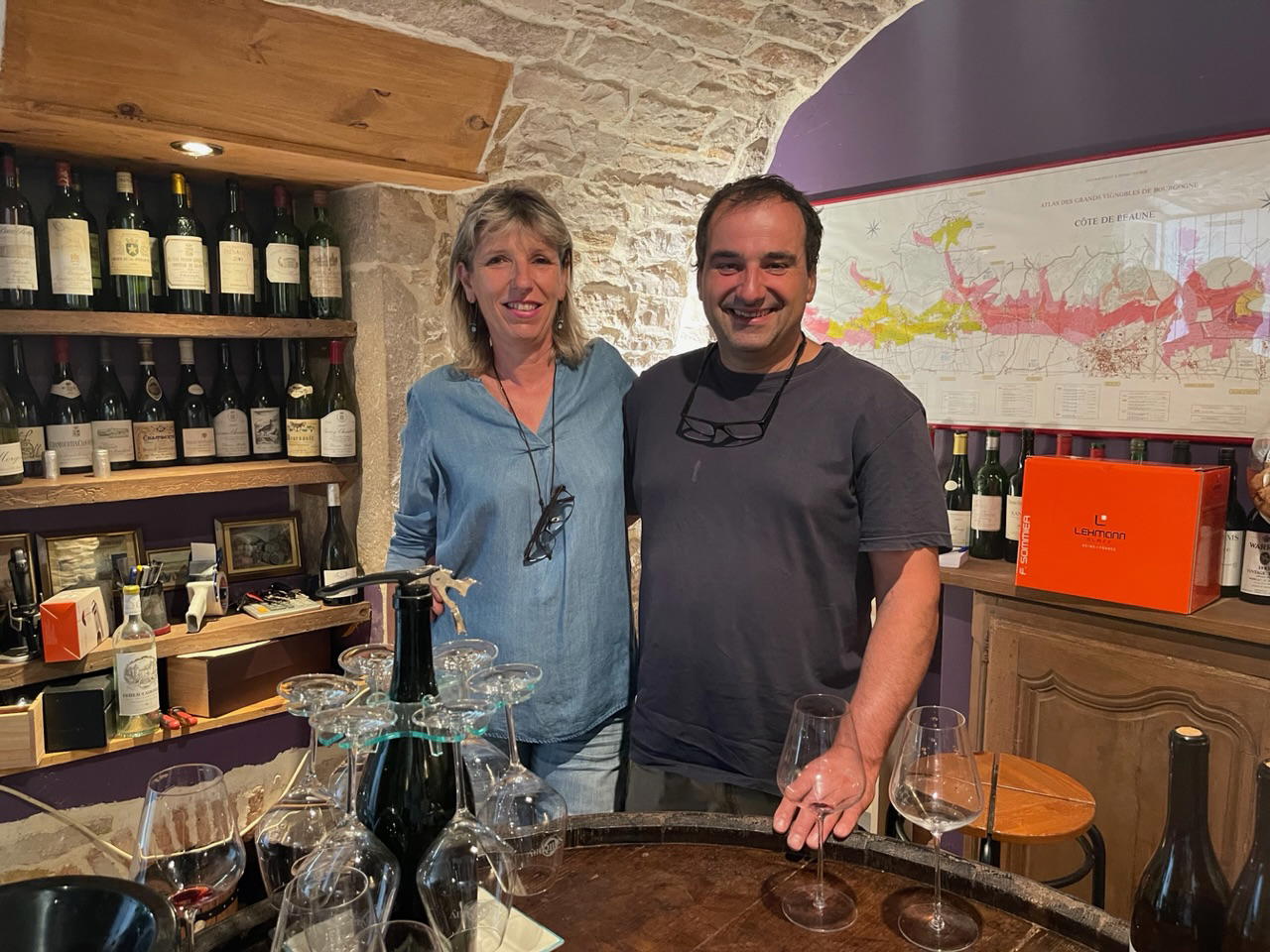
The domaine's working cellar in Santenay village is not open to the public on a walk-in basis. Visits are possible by appointment only, typically arranged through the importer or through direct contact with the domaine. Tastings are conducted in the barrel cellar, with Jean-Marc Vincent walking visitors through the current vintage in barrel and offering library bottles from older vintages when available. The visit structure is working-cellar rather than tourist-facing: no tasting room, no gift shop, no structured tour. This access model is standard for small-production Burgundy estates that prioritize wholesale distribution over direct-to-consumer sales. The wines are rarely seen on restaurant lists outside of serious Burgundy programs, and retail availability is limited to shops with strong French portfolios and direct relationships with Kermit Lynch or other specialist importers.
In the broader Burgundy landscape, Domaine Jean-Marc Vincent occupies a specific peer set: small family domaines in second-tier appellations (Santenay, Auxey-Duresses, Saint-Aubin, Savigny-lès-Beaune) working low-yield viticulture and extended élevage, producing wines that compete qualitatively with the more famous villages to the north but trade at more accessible price points. Other producers in this peer set include Domaine Hubert Lamy in Saint-Aubin, Jean-Marc & Thomas Bouley in Volnay, and Domaine Vincent Girardin in Santenay (before Girardin's expansion into négociant bottlings in the 2000s). These estates share a technical approach, estate-grown fruit, indigenous fermentation, restrained oak, extended aging, and a market position: recognized by sommeliers and serious collectors, but not yet commanding the four-figure per-bottle prices of the grand cru and premier cru bottlings from the most famous domaines. The trajectory for several of these producers has been upward price movement as the market revalues second-tier Burgundy appellations, but the production volumes remain small enough that the wines stay inside the specialist-importer channel rather than moving to the auction market or the luxury-retail tier.
Santenay as an appellation has benefited from this broader revaluation of the southern Côte de Beaune since the early 2000s. The village's proximity to Chassagne-Montachet, a premier cru and grand cru zone that has long commanded high prices, and the qualitative leap achieved by a small cohort of domaines working low-yield viticulture have brought more attention from sommeliers and collectors looking for value inside the Burgundy category. Domaine Jean-Marc Vincent is frequently cited as one of the reference points for this shift, alongside Domaine Vincent Dancer (also in Chassagne-Montachet and Santenay) and a handful of other small estates working similar protocols. The wines are now regularly listed on serious Burgundy-focused wine lists in the U.S. the U.K. and Japan, and appear in the portfolios of collectors who track the second-tier Côte de Beaune producers as future blue-chip investments.
Jean-Marc Vincent continues to run the domaine as a solo operation, with seasonal labor for harvest and cellar work but no permanent staff beyond family. This scale, roughly five hectares, 1,500 to 2,000 cases per year, one winemaker, is typical of the small family domaines that define quality Burgundy production. The model is artisanal in the literal sense: a single artisan controlling every stage of the process from vineyard management to bottling, with no division of labor and no delegation of technical decisions. The trade-off is production volume: the domaine will never scale beyond its current size without fundamental changes to the business model, and the wines will remain scarce. But that scarcity is itself a marker of authenticity inside the Burgundy market, where the smallest domaines command the highest per-bottle prices and the most collector interest. Domaine Jean-Marc Vincent sits comfortably inside that scarcity premium, producing wines that are difficult to find but consistently well-reviewed when they do appear on the market.
Continue exploring
More in Santenay
Wineries in Santenay
Browse all →Bars in Santenay
Browse all →Restaurants in Santenay
Browse all →At a Glance
- Classic
- Rustic
- Hidden Gem
- Intimate
- Sophisticated
- Wine Education
- Solo Exploration
- Special Occasion
- Sustainable
- Vineyard
A small, detail-obsessed grower estate in Santenay known for meticulous, largely manual viticulture and precise, mineral wines that feel more like a serious artisan workshop than a tourist-oriented tasting room.[1][4][13][22]