Domaine Jean-Claude Bachelet

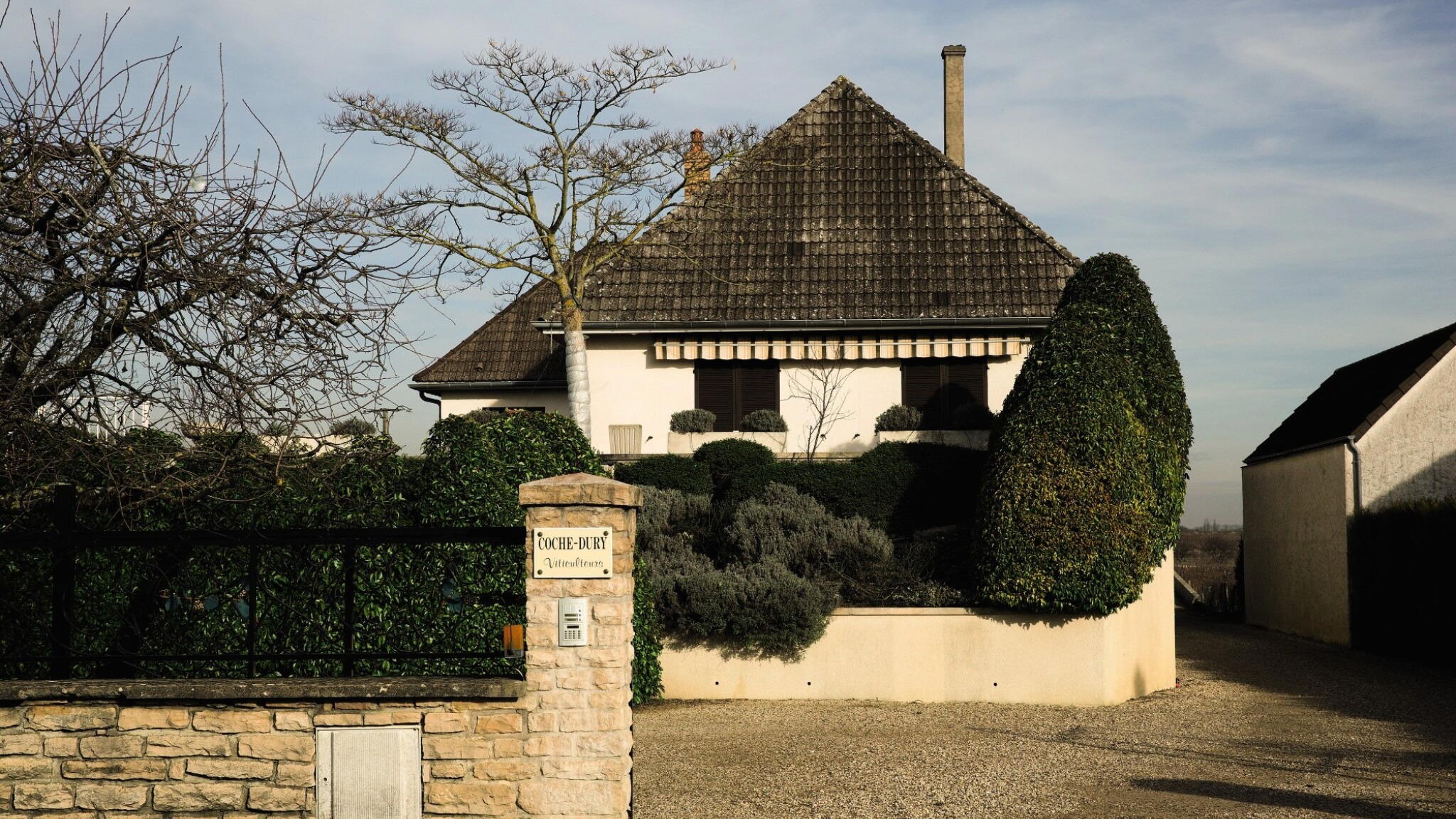
Domaine Jean-Claude Bachelet in Saint-Aubin, Burgundy. Benoît Bachelet runs the cellar program. Regional importer distribution.
Pearl is the En Primeur Club membership app — saves, bookings, and concierge access live there. Same editors, same standards.
- Address
- 15 Rue de la Chatenière, 21190 Saint-Aubin, France
- Phone
- +33 3 80 21 31 01
- Website
- vins-bachelet.fr

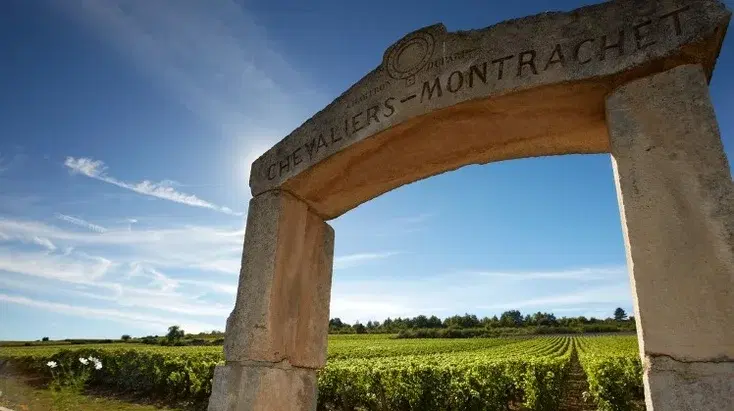
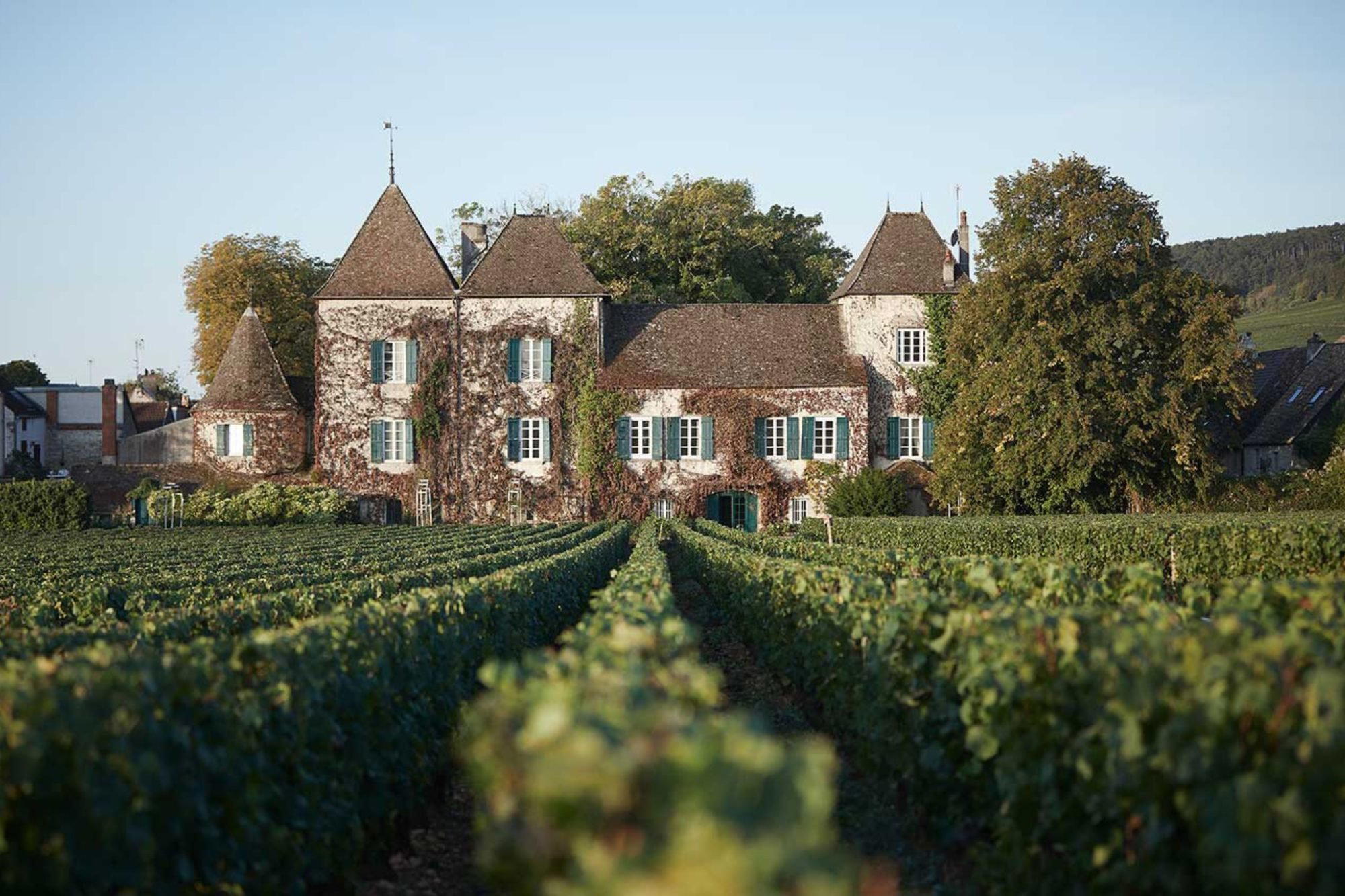
Saint-Aubin sits on the Côte de Beaune's southern flank, above Chassagne-Montrachet and Puligny-Montrachet, at altitudes that place it outside the grand cru corridor but inside the same geological band, limestone marl soils, east- and south-facing slopes, the same climate architecture that defines the Côte's white-wine spine. The village's premier cru vineyards, Murgers des Dents de Chien, En Remilly, Les Frionnes, occupy steep parcels at 300 to 400 meters elevation, cooler and later-ripening than the valley-floor climats, and have long functioned as the training ground for Burgundian vignerons who could not afford holdings in Puligny or Chassagne. Domaine Joseph Colin, Domaine Hubert Lamy, and Domaine Marc Colin have raised Saint-Aubin's profile since the 1980s, proving that the village's premier crus can match Chassagne village-level wines in structure and aging curve. Domaine Jean-Claude Bachelet has worked inside that same technical frame since 1965, when Jean-Claude Bachelet took over family parcels and began bottling under the domaine label rather than selling to négociants.
The domaine operates 9 hectares across Saint-Aubin, Chassagne-Montrachet, and Puligny-Montrachet, with the core holdings in Saint-Aubin premier crus Les Frionnes, La Chatenière, and Derrière Chez Édouard. Benoît Bachelet, Jean-Claude's son, took working control of the cellar in the mid-1990s and has run vinification and élevage since 2000. The holdings break roughly 80% Chardonnay, 20% Pinot Noir, a typical ratio for a Saint-Aubin-based domaine with ambitions in the white-wine peer set. Annual production sits around 3,500 to 4,000 cases, with roughly half allocated to premier cru bottlings and the remainder split between village-level Saint-Aubin and a small Bourgogne Blanc cuvée sourced from younger vines and declassified parcels.
Benoît Bachelet's cellar protocol follows the Côte de Beaune consensus for structured, age-worthy Chardonnay: whole-cluster pressing, natural-yeast fermentation in 228-liter Burgundian pièces, full malolactic conversion, and élevage of almost two years on fine lees with minimal batonnage. Oak regime skews toward restraint, roughly 20 to 25% new barrels for premier cru cuvées, 10 to 15% for village-level wines, with the remainder in neutral pièces of two to five years. The low new-oak percentage places Bachelet closer to the Lamy and Colin approach than to the richer, more overtly wooded style practiced by some Chassagne producers; the emphasis sits on expressing the limestone minerality and tension that define Saint-Aubin's altitude-driven profile rather than on imposing barrel-derived weight.
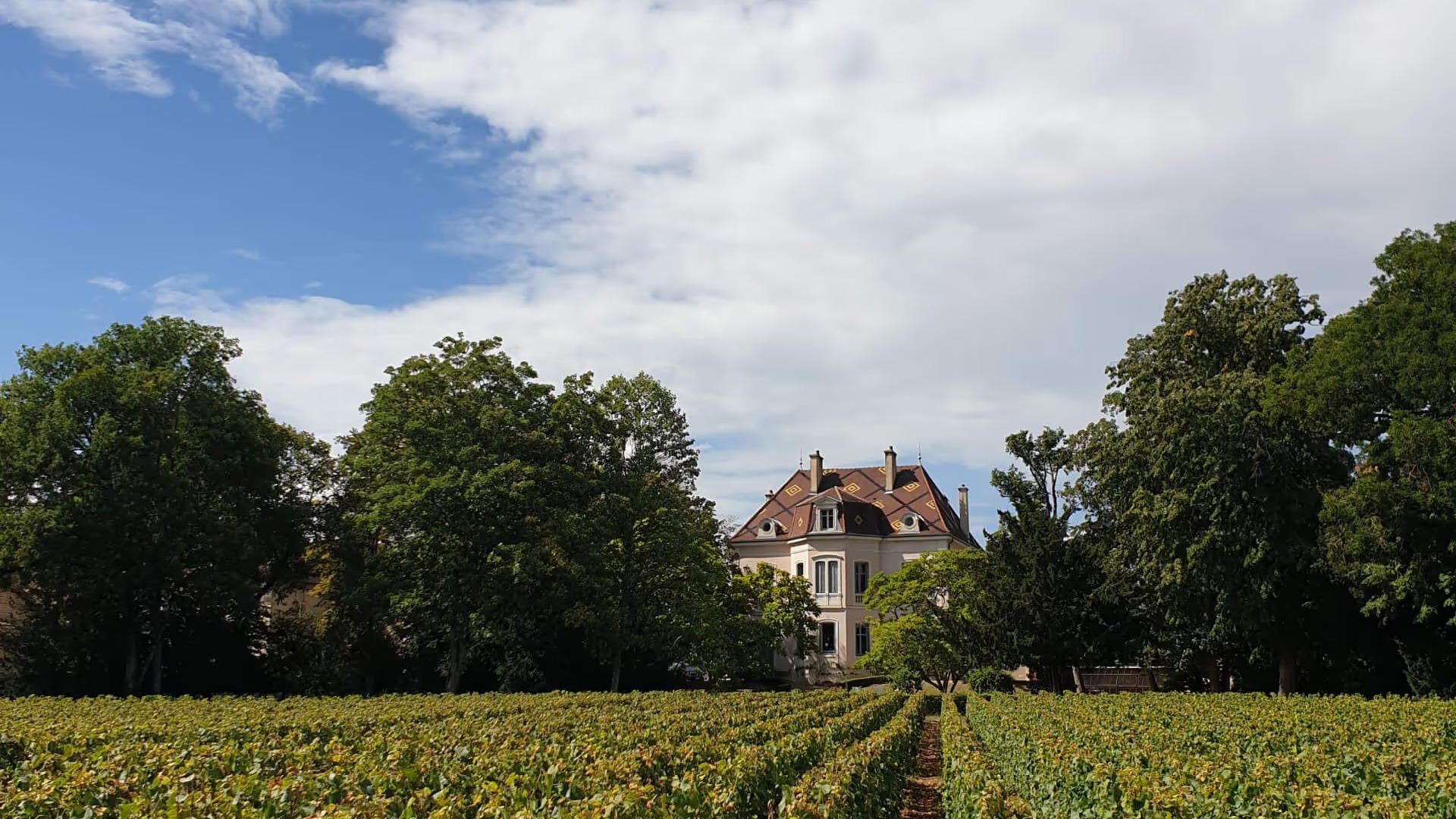
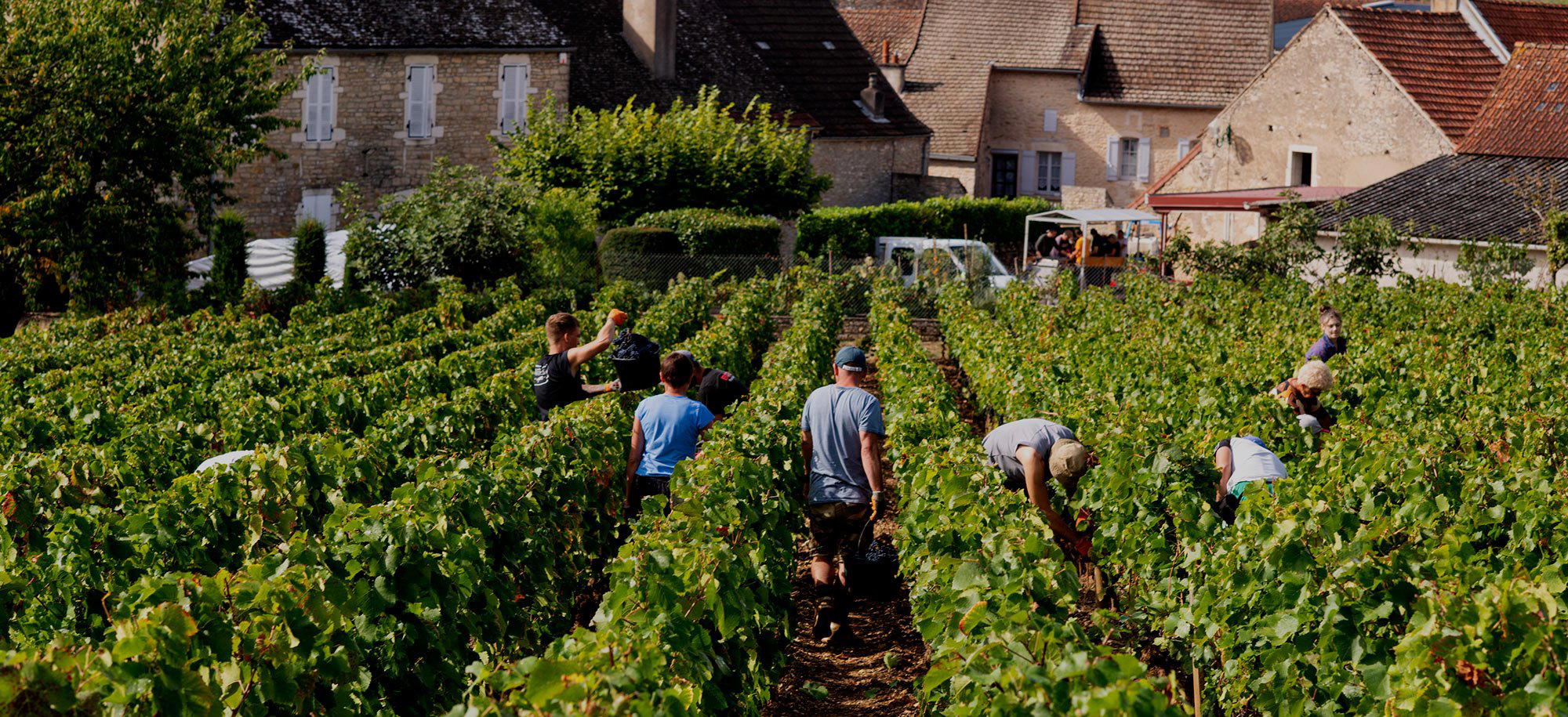
Vineyard work at Bachelet has moved toward organic practices since the early 2000s, though the domaine does not hold formal certification. Benoît Bachelet practices lutte raisonnée, integrated pest management, minimal copper and sulfur treatments, no synthetic herbicides, and maintains grass cover in the mid-rows to control vigor and improve soil structure on the steeper premier cru parcels. Yields are controlled through green harvest and shoot-thinning, targeting 45 to 50 hectoliters per hectare for premier cru parcels and 55 to 60 hectoliters per hectare for village-level sites. Harvest is manual, with optical sorting at the press to remove underripe or damaged clusters before whole-cluster pressing.
The premier cru bottlings carry the domaine's technical signature most clearly. Saint-Aubin premier cru Les Frionnes, a 0.8-hectare parcel on the slope above the village, produces a taut, mineral-driven Chardonnay with high natural acidity and a saline finish that reads closer to Puligny than to Chassagne's rounder, richer register. The wine typically sees 20% new oak, with enough structure to age for 8 to 12 years in bottle. Saint-Aubin premier cru La Chatenière, a slightly warmer parcel with deeper soils, shows more mid-palate weight and a broader texture, closer to the Chassagne village-level reference, and is aged in 15% new oak to preserve freshness. Derrière Chez Édouard, the smallest of the three premier cru holdings, occupies a steep south-facing slope and produces the richest and most immediate of the three wines, with ripe stone-fruit notes and a softer acid line, typically released earlier than the other premier crus.
Benoît Bachelet also produces a small quantity of Chassagne-Montrachet village-level white, sourced from parcels near the Saint-Aubin border. The wine sits stylistically between Saint-Aubin premier cru and Chassagne premier cru, with more weight and texture than the village's higher-elevation sites but less density and aging potential than the classified Chassagne climats. Oak treatment is conservative, 15% new wood, 13 months of élevage, and the wine is positioned as an entry point into the domaine's Chassagne program for buyers who cannot access the premier cru allocations from the village's leading producers.
The Pinot Noir program at Bachelet is secondary but technically sound. The domaine produces a Saint-Aubin rouge from village-level parcels and a small Chassagne-Montrachet rouge from a 0.3-hectare holding near the border. Vinification follows standard Côte de Beaune red protocols: 100% destemming, five to seven days of cold maceration, natural-yeast fermentation in open-top wooden cuves, and 12 to 14 months of élevage in 20 to 25% new oak. The wines are lighter and more forward than the reds from Chassagne's better-known parcels, intended for early drinking rather than long aging, and are typically sold through the domaine's mailing list and regional distribution rather than exported in significant volume.
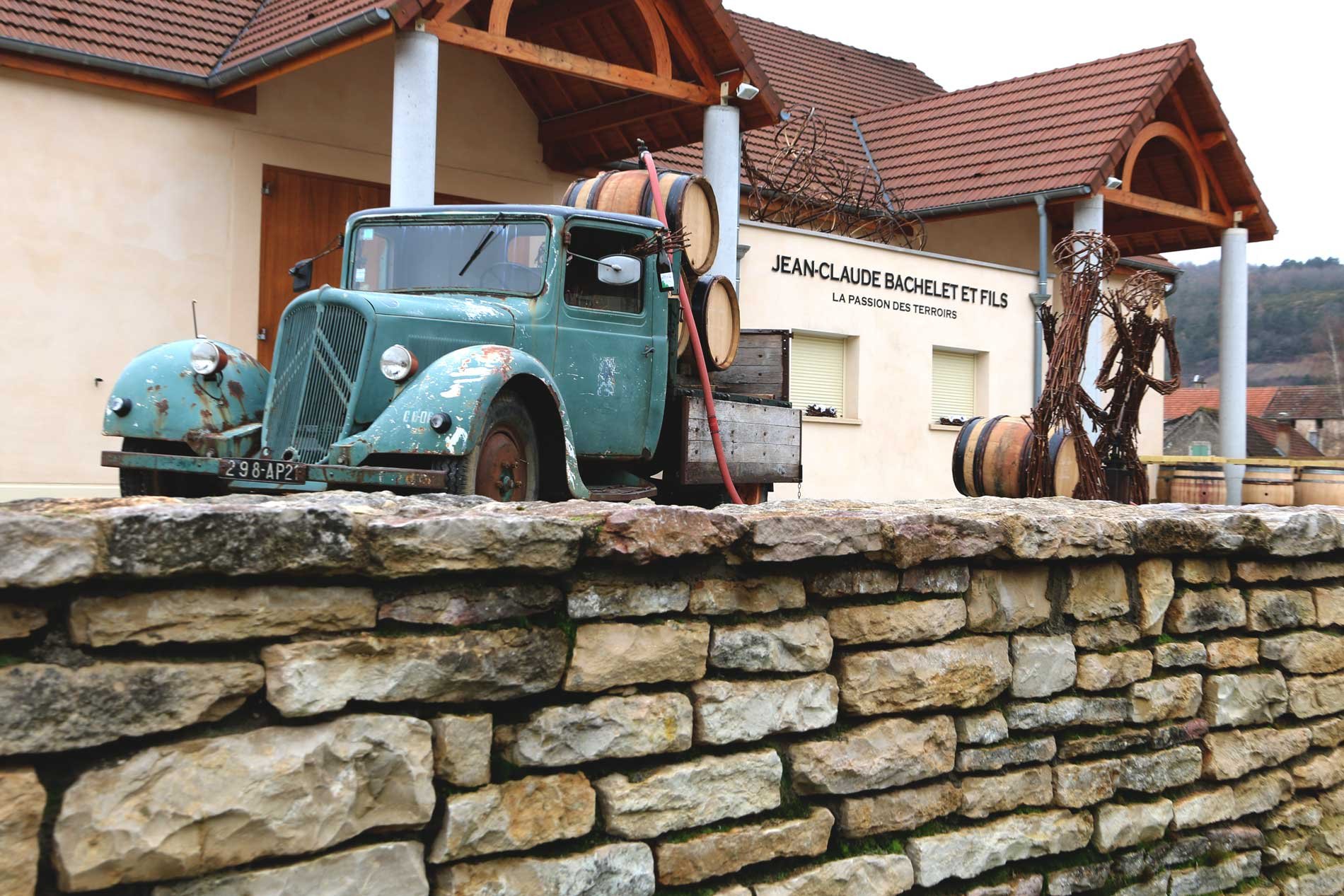
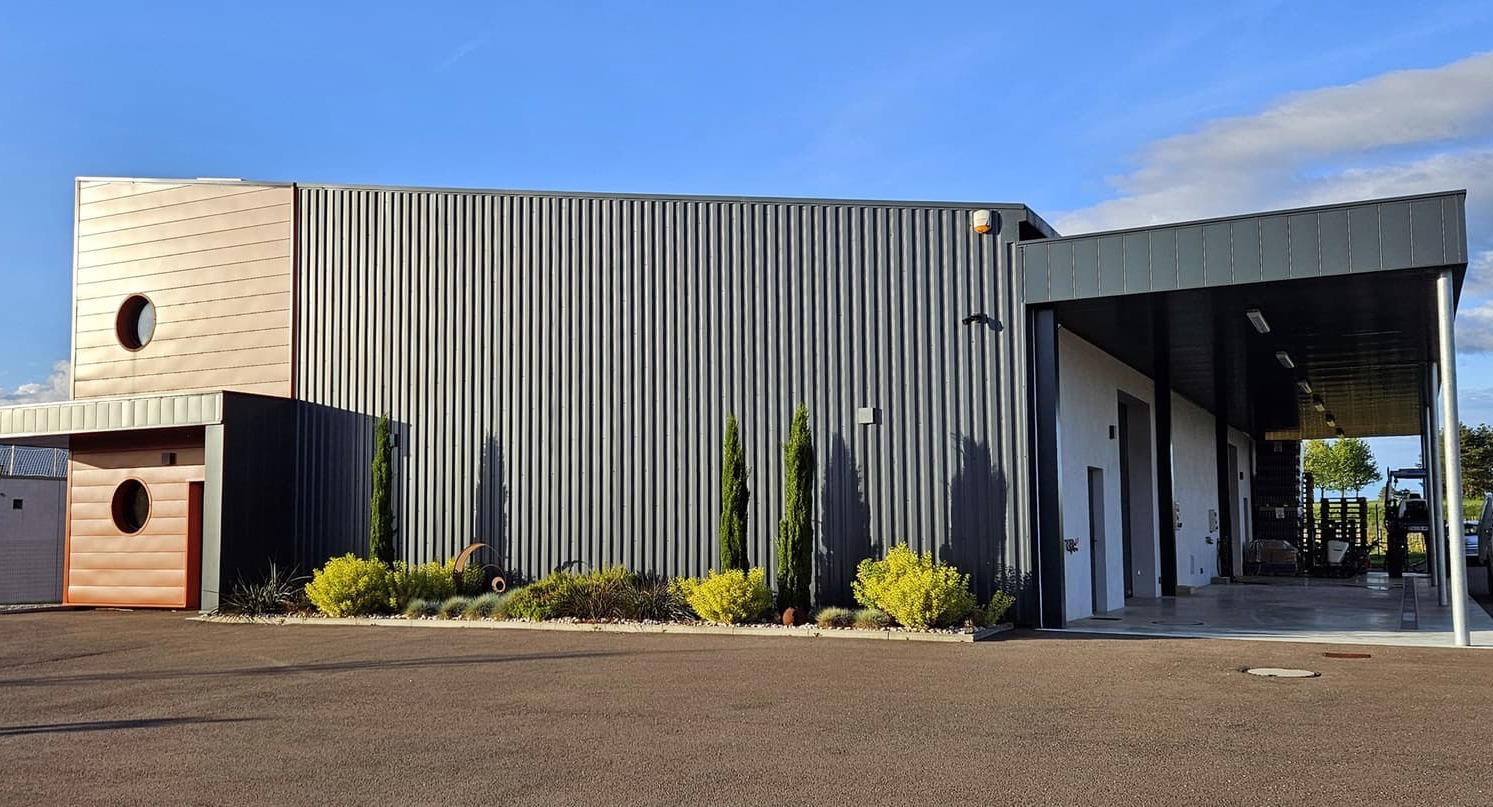
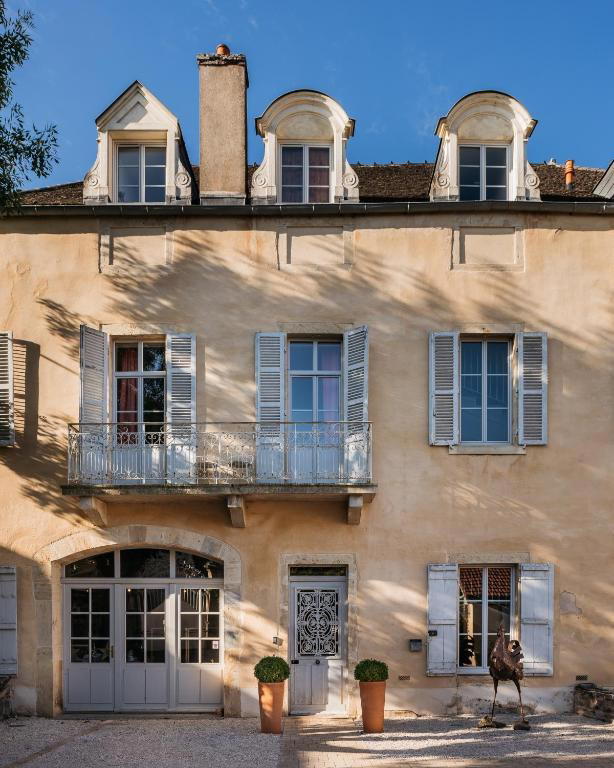
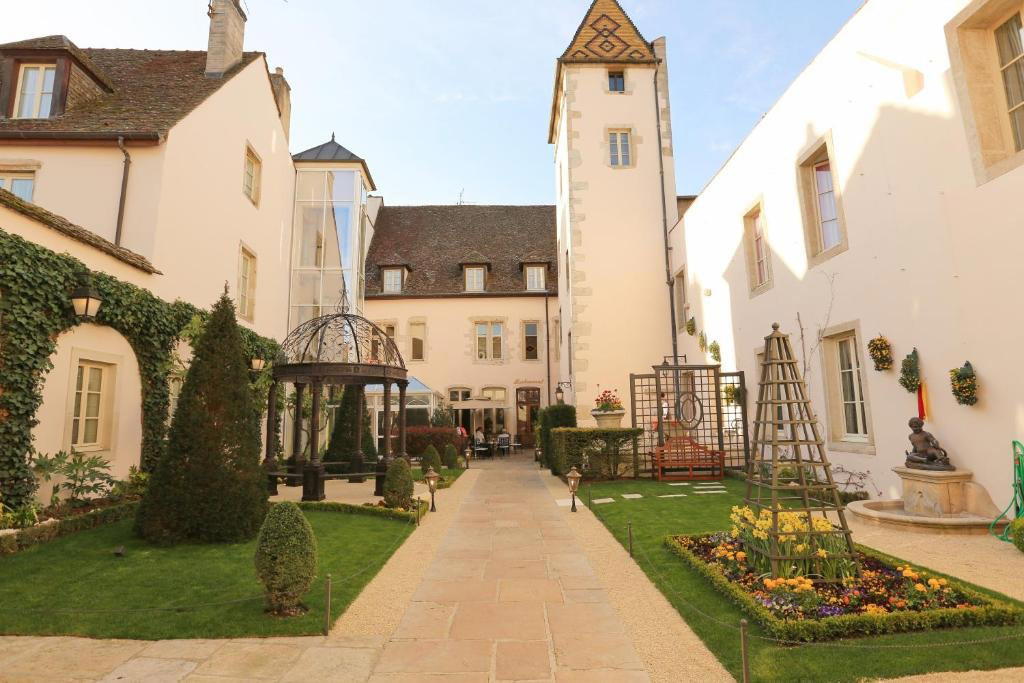
Benoît Bachelet's cellar is located in the center of Saint-Aubin village, in a stone building that dates to the 18th century and has been expanded with a modern cuverie and barrel room. The facility is modest by Burgundian standards, no climate-controlled barrel cellar, no gravity-flow winery, no state-of-the-art press technology, but functional and well-maintained. Fermentation takes place in a mix of stainless-steel tanks and older wooden foudres, with temperature control achieved through ambient cellar temperatures and manual intervention during the early stages of fermentation. Élevage occurs in a single-level barrel room with natural humidity control from the limestone walls, typical of village-level Burgundian domaines that do not have access to deep cellars.
The domaine's distribution structure is split between domestic sales in France, direct sales through a small mailing list, and exports to the United States, the United Kingdom, Belgium, and Japan. Allocation is not tightly controlled, the domaine's annual production volume is large enough that premier cru bottlings are generally available through established importers and retailers, though top cuvées like Les Frionnes may see limited availability in high-demand markets. Pricing sits well below the Chassagne premier cru peer set and below the top Saint-Aubin producers like Lamy and Colin, making Bachelet a value reference for buyers seeking structured, age-worthy Côte de Beaune Chardonnay without the price premium attached to the better-known villages. Domaine releases typically sell at €25 to €35 per bottle ex-cellar for premier cru whites, with village-level wines priced at €18 to €22.
The domaine does not operate a tasting room or a formal direct-to-consumer sales program, though visits can be arranged by appointment through email or phone contact. Benoît Bachelet occasionally participates in regional salon tastings, including the Grands Jours de Bourgogne and smaller Saint-Aubin-focused events, but the domaine's profile remains regional rather than international, with limited presence in wine media and trade publications outside of France.
Benoît Bachelet's work inside the Saint-Aubin lineage reflects the broader shift in the village's winemaking culture over the past three decades, away from bulk sales to négociants and toward domaine-bottled, terroir-focused wines that compete on quality with Chassagne and Puligny village-level bottlings. The domaine's holdings in premier cru parcels give it a structural advantage over many Saint-Aubin producers who work primarily at the village level, and the low new-oak regimes and restrained extraction protocols place it inside the minerality-driven school that has come to define the village's leading wines. The peer set includes Domaine Hubert Lamy, whose premier cru bottlings set the technical standard for Saint-Aubin, and Domaine Marc Colin, whose holdings in both Saint-Aubin and Chassagne provide a useful reference for comparing the two villages' stylistic differences. Bachelet sits slightly below these two producers in terms of international recognition and distribution reach, but the wines are technically comparable and offer better value for buyers who prioritize substance over reputation.
For readers seeking additional context on the Burgundy wine region, the Saint-Aubin village sits inside the broader Côte de Beaune white-wine tradition that runs from Meursault through Puligny and Chassagne to Santenay. The village's altitude and cooler microclimate give it a distinct profile within that continuum, and its premier crus occupy a niche between Chassagne village-level wines and Puligny premier crus in terms of structure, aging potential, and pricing. The best Saint-Aubin producers, Lamy, Colin, and Bachelet among them, have demonstrated that the village's classified parcels can age as well as Chassagne premier crus, and the market has begun to recognize that value proposition, though Saint-Aubin's secondary status in the Burgundian hierarchy keeps prices well below the grand cru and premier cru levels of the neighboring villages.
Domaine Jean-Claude Bachelet's position inside that hierarchy is secure but modest. The domaine operates within the technical consensus of the Côte de Beaune without pushing stylistic boundaries or pursuing the kind of international profile that drives allocation scarcity and secondary-market pricing. The wines are well-made, age-worthy, and representative of their terroir, but they do not carry the cachet or the critical attention that would place them in the top tier of Burgundian Chardonnay. For working sommeliers, wine buyers, and collectors seeking structured, mineral-driven Côte de Beaune whites at rational prices, Bachelet offers a reliable source of premier cru-level quality without the allocation difficulties and price inflation that define the market for Chassagne and Puligny. The domaine's longevity, nearly six decades of continuous operation under family ownership, and its holdings in classified premier cru parcels give it a foundation that many younger Saint-Aubin producers lack, and Benoît Bachelet's restrained, terroir-focused cellar work ensures that the wines will continue to occupy that niche for the foreseeable future.
Access and Distribution
Domaine Jean-Claude Bachelet distributes through a network of regional importers and retailers rather than through a centralized allocation system. The domaine's annual production of 3,500 to 4,000 cases is large enough that premier cru bottlings are generally available through established wine merchants in France, the United States, the United Kingdom, Belgium, and Japan, though availability varies by vintage and by market. The domaine does not maintain a formal mailing list or a direct-to-consumer e-commerce platform, and most sales occur through traditional three-tier distribution channels. Buyers seeking specific cuvées should contact the domaine directly by email or phone to arrange allocation or to schedule a cellar visit, though visits are by appointment only and are not regularly offered to the public. Pricing for premier cru whites sits at €25 to €35 per bottle ex-cellar, with village-level wines priced at €18 to €22, making Bachelet one of the better-value references in the Saint-Aubin peer set. The domaine does not participate in futures programs or en primeur sales, and wines are typically released 18 to 24 months after harvest.
Continue exploring
More in Saint-Aubin
Wineries in Saint-Aubin
Browse all →Bars in Saint-Aubin
Browse all →Restaurants in Saint-Aubin
Browse all →At a Glance
- Classic
- Rustic
- Intimate
- Hidden Gem
- Scenic
- Wine Education
- Solo Exploration
- Group Outing
- Special Occasion
- Estate Grounds
- Historic Building
- Sustainable
- Vineyard
Traditional Burgundian family estate atmosphere with a focus on restraint, precision and balance in the wines; visits and tastings (when offered) are likely quiet and contemplative, oriented toward serious wine enthusiasts rather than tourism.[12][24][25]