Domaine Paul Pillot

Michelin 2 Grapes
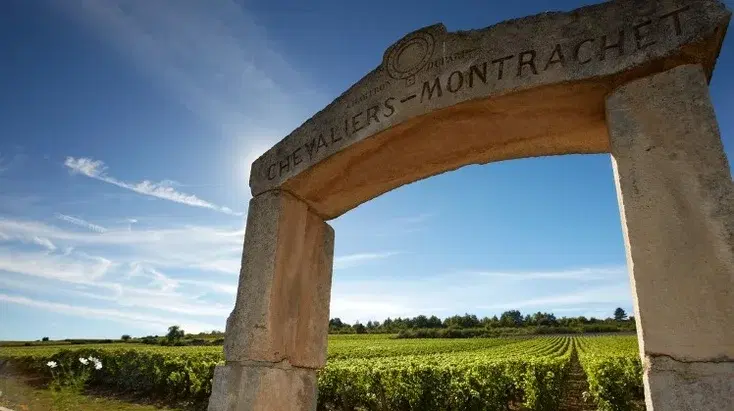
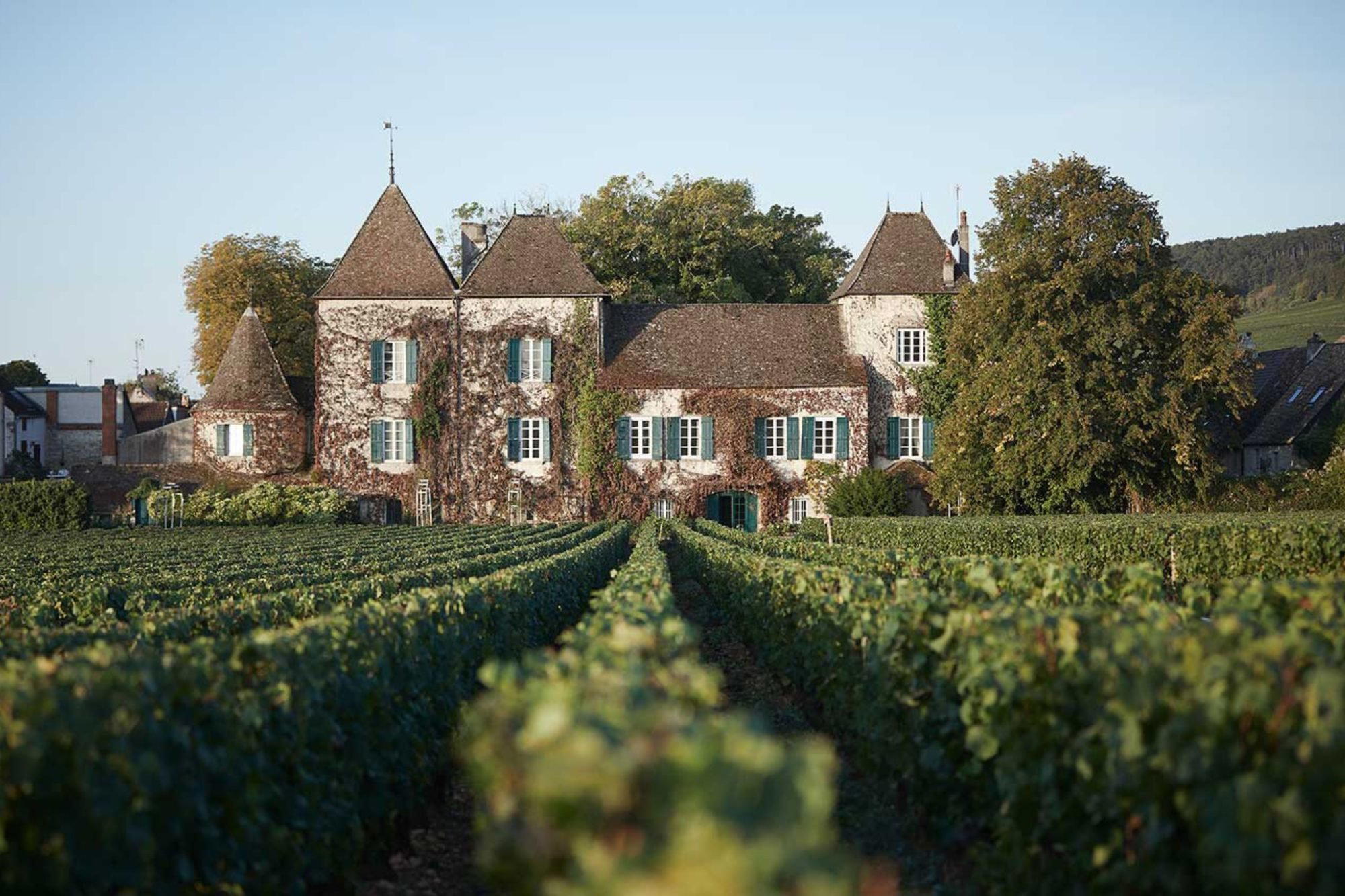
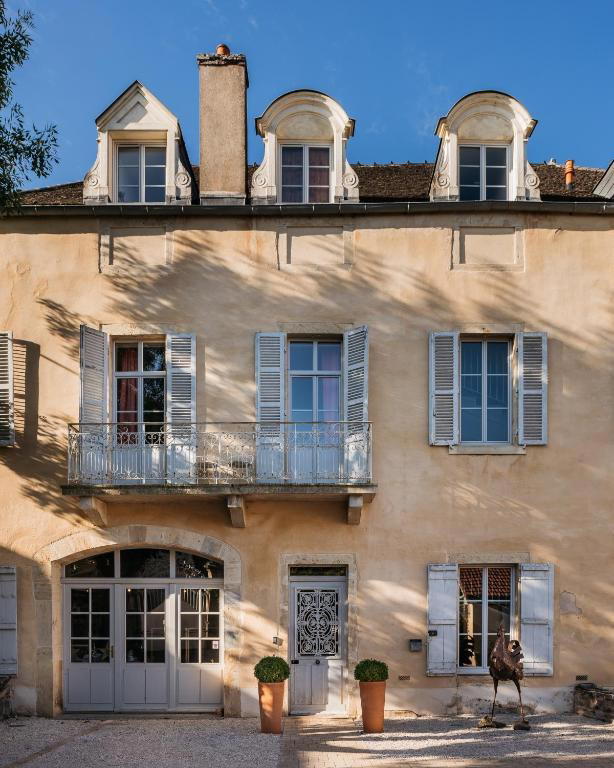
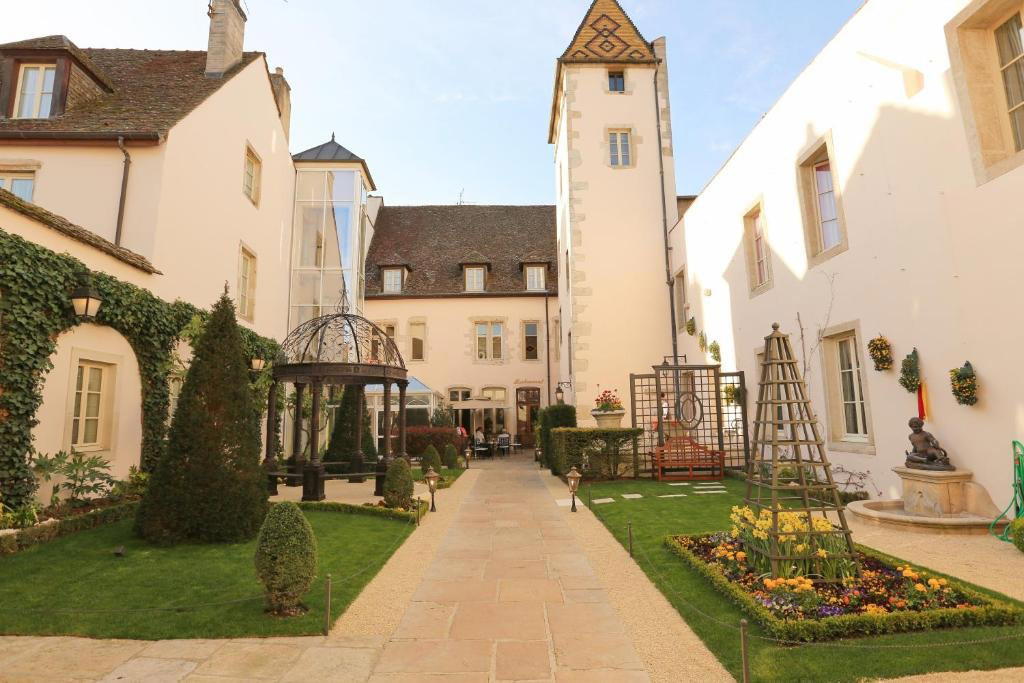
Domaine Paul Pillot belongs to Chassagne-Montrachet’s serious, vineyard-first Burgundy tradition: a family domaine rooted around 1900, now associated with precise Chardonnay and a smaller Pinot Noir output. Its 13 hectares across Chassagne-Montrachet, Saint-Aubin and Santenay place it in the Côte de Beaune conversation where premier cru site definition matters more than cellar theatre.

Pearl is the En Primeur Club membership app — saves, bookings, and concierge access live there. Same editors, same standards.
- Address
- 3 Clos Saint-Jean, 21190 Chassagne-Montrachet, France
- Phone
- +33 3 80 21 31 91
- Hours
- Mon 10 AM–4 PMTue–Sun Closed
- Directions
- Get directions
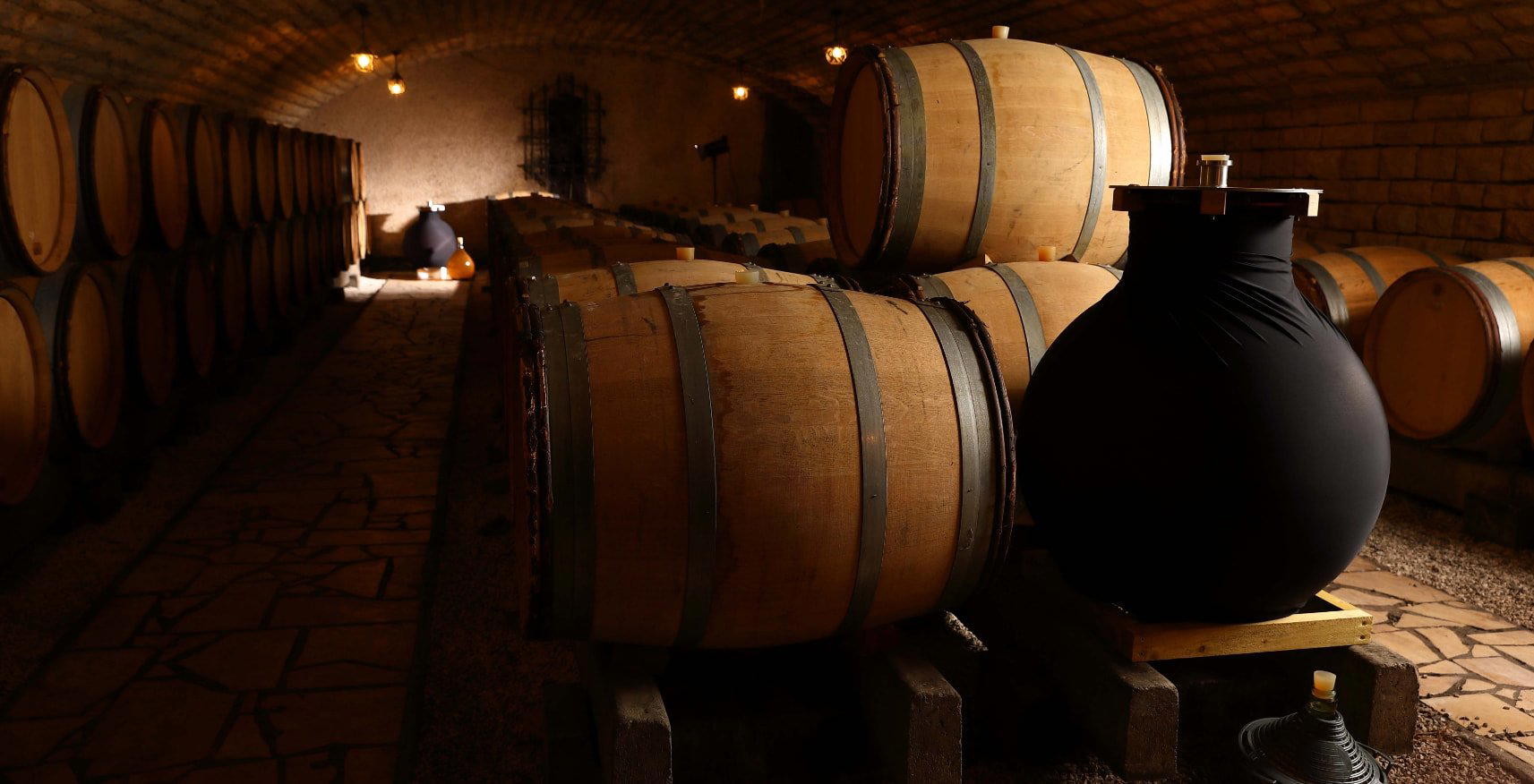
Domaine Paul Pillot is a wine estate in Chassagne-Montrachet with a concise set of visitor details. Rather than filling gaps with assumptions, the useful approach is to treat the listing as a compact reference point for planning, especially for travellers who are comparing Burgundy wine addresses and need to separate confirmed facts from general expectation.
Within Chassagne-Montrachet, Domaine Paul Pillot is best read as a Burgundy wine address rather than a general hospitality venue. That distinction matters because a wine-estate listing does not automatically imply the same visitor format as a restaurant, bar, hotel lounge or walk-in tasting room. The essential information points toward a focused estate profile, and the most reliable interpretation is accordingly narrow and practical.
Domaine Paul Pillot in Chassagne-Montrachet
Domaine Paul Pillot is located in Chassagne-Montrachet. Beyond that city-level location, no specific street address is stated here. The listing places the venue at $$$ and notes a smart casual dress code. Those details give a basic sense of positioning without defining the full experience: $$$ is a price signal rather than a menu, tariff or package, and smart casual is a dress expectation rather than a statement about ambience, service style or visitor format.
The confirmed opening schedule is limited: Monday from 10 AM to 4 PM, with Tuesday through Sunday listed as closed. Travellers should plan around that narrow public schedule and check the venue’s own current channels before making plans. In practical terms, the Monday-only window makes timing the central planning issue. Anyone building a day in Chassagne-Montrachet around Domaine Paul Pillot should avoid assuming flexibility outside those stated hours, because the listing does not provide a wider weekly pattern or any additional public availability.
Readers comparing other Burgundy wine-estate options may also look at Domaine Alex Moreau, Domaine Fontaine-Gagnard, Domaine Jean-Noël Gagnard, Domaine Ramonet and Lamy-Caillat. These names are useful as comparison points within the same broader Burgundy planning context, especially for readers who are assembling a route around producers rather than a conventional dining itinerary.
A Burgundy wine estate with a confirmed Michelin Guide distinction
The key recognition for Domaine Paul Pillot is the Michelin Guide Burgundy 2 Grapes wine-estate distinction. That accolade is the only confirmed award or guide recognition stated here. For readers using guide recognition as a filtering tool, this is the clearest marker in the available information, and it should be understood precisely: the confirmed distinction is Michelin Guide Burgundy 2 Grapes, attached to the wine-estate listing, with no further awards or rankings supplied in this text.
Those specifics are therefore not presented as facts. The listing does not provide additional detail about tasting structure, bottle availability, vineyard visits, food service, reservations, group capacity, private appointments or the nature of any hosted experience. It also does not give a fuller descriptive profile of style, history or production. Because those details are absent, the editorial stance here is deliberately restrained: the recognition is noted, but it is not expanded into claims the available information does not support.
For EP Club readers, the practical takeaway is simple: Domaine Paul Pillot is a Chassagne-Montrachet wine estate with a confirmed Michelin Guide Burgundy 2 Grapes distinction, smart casual dress expectations and limited listed hours. That combination makes it relevant for Burgundy-focused travellers, but it also means the estate should be handled with care in an itinerary. The most useful plan is one based on confirmation rather than assumption, especially where opening hours and visitor access are concerned.
How to read the visitor information
Visitors should not assume a drop-in model, a tasting menu, a food-pairing experience or group availability from the information available here. None of those formats is confirmed in the listing, and each would materially change how a traveller plans a visit. A wine estate can appear in travel research for many reasons, but the presence of a listing alone does not define what happens on site, how visitors are received or whether public access operates in the way a restaurant or tasting bar might.
What is confirmed is the venue’s $$$ price category, smart casual dress code and Monday 10 AM to 4 PM listed hours, with the rest of the week closed. Those details make advance checking especially important before building a Chassagne-Montrachet itinerary around the estate. The price category and dress code help set expectations at a high level, while the hours provide the most concrete planning constraint. Together, they are enough to identify the estate as a considered stop, but not enough to remove the need for direct verification.
Domaine Paul Pillot is therefore best approached through its confirmed essentials rather than through claims. It is a Chassagne-Montrachet wine estate with Michelin Guide Burgundy 2 Grapes recognition, positioned at $$$, and listed with a narrow weekly opening window. That is a concise profile, but it is also a useful one: it tells readers what can be relied on, what remains unconfirmed and why a cautious planning approach is appropriate.
For a broader Burgundy plan, consider Domaine Paul Pillot alongside other named producers such as Domaine Alex Moreau, Domaine Fontaine-Gagnard, Domaine Jean-Noël Gagnard, Domaine Ramonet and Lamy-Caillat, or with other dining and wine stops in Chassagne-Montrachet more generally. In that wider context, Domaine Paul Pillot can sit as one confirmed wine-estate reference point within a larger itinerary, provided the limited opening information is respected and any visit is checked directly before travel.
Comparable Spots, Quickly
Comparable venues by cuisine and price in the same metro.
| Venue | Price | Awards |
|---|---|---|
| Domaine Paul PillotThis venue — the venue you are viewing | Not listed | Michelin 2 Grapes |
| Domaine Ramonet | $150–200 | Michelin Main Selection · Falstaff Winery - Listed |
| Lamy-Caillat | Not listed | Michelin 2 Grapes |
| Domaine Jean-Noël Gagnard | Not listed | Falstaff Winery - Listed |
| Domaine Alex Moreau | Not listed | Michelin Main Selection |
Recognition history
Dated appearances from independent guides and award organizations, with the underlying list record or original source where available.
Michelin 2 Grapes
Michelin · 2026 Michelin 2 Grapes - Burgundy
Continue exploring
More in Chassagne-Montrachet
Wineries in Chassagne-Montrachet
Browse all →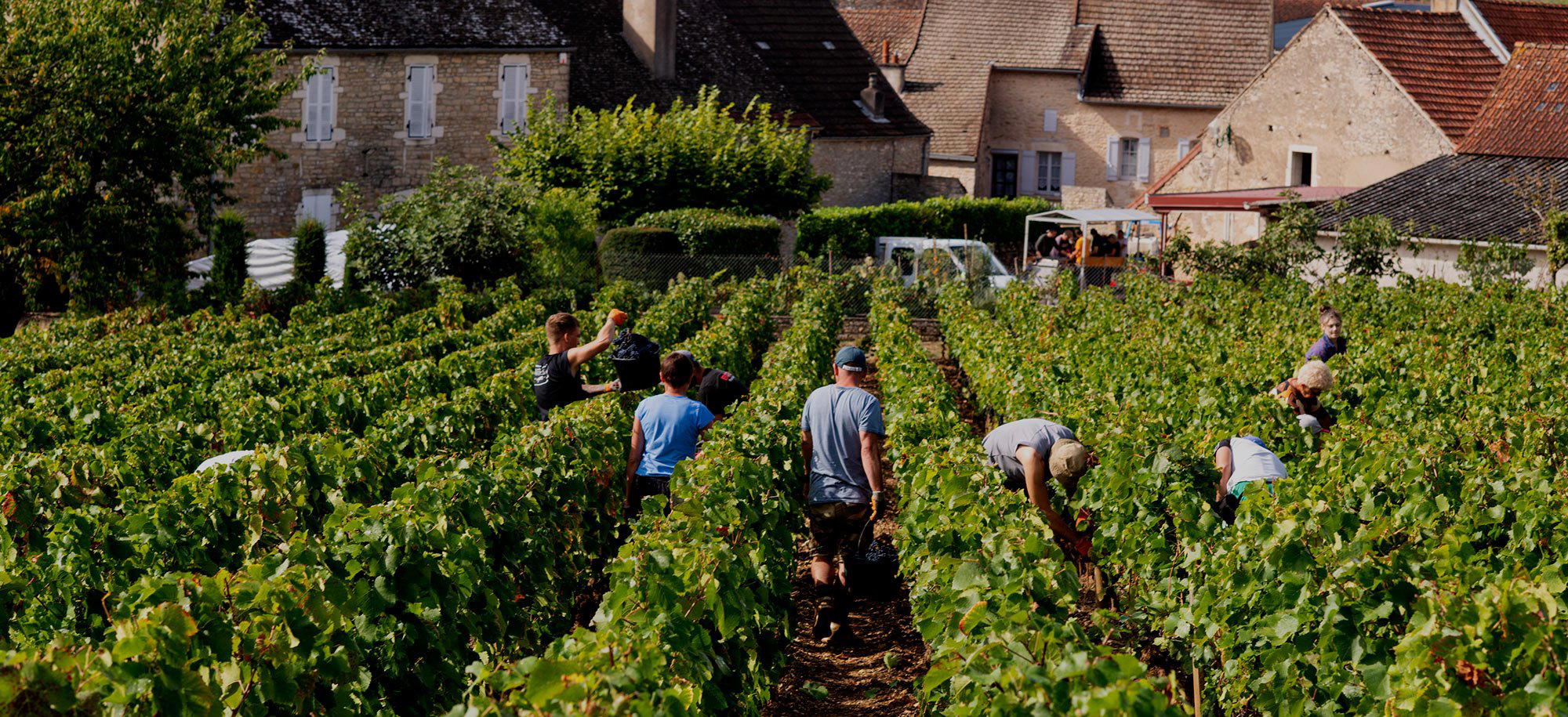

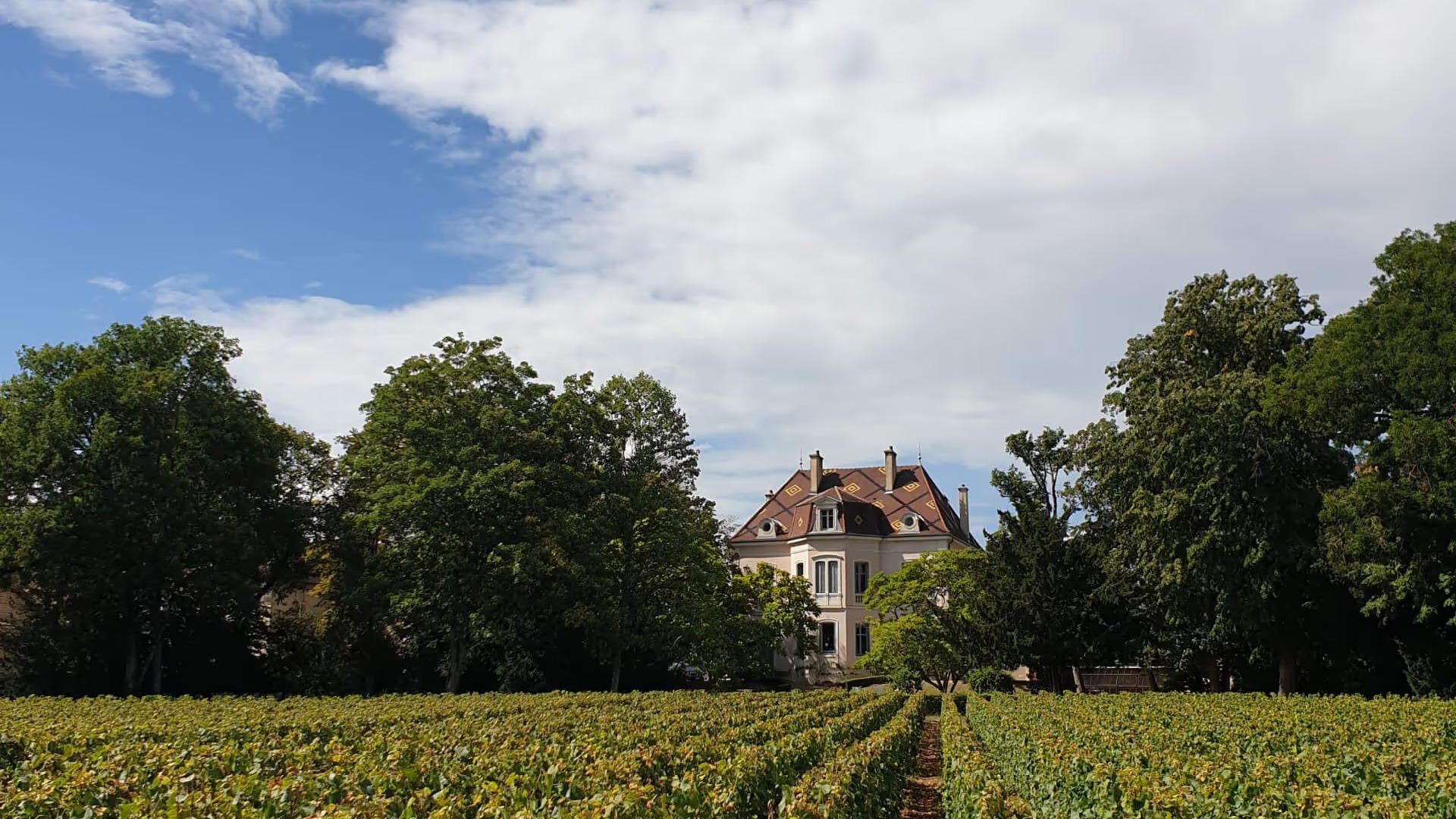
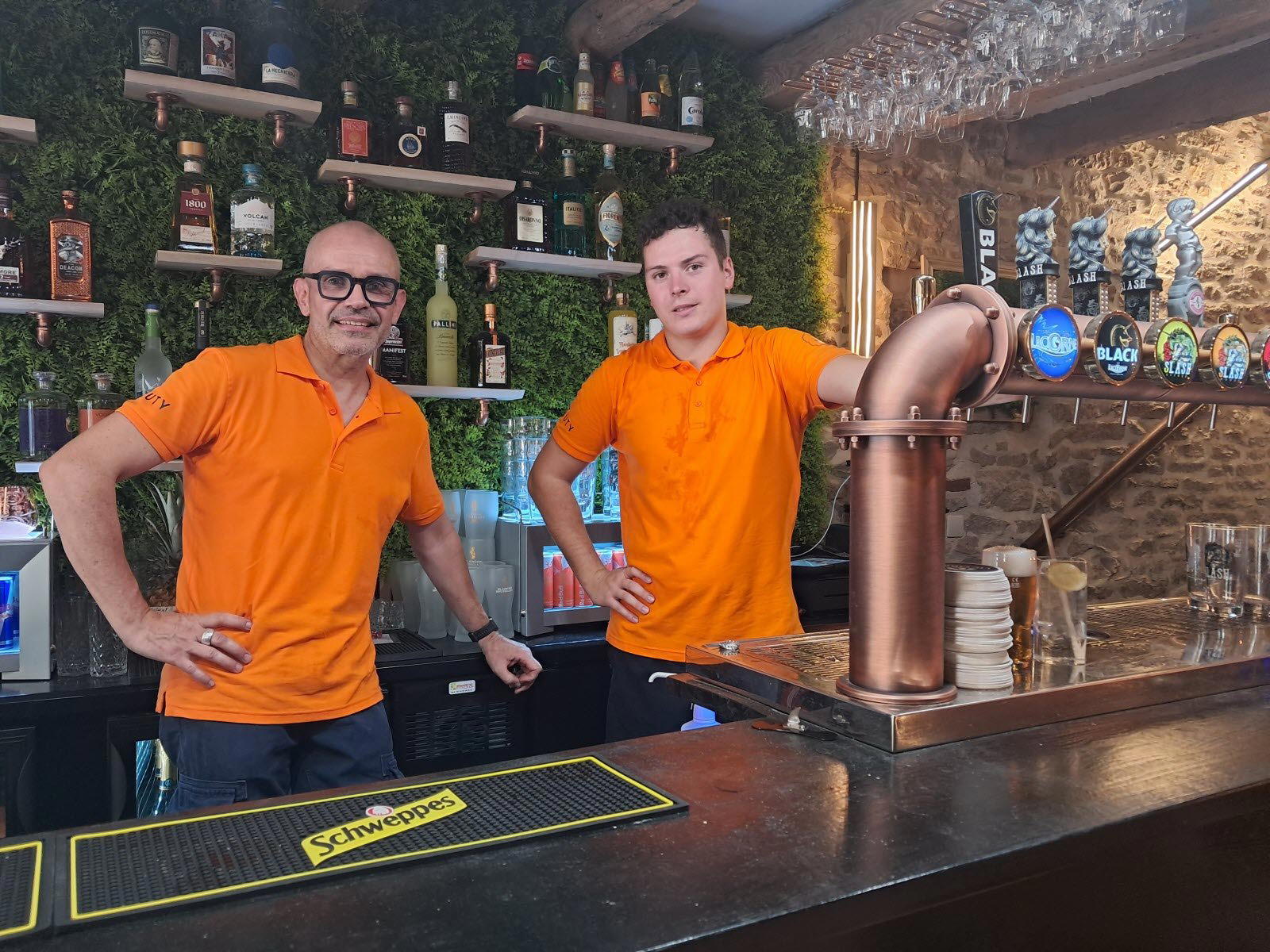
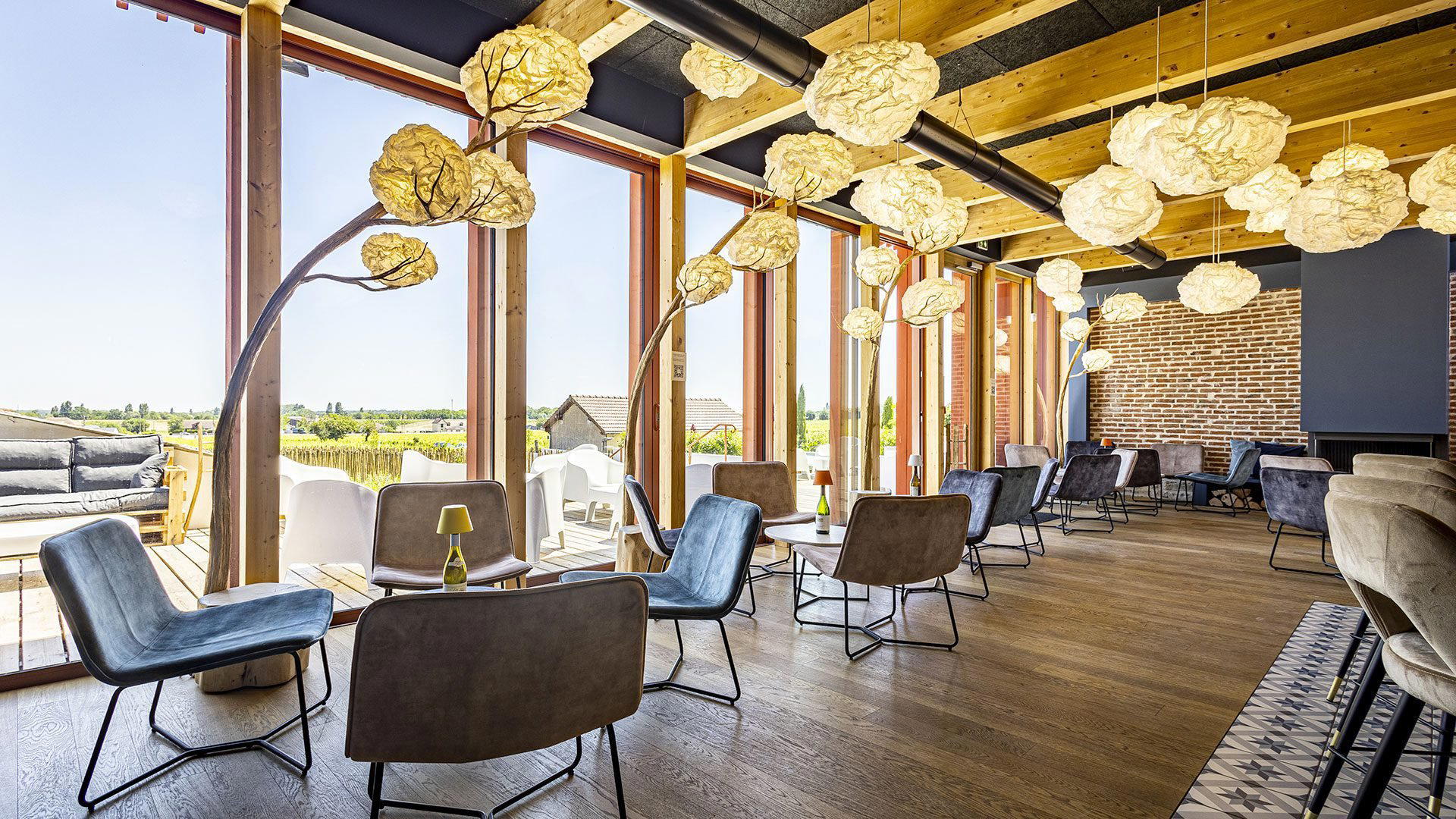
Bars in Chassagne-Montrachet
Browse all →
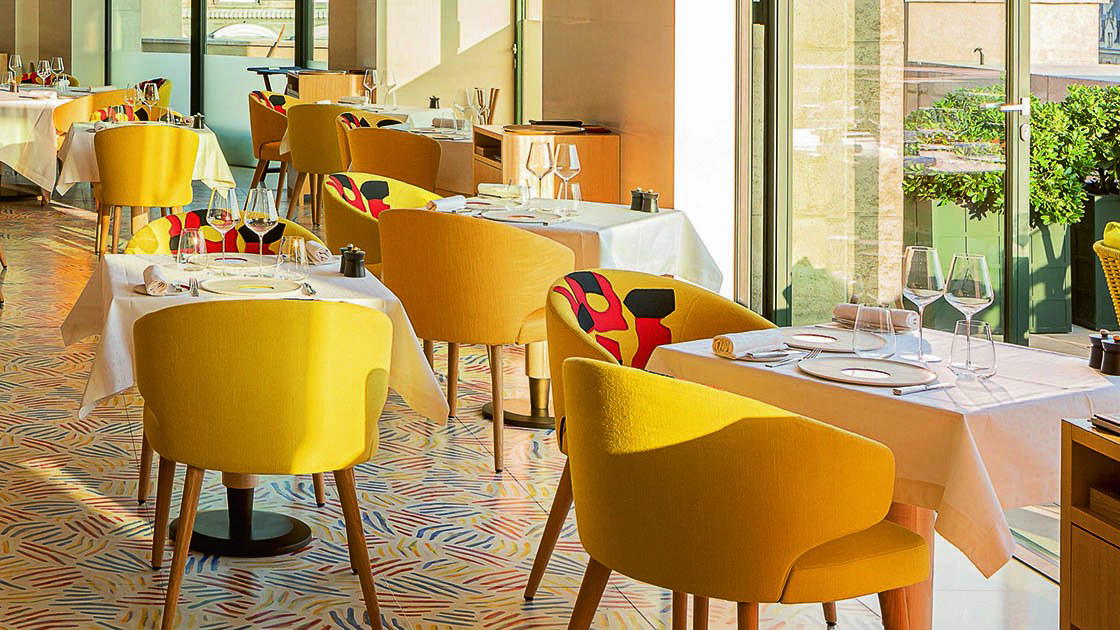
Restaurants in Chassagne-Montrachet
Browse all →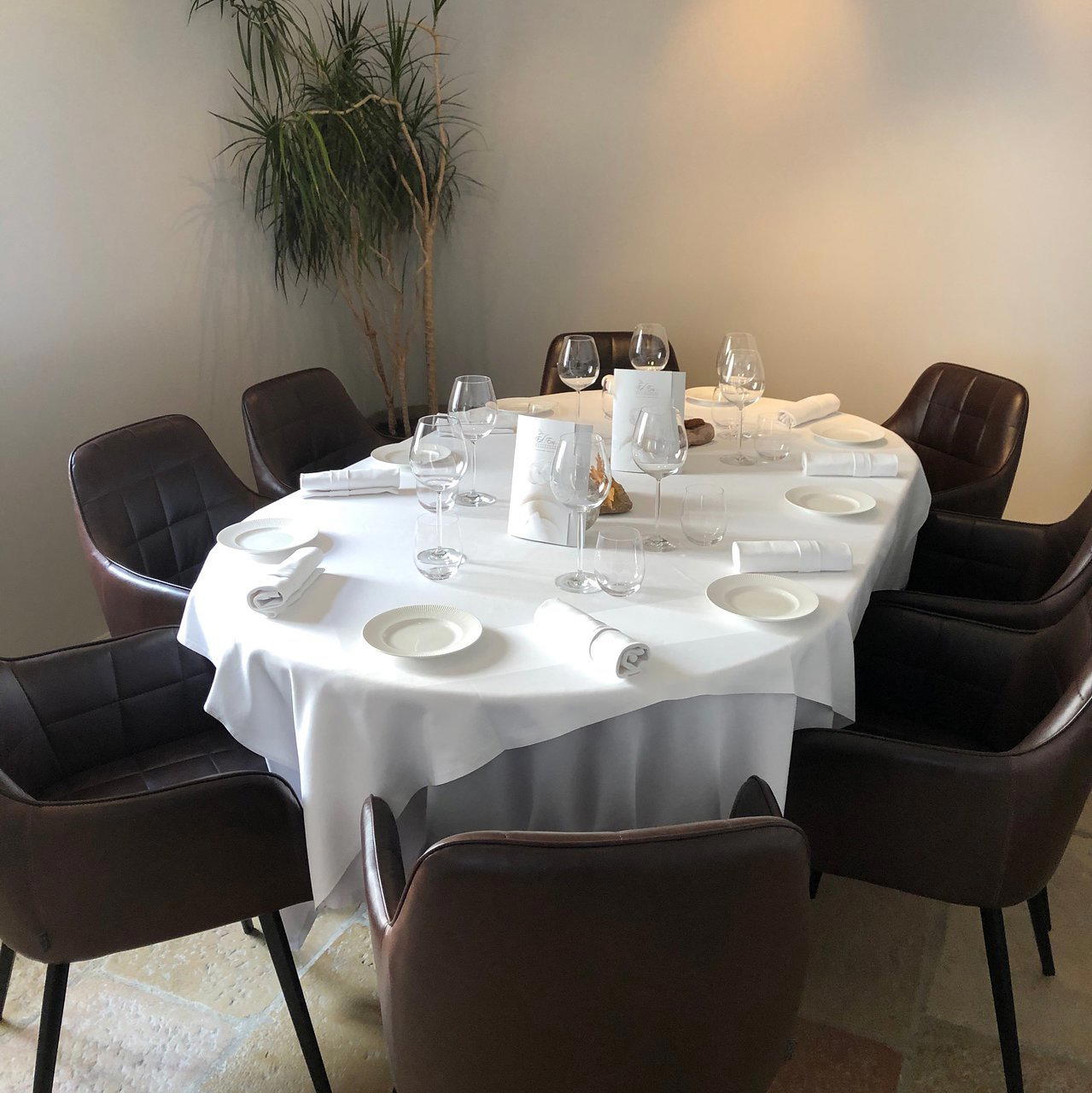
Details
- Elegant
- Quiet
- Classic
- Sophisticated
- Wine Education
- Special Occasion
- Solo Exploration
- Private Tasting
- Historic Building
- Sustainable
- Vineyard
- Chardonnay
- Pinot Noir
- Still White
- Still Red
- Private Tasting
Current opening hours
- Monday
- 10 AM–4 PM
- Tuesday
- Closed
- Wednesday
- Closed
- Thursday
- Closed
- Friday
- Closed
- Saturday
- Closed
- Sunday
- Closed
Hours can change for holidays and private events. Last verified .
Quiet, refined, and terroir-focused, with an emphasis on precision and finesse rather than showy hospitality.