Domaine Hudelot-Noëllat

Domaine Hudelot-Noëllat has been producing Chambolle-Musigny and wider Côte de Nuits wines since 1978, with Charles Van Canneyt now leading the cellar work.
Pearl is the En Primeur Club membership app — saves, bookings, and concierge access live there. Same editors, same standards.
- Address
- 5 Anc. Rte RN 74, 21220 Chambolle-Musigny
- Phone
- +33 3 80 62 85 17
- Website
- domaine-hudelot-noellat.com
- Directions
- Get directions
 Saves & bookings on Pearl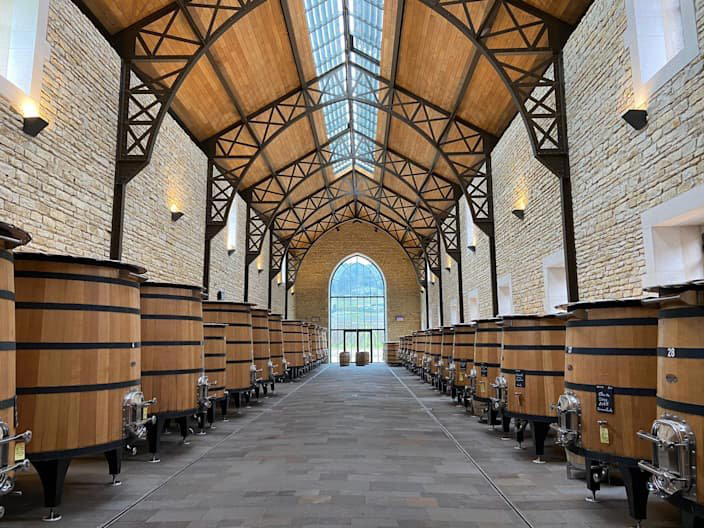
Where Chambolle's Villages Wines Begin to Separate Themselves
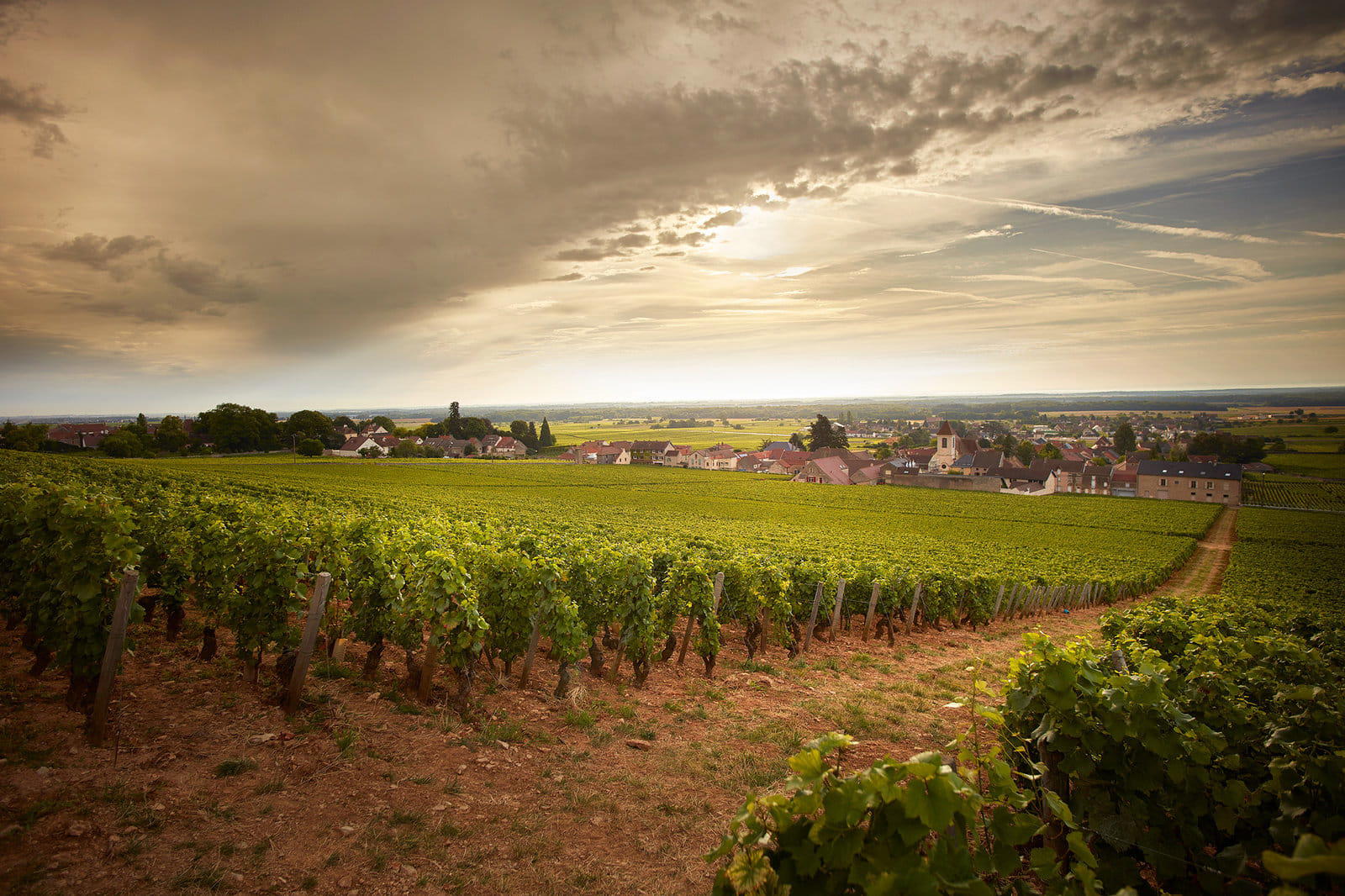
Drive south along the old RN 74 through the Côte de Nuits in late October and the villages reveal themselves through their vineyards before their road signs. The vines of Chambolle-Musigny are among the most closely watched in Burgundy, and the domaines that line the route carry decades of accumulated cellar decisions in every bottle on their racks. Domaine Hudelot-Noëllat, at 5 Ancienne Route RN 74, sits inside that lineage. Its first vintage dates to 1978, placing it among a generation of Chambolle houses that built their reputations before the current wave of Burgundy speculation reshaped the collector market.
The village itself is small, and the competition among its producers is concentrated. Domaine Comte de Vogue holds the benchmark position for Musigny Grand Cru. Domaine Georges Roumier operates in the same upper tier, with Bonnes-Mares and Chambolle premier cru holdings that command allocation lists years in advance.
Barrel Decisions and the Logic of Chambolle Aging
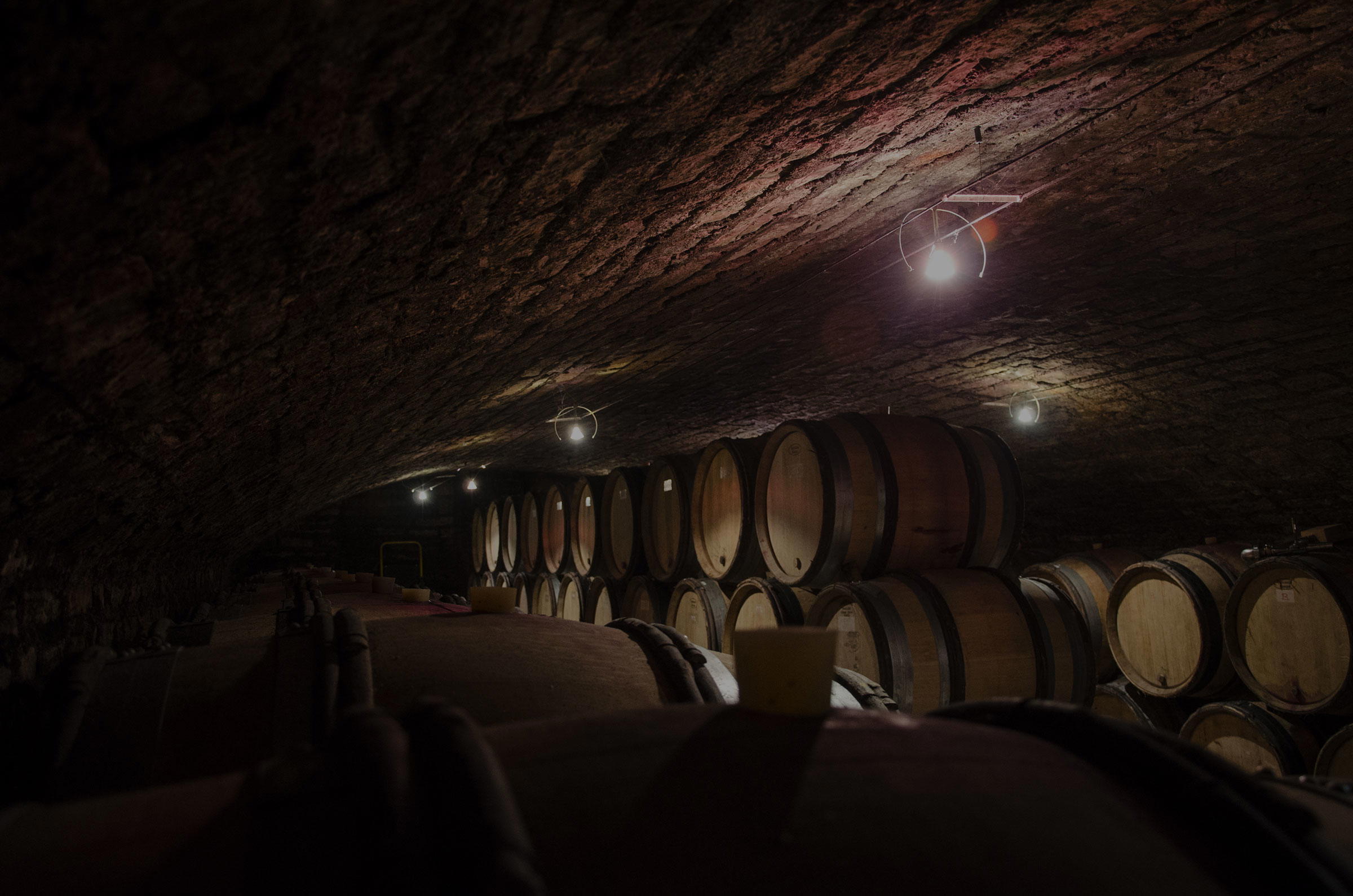
The editorial angle that matters most at any serious Côte de Nuits domaine is not which parcels they farm but what they choose to do between harvest and bottling. Chambolle-Musigny Pinot Noir is particularly sensitive to oak management. The appellation's reputation rests on a combination of silky texture and aromatic delicacy that heavy new oak can dismantle in a single vintage. The domaines that age well in the market and in the glass are those that treat the barrel cellar as a place of restraint, not amplification.
Charles Van Canneyt, the winemaker at Hudelot-Noëllat, works within that tradition. In Chambolle, that generally means differentiating between village-level wines, where excess oak would be immediately apparent, and premier or grand cru fruit that can absorb more barrel contact without losing the aromatic signature the appellation is known for.
The first vintage year of 1978 is also worth contextualising as a data point. A domaine with over four decades of continuous production has accumulated institutional knowledge about how its specific barrels, cellar temperature, and racking rhythm interact with different harvests. That kind of cellar continuity is increasingly rare in a region where estates change hands and winemakers rotate. It places Hudelot-Noëllat alongside producers such as Domaine Ghislaine Barthod and Domaine Amiot-Servelle in a cohort defined by long production history within the same village.
Chambolle's Producer Hierarchy and Where Hudelot-Noëllat Sits
Chambolle-Musigny operates on a tiered structure that collectors and sommeliers navigate through a combination of parcel holdings, winemaker track record, and allocation availability. At the apex sit domaines with Grand Cru access to Musigny or Bonnes-Mares; below them, producers with strong premier cru holdings in sites like Les Amoureuses or Les Charmes; and at the village level, those whose craftsmanship elevates AOC Chambolle-Musigny wine above what the appellation floor requires.
Within Chambolle, the competitive set includes Domaine Hudelot-Baillet, which shares the family name and operates from related but distinct holdings. Understanding which Hudelot you are tasting matters at the level of specificity that serious Burgundy collectors operate at, and the two domaines are not interchangeable in either parcel profile or cellar style.
For visitors comparing options across the Côte de Nuits and beyond, the range of serious producers extends well outside Chambolle. Albert Boxler in Niedermorschwihr offers a reference point for Alsace's equivalent debate around aging decisions in Grand Cru Riesling. Further afield, Accendo Cellars in St. Helena and properties like Château Bélair-Monange in Saint-Emilion represent how barrel and blending choices define prestige positioning in very different regional contexts.
Visiting in Context: Timing, Village, and What to Expect
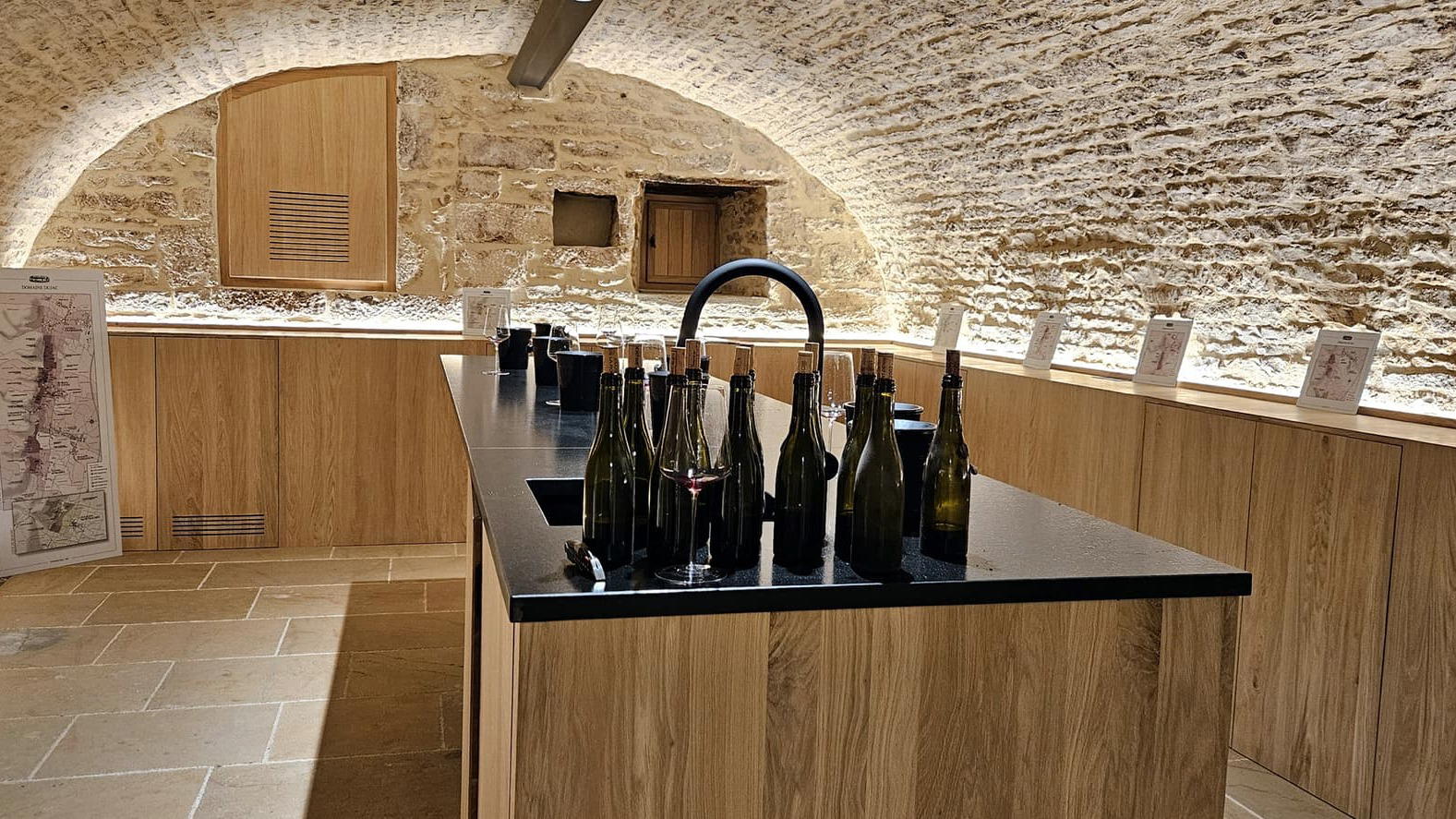
Chambolle-Musigny receives fewer drive-through visitors than Gevrey-Chambertin or Beaune, which sit on more obvious tourist circuits. That relative quietness is part of its character as a wine destination. The village has no landmark restaurant or hotel that anchors visitor itineraries the way Beaune does, and the domaines along the RN 74 are working production facilities first. Visits typically require advance arrangement, and the cellar experience at estates of this standing is generally structured around tasting from barrel or recent releases rather than open-door tourism.
The most productive time to visit the Côte de Nuits for anyone interested in production is late autumn after harvest, when winemakers have more time and the new vintage is in barrel. Spring, after the wines have settled from winter cold stabilisation, is the other window when cellar appointments tend to be substantive. Mid-summer visits are possible but the pressure of vine management reduces the depth of engagement most serious domaines offer. For full context on what Chambolle offers as a destination, see our full Chambolle-Musigny guide.
Logistics beyond the cellar visit are also worth noting. Hudelot-Noëllat's address at 5 Ancienne Route RN 74 places it directly on the road that connects Chambolle-Musigny to Vougeot and Nuits-Saint-Georges. The Côte de Nuits is most practically explored by car, with Beaune approximately 20 kilometres south serving as the region's main accommodation base for those planning multi-domaine itineraries. The wider Burgundy wine itinerary might also include a detour to Château Batailley in Pauillac or Château Branaire-Ducru in St-Julien if the trip extends to Bordeaux, or Chartreuse in Voiron for a very different production tradition if heading south through the Alps. For Sauternes context, Château Bastor-Lamontagne in Preignac and Château Boyd-Cantenac in Cantenac round out a longer southwestern circuit and Aberlour in Aberlour offers a contrasting production philosophy for those who combine wine and whisky travel.
Recognition history
Dated appearances from independent guides and award organizations, with the underlying list record or original source where available.
Falstaff Winery - Listed
Falstaff
Michelin 1 Grape
Michelin · 2026 Michelin 1 Grape - Burgundy
Continue exploring
More in Chambolle-Musigny
Wineries in Chambolle-Musigny
Browse all →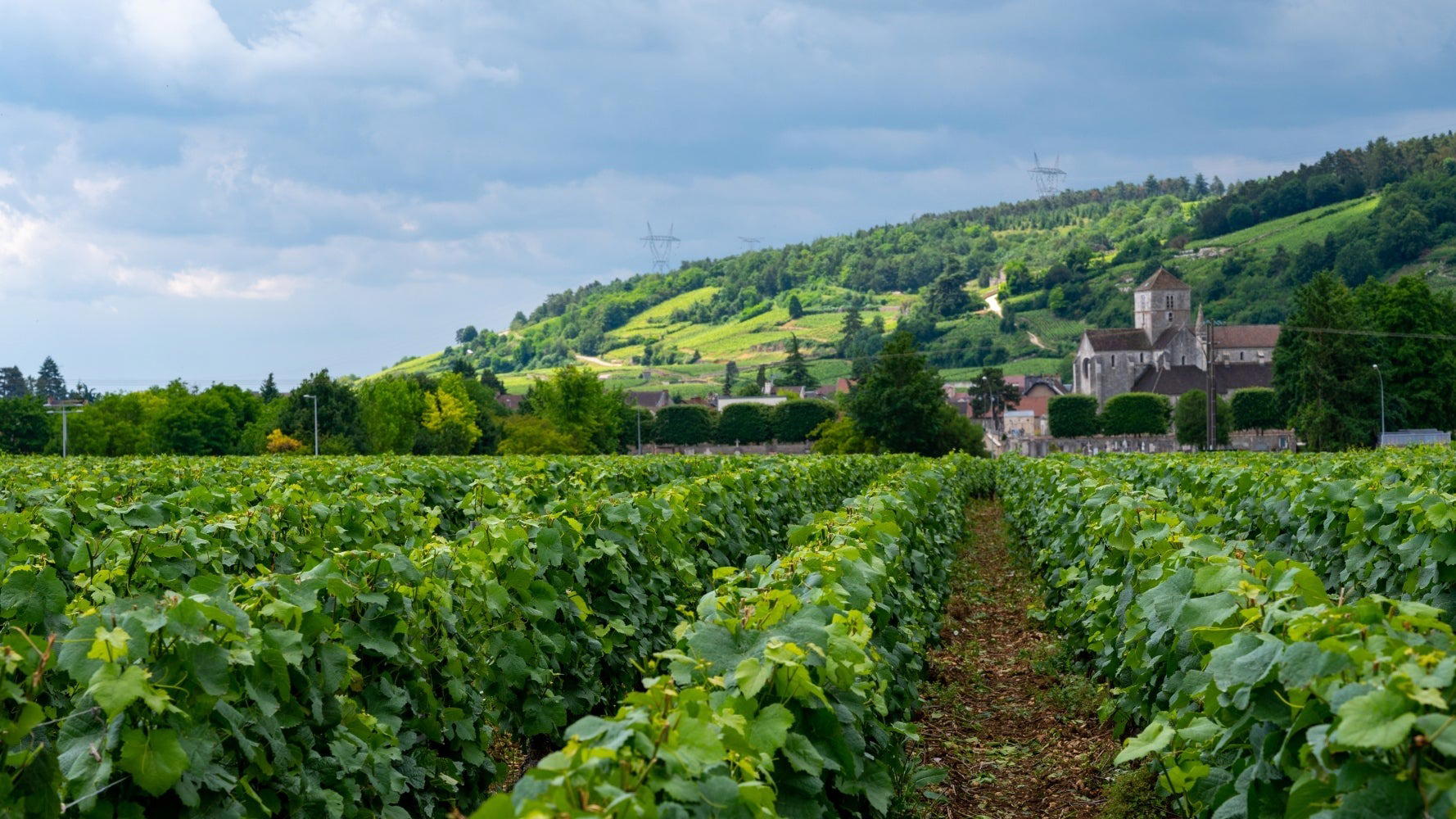
Bars in Chambolle-Musigny
Browse all →
Restaurants in Chambolle-Musigny
Browse all →
At a Glance
- Elegant
- Classic
- Intimate
- Sophisticated
- Wine Education
- Special Occasion
- Cave Tasting
- Vineyard Tour
- Vineyard
- Chambolle Musigny AOC
- Pinot Noir
- Gamay
- Still Red
- Cave Tasting
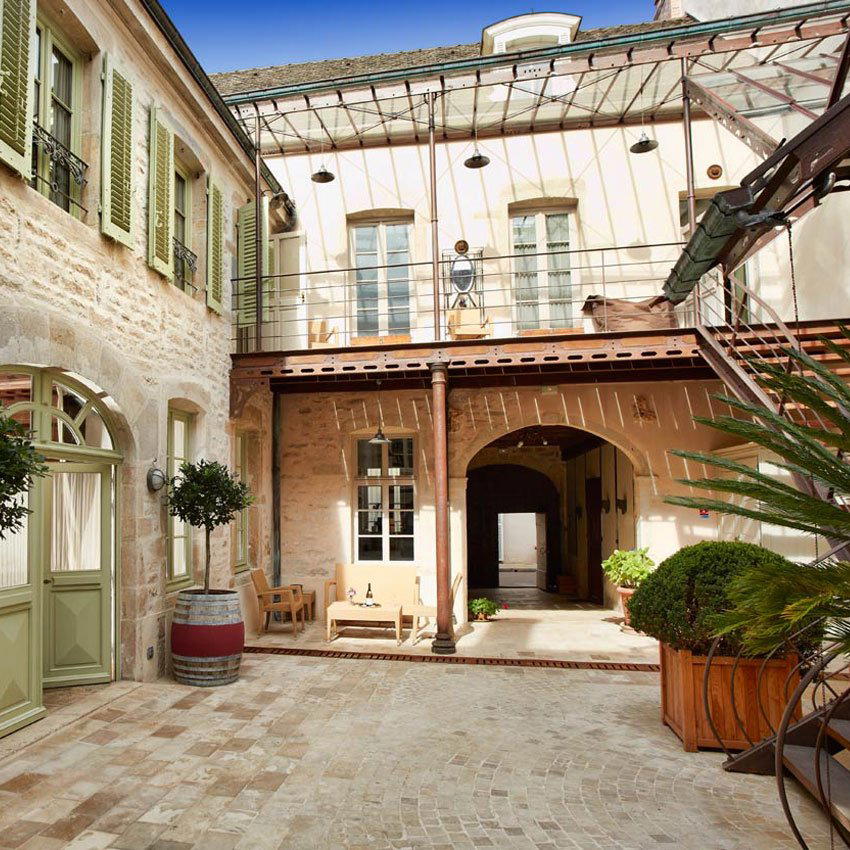
Classic and elegant with a focus on meticulous traditional winemaking in a historic Burgundy setting.
Know Before You Go
- Getting there
- 5 Anc. Rte RN 74, 21220 Chambolle-Musigny