
Michelin Main Selection
The domaine sits within a village whose premier cru and village-level parcels define the international benchmark for Chardonnay. A focused allocation model places it firmly in the tier of producers whose wines are acquired rather than simply purchased.

Pearl is the En Primeur Club membership app — saves, bookings, and concierge access live there. Same editors, same standards.
- Address
- 51 Impasse du Pres des Taupes, ZA Les Camps Lins, 21190 Meursault, France
- Website
- instagram.com
- Directions
- Get directions
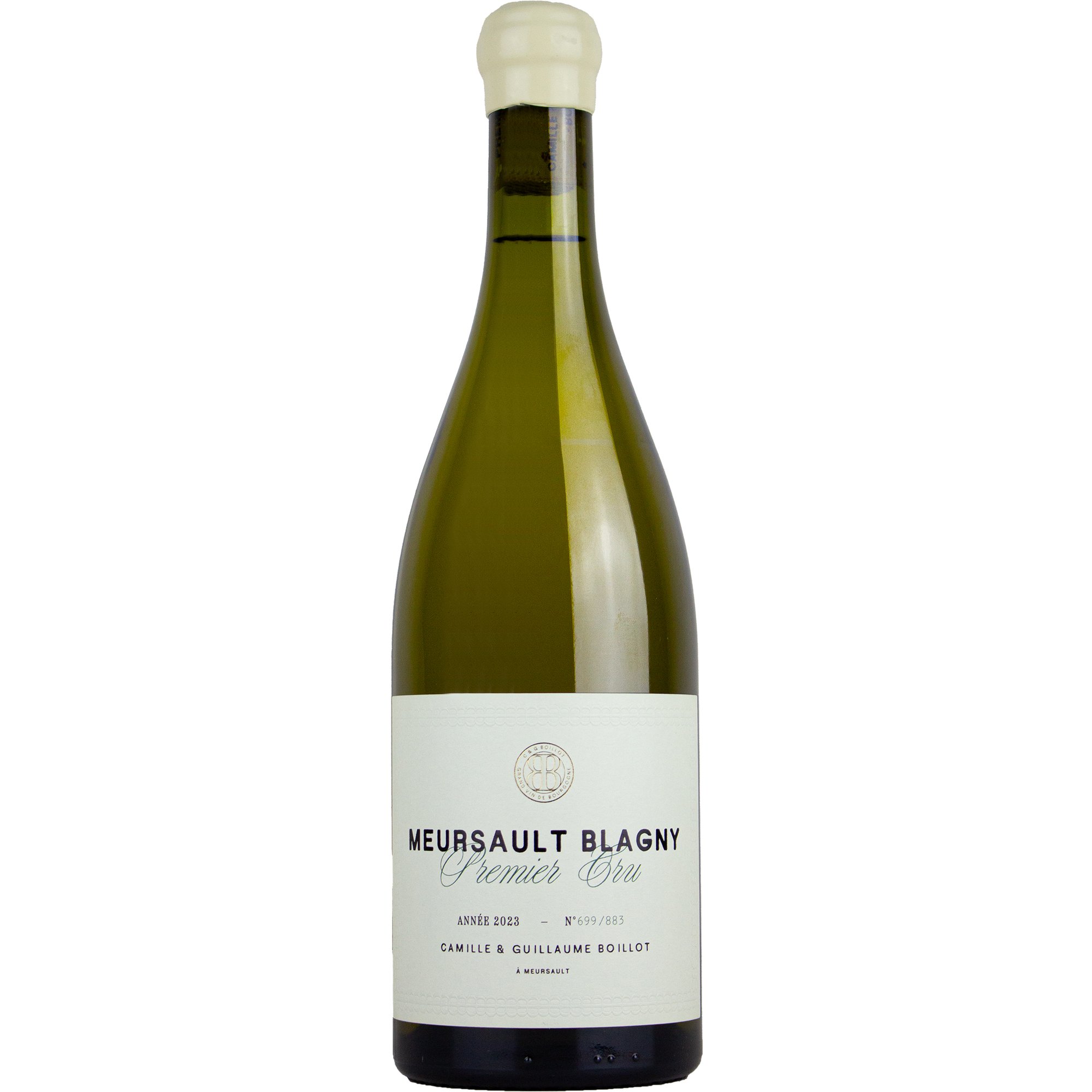
A Quiet Address in the Capital of White Burgundy
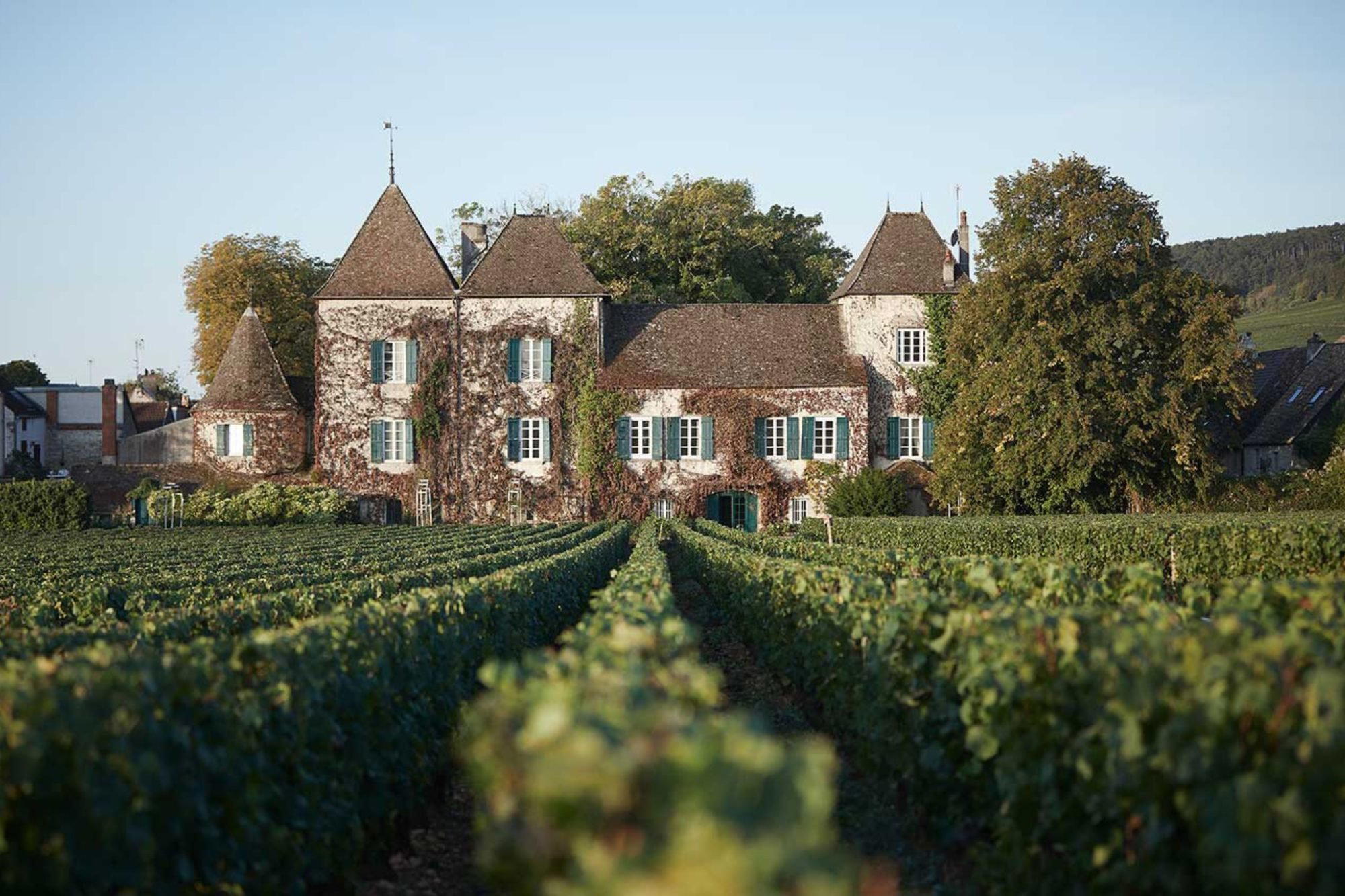
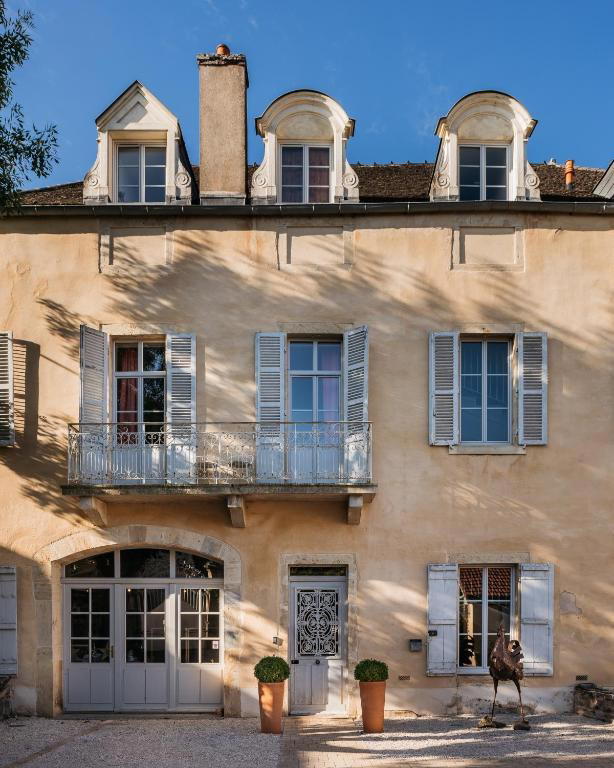
The lane that leads to 51 Impasse du Pres des Taupes runs south of the Meursault village centre, past low stone walls and the kind of agricultural calm that gives no obvious sign of the wine inside. This is how much of serious Burgundy presents itself: the cellar door as an afterthought to the vineyard, the address unpublicised, the reputation carried entirely by the bottle. Domaine Camille & Guillaume Boillot operates in that tradition, drawing its identity from a village that has for decades set the standard by which white Burgundy is judged internationally.
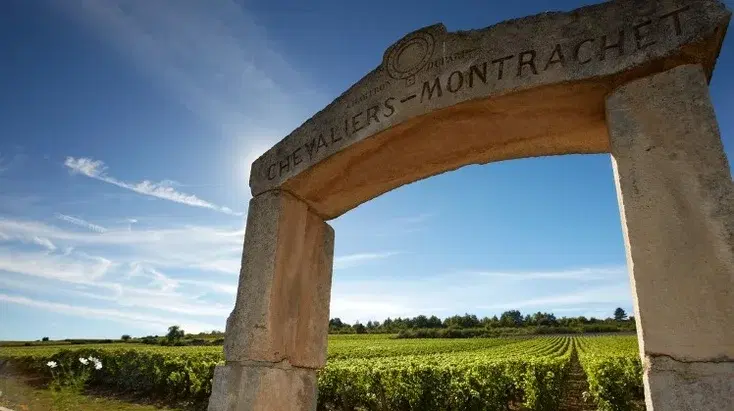
Meursault's authority over Chardonnay is structural as much as stylistic. The village sits at the southern end of the Côte de Beaune, where limestone-heavy soils and a particular orientation of slope produce wines with a weight and texture that Puligny-Montrachet and Chassagne-Montrachet approach differently. The commune has no grand cru of its own, but producers here have long argued, convincingly, that the leading premier cru parcels — Les Perrières above all — belong in any serious conversation about the Côte's ceiling. It is in this context, and against peers of this calibre, that the domaine has built its standing.
In a village where reputation is carved out against neighbours such as Domaine Antoine Jobard, Domaine Chavy-Chouet, and the broader Boillot family represented by Domaine Henri Boillot, that recognition carries weight precisely because the comparative bar is so high.
The Boillot name itself runs through Meursault and Volnay with the kind of density that speaks to multi-generational rootedness in Burgundian viticulture. Within that family network, different domaines have taken different directions, some toward Pinot Noir in Volnay, others oriented toward the white appellations further south. Camille and Guillaume represent a branch that has pursued the kind of credentialled, allocation-driven model that characterises the upper tier of small Burgundy producers. The 2025 recognition formalises a standing that those who have been following the domaine already knew.
The Regulars Who Return to This Address
Clientele that gravitates toward a domaine like this one is not primarily driven by discovery tourism. Meursault does attract visitors, the Château de Meursault handles large-volume tastings and draws coach groups through its historic cellars, but the producers at the prestige end of the village tend to work on a different rhythm. Appointments are the norm. Wine is allocated to a list that renews itself gradually. The people who show up at 51 Impasse du Pres des Taupes tend to be the people who have been buying for years and are returning to collect, to taste the new vintage, or to negotiate a slightly larger allocation before the queue ahead of them does the same.
What keeps that kind of customer returning is rarely a single wine or a single vintage. It is the cumulative evidence of consistency: the knowledge that the same parcels, worked with the same attention to site, will express recognisably across different years and different climatic pressures. In a decade that has asked a great deal of Burgundy's growers, heat, drought, hail, erratic springs, the producers who have maintained parcel-level coherence are the ones whose regulars keep their allocations intact and pass the contact details to trusted friends rather than posting them publicly.
The comparison set that frames this domaine includes, at the leading, producers like Domaine Coche-Dury and Domaine Roulot, whose secondary market prices have moved into territory that functions more as financial asset than drinking wine. Domaine des Comtes Lafon represents another tier of established estate authority. Below that tier, a cohort of focused, family-run operations, which is where Camille and Guillaume Boillot belong, provides the backbone of serious Meursault buying for collectors who want to drink rather than merely hold. That positioning is not a consolation prize; it is the sweet spot that sophisticated buyers increasingly target.
Meursault in the Broader Burgundy Frame
Understanding what draws regulars back to this domaine also means understanding the village they are returning to. Meursault is not a tourist village in the way that Beaune, twenty minutes north, has become. It has a weekly market, a church, a pharmacy, and the kind of functional daily life that makes it feel like a working agricultural town rather than a heritage display. The prestige comes from what is underground and what grows on the slopes above, not from the streetscape.
The Côte de Beaune producers who hold serious reputations outside France tend to appear in the same conversations as benchmark houses from other French regions: the allocation discipline of Albert Boxler in Niedermorschwihr, the centuries-deep cellar culture of Chartreuse in Voiron, or the classified-growth positioning of estates like Château Batailley in Pauillac and Château Branaire Ducru in St-Julien. What links them is a willingness to let the land speak slowly, to resist over-engineering the result, and to build a following through long accumulation rather than rapid expansion. The domaine fits that pattern.
Meursault's position among the Côte de Beaune's leading communes is shared with producers of considerable standing. Domaine Jacques Prieur, whose holdings extend across multiple appellations, provides one data point on the range of ambition operating within this village and its immediate neighbours. The smaller, tighter operations work a different model, and it is that model that Camille and Guillaume Boillot represent.
Planning a Visit and What to Expect
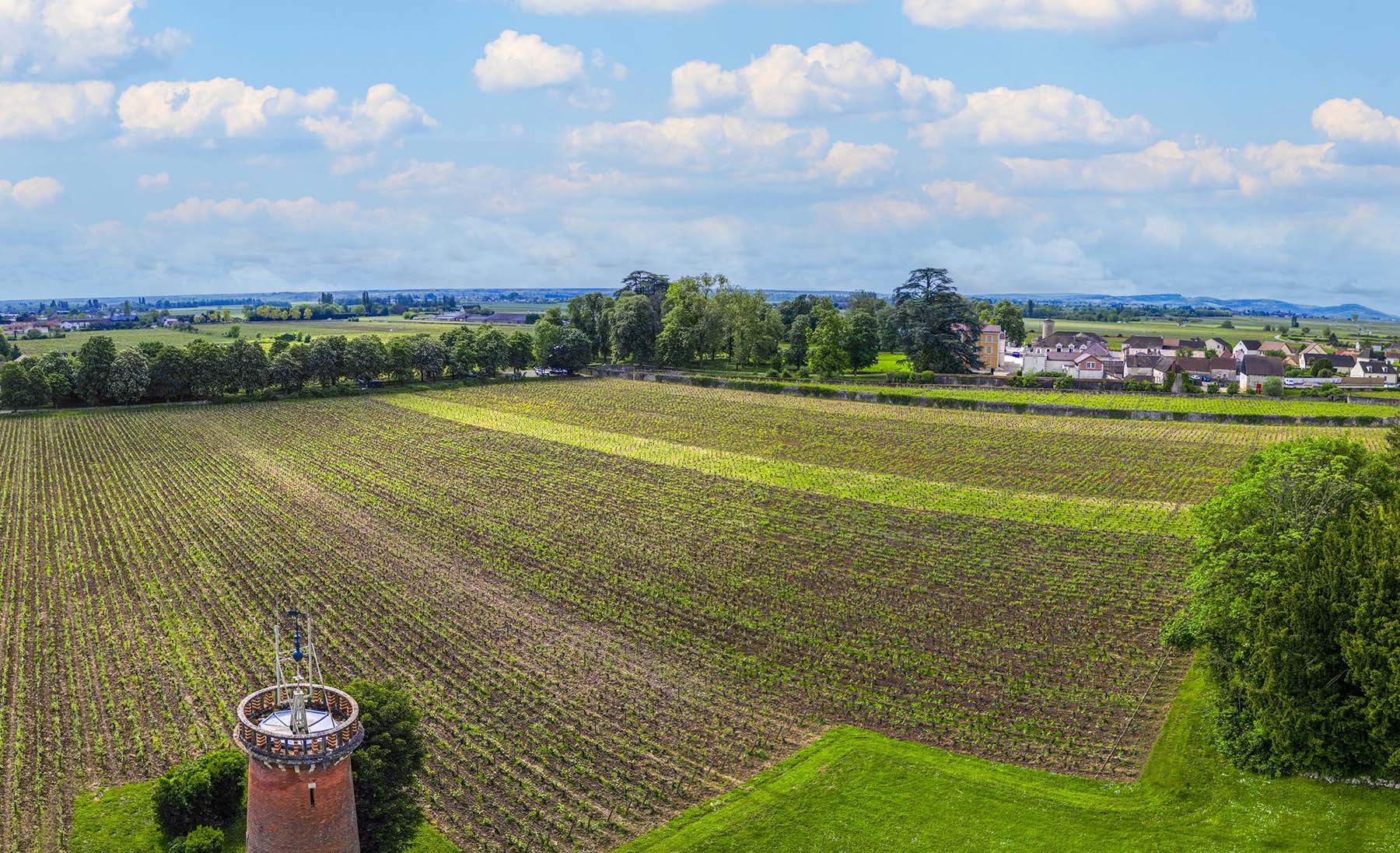
Meursault sits approximately eight kilometres south of Beaune along the D974, and the drive through the vineyards on approach gives a clear visual sense of how tightly the village is wrapped in its agricultural reason for being. The domaine's address on the ZA Les Camps Lins puts it on the southern margin of the commune, away from the village centre and closer to the working edge of the appellation. The approach that regulars use, and that serious first-time visitors adopt, is a direct approach via email or personal introduction. Arriving unannounced at a domaine of this calibre is not standard practice in the Côte de Beaune; the relationship usually precedes the visit.
The broader Meursault scene is mapped in our full Meursault guide, which covers the village's producers, its rhythm through the harvest season, and the practical questions around visiting the appellation in depth. For those building a Côte de Beaune itinerary, the combination of producers at the prestige level, this domaine among them, with the village-level context that Meursault offers makes it a serious stop rather than a peripheral one.
Autumn is the obvious season to be in the village if you want to understand the energy behind the wines: harvest brings the domaines to life in a way that the quieter winter months do not. But the most productive visits, from a buying perspective, tend to happen in spring, when the new vintage has settled into barrel and the producers have a clearer view of what they are working with. That is when the regulars tend to return, and when the conversations that determine allocations for the following year take place.
Peers Worth Knowing
Comparable venues nearby, for context on price, style, and recognition.
| Venue | Cuisine | Price | Awards | Notes |
|---|---|---|---|---|
| Domaine Camille & Guillaume BoillotThis venue — the venue you are viewing | Chardonnay, Pinot Noir | Not listed | Michelin Main Selection | Not listed |
| Domaine Arnaud Ente | Chardonnay, Pinot Noir | Not listed | Michelin 2 Grapes | Meursault |
| Domaine Génot-Boulanger | Chardonnay, Pinot Noir | $100–150 | Falstaff Winery - Listed | Meursault |
| Domaine Antoine Jobard | Chardonnay, Pinot Noir | Not listed | Falstaff Winery - Listed | Meursault |
| Domaine Jacques Prieur | Pinot Noir, Chardonnay | Not listed | Falstaff Winery - 4 Stars | Meursault |
| Domaine Coche-Dury | Chardonnay, Pinot Noir | Not listed | Michelin 3 Grapes · Falstaff Winery - Listed | Meursault |
Recognition history
Dated appearances from independent guides and award organizations, with the underlying list record or original source where available.
Michelin Main Selection
Michelin · 2026 Michelin Grape Main Selection - Burgundy
Continue exploring
More in Meursault
Wineries in Meursault
Browse all →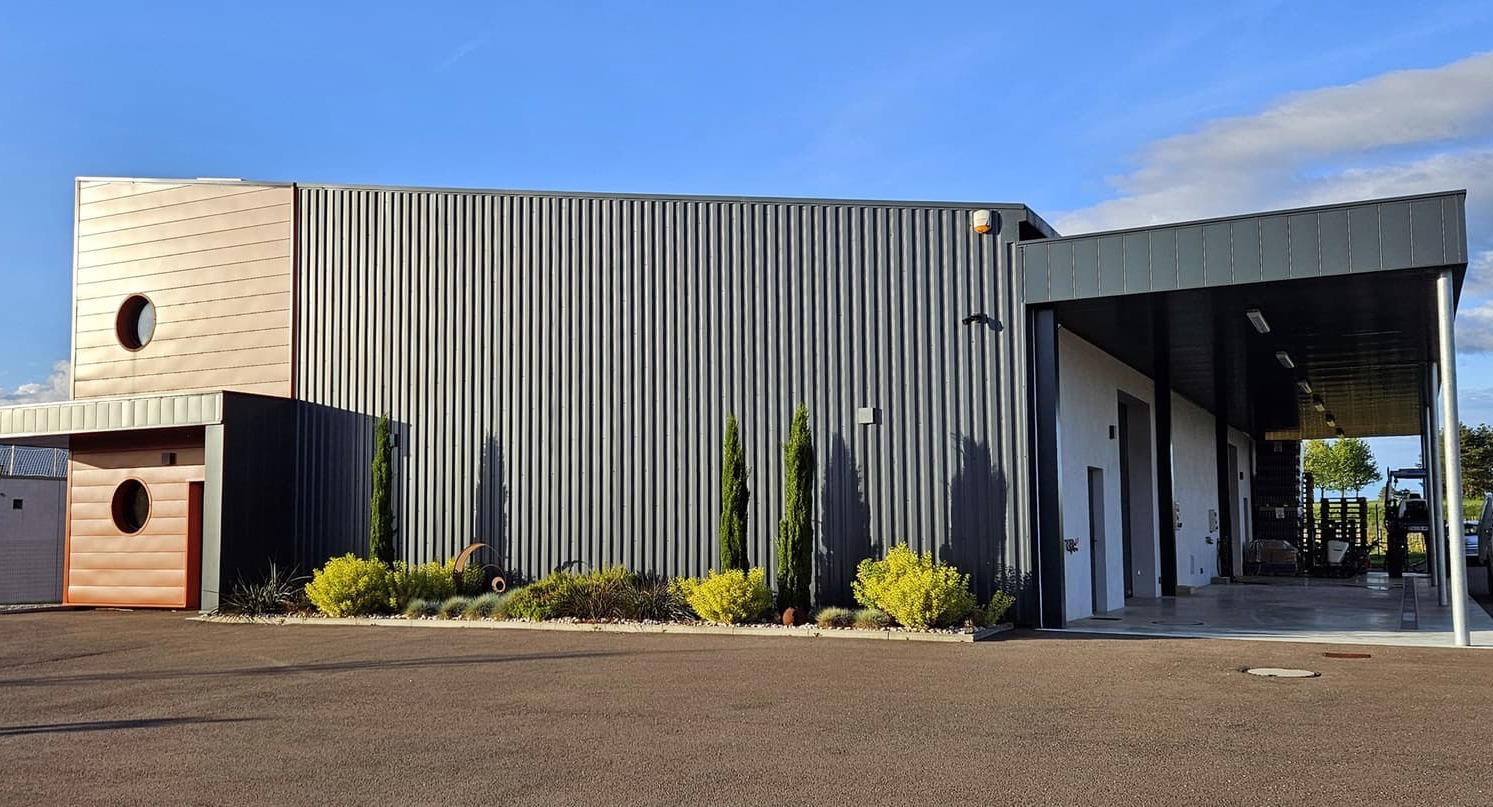
Bars in Meursault
Browse all →
Restaurants in Meursault
Browse all →
Details
- Elegant
- Classic
- Intimate
- Sophisticated
- Wine Education
- Special Occasion
- Vineyard Tour
- Cave Tasting
- Organic
- Biodynamic
- Vineyard
- Chardonnay
- Pinot Noir
- Still White
- Still Red
- Estate Tasting