Domaine Comte Georges de Vogüé

Domaine Comte de Vogue is one of Chambolle-Musigny's most closely watched addresses, with winemaker Jean Lupatelli overseeing a portfolio anchored in the village's grand cru terroir. Allocations are tight and secondary-market prices reflect sustained collector demand across key vintages.
Pearl is the En Primeur Club membership app — saves, bookings, and concierge access live there. Same editors, same standards.
- Address
- 7 Rue Sainte-Barbe, 21220 Chambolle-Musigny
- Phone
- +33 3 80 62 86 25
- Website
- No official website
- Directions
- Get directions
 Saves & bookings on Pearl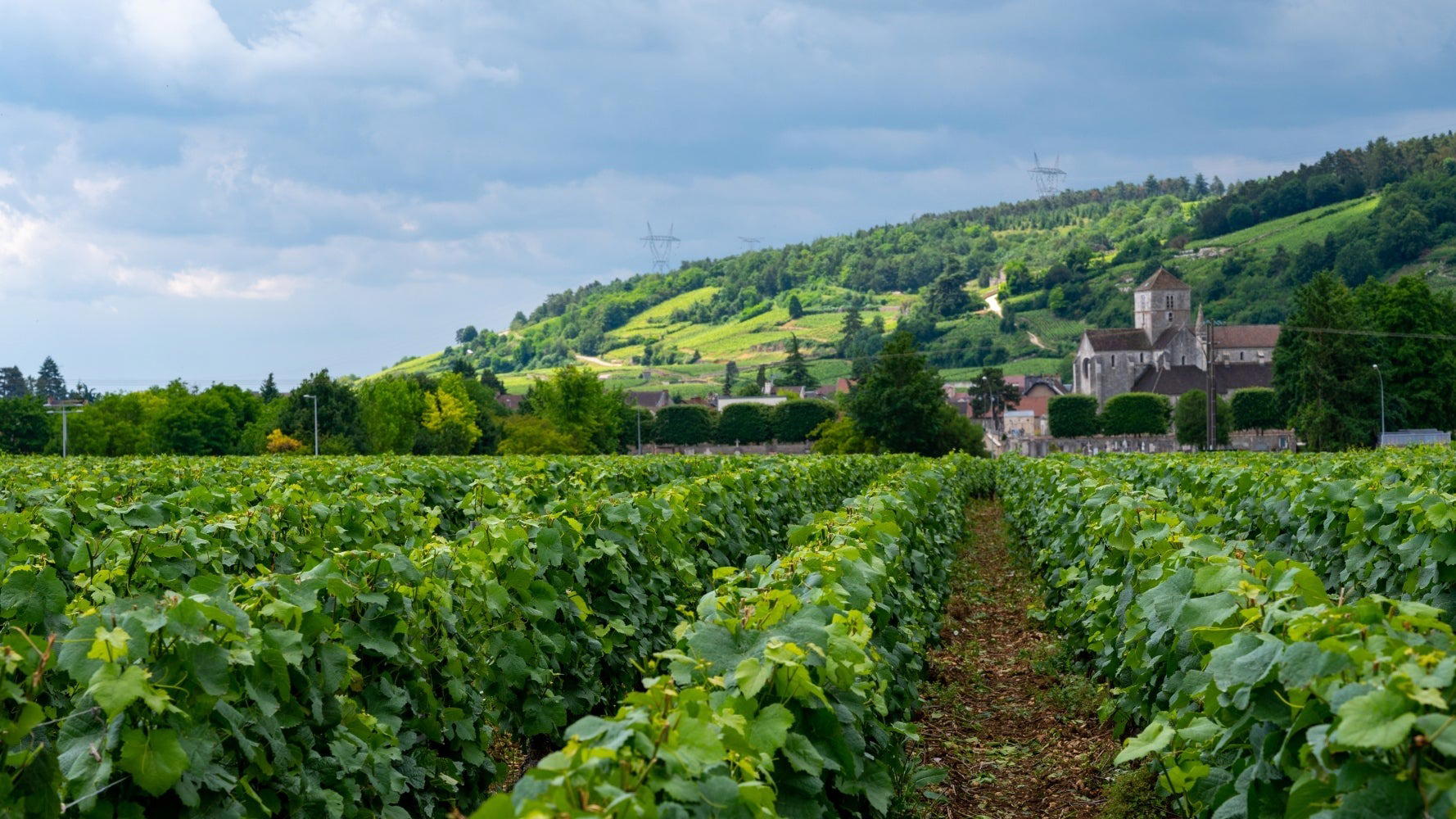
Where Chambolle-Musigny Sets Its Benchmark
The village of Chambolle-Musigny sits roughly midway along the Côte de Nuits, its vineyards pressed between Vougeot to the south and Morey-Saint-Denis to the north. Of all Burgundy's communes, Chambolle has the clearest stylistic identity: a structural delicacy rooted in its limestone-rich soils and relatively cool mesoclimate that produces Pinot Noir of unusual aromatic lift and long tannin structure. The village's two grands crus, Musigny and Bonnes-Mares, represent opposite poles of that character — Musigny feminine and precise, Bonnes-Mares broader and more mineral. Within that context, Domaine Comte de Vogue occupies a position that any serious collector of Burgundy will recognise immediately: the domaine controls a substantial portion of Musigny's total surface area, making it one of the most consequential landholders in the appellation.
That landholding is not incidental background. In Burgundy, where the most prized sites are divided among dozens of producers in parcels sometimes measured in fractions of a hectare, controlling a meaningful share of a grand cru effectively means your interpretation of that site becomes the reference point against which others are measured. Alongside peers such as Domaine Georges Roumier and Domaine Ghislaine Barthod, Domaine Comte de Vogue sits at the top of a village hierarchy that includes some of the most studied wines in France.
Jean Lupatelli and the Weight of a Cellar
Winemaker Jean Lupatelli works within a tradition that extends back centuries, and in Burgundy that continuity is not a marketing point but a technical reality. Soil knowledge accumulates across generations. Vine age, particularly in Musigny's oldest parcels, contributes a concentration and complexity that newer plantings cannot replicate. Lupatelli's position at the domaine means operating a cellar where the raw material itself places unusual demands on restraint: when the vineyard delivers at this level, interventionist winemaking becomes a liability rather than an asset.
The broader shift in prestige Burgundy over the past two decades has moved toward lower extraction, reduced new-oak exposure, and earlier picking windows in some cases to preserve aromatic freshness. Lupatelli works within that trajectory, though the domaine's house style has long leaned toward precision rather than weight. This is a cellar that competes on refinement, not density — a distinction that matters when comparing Chambolle's grand cru tier to, say, the more structured expressions emerging from neighbours like Domaine Hudelot-Noëllat or the meticulous village-level work at Domaine Amiot-Servelle.
The Portfolio: Reading the Hierarchy
Domaine Comte de Vogue's range maps directly onto Chambolle-Musigny's appellation ladder. At the entry point, village-level Chambolle-Musigny offers early access to the domaine's stylistic signature at a price tier that, while not modest by any regional standard, remains significantly below the premier and grand cru bottlings. The premier cru holdings include Les Amoureuses, which commands prices that routinely track closer to grand cru than to typical premier cru, a reflection of the site's reputation as one of Burgundy's most coveted non-grand-cru vineyards. Collectors who have tracked Les Amoureuses over time treat it as a de facto benchmark for the village's upper register.
Musigny itself is the domaine's most scrutinised wine. Production volumes for a grand cru of this size remain limited by the scale of vine cultivation, and allocations to importers and négociants are distributed in quantities that ensure the wine remains difficult to source through conventional retail channels. A young Musigny from a recognised vintage requires patience: the wine typically needs a decade of cellaring before it begins to express the full range of its terroir, and serious bottles are often held for fifteen to twenty years.
It is worth noting the domaine also produces a small quantity of Musigny Blanc, one of a handful of white wines grown within a red-wine grand cru. The rarity of this bottling, Musigny's regulations permit Chardonnay on a tiny portion of the site, makes it a collector's footnote rather than a commercial pillar, but its existence underlines how unusual the domaine's position within Burgundy truly is.
Chambolle is a small commune and its leading domaines form a compact peer group. Domaine Hudelot-Baillet works a range of Chambolle parcels with a focus on vineyard-led expression. Domaine Georges Roumier, whose Bonnes-Mares and Musigny holdings place it in direct stylistic conversation with Vogue, draws critical comparison regularly. Domaine Ghislaine Barthod is frequently cited for its premier cru range and consistent quality across the village hierarchy. These producers do not operate in isolation: Chambolle's collective reputation reinforces each individual domaine's credibility, and the village's wines are often discussed as a category rather than as individual labels by the critics and buyers who track them most closely.
For collectors building a Burgundy position, the comparison extends beyond Chambolle. The same discipline around terroir expression and cellar restraint characterises leading addresses in other appellations: Albert Boxler in Niedermorschwihr applies comparable precision to Alsace grand cru, while in Bordeaux, producers such as Château Bélair-Monange in Saint-Emilion and Château Branaire Ducru in St-Julien represent the same tier of sustained critical recognition across different appellation frameworks. Elsewhere in France, the structured prestige model has parallels at addresses as varied as Château Bastor-Lamontagne in Preignac and Château Batailley in Pauillac. Outside France, the allocation-driven model that defines Vogue's market position has clear parallels at Accendo Cellars in St. Helena.
Planning a Visit and Sourcing the Wines
Chambolle-Musigny is accessible from Beaune, roughly fifteen kilometres to the south, or from Dijon to the north. The village is compact and the Route des Grands Crus passes through it, making vineyard walking feasible for visitors who want to place individual parcels in their physical context before tasting. The domaine's address, 7 Rue Sainte-Barbe, is centrally located within the village.
Direct domaine visits in Burgundy's upper tier are typically by appointment, arranged well in advance through the domaine or its importer network. This is not a door-open cellar-door operation: allocations are managed, and the most in-demand bottlings, particularly Musigny and Les Amoureuses, are distributed through established trade relationships. Visitors planning around harvest, usually late September to mid-October depending on the year, will find the village at its most active, though this is also when producer availability is at its most constrained. For the broader Chambolle-Musigny context, restaurants, accommodation, and additional producer visits, our full Chambolle-Musigny guide covers the village in depth.
Secondary market sourcing is often the most practical route for collectors outside established allocation channels. Auction results for the domaine's grand cru bottlings across recent decades provide a useful price anchor, and the trajectory of those results over the past ten years reflects the broader tightening of top-tier Burgundy supply relative to global collector demand. For context on how Burgundy's premium tier compares internationally, producers such as Château Boyd-Cantenac in Cantenac and Aberlour in Aberlour illustrate how different regions handle prestige tier positioning, while Chartreuse in Voiron offers a useful French parallel in terms of controlled production and allocation scarcity.
Recognition history
Dated appearances from independent guides and award organizations, with the underlying list record or original source where available.
Falstaff Winery - 4 Stars
Falstaff
Michelin 1 Grape
Michelin · 2026 Michelin 1 Grape - Burgundy
Continue exploring
More in Chambolle-Musigny
Wineries in Chambolle-Musigny
Browse all →
Bars in Chambolle-Musigny
Browse all →
Restaurants in Chambolle-Musigny
Browse all →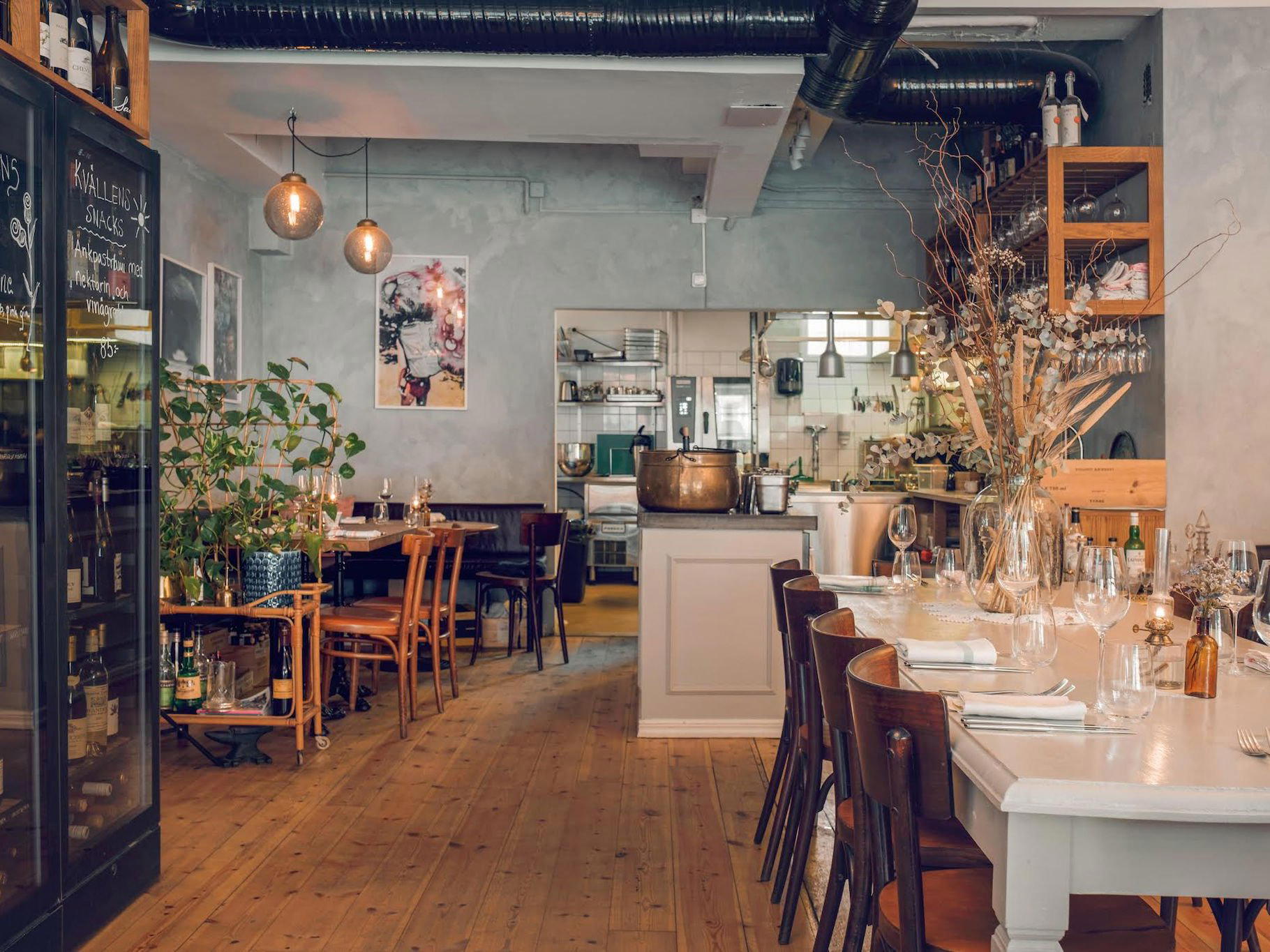
At a Glance
- Elegant
- Sophisticated
- Classic
- Well Known
- Special Occasion
- Wine Education
- Vineyard Tour
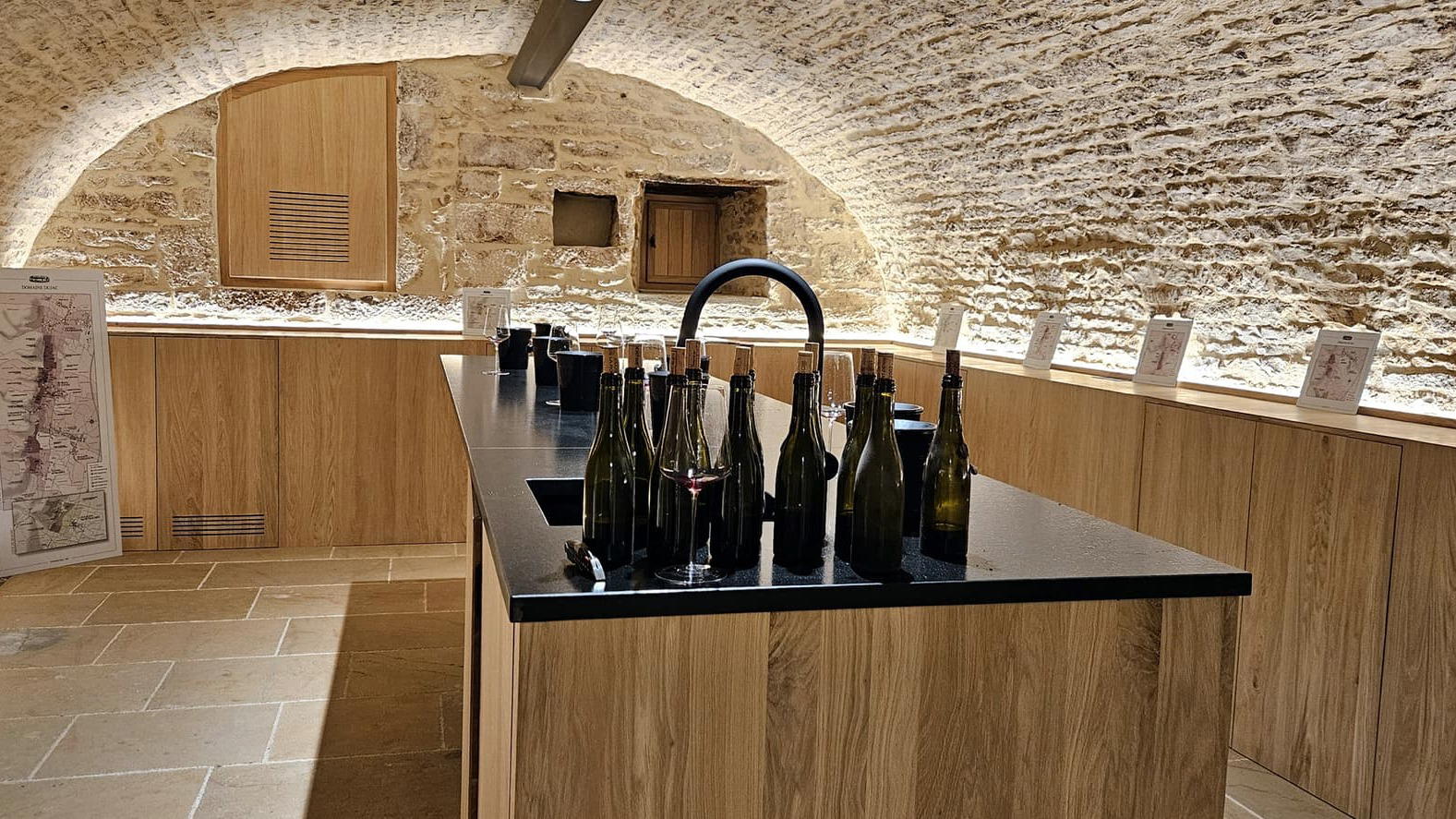
- Cave Tasting
- Sustainable
- Vineyard
- Chambolle Musigny
- Pinot Noir
- Chardonnay
- Still Red
- Private Tasting
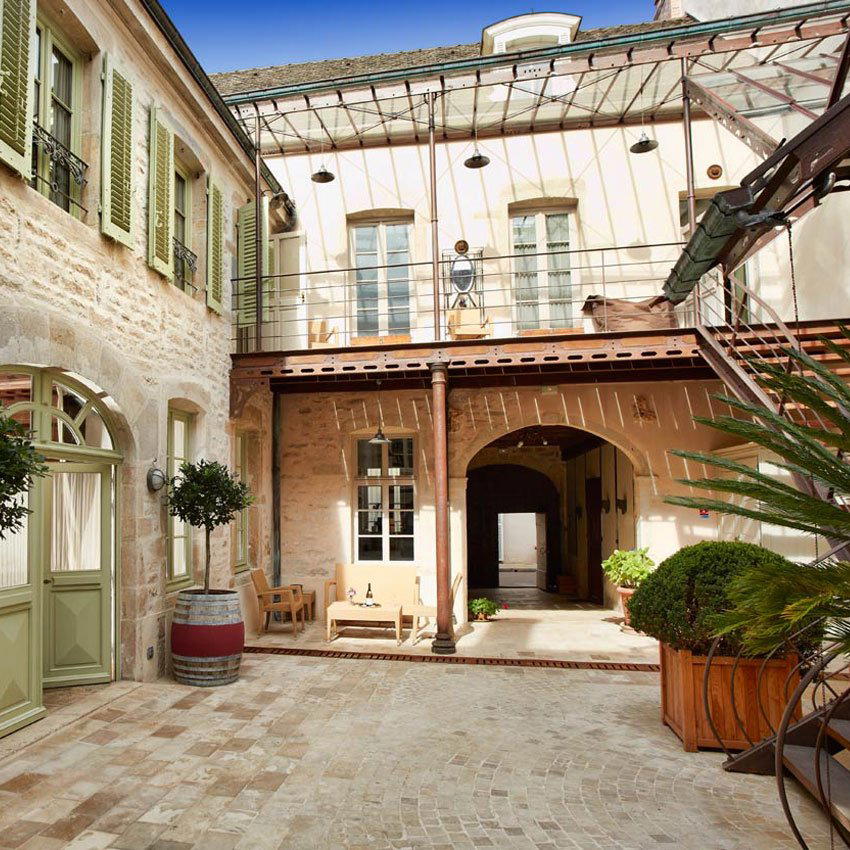
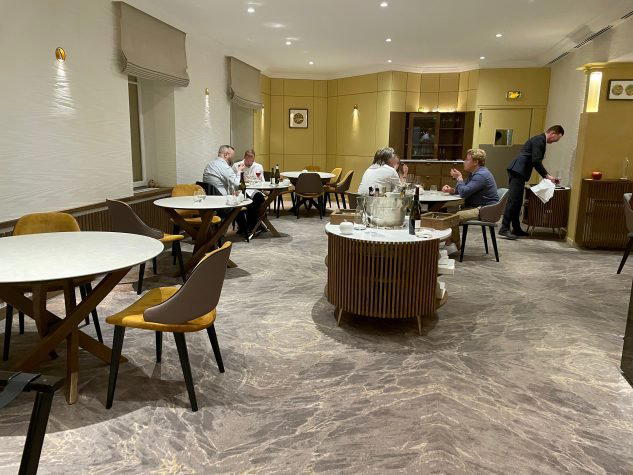
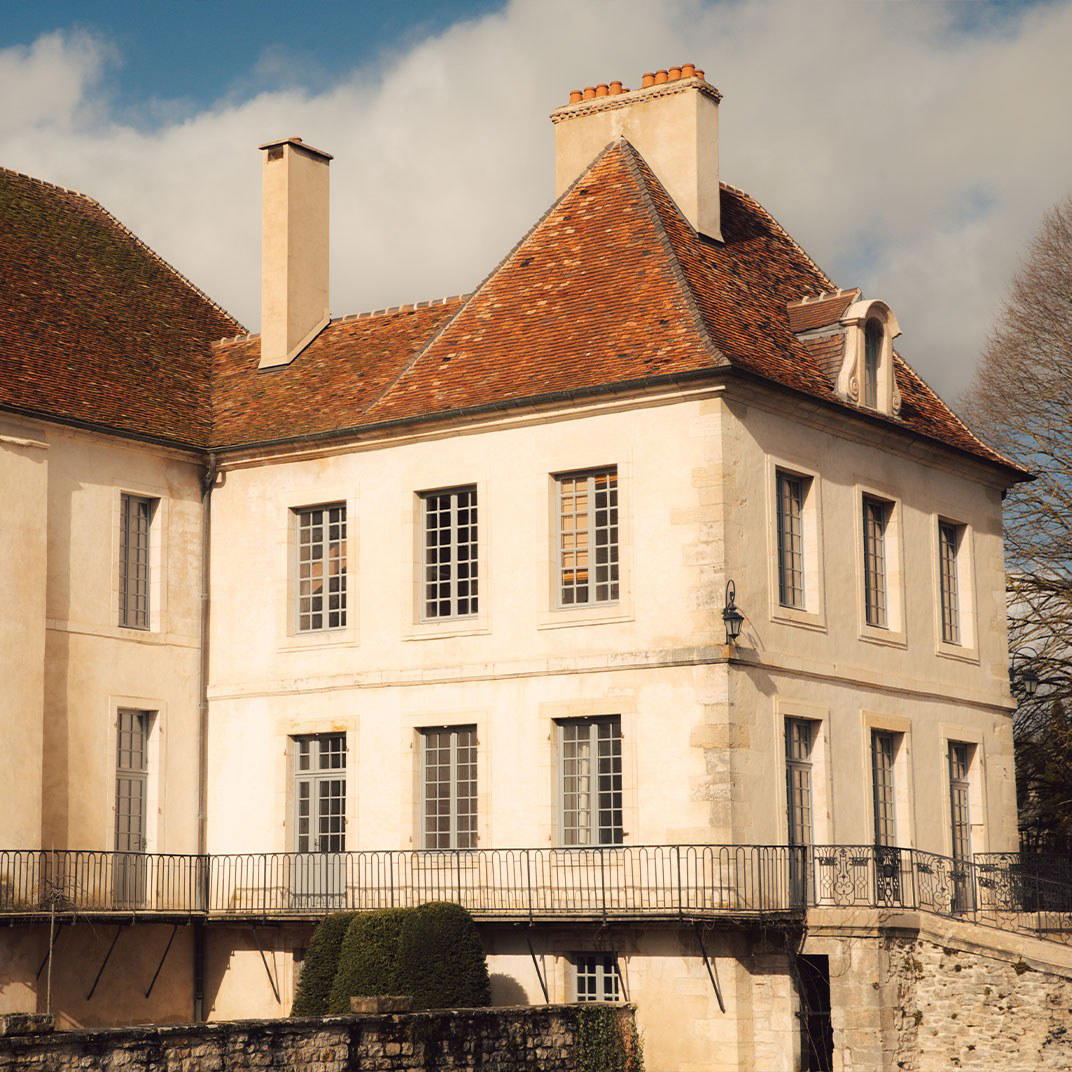
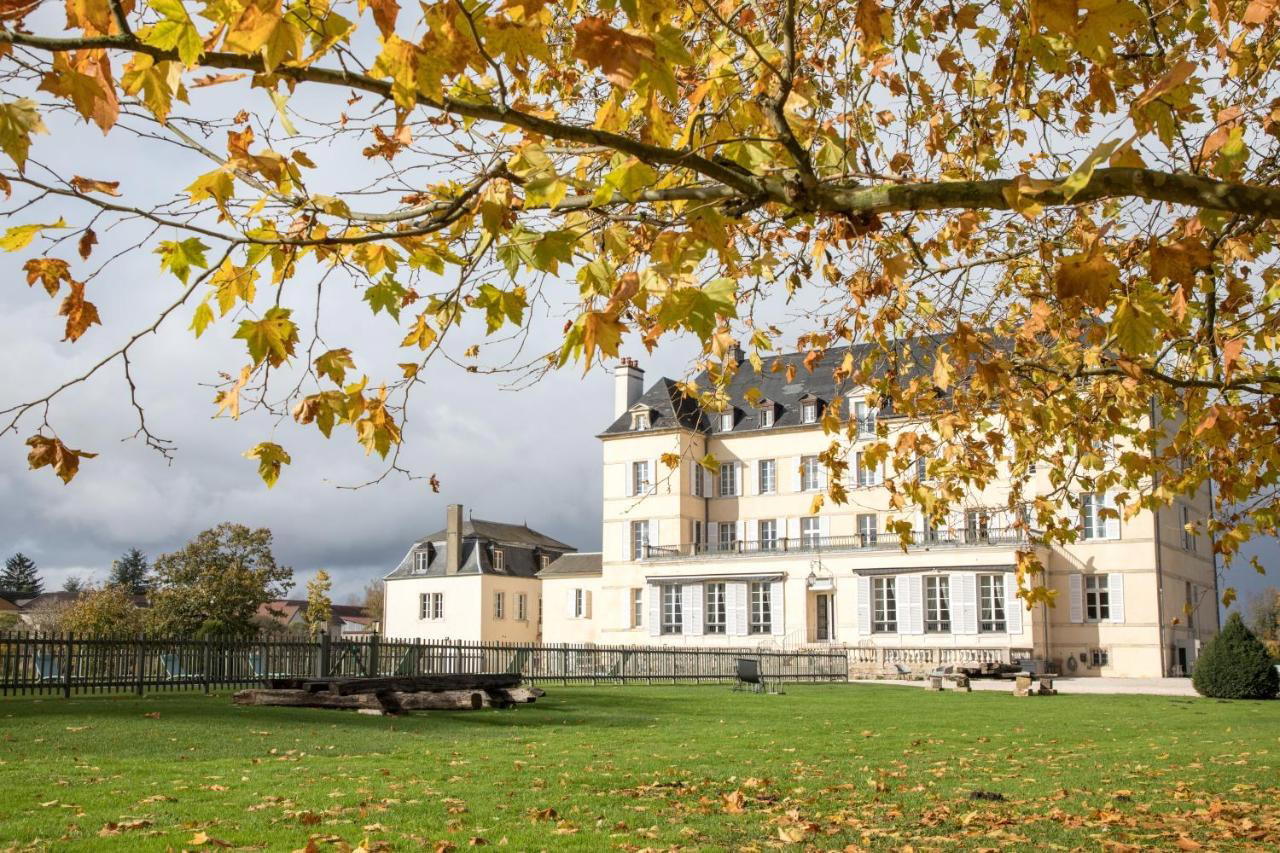
Refined and majestic atmosphere reflecting the historic estate's aristocratic legacy and terroir-driven elegance.
Know Before You Go
- Getting there
- 7 Rue Sainte-Barbe, 21220 Chambolle-Musigny