Denis Bachelet

Michelin 1 Grape
Denis Bachelet is a small Gevrey-Chambertin domaine built around old-vine Pinot Noir, classical cellar work, and a restrained reading of Côte de Nuits terroir. The estate carries a Michelin Guide Burgundy 1 Grape wine-estate distinction, works on an appointment-only basis, and belongs in the serious collector conversation rather than the casual tasting-room circuit.

Pearl is the En Primeur Club membership app — saves, bookings, and concierge access live there. Same editors, same standards.
- Address
- 3 Rue de la Petite Issue, 21220 Gevrey-Chambertin, France
- Phone
- +33 6 47 19 52 50
- Directions
- Get directions
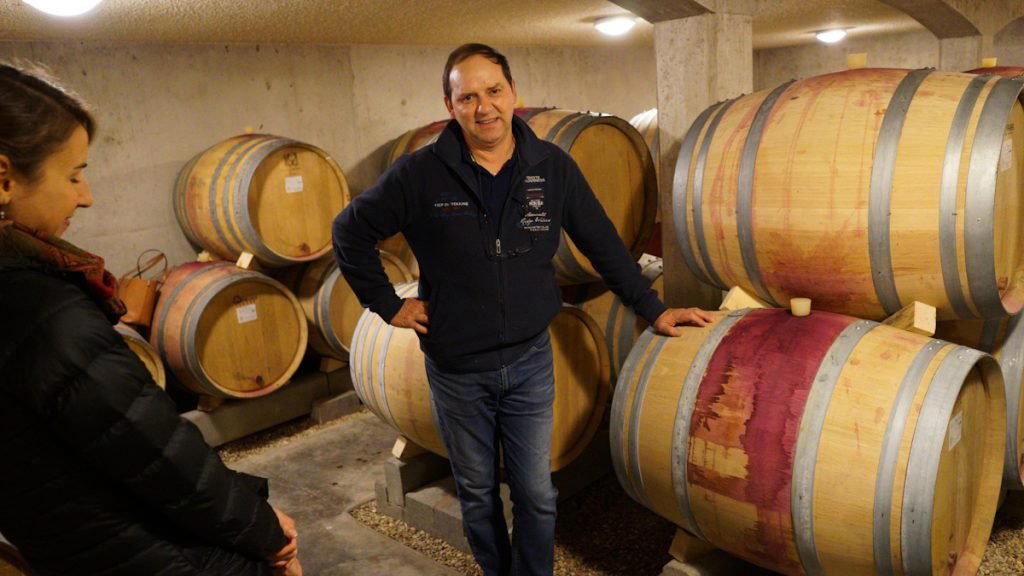
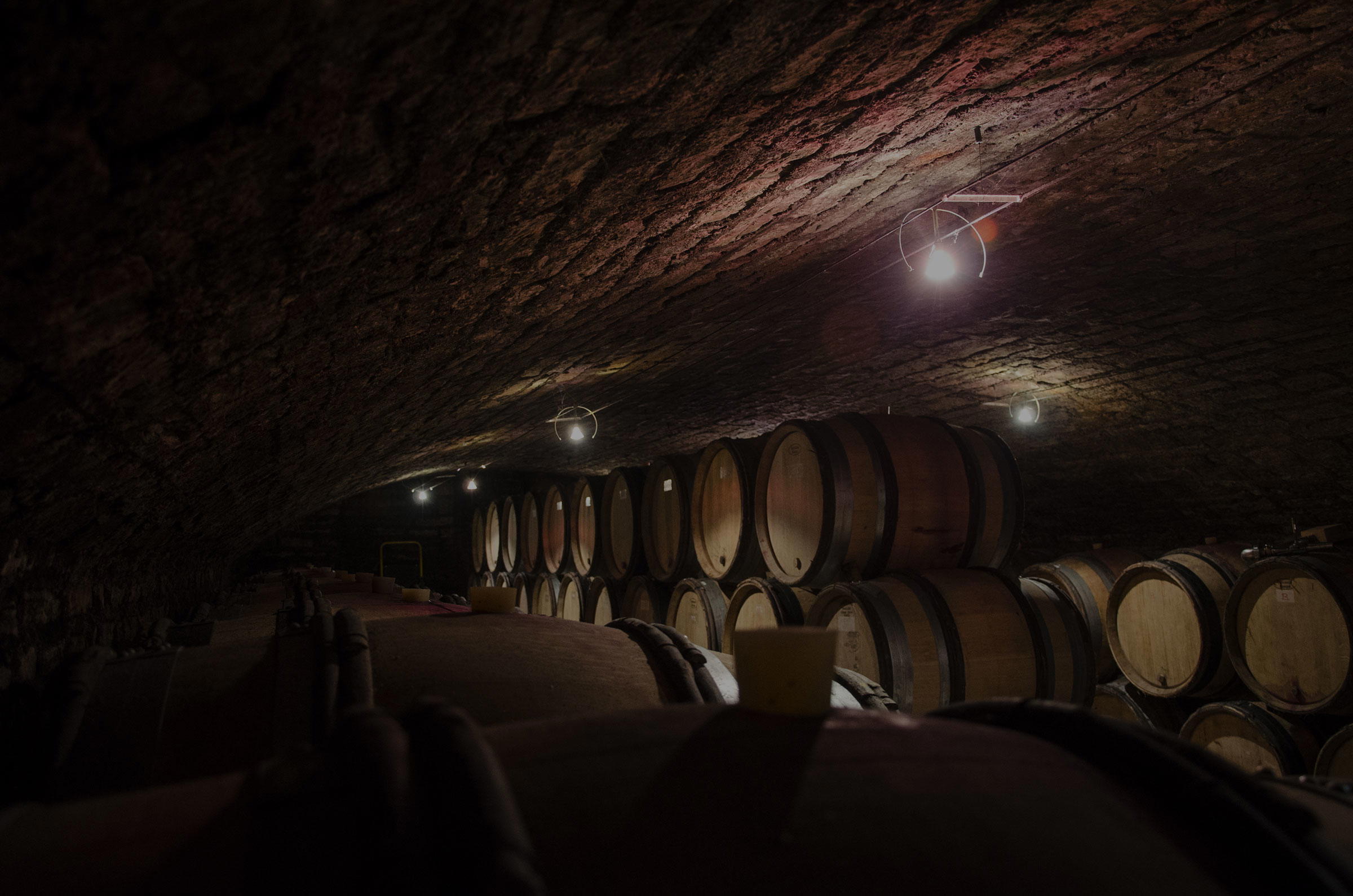
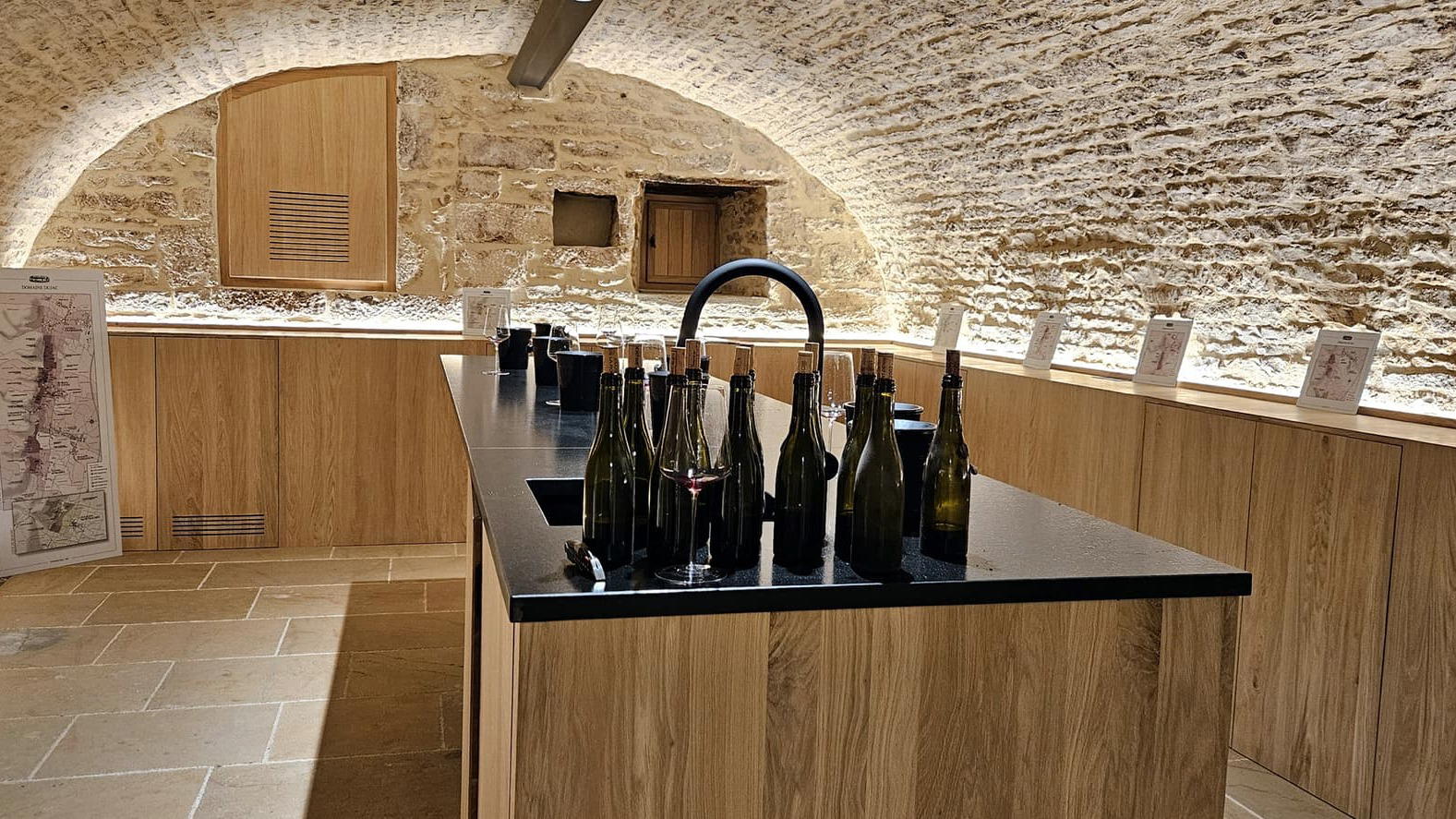
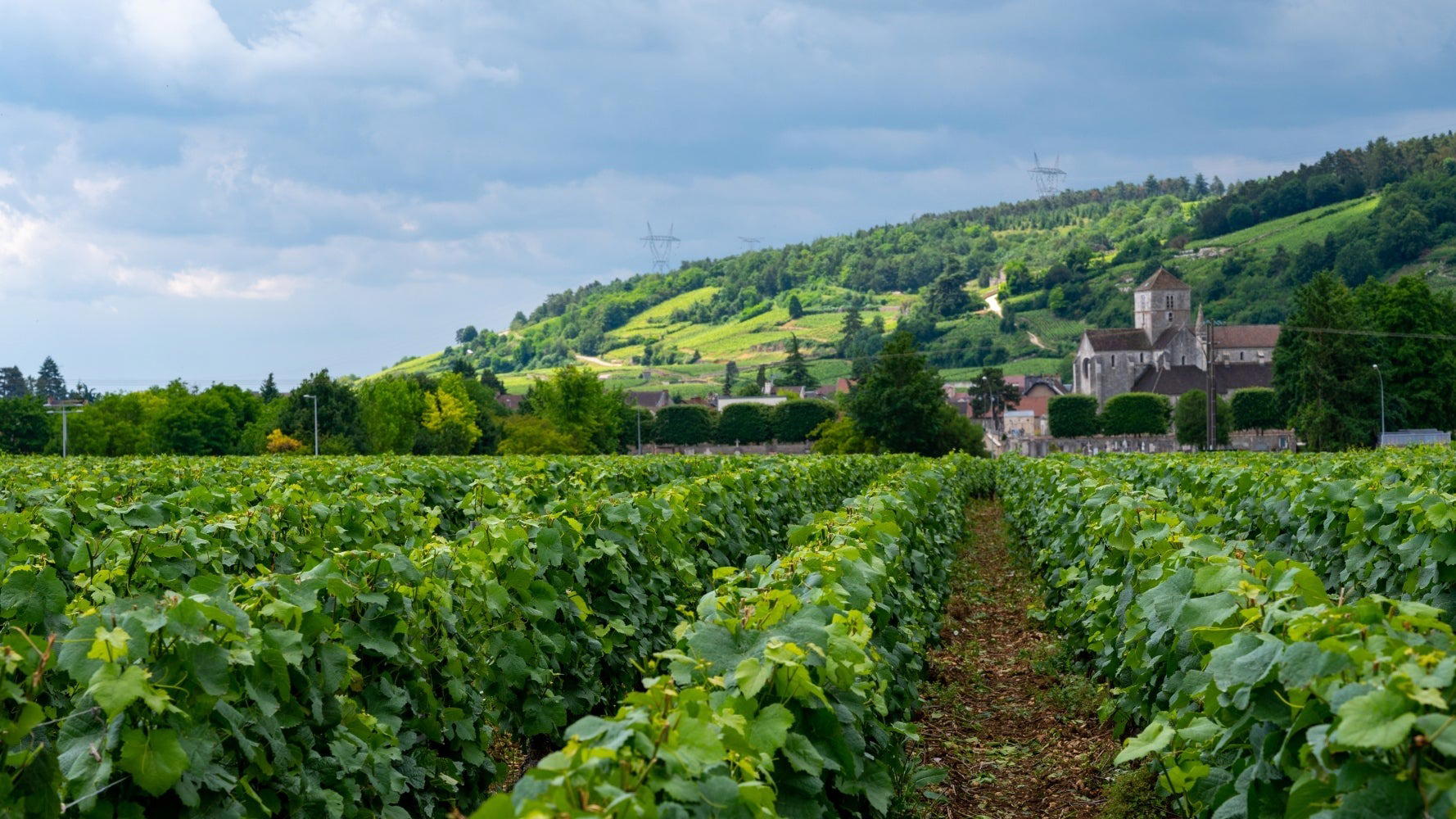
Gevrey-Chambertin can feel severe at cellar level: stone walls, quiet lanes, and vineyards that need no scenery to signal importance. Here, small domaines matter because Burgundy’s hierarchy is written not only in famous site names, but in the character of Pinot Noir, the age of vines, and how little a cellar disguises the season. Denis Bachelet sits at the intimate end: a tiny, cult Burgundian family domaine working from modest cellars, focused on finesse-driven, classical Pinot Noir rather than showiness or heavy extraction.
The estate’s reputation belongs to a broader Gevrey-Chambertin tension. The village is associated with structure and depth, yet its producers do not pursue density alike. Compared with names such as Domaine Rossignol-Trapet, Domaine Trapet Père et Fils, Domaine Fourrier, Domaine Joseph Roty, and Domaine Pierre Damoy, Bachelet is defined by intimacy, restraint, and old-vine character. The Michelin Guide Burgundy 1 Grape wine-estate distinction offers an external signal, but the stronger editorial point is the domaine’s clearly classical identity: purity, elegance, and Pinot Noir detail over spectacle.
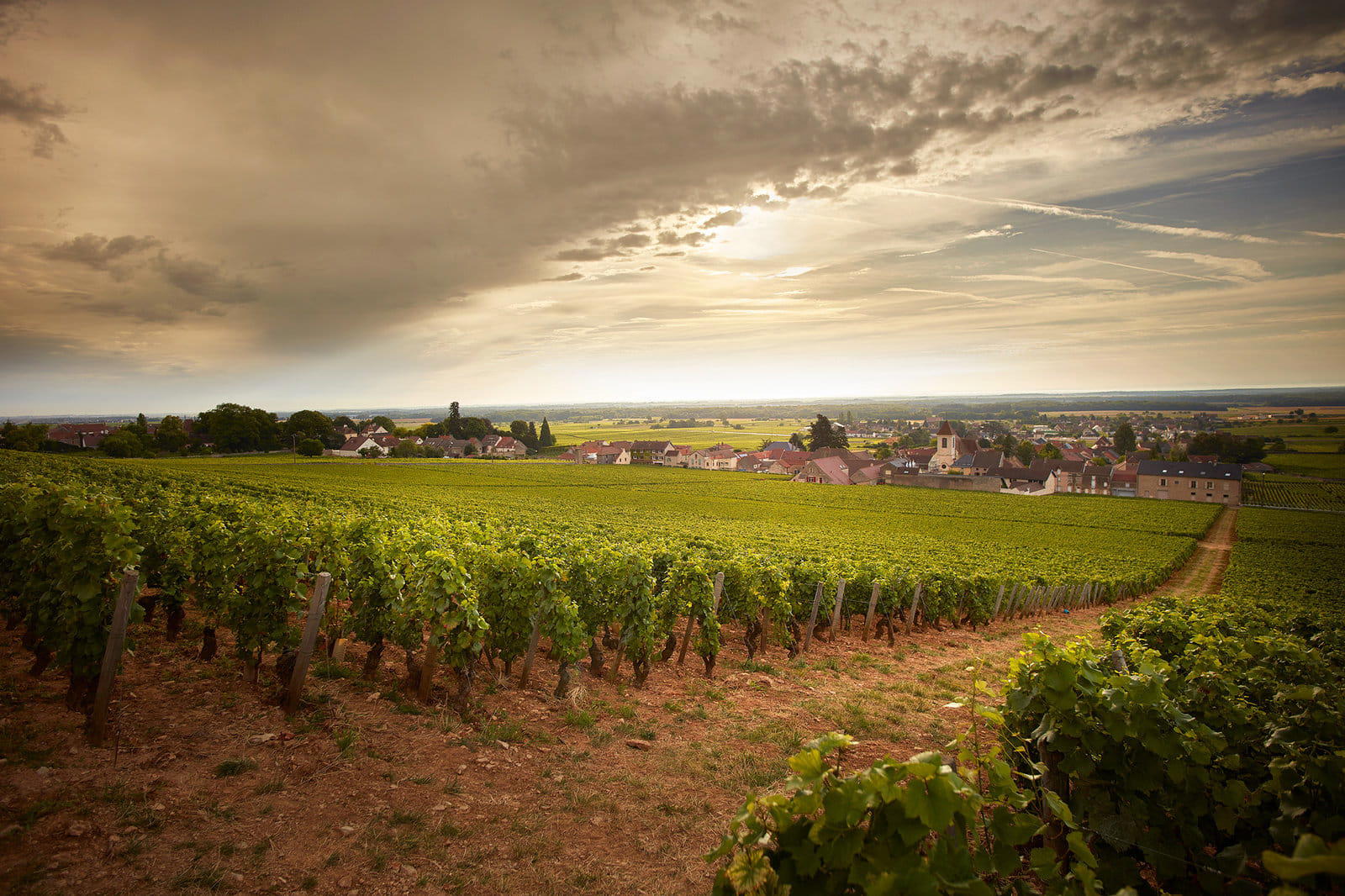
Old vines give Gevrey-Chambertin its quiet force here
Understand this domaine through style before embellishment. Denis Bachelet is best approached as a Gevrey-Chambertin reference for Pinot Noir shaped by old vines, modest cellars, and a preference for finesse. The picture is not one of broad hospitality programming or a showpiece estate; it is of a small family domaine whose appeal rests on classical Burgundy values.
Denis Bachelet belongs on a serious Gevrey-Chambertin wine itinerary for its cult reputation and finesse-driven Pinot Noir identity, with old-vine character, purity, elegance and a restrained, intimate cellar style at its core.
The Michelin Guide Burgundy 1 Grape wine-estate distinction can be stated plainly, but it should not overshadow the domaine’s essential character. This is a $$$$ Burgundy address in the wine-estate sense: premium in positioning and shaped by the expectations that surround small, highly regarded Gevrey-Chambertin Pinot Noir.
A cult Burgundy model without the visitor theatre
Denis Bachelet is a tiny, cult Burgundian family domaine working out of modest cellars, with an iconic and intimate character focused on old-vine Pinot Noir.
For travellers and collectors alike, Denis Bachelet is a specialist wine reference. Contact the domaine directly to arrange a visit and confirm current availability.
In that context, Denis Bachelet is best understood as a Burgundy name whose power comes from understatement. The wines are discussed for finesse and clarity rather than heavy extraction, and the domaine’s modest-cellar identity reinforces that image. The confirmed Michelin Guide Burgundy 1 Grape distinction adds recognition without changing the core premise.
How to place it in a Gevrey-Chambertin itinerary
For travellers building time in Gevrey-Chambertin around wine rather than sightseeing, Denis Bachelet is a specialist reference point. A day in the village can be shaped around different readings of Pinot Noir, then balanced with other dining, lodging, and wine experiences in Gevrey-Chambertin.
Useful comparison points for understanding the local and nearby Burgundy conversation include Domaine Fourrier, Domaine Joseph Roty, Domaine Pierre Damoy, Domaine Rossignol-Trapet, and Domaine Trapet Père et Fils.
Denis Bachelet is a Gevrey-Chambertin reference for drinkers who care about restraint, intimacy and Pinot Noir character, with tiny family-domaine scale, modest cellars, old-vine Pinot Noir, and a classical style built around purity and elegance.
Comparable Spots, Quickly
Comparable venues by cuisine and price in the same metro.
| Venue | Price | Awards |
|---|---|---|
| Denis BacheletThis venue — the venue you are viewing | Not listed | Michelin 1 Grape |
| Domaine Rossignol-Trapet | $150–200 | Falstaff Winery - Listed |
| Domaine Trapet Père et Fils | Not listed | Michelin 1 Grape · Falstaff Winery - Listed |
| Domaine Fourrier | Not listed | Michelin Main Selection · Falstaff Winery - Listed |
| Domaine Joseph Roty | Not listed | Michelin 1 Grape · Falstaff Winery - Listed |
Recognition history
Dated appearances from independent guides and award organizations, with the underlying list record or original source where available.
Michelin 1 Grape
Michelin · 2026 Michelin 1 Grape - Burgundy
Continue exploring
More in Gevrey-Chambertin
Wineries in Gevrey-Chambertin
Browse all →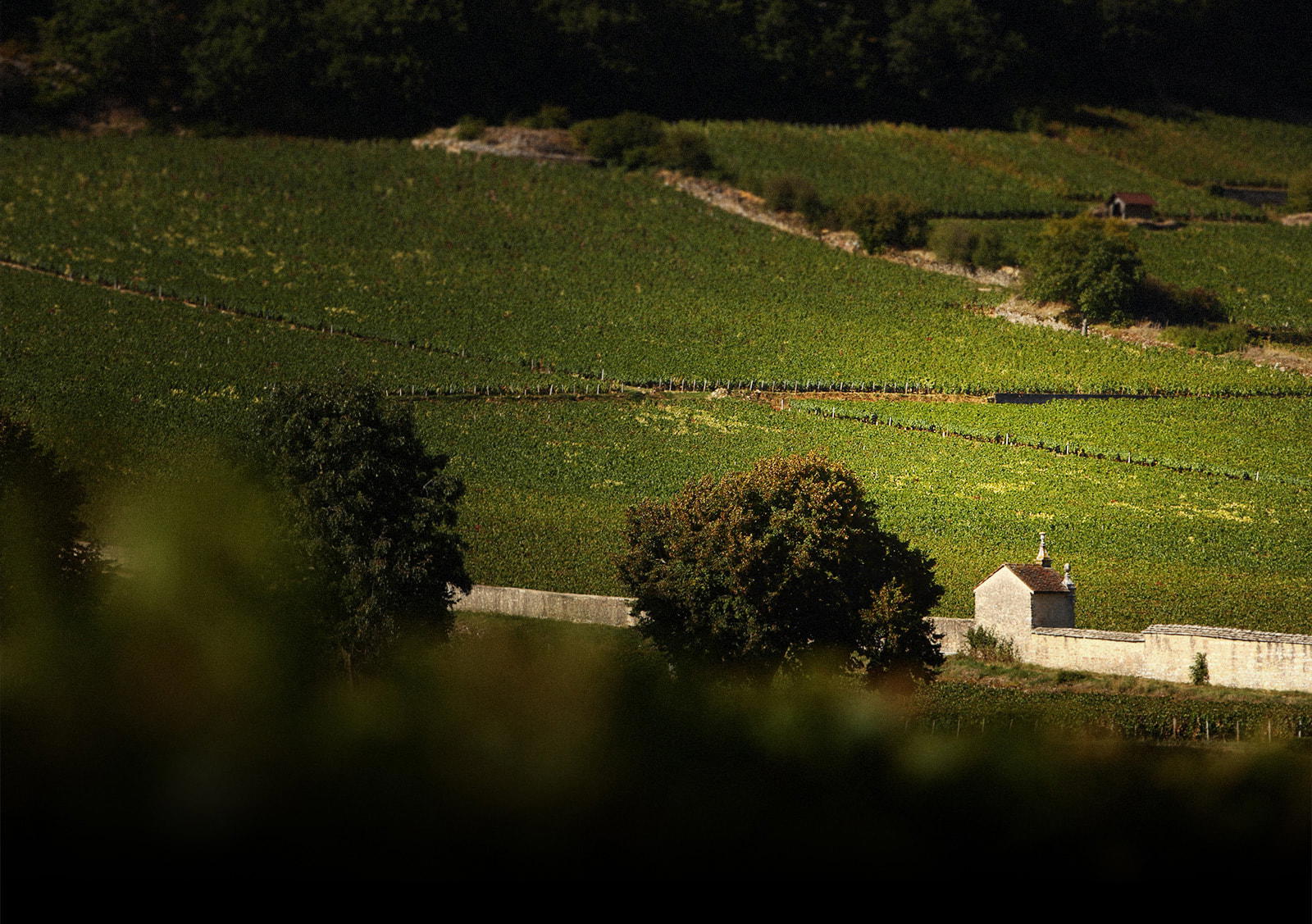
Bars in Gevrey-Chambertin
Browse all →
Restaurants in Gevrey-Chambertin
Browse all →
Details
- Well Known
- Intimate
- Classic
- Elegant
- Rustic
- Special Occasion
- Wine Education
- Romantic Getaway
- Solo Exploration
- Private Tasting
- Estate Grounds
- Vineyard Tour
- Sustainable
- Vineyard
- Pinot Noir
- Aligoté
- Still Red
- Still White
- Cellar Tasting
- Estate Portfolio Tasting
- Barrel Tasting
A tiny, cult Burgundian family domaine working out of modest cellars, focused on finesse-driven, classical Pinot Noir that emphasizes purity, elegance, and the character of old vines rather than showiness or heavy extraction.