
One of Volnay's most enduring domaines, Domaine Michel Lafarge has been producing village and premier cru Pinot Noir from the Côte de Beaune since 1953, now under the stewardship of Frédéric and Chantal Lafarge. Allocation access is limited and typically requires an established relationship with the domaine.
Pearl is the En Primeur Club membership app — saves, bookings, and concierge access live there. Same editors, same standards.
- Address
- 15 Rue de la Combe, 21190 Volnay
- Phone
- +33 3 80 21 61 61
- Website
- domainelafarge.com
- Directions
- Get directions
 Saves & bookings on Pearl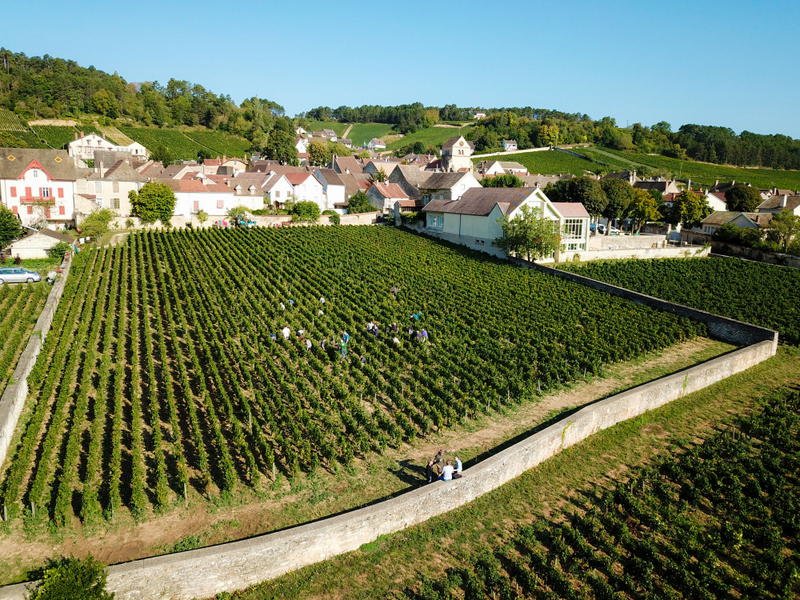
Where Volnay's Slope Meets Seven Decades of Single-Family Viticulture
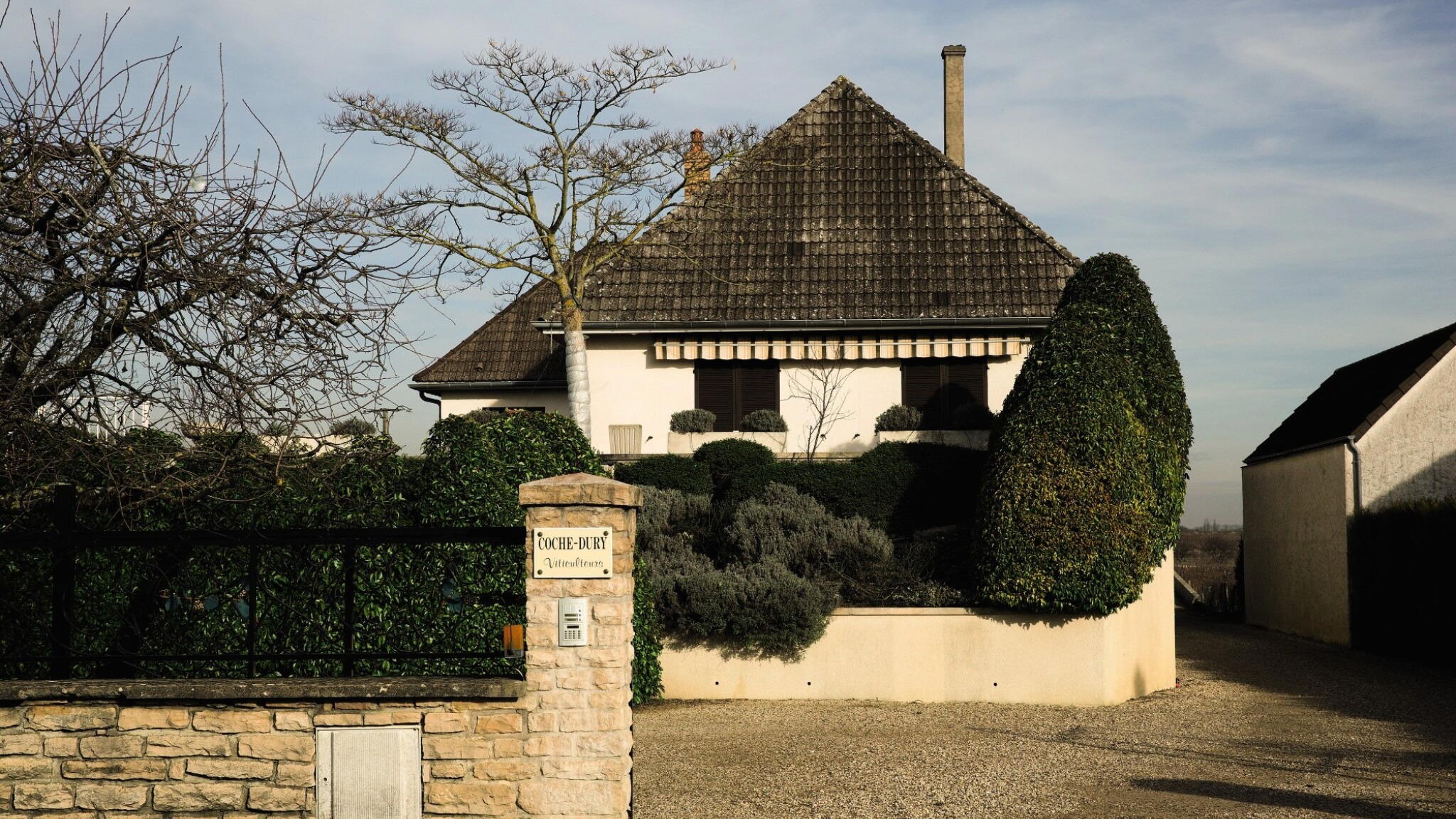
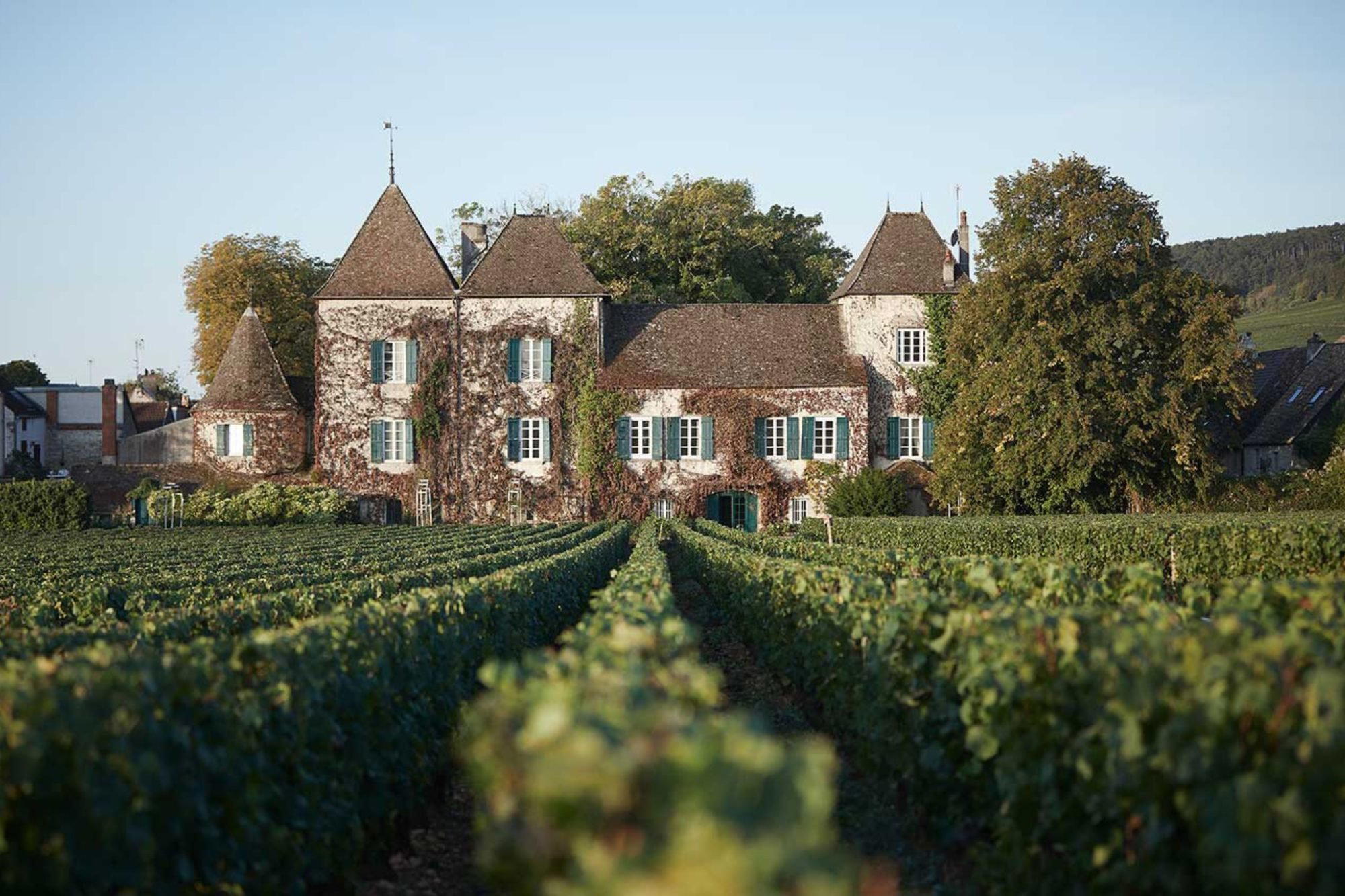
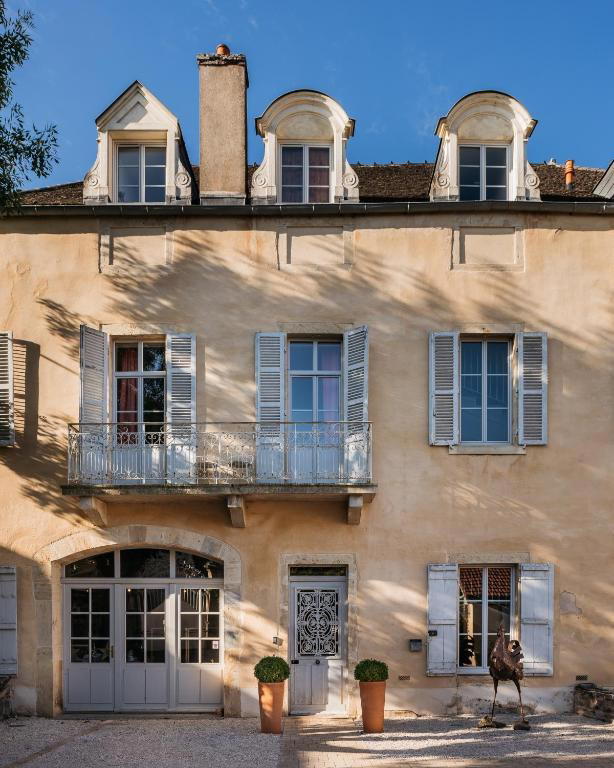
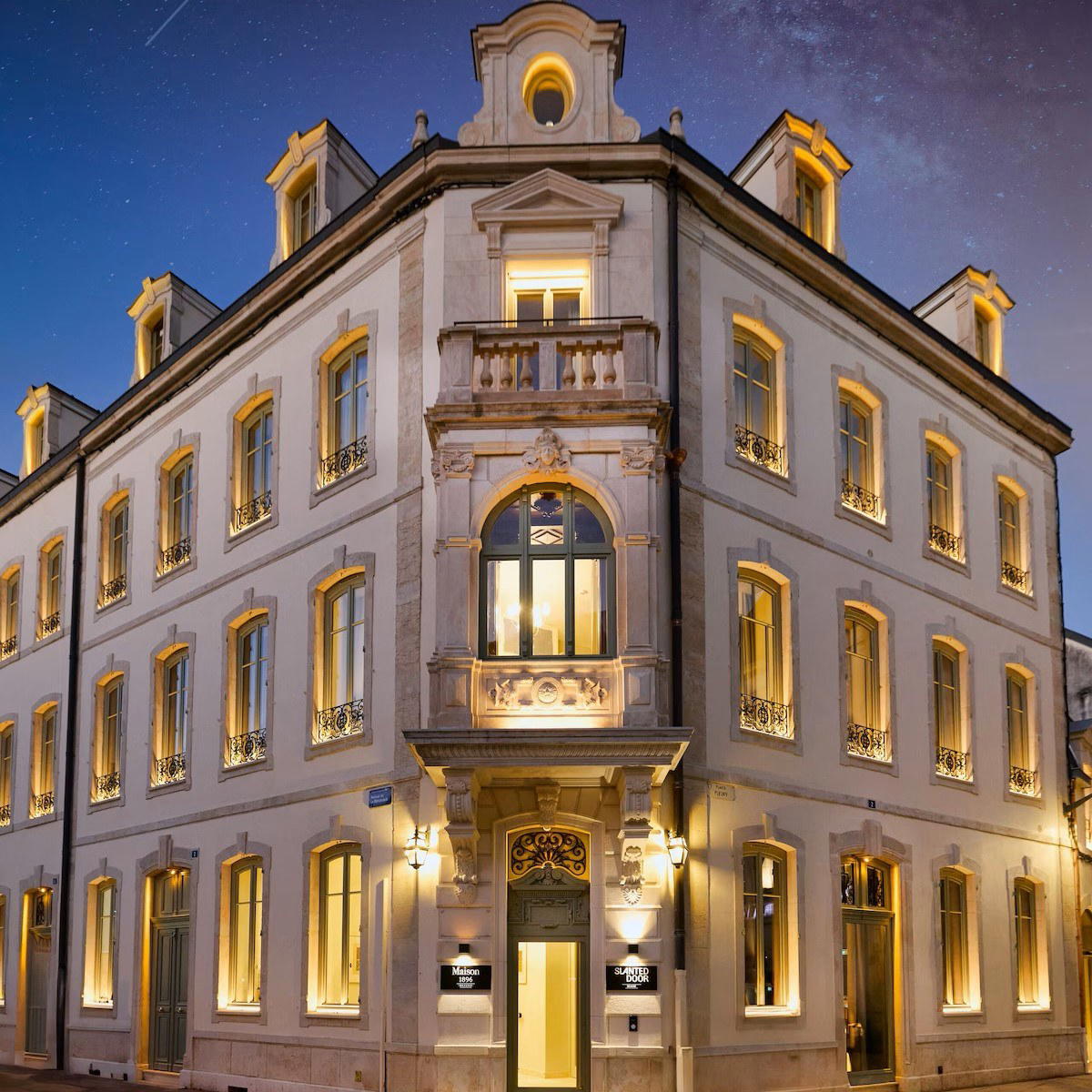
The road into Volnay climbs from Meursault through a corridor of stone walls and tight-hedged vineyards before the village announces itself with the kind of quiet authority that distinguishes the Côte de Beaune from its more tourist-trafficked neighbours to the north. At 15 Rue de la Combe, the Lafarge address offers no marquee signage, no tasting pavilion with panoramic glass walls. What it offers instead is something the Côte de Beaune reserves for those who already know where to look: direct access to one of the appellation's longest-standing family domaines, producing Pinot Noir from sites that have shaped the Volnay identity across multiple generations.
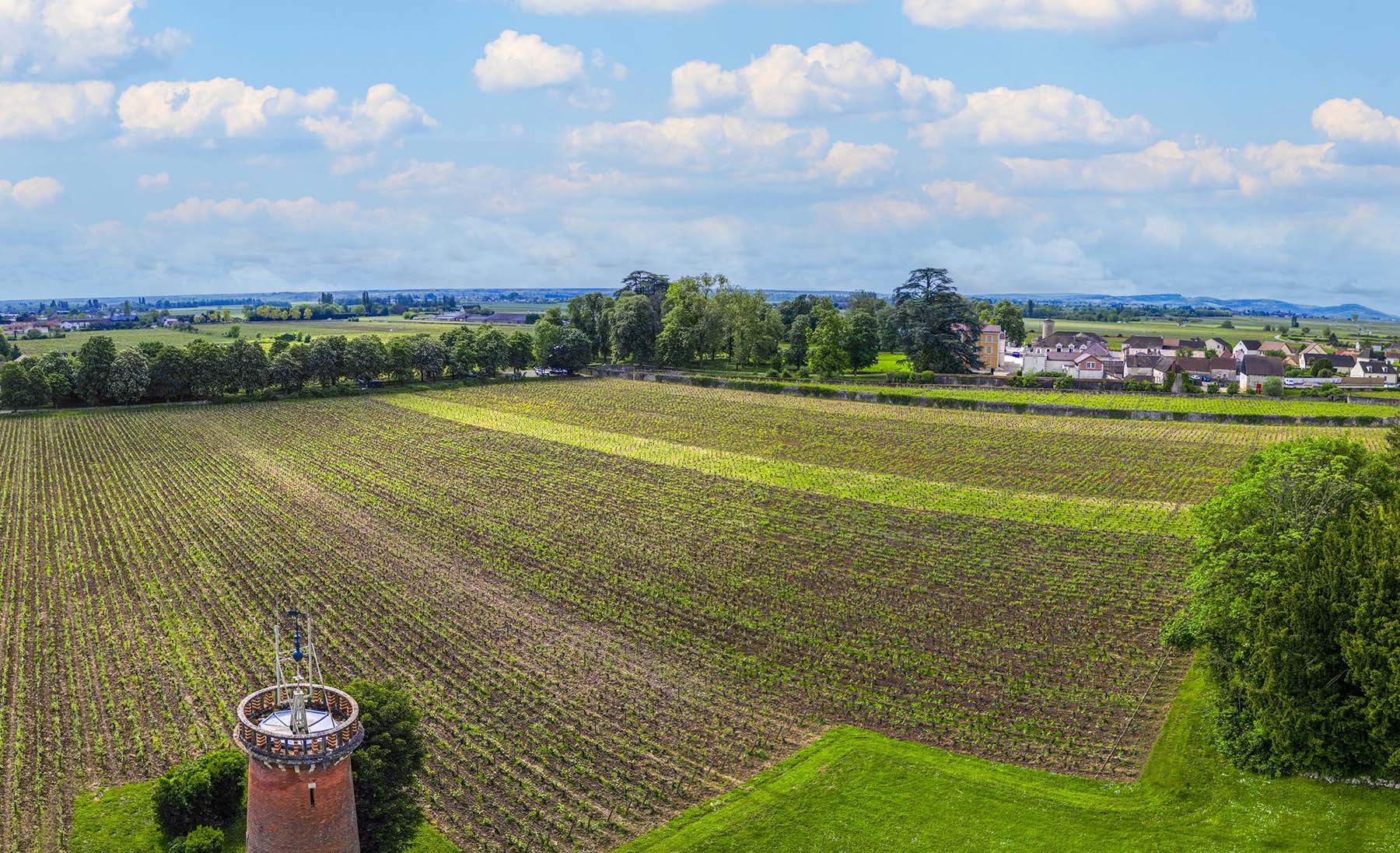
The physical approach to the domaine reflects the broader character of the village itself. Volnay sits higher on the slope than Pommard to its north, and that elevation carries consequences in the glass: lighter soils, more limestone exposure, wines that lean toward finesse over muscle. The Lafarge holdings sit within this context, and understanding the domaine means understanding Volnay's topography first. The slope here is not merely scenic backdrop. It is the mechanism through which drainage, sun exposure, and soil composition combine to produce wines with a structural profile distinct from anything grown fifty metres lower.
A First Vintage in 1953 and What That Continuity Signals
In Burgundy, where domaine histories are frequently compressed into a generation or two of estate bottling, a first vintage of 1953 places Domaine Michel Lafarge in a relatively rare tier. The post-war period marked a slow transition across the Côte d'Or from bulk négociant trade to domaine-bottled identity, and domaines that bottled their own wine through that transition carry a particular kind of institutional knowledge. The sites were selected, farmed, and understood through decades when the commercial logic of Burgundy still pushed most growers toward volume. That the Lafarge name survived and consolidated through those decades is itself a credential.
The domaine is now managed by Frédéric Lafarge and Chantal Lafarge (née Manceau), a continuation of family stewardship that places it alongside peers such as Domaine Marquis d'Angerville and Domaine de Montille in the category of multi-generational Volnay houses where lineage functions as a quality signal rather than mere biography. Domaine de la Pousse d'Or and Domaine Thomas Bouley round out a village peer group in which Lafarge occupies its own distinct register: unhurried, allocation-constrained, and largely indifferent to contemporary marketing.
This rating places the domaine in the same conversation as other allocation-based French houses recognised for site fidelity and low-intervention viticulture, a cohort that spans well beyond Burgundy. Producers such as Albert Boxler in Niedermorschwihr in Alsace, Château Bélair-Monange in Saint-Emilion, and Château Branaire Ducru in St-Julien operate in analogous positions within their respective appellations: established enough to carry prestige, focused enough to resist over-production.
It is not an honorary title. For a Volnay domaine of Lafarge's profile, the 2025 recognition confirms what allocation markets have long priced in: that demand for these wines exceeds the volume the domaine produces, and that the gap between the two is not likely to close.
The Volnay Context: Why This Village Produces This Style
Pinot Noir from Volnay has a stylistic fingerprint that separates it from the appellation's immediate neighbours, and that fingerprint is geological before it is anything else. The village sits on a mix of Bathonian limestone, clay-limestone, and iron-rich soils that varies sharply across a relatively compressed area. Premier cru sites on the upper slope, including Clos des Chênes and Champans, benefit from greater limestone exposure and produce wines with more aromatic lift and grip. Lower-slope parcels shift toward more clay-dominant profiles and fuller texture. The result is a village appellation where elevation and aspect matter more than almost anywhere else in the Côte de Beaune.
This geological specificity is part of why Volnay has historically attracted domaines focused on site expression rather than house style. The village does not lend itself to blending-out of site character; the differences between parcels are too pronounced. Domaines that have farmed the same sites for decades accumulate an understanding of those differences that cannot be replicated through acquisition alone. Lafarge's 1953 starting point means that the current winemakers are working with accumulated knowledge that spans more than seventy years of observation of the same plots.
Visiting, Acquiring, and the Reality of Access
Visits to domaines of this calibre in Volnay follow a protocol distinct from the open-cellar model that characterises wine tourism in parts of the New World. Appointments are typically required, contact is direct, and the domaine's approach to visitors reflects its production scale. Arriving without prior arrangement is not a practical strategy. For those planning a broader Côte de Beaune itinerary, the full Volnay guide covers the village's wider context, including the small cluster of restaurants and addresses worth knowing in the area.
Allocation access to Lafarge wines follows the standard Burgundy model for domaines at this level: mailing lists, négociant relationships, and specialist importers in key markets. Secondary market prices for premier cru bottlings reflect the allocation gap. Collectors who have tracked the domaine since the 1990s tend to renew allocations rather than release them, which compresses secondary availability further. For comparison, the dynamics are not unlike those governing access to Château Bastor-Lamontagne in Preignac or Château Batailley in Pauillac on the Bordeaux side: prestige-tier estates where release volume sets a ceiling on what the open market can offer.
Other high-prestige producers in EP Club's network that share this allocation-constrained, appointment-first profile include Château Boyd-Cantenac in Cantenac, Château Cantemerle in Haut-Médoc, and further afield, Accendo Cellars in St. Helena and Chartreuse in Voiron, though these operate in entirely different categories. The common thread is that access requires advance planning and an established point of contact. Aberlour in Aberlour offers another instructive parallel from Scottish whisky: a historic producer where heritage and site specificity drive collector interest in ways that bypass conventional retail channels.
What to Know Before You Go
Domaine Michel Lafarge is located at 15 Rue de la Combe, 21190 Volnay, in the southern part of the Côte de Beaune. The village is approximately fifteen minutes by car from Beaune, making it a practical stop within a broader Côte de Beaune day. Volnay's own dining options are limited, and most visitors combine a domaine visit here with lunch or dinner in Beaune or Meursault. Cellar visits are by appointment only; no walk-in facility is documented for this address. For current contact details and visit availability, direct outreach to the domaine or engagement through an allocated importer remains the most reliable route.
Recognition history
Dated appearances from independent guides and award organizations, with the underlying list record or original source where available.
Falstaff Winery - Listed
Falstaff
Michelin 1 Grape
Michelin · 2026 Michelin 1 Grape - Burgundy
Continue exploring
More in Volnay
Wineries in Volnay
Browse all →
Bars in Volnay
Browse all →
Restaurants in Volnay
Browse all →
At a Glance
- Classic
- Elegant
- Rustic
- Intimate
- Sophisticated
- Wine Education
- Special Occasion
- Solo Exploration
- Cave Tasting
- Historic Building
- Vineyard Tour
- Biodynamic
- Organic
- Vineyard
- Volnay AOC
- Pinot Noir
- Chardonnay
- Aligoté
- Gamay
- Still Red
- Cave Tasting
- Barrel Tasting
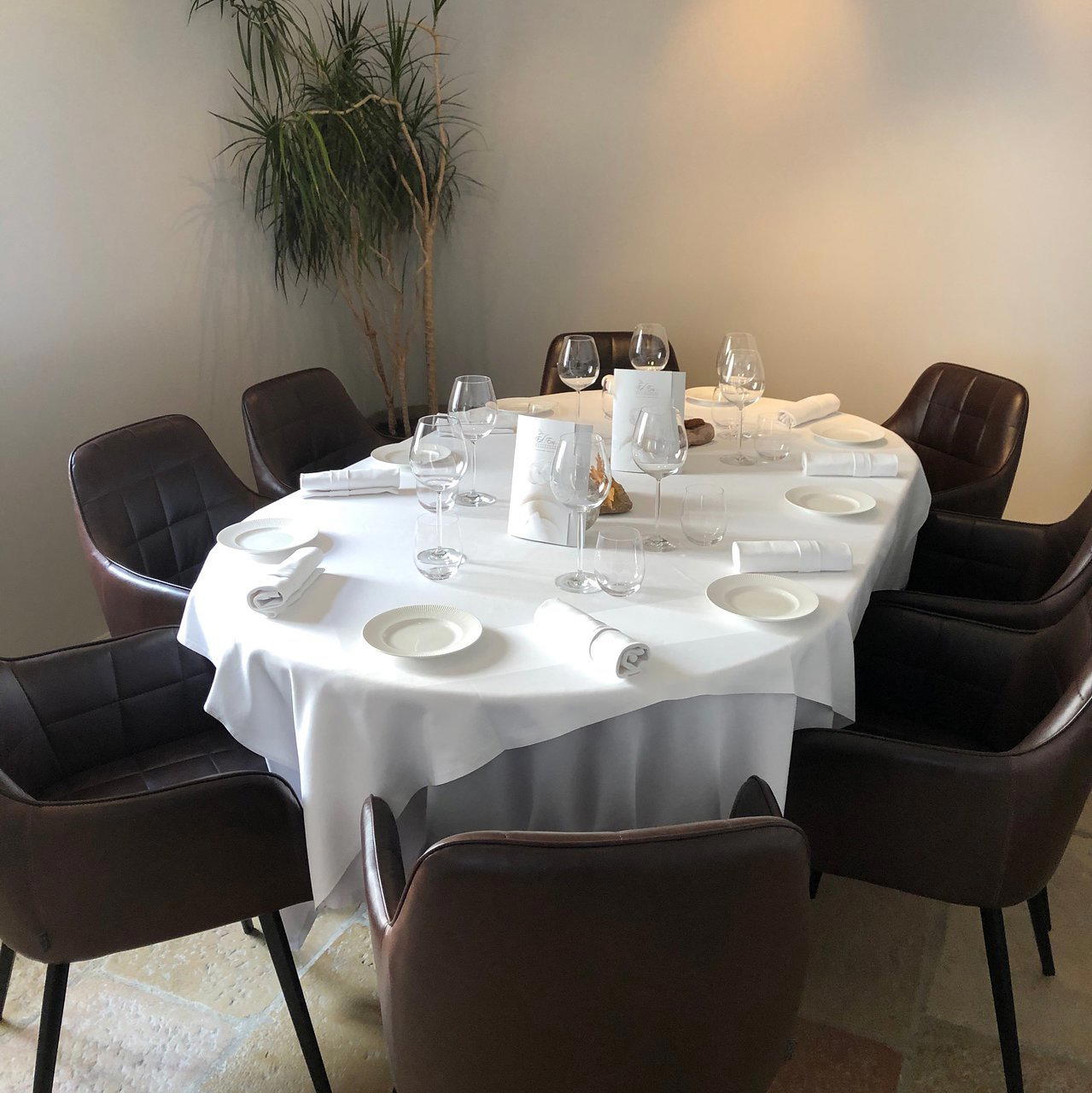
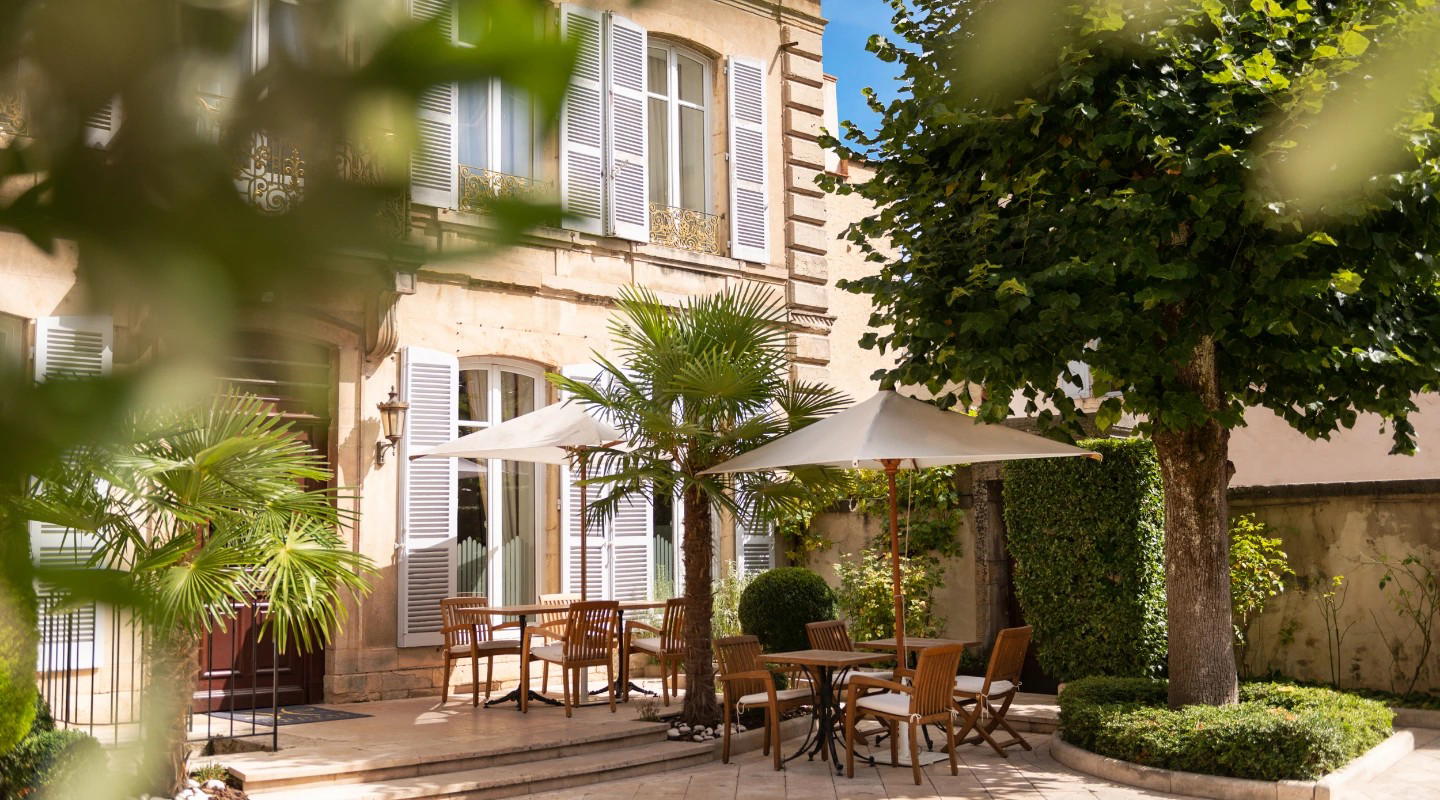
Traditional, dimly lit historic cellar with low ceilings, evoking timeless elegance and terroir transparency through meticulous biodynamic practices.
Know Before You Go
- Getting there
- 15 Rue de la Combe, 21190 Volnay