Benoît Moreau

Benoît Moreau's Chassagne-Montrachet domaine works long élevage on fine lees, 20–30% new oak across premier cru holdings, malolactic in barrel.
Pearl is the En Primeur Club membership app — saves, bookings, and concierge access live there. Same editors, same standards.
- Address
- ZAC du Pré Fleury, 5 Rue Aligoté, 21190 Chassagne-Montrachet, France
- Phone
- +33 3 85 90 61 84

Burgundian Chardonnay winemaking under the climats of Chassagne-Montrachet divides along two technical lines: the cooler, reductive fermentation school that minimizes lees contact and oak dominance, and the more oxidative tradition that extends lees aging and accepts barrel influence as a structural frame. Domaine Benoît Moreau, founded when Benoît Moreau separated his holdings from the family Domaine Bernard Moreau operation, works decisively inside the latter lineage, long élevage on fine lees, roughly 20 to 30 percent new Burgundian oak across the premier cru program, and a fermentation protocol that allows malolactic conversion to proceed without temperature intervention. The resulting cuvées sit closer to the textured, barrel-integrated profile of Ramonet and Vincent Dancer than to the more transparent, mineral-focused program of producers working shorter oak cycles.
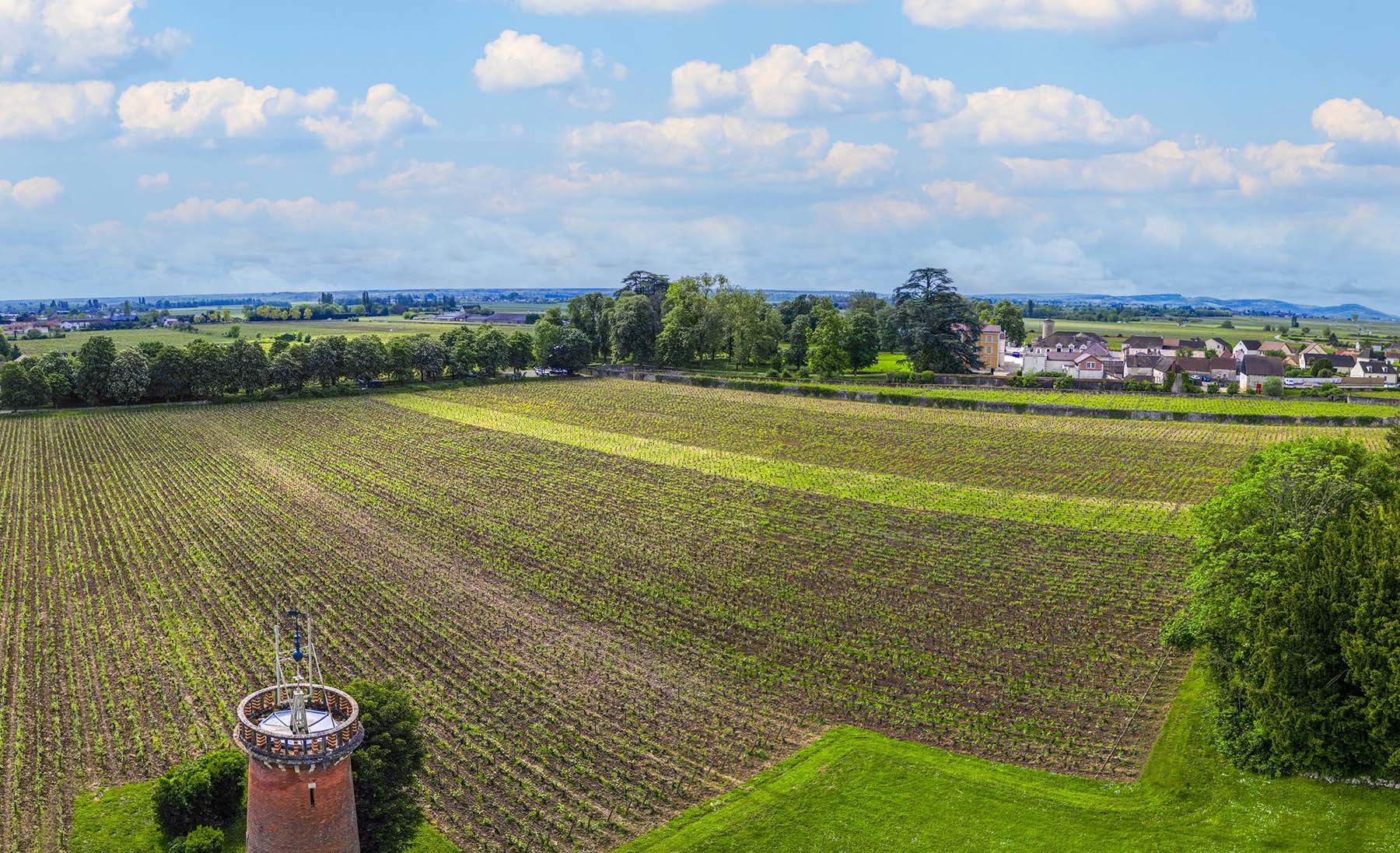
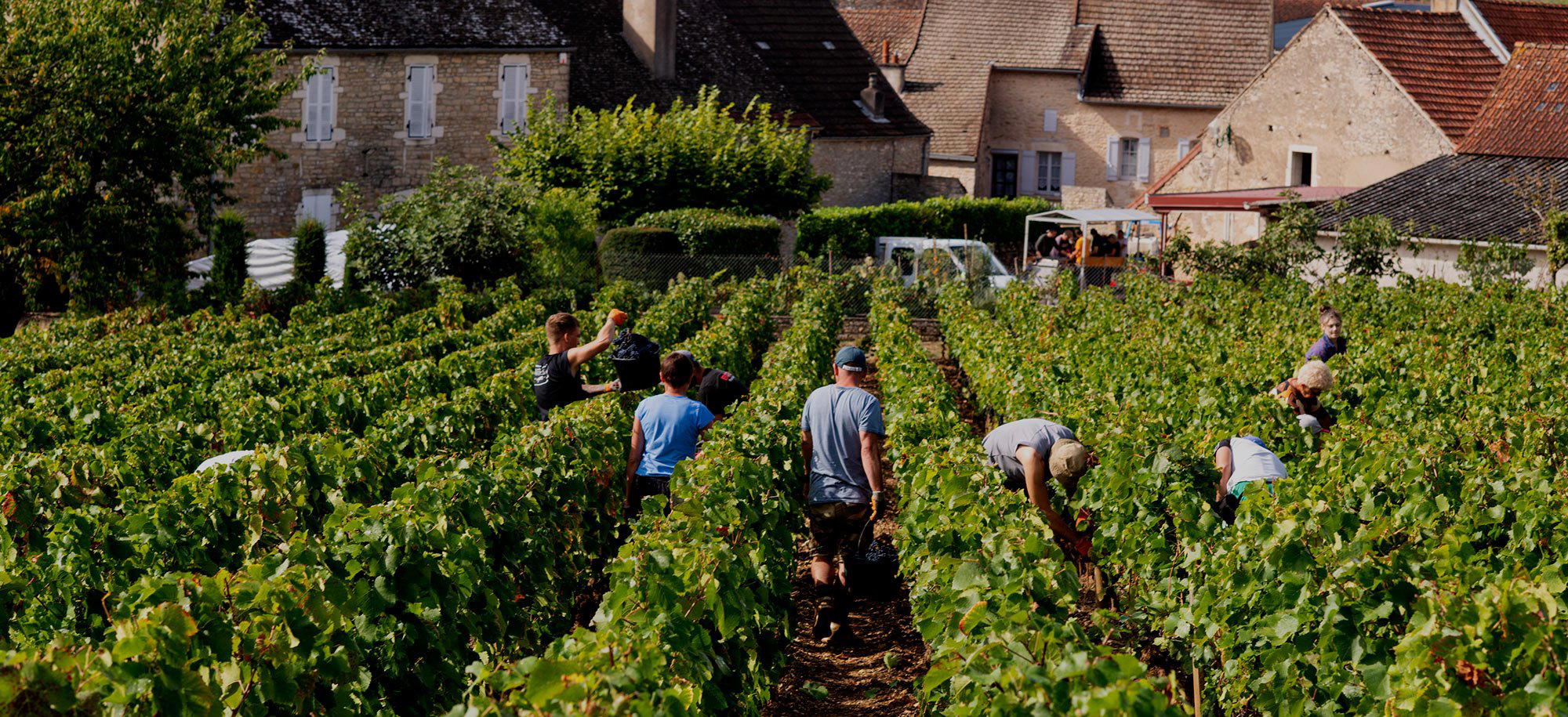
The domaine controls 6.5 hectares across Chassagne-Montrachet's premier cru and village appellations, with parcels in Morgeot, Chenevottes, and Vide Bourse among the premier cru holdings. Moreau farms conventionally but has worked toward sustainable viticulture practices since the mid-2000s, including the elimination of herbicides across the estate in 2008 and the adoption of sexual confusion for pest management. Yields are maintained at appellation-legal ceilings, typically 50 hectoliters per hectare for premier cru Chassagne, 58 hectoliters per hectare for village Chassagne, a yield discipline that places the domaine inside the yield-conscious peer set but not among the ultra-low-yield producers working at 35 or 40 hectoliters per hectare. Harvest is manual, with sorting at the vineyard and again at the winery before pressing.
Fermentation takes place in 228-liter Burgundian pièces from François Frères and Rousseau cooperages, with wild yeasts initiating primary fermentation and malolactic conversion proceeding naturally in barrel. The élevage program runs 12 to 14 months for village Chassagne, 14 to 16 months for premier cru bottlings, and up to 18 months for the domaine's grand cru parcel in Bâtard-Montrachet. New oak percentages vary by cuvée: village Chassagne sees roughly 10 to 15 percent new barrels, premier cru parcels 20 to 30 percent, and Bâtard-Montrachet approximately 30 to 40 percent. Bâtonnage is practiced during the first six months of élevage, with lees stirred every two weeks during the winter months to integrate the barrel tannins and reduce the perception of wood dominance in the finished wine. This extended lees contact and deliberate oak integration positions the domaine inside the Ramonet technical tradition rather than the Coche-Dury reductive school, where bâtonnage is minimal and new oak percentages rarely exceed 20 percent even at premier cru level.
The domaine's Bâtard-Montrachet parcel, a 0.15-hectare holding acquired in 2004, is the most allocated bottling in the range. Production typically runs 600 to 800 bottles per vintage, with the wine released through the domaine's allocation list and a small number of long-standing négociant relationships. The parcel sits in the Chassagne-Montrachet side of the grand cru, planted in 1972, and benefits from the deeper marl soils that distinguish the southern portion of Bâtard-Montrachet from the shallower, stonier soils on the Puligny-Montrachet side. This soil distinction translates to a richer, more structured wine than the Puligny-side bottlings, with more pronounced glycerin and a longer phenolic finish. The domaine bottles Bâtard-Montrachet without fining or filtration, a protocol Moreau adopted in the mid-2000s after trials showed that unfiltered wines retained more mid-palate weight and textural complexity through the first decade of bottle age.
The premier cru program centers on Morgeot, where the domaine controls 1.2 hectares across two parcels. Morgeot is Chassagne-Montrachet's largest premier cru climat, covering 54 hectares and subdivided into 16 named lieux-dits. The domaine's parcels sit in Morgeot Clos Pitois and Morgeot Vigne Blanche, both on the mid-slope where the soils transition from shallow limestone at the top of the slope to deeper clay-limestone at the base. This mid-slope position produces wines with more structure and aging potential than the lower-slope Morgeot bottlings, which tend toward earlier approachability and softer acidity. Moreau's Morgeot cuvées are fermented and aged separately by lieu-dit when the vintage allows, though in smaller years the two parcels are blended into a single Morgeot premier cru bottling. The separate lieu-dit bottlings began in 2009 and have continued in most vintages since, a shift that reflects the broader Burgundian trend toward single-parcel bottlings as a way to distinguish terroir expression within large premier cru appellations.
Village Chassagne-Montrachet program includes parcels in Les Champs Gain, Les Masures, and Les Houillères, with a total production of roughly 3,000 to 4,000 bottles per vintage across the three lieux-dits. Les Champs Gain, a 0.8-hectare parcel planted in 1985, is the largest single holding and the most consistently bottled as a separate cuvée. The lieu-dit sits on the lower slope below the premier cru Les Chenevottes, with deeper soils and more clay than the premier cru parcels above it. The resulting wine shows more immediate fruit and less mineral tension than the premier cru program, but shares the same extended lees aging and oak integration that defines the domaine's house style. Moreau does not bottle Les Masures or Les Houillères separately in most vintages, instead blending them into a generic village Chassagne cuvée that serves as the entry-level white wine in the range.
Domaine also produces a small quantity of red Chassagne-Montrachet from 0.5 hectares of Pinot Noir, primarily in the village appellation with a small parcel in the premier cru Clos Saint-Jean. Red wine production at the domaine has remained secondary to the white program, but Moreau has increased the attention paid to the red cuvées since the late 2010s, adopting cold maceration protocols and extending the cuvaison to 18 to 21 days, longer than the 12 to 14 days typical of Chassagne red producers working in a lighter, more transparent style. The red wines are aged in 25 to 35 percent new oak, higher than most Chassagne red programs but consistent with the domaine's approach to barrel integration across the range. The Clos Saint-Jean premier cru, a 0.2-hectare parcel planted in 1978, produces 400 to 600 bottles per vintage and is the most structured red in the range, with firm tannins and a longer cellaring arc than the village Pinot Noir.
Benoît Moreau's separation from Domaine Bernard Moreau followed the generational transition pattern common to Burgundian family estates, where the next generation divides inherited parcels to establish independent operations. Bernard Moreau, Benoît's father, had built the family domaine through the 1970s and 1980s, acquiring parcels in Chassagne-Montrachet's premier cru tier and establishing a winemaking program that emphasized traditional Burgundian techniques, wild fermentation, long lees aging, and moderate new oak percentages. Benoît Moreau retained the family's Bâtard-Montrachet parcel and a portion of the Morgeot holdings when the domaine was divided, while his brother Alexandre Moreau took other parcels and continued to operate under the Domaine Bernard Moreau label. This division created two distinct operations working inside the same technical lineage but with different commercial trajectories: Domaine Bernard Moreau remains the larger operation, with roughly 15 hectares under vine, while Domaine Benoît Moreau has stayed at 6.5 hectares and focused on a smaller, more allocated production model.
The domaine's distribution is split between direct sales through the cellar door, allocation list sales to private clients and sommelier networks, and a small number of négociant relationships in France, the United States, and the United Kingdom. Roughly 40 percent of production is sold through the allocation list, 30 percent through négociants, and the remaining 30 percent through cellar-door sales and local restaurant accounts. The allocation list is managed directly by the domaine and prioritizes long-standing clients who have purchased across multiple vintages, a common allocation protocol among small Burgundian producers. Access to the Bâtard-Montrachet cuvée is restricted almost entirely to allocation-list clients, with fewer than 100 bottles per vintage available through other channels. The premier cru program is more widely distributed, but the separate lieu-dit bottlings of Morgeot remain difficult to source outside of the allocation list and a handful of specialized Burgundy importers.
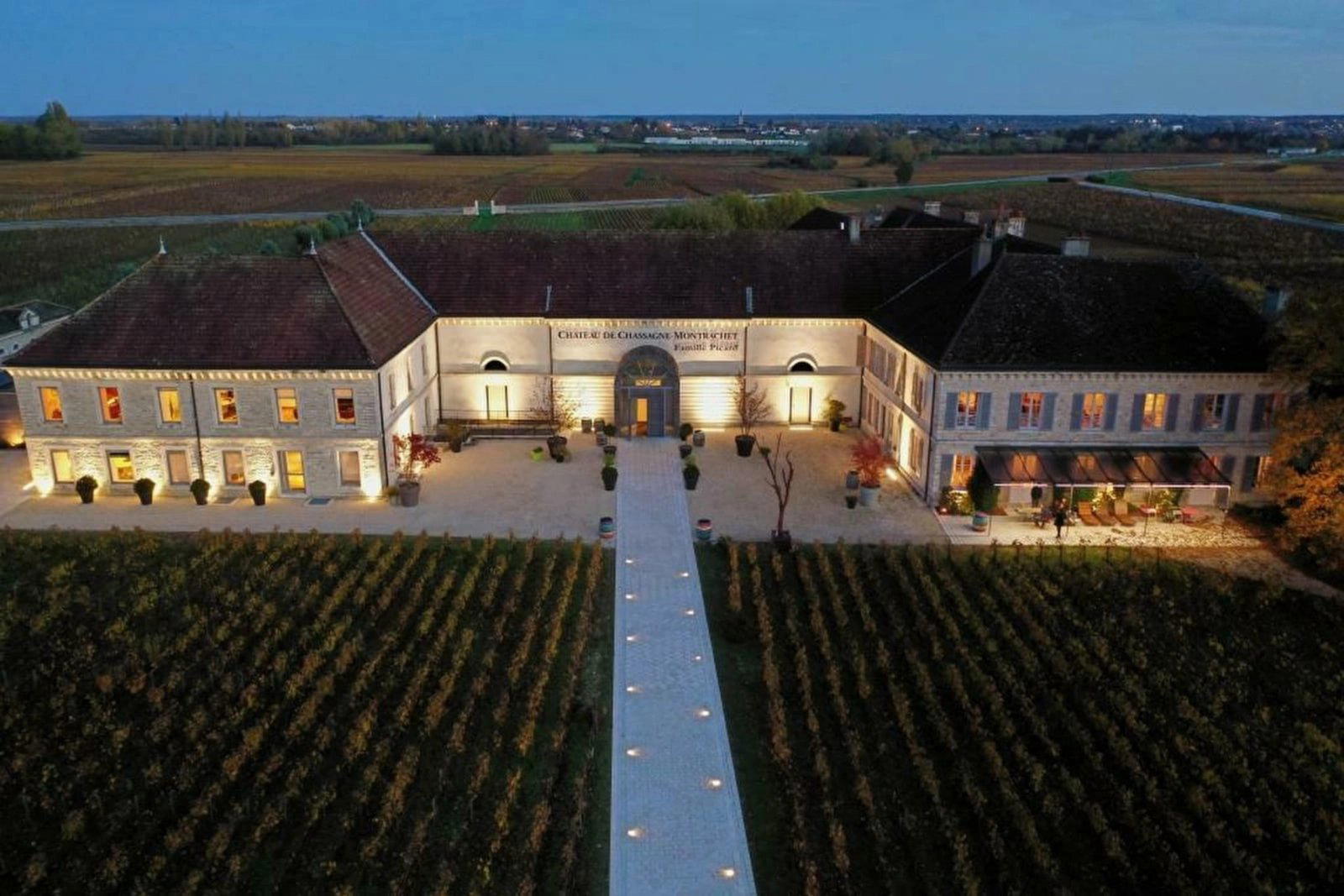
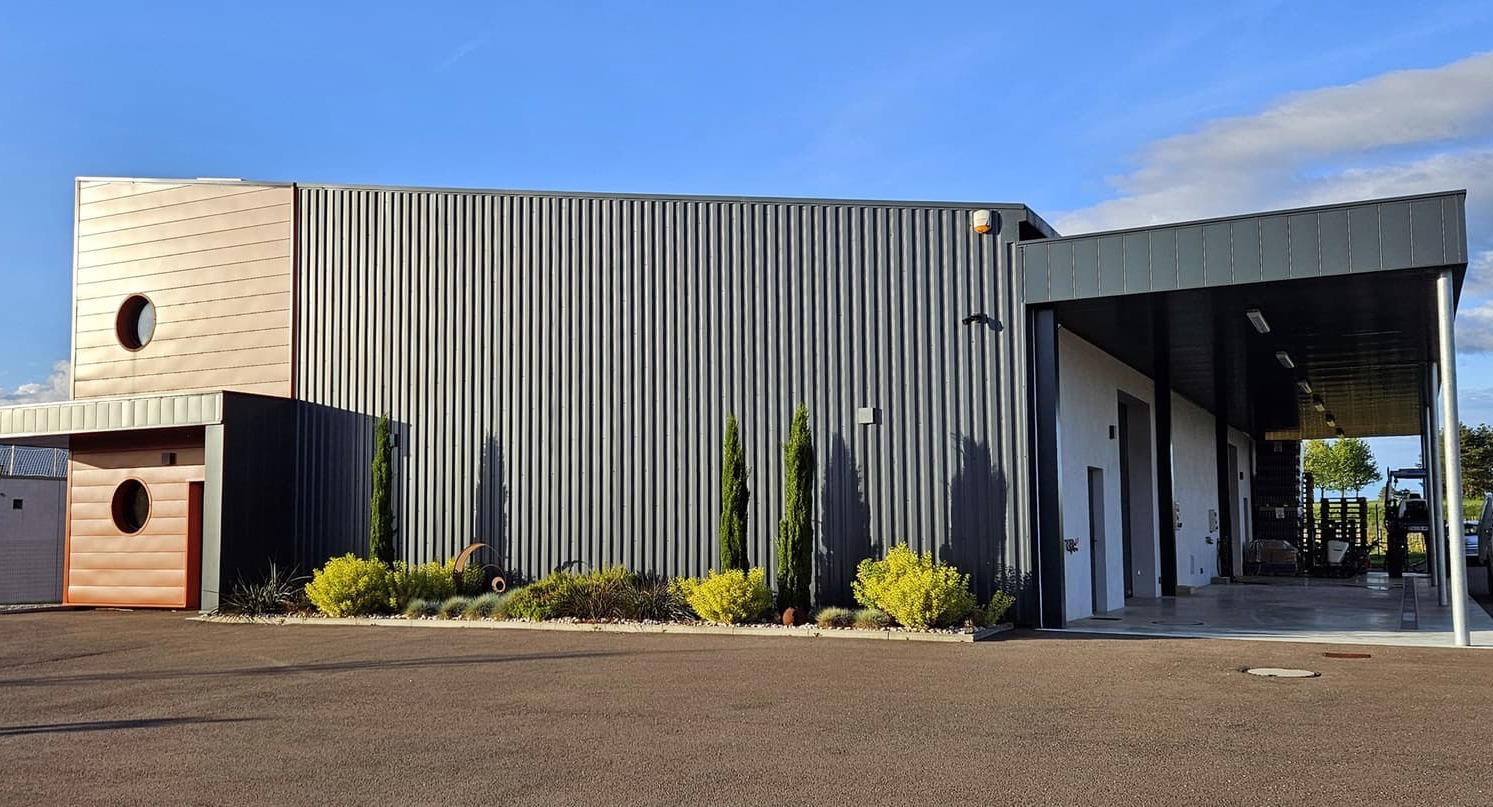
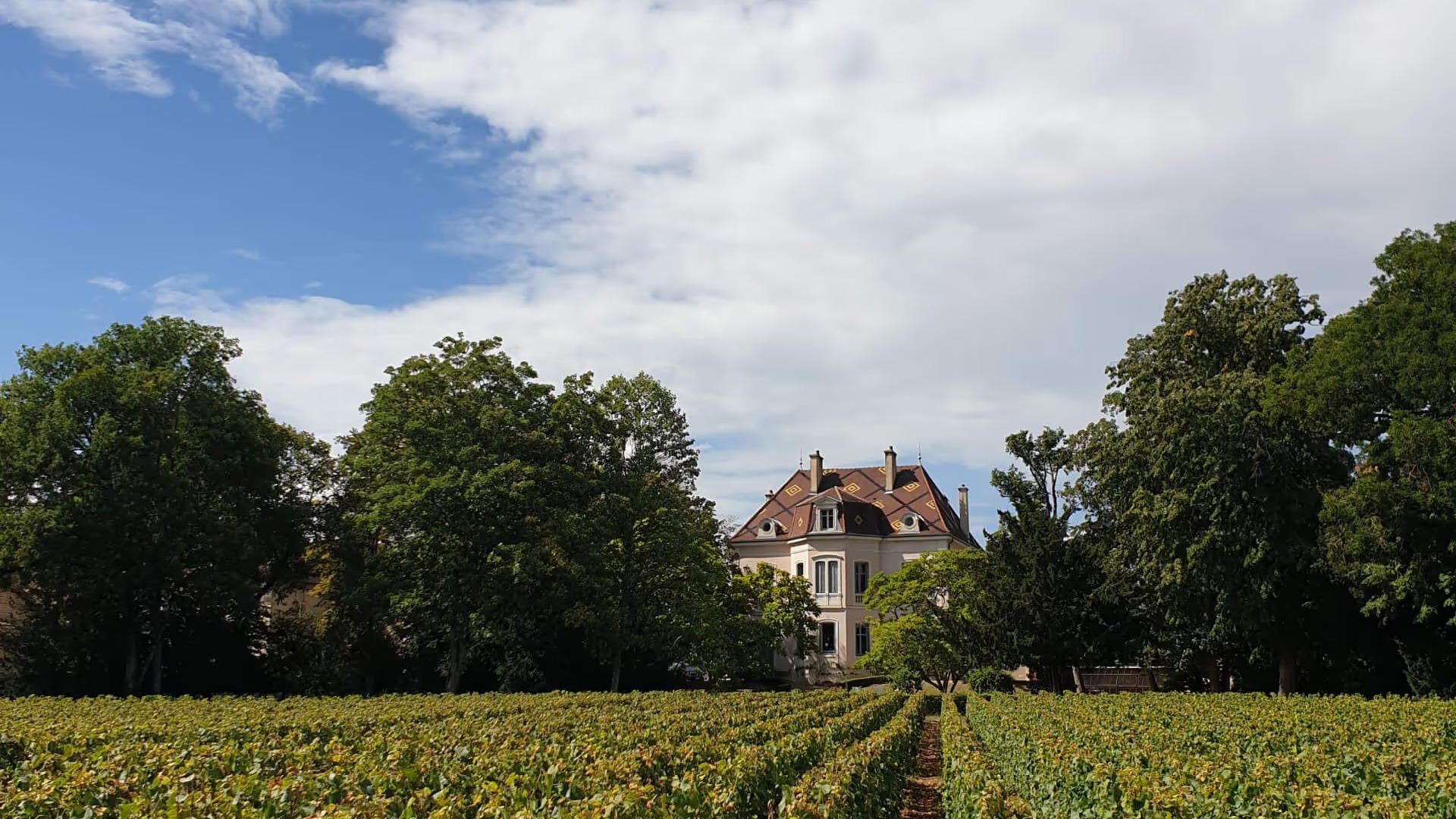
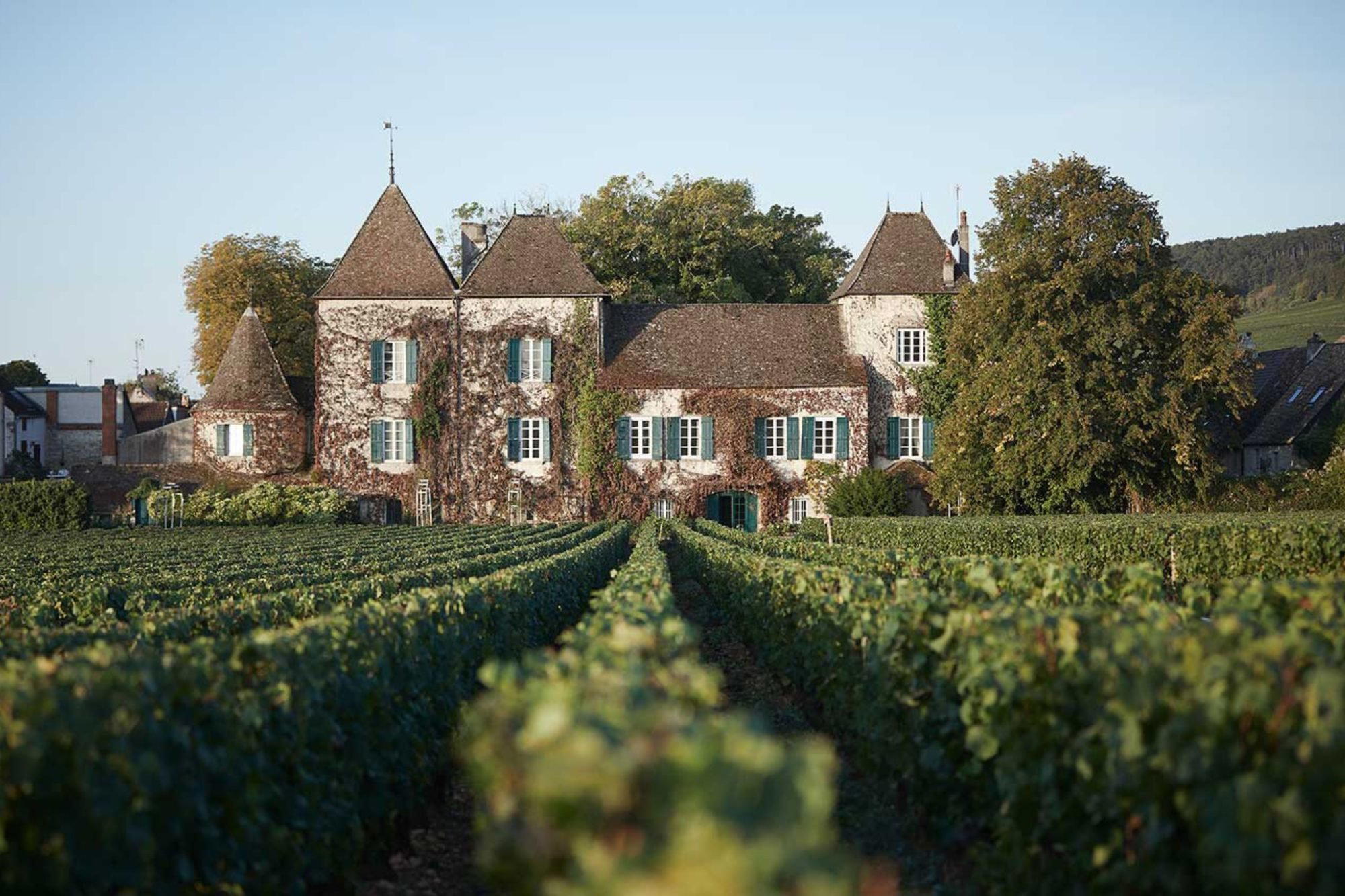
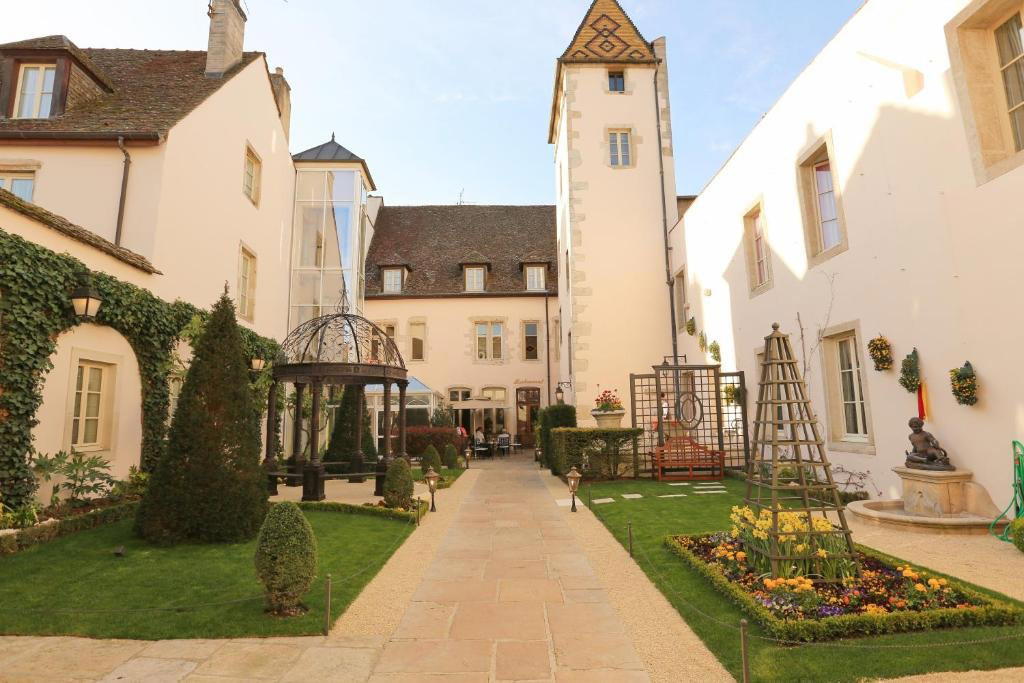
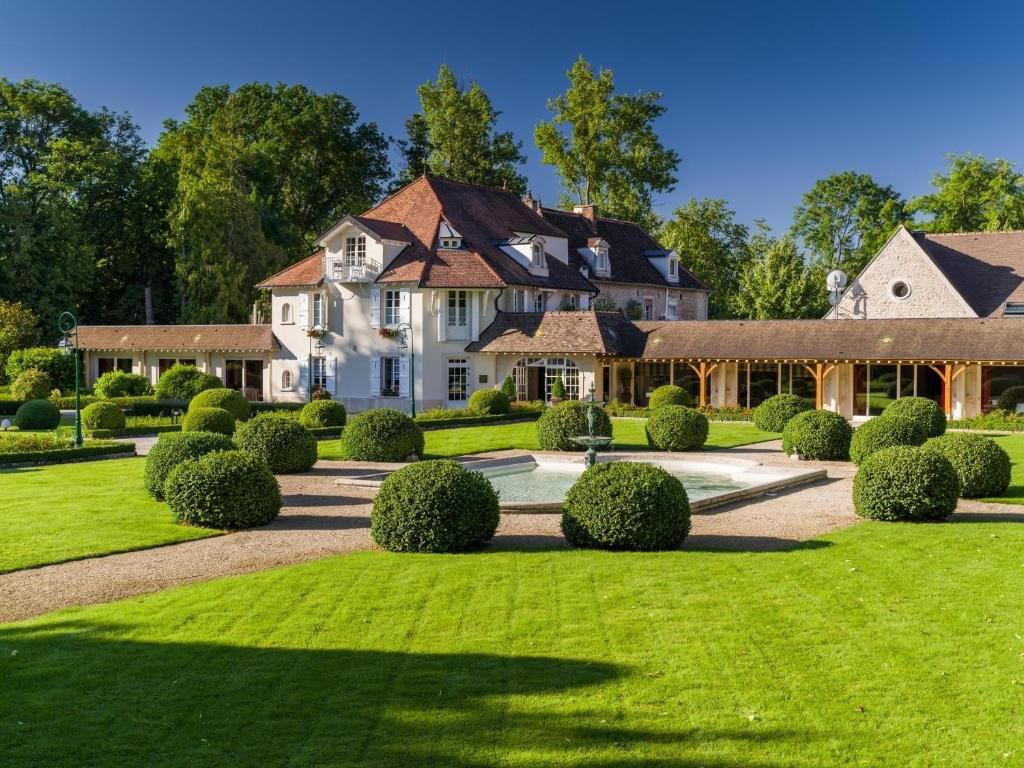
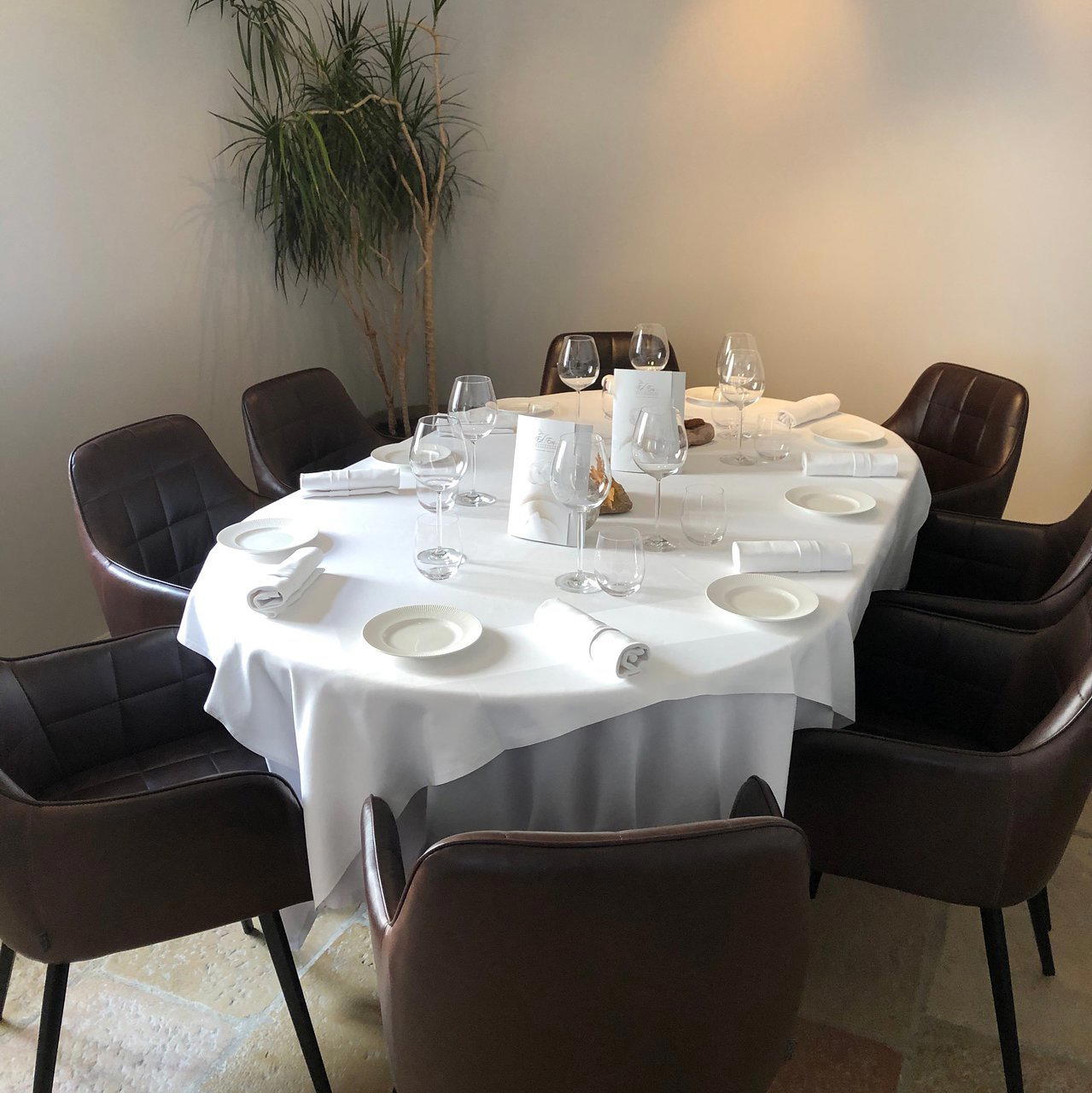
The domaine operates from a small winery on the edge of Chassagne-Montrachet village, with barrel storage in a traditional cellar beneath the main building. The cellar is not climate-controlled but maintains a stable temperature between 12°C and 15°C year-round due to its depth and limestone construction, a passive temperature regulation that Moreau considers preferable to mechanical cooling for extended élevage programs. The winery includes a small tasting room that is open by appointment, though the domaine does not maintain regular public visiting hours and prefers to schedule tastings with trade professionals and allocation-list clients rather than with general consumers. This access structure is typical of small-production Burgundian domaines and reflects the priority placed on maintaining allocation relationships over building consumer-facing hospitality infrastructure.
Vintage variation at the domaine follows the broader Burgundian pattern, with warmer years producing richer, more phenolic wines and cooler years yielding more mineral-driven, higher-acid cuvées. The 2015 and 2018 vintages exemplify the warmer style, with lower acidity and more pronounced glycerin and phenolic grip, while the 2014 and 2017 vintages sit at the cooler end of the spectrum, with higher natural acidity and more restrained phenolic development. Moreau does not adjust for vintage variation through acidification or other corrective measures in the cellar, a decision that places the domaine inside the non-interventionist peer set but results in wines that vary more widely in style from year to year than those of producers who correct for vintage characteristics. This vintage-transparency approach has become more common among Burgundian producers since the 2000s, as the market has shifted toward valuing vintage expression over stylistic consistency, but it remains a minority position relative to the broader industry practice of moderate cellar correction.
The domaine's peer set in Chassagne-Montrachet includes Domaine Ramonet, Domaine Vincent Dancer, Domaine Paul Pillot, and Domaine Lamy-Caillat, all of which work inside the longer-élevage, higher-oak tradition rather than the reductive, minimal-oak school. Ramonet remains the reference point for extended lees aging and oxidative handling in Chassagne, with some cuvées aged for 20 months or more in barrel and new oak percentages that can exceed 40 percent for grand cru bottlings. Vincent Dancer works inside a similar technical frame but with slightly lower new oak percentages and a more restrained bâtonnage program, resulting in wines that show more transparency and less barrel integration than Ramonet's. Paul Pillot sits between the two, with moderate new oak use and a lees-aging program that extends to 16 months for premier cru bottlings. Domaine Benoît Moreau's élevage protocols and oak percentages place it closest to Paul Pillot in the peer set, though the domaine's vintage-transparency approach and the decision to bottle without fining or filtration align it more closely with Vincent Dancer's non-interventionist cellar philosophy.
For further context on Burgundy wine region production and the broader Chassagne-Montrachet appellation, see the full Chassagne-Montrachet wineries guide. Other producers working inside the extended-élevage tradition in the commune include Domaine Bernard Moreau, which shares the same founding lineage but operates at larger scale. The broader Burgundian reference set for this winemaking style includes Domaine de la Romanée-Conti in Vosne-Romanée, Domaine Georges Roumier in Chambolle-Musigny, Domaine Dugat-Py in Gevrey-Chambertin, and Domaine Cécile Tremblay in Morey-Saint-Denis, though these operations work primarily with Pinot Noir rather than Chardonnay and sit at higher price points within the Burgundian market.
Continue exploring
More in Chassagne-Montrachet
Wineries in Chassagne-Montrachet
Browse all →Bars in Chassagne-Montrachet
Browse all →Restaurants in Chassagne-Montrachet
Browse all →At a Glance
- Quiet
- Classic
- Intimate
- Sophisticated
- Rustic
- Solo Exploration
- Special Occasion
- Wine Education
- Private Tasting
- Historic Building
- Design Destination
- Biodynamic
- Vineyard
Quiet, focused winery atmosphere with a small-production Burgundy cellar feel.