Skip to Main Content
← Collection
Michelin

Benoît Ente founded the domaine in 1990, working premier cru parcels in Puligny, Chassagne, and Meursault under a neutral-oak élevage program.

Pearl is the En Primeur Club membership app — saves, bookings, and concierge access live there. Same editors, same standards.

Plan your visit on PearlPlan Your Visit
Address
4 Rue de la Mairie, 21190 Puligny-Montrachet, France
Phone
+33 3 80 21 93 73
Saves & bookings on Pearl
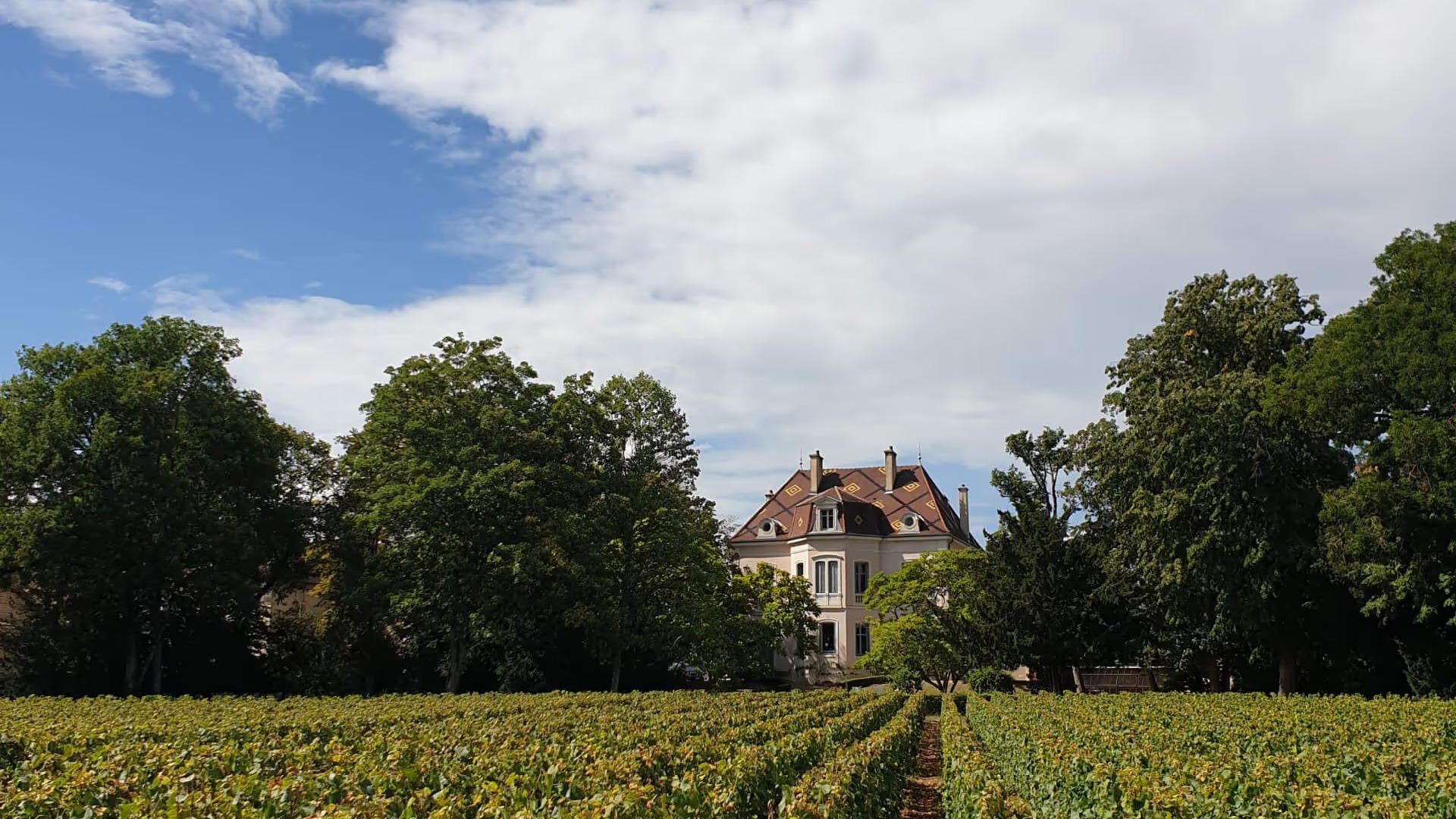
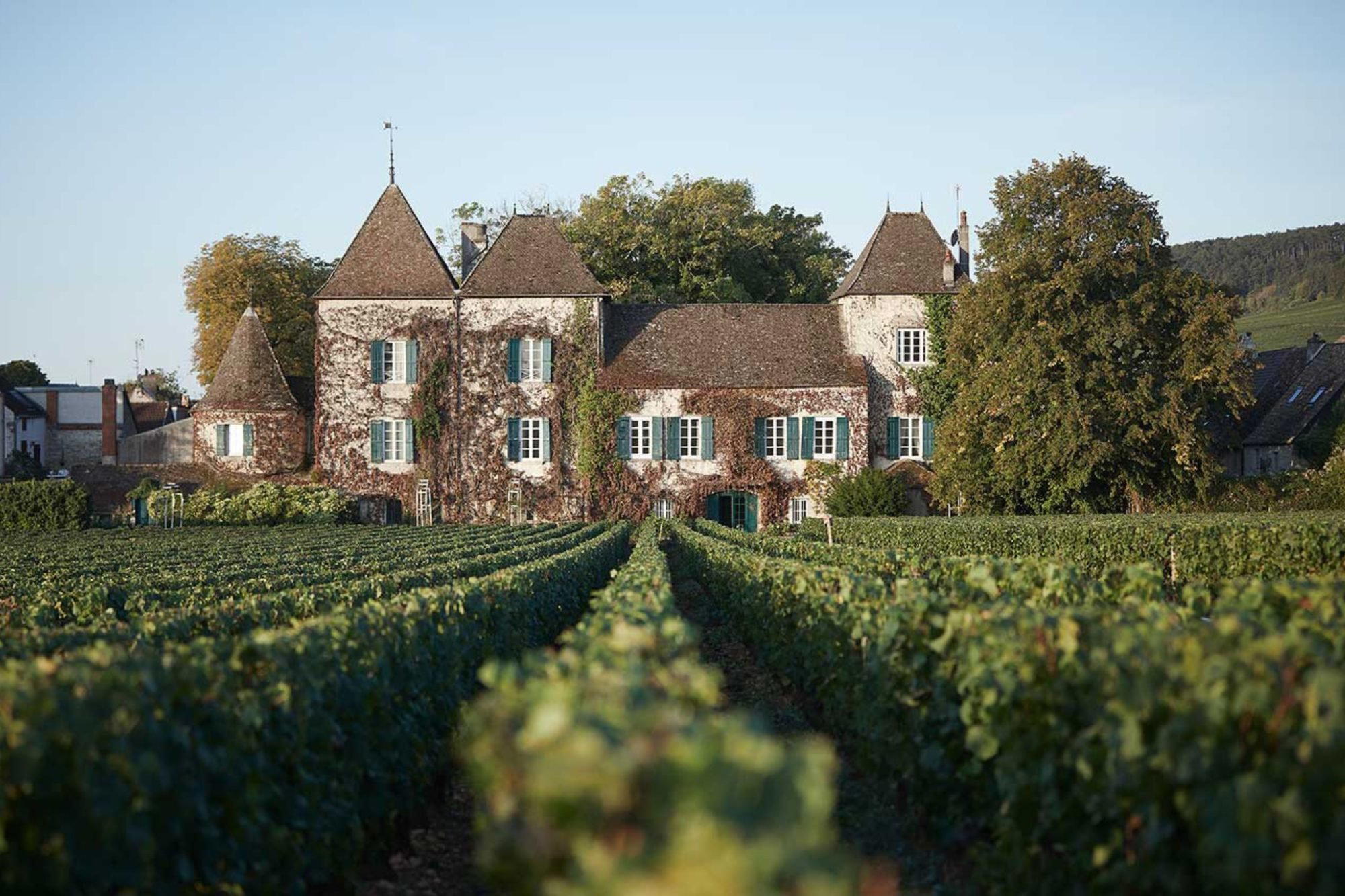
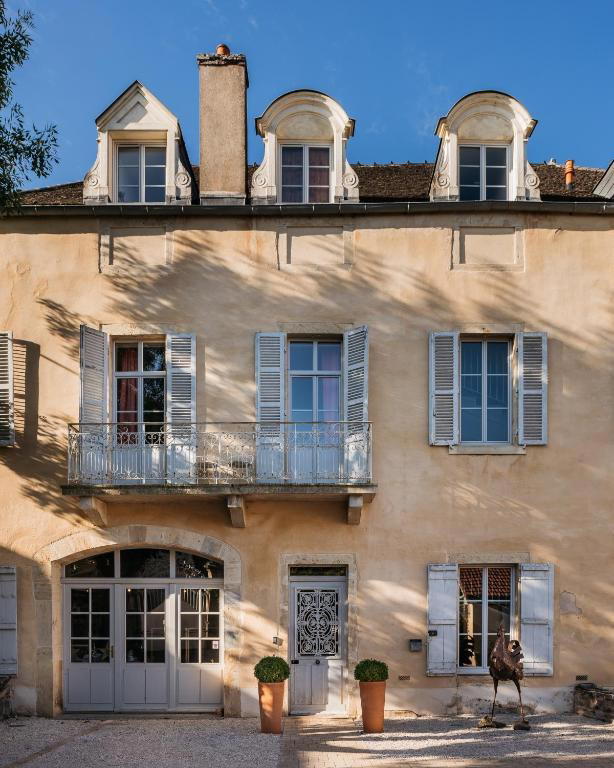
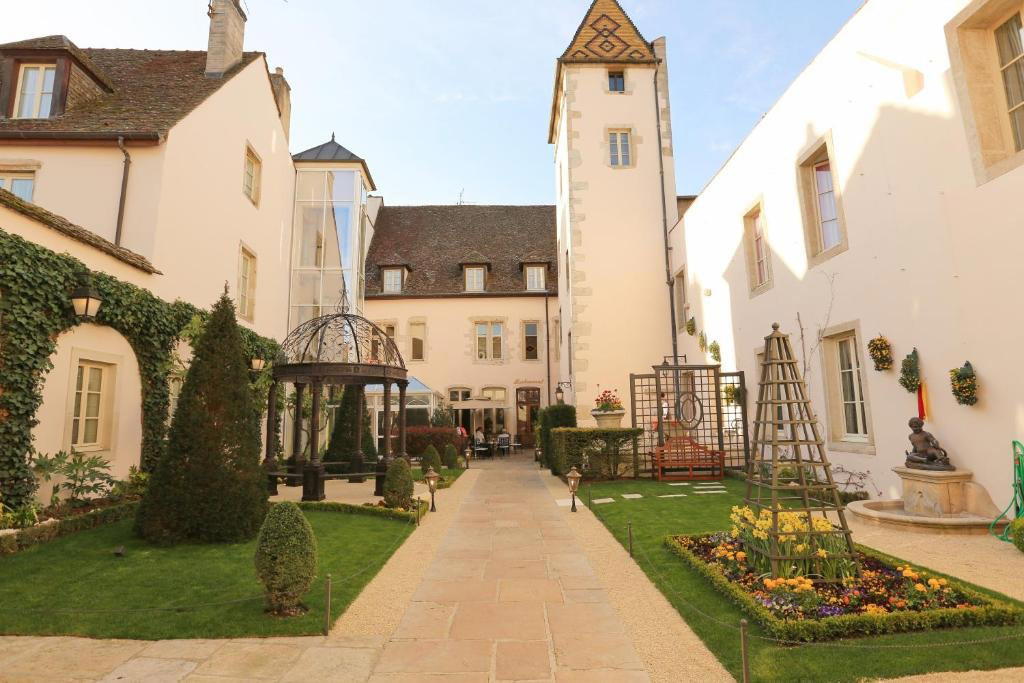
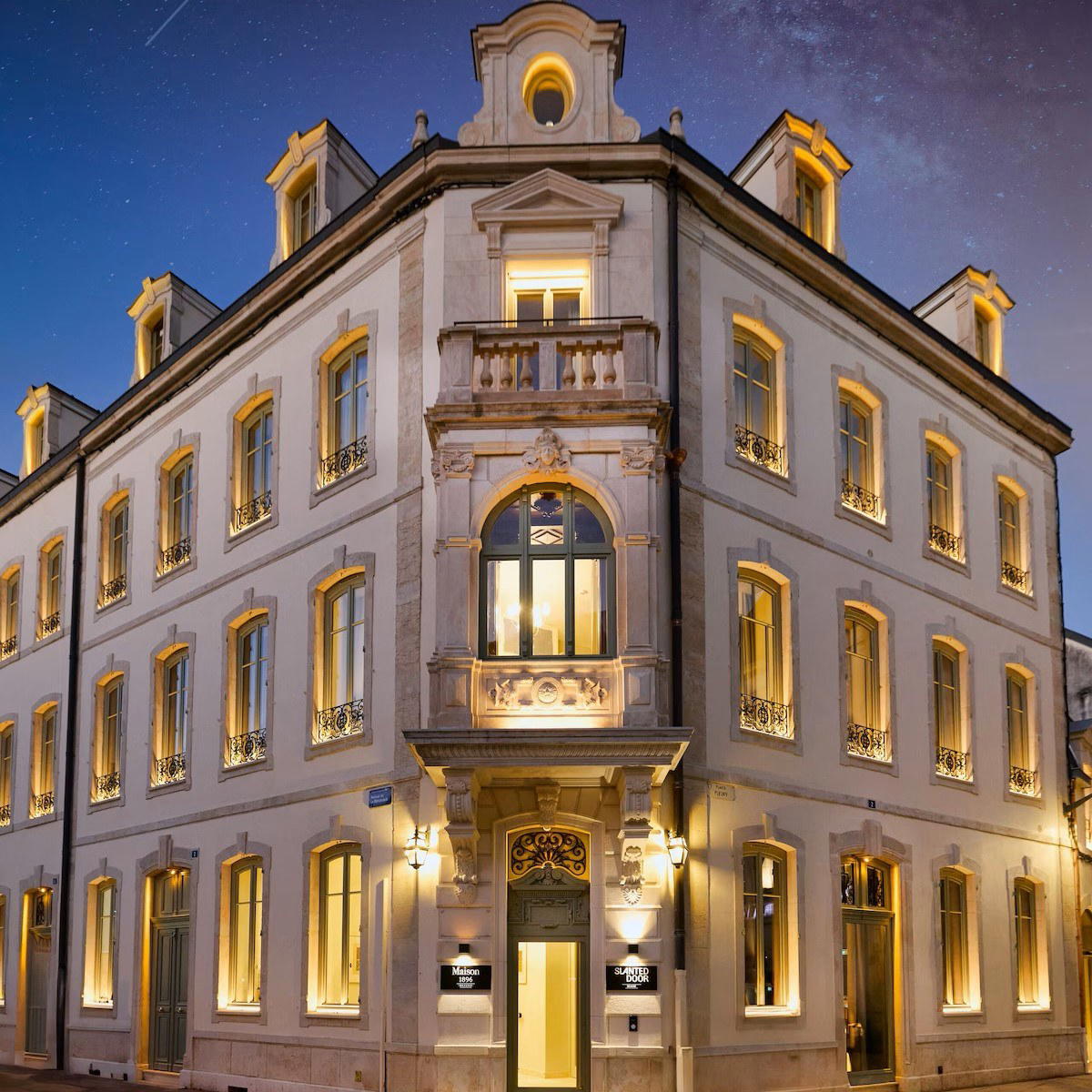
Benoît Ente winery in Puligny-Montrachet, France
About

The white-wine tradition that radiates from Puligny-Montrachet and the adjacent communes of Chassagne and Meursault operates inside a narrow set of technical constraints: Chardonnay on limestone, wild fermentation in Burgundian oak, long lees contact without stirring, and a cellar regime that balances oxidative handling against the risk of premature evolution. Domaine Benoît Ente, established in 1990 by the eponymous winemaker, sits inside that tradition but pushes the program toward tighter élevage and later bottling than the Côte de Beaune consensus. Benoît Ente founded the domaine after inheriting parcels in Puligny-Montrachet, Chassagne-Montrachet, and Meursault, and has since expanded the holdings to just under five hectares across premier cru and village appellations. The cellar program reflects the late-twentieth-century Burgundy school that emerged in opposition to the highly oaked, interventionist style of the 1980s: indigenous fermentation, neutral cooperage for a significant portion of the élevage, minimal racking, and bottling on gravity without fining or filtration. The resulting wines read as technically precise rather than expressive, with primary fruit suppressed in favour of minerality and structure, a profile that aligns the domaine with producers such as Domaine Leflaive and Domaine Ramonet rather than with the richer, more immediately accessible style of Domaine Coche-Dury or Domaine des Comtes Lafon.

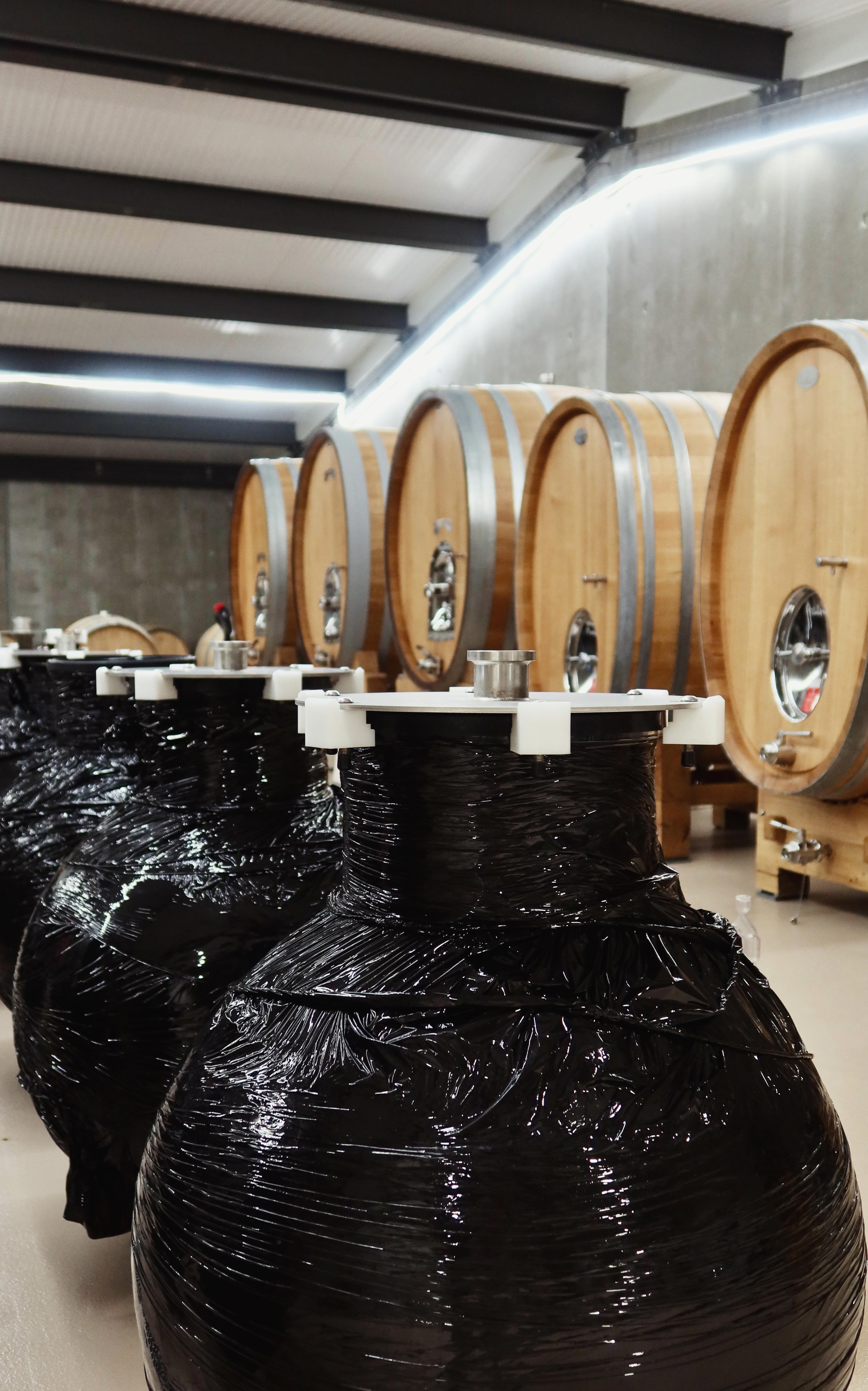
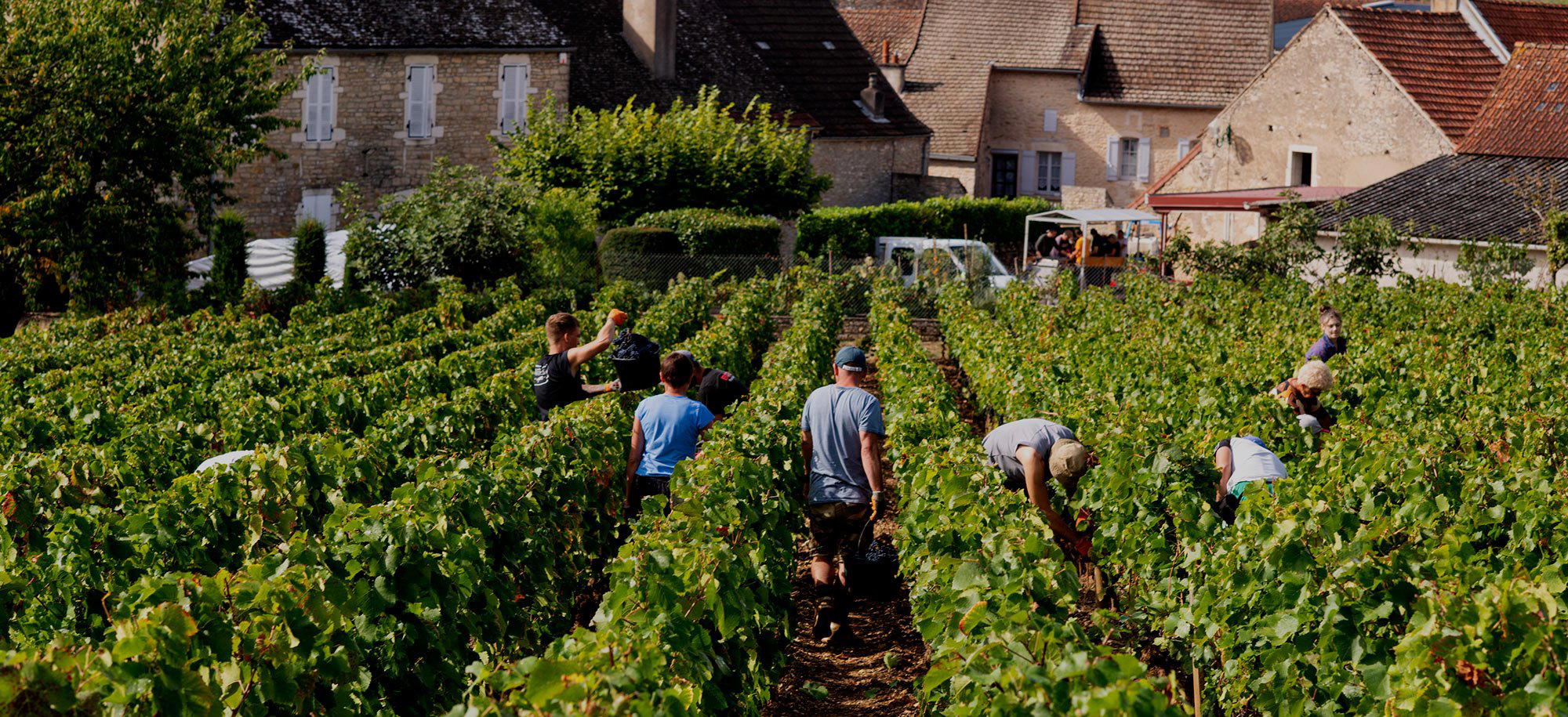
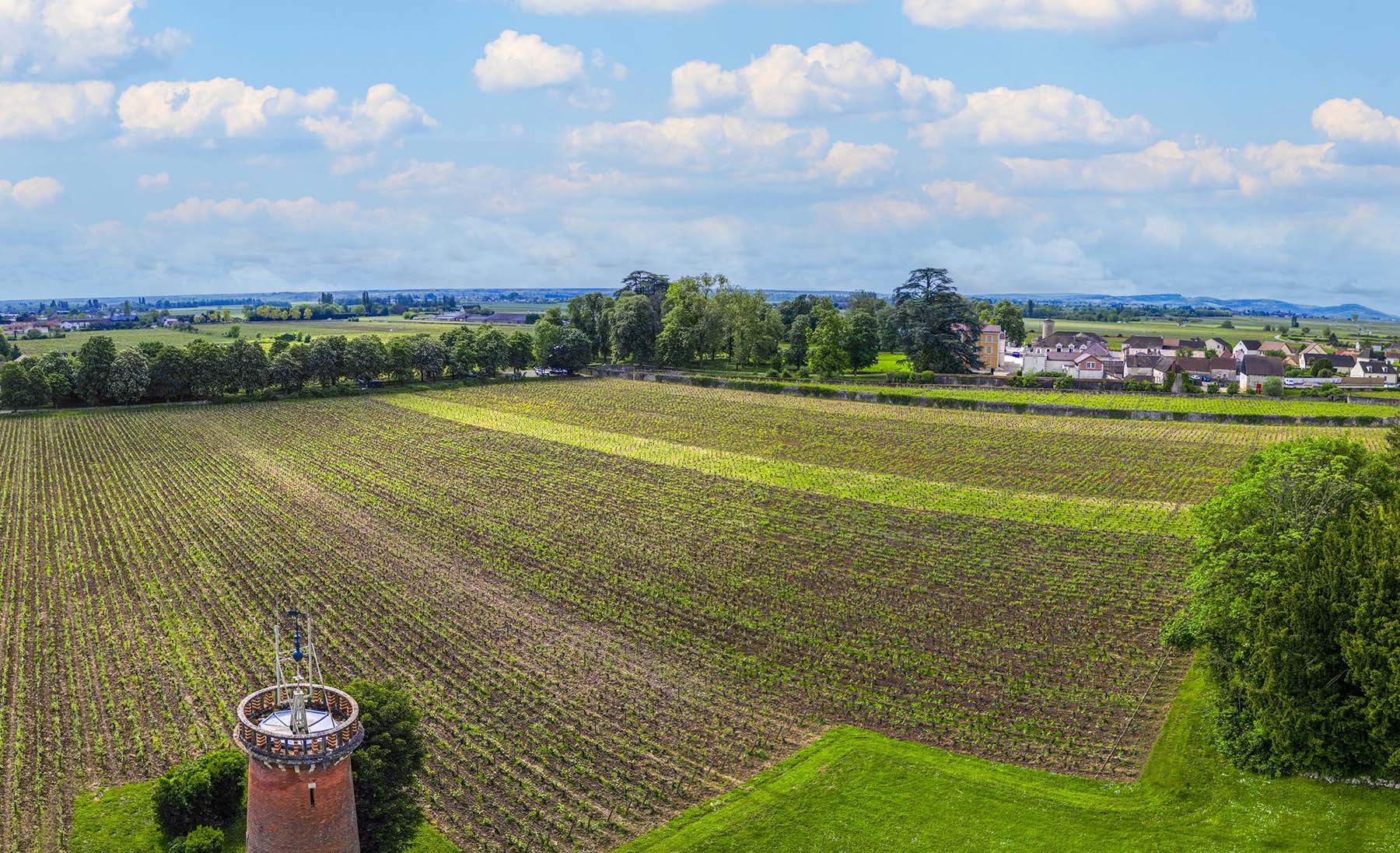
Benoît Ente has been the sole working winemaker at the domaine since its founding in 1990, a continuous tenure of more than thirty years that has allowed for a stable technical program across evolving vintage conditions. The vineyard holdings are distributed across four communes: Puligny-Montrachet (including premier cru parcels in Les Referts and Les Pucelles), Chassagne-Montrachet (premier cru Clos Saint-Marc), Meursault (premier cru Les Gouttes d'Or), and Volnay (for a small red-wine program on Pinot Noir). The average vine age across the domaine sits between twenty-five and forty years, with replanting on a parcel-by-parcel basis to maintain canopy density without surrendering too much annual production. Yields are maintained at thirty-five to forty-five hectolitres per hectare, deliberately below the AOP ceiling of fifty hectolitres per hectare for Puligny-Montrachet premier cru, and harvesting is by hand with sorting in the vineyard. The cellar protocol is long: fermentation runs fourteen to eighteen months in barrel, with no temperature control and no inoculation; a further six to twelve months in stainless steel before bottling; and an additional twelve to eighteen months in bottle before release. The entire cycle from harvest to commercial availability spans three to three-and-a-half years, significantly longer than the eighteen-to-twenty-four-month baseline for Côte de Beaune whites and closer to the extended élevage practiced by the top-tier Chassagne houses.

The oak regime at Domaine Benoît Ente is deliberately restrained. New-oak percentage across the portfolio has been reduced steadily since the mid-1990s and now sits at fifteen to twenty-five percent for premier cru cuvées and zero to ten percent for village-level bottlings. The remainder of the élevage runs in three-to-eight-year-old Burgundian pièces, predominantly from cooperages Rousseau and François Frères, with medium-toast heads and light-toast staves. The intent is to provide micro-oxygenation without imparting extractive oak flavour, a technical balance that defines the modern Puligny school and distinguishes it from the New World Chardonnay tradition. Lees contact is maintained throughout the barrel phase, with no bâtonnage, the decision to forgo stirring reflects Ente's commitment to a slower, less interventionist path to textural complexity. Malolactic fermentation proceeds naturally and is not blocked, a standard protocol for Burgundy whites but one that carries risk in warmer vintages where the resulting pH can climb above 3.5 and compromise age-worthiness. Bottling occurs without fining or filtration, under inert gas, and the wines are held in the domaine's cellar for a minimum of twelve months post-bottling before release to the allocation list. This extended post-bottling rest is uncommon among Côte de Beaune producers operating at the sub-ten-hectare scale, where cash-flow pressure typically forces earlier release, and it positions Domaine Benoît Ente closer to the practices of larger, more financially stable houses.

The domaine's flagship cuvée is the Puligny-Montrachet Premier Cru Les Referts, a climat on the southern boundary of the appellation adjacent to Chassagne-Montrachet. The parcel is planted on shallow clay-limestone soils over hard Bathonian limestone, with east-southeast exposure and a slope gradient of approximately eight percent. The vines were planted in 1985, making them now approaching forty years old, and yields are restricted to thirty-five hectolitres per hectare through green harvesting in July. The cellar program for Les Referts is the longest in the portfolio: fermentation in twenty-five percent new oak and seventy-five percent neutral barrels, fourteen months on lees without stirring, a further twelve months in stainless steel, and twelve to eighteen months in bottle before release. The wine typically reaches the market in its fourth year post-harvest, a delayed release schedule that reflects confidence in the wine's capacity to absorb oxygen during élevage without oxidising prematurely, a confidence that has been borne out across the 2000s and 2010s but will be tested by the warmer, lower-acid vintages of the 2020s. Tasting notes from Burgundy-specialist publications such as Vinous and Burghound consistently describe the wine as tightly wound on release, with primary fruit suppressed beneath layers of wet stone, salinity, and high-toned acidity, and recommend cellaring for five to ten years before consumption. This delayed drinking window is unusual for premier cru Puligny-Montrachet, where most producers aim for accessibility within two to four years of release, and it positions Les Referts inside the peer set of long-élevage, age-worthy whites from producers such as Domaine Raveneau in Chablis and Domaine Dauvissat.

Puligny-Montrachet Premier Cru Les Pucelles is the second-tier cuvée in the portfolio, from a climat on the northern boundary of the appellation adjacent to Bâtard-Montrachet. The parcel is smaller than Les Referts, approximately 0.25 hectares versus 0.5 hectares, and the vines are younger, planted in 1995. The élevage is slightly shorter, with fermentation in twenty percent new oak and eighty percent neutral barrels, twelve months on lees, and six months in stainless steel before bottling. The wine reaches the market in its third year post-harvest, still longer than the Côte de Beaune baseline but compressed relative to Les Referts. The soil profile at Les Pucelles is deeper and richer in clay than at Les Referts, and the wine reflects that: broader on the palate, with more mid-palate weight and a softer acid structure. The trade press positions Les Pucelles as the more immediately accessible of the two premier cru bottlings, and allocation pricing reflects that: Les Pucelles typically trades at seventy to eighty percent of the Les Referts price on the French allocation market.

Village-level Puligny-Montrachet is sourced from parcels in Les Enseignères and Les Tremblots, both on the valley floor with deeper alluvial soils and higher water retention. The vines are younger, planted in the late 1990s and early 2000s, and the élevage is compressed: fermentation in ten percent new oak and ninety percent neutral barrels, ten months on lees, and immediate bottling without a stainless-steel phase. The wine reaches the market in its second year post-harvest, a standard release schedule for village-level Burgundy. The technical signature is lighter and more forward than the premier cru cuvées, with primary fruit more prominent and a softer acid line, and the wine functions as an entry point to the domaine's style for trade buyers unwilling or unable to commit to the longer cellaring requirement of the premier cru bottlings. Allocation pricing for the village-level Puligny-Montrachet sits at approximately one-third of the Les Referts price, a ratio that reflects both the difference in vineyard classification and the shorter élevage program.

Chassagne-Montrachet Premier Cru Clos Saint-Marc is the third premier cru cuvée in the portfolio, from a small enclosed parcel on the southern edge of Chassagne. The climat is planted entirely to Chardonnay, with vines averaging thirty years old and a soil profile that skews more heavily toward red clay than the limestone-dominated sites in Puligny. The élevage is identical to Les Referts, twenty-five percent new oak, fourteen months on lees, twelve months in stainless steel, but the wine reads as fuller and rounder on the palate, with less minerality and more textural weight. The Burgundy trade typically positions Chassagne premier cru whites as broader and more approachable than their Puligny counterparts, and Clos Saint-Marc sits inside that peer set. Allocation pricing is slightly below Les Referts, reflecting the lower prestige of the Chassagne appellation relative to Puligny among collectors and importers.

Meursault Premier Cru Les Gouttes d'Or is the fourth premier cru cuvée, from a climat on the southern boundary of Meursault adjacent to Puligny-Montrachet. The parcel is the smallest in the portfolio, approximately 0.15 hectares, and the vines are young, planted in 2005. The élevage is compressed relative to the Puligny premier cru cuvées: fermentation in fifteen percent new oak and eighty-five percent neutral barrels, twelve months on lees, and six months in stainless steel before bottling. The wine reaches the market in its third year post-harvest, and the technical signature reflects the shorter élevage: more primary fruit, softer acid, and less structural tension than Les Referts or Les Pucelles. The Burgundy trade positions Les Gouttes d'Or inside the richer, more overtly fruity Meursault school rather than inside the tighter, more mineral-driven Puligny school, and allocation pricing reflects that split: Les Gouttes d'Or trades at approximately sixty to seventy percent of the Les Referts price, despite the premier cru classification.

Red-wine program at Domaine Benoît Ente is small and focused on Volnay, with a single cuvée sourced from parcels in the village-level appellation. The élevage is shorter than the white-wine program, fermentation in twenty percent new oak and eighty percent neutral barrels, twelve months on lees, and immediate bottling without a stainless-steel phase, and the wine reaches the market in its second year post-harvest. Annual production is approximately five hundred bottles. The wine is not widely reviewed in the Burgundy trade press and does not appear on most allocation lists outside France.

Access to Domaine Benoît Ente is structured through a closed allocation list, with no direct-to-consumer sales and no cellar-door visits. The allocation list is managed by the domaine and distributed through a small network of French négociants and importers in the United States, the United Kingdom, Japan, and Switzerland. Annual production across all cuvées is approximately twelve thousand bottles, with the village-level Puligny-Montrachet accounting for approximately forty percent of total volume and the premier cru cuvées split evenly across the remaining sixty percent. The allocation model reflects the limited scale of the operation and the high demand for top-tier Puligny-Montrachet among collectors and trade buyers, and it positions Domaine Benoît Ente inside the peer set of allocation-only Burgundy producers operating at the sub-ten-hectare scale. New allocations are rare and typically require an existing relationship with one of the domaine's importing partners. Secondary-market pricing for back vintages of Les Referts and Les Pucelles runs at two to three times the original allocation price, a multiple that reflects both the limited supply and the long cellaring requirement before the wines reach their optimal drinking windows.

The technical program at Domaine Benoît Ente sits inside the broader Burgundy movement toward lower-intervention winemaking that emerged in the 1990s and has since become the baseline for premium white-wine production in the Côte de Beaune. The defining features of that movement, indigenous fermentation, reduced new-oak percentage, extended lees contact without stirring, and minimal racking, are all present in the Ente cellar program, and the resulting wines reflect the technical clarity and structural precision that define the modern Puligny school. The domaine's peer set includes producers such as Domaine Leflaive, Domaine Ramonet, Domaine Pierre-Yves Colin-Morey, and Domaine Thomas Morey, all of whom operate inside the same technical frame and share a commitment to long élevage and delayed release. The trade press consistently positions Domaine Benoît Ente inside that peer set, with particular attention to the extended post-bottling rest before release and the resulting capacity for long-term cellaring. The domaine's allocation pricing sits slightly below the top-tier Puligny producers, Domaine Leflaive, Domaine Sauzet, Domaine Paul Pernot, but above the mid-tier village-level specialists, reflecting the technical quality of the premier cru cuvées and the consistent performance across vintages since the early 2000s.

At a Glance
Vibe
  • Quiet
  • Classic
  • Scenic
  • Elegant
  • Hidden Gem
  • Intimate
Best For
  • Wine Education
  • Romantic Getaway
  • Solo Exploration
  • Special Occasion
  • Group Outing
Experience
  • Estate Grounds
  • Private Tasting
Sourcing
  • Organic
  • Sustainable
Views
  • Vineyard
  • Garden
Noise LevelQuiet
CapacitySmall

A small, detail-obsessed Burgundy domaine with a focus on purity and precision, producing white wines of high tension, minerality, and freshness that reflect Puligny-Montrachet’s terroir through low-intervention, organic viticulture and micro-production.[22][3][7][23]

Additional Properties
AVAPuligny-Montrachet AOC
VarietalsChardonnay, Aligoté, Pinot Noir
Wine Stylesstill_white, still_red
Wine ClubNo
DTC ShippingYes