Domaine Pierre Girardin is a small, high-end Meursault estate built around precision rather than nostalgia. The interest here is the tension between Côte de Beaune inheritance and a modern cellar language: Chardonnay-led Burgundy, a focused red program, Jura whites, custom barrels, and appointment-only visits for travelers who want terroir read through technique.

Pearl is the En Primeur Club membership app — saves, bookings, and concierge access live there. Same editors, same standards.
- Address
- Meursault, France
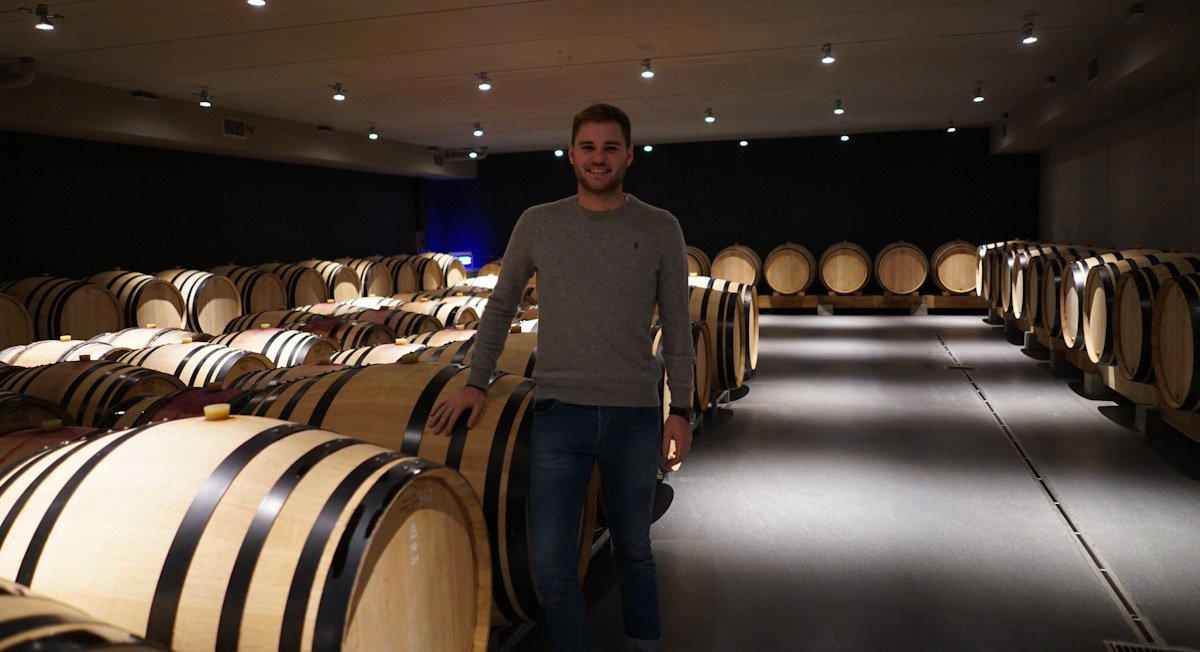
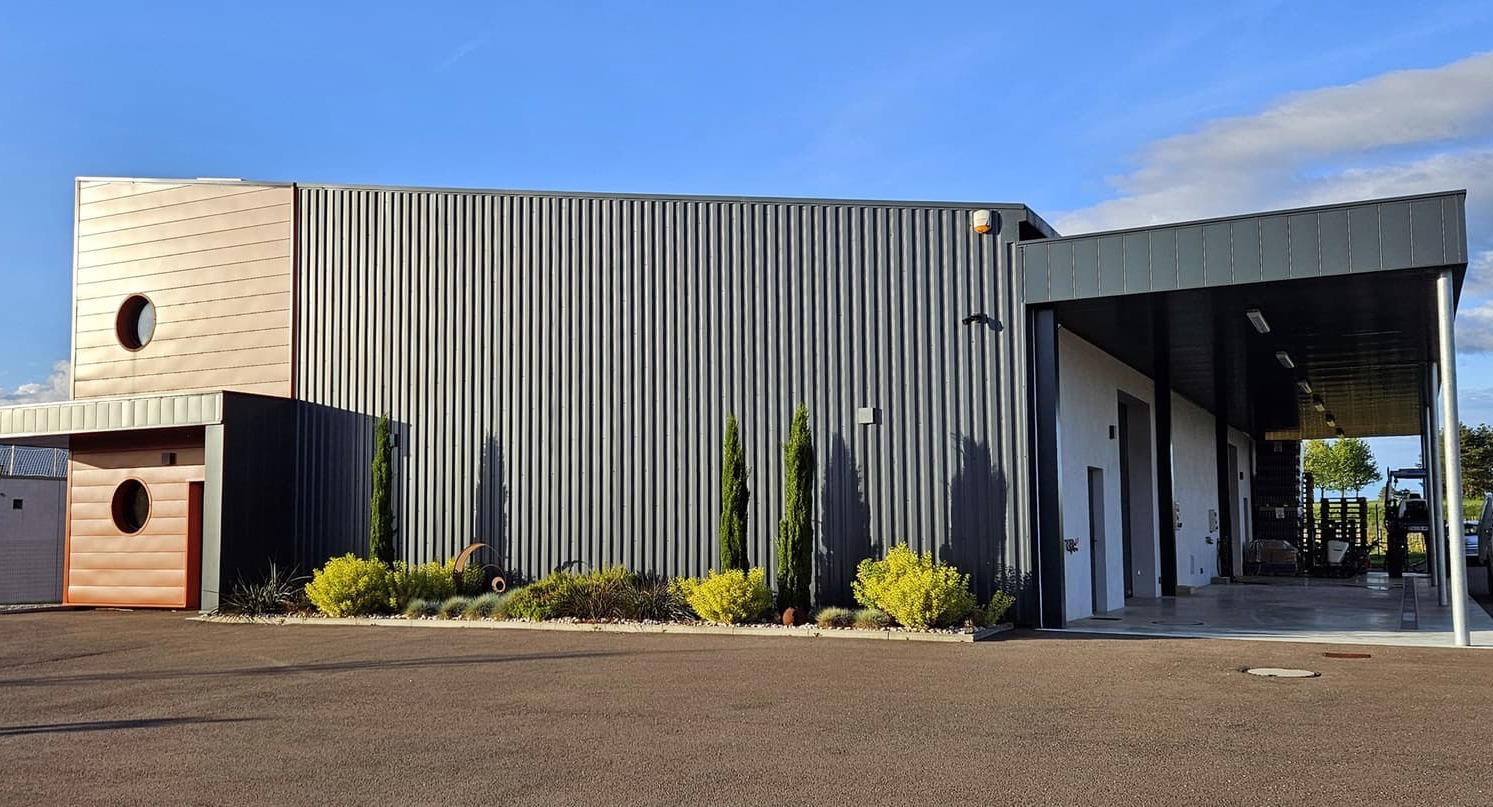
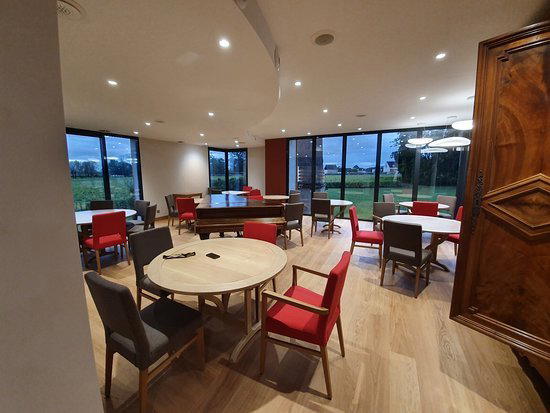
In Meursault, Domaine Pierre Girardin stands apart as an ultra-modern Burgundy estate with a contemporary visual language. The emphasis is on precision rather than rustic theatre: a sophisticated, design-forward winery shaped around pure, elegant wines that aim to express their terroir transparently. In a village where tradition can easily dominate the frame, that modernity gives the estate a distinct point of view, one that feels deliberate rather than decorative.
Meursault rewards close reading, and this estate fits that mindset. The picture is not a broad visitor-service profile or a detailed technical dossier, but a clear identity: modern, elegant, and focused on clarity of place. For anyone interested in Burgundy through a contemporary lens, Domaine Pierre Girardin is best understood as a hidden-gem estate where design and precision are central to its character. Its appeal is quieter than a checklist of facilities or headline features; it lies in the way its whole presentation points toward refinement, restraint, and terroir expression.
Modern Meursault, read through precision and design
Domaine Pierre Girardin’s defining character is its ultra-modern approach in Meursault. Rather than leaning on inherited visual clichés, the estate presents Burgundy through a cleaner, more architectural frame. The point is not spectacle; it is a precise environment for wines intended to be pure, elegant, and transparent to their terroir. That distinction matters, because the design language is not separate from the wine identity; it reinforces the same values of clarity, discipline, and control.
That makes the estate especially relevant as a contemporary Burgundy reference. The appeal lies in the combination of Meursault setting, sophisticated design, and a disciplined wine identity. It suggests a reading of Burgundy that is not nostalgic, but still deeply connected to place: modern in presentation, exacting in mood, and attentive to the way elegance can be expressed without excess.
At a $$$$ price level, Domaine Pierre Girardin belongs in the premium end of a Meursault itinerary. It is not presented here through specific bottle prices or named cuvées, but through its overall positioning: an elegant Burgundy estate for those drawn to contemporary winery environments and a clear sense of place. In that context, the premium signal is part of the experience’s framing, indicating an estate to approach with attention rather than as a casual stop.
The estate is for people drawn to contemporary Burgundy
Domaine Pierre Girardin is a strong fit for those who care about how a Burgundy estate communicates precision. The confirmed appeal is not built around specific amenities, seating arrangements, food service, or a published hospitality format. Instead, it rests on the estate’s modern, sophisticated identity in Meursault and its focus on wines that express terroir with clarity. Visitors or planners who respond to this kind of estate will likely be interested less in spectacle and more in coherence: how the setting, the visual language, and the wine philosophy appear to align.
That makes it useful within a Meursault plan built around contrast. Other dining and wine options in Meursault can show different sides of the village, while Domaine Pierre Girardin offers a contemporary estate perspective. Treat the page as a concise premium guide to the estate’s character rather than a complete operational listing. Its role is to help define the tone: polished, design-aware, and focused on a modern interpretation of Burgundy rather than a broad catalogue of visitor details.
Why this style matters beyond the village
Domaine Pierre Girardin’s significance is tied to the way modern Burgundy can be presented: precise, elegant, design-conscious, and focused on transparent terroir expression. It represents a style of wine destination where architecture and intention are part of the message, not just background decoration. That message is especially useful in a region often discussed through heritage, because it shows how a contemporary estate can still place terroir at the centre of its identity.
For anyone building a wider Burgundy or Meursault-focused plan, the estate offers a useful contemporary reference point. The key takeaway is simple: Domaine Pierre Girardin is an ultra-modern, precision-focused Burgundy estate in Meursault, positioned at a premium level and defined by a sophisticated design sensibility. It belongs on the radar for those seeking a Burgundy address where the language of modernity is not a distraction from place, but a way of sharpening the view of it.
Continue exploring
More in Meursault
Wineries in Meursault
Browse all →
Restaurants in Meursault
Browse all →

Hotels in Meursault
Browse all →

Details
- Modern
- Elegant
- Sophisticated
- Wine Education
- Solo Exploration
- Special Occasion
- Romantic Getaway
- Estate Grounds
- Barrel Room
- Design Destination
- Organic
- Sustainable
- Vineyard
- Chardonnay
- Pinot Noir
- Savagnin
- Still White
- Still Red
An ultra-modern, precision-focused Burgundy estate in Meursault, with a contemporary winery designed for pure, elegant wines that transparently express their terroir.