Domaine Duroché


Michelin 1 Grape · Falstaff Winery - Listed
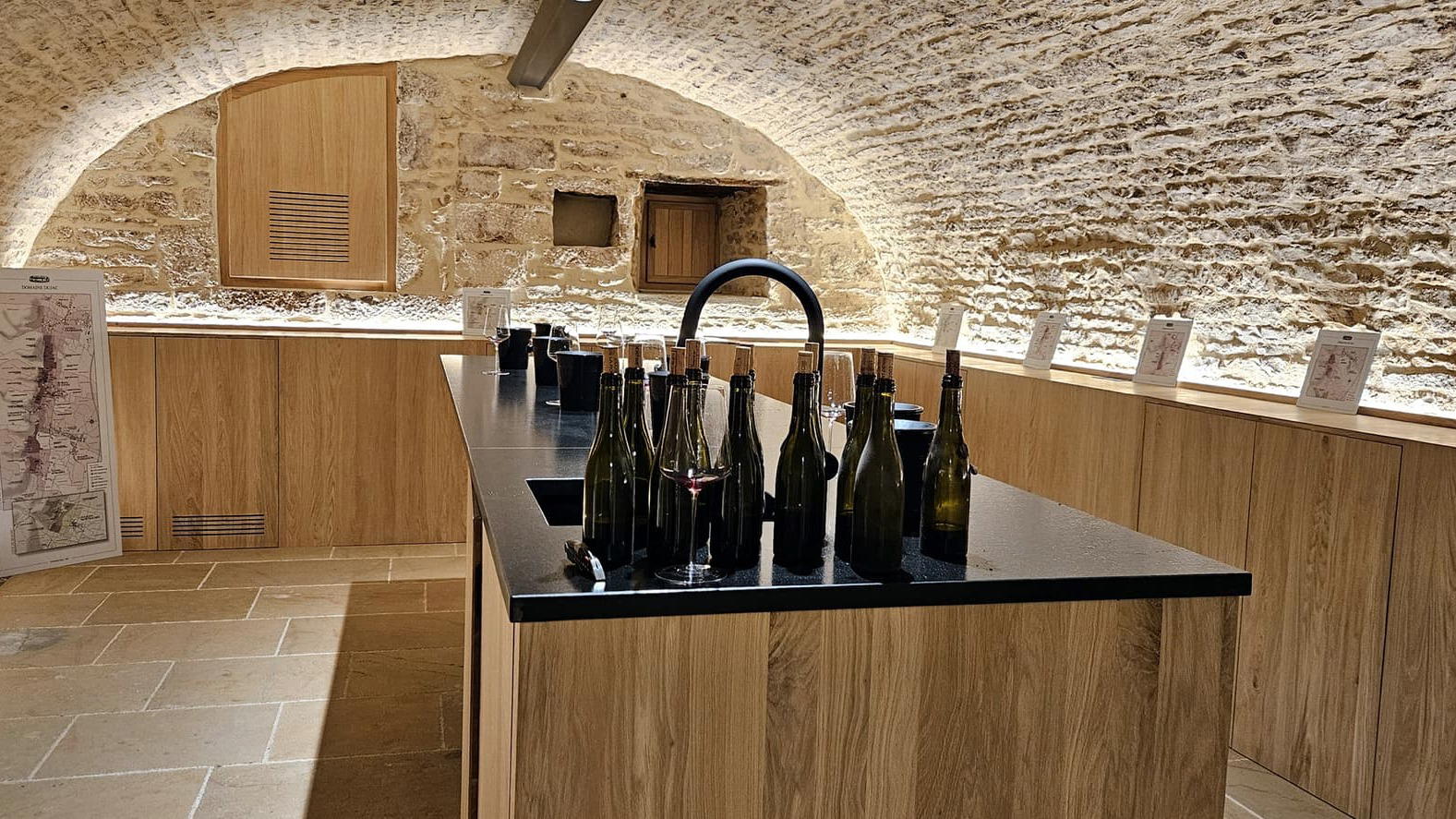
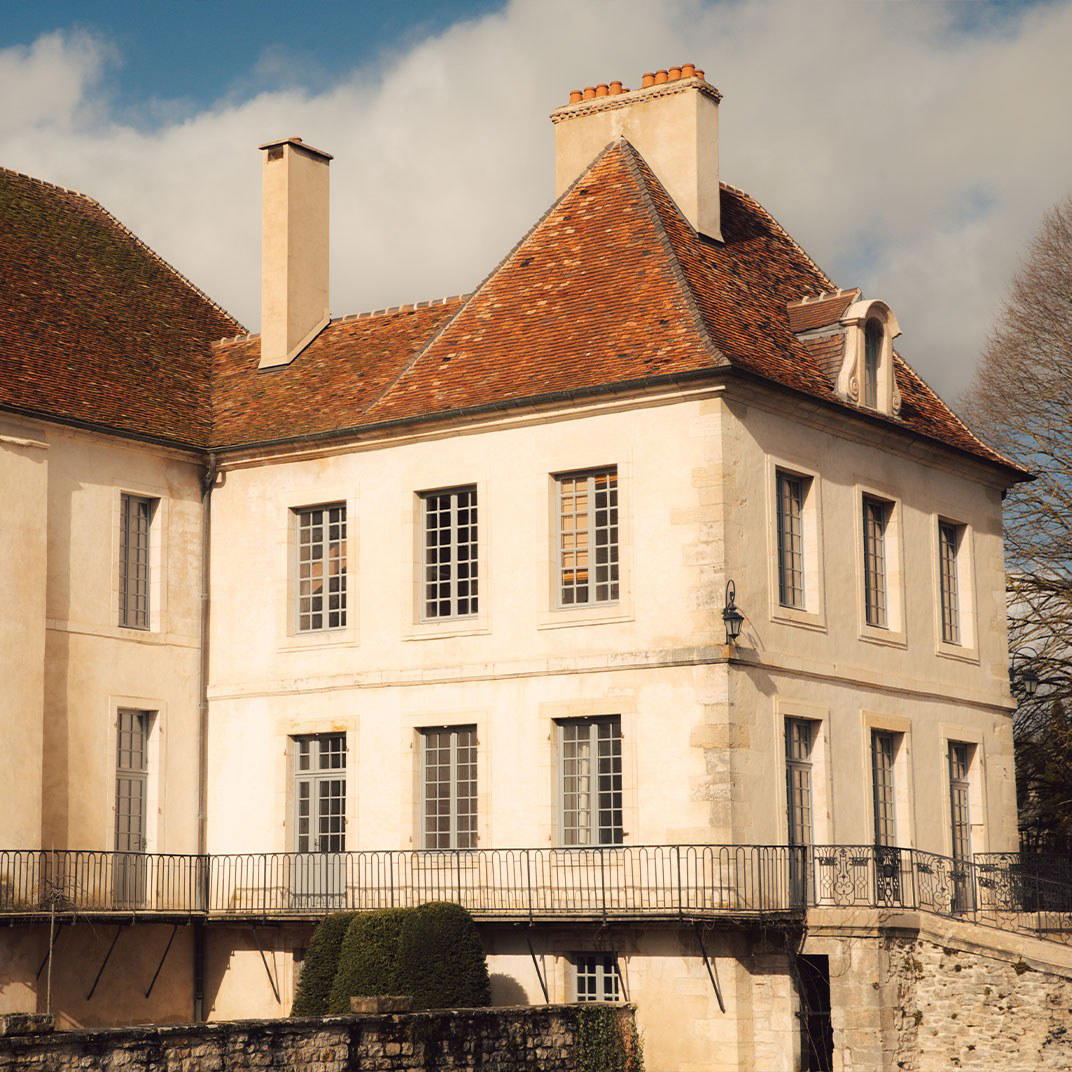
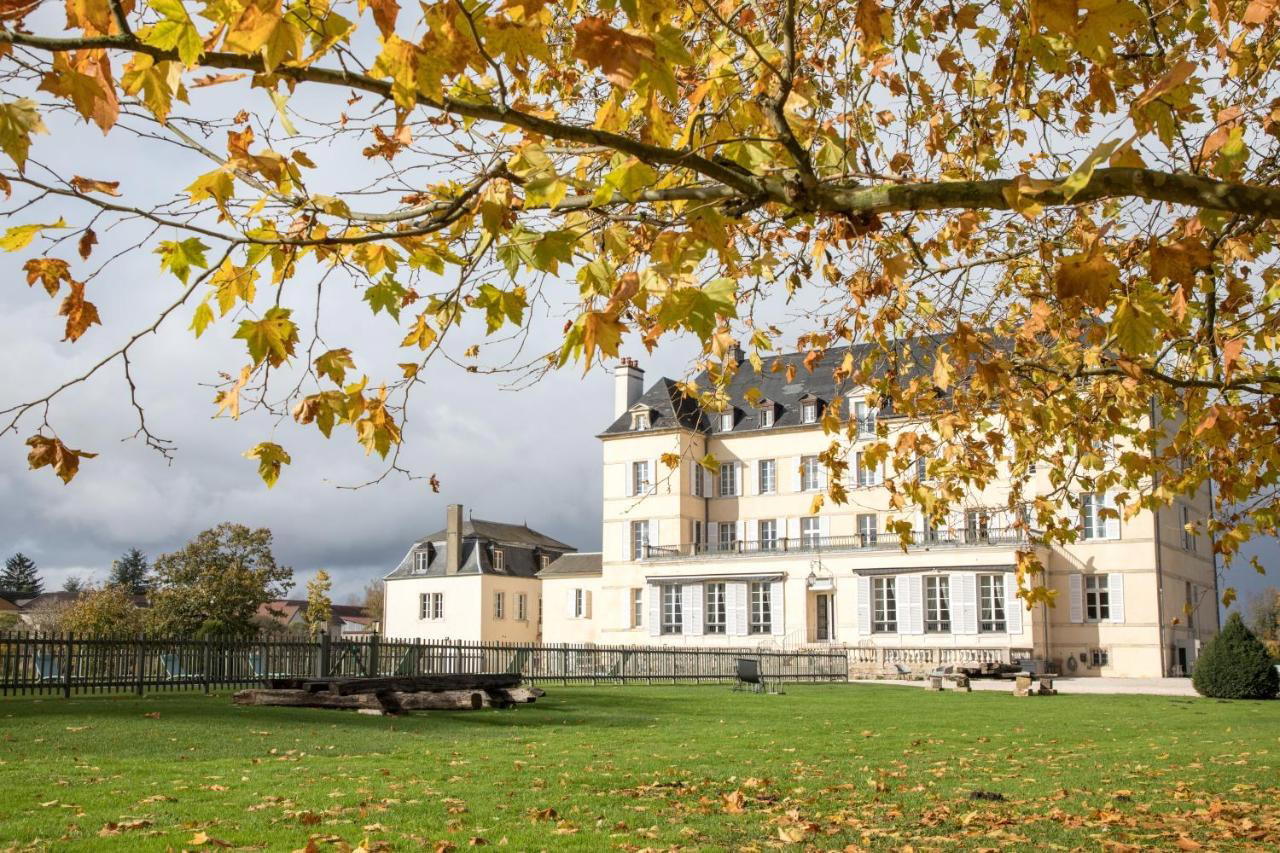
Domaine Duroché sits at Place du Monument in the heart of Gevrey-Chambertin. The domaine works within one of Burgundy's most celebrated appellations, where village, premier cru, and grand cru parcels each carry distinct soil profiles and long agricultural histories. For visitors drawn to growers who take a careful, low-intervention approach to their land, this is a serious address.

Pearl is the En Primeur Club membership app — saves, bookings, and concierge access live there. Same editors, same standards.
- Address
- 5 - 7 Pl. du Monument, 21220 Gevrey-Chambertin
- Phone
- +33 3 80 34 19 10
- Website
- domaine-duroche.com
- Directions
- Get directions
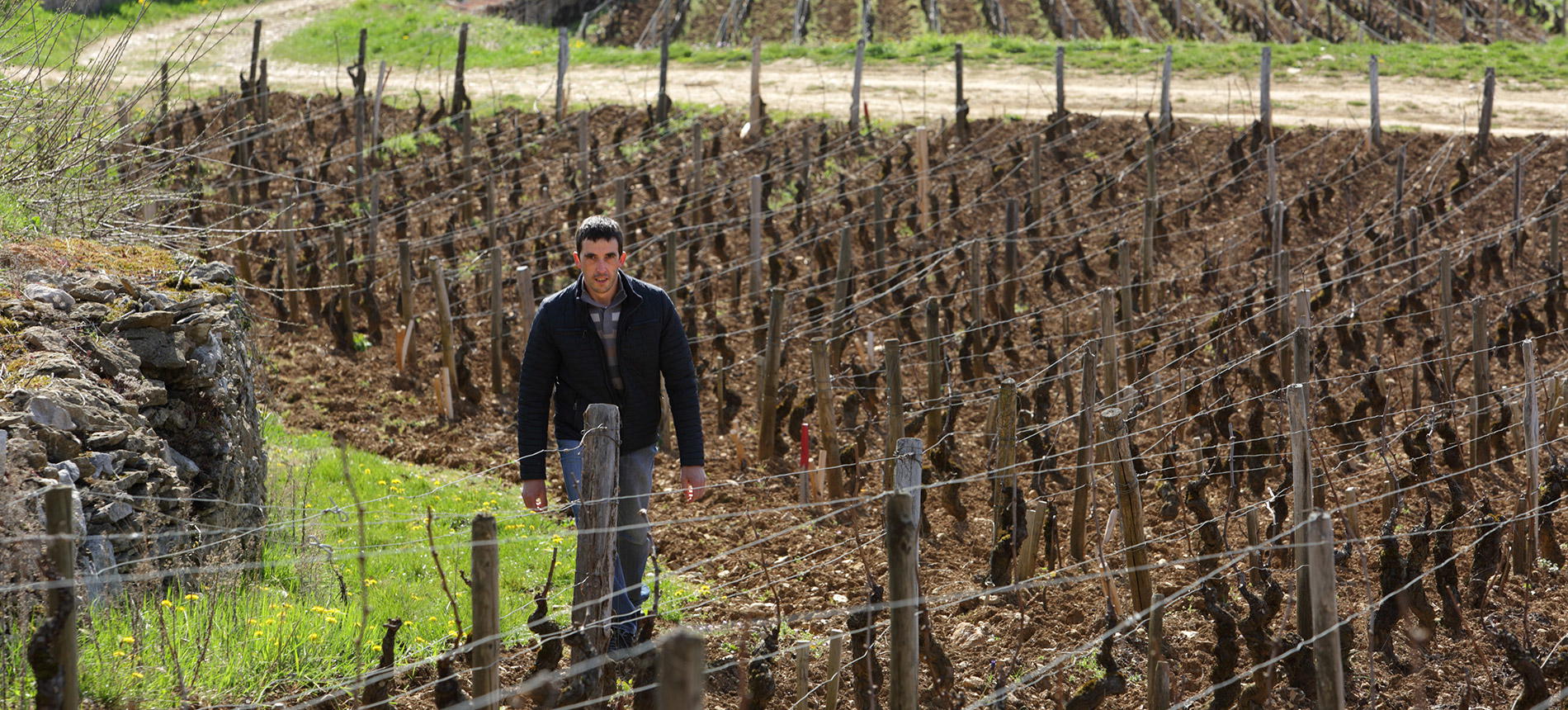
At the Centre of Gevrey's Grower Map
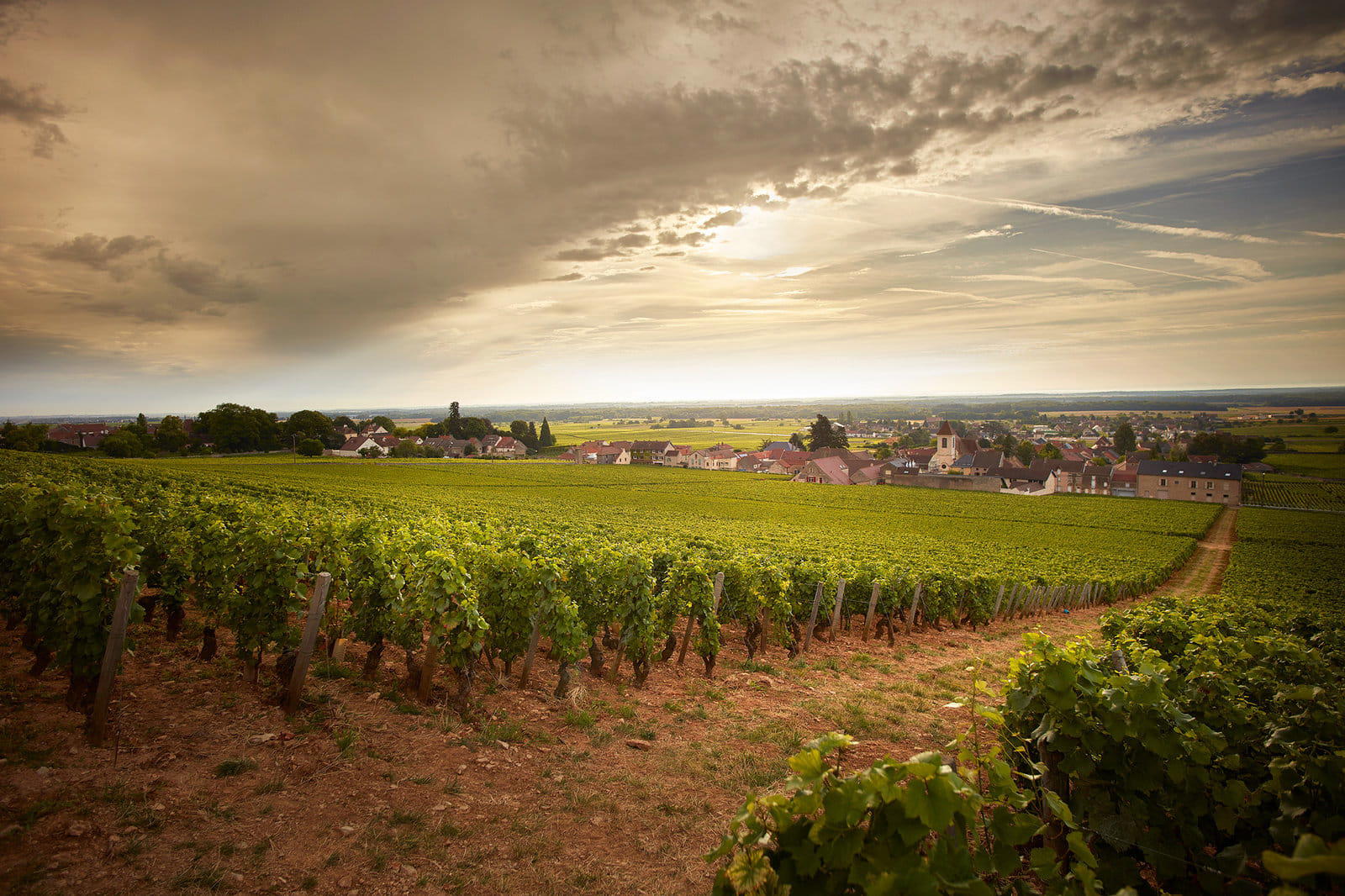
Place du Monument sits at the quiet heart of Gevrey-Chambertin, a few steps from the church and well within walking distance of the village's principal wine addresses. On a still morning, before the coaches arrive from Beaune, the square reads as a working agricultural settlement first and a wine tourism destination second. That ordering is appropriate. Gevrey-Chambertin is home to more grands crus than any other commune in the Côte de Nuits, and the growers who operate here compete not on hospitality infrastructure but on the quality of what goes into the bottle. Domaine Duroché, at 5-7 Place du Monument, occupies this environment directly: a cellar address in the village core, within the same postal orbit as Domaine Dugat-Py, Domaine Drouhin-Laroze, and Domaine Henri Rebourseau.
In Gevrey-Chambertin, where the density of serious domaines is among the highest in all of Burgundy, that kind of recognition carries specific weight. The village's grower roster runs from négociant-scale operations down to micro-domaines working a handful of hectares, and separating them by reputation requires a clear framework. For comparison, Domaine Joseph Roty and Domaine Pierre Damoy represent neighbouring points on that map, each with their own parcel holdings and house styles.
Viticulture and the Sustainability Question in Gevrey
Across the Côte de Nuits, the conversation about viticulture has shifted materially over the past fifteen years. A generation of Burgundian growers moved away from the yield-maximising, chemically managed approach that dominated the post-war decades, and the question of how a domaine manages its soil is now central to how it is assessed critically. Organic and biodynamic certification, once the marker of a committed minority, has become a credibility signal across the appellation. In Gevrey-Chambertin specifically, domaines like Domaine Trapet Père et Fils and Domaine Rossignol-Trapet were early movers toward certified biodynamic work, and their example shifted the expectations placed on the wider village grower community.
The logic behind low-intervention viticulture in Gevrey is not purely philosophical. The commune's soils, particularly the Bathonian limestone and marl-rich profiles that underpin the grand cru belt running from Mazis-Chambertin through to Chambertin and Clos de Bèze, are genuinely complex. When those soils are managed to maintain microbial life and natural drainage, the wines that result tend to show more site specificity, more vertical tension, and longer development in bottle. Growers who have moved toward organic or biodynamic practices in this corridor consistently report that parcel-by-parcel differences, which can be subtle in chemically managed vines, become more pronounced. That site expression is precisely what Burgundy collectors pay a premium to access.
Domaine Duroché's address places it in this broader conversation. The domaine holds parcels across the village's appellation hierarchy, with the potential to work multiple soil types and exposition angles within a relatively contained geography. How the cellar team manages those parcels through the growing season, from cover crop decisions to harvest timing to sulphur use in the vineyard, shapes the signature of what reaches the bottle as much as any decision made in the cave.
Gevrey-Chambertin's Grower Ecology
Understanding Domaine Duroché requires some sense of the ecosystem it operates within. Gevrey is not Chambolle or Vosne, where a smaller number of flagship domaines command nearly all critical attention. The village has a wider, flatter distribution of quality, with a large number of producers working competently at village level and a smaller but still substantial cohort operating across premier and grand cru parcels. That density creates a competitive reference frame that is more demanding in some ways than in appellations where hierarchy is more sharply defined.
The domaines that have consistently distinguished themselves in Gevrey tend to share certain characteristics: careful parcel selection, a willingness to declassify in weaker vintages, and a cellar approach that keeps new oak influence proportionate to the weight of the wine. The village's Pinot Noir, grown on soils with meaningful iron content in the upper-slope sections and more clay in the lower village vineyards, can absorb oak badly if the percentage is misjudged. The growers who have earned sustained critical attention in this village understand that constraint and work within it. This is the tradition within which Domaine Duroché operates, and against which it is naturally assessed.
For visitors building a serious itinerary across the Côte de Nuits, Gevrey is a productive base. The village sits roughly midway along the Côte, accessible from Beaune in under thirty minutes by road, and its concentration of domaines makes it possible to cover considerable ground without leaving the commune. Our full Gevrey-Chambertin guide maps the broader picture, including accommodation and dining context for those spending more than a day in the area.
Where Duroché Sits in the Wider French Premium Wine Picture
France's premium wine geography is diverse enough that Gevrey-Chambertin growers occupy a specific and self-contained niche. The Pinot Noir-driven Côte de Nuits model is structurally different from, say, the Riesling-focused work being done by Albert Boxler in Niedermorschwihr, or the Sauternes-region Sémillon blends produced by Château Bastor-Lamontagne in Preignac. The left-bank Bordeaux frame, in which classification and château reputation drive value, operates on entirely different logic from what growers in Gevrey navigate. Properties like Château Batailley in Pauillac or Château Branaire Ducru in St-Julien are assessed primarily against their 1855 classification position; in Gevrey, the currency is parcel identity and annual vintage assessment. Château Bélair-Monange in Saint-Emilion and Château Boyd-Cantenac in Cantenac offer further points of comparison for collectors who track quality across multiple French appellations.
Outside France, parallel conversations about terroir-driven viticulture and low-intervention cellar work are happening in equally distinct registers. Accendo Cellars in St. Helena represents a Napa approach to premium Cabernet that prioritises restraint, while Aberlour in Aberlour and Chartreuse in Voiron sit in entirely different premium beverage categories.
Planning a Visit
Domaine Duroché is located at 5-7 Place du Monument in the village centre of Gevrey-Chambertin, accessible from the A31 motorway with the village exit signposted from the main Beaune-Dijon axis. The domaine does not publish booking details or visiting hours in the public record held by EP Club. Visits to working Burgundian cellars of this calibre are typically arranged in advance by phone or through personal introduction, and the harvest and bottling calendar shapes availability significantly. Visitors planning time in the village during the autumn harvest period, generally September into early October depending on the vintage, should book well ahead. The Côte de Nuits is at its least forgiving for spontaneous visits during the weeks surrounding harvest and the Hospices de Beaune auction in November. A measured approach to the visit is consistent with how the leading Gevrey domaines tend to operate.
Standing Among Peers
Comparable venues nearby, for context on price, style, and recognition.
| Venue | Cuisine | Awards | Notes |
|---|---|---|---|
| Domaine DurochéThis venue — the venue you are viewing | Pinot Noir, Chardonnay | Michelin 1 Grape · Falstaff Winery - Listed | Not listed |
| Domaine Pierre Damoy | Pinot Noir | Not listed | Gevrey-Chambertin |
| Domaine René Bouvier | Pinot Noir, Chardonnay | Not listed | Gevrey-Chambertin |
| Domaine Trapet Père et Fils | Pinot Noir, Gamay | Michelin 1 Grape · Falstaff Winery - Listed | Gevrey-Chambertin |
| Domaine Joseph Roty | Pinot Noir | Michelin 1 Grape · Falstaff Winery - Listed | Gevrey-Chambertin |
| Domaine Henri Rebourseau | Pinot Noir | Falstaff Winery - Listed | Gevrey-Chambertin |
Recognition history
Dated appearances from independent guides and award organizations, with the underlying list record or original source where available.
Michelin 1 Grape
Michelin · 2026 Michelin 1 Grape - Burgundy
Falstaff Winery - Listed
Falstaff
Continue exploring
More in Gevrey-Chambertin
Wineries in Gevrey-Chambertin
Browse all →
Bars in Gevrey-Chambertin
Browse all →
Restaurants in Gevrey-Chambertin
Browse all →
Details
- Elegant
- Classic
- Intimate
- Sophisticated
- Wine Education
- Special Occasion
- Solo Exploration
- Vineyard Tour
- Cave Tasting
- Estate Grounds
- Organic
- Vineyard
- Pinot Noir
- Chardonnay
- Still Red
- Cave Tasting
- Private Tasting
- French
Refined and understated with an atmosphere of precision and harmony, featuring wines of finesse, minerality, and elegance.