

Domaine Roulot pairs quiet cave tastings with vineyard views and organic, biodynamic sourcing at 1 Rue Charles Giraud, Meursault, with Michelin 1 Grape recognition in 2026.
Pearl is the En Primeur Club membership app — saves, bookings, and concierge access live there. Same editors, same standards.
- Address
- 1 Rue Charles Giraud, 21190 Meursault
- Phone
- +33 3 80 21 21 65
- Website
- domaineroulot.fr
- Directions
- Get directions
 Saves & bookings on Pearl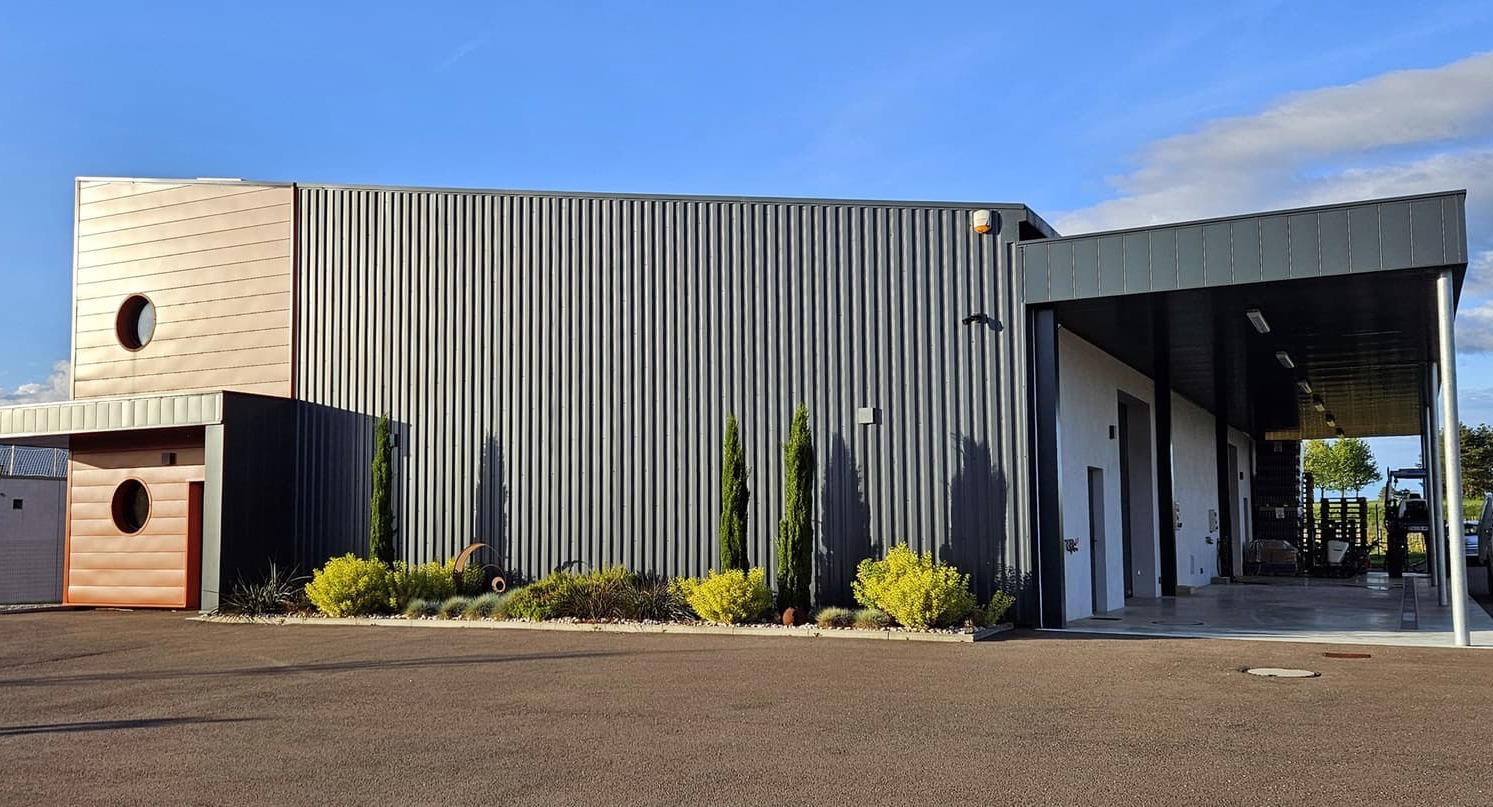
Meursault's tradition of estate-bottled white Burgundy sits on the practices consolidated in the decades after the Second World War, when négociant dominance began to yield to domaine-direct production. Domaine Roulot, founded by the Roulot family in the mid-twentieth century, operates as one of the benchmark producers inside that shift, a 13-hectare operation holding parcels across Meursault's premier cru and village appellations, now in its third generation under winemaker Jean-Marc Roulot. The domaine's cellar program follows the Meursault village norm: extended lees ageing in barrel, minimal racking, natural malolactic fermentation, bottling without filtration, a protocol shaped by the Leflaive and Coche-Dury lineages that defined the appellation's technical standard from the 1970s forward. Roulot's holdings include parcels in Les Perrières, Les Charmes, and Les Tessons premier crus, and village-level Meursault from multiple lieux-dits; the total annual production sits at approximately 5,000 to 6,000 cases, with allocation-list distribution dominant in export markets and limited retail availability in France. Jean-Marc Roulot took operational control of the domaine in 1989 following the death of his father Guy Roulot, and has held that position continuously for over three decades, a single-winemaker tenure comparable to Dominique Lafon's run at Domaine des Comtes Lafon and Anne-Claude Leflaive's tenure at Domaine Leflaive during the same span. The domaine does not carry formal organic or biodynamic certification, but vineyard management follows low-intervention protocols standard to the appellation's top tier: hand-harvesting, indigenous-yeast fermentation, minimal SO2 additions at bottling. Roulot's cellar sits in the village of Meursault; visits are by appointment only and function as trade access rather than public tasting-room experience. The operation holds no Michelin recognition (irrelevant to wine production) but sits inside the consensus top-five Meursault producers by allocation-list pricing and critical commentary across Decanter, Vinous, Burghound, and Wine Advocate.
The Meursault appellation's technical baseline for premier cru production centres on barrel ageing in 228-litre Burgundy pièces, with new-oak percentages varying by producer but typically running between 20% and 40% for premier cru parcels and lower percentages for village-level bottlings. Roulot's oak regime sits at the restrained end of that spectrum, approximately 20% to 25% new oak for premier cru cuvées, with the remainder in one- and two-year-old barrels, and village Meursault aged predominantly in older wood. Fermentation is conducted with ambient cellar yeasts; the domaine does not inoculate. Lees contact extends through the full élevage, typically 12 to 15 months, with minimal batonnage, a technique that distinguishes the Roulot house style from the more interventionist stirring programs practised at some neighbouring estates. Malolactic fermentation proceeds naturally and is not blocked; the resulting wines carry higher acidity than arrested-malo styles but show less of the pronounced buttery character associated with full malolactic conversion in warmer-vintage Chardonnay. The technical outcome of this cellar program is a house style that sits between the richness of Coche-Dury and the mineral austerity of Domaine Leflaive, wines that show pronounced stone-fruit and hazelnut aromatics in youth, develop savoury complexity with five to ten years of bottle age, and carry sufficient structure to hold for two decades in strong vintages.
Roulot's premier cru holdings form the core of the domaine's recognition. Les Perrières, a 13-hectare climat situated on the mid-slope above the village, is often treated as Meursault's single leading premier cru and the parcel most frequently cited as deserving grand cru reclassification inside Burgundy's appellation debates. Roulot farms approximately 1 hectare within Les Perrières, producing roughly 300 to 400 cases annually. The parcel sits on thin topsoil over limestone bedrock, yielding wines with tighter structure and higher natural acidity than the richer, more ornate premier crus (Les Charmes, Les Genevrières) situated lower on the slope. Roulot's Perrières bottling follows the same cellar protocol as the domaine's other premier cru cuvées but typically receives slightly longer lees ageing and is among the last wines to be bottled each year. The cuvée has been scored above 90 points by multiple critics in strong vintages (2014, 2017, 2019, 2020) and sits inside the allocation tier that also includes Coche-Dury Perrières and Lafon Perrières, wines released at approximately €150 to €200 per bottle on the négociant market and trading at multiples of that figure on the secondary market within five years of release. Roulot's Les Charmes parcel, approximately 0.5 hectares, produces a richer, more immediately accessible style; Les Tessons, a smaller parcel, yields a cuvée positioned between the two in weight and structure. Village-level Meursault from various lieux-dits (Tillets, Luchets, Meix Chavaux) accounts for the majority of the domaine's annual production and is priced at approximately €50 to €70 per bottle on release, a tier that places it above entry-level village Meursault from cooperative producers but below the allocation-tier village cuvées from Coche-Dury and Lafon.
Jean-Marc Roulot's tenure has been marked by incremental refinements to the domaine's viticulture rather than by radical cellar innovation. Vineyard density remains at the Burgundy standard of approximately 10,000 vines per hectare; yields are controlled through green-harvesting and selective bunch-thinning to target 40 to 45 hectolitres per hectare for premier cru parcels, slightly above the appellation minimum but below the yields practised by volume-oriented producers. Harvest timing is determined by taste-testing of must samples rather than by fixed Brix or pH targets, a practice that has pushed picking dates later in warmer vintages (2018, 2019, 2020) to preserve acidity. The domaine has not adopted the earlier-picking protocols some Burgundy producers implemented in response to climate warming; Roulot's approach sits closer to the Lafon model of later harvest with selective sorting than to the Leflaive model of earlier picking to retain freshness. Cellar work remains deliberately minimal: no pre-fermentation cold soak, no post-fermentation maceration, no enzymes, no acid adjustment. The resulting wines reflect terroir variation across parcels more transparently than heavily manipulated cuvées, a characteristic valued by the trade but sometimes read as austerity by consumer critics in lean vintages (2016, 2021). Roulot's bottlings do not chase ripeness or immediate approachability; the house style privileges structure and age-worthiness over early drinking pleasure, a positioning that aligns the domaine with the Burgundy tradition of cellar-release wines intended for further bottle development rather than with the more fruit-forward, immediate-consumption styles that have gained market share in export markets since the 2000s.
Access to Roulot's wines follows the allocation model standard to Burgundy's upper-tier domaines. The majority of annual production is committed to long-term négociant contracts and to a mailing-list allocation that has been closed to new members for more than a decade. Retail availability is limited to sporadic releases through a small number of specialist importers in the United States, the United Kingdom, and northern Europe; the wines do not appear on general retail shelves and are rarely offered at list price outside the allocation network. Restaurant placement is similarly constrained: sommeliers seeking to list Roulot must typically source through auction, secondary market, or direct negotiation with allocation-list holders. The domaine does not operate a public tasting room, and cellar visits are restricted to trade professionals, established clients, and credentialed press; advance appointments are required and are granted selectively. For trade buyers, Roulot functions as an allocation-tier asset rather than as a sourcing opportunity; for consumers, the domaine's wines are encountered primarily through restaurant lists and auction rather than through retail purchase. The operational distinction between allocation-tier and retail-tier Burgundy producers is among the sharpest category divides in fine wine, and Roulot sits unambiguously on the allocation side of that line. The domaine does not pursue the radical minimal-intervention protocols of natural-wine producers; SO2 is used, barrels are topped, malolactic fermentation is completed, but cellar work is deliberately restrained relative to the more manipulated programs practised at some export-focused estates. The comparison set for Roulot's premier cru bottlings includes Lafon Perrières, Coche-Dury Perrières, and the upper-tier cuvées from Domaine Pierre Girardin; village-level Roulot Meursault competes inside the tier that includes Lafon village, Pierre Morey village, and the entry-level cuvées from Jobard-Morey. Pricing and critical scoring place Roulot in the consensus top five Meursault producers, alongside Coche-Dury, Lafon, Leflaive, and Arnaud Ente. Among these five, Roulot occupies the mid-point in terms of new-oak usage, lees-stirring intensity, and harvest ripeness, neither especially austere (Leflaive) nor especially ornate (Coche-Dury), but positioned as a technically rigorous, terroir-expressive reference inside the appellation's stylistic range. For sommeliers building Burgundy lists, Roulot functions as a benchmark Meursault producer whose presence on the list signals access to allocation-tier sources; for collectors, the domaine's wines are valued for their age-worthiness and for their relatively restrained secondary-market pricing compared to Coche-Dury. The operational scale of the domaine, 13 hectares, 5,000 to 6,000 cases annually, sits at the upper end of the family-estate model but remains well below the production volumes of négociant-backed operations, and the single-winemaker continuity under Jean-Marc Roulot since 1989 provides the kind of stylistic consistency that allocation-list buyers prioritise. For context on Burgundy's allocation-tier domaine structure and the lineage of estate-bottled white Burgundy, see Burgundy wine region. For comparison with grand cru-tier Burgundy producers outside Meursault, see Domaine de la Romanée-Conti, Burgundy in Vosne-Romanée, Domaine Georges Roumier in Chambolle-Musigny, Domaine Dugat-Py in Gevrey-Chambertin, and Domaine Cécile Tremblay in Morey-Saint-Denis. For other Made By coverage in Meursault, see our full Meursault restaurants guide, our full Meursault hotels guide, our full Meursault bars guide, and our full Meursault experiences guide.
A Minimal comparable set
Comparable venues nearby, for context on price, style, and recognition.
| Venue | Cuisine | Price |
|---|---|---|
| Domaine RoulotThis venue — the venue you are viewing | Meursault, Chardonnay, Pinot Noir | $$$$ |
| Domaine Fabien Coche | Meursault, Chardonnay, Pinot Noir | $$$$ |
| Domaine Pierre Matrot - Thierry et Pascale Matrot | Meursault, Chardonnay, Pinot Noir | $$$ |
| Domaine Henri Boillot | Meursault, Chardonnay, Pinot Noir | $$$$ |
| Domaine Jacques Prieur | Meursault, Pinot Noir, Chardonnay | $$$$ |
| Domaine Yves Boyer-Martenot | Meursault, Chardonnay, Pinot Noir | $$$ |
Recognition history
Dated appearances from independent guides and award organizations, with the underlying list record or original source where available.
Falstaff Winery - Listed
Falstaff
Michelin 1 Grape
Michelin · 2026 Michelin 1 Grape - Burgundy
Continue exploring
More in Meursault
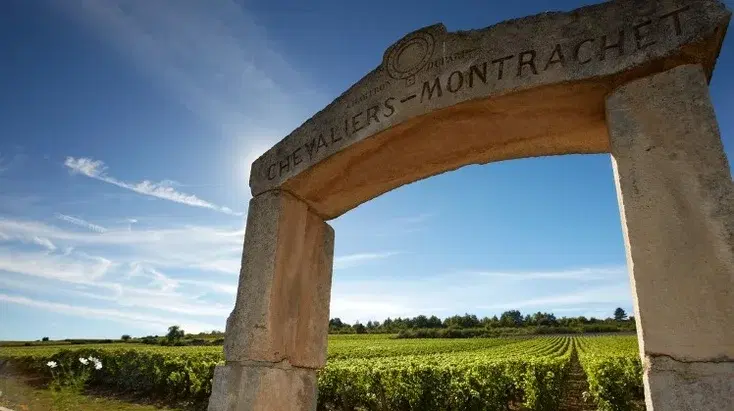
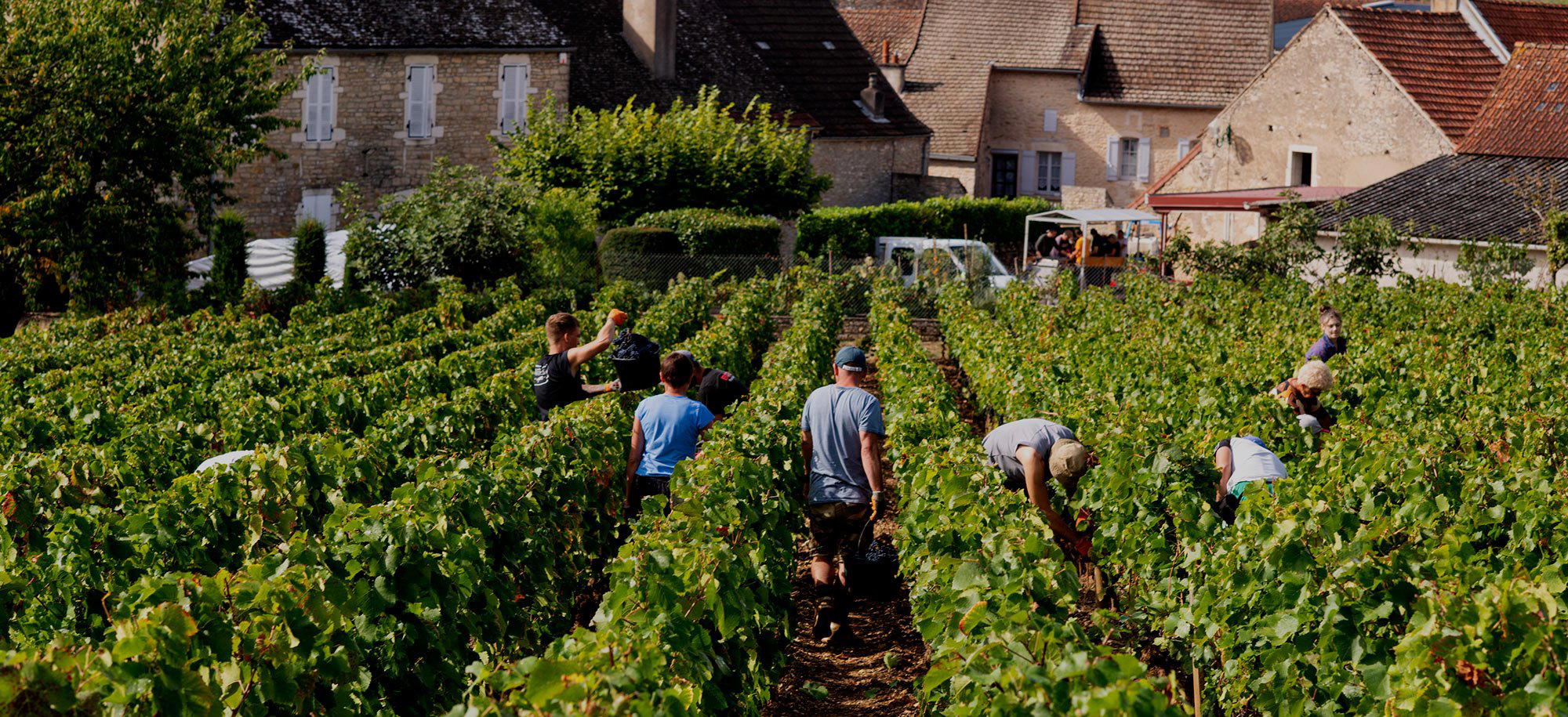
Wineries in Meursault
Browse all →
Bars in Meursault
Browse all →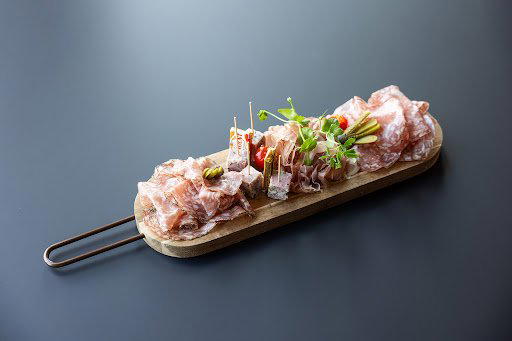
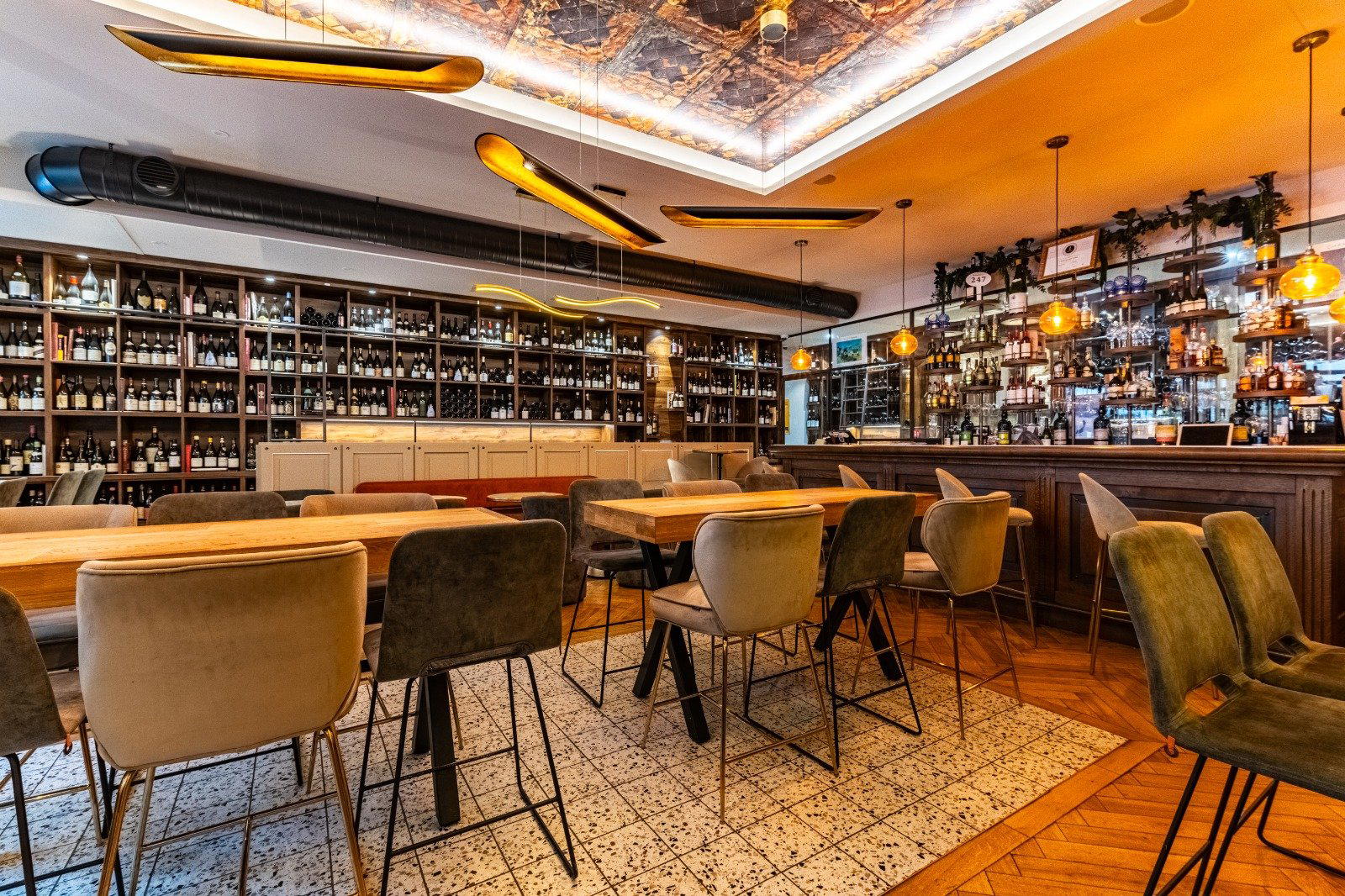
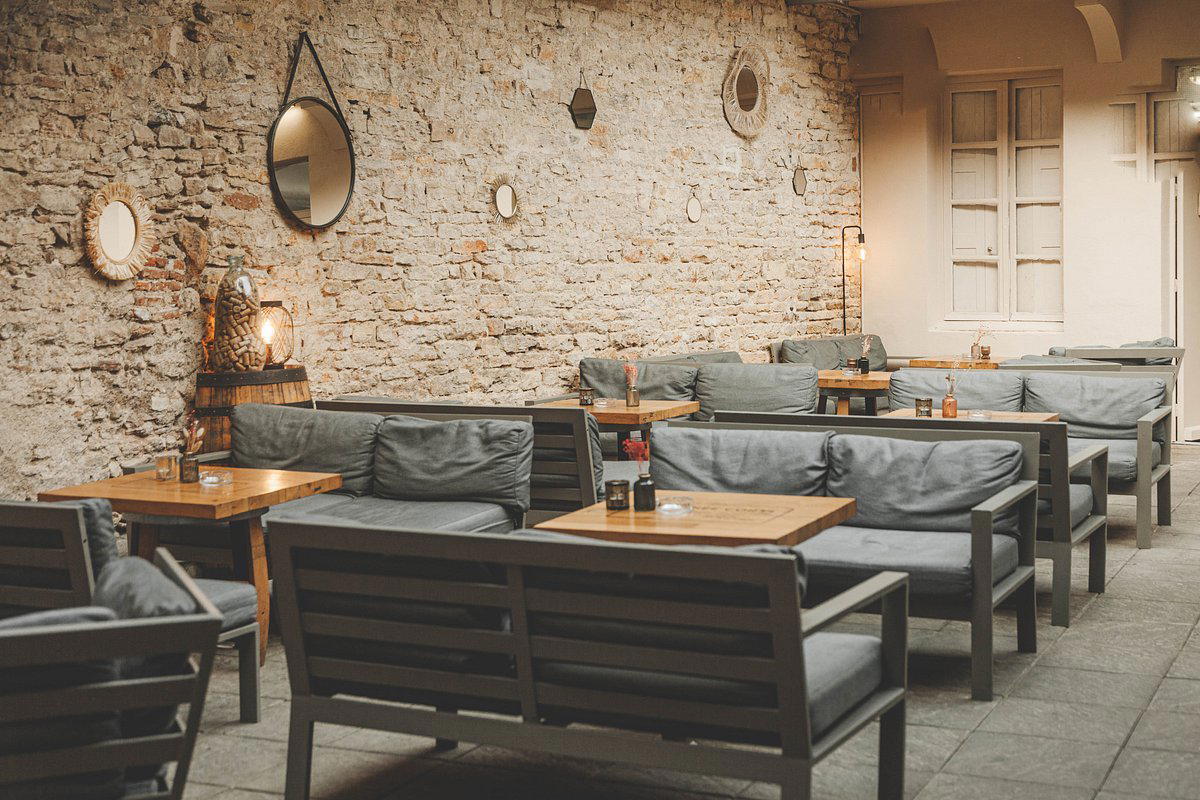
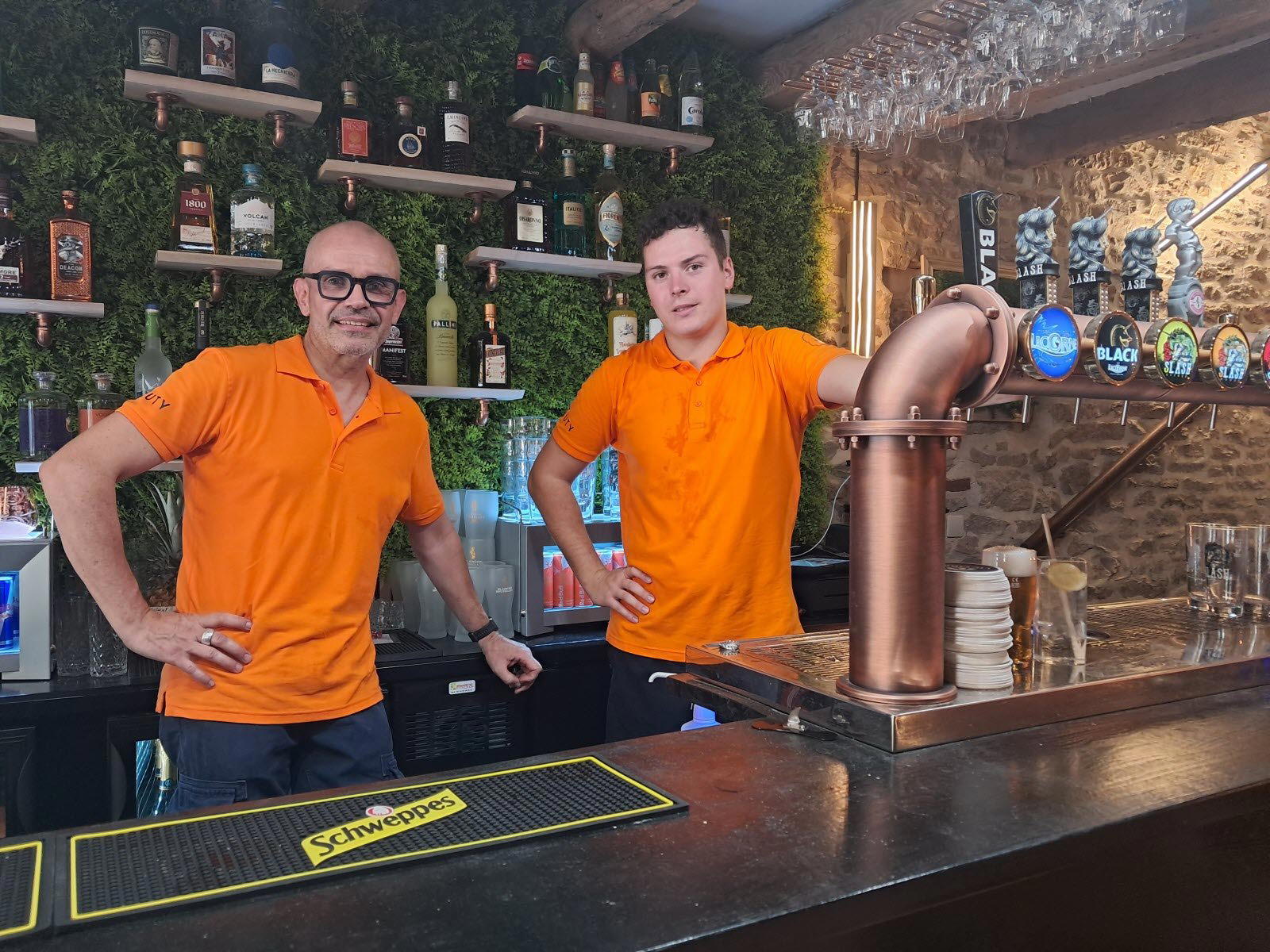
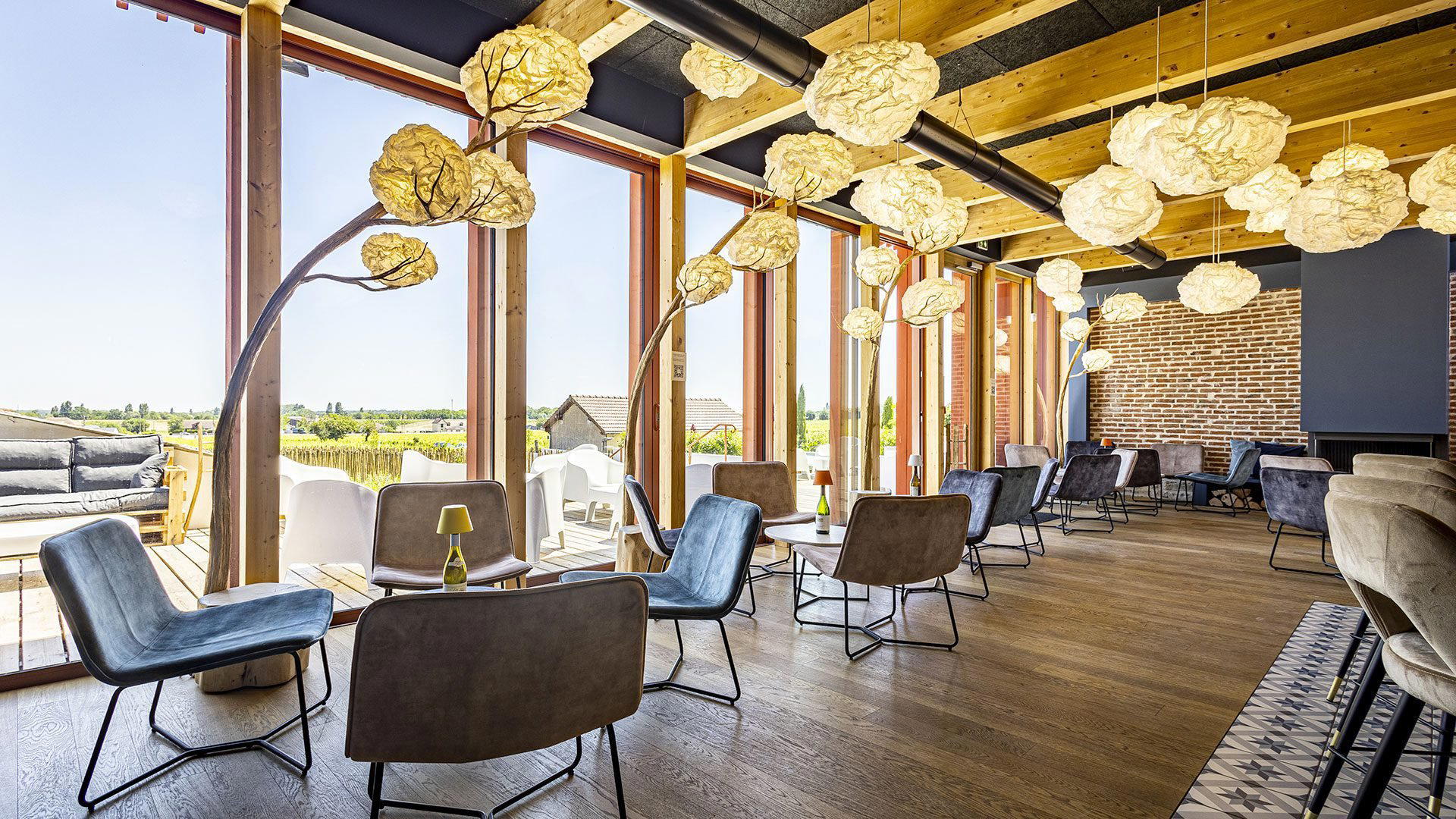
Restaurants in Meursault
Browse all →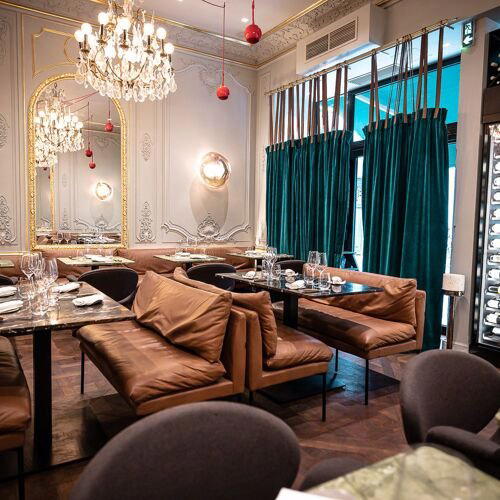
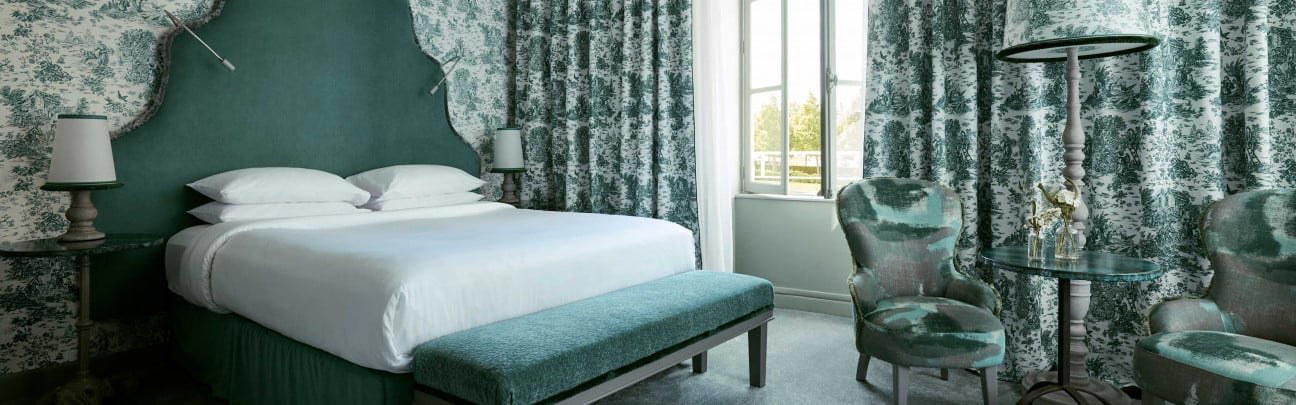
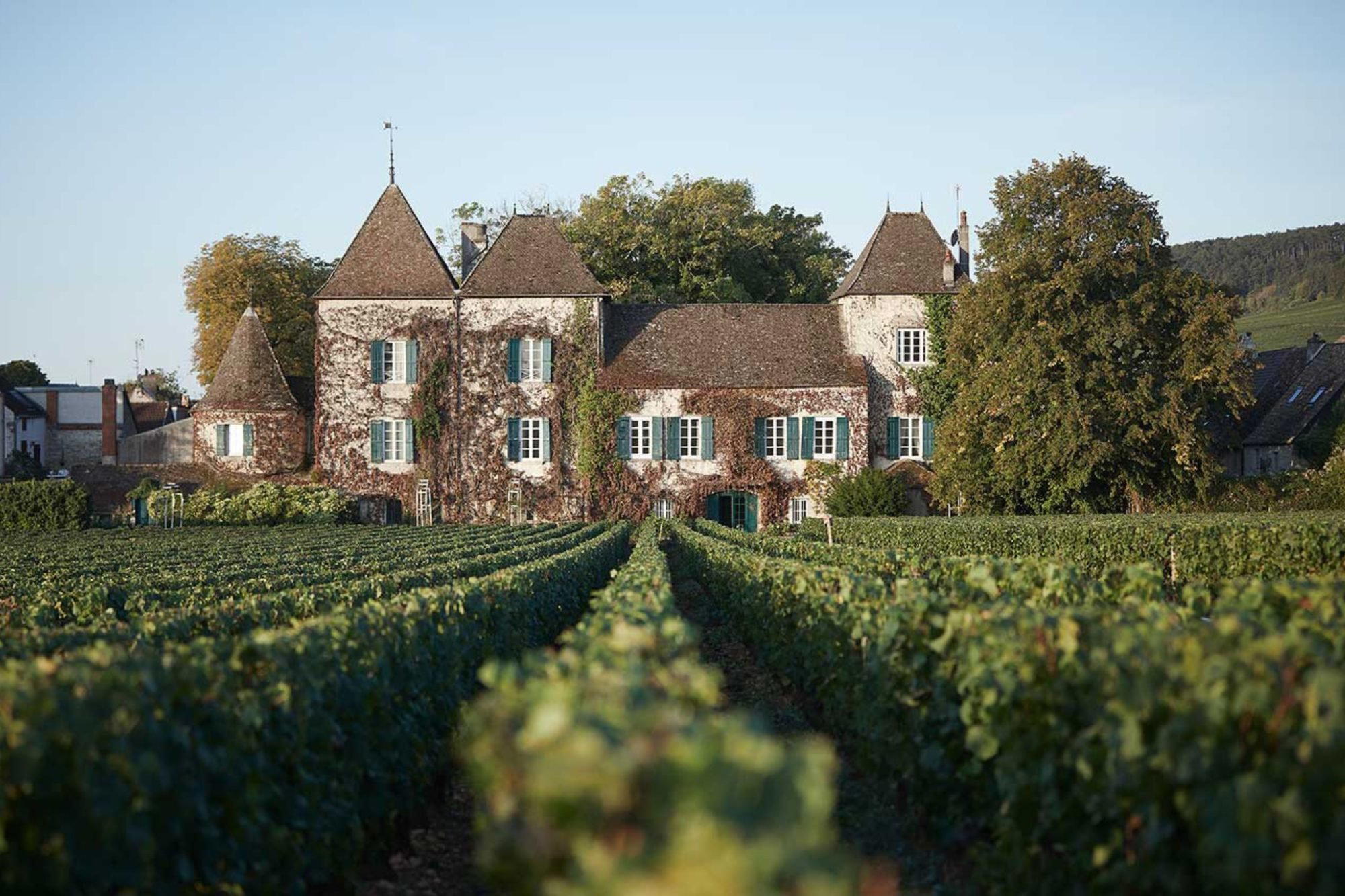
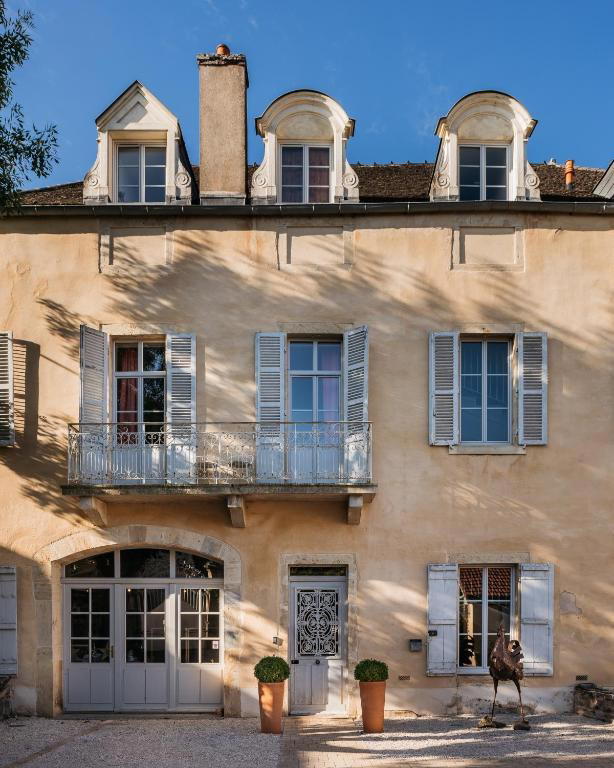
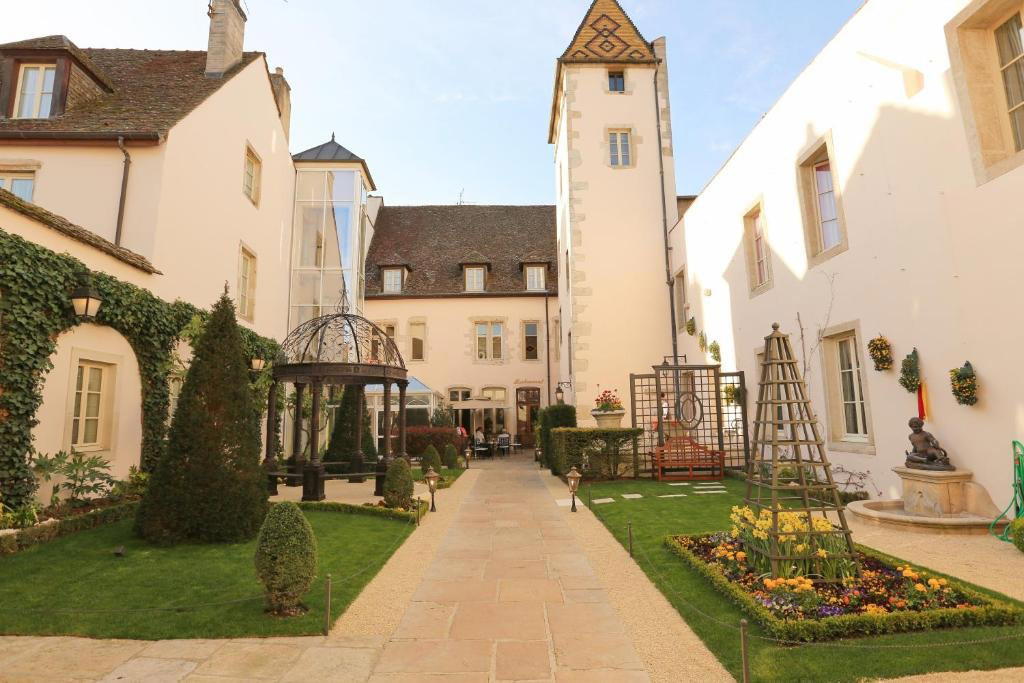
At a Glance
- Elegant
- Classic
- Sophisticated
- Intimate
- Wine Education
- Special Occasion
- Solo Exploration
- Cave Tasting
- Vineyard Tour
- Estate Grounds
- Organic
- Biodynamic
- Vineyard
- Meursault AOC
- Chardonnay
- Pinot Noir
- Aligoté
- Still White
- Single Vineyard
- Premier Cru
Refined and elegant with a focus on terroir-driven purity and subtlety.