
Château de la Tour sits on the Rue de la Montagne in Vougeot, at the heart of one of Burgundy's most storied appellations.. For those tracking Côte de Nuits terroir at close range, this address carries real weight.
Pearl is the En Primeur Club membership app — saves, bookings, and concierge access live there. Same editors, same standards.
- Address
- Rue de la Montagne, 21640 Vougeot
- Phone
- +33 3 80 62 86 13
- Website
- chateaudelatour.com
- Directions
- Get directions
 Saves & bookings on Pearl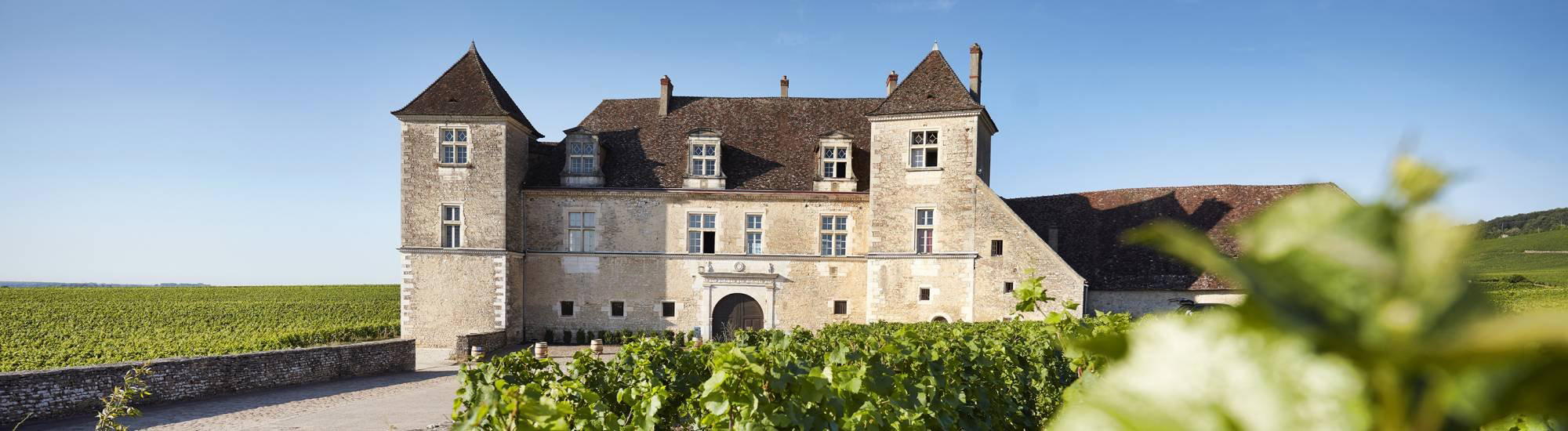
Where the Clos Begins
Approach Vougeot from the D974 and the Clos de Vougeot's stone wall arrives before almost anything else does. It is one of Burgundy's defining physical facts: a medieval enclosure that has shaped the commercial and cultural logic of Pinot Noir for centuries. Château de la Tour sits along the Rue de la Montagne within that geography, not as an outlier but as one of the appellation's resident estates.
The Clos de Vougeot grand cru spans roughly 50 hectares, divided across more than 80 owners, which makes estate concentration a meaningful variable. Producers holding meaningful contiguous parcels within that wall can express single-block characteristics rather than blending across the appellation's range of subsoils. That internal geography matters because Vougeot's geology shifts considerably from its upper slopes, where Comblanchien limestone delivers tighter, more mineral wine, to its lower reaches, where clay content increases and structure becomes broader. Understanding where within the Clos a producer's parcels sit is the first interpretive question for anyone serious about the appellation.
Terroir as the Primary Argument
Burgundy's commercial identity rests on the idea that place, not producer intervention, generates the primary flavour signal in the glass. This proposition is tested most rigorously in the Côte de Nuits, where the grands crus between Gevrey-Chambertin and Nuits-Saint-Georges represent the densest concentration of high-stakes terroir claims anywhere in France. The Clos de Vougeot sits near the geographic centre of that strip, and its enclosed, single-appellation format makes it something of a laboratory for the question of whether a grand cru designation survives the fragmentation of ownership intact.
The short answer from serious critics is: it depends entirely on the producer's parcel position and farming approach. Estates working upper-slope plots in the Clos tend to produce wines with more lift and definition, while lower-slope fruit can yield fuller, richer structure but risks losing the precision that makes Côte de Nuits Pinot identifiable at the appellation level.
For comparative orientation, other rated French estates provide a useful peer map. Château Bastor-Lamontagne in Preignac and Château Batailley in Pauillac operate within Bordeaux's classification logic, where appellation and château reputation are more tightly fused. Burgundy's model is structurally different: the vineyard, not the château, is the primary classification unit, which means an estate like Château de la Tour is evaluated through its relationship to the Clos rather than through a standalone property hierarchy.
The Côte de Nuits Context
Vougeot as a village produces wine at multiple classification levels — village, premier cru, and grand cru, but the Clos de Vougeot grand cru dominates the appellation's international profile. The broader Côte de Nuits context places this in perspective: producers in Gevrey-Chambertin work with a larger and more varied grand cru portfolio, while those in Chambolle-Musigny draw on a reputation built around elegance and aromatic finesse. Vougeot occupies a middle register in that conversation, valued for structure and cellaring potential more than immediate accessibility.
The comparison is useful because both regions have built premium identities around the argument that geography is the irreducible variable. In Burgundy, that argument is most concentrated in the Côte de Nuits, and the Clos de Vougeot is among its most legible demonstrations.
Longer-term cellaring potential is a relevant frame for any Clos de Vougeot producer rated at the prestige tier. Grands crus from this appellation typically require five to ten years of bottle age before the structural tannins integrate fully, and well-stored examples from strong vintages can develop over two decades. The 2015 and 2019 vintages are broadly cited as reference points for contemporary Côte de Nuits Pinot, offering the ripeness and concentration needed to reward extended cellaring without sacrificing appellation character.
Visiting and Planning
Vougeot is a small village between Chambolle-Musigny and Nuits-Saint-Georges, accessible by car from Beaune in approximately 25 minutes via the D974. The village and surrounding Clos are a logical stop on any structured Côte de Nuits itinerary, particularly for visitors who want to move sequentially through the appellation's grands crus rather than treating individual estates as isolated destinations. The Château du Clos de Vougeot, the medieval seat of the Confrérie des Chevaliers du Tastevin, is open for visits and provides architectural context for the appellation's history that complements any estate visit in the area.
For estates in the broader French premium tier, the booking and visit model varies considerably. Château Branaire Ducru in St-Julien and Château Cantemerle in Haut-Médoc operate within Bordeaux's château-visit infrastructure, which is generally more visitor-oriented than Burgundy's more private, appointment-driven model. In Burgundy, direct contact with the estate in advance is standard practice rather than optional. Specific booking procedures for Château de la Tour should be confirmed through the estate directly given the absence of published contact details here, but this reflects the norm across serious Côte de Nuits producers rather than any particular inaccessibility.
Visitors to the broader region will find a range of additional reference points worth tracking. Château Clinet in Pomerol and Château Bélair-Monange in Saint-Emilion illustrate how the right-bank Bordeaux model handles terroir-specific argument in Merlot-dominant appellations, a contrast that sharpens the Pinot-centred logic of Burgundy's grands crus. For those building a broader French wine itinerary, Château d'Arche in Sauternes and Château d'Esclans in Courthézon complete a picture of France's appellation diversity. Our full Vougeot restaurants guide covers additional eating and drinking options in the area for those building a multi-day itinerary around the Côte de Nuits.
For those extending a French wine trip beyond the classic appellations, Chartreuse in Voiron offers a different order of French production heritage, while Château Boyd-Cantenac in Cantenac and Château Dauzac in Labarde round out a Margaux-appellation comparison for Bordeaux-focused travellers. For non-French reference, Accendo Cellars in St. Helena and Aberlour in Aberlour represent premium production in Napa and Speyside respectively, offering a sense of how Château de la Tour's prestige-tier positioning maps against international benchmarks outside France.
Recognition history
Dated appearances from independent guides and award organizations, with the underlying list record or original source where available.
Falstaff Winery - Listed
Falstaff
Michelin 1 Grape
Michelin · 2026 Michelin 1 Grape - Burgundy
Continue exploring
More in Vougeot
Wineries in Vougeot
Browse all →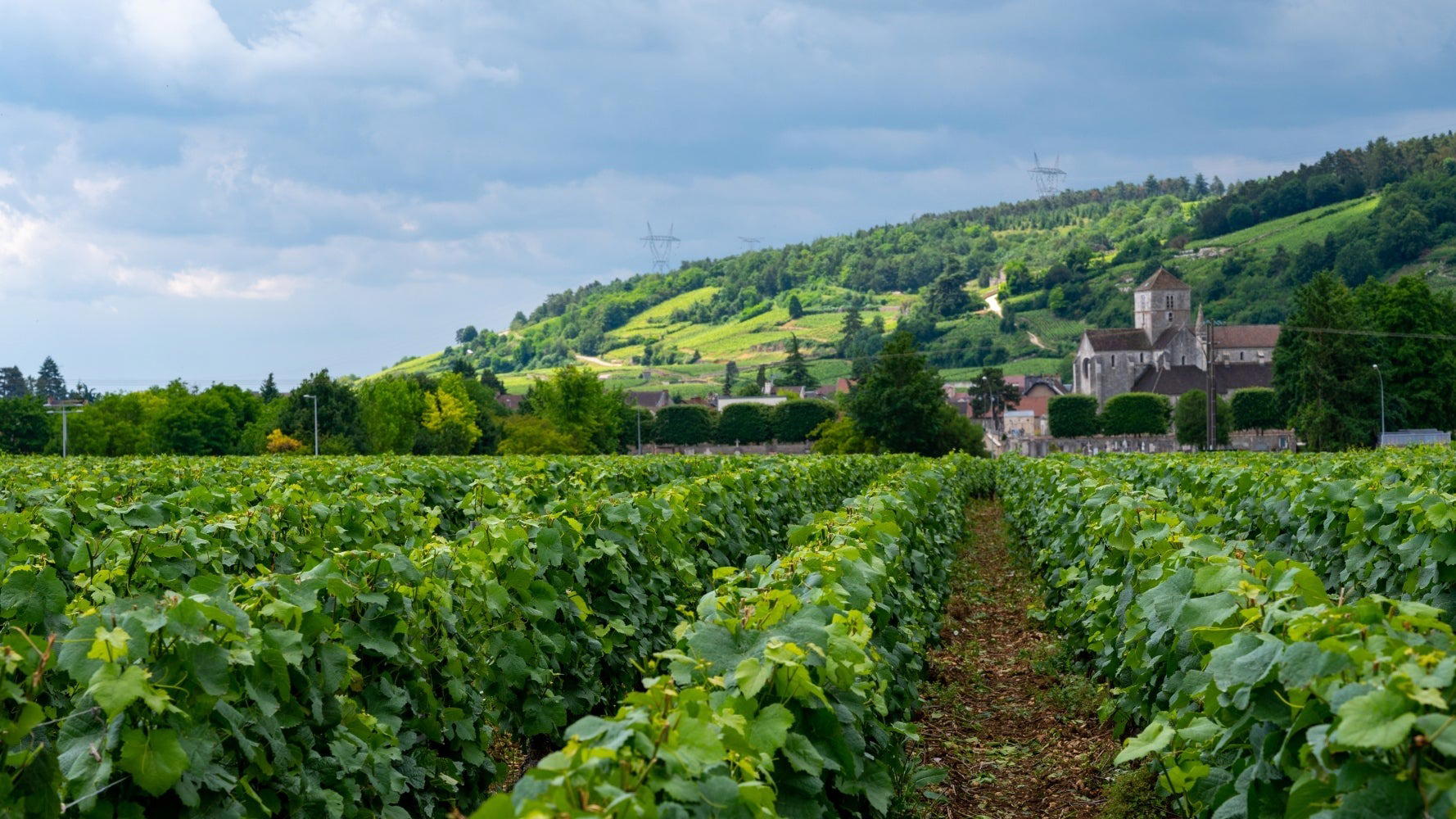
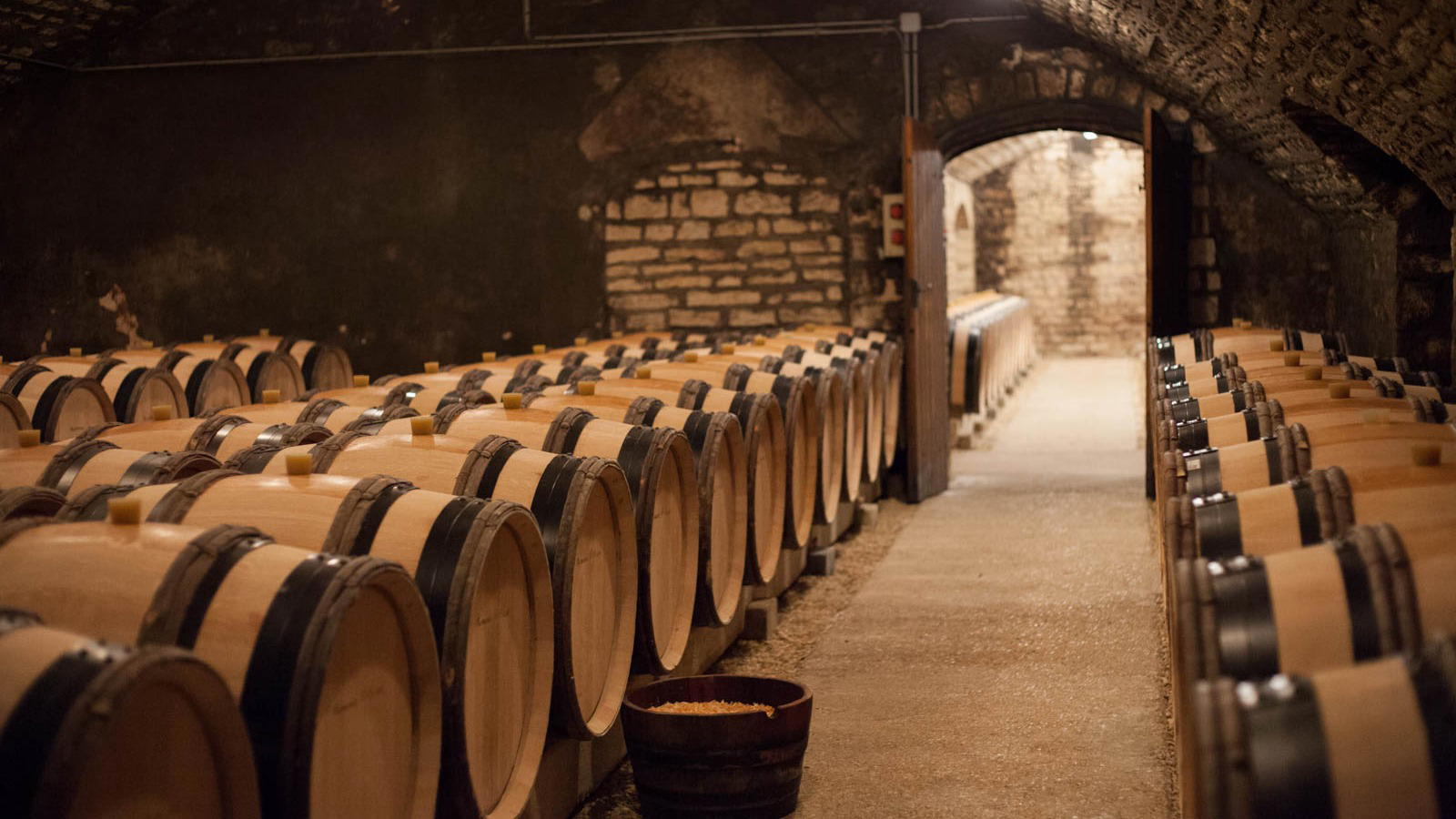
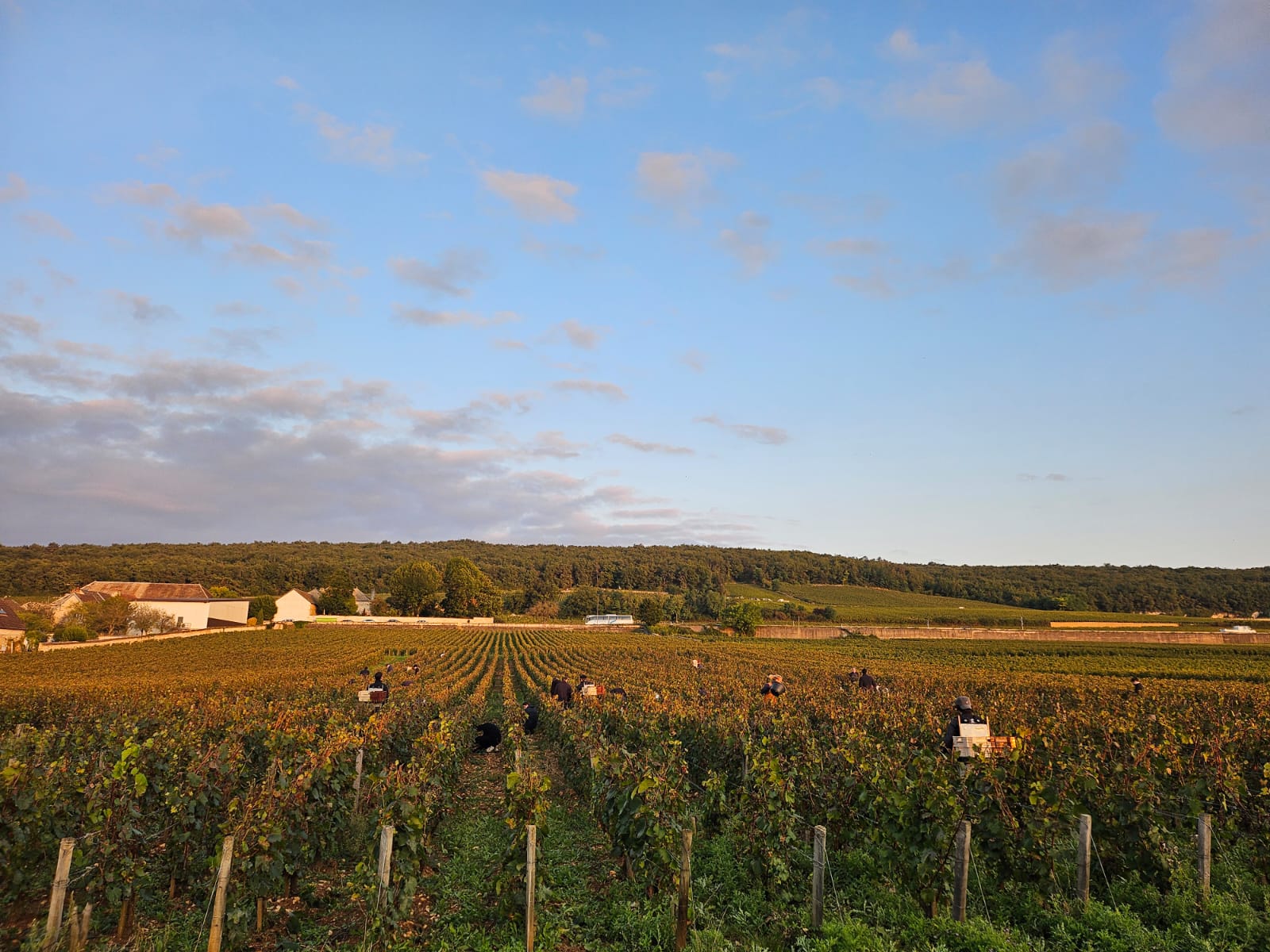
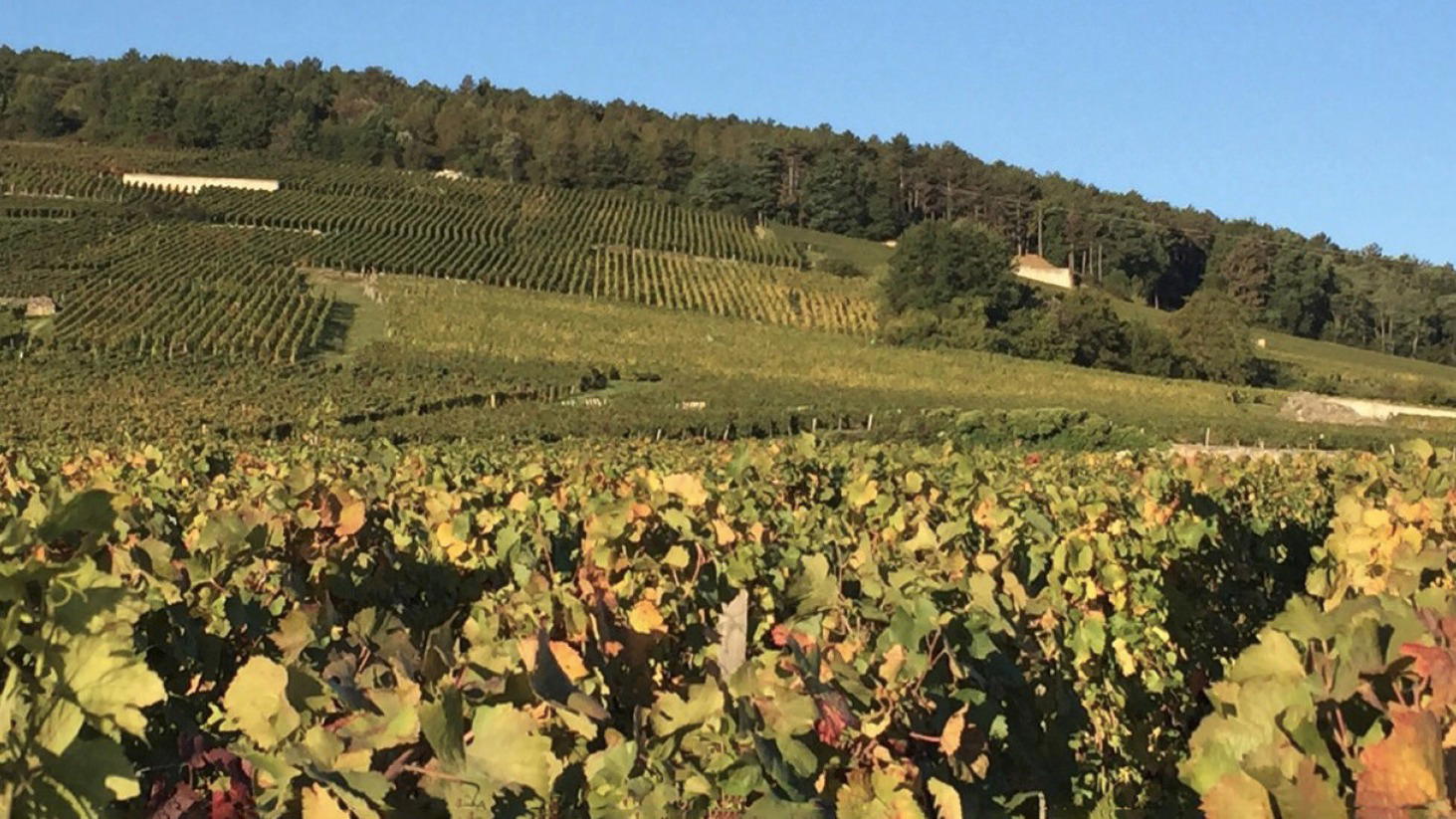
Bars in Vougeot
Browse all →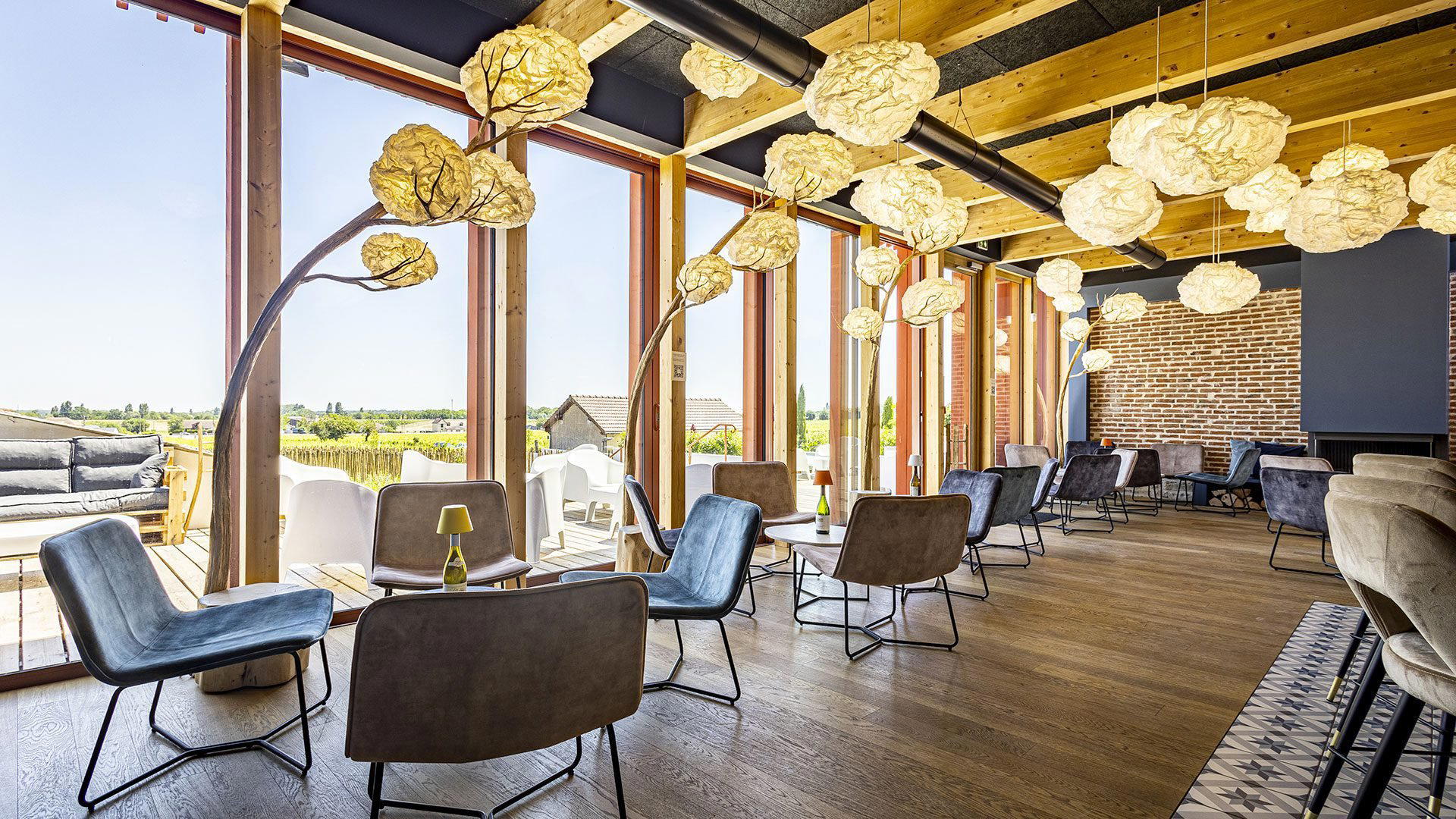
Restaurants in Vougeot
Browse all →
At a Glance
- Historic
- Elegant
- Classic
- Rustic
- Scenic
- Wine Education
- Special Occasion
- Vineyard Tour
- Historic Building
- Cave Tasting
- Organic
- Biodynamic
- Vineyard
- Clos De Vougeot Grand Cru
- Pinot Noir
- Chardonnay
- Still Red
- Still White
- Cave Tasting
- Private Tasting
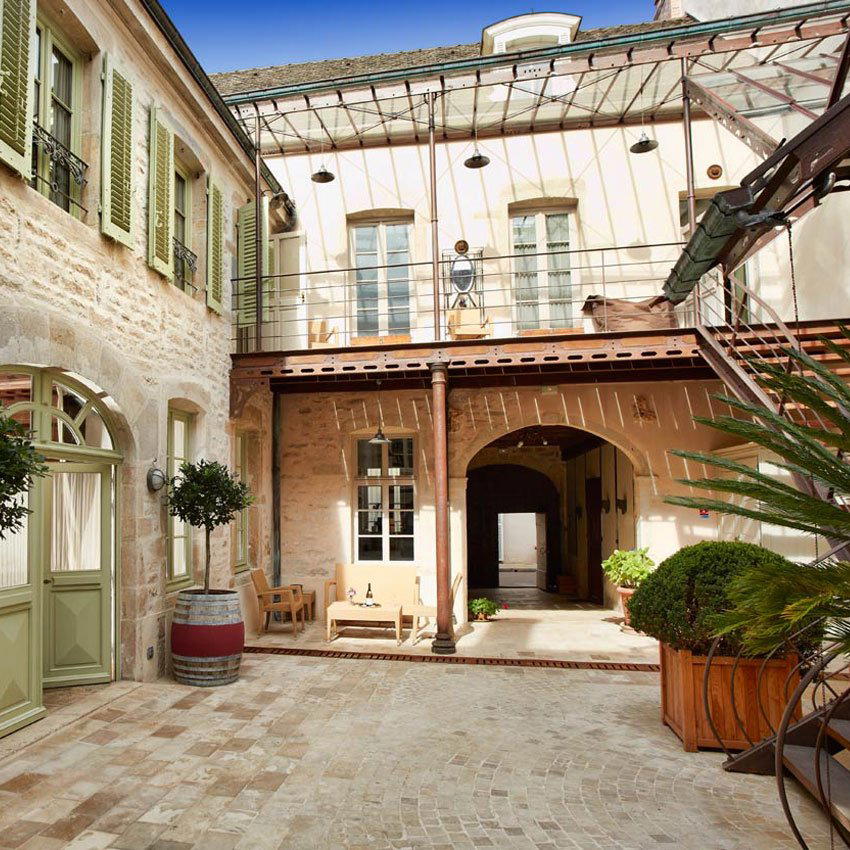
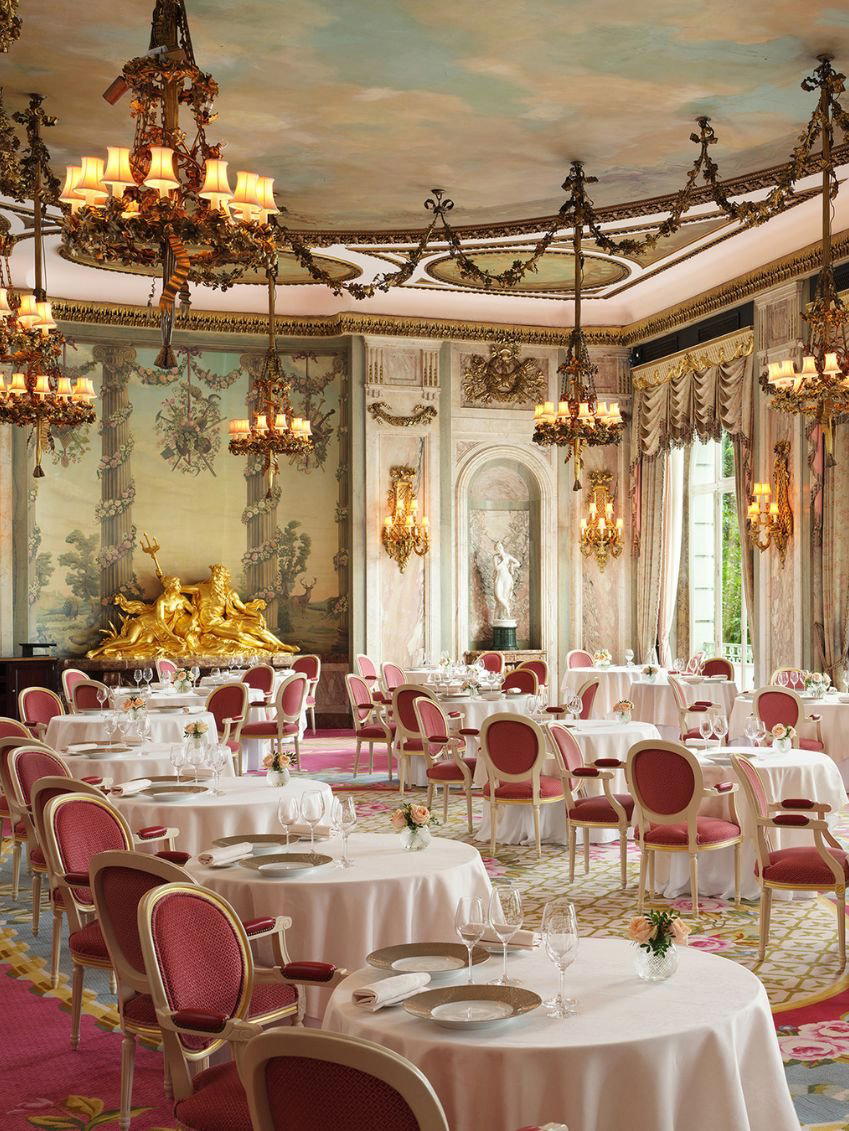
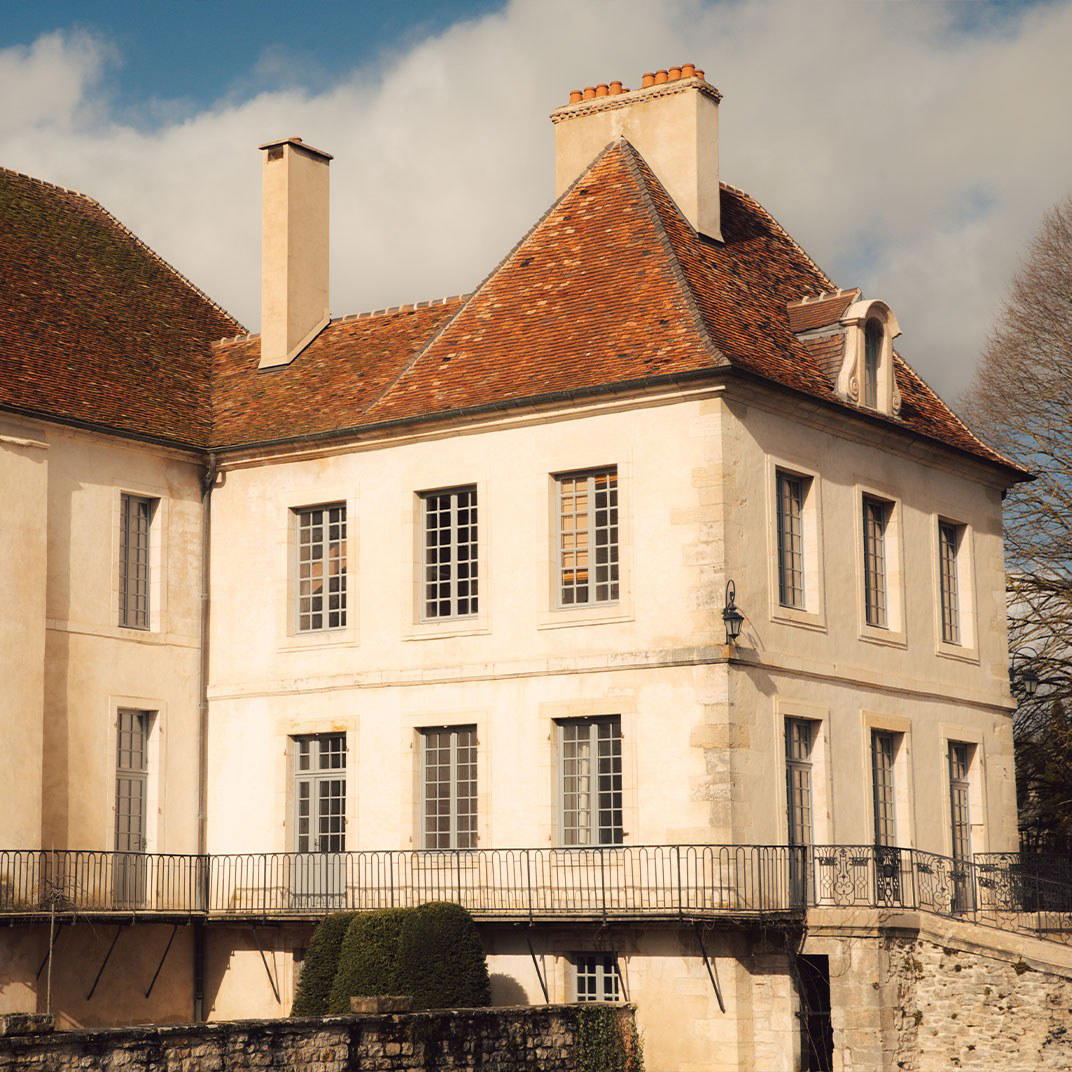
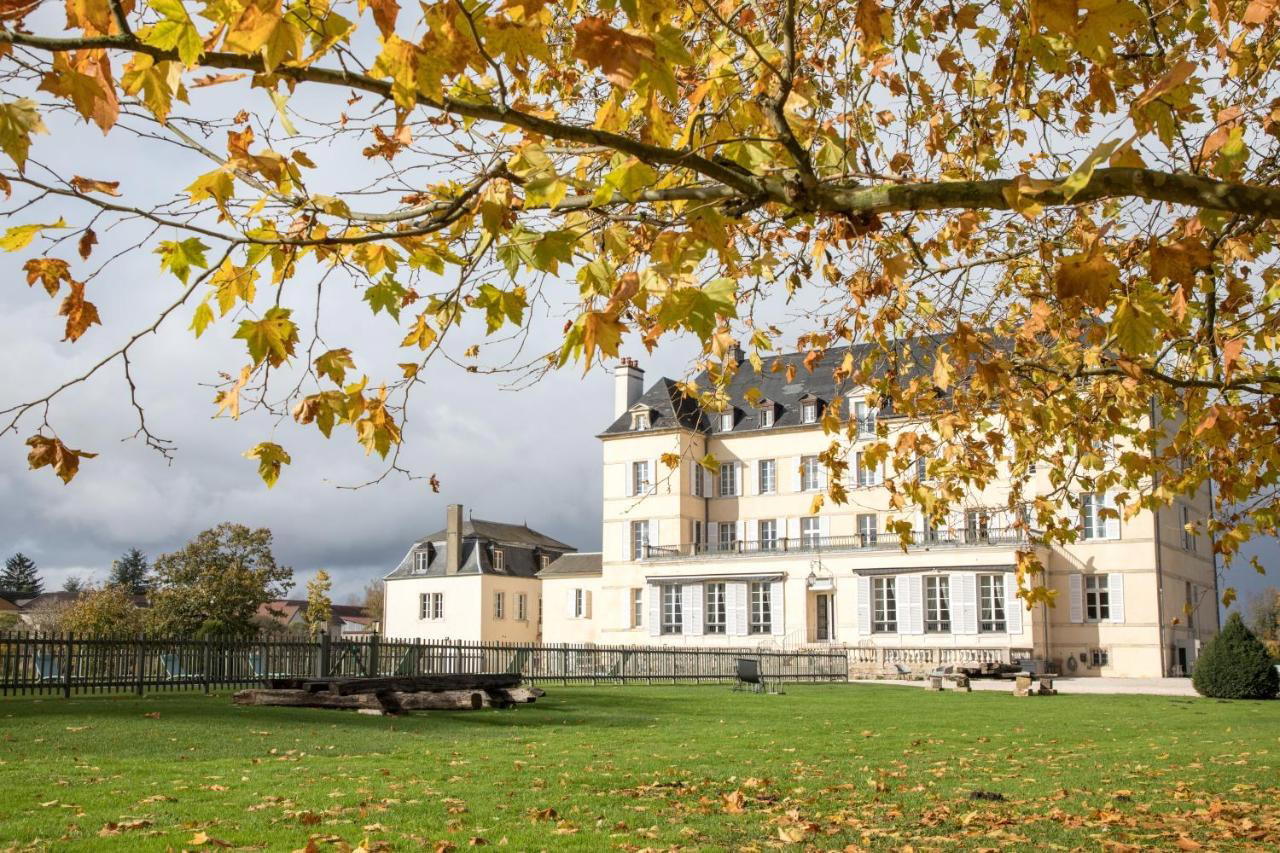
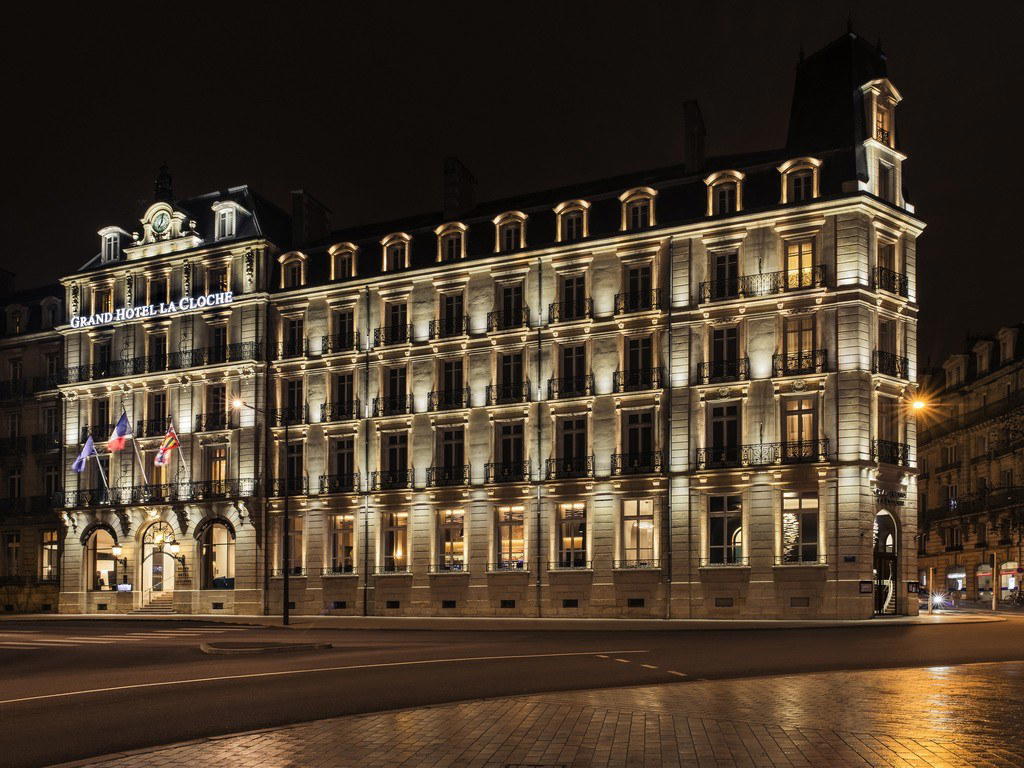
Grandiose and imposing historic château with an atmosphere of timeless Burgundian elegance amid ancient vineyards.
Know Before You Go
- Getting there
- Rue de la Montagne, 21640 Vougeot