Skip to Main Content
← Collection
Meursault, France

Anne Boisson

Michelin

Domaine Anne Boisson works Meursault premier cru parcels in Les Charmes and Genevrières. Whole-cluster press, barrel fermentation, extended élevage.

Pearl is the En Primeur Club membership app — saves, bookings, and concierge access live there. Same editors, same standards.

Plan your visit on PearlPlan Your Visit
Address
1 Rue du Moulin Landin, 21190 Meursault, France
Phone
+33 3 80 21 21 66
Saves & bookings on Pearl
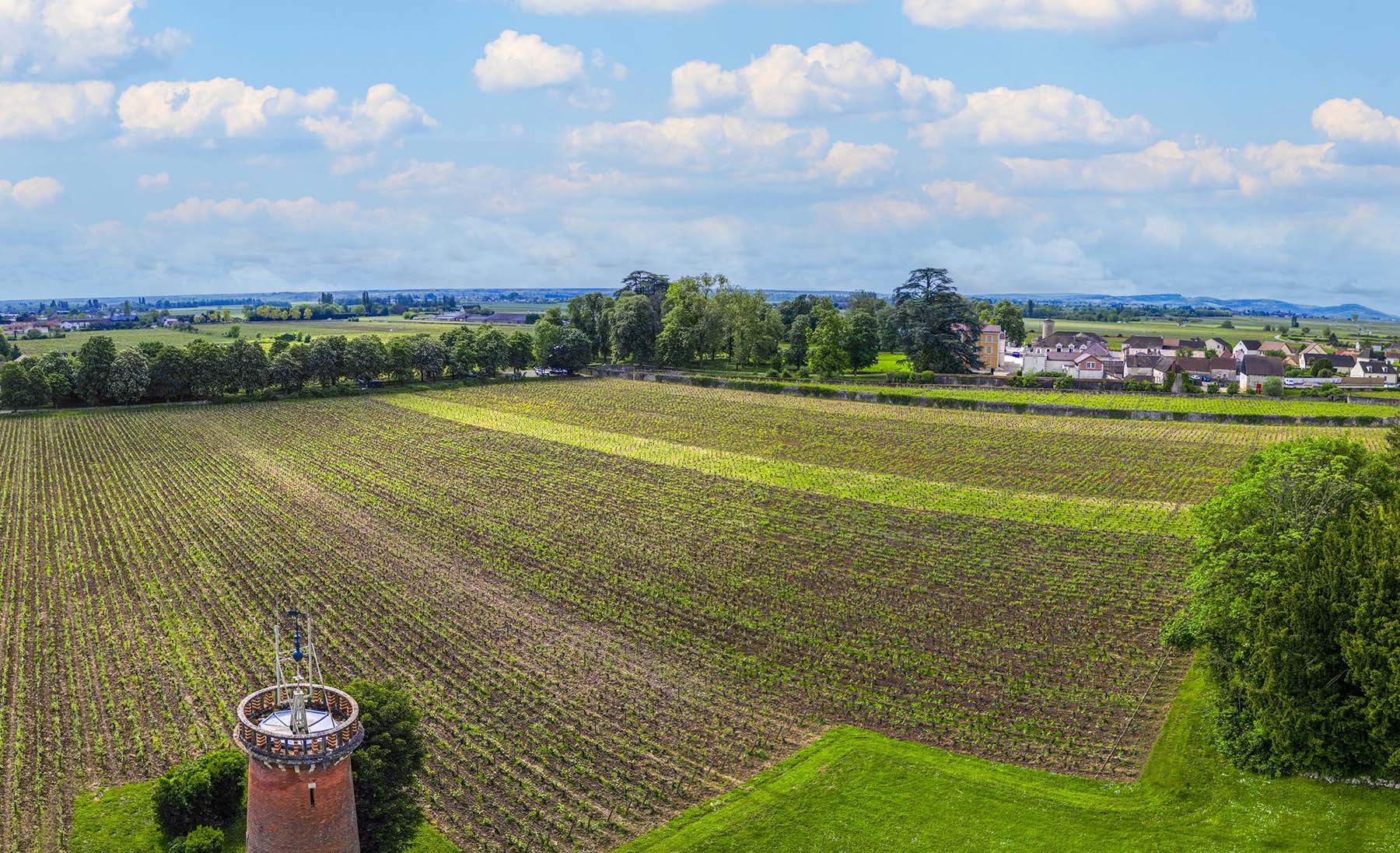
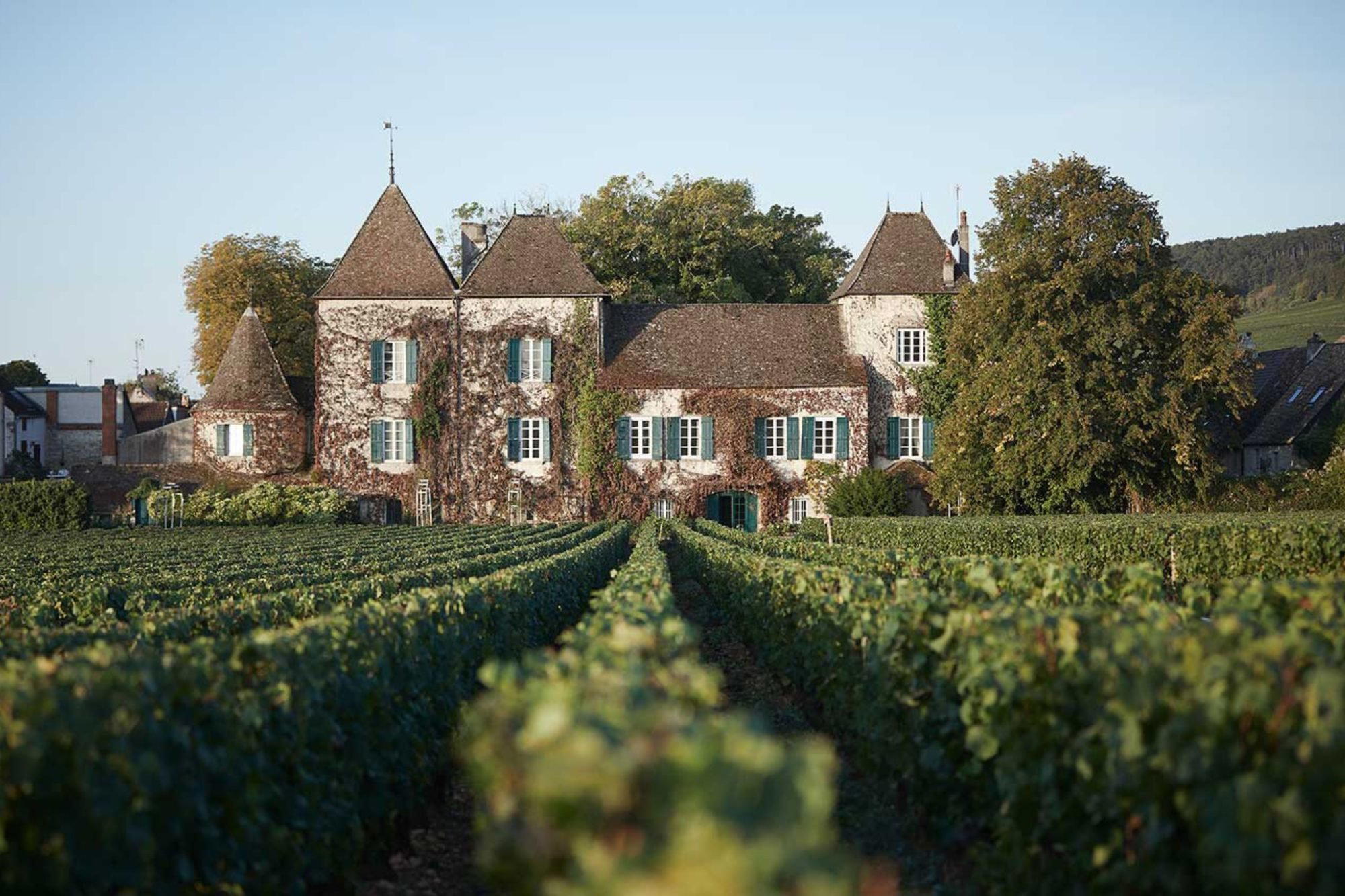
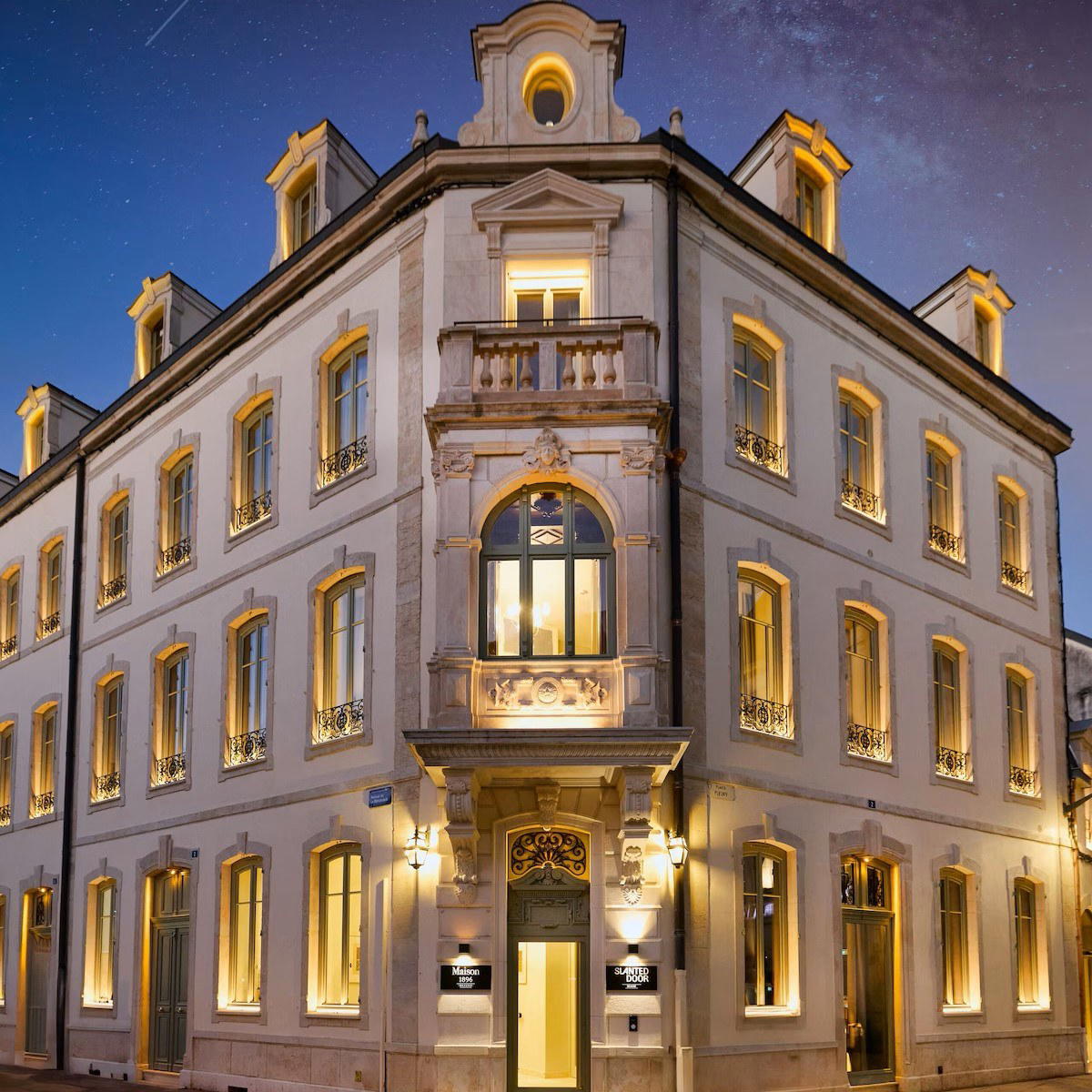
Anne Boisson winery in Meursault, France
About

The Meursault village domaine tradition, parcels held across premier cru climats, cellar-raised in barrel rather than sold to négociant, family transmission through named lineage, produces a particular density of small-scale working operations inside one of Burgundy's most recognized white-wine communes. Domaine Anne Boisson operates inside that tradition as a young estate, established through vineyard inheritance and marriage alliance rather than through purchase on the open market, working a compact portfolio of holdings across Meursault and the broader Côte de Beaune. The domaine's technical approach, whole-cluster pressing, barrel fermentation with indigenous yeast, extended élevage on fine lees, minimal sulfur at bottling, sits squarely inside the low-intervention school that has come to define the younger generation of village producers working against the richer, more extracted house styles of the 1980s and 1990s.

Boisson's holdings include premier cru parcels in Meursault Les Charmes and Meursault Genevrières, village-level Meursault from old-vine parcels, and red holdings in Auxey-Duresses and Volnay. The domaine does not own grand cru land; the premier cru bottlings carry the estate's recognition load. Les Charmes and Genevrières are among the most prized of Meursault's nineteen premier cru climats, with Genevrières sitting immediately upslope from the village and Les Charmes forming the southern boundary of the premier cru band. Both climats are classified premier cru under the INAO appellation framework, a status formalized in 1937 and updated in the 1980s to reflect soil studies and historical pricing records. The distinction between Meursault premier cru and Meursault village AOC is legally defined by climat boundary rather than by winemaking protocol, but the premier cru designation correlates strongly with older vine age, lower yields, and higher pricing at release, typically two to three times the village-level price for the same vintage from the same producer.

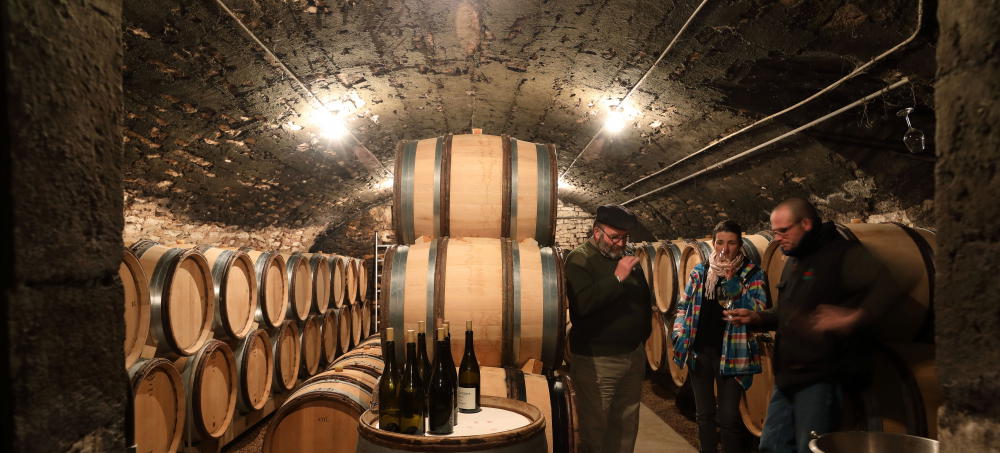
Boisson's winemaking protocol follows the minimal-intervention standard now common among younger Meursault producers trained in the 2000s and 2010s. Whole-cluster pressing of hand-harvested fruit is followed by a short settling period, then barrel fermentation in 228-liter Burgundy pièces with indigenous yeast. The barrel program runs to roughly twenty-five to thirty percent new oak for the premier cru cuvées, with village-level wines seeing older barrels. Élevage extends twelve to fifteen months on fine lees with minimal bâtonnage, less frequent stirring than the Coche-Dury school, which works the lees more aggressively to build texture. Sulfur additions are minimal, typically only at bottling, and total SO2 levels at release sit below fifty parts per million for most cuvées. The resulting wines show more freshness and less phenolic weight than the richer, more oxidative styles common in Meursault through the 1990s, and the oak integration is tighter than the heavily-toasted barrel programs still favored by some larger négociant houses.

The domaine's lineage sits inside the broader Boillot family network, one of the most complex and load-bearing transmission clusters in modern Burgundy. The Boillot name appears across multiple working domaines in Meursault, Volnay, and Pommard, including Domaine Henri Boillot and Camille & Guillaume Boillot, with each operation representing a separate inheritance line and a distinct winemaking approach. Anne Boisson's holdings derive in part from the Vadot family connection, and in part from marriage alliance with the broader Boillot network. The Boillot connection aligns Boisson with a larger transmission network that includes some of the most recognized names in modern Burgundy red and white winemaking.

Anne Boisson herself trained at winemaking school in Beaune before working harvests and cellar stints at family-affiliated domaines in Meursault and Volnay. The domaine was formally established after 2016, when the former Domaine Boisson-Vadot split into separate estates for siblings Anne and Pierre Boisson, making it one of the youngest named estates in Meursault, though the vineyard holdings themselves are older and carry the vine age typical of inherited parcels. The domaine's first commercial releases appeared in the late 2010s; production volume sits at roughly fifteen hundred to two thousand bottles per cuvée for the premier cru bottlings and three thousand to four thousand bottles for the village Meursault. Total annual production across all cuvées is under ten thousand bottles, placing Boisson firmly inside the micro-négociant scale rather than the mid-sized domaine category. The wines are distributed through a small allocation network in France, the United States, and Japan, with most of the production sold through direct domaine relationships rather than through the Beaune négociant channel.

The Meursault premier cru landscape is densely populated with recognized producers, and Boisson's peer set includes both long-established family domaines and newer operations launched in the 2000s and 2010s. Domaine Roulot sits at the top of the Meursault premier cru hierarchy in both critical recognition and secondary-market pricing, with a winemaking approach that emphasizes extended élevage and a restrained oak program similar to Boisson's but with deeper financial resources and a longer domaine history. Domaine Pierre Girardin works a broader range of appellations across the Côte de Beaune and produces Meursault premier cru at a slightly larger scale, with a more oxidative handling style than Boisson's reductive approach. The broader Boillot family network provides another set of comparison points, with Henri Boillot's négociant-scale operation producing Meursault premier cru from purchased fruit alongside estate bottlings, and Camille & Guillaume Boillot working a smaller portfolio of red and white holdings with a technical approach closer to Boisson's own.

The domaine's access architecture is allocation-based, with most of the production reserved for a small list of importers and private clients in France and abroad. The wines are not sold through open retail channels in Meursault itself, and the domaine does not maintain a public tasting room. Visitors are received by appointment only, typically for trade buyers, sommeliers sourcing for restaurant lists, and private collectors already on the allocation list. This access model is standard for small-scale Burgundy producers working premier cru holdings, where demand consistently exceeds supply and the producer's incentive is to maintain long-term relationships with a small number of buyers rather than to maximize short-term revenue through open-market sales. The allocation list is managed directly by Anne Boisson; there is no third-party broker or négociant intermediary.

Boisson's winemaking sits inside the low-intervention school that has come to define the younger generation of Meursault producers, but the domaine's technical choices distinguish it from the more extreme vin nature practitioners working in the village. Sulfur is used, though minimally; the wines are bottled under cork rather than crown cap; and the barrel program includes a modest percentage of new oak rather than the all-neutral-barrel approach favored by some zero-zero producers. The result is a set of wines that read as classic Meursault in structure, the richness, the weight, the stone-fruit and hazelnut aromatics typical of Chardonnay grown on Meursault's limestone soils, while showing the fresher acidity and tighter phenolic frame of the low-intervention approach. The balance sits closer to the Jobard-Morey lineage than to the richer, more extracted styles still produced by some of the larger Meursault domaines, and the wines age well in bottle, with the premier cru cuvées showing development over eight to twelve years rather than the shorter drink windows typical of more reductive, high-acid natural wines.

The domaine's position inside the Meursault landscape is still being established. The first vintages are only now reaching the secondary market in meaningful volume, and critical coverage has been limited to a small number of trade publications focused on Burgundy allocation lists and emerging producers. The wines have not yet appeared in the annual Burgundy reports from the major critics, Vinous, Wine Advocate, Burghound, who provide the most widely-cited scores and tasting notes for Côte d'Or producers. This absence of formal critical recognition is typical for domaines established in the 2010s, where the lag between first release and critical attention can run five to ten years. The trade reception has been positive where the wines have been tasted, with sommeliers and importers citing the balance between classic Meursault structure and the fresher, more mineral-driven profile of the low-intervention approach. The pricing at release sits in the mid-tier for Meursault premier cru, roughly fifty to seventy euros per bottle ex-domaine for the 2020 and 2021 vintages, which places the wines above village-level Meursault from recognized producers but below the top-tier premier cru bottlings from Roulot, Coche-Dury, and Comtes Lafon.

The broader Burgundy context for Boisson's work is the ongoing generational shift inside the Côte d'Or's village domaines, where younger winemakers trained in the 2000s and 2010s are taking over family holdings and moving toward lower-intervention protocols. This shift is most visible in Meursault, where the village's reputation for rich, buttery, oak-heavy whites, a style shaped in part by the American market's preference for extracted Chardonnay in the 1980s and 1990s, is being reworked by a generation of producers who favor lighter oak, indigenous fermentation, and minimal sulfur. Boisson is one of roughly a dozen Meursault producers working inside this new technical frame, and the domaine's trajectory will depend in part on whether the broader market for Burgundy white wine continues to reward the fresher, more mineral-driven style over the richer, more extracted alternative. The early evidence from allocation pricing and sommelier interest suggests that the market is moving in Boisson's direction, but the long-term commercial viability of small-scale, low-intervention Meursault remains an open question as production costs rise and the competition for vineyard land intensifies.

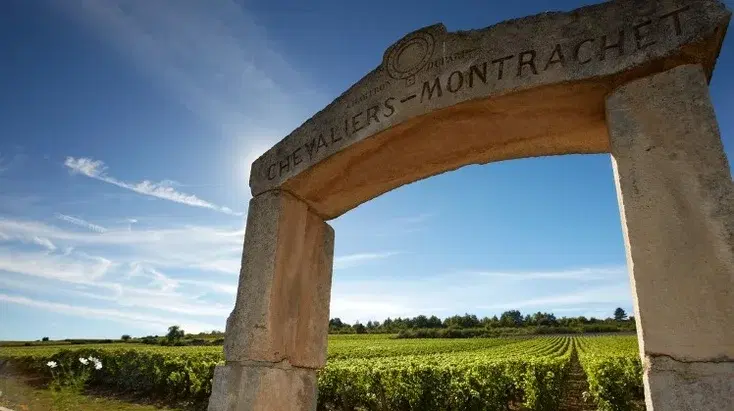
Meursault appellation itself is one of the most densely planted white-wine communes in Burgundy, with roughly four hundred hectares under vine and more than one hundred working producers. The village AOC and premier cru AOC together produce roughly two million bottles per year, with the premier cru fraction representing less than twenty percent of total volume. The appellation's reputation is built on the limestone-rich soils of the premier cru band, which runs roughly parallel to the village center and includes nineteen named climats. The most recognized of these, Les Perrières, Les Genevrières, Les Charmes, Les Gouttes d'Or, command the highest prices at release and on the secondary market, and ownership of parcels inside these climats is the primary determinant of a Meursault domaine's commercial position. Boisson's holdings in Les Charmes and Genevrières place the domaine inside the top tier of village producers by vineyard quality, though the small parcel size and the domaine's youth limit its current market visibility relative to longer-established operations.

For trade buyers and sommeliers sourcing Meursault premier cru, Boisson represents a mid-tier allocation target, harder to access than the larger domaines working through Beaune négociants, but not yet at the Roulot or Coche-Dury level of scarcity and secondary-market pricing. The wines are available through a small number of U.S. importers focused on low-intervention Burgundy, and allocation access typically requires a pre-existing relationship with the importer rather than a direct domaine contact. The domaine's long-term position inside the Meursault landscape will depend on critical recognition over the next five to ten years and on whether the allocation network expands to include the major restaurant groups and retail chains that drive volume for mid-tier Burgundy producers. For now, Boisson sits inside the emerging-producer category, a working domaine with strong vineyard holdings and a coherent technical approach, but without the decades of track record that define the top-tier Meursault names.

At a Glance
Vibe
  • Quiet
  • Classic
  • Intimate
  • Sophisticated
  • Hidden Gem
Best For
  • Wine Education
  • Solo Exploration
  • Special Occasion
Experience
  • Private Tasting
  • Historic Building
Sourcing
  • Sustainable
Views
  • Vineyard
Noise LevelQuiet
CapacityIntimate

Small-scale Burgundy domaine producing expressive, terroir-driven white wines with a racy, saline profile and a hands-on vineyard philosophy.

Additional Properties
AVAMeursault AOC
VarietalsChardonnay, Aligoté, Pinot Noir
Wine Stylesstill_white, still_red
Wine ClubNo
DTC ShippingNo