Domaine Leflaive


Michelin 2 Grapes · Falstaff Winery - 5 Stars
Among the Côte de Beaune's most referenced white wine addresses, Domaine Leflaive operates from Puligny-Montrachet with a portfolio built almost entirely on Chardonnay across some of Burgundy's most scrutinised grand and premier cru parcels.

Pearl is the En Primeur Club membership app — saves, bookings, and concierge access live there. Same editors, same standards.
- Address
- Place du Pasquier de la Fontaine, 21190 Puligny-Montrachet
- Phone
- +33 3 80 21 30 13
- Website
- leflaive.fr
- Directions
- Get directions
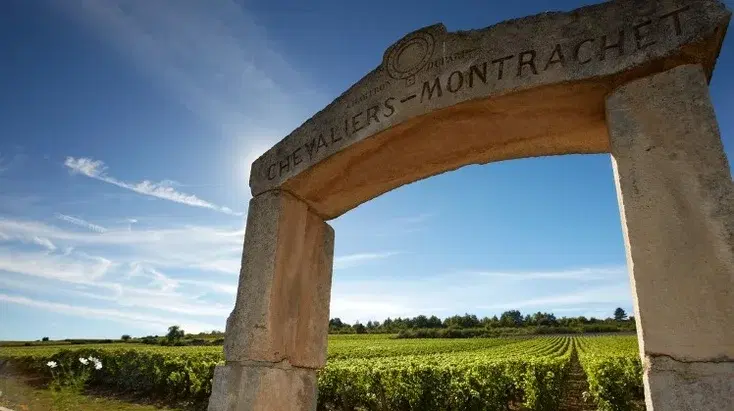
The Village, the Vines, and What the Landscape Demands
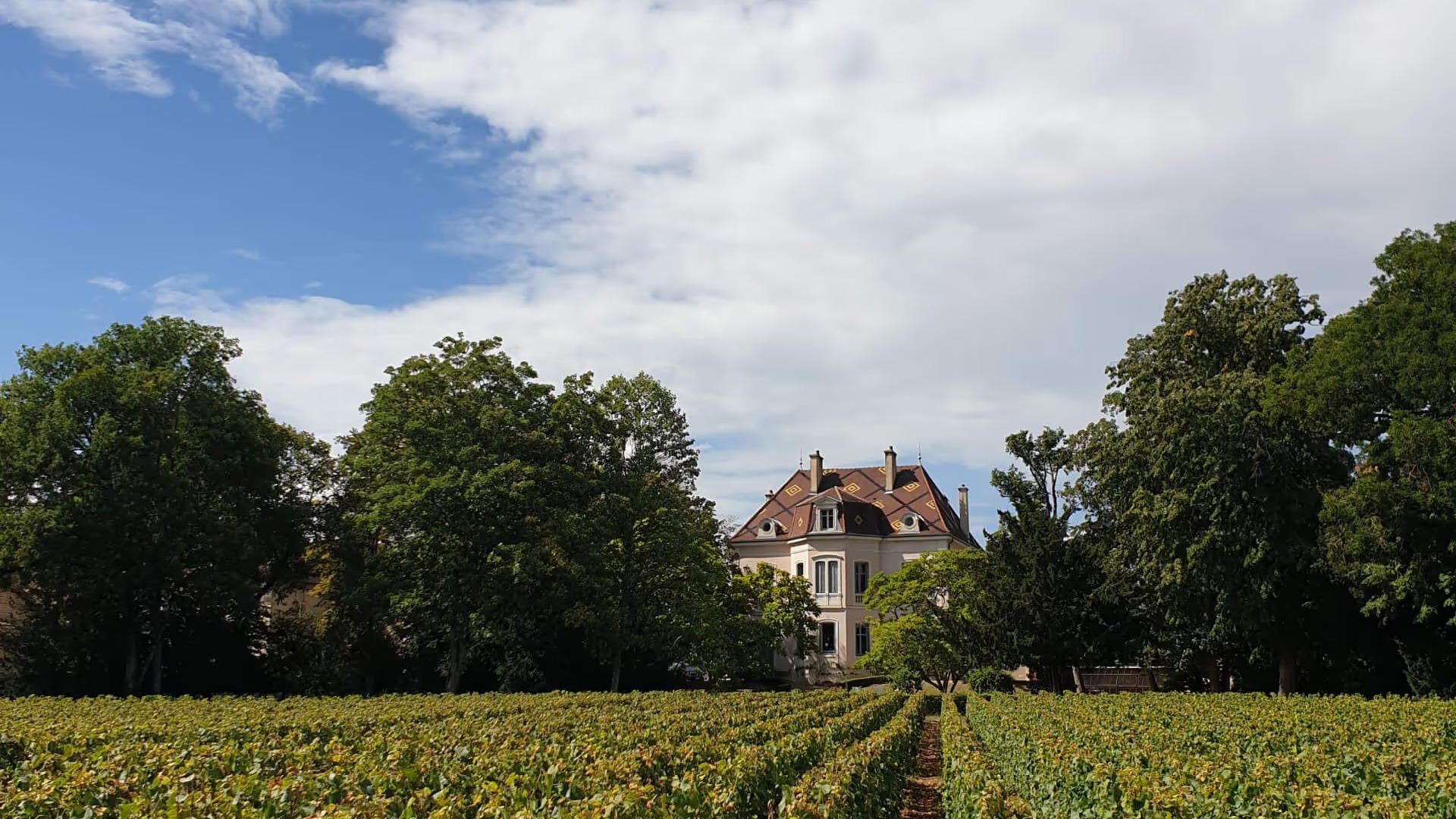
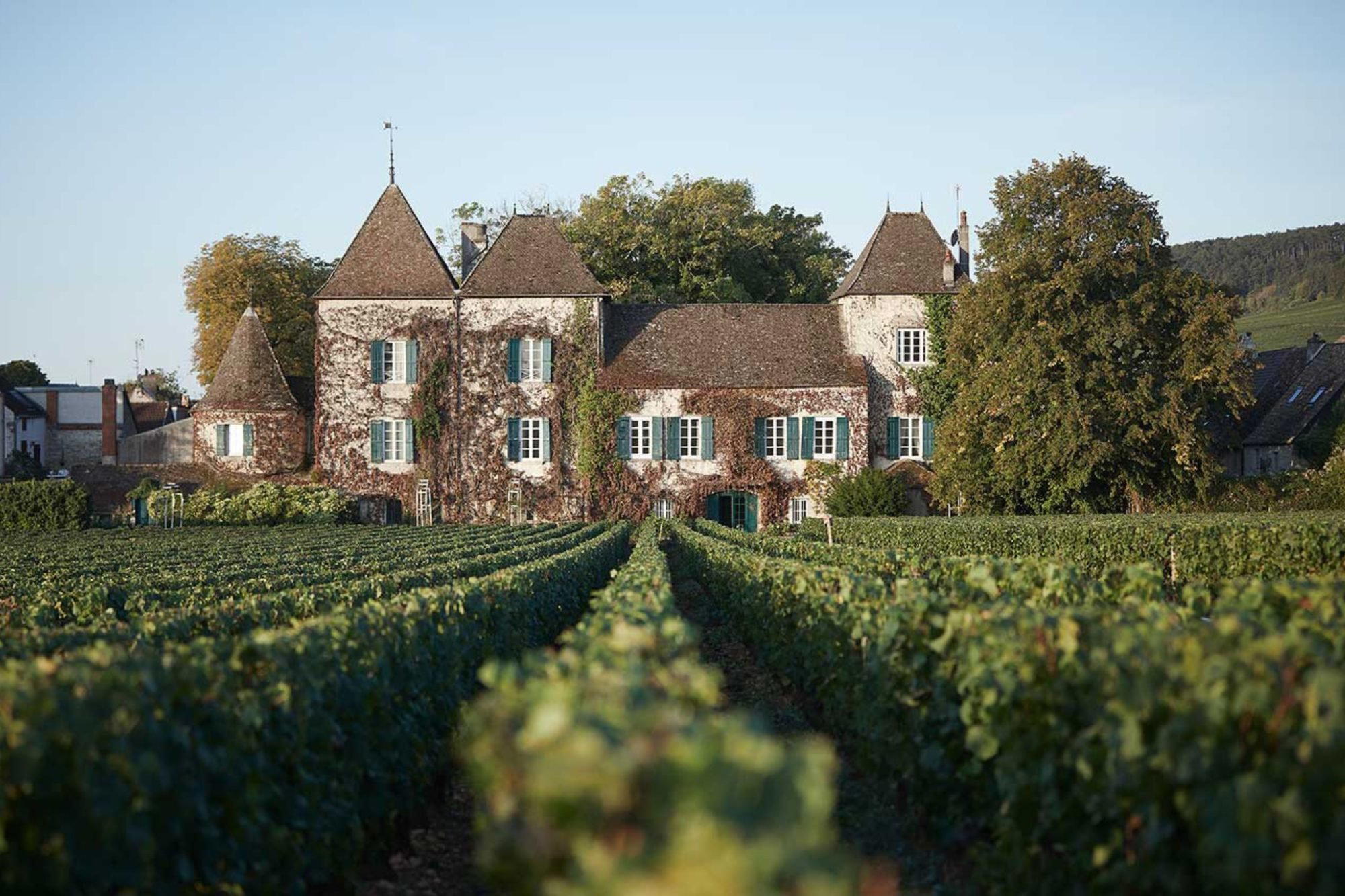
Approach Puligny-Montrachet on a clear morning and the geometry of the Côte de Beaune reveals itself in stages. The slope above the village is divided into parcels so precisely bounded that walking from one to the next feels like crossing an argument that was settled centuries ago. The stones change underfoot. The drainage shifts. The exposure narrows or opens. This is the physical architecture that Domaine Leflaive, operating from its address on the Place du Pasquier de la Fontaine, has worked since its first vintage in 1930, and it is the land itself, not any single decision made in the cellar, that sets the terms of what is possible here.
In the context of Puligny-Montrachet, that consistency is inseparable from the physical reality of the parcels the domaine farms.
A Côte de Beaune Defined by White Wine and Limestone
Burgundy's Côte de Beaune occupies a different register from its northern counterpart, the Côte de Nuits. Where the Nuits communes are defined by Pinot Noir and the grands crus run in an almost unbroken chain from Gevrey-Chambertin to Vosne-Romanée, the Beaune side tilts toward white wine in its most prestigious expressions. Puligny-Montrachet sits at the centre of this identity. Its grand cru parcels, including Le Montrachet, Chevalier-Montrachet, Bâtard-Montrachet, and Bienvenues-Bâtard-Montrachet, represent the most concentrated cluster of reference-point white Burgundy in the appellation system. The premier crus on the slope above the village, Les Pucelles, Les Folatières, Clavoillon among them, trade on the same limestone-and-clay logic at a lower altitude and with slightly different drainage profiles.
It is worth understanding this physical specificity because it is what makes the competitive set among producers here so narrow. The domaines working these parcels are not simply differentiated by technique or philosophy; they are differentiated by which specific rows of vines they control, how those rows drain in a wet year, and how they absorb heat in a dry one. Winemaker Brice de La Morandière has worked within this constraint since taking the lead role at the domaine, and the EP Club Prestige rating reflects performance evaluated against that specific physical benchmark.
Domaine Leflaive Among Its Peers
The Puligny-Montrachet and Chassagne-Montrachet corridor contains several domaines whose reputations are built on white wine from the same limestone band. Domaine Ramonet works from Chassagne with a portfolio that includes premier and grand cru parcels of comparable density. Domaine Pierre-Yves Colin-Morey operates in the same commune with a more recent independent history but has accumulated serious allocation demand over the past decade. Domaine Jean-Marc Pillot and Domaine Fontaine-Gagnard fill out the mid-tier of the Chassagne producer hierarchy, while Domaine Alex Moreau represents the newer generation attempting to carve allocations from an already tight market.
Within this group, Leflaive occupies a different position. Its parcel access spans multiple grand cru sites across both Puligny and, through its history, the broader Côte de Beaune. For a collector or buyer tracking allocation across multiple appellations simultaneously, that scope matters as much as any individual bottling.
The Physical Setting and How to Arrive
The domaine is based in Puligny-Montrachet, a village of roughly 400 inhabitants that sits approximately six kilometres south of Beaune and is reachable from Paris via the TGV to Beaune (around two hours from Gare de Lyon) followed by a short drive or taxi south on the D973. The village itself has no railway station; a car or pre-arranged transfer is the practical requirement for visiting the domaine and exploring the surrounding parcel geography at ground level.
Puligny-Montrachet as a physical environment is spare rather than picturesque in the manner of more tourist-oriented Burgundy villages. The landscape here is working agricultural land, and the point of arrival at the domaine is the village square rather than a prepared visitor entrance. For those also exploring the wider corridor, the route between Puligny and Chassagne-Montrachet covers the appellation boundary along which a significant proportion of white Burgundy's reference points are clustered. The full Chassagne-Montrachet guide from EP Club covers the broader context of dining and wine exploration in the area.
Allocation, Access, and Timing
Access to current releases at domaine prices requires an established relationship with either the domaine or its appointed import partners in a given market. Bottle prices on the secondary market for grand cru expressions reflect the scarcity of supply relative to demand from collectors in Europe, the United States, and increasingly Asia.
Visiting the domaine is possible by appointment, as is standard across the Côte de Beaune for producers at this level. There is no published tasting room operating on a walk-in basis. Timing a visit to coincide with the period between harvest (September to October) and the following spring tends to offer greater access to winemaking personnel, though appointment scheduling operates independently of season. Travellers using Burgundy's wine route as a primary itinerary structure should allow for the possibility that some of the corridor's most referenced producers maintain tighter visitor policies than the region's more commercially oriented caves would suggest.
Context Beyond Burgundy
Producers working at a comparable level in other French regions, from Albert Boxler in Niedermorschwihr in Alsace to Chartreuse in Voiron and the Bordeaux classified tier represented by estates such as Château Bastor-Lamontagne in Preignac, Château Batailley in Pauillac, Château Bélair-Monange in Saint-Émilion, Château Boyd-Cantenac in Cantenac, and Château Branaire Ducru in Saint-Julien, all operate within the same fundamental logic: place determines parameters, and the producer's role is to translate those parameters into wine with as little distortion as possible. The contrast with New World producers pursuing a comparable philosophy, such as Accendo Cellars in St. Helena or Aberlour in Aberlour in Speyside, underscores how site-specific the Burgundian model remains in its assumptions about what a producer's identity means and where it comes from.
At Leflaive, the site specificity is structural rather than incidental. The first vintage dates to 1930, and the domaine has operated from those same parcels through the full arc of changes in Burgundy's farming methods, market structure, and international reputation. That continuity is not merely biographical. It is the condition under which the land's character has been observed, documented, and transmitted across generations of winemaking decisions made in response to what the limestone slope produces each year.
The Essentials
Comparable venues nearby, for context on price, style, and recognition.
| Venue | Cuisine | Price | Awards | Notes |
|---|---|---|---|---|
| Domaine LeflaiveThis venue — the venue you are viewing | Puligny-Montrachet, Chardonnay | Not listed | Michelin 2 Grapes · Falstaff Winery - 5 Stars | Not listed |
| Domaine Ramonet | Not listed | $150–200 | Michelin Main Selection · Falstaff Winery - Listed | Chassagne-Montrachet, Chardonnay, Pinot Noir |
| Domaine Alex Moreau | Not listed | Not listed | Michelin Main Selection | Chassagne-Montrachet, Chardonnay, Pinot Noir |
| Domaine Pierre-Yves Colin-Morey | Not listed | Not listed | Michelin 1 Grape · Falstaff Winery - 4 Stars | Chassagne-Montrachet, Chardonnay, Pinot Noir |
| Domaine Jean-Marc Pillot | Not listed | Not listed | Falstaff Winery - Listed | Chassagne-Montrachet, Chardonnay, Pinot Noir |
| Domaine Fontaine-Gagnard | Not listed | Not listed | Not listed | Chassagne-Montrachet, Chardonnay, Pinot Noir |
Recognition history
Dated appearances from independent guides and award organizations, with the underlying list record or original source where available.
Michelin 2 Grapes
Michelin
Falstaff Winery - 5 Stars
Falstaff
Continue exploring
More in Puligny-Montrachet
Wineries in Puligny-Montrachet
Browse all →
Bars in Puligny-Montrachet
Browse all →
Restaurants in Puligny-Montrachet
Browse all →
Details
- Elegant
- Classic
- Sophisticated
- Scenic
- Wine Education
- Special Occasion
- Solo Exploration
- Vineyard Tour
- Estate Grounds
- Cave Tasting
- Biodynamic
- Organic
- Vineyard
- Chardonnay
- Still White
- Cave Tasting
- Private Tasting
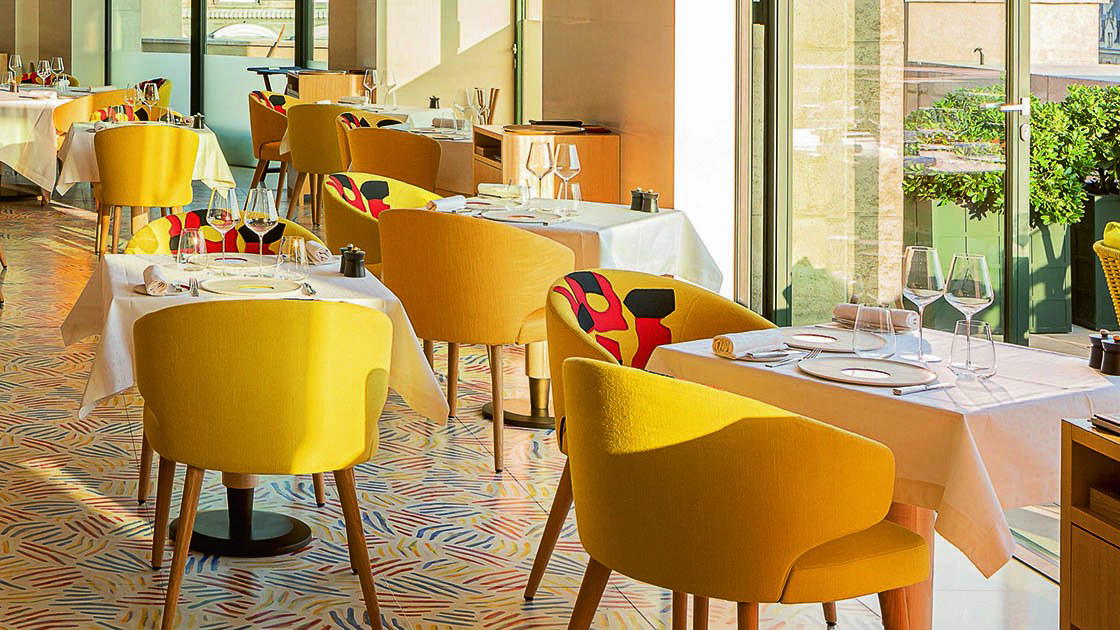
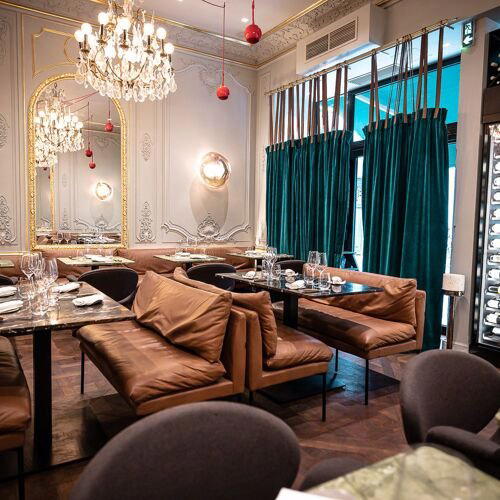
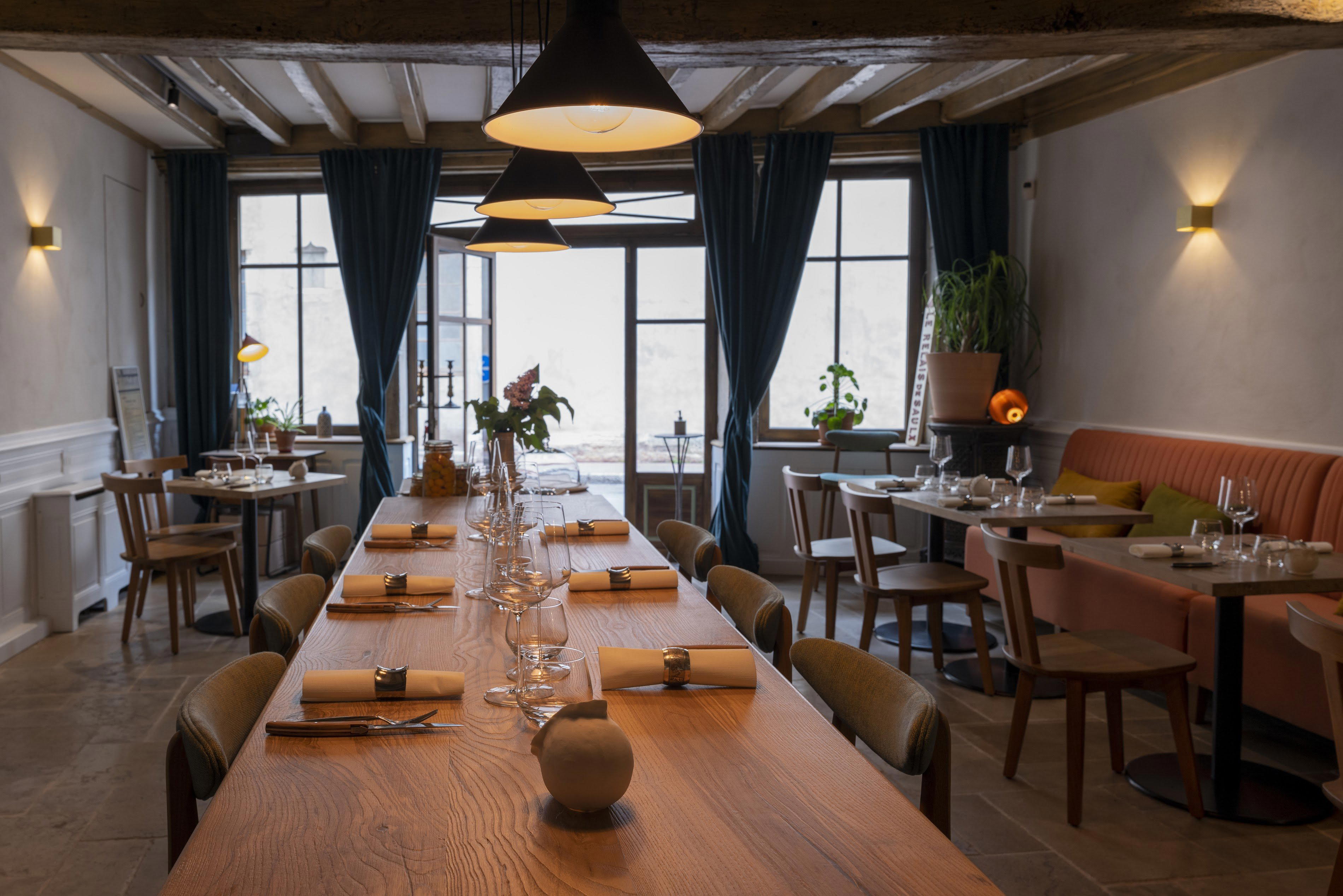
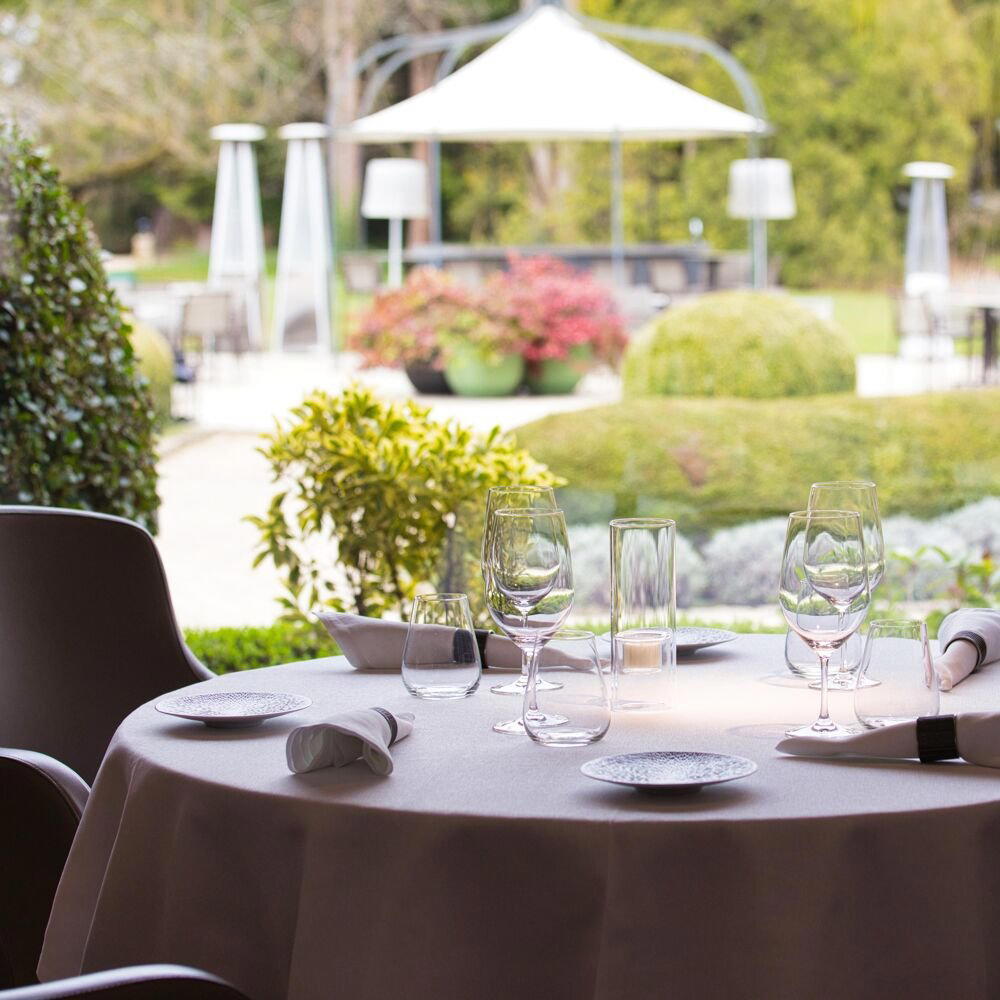
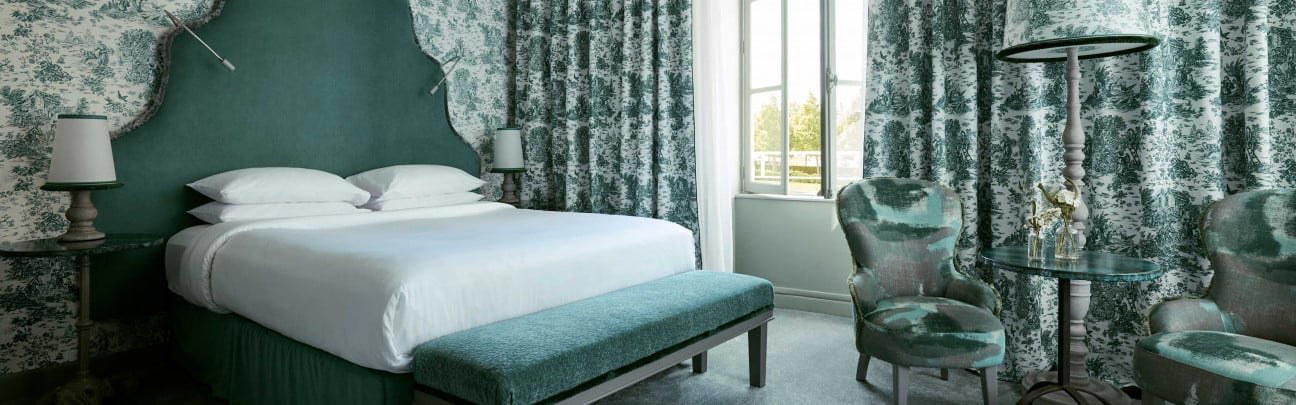
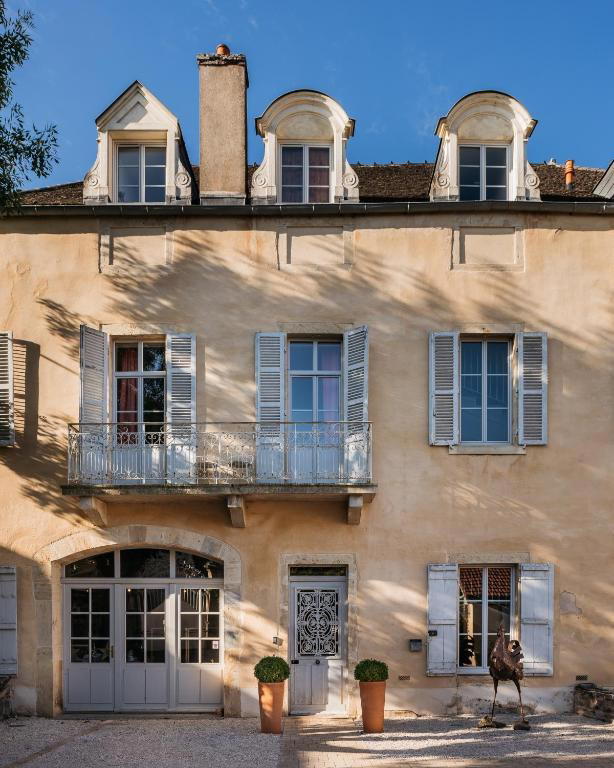
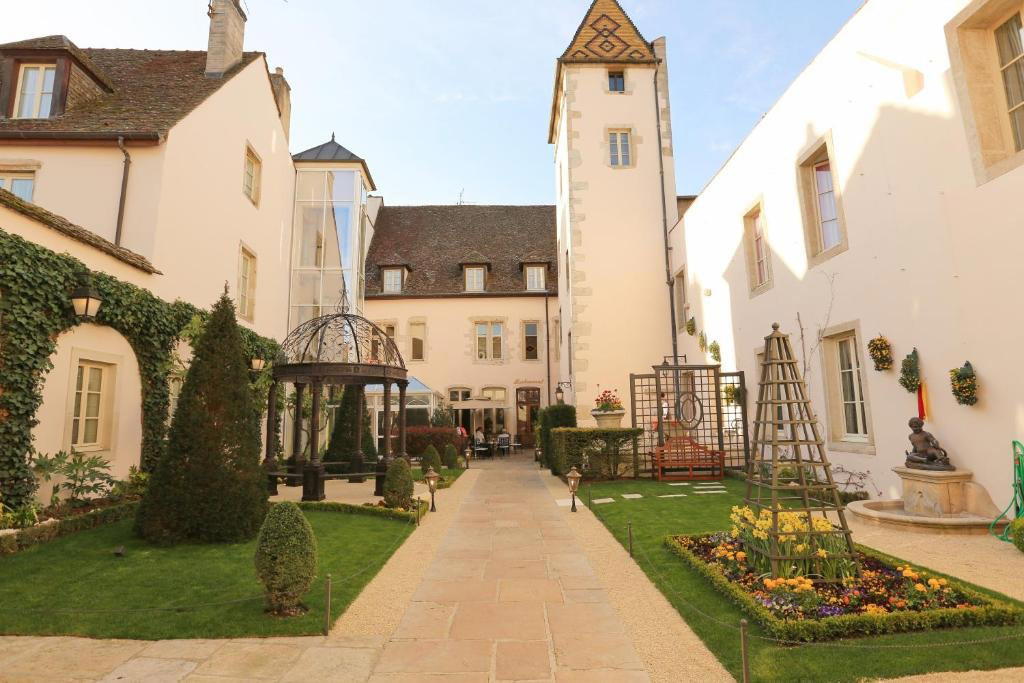
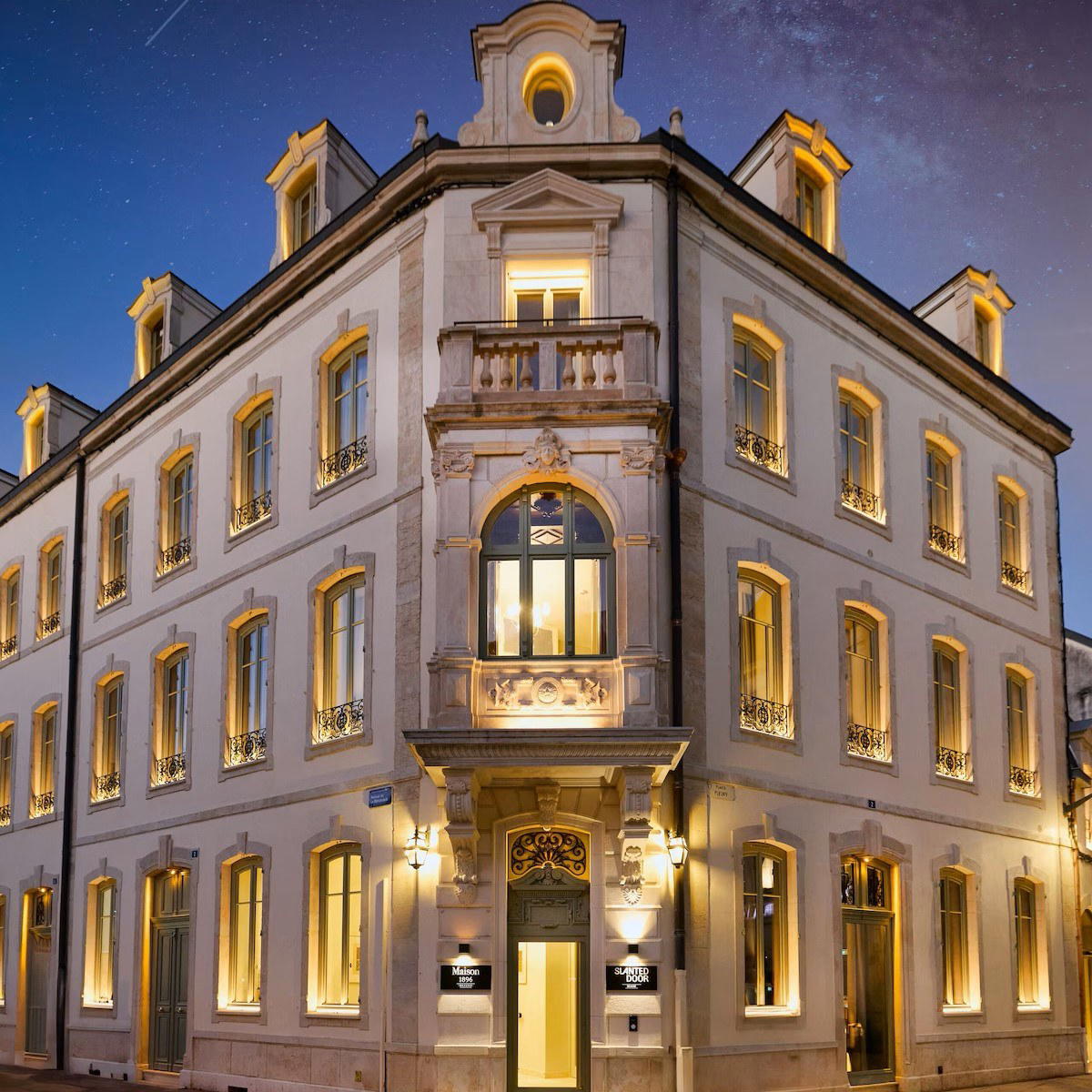
Elegant and refined atmosphere reflecting the historic estate's prestige, with a focus on terroir purity and finesse in a serene vineyard setting.