Thomas-Collardot

Michelin Main Selection
Thomas-Collardot belongs to Puligny-Montrachet’s small-domaine tradition: 2.5 hectares, parcel-led wines, and a cellar culture built around Chardonnay rather than tourism scale. The interest is terroir precision, with organic farming from the 2023 vintage, two Puligny-Montrachet Premiers Crus in the range, and a Michelin Guide Burgundy Main Selection wine-estate distinction.

Pearl is the En Primeur Club membership app — saves, bookings, and concierge access live there. Same editors, same standards.
- Address
- 4 Rue de Poiseul, 21190 Puligny-Montrachet, France
- Phone
- +33 6 23 76 92 51
- Hours
- Mon–Fri 9 am–5 pmSat–Sun Closed
- Website
- domaine-thomas-collardot.com
- Directions
- Get directions
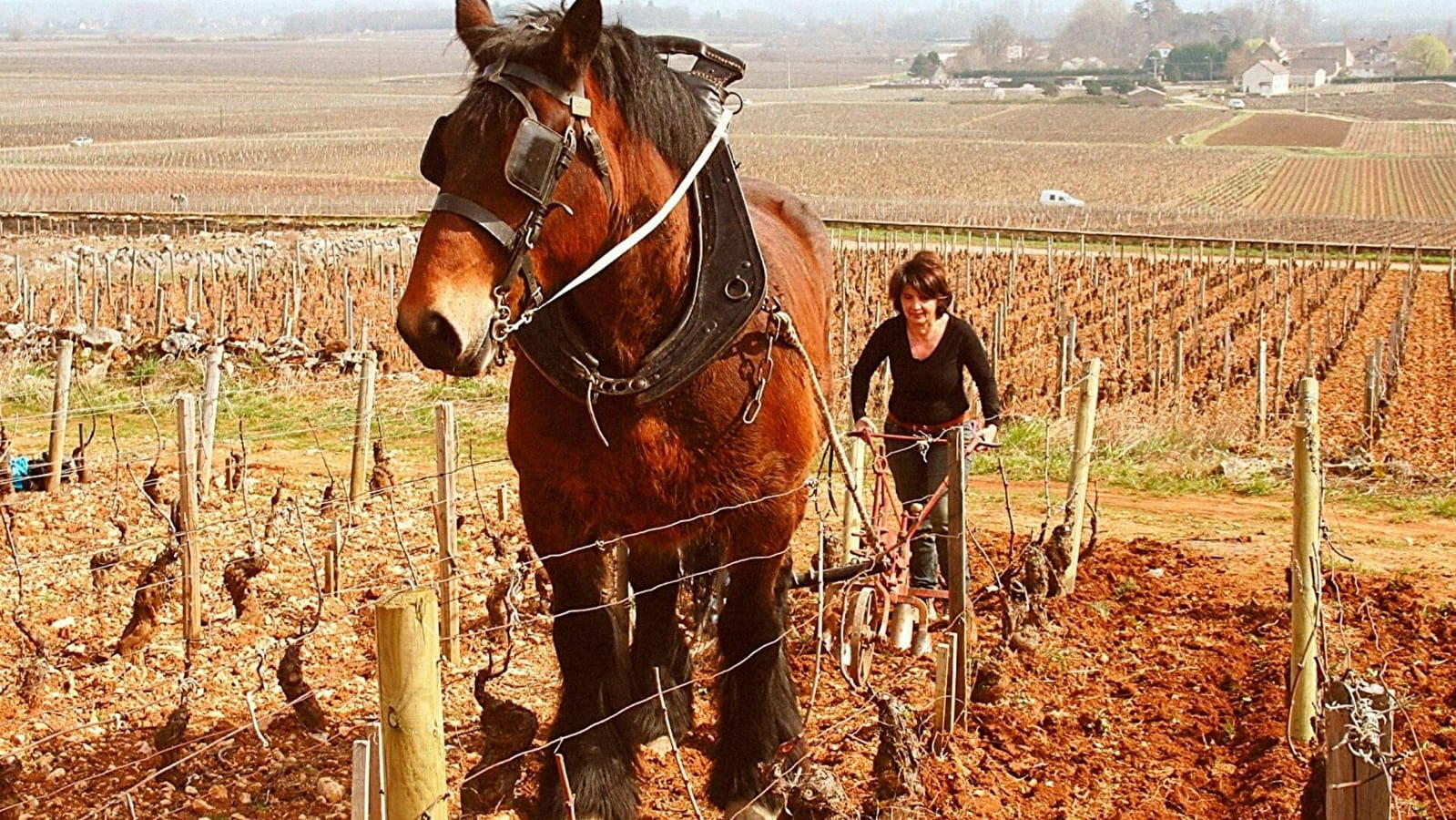
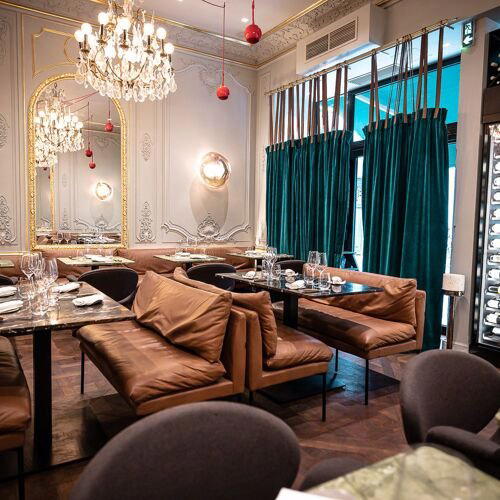
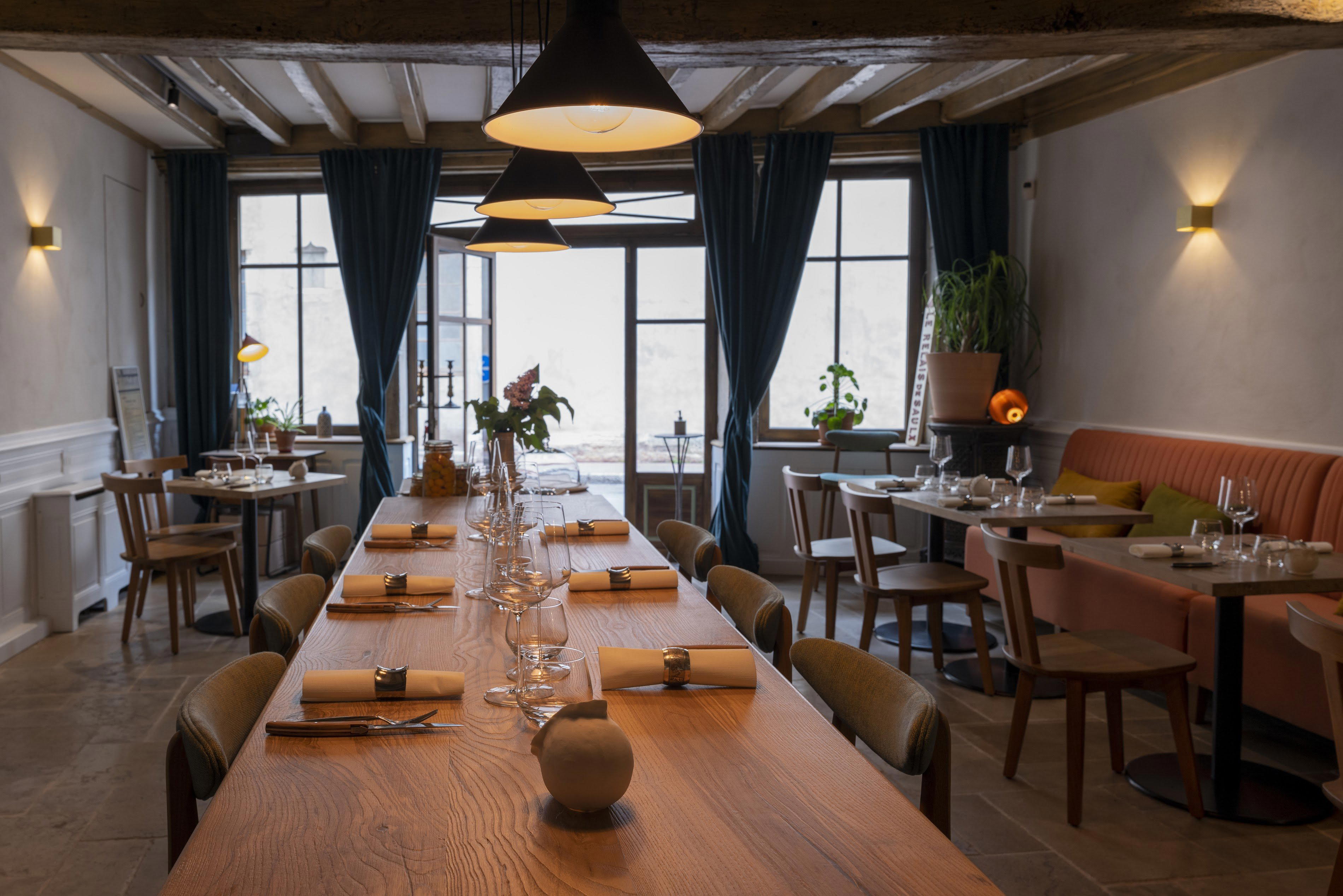
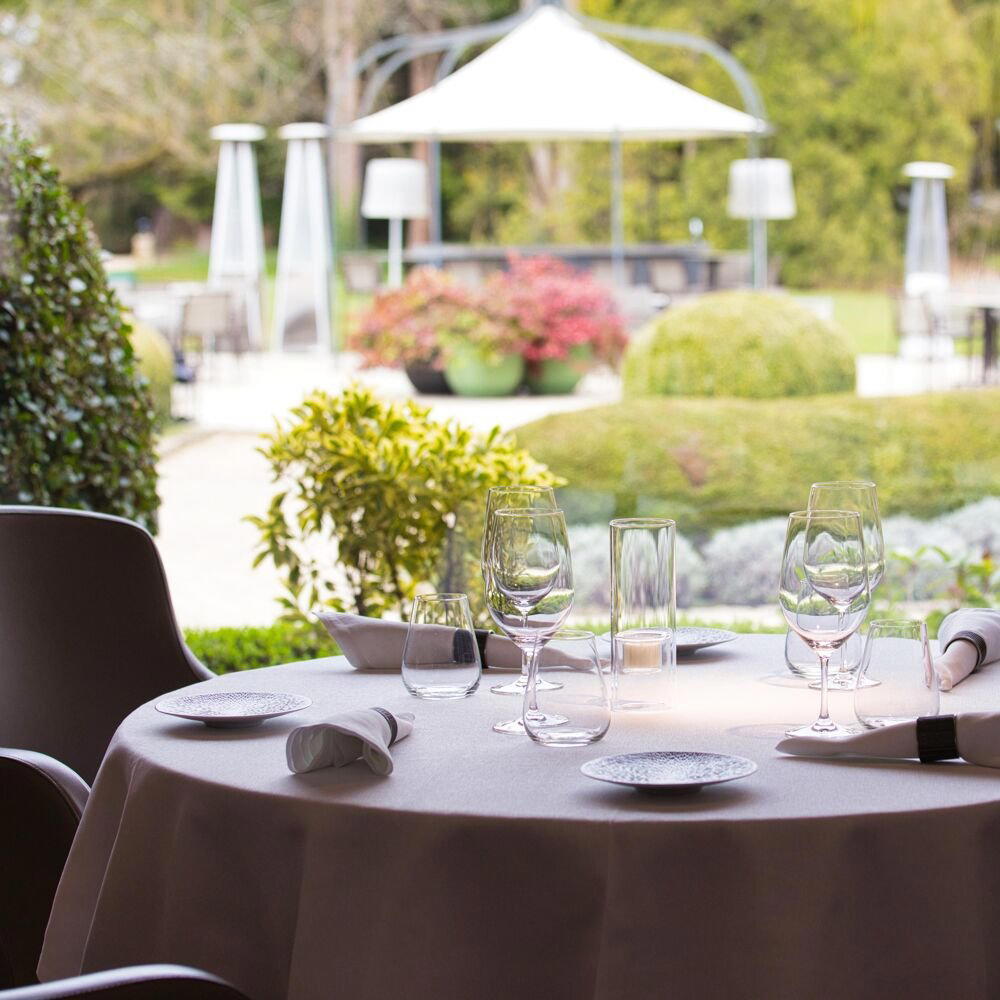
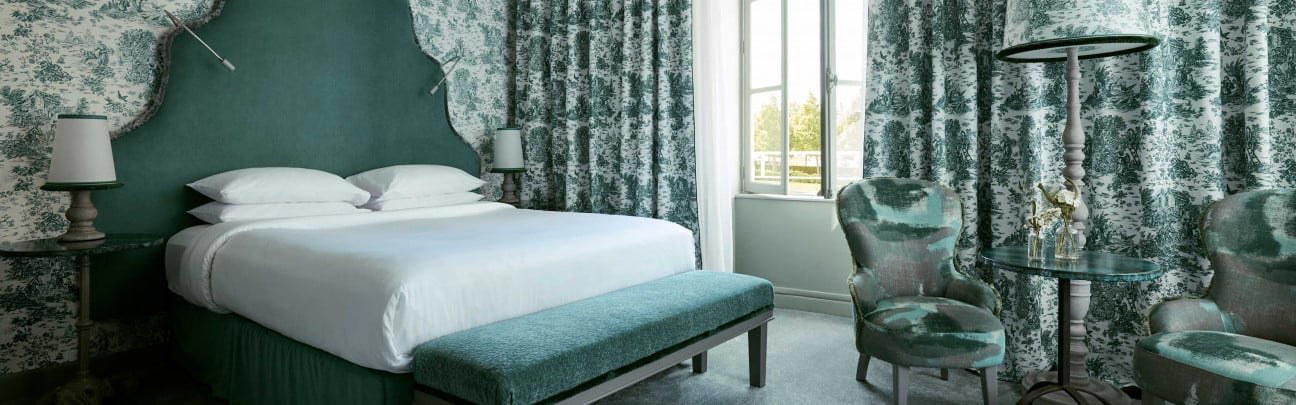
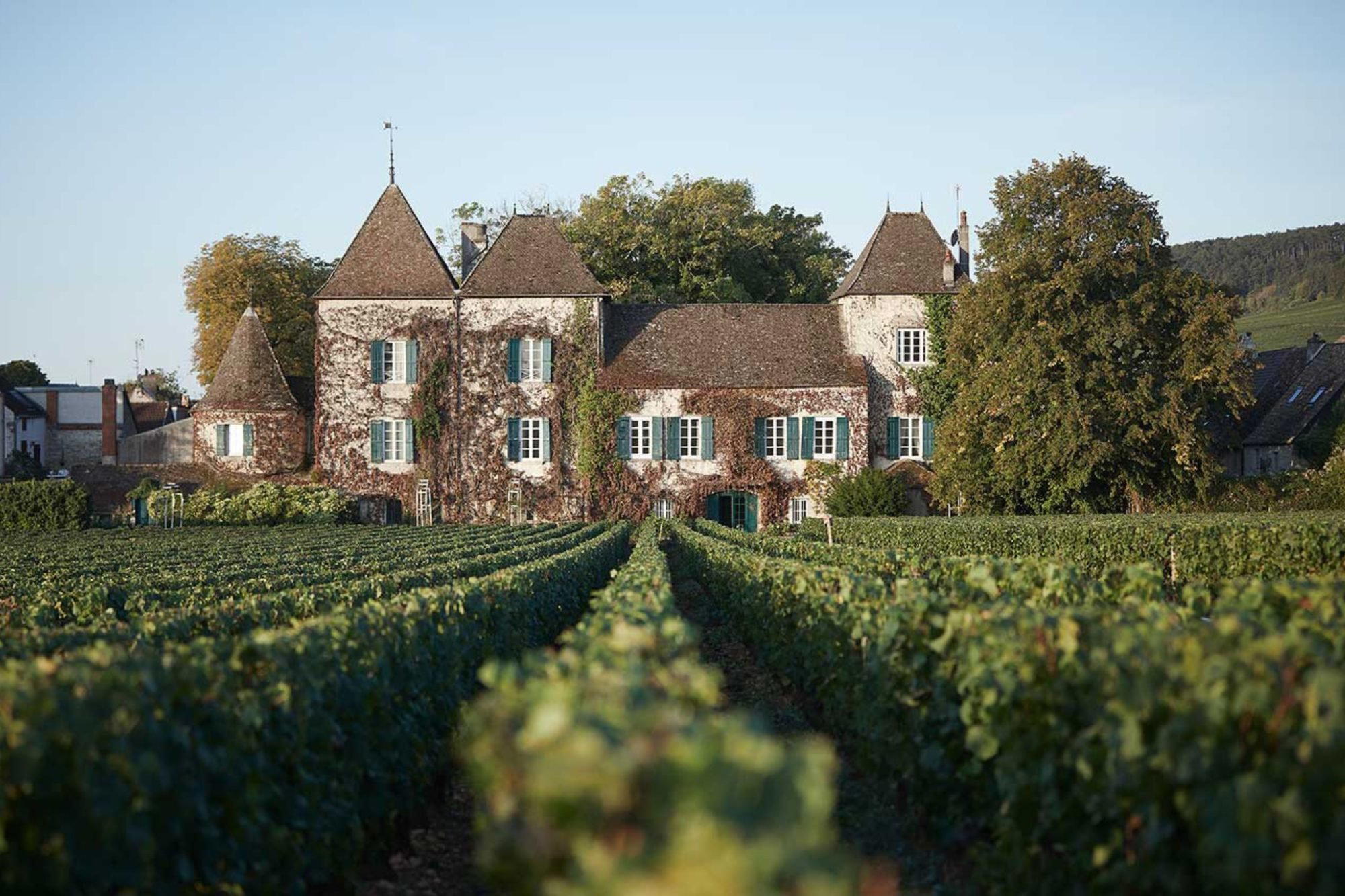
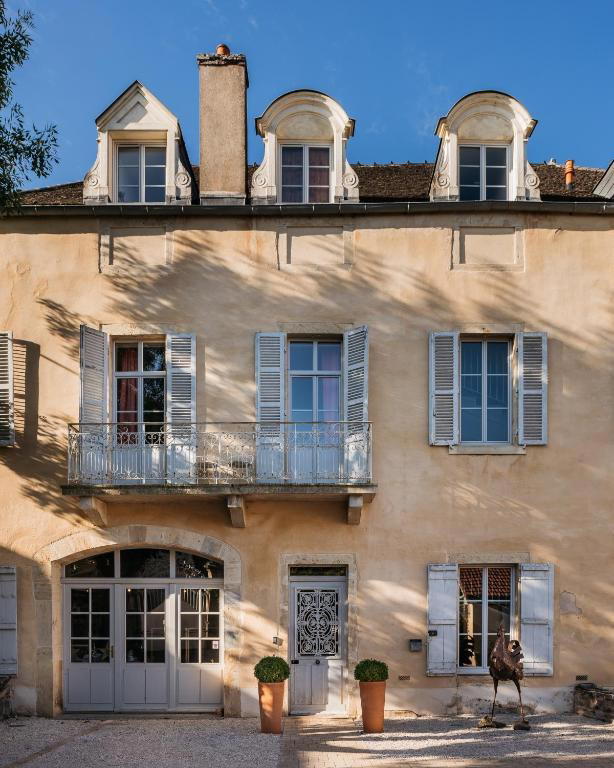
Thomas-Collardot is a Burgundy domaine in Puligny-Montrachet with a quiet, traditional cellar atmosphere. The profile is intentionally narrow: a small, artisanal setting focused on purity of terroir and handcrafted, parcel-specific wines, with an intimate, classic Côte de Beaune feel. It is the kind of address that should be understood through restraint rather than scale, with the emphasis placed on place, craft, and the slower rhythm of a working domaine.
For readers planning around Puligny-Montrachet, the useful facts are direct. Thomas-Collardot is listed at a $$$ price level, operates Monday to Friday from 9 am to 5 pm, and is closed Saturday and Sunday. It also carries a Michelin Guide Burgundy Main Selection wine-estate distinction. Those details are enough to position it clearly on an itinerary: not as a broad hospitality destination with many public claims attached, but as a focused wine-estate listing in one of Burgundy’s most closely watched villages.
Parcel work in a village shaped by detail
Puligny-Montrachet is closely associated with exacting Burgundy wine culture, and Thomas-Collardot fits the village through a small, artisanal domaine identity rather than a large hospitality format. The most reliable way to frame it is as a classic, intimate producer address where the emphasis is on terroir and parcel-specific wines. In that context, the narrowness of the profile is part of its character: the listing points toward precision, patience, and a sense of place rather than toward breadth, spectacle, or a heavily packaged visitor experience.
The page does not verify detailed technical claims about vineyard area, specific appellations, farming certification, winemaking methods, yields, grape varieties, or individual cuvées. Those details should be confirmed directly with the domaine before being used to plan a visit or compare bottles. For Burgundy readers, that caution matters, because small differences in parcel, cellar practice, and release can shape expectations; here, the confirmed information supports the general identity, but not a technical breakdown.
What is confirmed is the overall character: traditional, elegant, quiet, and focused on handcrafted Burgundy. That makes Thomas-Collardot best understood as a hidden-gem-style Puligny-Montrachet domaine for visitors who value a restrained cellar atmosphere over spectacle. The appeal is not described through volume or showmanship, but through a sense of discretion: a small address in which the language of terroir and parcel work remains central.
Cellar choices that keep Puligny in focus
The confirmed profile does not include a detailed cellar protocol, barrel program, production scale, or winemaker biography. Rather than overstate particulars, the safest reading is to treat Thomas-Collardot as a small Burgundy domaine whose public-facing identity is rooted in terroir, craft, and an intimate Côte de Beaune mood. That reading keeps the emphasis where the available information supports it: on a traditional cellar atmosphere and handcrafted, parcel-specific wines.
Within the broader Puligny-Montrachet conversation, readers may naturally think of established names such as Domaine Etienne Sauzet, Benoît Ente, Domaine François Carillon, Domaine Jacques Carillon, and Domaine Leflaive. Thomas-Collardot sits more quietly in that context: a small, traditional domaine profile rather than a venue defined here by an extensive documented technical dossier. The comparison is useful mainly for scale and mood, not for ranking or technical equivalence; this listing presents Thomas-Collardot as a more discreet point of reference within the village.
Its Michelin Guide Burgundy Main Selection wine-estate distinction gives the listing a confirmed point of recognition. Beyond that, any more granular claim about production methods, acreage, grape mix, or tasting format should be treated as unconfirmed unless confirmed directly by the domaine. For planning purposes, that means the most dependable takeaway is the domaine’s broad identity: quiet, artisanal, Puligny-Montrachet-based, and recognized in the Michelin Guide Burgundy Main Selection.
How to read the visit: a quiet domaine profile
Thomas-Collardot is best read as a small, artisanal Burgundy domaine in Puligny-Montrachet with a quiet cellar atmosphere. The opening hours are Monday through Friday, 9 am to 5 pm, with Saturday and Sunday closed. Those hours make weekday planning the practical frame, while the closed weekend schedule reinforces the need to check directly before building a route around the address.
The listed price level is $$$. It helps set expectations, but it does not replace direct confirmation with the domaine.
For a Puligny-Montrachet itinerary, Thomas-Collardot is strongest as a focused domaine entry: classic, elegant, intimate, and centered on terroir. Other dining, hotel, bar, winery, and experience planning in Puligny-Montrachet should be checked separately against current opening details. This is especially important because the confirmed listing is deliberately concise and does not describe a wider visitor program, extended hospitality offer, or detailed tasting structure.
Compared with better-known Burgundy names, the appeal here is quieter and more traditional. The confirmed facts support a concise recommendation: consider Thomas-Collardot if you are looking for a small Puligny-Montrachet domaine with a restrained cellar feel and a Michelin Guide Burgundy Main Selection wine-estate distinction. It is best approached with expectations calibrated to intimacy and understatement: a domaine profile defined by place, craft, and quiet Burgundy focus.
A Quick Peer Check
Comparable venues by cuisine and price in the same metro.
| Venue | Awards |
|---|---|
| Thomas-CollardotThis venue — the venue you are viewing | Michelin Main Selection |
| Domaine Etienne Sauzet | Michelin 2 Grapes · Falstaff Winery - Listed |
| Benoît Ente | Michelin 2 Grapes |
| Domaine François Carillon | Falstaff Winery - Listed |
| Domaine Leflaive | Michelin 2 Grapes · Falstaff Winery - 5 Stars |
| Domaine Jacques Carillon | Michelin Main Selection |
Recognition history
Dated appearances from independent guides and award organizations, with the underlying list record or original source where available.
Michelin Main Selection
Michelin · 2026 Michelin Grape Main Selection - Burgundy
Continue exploring
More in Puligny-Montrachet
Wineries in Puligny-Montrachet
Browse all →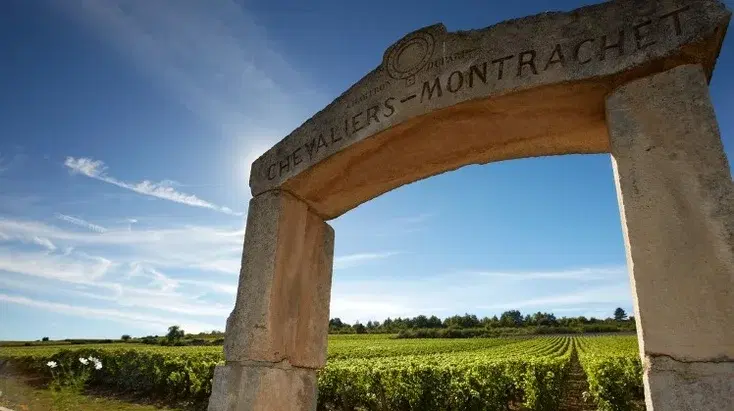
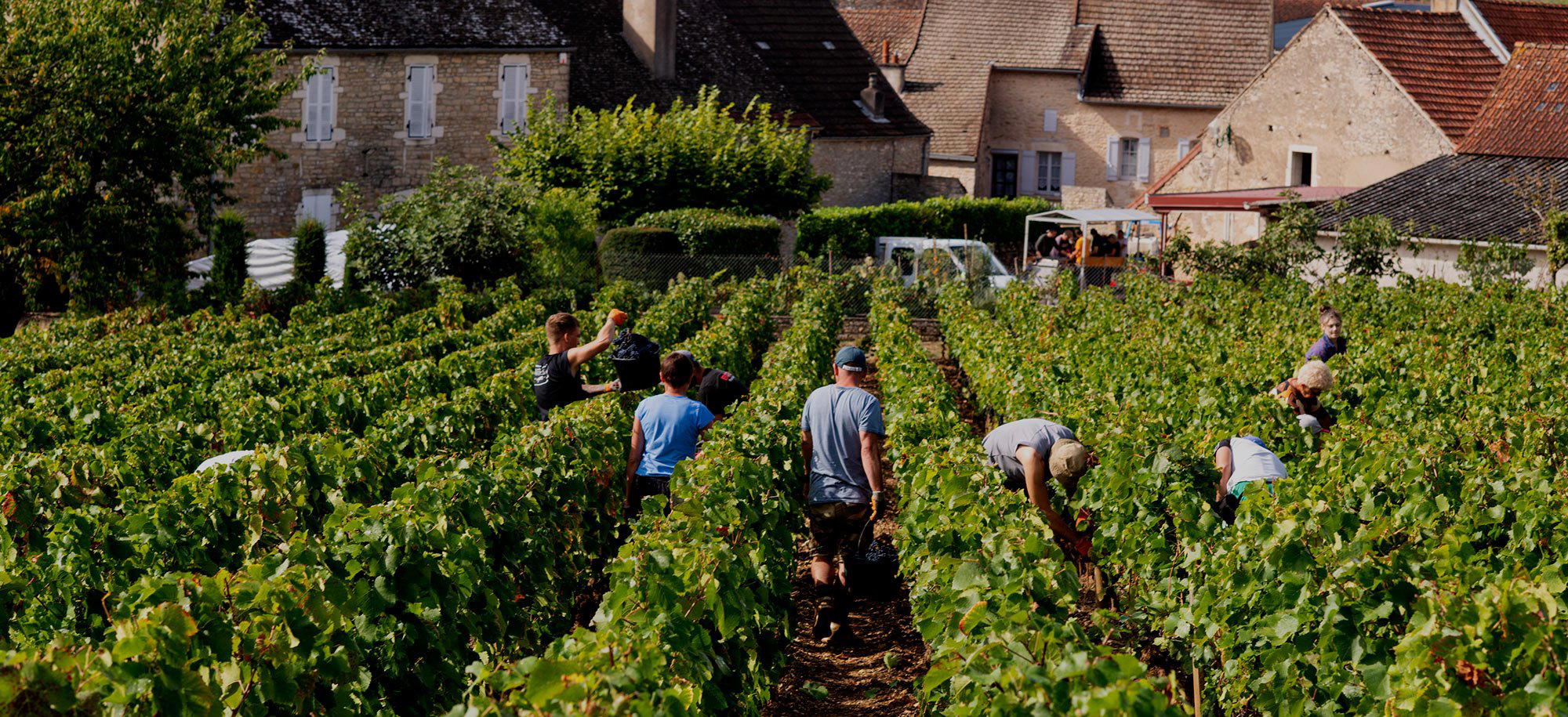

Bars in Puligny-Montrachet
Browse all →
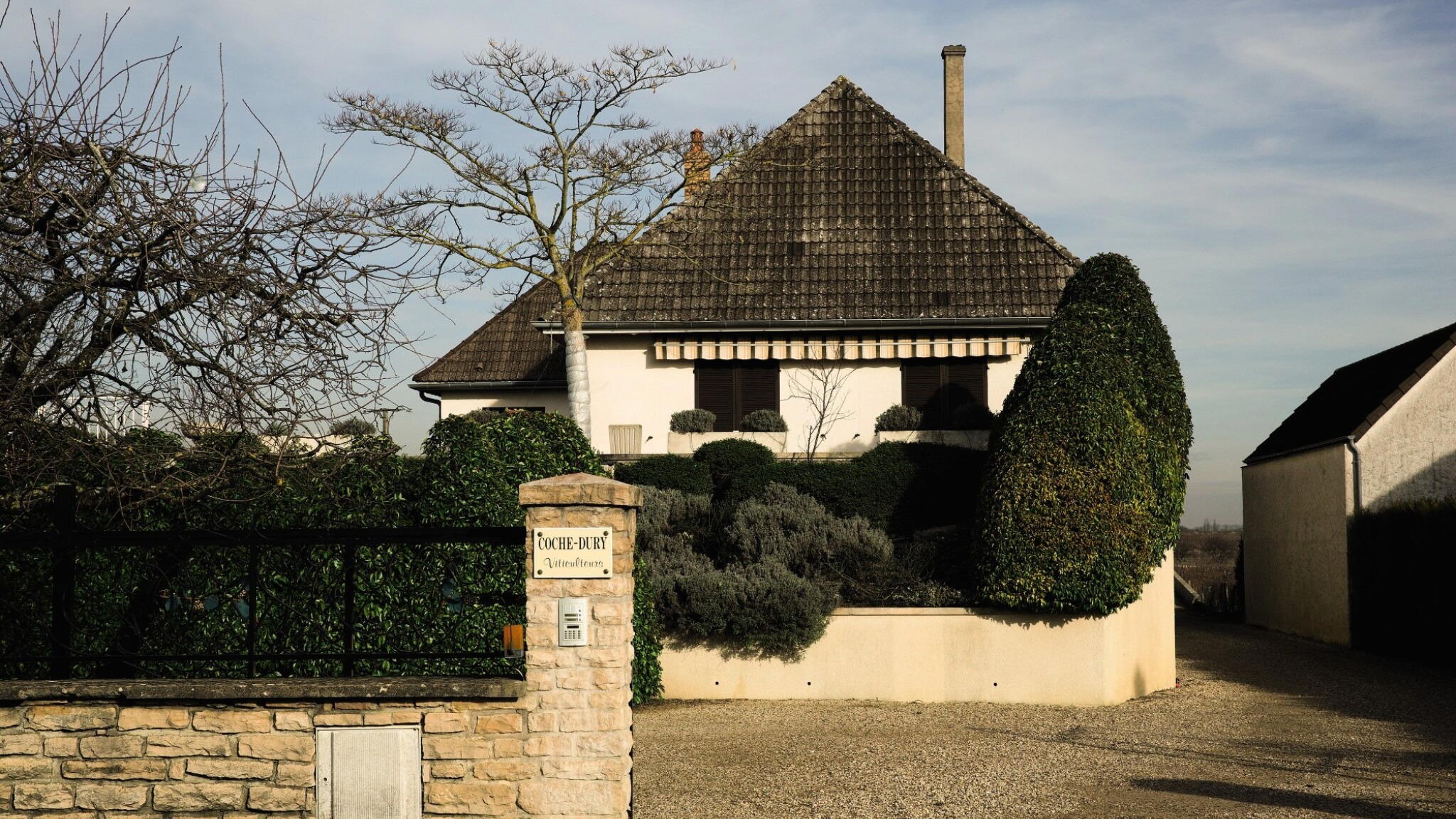
Restaurants in Puligny-Montrachet
Browse all →
Details
- Classic
- Elegant
- Intimate
- Sophisticated
- Wine Education
- Solo Exploration
- Romantic Getaway
- Special Occasion
- Estate Grounds
- Private Tasting
- Vineyard Tour
- Organic
- Vineyard
- Chardonnay
- Pinot Noir
- Still White
- Still Red
- Sparkling
- Appointment Tasting
- Producer Led Tasting
- French
- English
Current opening hours
- Monday
- 9 am–5 pm
- Tuesday
- 9 am–5 pm
- Wednesday
- 9 am–5 pm
- Thursday
- 9 am–5 pm
- Friday
- 9 am–5 pm
- Saturday
- Closed
- Sunday
- Closed
Hours can change for holidays and private events. Last verified .
Small, artisanal Burgundy domaine with a quiet, traditional cellar atmosphere focused on purity of terroir and handcrafted, parcel-specific wines, conveying an intimate, classic Côte de Beaune feel.