Vincent Dancer

Michelin Main Selection
Vincent Dancer belongs to the quieter, allocation-driven side of Chassagne-Montrachet: small holdings, organic farming, and cellar work designed to keep Chardonnay and Pinot Noir close to their sites. The domaine’s Michelin Guide Burgundy Main Selection wine-estate distinction and its 1996 founding place it firmly in the serious Côte de Beaune conversation, with visits shaped around appointment-only wine education rather than tourism scale.

Pearl is the En Primeur Club membership app — saves, bookings, and concierge access live there. Same editors, same standards.
- Address
- Chassagne-Montrachet, France
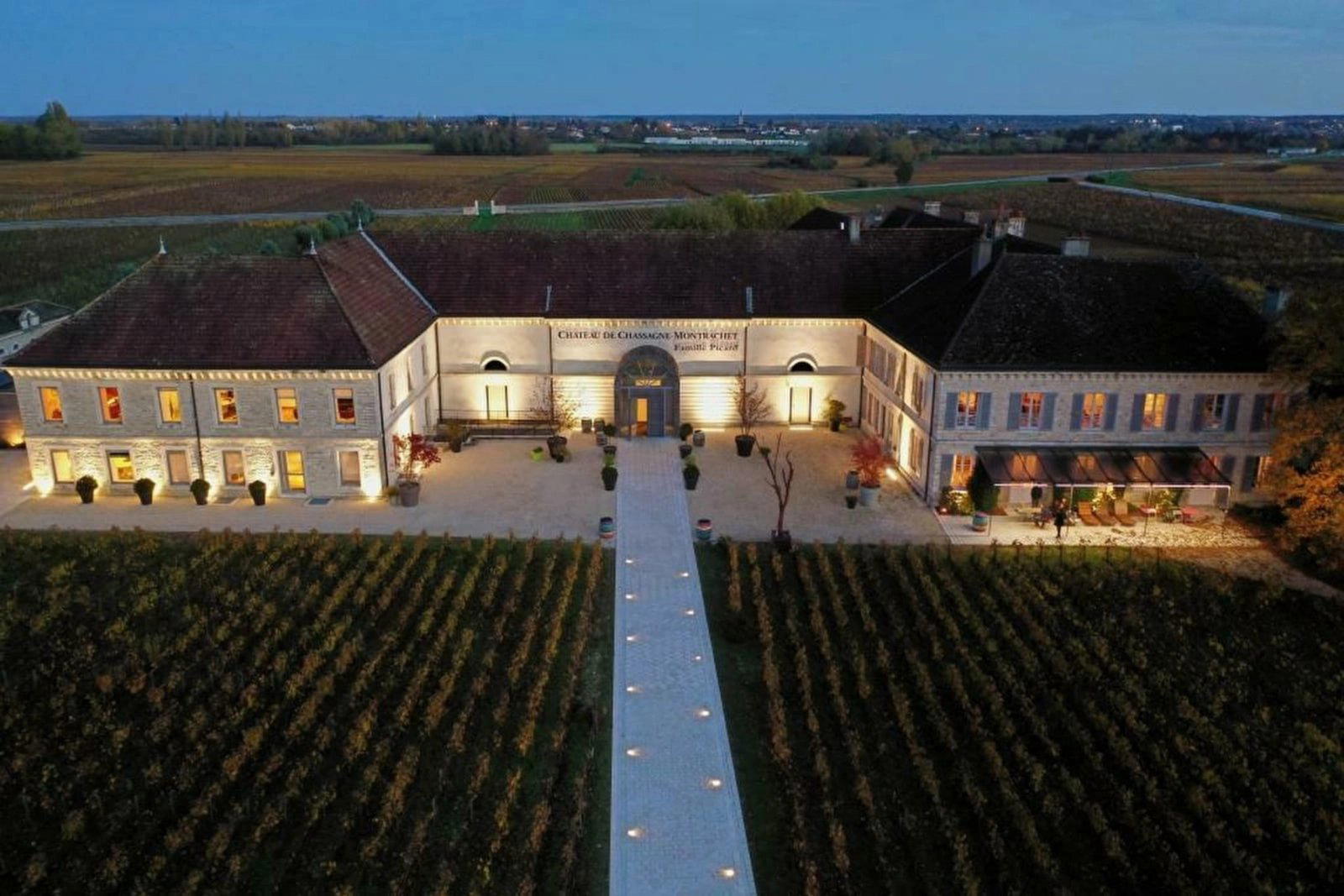
Vincent Dancer is best understood as a serious Burgundy domaine in Chassagne-Montrachet rather than as a venue built around display. The picture is deliberately focused: a small, perfectionist-run estate with a vineyard-first, minimal-intervention philosophy and wines described through precision, freshness, minerality, and terroir expression. The appeal is not showiness. It is the idea of Burgundy reduced to close attention: site, farming sensibility, restraint, and a style that aims for muscular elegance without losing line.
Because the confirmed information is narrow, the most useful way to read Vincent Dancer is not through invented visitor details or an assumed hospitality format. What is is the domaine’s identity and positioning. It belongs to Chassagne-Montrachet, carries a high-end price level, and is recognized by the Michelin Guide Burgundy Main Selection wine-estate distinction. Those facts support a concise but clear editorial conclusion: this is a premium Burgundy address for readers who care about terroir-driven wine more than spectacle.
Chassagne texture, limestone tension, and a small-estate scale
Chassagne-Montrachet is a name that often invites expectations of depth, structure, and mineral tension. For Vincent Dancer, the description points toward wines that are precise, muscular, and elegant, with freshness and minerality placed ahead of gloss. That distinction matters. In Burgundy, power can easily become weight; the stronger claim here is balance, with the domaine’s style framed around expression of place rather than an obvious attempt to impress.
The estate is described as small and perfectionist-run, which helps explain the tone of the address. This is not a page that can responsibly promise a particular tasting format, visitor capacity, vineyard surface, grape list, cellar technique, or appointment policy unless those details. Instead, the reliable emphasis is philosophical: vineyard-first, minimal-intervention, and terroir-led. For a Burgundy reader, that is already meaningful. It indicates a domaine whose identity is built around how wine is grown and interpreted, not around a broad hospitality program.
The confirmed Michelin Guide Burgundy Main Selection wine-estate distinction gives Vincent Dancer an external recognition point. It should not be overstated into a broader awards story, but it is a useful marker for travelers and collectors comparing serious Burgundy domaines. Combined with the $$$$ price level, it places the estate firmly in the premium category. The expectation should be shaped accordingly: Vincent Dancer is presented as an exacting Chassagne-Montrachet domaine where finesse, mineral drive, and vineyard expression are the central ideas.
Minimal intervention without the rhetoric
“Minimal intervention” can become empty language when it is used as a decorative label. Here, the description gives it a more specific editorial role: Vincent Dancer is associated with a vineyard-first approach and wines that avoid showiness. That does not require adding unsupported details about fermentation, oak, filtration, yields, or cellar equipment. The point is simpler and stronger when kept grounded. The domaine’s style is described through restraint, freshness, minerality, and terroir expression.
That restraint also affects how the venue should be presented to readers. Vincent Dancer should not be framed around extras such as food service, delivery, a public tasting schedule, a seat count, a particular language offering, or a fixed visit duration. None of those details are part of the confirmed record supplied here. A careful guide should therefore avoid promising them. What it can say is that the estate’s reputation, as rests on a serious Burgundy identity and on wines that favor precision over theatricality.
The $$$$ price category is important because it sets expectations without inventing exact bottle prices or fees. It signals that Vincent Dancer belongs at the expensive end of a Chassagne-Montrachet itinerary. For some readers, that will make it a special-interest address rather than a casual stop. For others, especially those drawn to Burgundy through terroir, texture, and mineral line, that premium positioning is part of the reason to pay attention.
How to place it inside a Chassagne-Montrachet trip
Vincent Dancer fits most naturally into a Chassagne-Montrachet plan built around wine rather than general sightseeing. The safest planning advice is to treat the domaine as a premium, serious Burgundy reference point and to verify practical arrangements directly before making plans.
The same caution applies to broader itinerary building. Chassagne-Montrachet is compact and wine-focused, but the experience around Vincent Dancer should be planned with current information from the domaine or trusted local sources rather than with unsupported assumptions.
The editorial case for Vincent Dancer is therefore narrow, but convincing: a small, perfectionist Burgundy domaine in Chassagne-Montrachet, recognized by the Michelin Guide Burgundy Main Selection wine-estate distinction, positioned at $$$$, and defined by a vineyard-first, minimal-intervention philosophy. Its wines are characterized as precise, muscular yet elegant, with freshness, minerality, and terroir expression taking priority over showiness. For readers who want Burgundy to speak through restraint and site rather than performance, that is the essential reason to know the name.
Recognition history
Dated appearances from independent guides and award organizations, with the underlying list record or original source where available.
Michelin Main Selection
Michelin · 2026 Michelin Grape Main Selection - Burgundy
Continue exploring
More in Chassagne-Montrachet
Wineries in Chassagne-Montrachet
Browse all →
Restaurants in Chassagne-Montrachet
Browse all →
Details
- Elegant
- Classic
- Sophisticated
- Intimate
- Special Occasion
- Romantic Getaway
- Solo Exploration
- Wine Education
- Estate Grounds
- Private Tasting
- Design Destination
- Organic
- Vineyard
- Chardonnay
- Pinot Noir
- Still White
- Still Red
- Seated Tasting
- Barrel Tasting
- Estate Portfolio Tasting
- French
- English
A small, perfectionist-run Burgundy domaine with a vineyard-first, minimal-intervention philosophy, producing precise, muscular yet elegant wines that emphasize freshness, minerality, and terroir expression rather than showiness.