

Michelin Main Selection · Falstaff Winery - Listed
Domaine Jobard-Morey is a small family-run Meursault estate founded in 1949, working in the village’s Chardonnay-led tradition while also producing Pinot Noir. The appeal is not spectacle but scale: a quiet cellar setting, sustainable viticulture, private tasting format, and a terroir-first reading of Meursault AOC rather than a hospitality production built for crowds.

Pearl is the En Primeur Club membership app — saves, bookings, and concierge access live there. Same editors, same standards.
- Address
- 1 Rue de la Barre, 21190 Meursault, France
- Phone
- +33 3 80 21 26 43
- Hours
- Mon–Fri 8 AM–12 PM, 1:30–5:30 PMSat–Sun Closed
- Website
- jobard-morey.com
- Directions
- Get directions
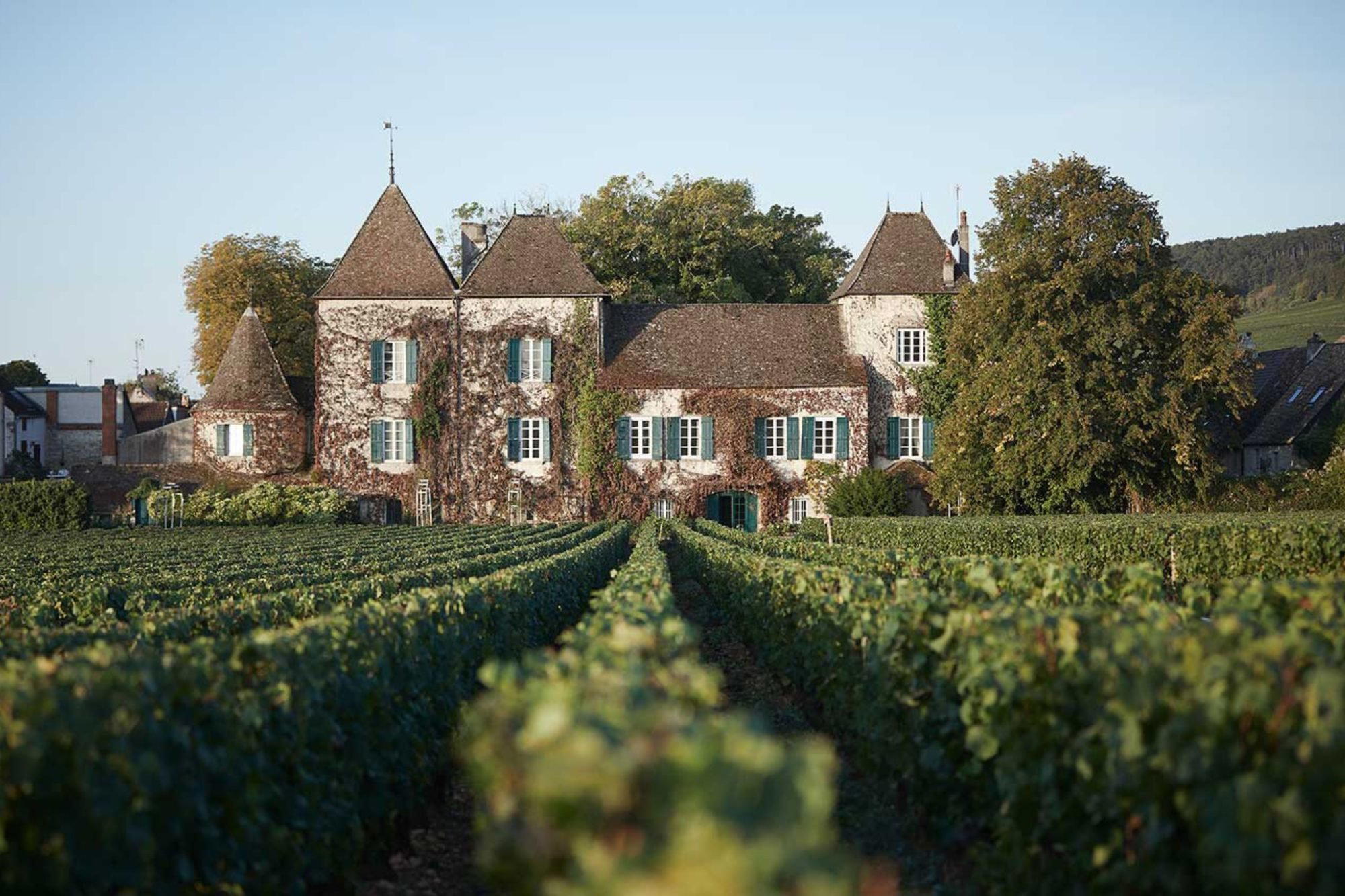
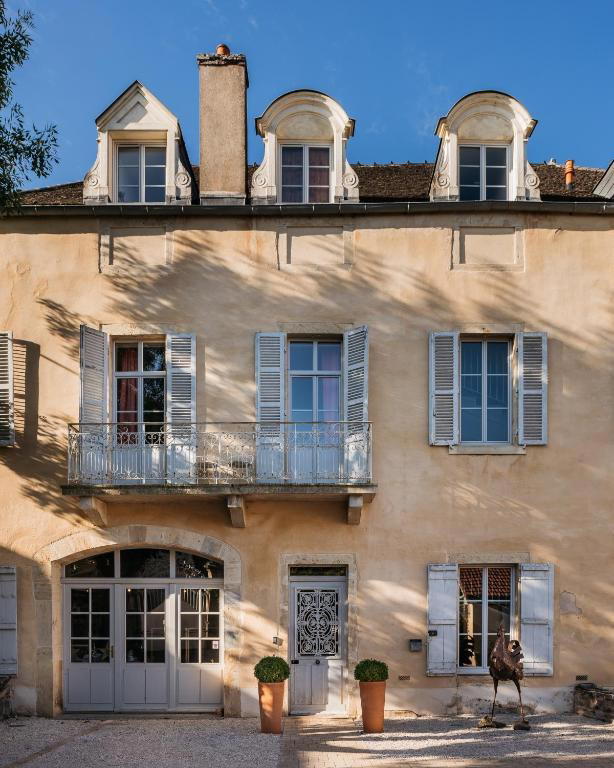
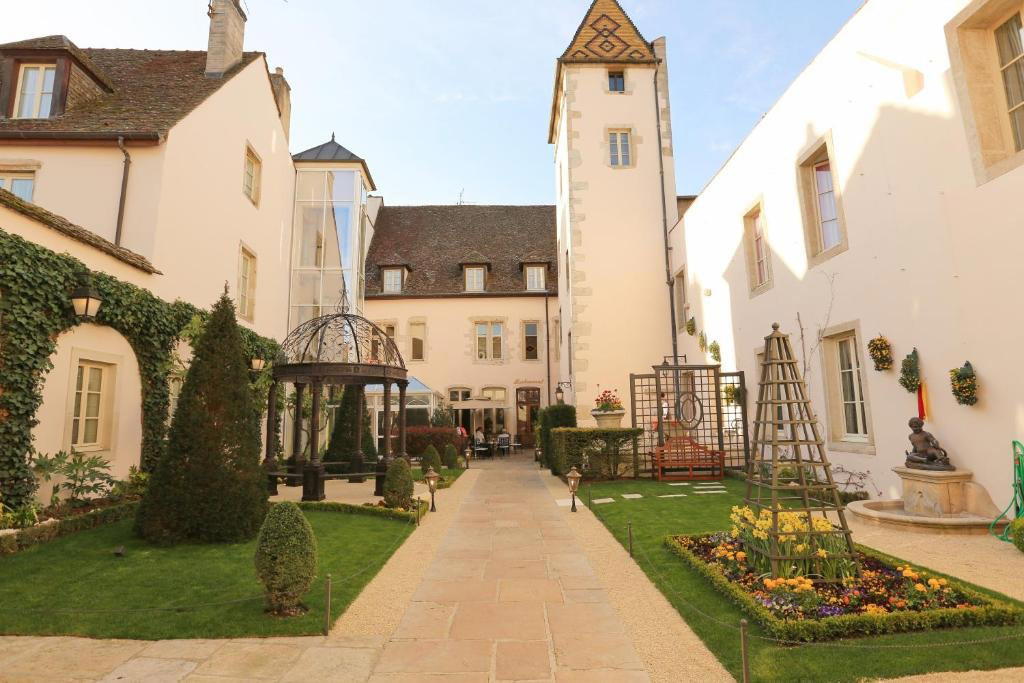
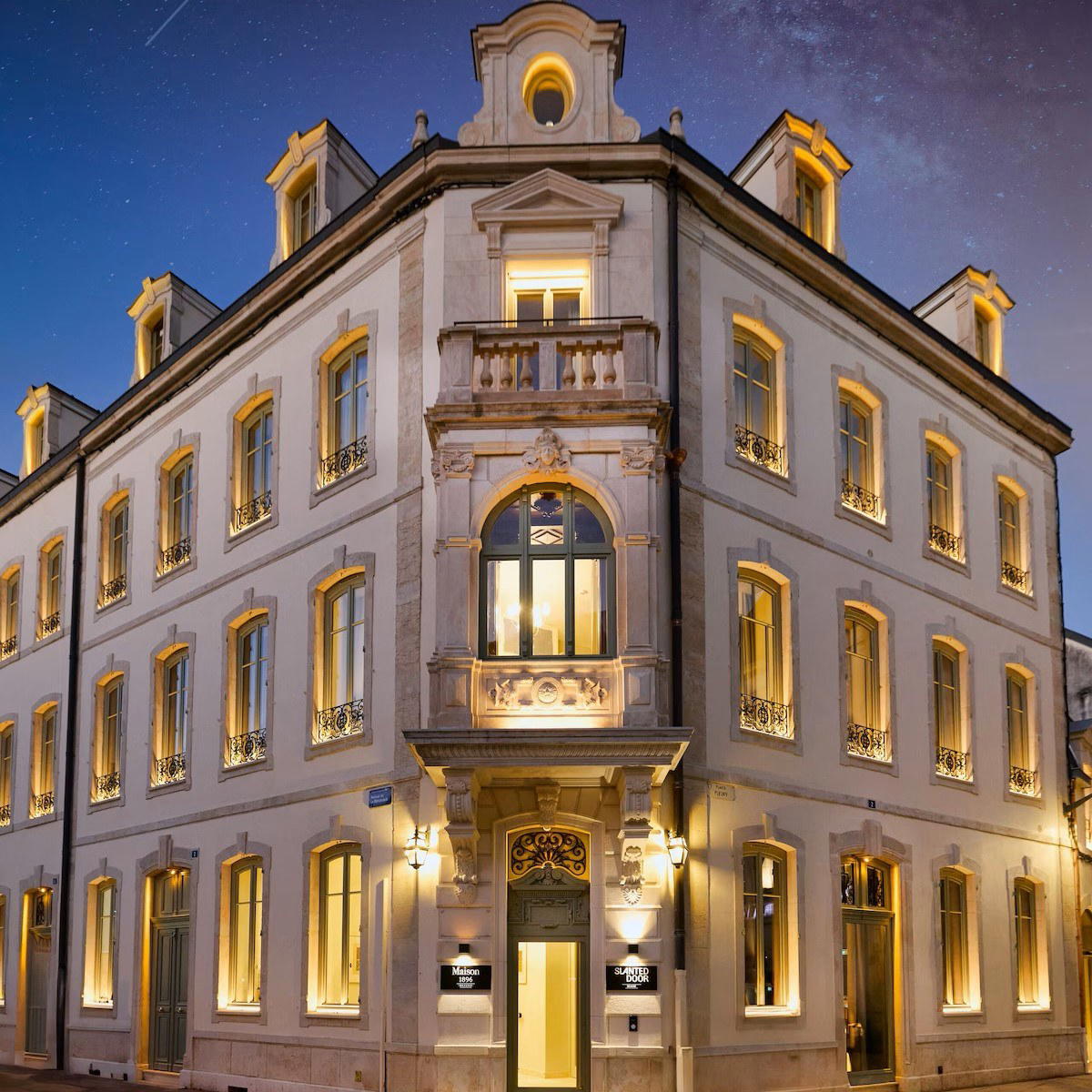
Meursault’s wine culture is often best understood through quiet, small-scale places where the emphasis stays on place rather than performance. Domaine Jobard-Morey belongs to that register. The public profile points to a traditional family-estate atmosphere focused on terroir, authenticity and a hands-on winemaking setting. For visitors, the useful expectation is not a large hospitality production, but a classic, quiet, rustic and intimate Meursault domaine context, where the value lies in the setting and the sense of local continuity rather than in polished staging.
More specific claims about founding history, grape varieties, vineyard practices, tasting formats or bottle availability should be confirmed directly with the estate before planning around them. That caution is part of the appeal as much as the logistics: this is a place to approach with careful preparation, not with assumptions carried over from more visitor-oriented addresses.
Meursault read through a small family cellar
In Burgundy travel, scale matters. A small, traditional family-estate atmosphere creates a different kind of expectation from a more formal visitor address. At Domaine Jobard-Morey, the grounded description is one of quiet, rustic intimacy and a hands-on setting, which suits travelers who want a Meursault stop centered on terroir and authenticity rather than spectacle. It suggests a visit framed by the village and its wine identity, not by a scripted performance of luxury.
For a broader local map, compare this kind of Meursault visit with other nearby domaines such as Domaine Antoine Jobard, Domaine des Comtes Lafon, Domaine Jacques Prieur, Domaine Génot-Boulanger and Domaine Marthe Henry. The point is not to rank them here, but to understand how different domaines can frame the same village through different levels of scale, pace and visitor feel. In that comparison, a quieter domaine can be especially useful because it sharpens attention on atmosphere, proportion and the everyday texture of wine country.
Meursault’s appeal is unusually dense, and Domaine Jobard-Morey fits naturally into that wider village conversation. It is best approached as a quiet estate reference point: modest in stated price level, traditional in atmosphere and focused on the kind of terroir language that draws many wine travelers to Meursault in the first place. Rather than treating it as a stand-alone attraction, it makes more sense to see it as one piece of a village whose identity is built through many such cellar-level perspectives.
Terroir expression without hospitality theatre
The most reliable lens here is atmosphere. The description emphasizes a traditional family estate, authenticity, terroir and a small-scale, hands-on winemaking setting. That makes Domaine Jobard-Morey more compelling for visitors who prefer calm, contextual wine experiences to highly staged hospitality. The attraction is the restraint: a sense that the estate is understood through its work, its locality and its quietness rather than through visitor-facing embellishment.
Plan accordingly: check directly before arriving, especially because the listed hours are weekday daytime hours and the estate is closed on Saturday and Sunday. In a village where expectations can easily outrun practical details, that direct confirmation is the difference between a thoughtful stop and an avoidable disappointment.
For travel planning, Meursault works well when the day is arranged around confirmed opening times and nearby meals or other plans. Domaine Jobard-Morey’s listed hours are Monday to Friday, 8 AM–12 PM and 1:30–5:30 PM, with Saturday and Sunday closed. Other Meursault dining and experiences can then be planned around those practical limits. The midday break and weekday rhythm also reinforce the need to build a gentle itinerary, leaving enough space between stops rather than treating the village as a checklist.
How to place it in a wider wine itinerary
Domaine Jobard-Morey is strongest for travelers looking for a classic, quiet and intimate Meursault estate atmosphere. The $$ price listing suggests a moderate positioning in the guide, but any purchase, tasting or visit cost should be confirmed directly because those details are not otherwise here. Its role in an itinerary is therefore less about guaranteed transactions and more about anchoring the day in a traditional, low-key sense of place.
Its wider context is best understood through contrast with other Meursault domaines rather than through claims about format or prestige. Domaine Antoine Jobard, Domaine des Comtes Lafon, Domaine Jacques Prieur, Domaine Génot-Boulanger and Domaine Marthe Henry give travelers additional points of reference in and around the same wine conversation. Domaine Jobard-Morey’s grounded appeal remains simple: Meursault, a traditional family-estate feel, and a quiet focus on terroir. For travelers who value that simplicity, it can help balance a Burgundy route with something smaller in tone, slower in pace and closely tied to the village itself.
Comparable Spots, Quickly
Comparable venues by cuisine and price in the same metro.
| Venue | Price | Awards |
|---|---|---|
| Domaine Jobard-MoreyThis venue — the venue you are viewing | Not listed | Michelin Main Selection · Falstaff Winery - Listed |
| Domaine Antoine Jobard | Not listed | Falstaff Winery - Listed |
| Domaine des Comtes Lafon | Not listed | Michelin 2 Grapes · Falstaff Winery - Listed |
| Domaine Jacques Prieur | Not listed | Falstaff Winery - 4 Stars |
| Domaine Génot-Boulanger | $100–150 | Falstaff Winery - Listed |
Recognition history
Dated appearances from independent guides and award organizations, with the underlying list record or original source where available.
Michelin Main Selection
Michelin · 2026 Michelin Grape Main Selection - Burgundy
Falstaff Winery - Listed
Falstaff
Continue exploring
More in Meursault
Wineries in Meursault
Browse all →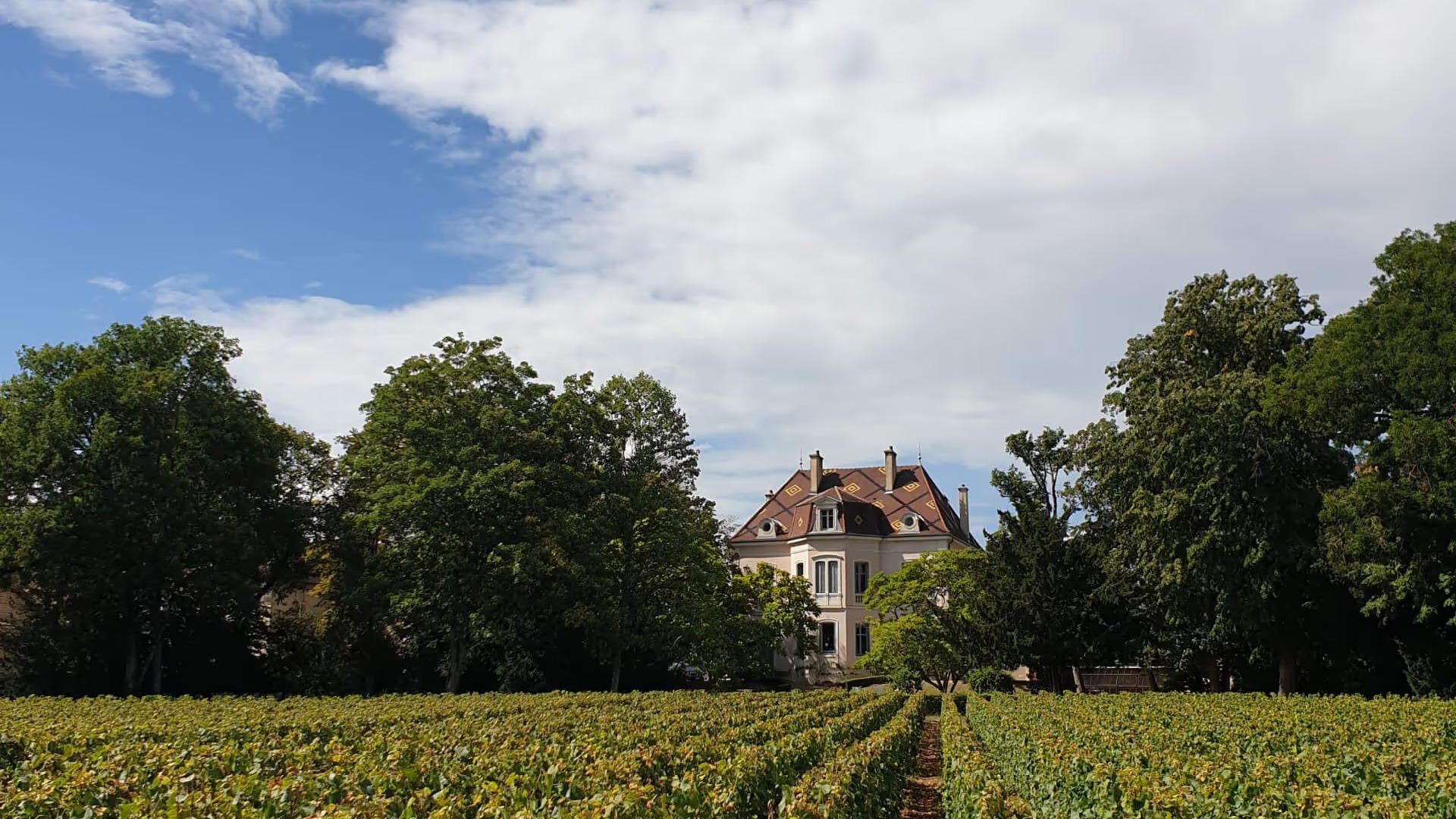
Bars in Meursault
Browse all →
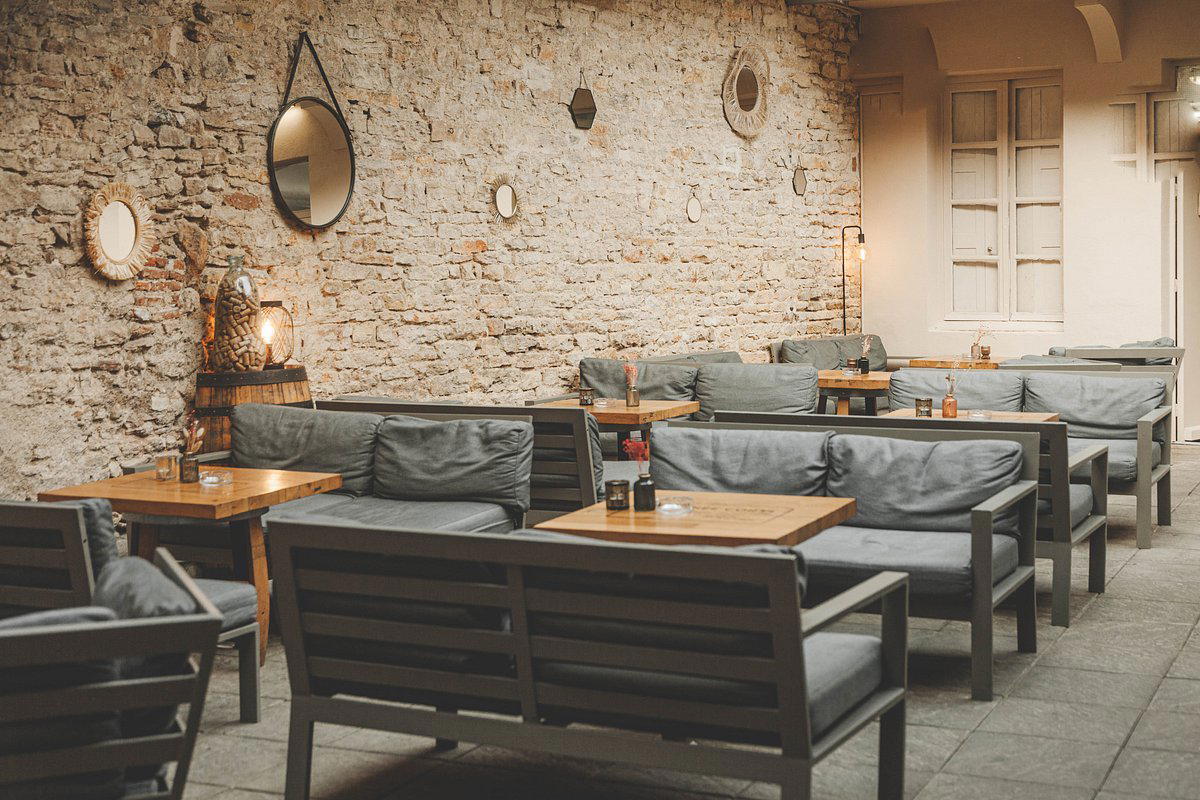
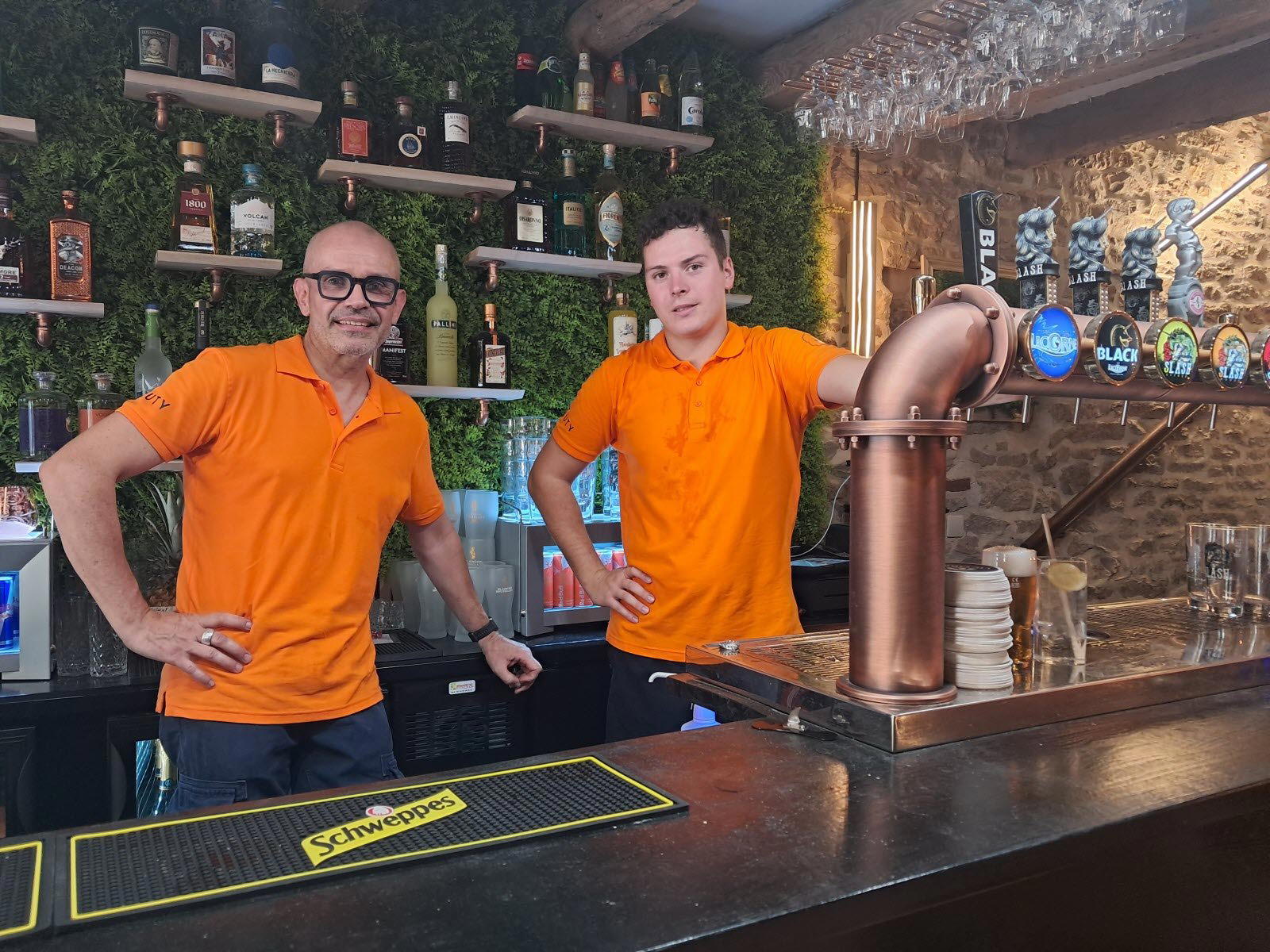
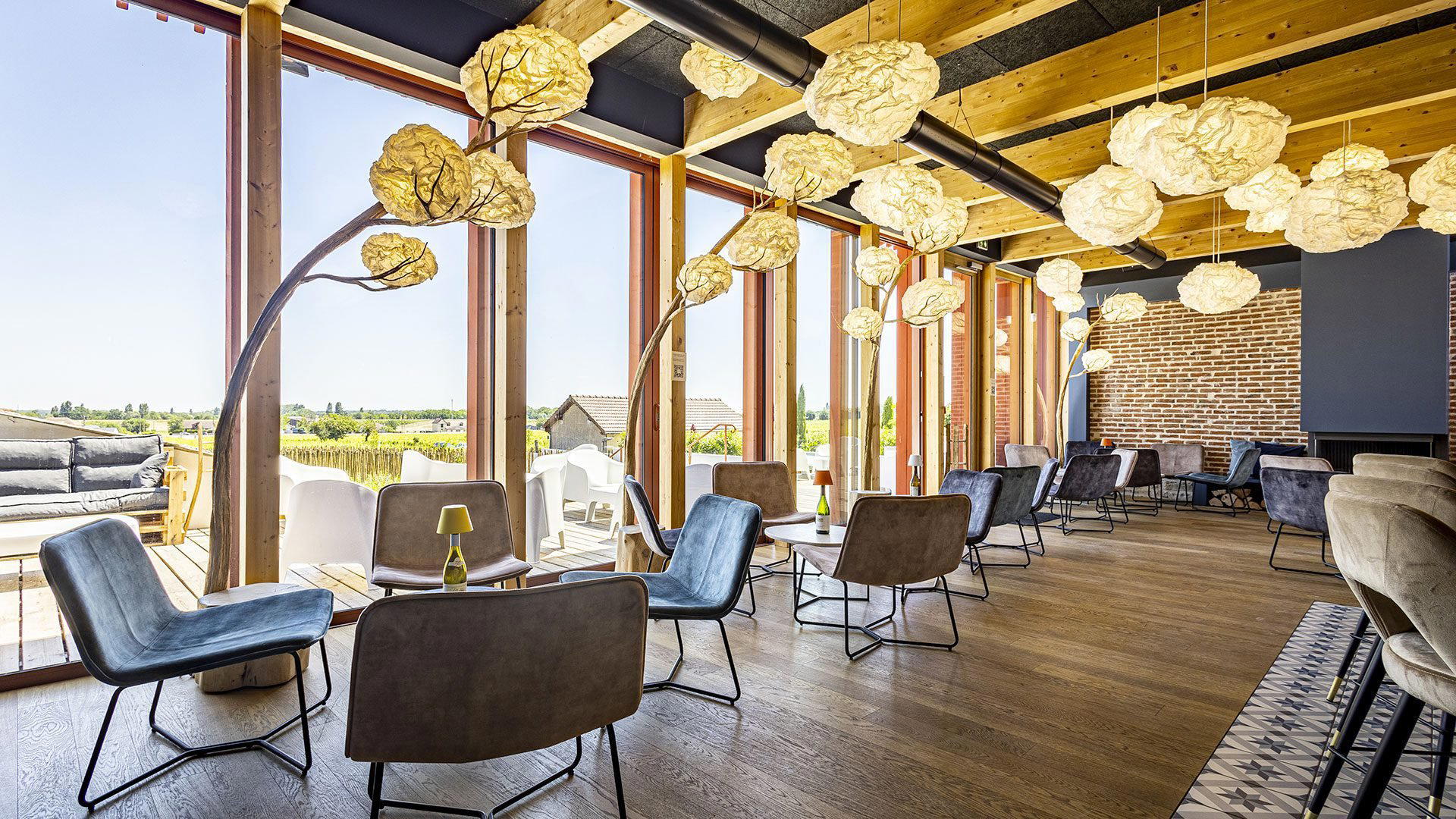
Restaurants in Meursault
Browse all →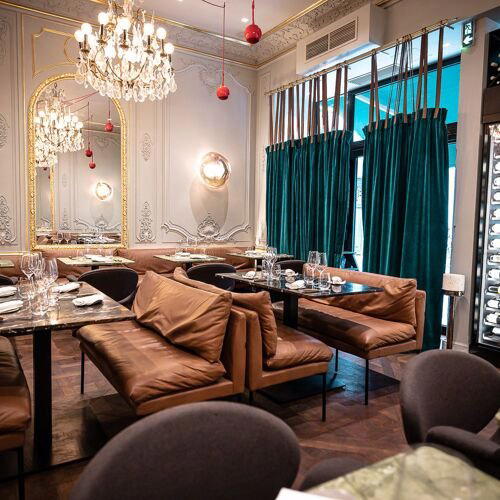
Details
- Classic
- Quiet
- Rustic
- Intimate
- Wine Education
- Solo Exploration
- Special Occasion
- Historic Building
- Private Tasting
- Sustainable
- Vineyard
- Chardonnay
- Pinot Noir
- Still White
- Still Red
- Private Tasting
Current opening hours
- Monday
- 8 AM–12 PM, 1:30–5:30 PM
- Tuesday
- 8 AM–12 PM, 1:30–5:30 PM
- Wednesday
- 8 AM–12 PM, 1:30–5:30 PM
- Thursday
- 8 AM–12 PM, 1:30–5:30 PM
- Friday
- 8 AM–12 PM, 1:30–5:30 PM
- Saturday
- Closed
- Sunday
- Closed
Hours can change for holidays and private events. Last verified .
Traditional family estate atmosphere focused on terroir, authenticity, and a small-scale, hands-on winemaking setting.