Domaine Arnoux-Lachaux

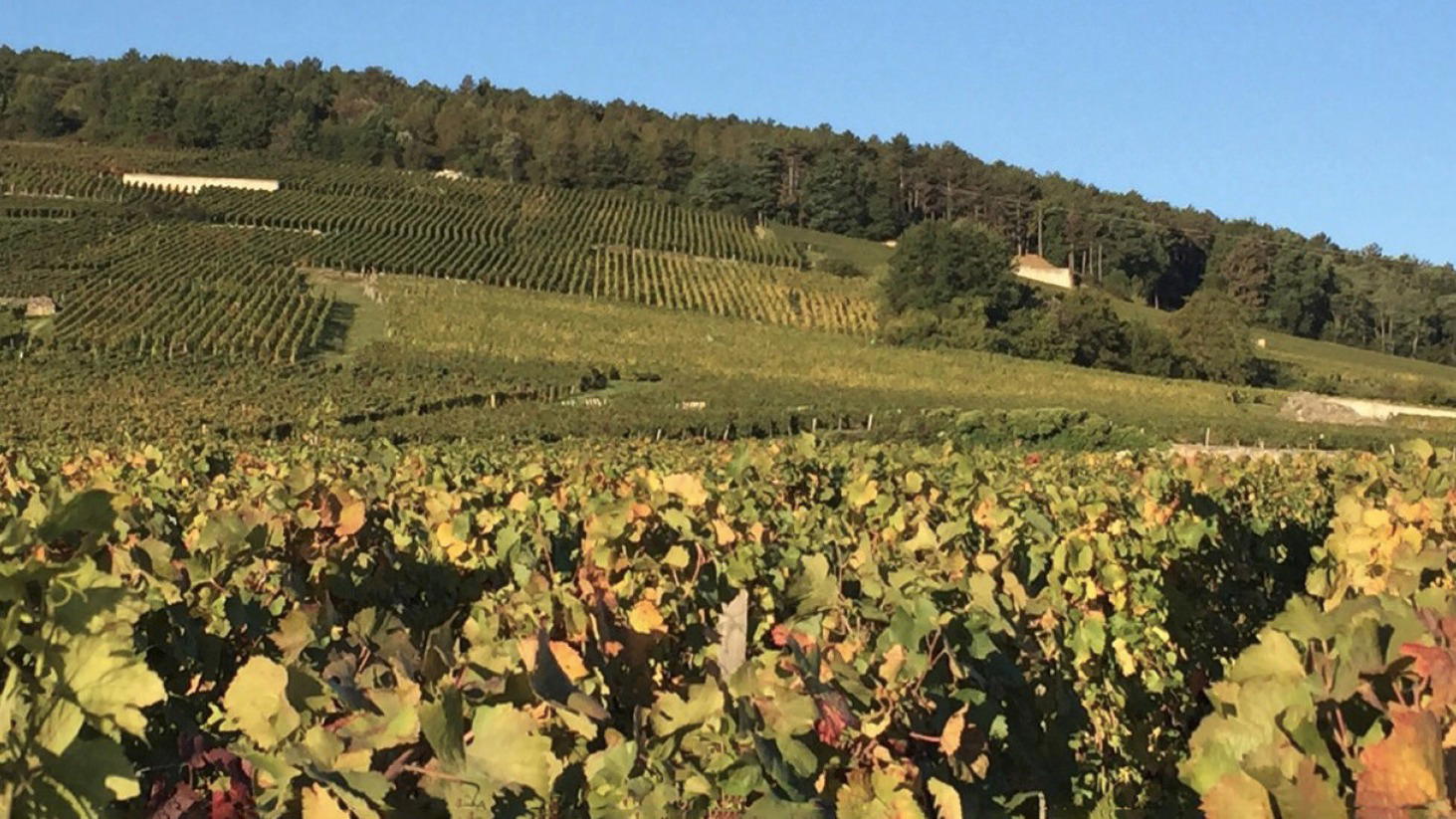
Domaine Arnoux-Lachaux in Vosne-Romanée runs organic and biodynamic production, with quiet vineyard-view visits and cave tastings that suit a planned wine stop.
Pearl is the En Primeur Club membership app — saves, bookings, and concierge access live there. Same editors, same standards.
- Address
- 3, Route Nationale 74, 21700 Vosne-Romanée
- Phone
- +33 3 80 61 08 41
- Website
- arnoux-lachaux.com
- Directions
- Get directions
 Saves & bookings on Pearl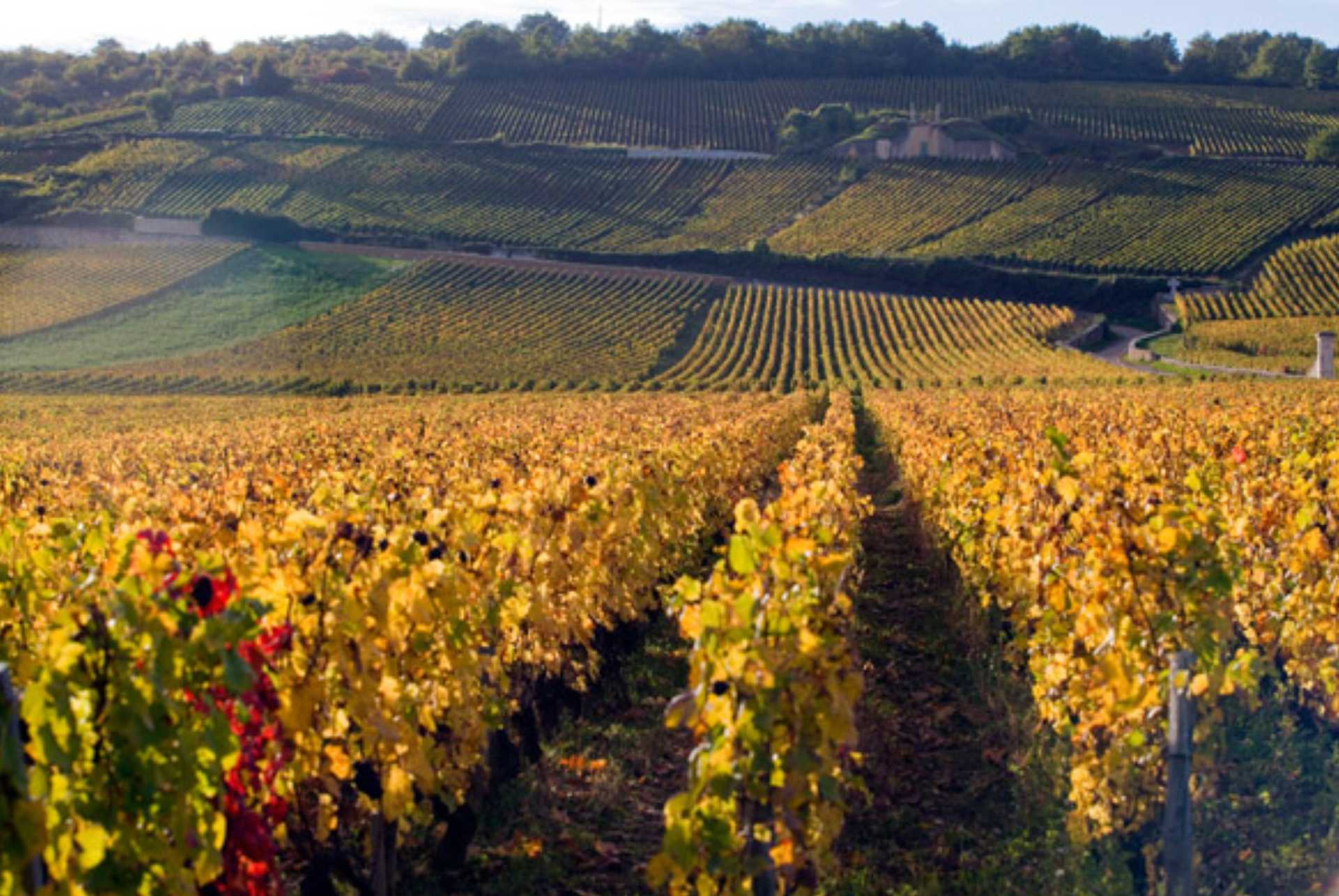
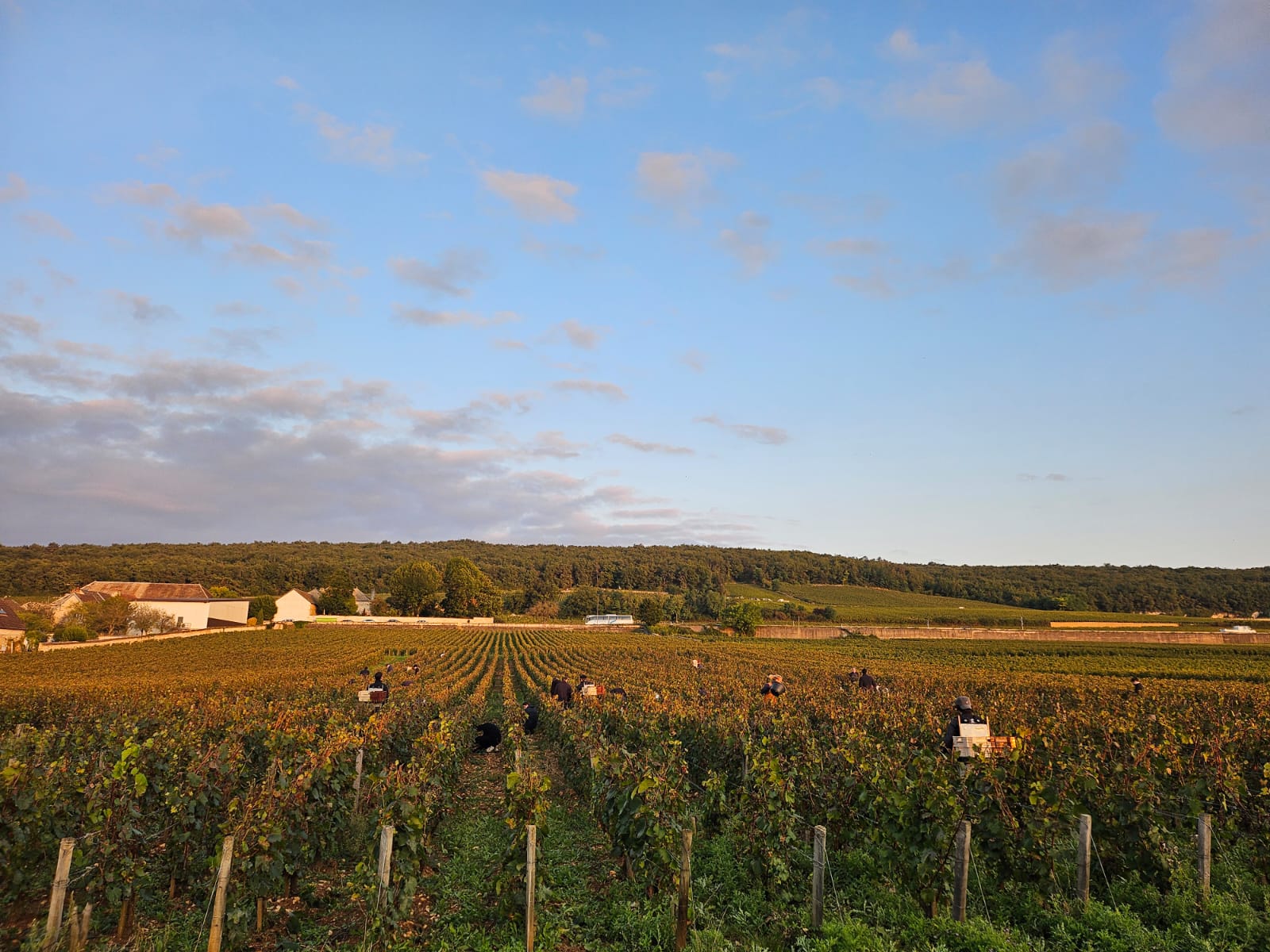
Vosne-Romanée's domaine landscape splits along a technical fault line: estates that expanded their holdings through marriage, acquisition, and inheritance into holdings spanning multiple grands crus and premiers crus, and estates that consolidated into a tight, vertically-integrated model centered on a core set of parcels worked under a single technical regime. Domaine Arnoux-Lachaux, operating from the village center under winemaker Charles Lachaux, sits decisively in the second camp. The domaine holds approximately 14.5 hectares across Vosne-Romanée's premier cru and grand cru appellations, with holdings in Romanée-Saint-Vivant, Échézeaux, Clos de Vougeot, and a concentrated set of Vosne-Romanée premiers crus including Aux Reignots, Les Suchots, and Les Chaumes. The technical frame Charles Lachaux has imposed since taking full control of vinification in the early 2000s, whole-cluster fermentation at percentages above the Vosne-Romanée baseline, extended maceration periods running 28 to 35 days where the village median sits closer to 21 to 25 days, and a deliberate reduction in new oak usage from the estate's historical 80–100% down to 40–60%, represents a clear break from the Arnoux house style that preceded it and a repositioning inside the post-2000 Burgundy technical conversation around extraction, tannin management, and the balance between fruit expression and structural depth.
The domaine's lineage traces to Robert Arnoux, who built the estate through the mid-20th century and established the Arnoux name as a reliable if not elite Vosne-Romanée producer. Charles Lachaux, Robert Arnoux's grandson, took over vinification responsibilities progressively through the late 1990s and early 2000s, renaming the domaine Arnoux-Lachaux after taking control to signal the generational transition. The technical pivot Lachaux introduced, higher whole-cluster percentages, longer macerations, reduced new oak, sits inside the broader Burgundy conversation that emerged in the early 2000s around the Domaine de la Romanée-Conti whole-cluster model, the Domaine Dujac approach to stem inclusion, and the Domaine Leroy extreme-low-yield philosophy. Lachaux's regime does not replicate any of those models directly; instead, it occupies a middle position: whole-cluster percentages that vary by cuvée and vintage (typically 50% to 80% for the grands crus, lower for village-level bottlings), maceration lengths that push beyond the Vosne-Romanée norm without entering the 45-day-plus territory that defines particularly extractive producers, and oak regimes that pull back from the high-toast, high-percentage new oak that defined 1990s Burgundy without abandoning new oak entirely. The resulting wines, dense, structured, tannic in youth, with pronounced dark-fruit and spice profiles and a firm, sometimes austere backbone, place Arnoux-Lachaux closer to the extraction-forward pole of contemporary Vosne-Romanée than to the lighter, more immediately expressive style associated with producers like Domaine Georges Mugneret-Gibourg or Domaine Gérard Mugneret.
The domaine's holdings in Romanée-Saint-Vivant and Échézeaux anchor its technical reputation. Romanée-Saint-Vivant, a 9.44-hectare grand cru sitting immediately south of Romanée-Conti, is often treated as the delicate and perfumed of Vosne-Romanée's grands crus, with lighter soils and earlier-ripening tendencies than La Tâche or Richebourg. Arnoux-Lachaux's 0.54-hectare parcel in Romanée-Saint-Vivant, located in the mid-slope section, produces a wine that reads against the appellation's typical profile: denser, darker, more structured than the RSV norm, with the whole-cluster and extended-maceration regime layering tannin and spice over the floral and red-fruit core that defines the site. Whether that disconnect represents a technical evolution of the site or a stylistic overcorrection remains contested inside the Burgundy trade; the Arnoux-Lachaux RSV has its partisans, particularly among collectors who favor structured, age-worthy Burgundy, but it is not universally admired.
Échézeaux, the largest of Vosne-Romanée's grands crus at 37.69 hectares, is a technically heterogeneous appellation with significant variation in soil type, slope position, and microclimate across its 11 named lieux-dits. Arnoux-Lachaux holds parcels in Les Rouges du Bas, one of the lower-slope sections of Échézeaux, where deeper soils and slightly warmer mesoclimates produce wines with more body and less aromatic lift than the mid-slope sections like En Orveaux or Clos Saint-Denis. The domaine's Échézeaux bottling sits inside the fuller, more strong end of the Échézeaux spectrum, with the same whole-cluster and extended-maceration protocol applied across the estate. The wine is frequently compared in trade tastings to the Échézeaux bottlings from Domaine Dujac and Domaine de la Romanée-Conti, both of which use significant whole-cluster percentages; Arnoux-Lachaux's version typically reads as darker and more tannic than either, with less immediate aromatic complexity and a firmer structural frame. Clos de Vougeot, the third of the domaine's grand cru holdings, is a 50.59-hectare walled vineyard divided into more than 80 separate parcels, with quality and style varying dramatically by slope position. Arnoux-Lachaux's parcel sits in the mid-slope section, generally considered the qualitative sweet spot of the clos; the resulting wine is especially immediately approachable among the domaine's grands crus, with riper fruit profiles and softer tannins than the RSV or Échézeaux, though still dense and structured by Burgundy standards.
The premier cru holdings, Les Suchots, Aux Reignots, Les Chaumes, represent the core of the domaine's production volume and its most consistent expressions of the Lachaux technical regime. Les Suchots, a 13.11-hectare premier cru sitting immediately south of Romanée-Saint-Vivant, is often treated as one of Vosne-Romanée's upper-tier premiers crus, producing wines with grand cru weight and structure at a lower price point. Arnoux-Lachaux's Suchots bottling is the domaine's flagship premier cru, with a 1.27-hectare holding in the mid-slope section; the wine is typically especially structured and age-worthy among the premiers crus, with whole-cluster percentages at the high end of the domaine's range and maceration lengths running 30 to 35 days. Aux Reignots, a smaller premier cru immediately north of Romanée-Conti, produces wines with more aromatic lift and less body than Suchots; the Arnoux-Lachaux bottling reads as particularly elegant of the domaine's premiers crus, though still dense by appellation standards. Les Chaumes, the least-known of the domaine's premier cru holdings, sits on the lower slope south of the village and produces wines with riper fruit profiles and softer tannins; the Arnoux-Lachaux bottling is the domaine's most approachable wine in youth, with lower whole-cluster percentages and shorter maceration times than the upper-tier cuvées.
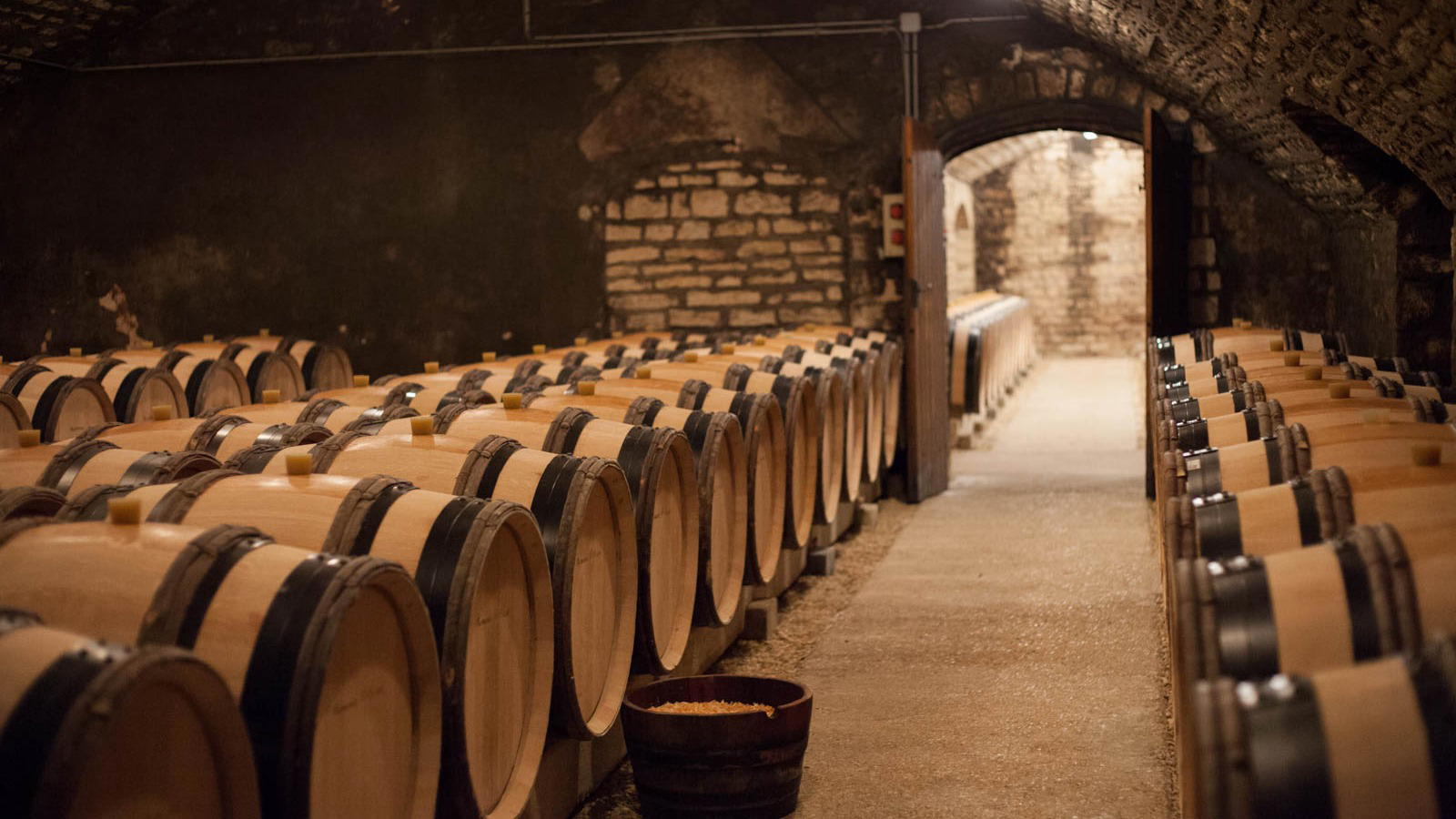
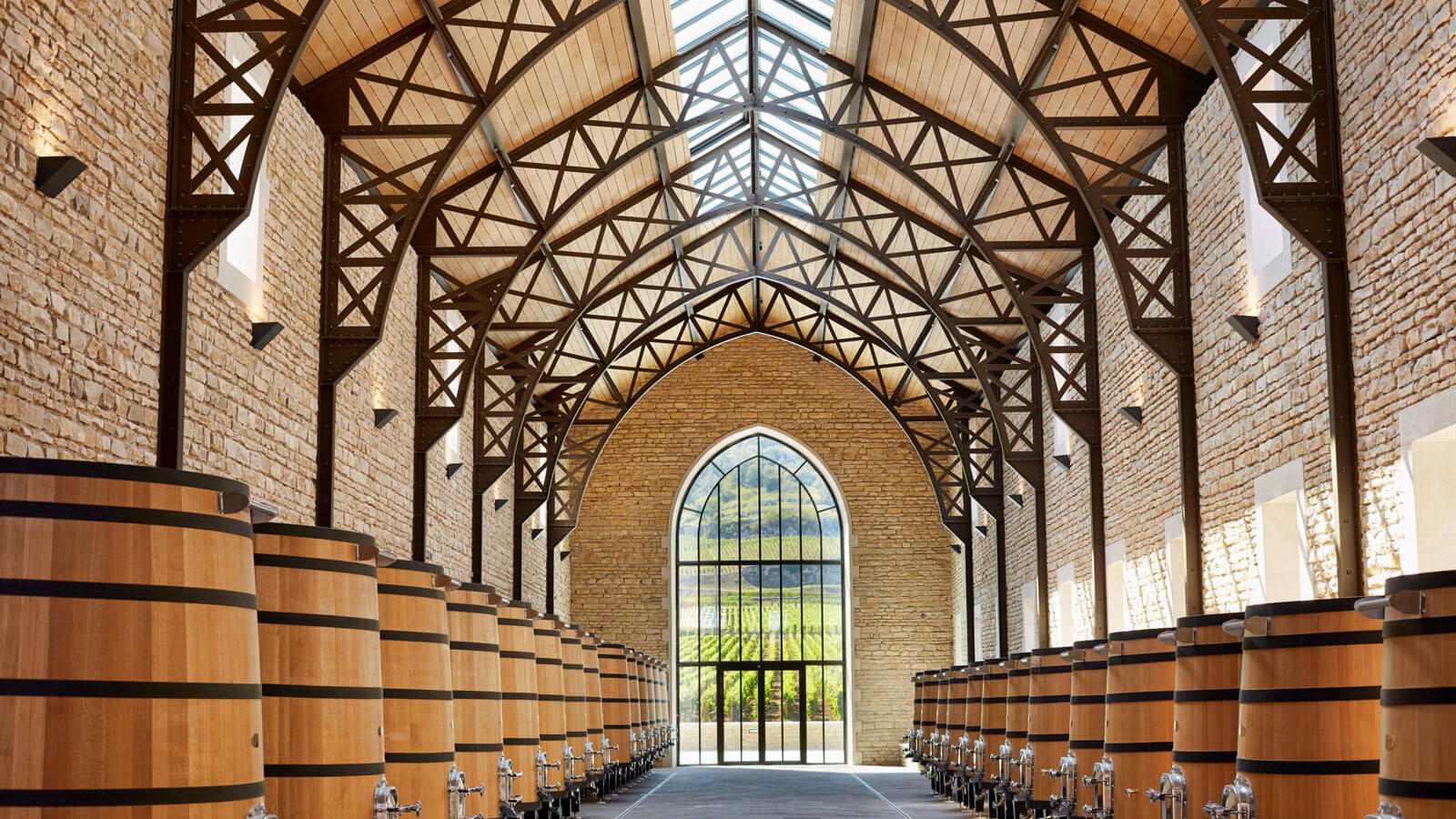
The technical regime Charles Lachaux has imposed is consistent across the estate's holdings but varies in degree by cuvée. Whole-cluster percentages run from 30% to 50% for the village-level Vosne-Romanée and the lower-tier premiers crus, up to 60% to 80% for the leading premiers crus and grands crus, with the exact percentage varying by vintage and by the physiological ripeness of the stems. Maceration periods run long across the board, with typical durations of 28 to 35 days including pre-fermentation cold soak and post-fermentation extended maceration; the longest macerations are reserved for the grands crus and for Les Suchots. Fermentation occurs in open-top wooden vats with manual pigeage (punch-downs) twice daily during active fermentation; no pumping-over is used, a deliberate choice to limit harsh tannin extraction while still achieving high phenolic ripeness through the long maceration period. New oak usage has been progressively reduced since the early 2000s, with current levels sitting at 40% to 60% for the grands crus and 30% to 40% for the premiers crus, down from the 80% to 100% new oak that defined the Arnoux house style in the 1990s. The oak is sourced from a mix of coopers, with a preference for medium-toast barrels that add structure without overwhelming the fruit. Bottling occurs without fining or filtration, a standard practice among quality-focused Burgundy producers but one that requires careful cellar management to avoid reduction or instability issues; Arnoux-Lachaux wines are occasionally noted in trade reviews for reduction in youth, a side-effect of the minimal-intervention bottling approach combined with the high tannin loads from the extended maceration and whole-cluster regime.
The domaine's production volume sits at approximately 5,000 to 6,000 cases annually across all cuvées, with the grands crus representing a small fraction of total output, typically 100 to 150 cases per cuvée for the RSV and Échézeaux, slightly more for the Clos de Vougeot. The premiers crus account for the majority of production, with Les Suchots the largest single bottling at approximately 500 to 600 cases per vintage. The village-level Vosne-Romanée, blended from parcels across the appellation, represents the entry point into the domaine's style and is produced in volumes of 1,000 to 1,200 cases per vintage. All wines are sold on allocation through a network of importers and négociants, with the grands crus and leading premiers crus heavily allocated and difficult to access outside of established trade relationships. The domaine does not operate a tasting room or direct-to-consumer sales program; access to the wines requires either allocation through a recognized importer or purchase on the secondary market, where Arnoux-Lachaux grands crus trade at prices reflecting the domaine's post-2000 technical reputation, typically 30% to 50% below the equivalent bottlings from Domaine de la Romanée-Conti or Domaine Leroy, but above the Vosne-Romanée median for producers without multi-generational prestige. Mugneret-Gibourg and Gérard Mugneret both favor lower whole-cluster percentages and shorter macerations than Arnoux-Lachaux, producing wines that are more immediately expressive and less tannic in youth; Benoît Chevallier sits closer to the Arnoux-Lachaux style in terms of extraction and structure, though with a different oak regime and a slightly lighter touch on whole-cluster usage. Outside Vosne-Romanée, the closest stylistic peers are Domaine Cécile Tremblay in Morey-Saint-Denis, which uses similarly high whole-cluster percentages and long macerations, and Domaine Dugat-Py in Gevrey-Chambertin, known for extreme extraction and dense, powerful wines. The broader Burgundy conversation around whole-cluster fermentation and extended maceration, anchored by Domaine de la Romanée-Conti, Domaine Dujac, and Domaine Georges Roumier in Chambolle-Musigny, provides the technical frame inside which Arnoux-Lachaux operates, though the domaine's specific approach to stem inclusion and maceration timing places it at the more extractive end of that spectrum.
Cost Snapshot
Comparable venues nearby, for context on price, style, and recognition.
| Venue | Cuisine | Price |
|---|---|---|
| Domaine Arnoux LachauxThis venue — the venue you are viewing | Vosne-Romanée, Pinot Noir, Aligoté | $$$$ |
| Domaine Leroy | Vosne-Romanée, Pinot Noir, Chardonnay | $$$$ |
| Domaine Méo-Camuzet | Vosne-Romanée, Pinot Noir, Chardonnay | $$$$ |
| Domaine Mongeard-Mugneret | Vosne-Romanée, Pinot Noir, Chardonnay | $$$$ |
| Domaine d'Eugénie | Vosne-Romanée, Pinot Noir, Chardonnay | $$$$ |
| Domaine Jean Grivot | Vosne-Romanée, Pinot Noir, Chardonnay | $$$$ |
Recognition history
Dated appearances from independent guides and award organizations, with the underlying list record or original source where available.
Michelin 1 Grape
Michelin · 2026 Michelin 1 Grape - Burgundy
Continue exploring
More in Vosne-Romanée
Wineries in Vosne-Romanée
Browse all →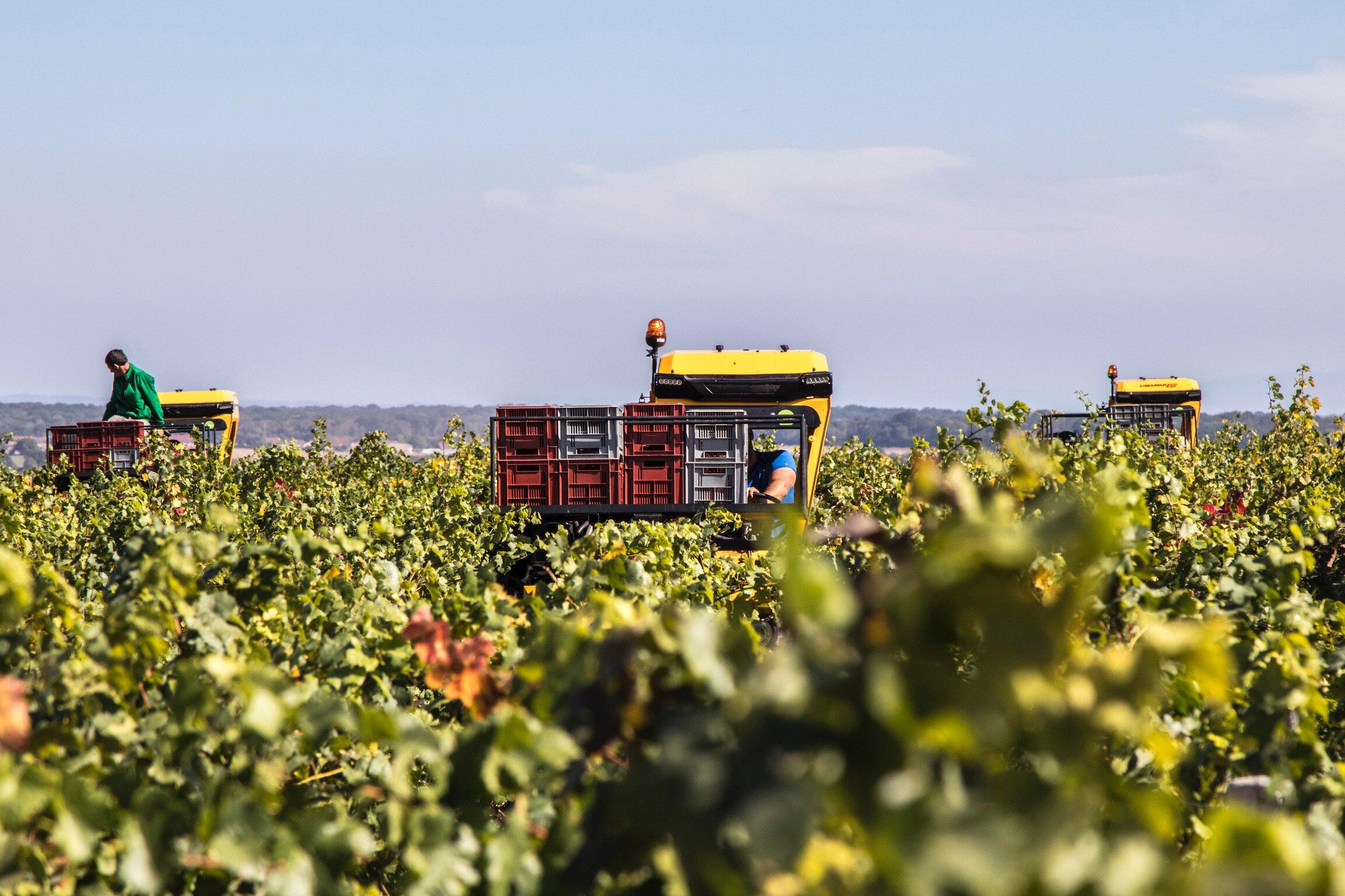
Bars in Vosne-Romanée
Browse all →
Restaurants in Vosne-Romanée
Browse all →
At a Glance
- Elegant
- Sophisticated
- Rustic
- Classic
- Intimate
- Wine Education
- Special Occasion
- Solo Exploration
- Vineyard Tour
- Cave Tasting
- Organic
- Biodynamic
- Vineyard
- Vosne Romanée
- Pinot Noir
- Aligoté
- Still Red
- Private Tasting
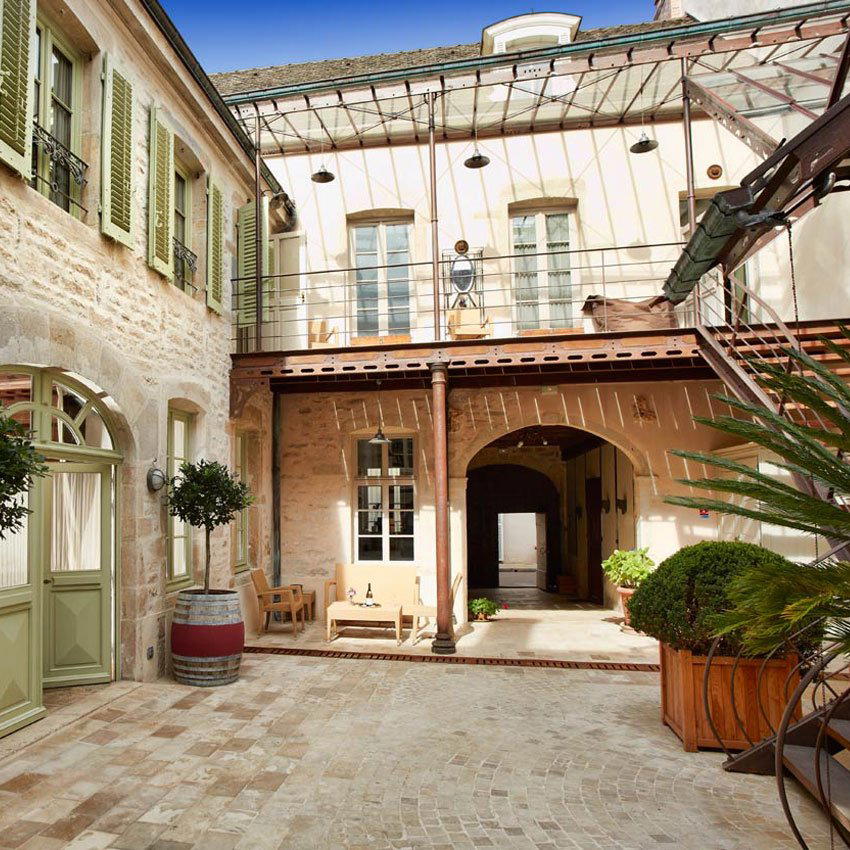
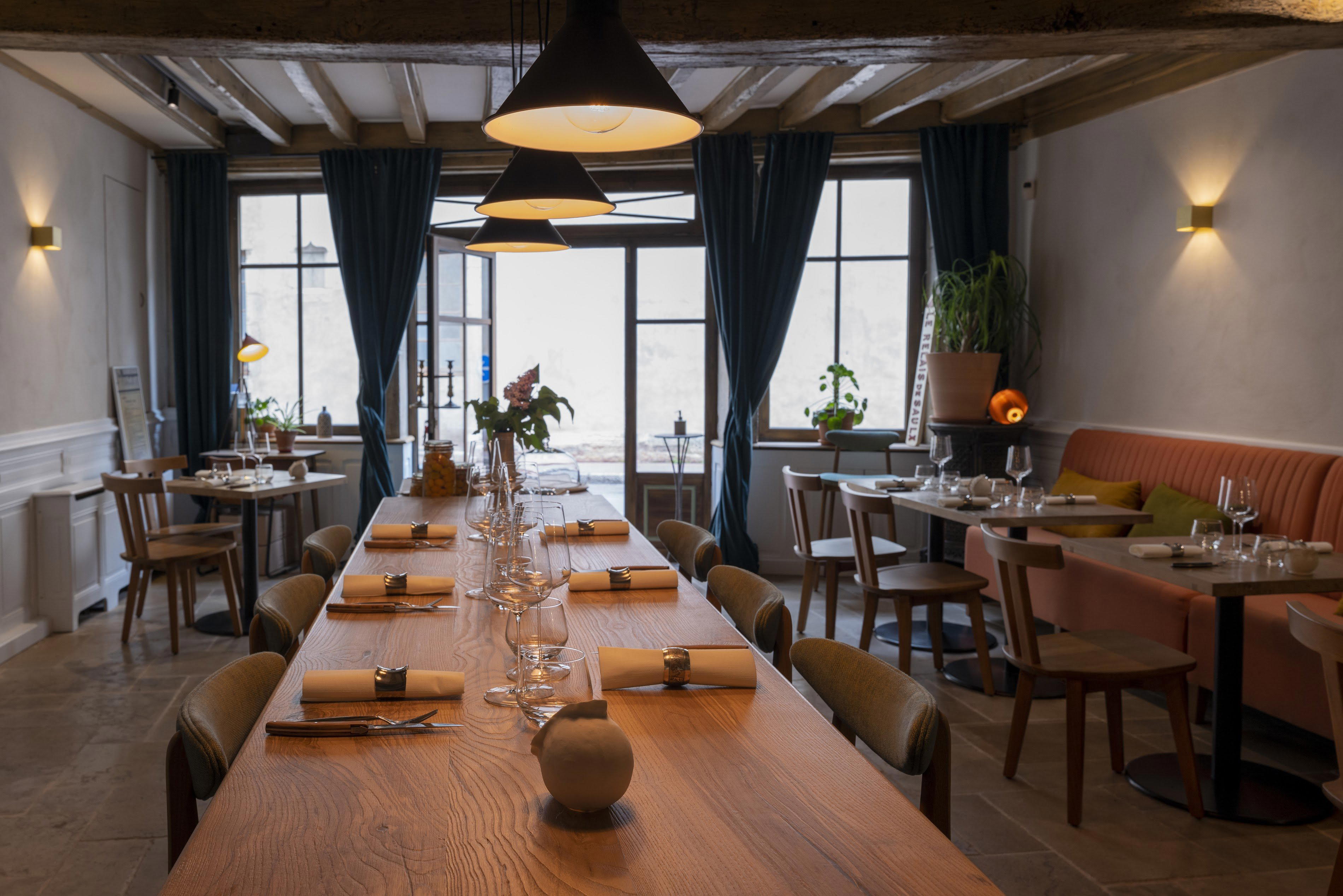
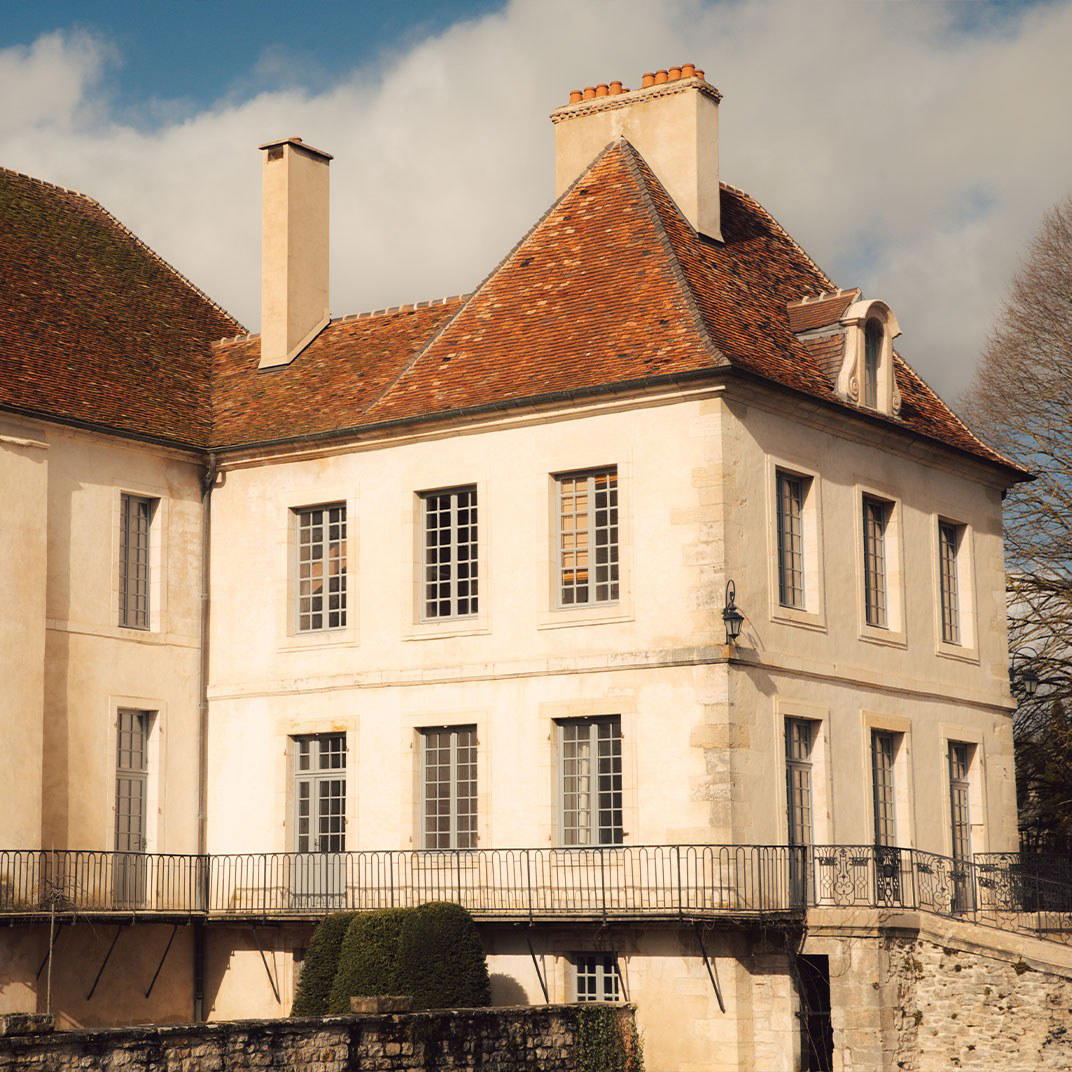
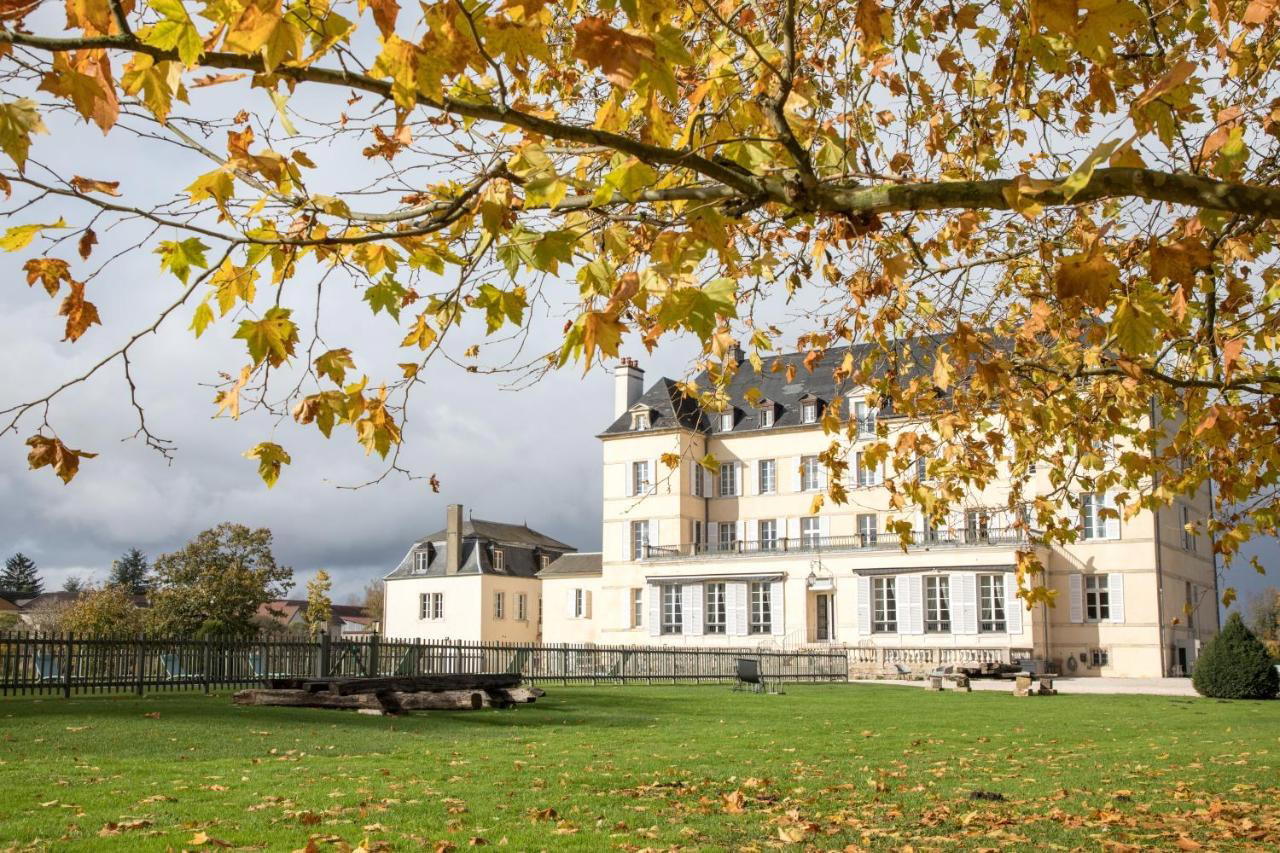
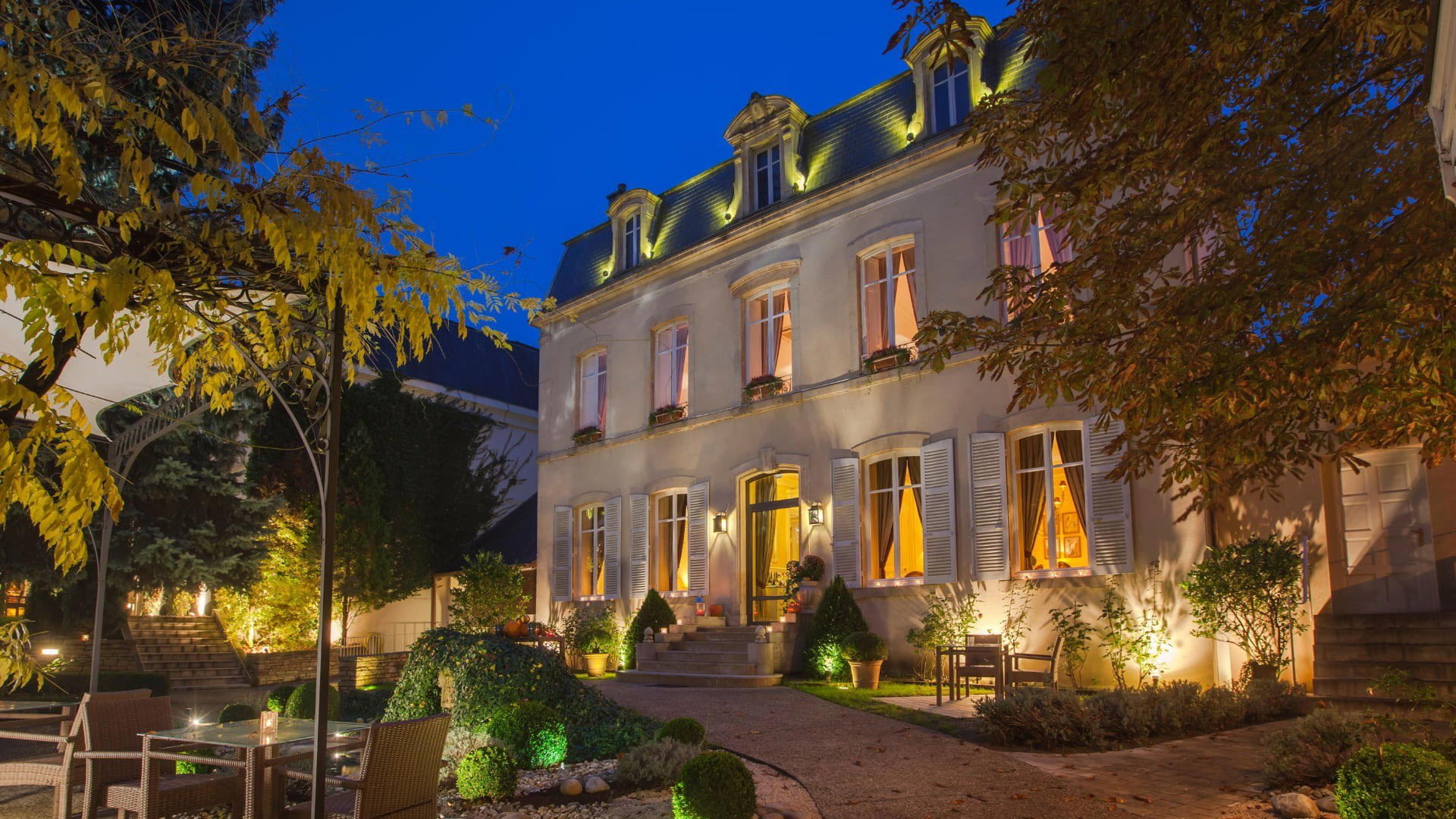
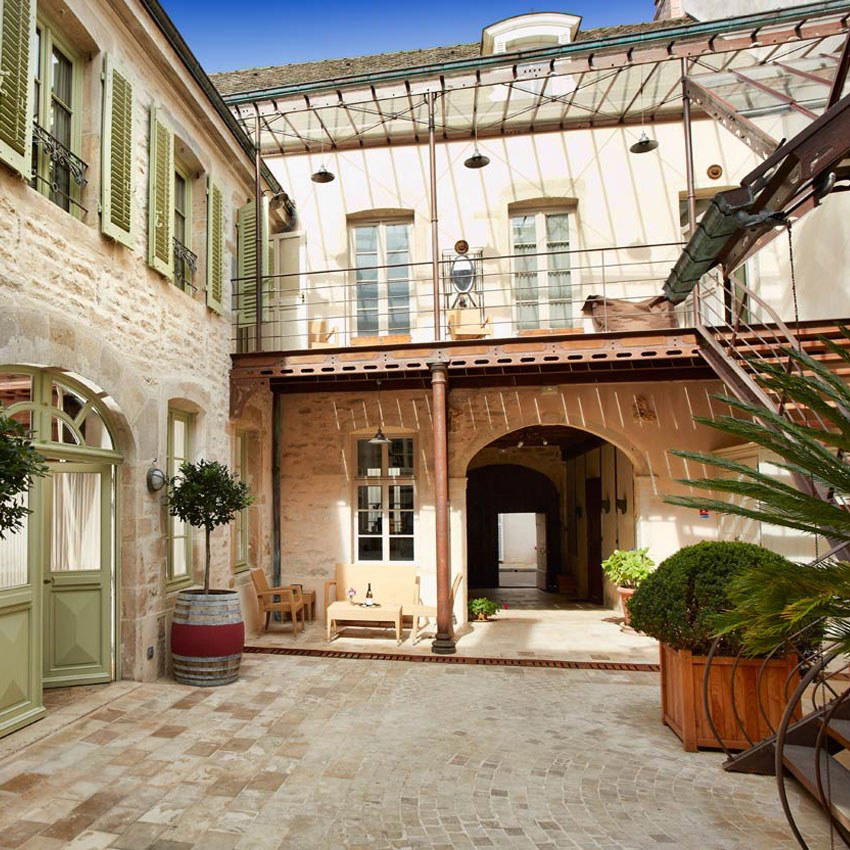
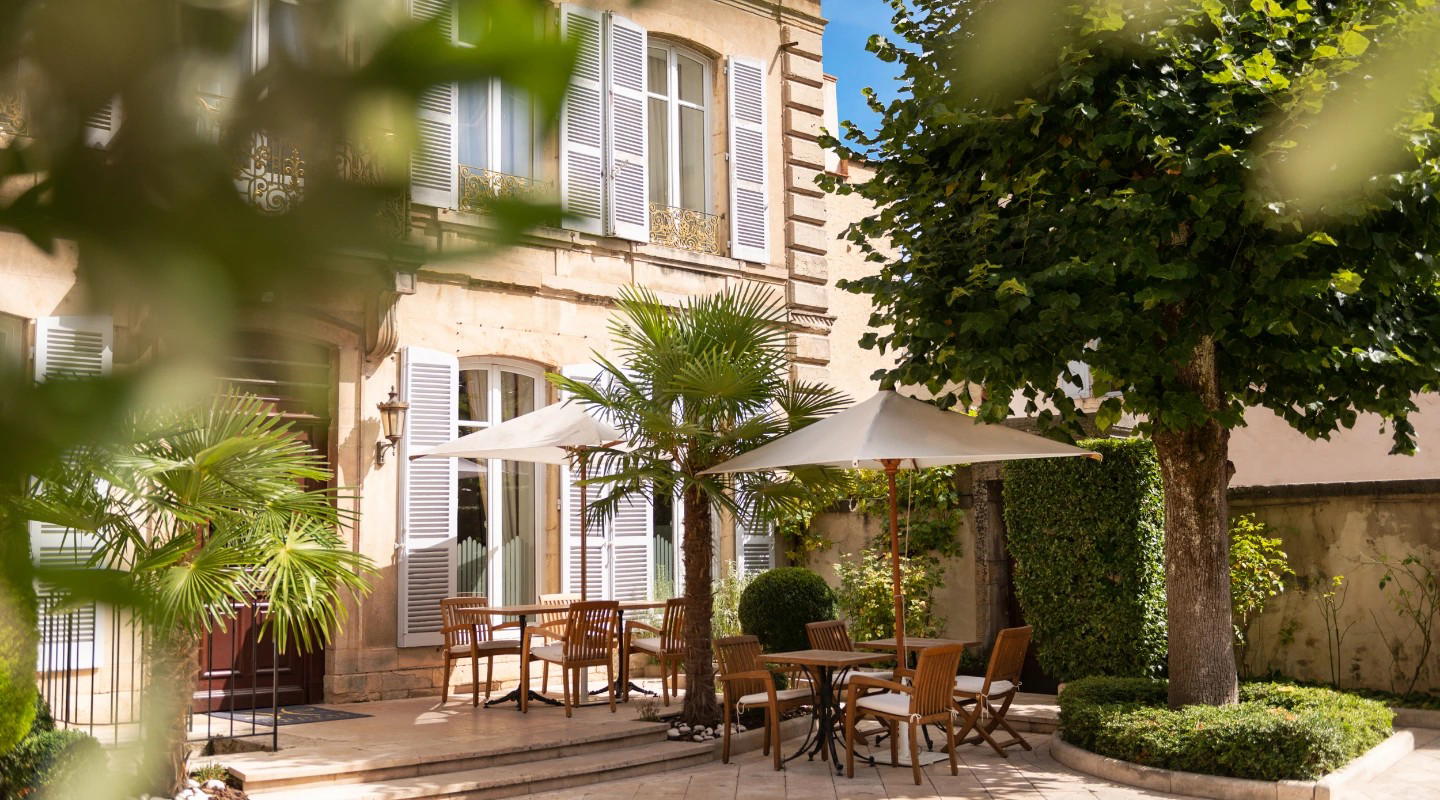
Refined and elegant atmosphere reflecting the purity and terroir expression of their meticulously farmed Pinot Noir wines.