Domaine Cecile Tremblay


Michelin 3 Grapes · Falstaff Winery - Listed
Domaine Cécile Tremblay operates from Morey-Saint-Denis, drawing on holdings across several of Burgundy's most scrutinised appellations in the Côte de Nuits.. For collectors and serious buyers, it belongs in the same conversation as Vosne-Romanée's most sought-after names.

Pearl is the En Primeur Club membership app — saves, bookings, and concierge access live there. Same editors, same standards.
- Address
- 8 Rue de Très Girard, 21220 Morey-Saint-Denis
- Phone
- +33 3 45 83 60 08
- Website
- domaine-ceciletremblay.fr
- Directions
- Get directions
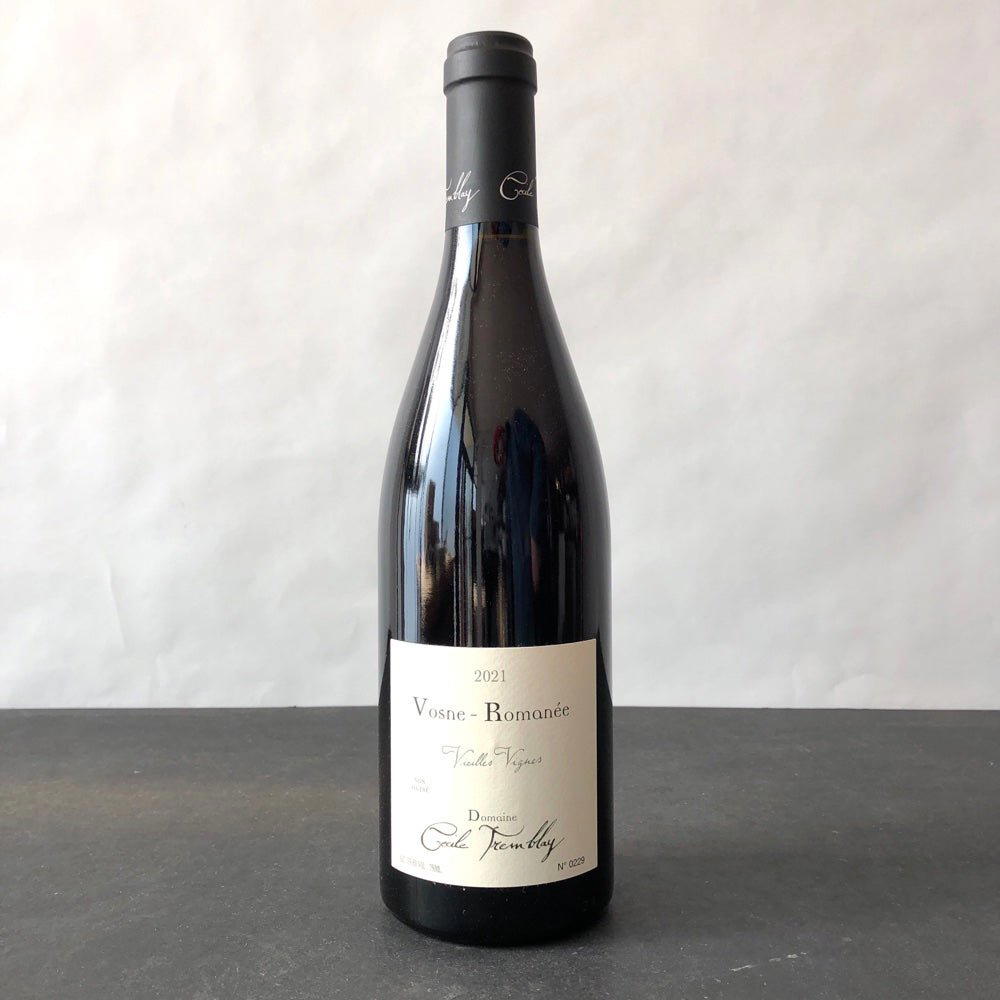
Where the Côte de Nuits Speaks in Stone and Soil
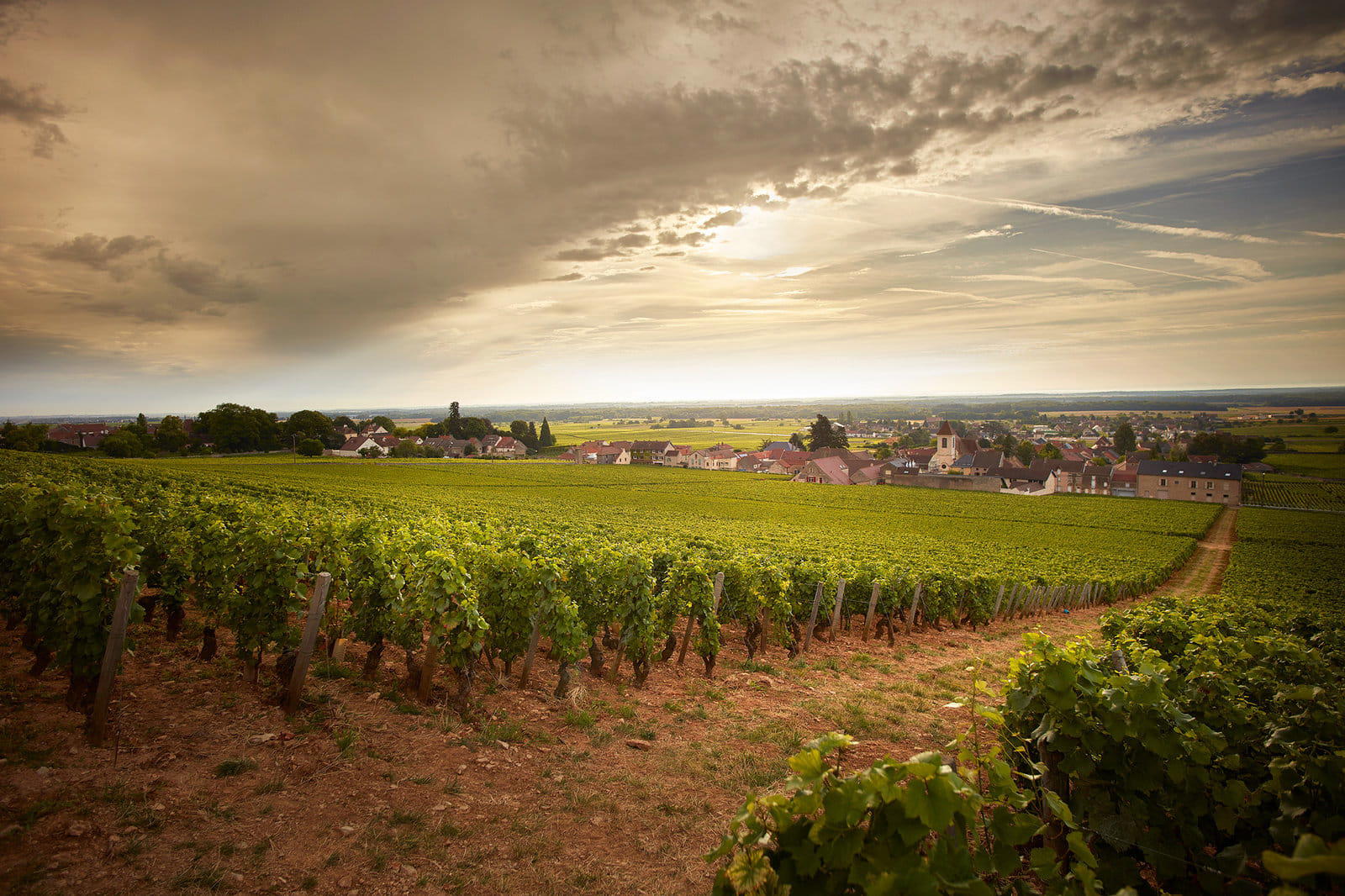
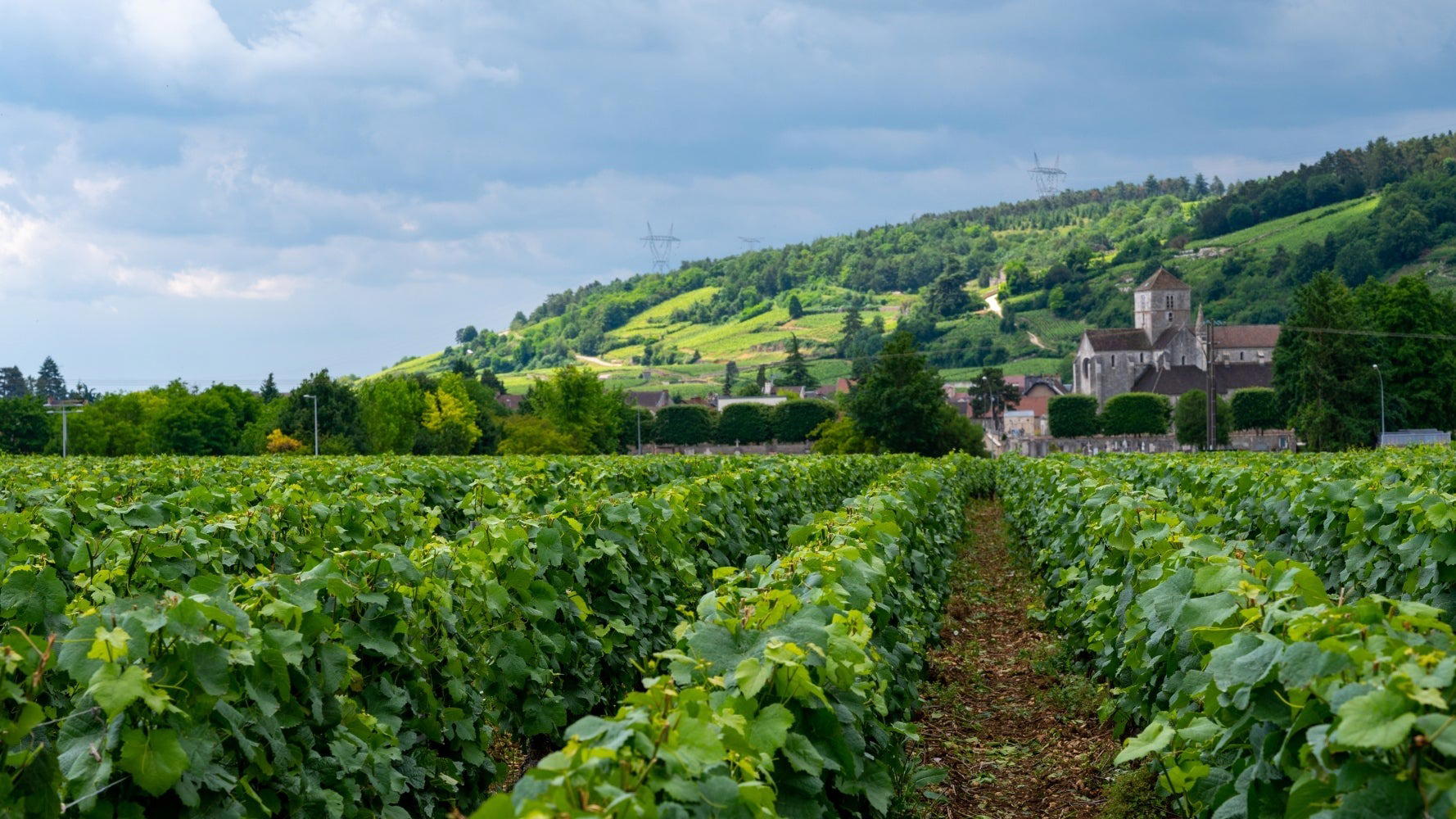
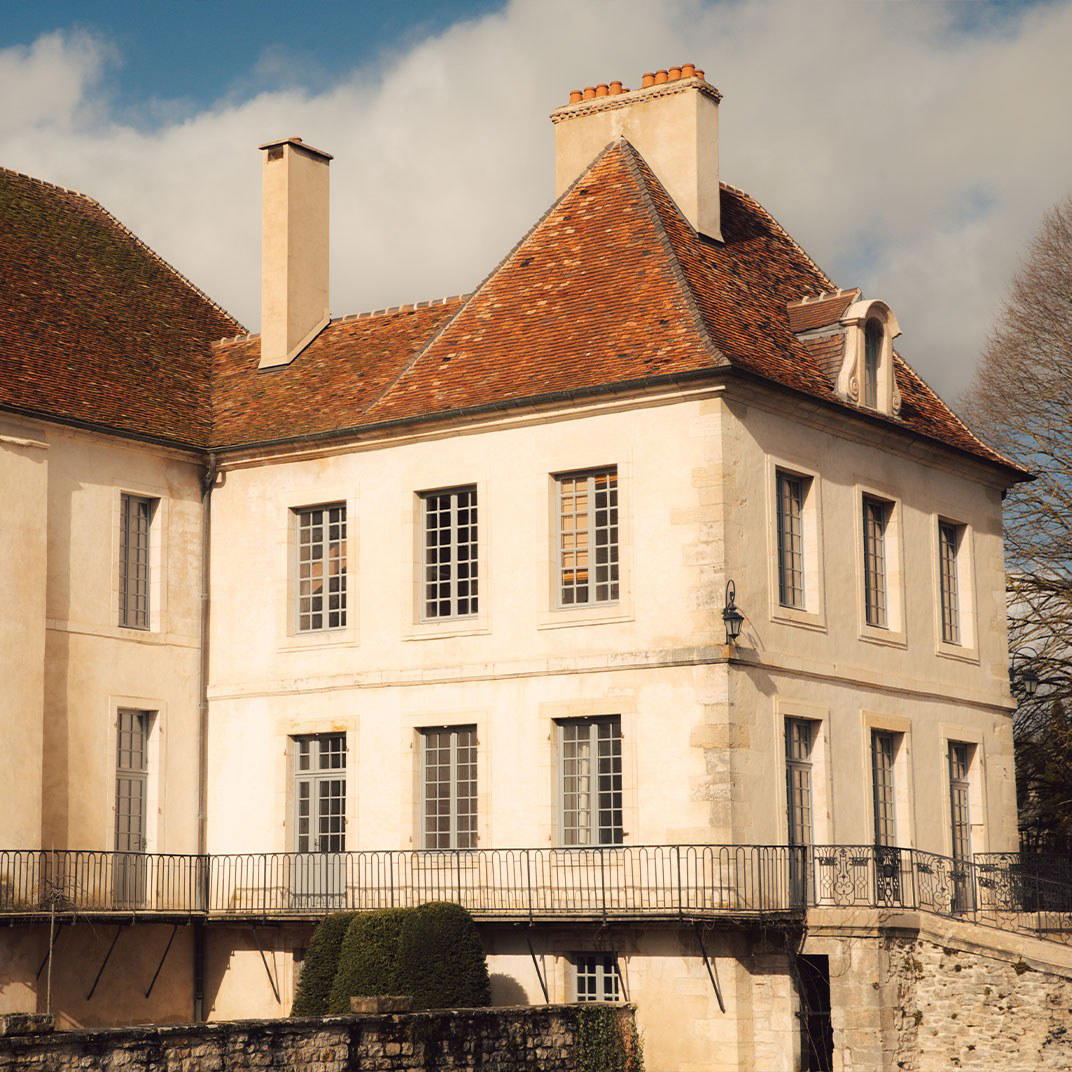
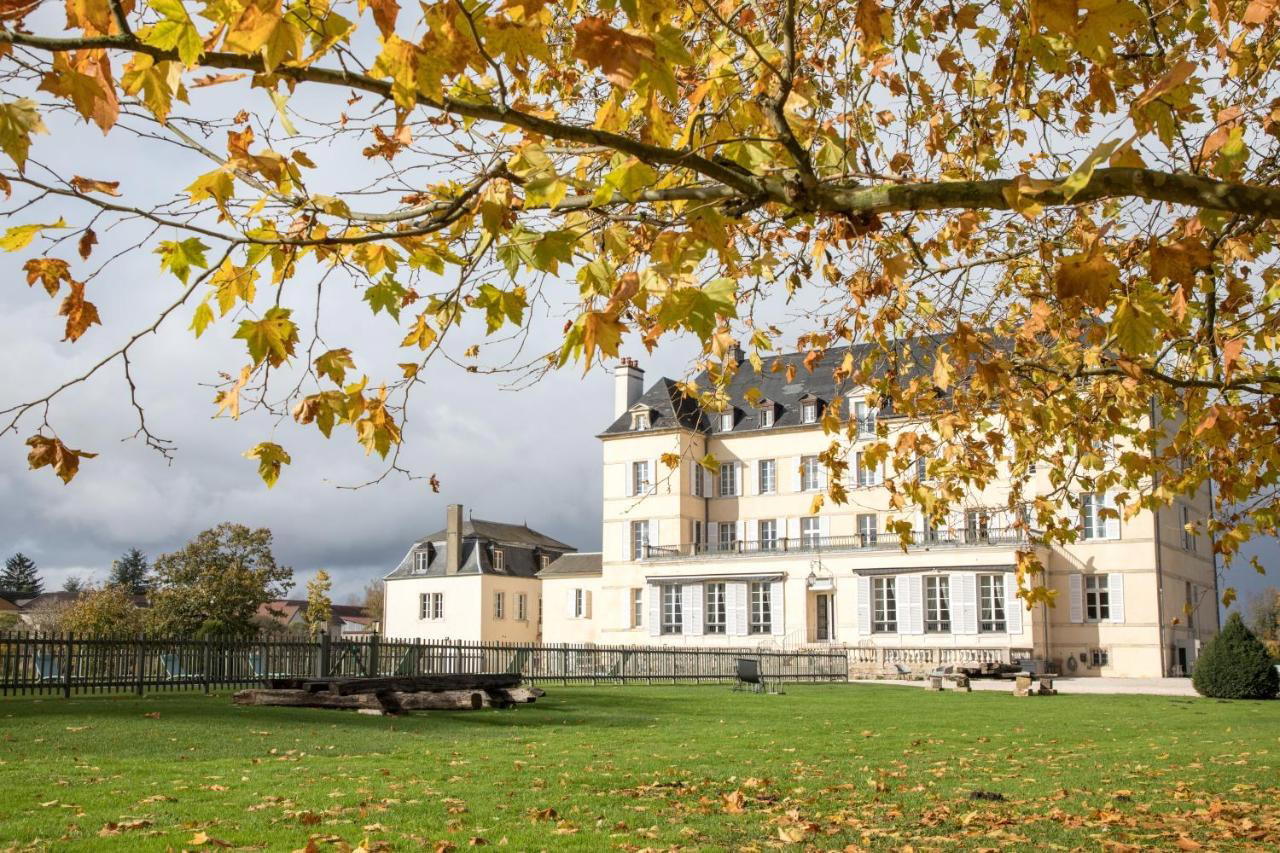
The lane running through Morey-Saint-Denis in late October carries a particular weight. The vines have given up their leaves, the limestone escarpment above catches the last angled light, and the villages between Gevrey-Chambertin and Chambolle-Musigny sit in the kind of silence that forces attention. This is the physical setting in which Domaine Cécile Tremblay operates, and the geography is not incidental. The Côte de Nuits is among the most densely annotated wine landscapes on earth, where individual rows of vines separated by a footpath can produce wines that trade at meaningfully different prices. A domaine working here is not merely making wine; it is interpreting a layered archive of soil, slope, and elevation that Cistercian monks began mapping in the twelfth century.
Domaine Cécile Tremblay is addressed at 8 Rue de Très Girard in Morey-Saint-Denis, a commune that sits between two of Burgundy's most referenced appellations and whose own premier and grand cru vineyards remain somewhat less trafficked by international collectors than those of its neighbours. That relative positioning has historically allowed a small producer working with rigour here to attract attention precisely because the bar for scrutiny is high but the noise level lower.
The Terroir Argument, Made Physical
Burgundy's most persistent editorial debate is whether terroir is mysticism or measurable fact. Standing in the Côte de Nuits, the argument tends to resolve itself. The geological strata here, primarily Bathonian and Callovian limestone interbedded with marl, shift composition within metres. Drainage, aspect, and microclimate differences between a plot at mid-slope and one fifty metres uphill or down produce wines that trained tasters distinguish reliably in blind conditions. This is the physical reality that small domaines like Cécile Tremblay work within and that shapes every decision from vine training to harvest timing.
The villages flanking Morey-Saint-Denis reinforce that context. To the north, Gevrey-Chambertin commands the largest concentration of grand cru land in the Côte de Nuits. To the south, Chambolle-Musigny and then Vosne-Romanée carry the appellations most associated with Pinot Noir at its most architecturally precise. Domaine Jean Grivot, based in Vosne-Romanée proper, and Domaine Bizot both exemplify the standard against which small-production Côte de Nuits producers are measured by the collector market. Domaine Rene Engel represents an older chapter of that same tradition.
Small Production in a High-Stakes Region
The structure of the Burgundy market has shifted considerably over the past two decades. Allocation lists for sought-after small domaines now close years in advance of the release cycle, and secondary market prices for wines from leading Côte de Nuits producers have moved beyond what most restaurant wine programs can absorb. Domaine Cécile Tremblay operates within that framework. The domaine's scale is consistent with the small-grower model that has come to define Burgundy's prestige tier: limited production across a selection of parcels, with the emphasis on site expression rather than volume.
That model distinguishes Cécile Tremblay from négociant houses that source broadly, and places it in a cohort that includes Domaine d'Eugénie and Domaine Gros Frère et Sœur as Vosne-area producers working from family holdings. The competitive pressure in this tier is not about price-matching but about allocation access and critical consensus. The wines need to earn their position annually, and the 2025 prestige rating suggests they are doing exactly that.
For buyers approaching this category from other French fine wine regions, the shift in logic is worth noting. Producers like Château Bastor-Lamontagne in Preignac, Château Batailley in Pauillac, Château Bélair-Monange in Saint-Emilion, Château Boyd-Cantenac in Cantenac, and Château Branaire Ducru in St-Julien all operate within classified growth hierarchies where château reputation carries institutional weight. Burgundy's micro-domaine tier works differently: reputation is rebuilt parcel by parcel, vintage by vintage, and formal classification plays a smaller role than current critical standing.
The Vosne-Romanée Context
Vosne-Romanée is the reference point for this entire stretch of the Côte de Nuits, and any serious producer working in adjacent communes is implicitly in dialogue with what that village represents. The concentration of grand cru land in Vosne, Romanée-Conti, La Tâche, Richebourg, Grands Échézeaux, sets a ceiling for the region that no other Burgundy appellation can match, and it shapes collector expectations across the entire Côte. Domaine de la Romanée-Conti casts a long shadow, and the domaines that earn serious attention in this geography do so by demonstrating a clarity of site expression that the market measures against that benchmark.
For visitors to the region, the physical experience of walking between Vosne-Romanée and Morey-Saint-Denis reinforces what the wines are trying to capture. The slope gradient, the exposure to morning light, the way the escarpment shelters the mid-slope from the coldest westerly winds: these are not romantic abstractions but agronomic factors with direct consequences for ripening and structure. Our full Vosne-Romanée restaurants guide covers the broader visitor context for the village and its neighbours, including where to eat and how to sequence visits across the appellation.
Planning a Visit and Securing Bottles
Domaine Cécile Tremblay does not publish a website or listed phone contact in publicly available trade directories, which is consistent with how many small Burgundy domaines manage their allocation lists: through direct relationships with négociants, importers, and long-standing private buyers rather than open-market sales. Visitors to the Côte de Nuits who want to arrange a tasting or discuss allocation should approach through their importer or regional wine merchant, allowing adequate lead time.
The broader regional wine context extends well beyond Burgundy for collectors using these wines as benchmarks. Albert Boxler in Niedermorschwihr represents the Alsace equivalent of the meticulous small-domaine model. Accendo Cellars in St. Helena and Aberlour in Aberlour illustrate how premium small-production positioning plays out in Napa and Speyside respectively, geographically distant but comparable in the allocation dynamics that govern access. Chartreuse in Voiron rounds out a picture of French artisanal production operating at the prestige tier across different categories.
A Lean Comparison
Comparable venues nearby, for context on price, style, and recognition.
| Venue | Cuisine | Price | Awards |
|---|---|---|---|
| Domaine Cecile TremblayThis venue — the venue you are viewing | Vosne-Romanée, Pinot Noir | Not listed | Michelin 3 Grapes · Falstaff Winery - Listed |
| Domaine Georges Mugneret-Gibourg | Vosne-Romanée, Pinot Noir | Not listed | Michelin 2 Grapes |
| Domaine Arnoux Lachaux | Vosne-Romanée, Pinot Noir, Aligoté | Not listed | Michelin 1 Grape |
| Domaine Anne Gros | Vosne-Romanée, Pinot Noir, Chardonnay | $150–200 | Falstaff Winery - 4 Stars |
| Domaine Rene Engel | Vosne-Romanée, Pinot Noir | Not listed | Not listed |
| Domaine Bizot | Vosne-Romanée, Pinot Noir, Chardonnay | Not listed | Not listed |
Recognition history
Dated appearances from independent guides and award organizations, with the underlying list record or original source where available.
Michelin 3 Grapes
Michelin · 2026 Michelin 3 Grapes - Burgundy
Falstaff Winery - Listed
Falstaff
Continue exploring
More in Vosne-Romanée
Wineries in Vosne-Romanée
Browse all →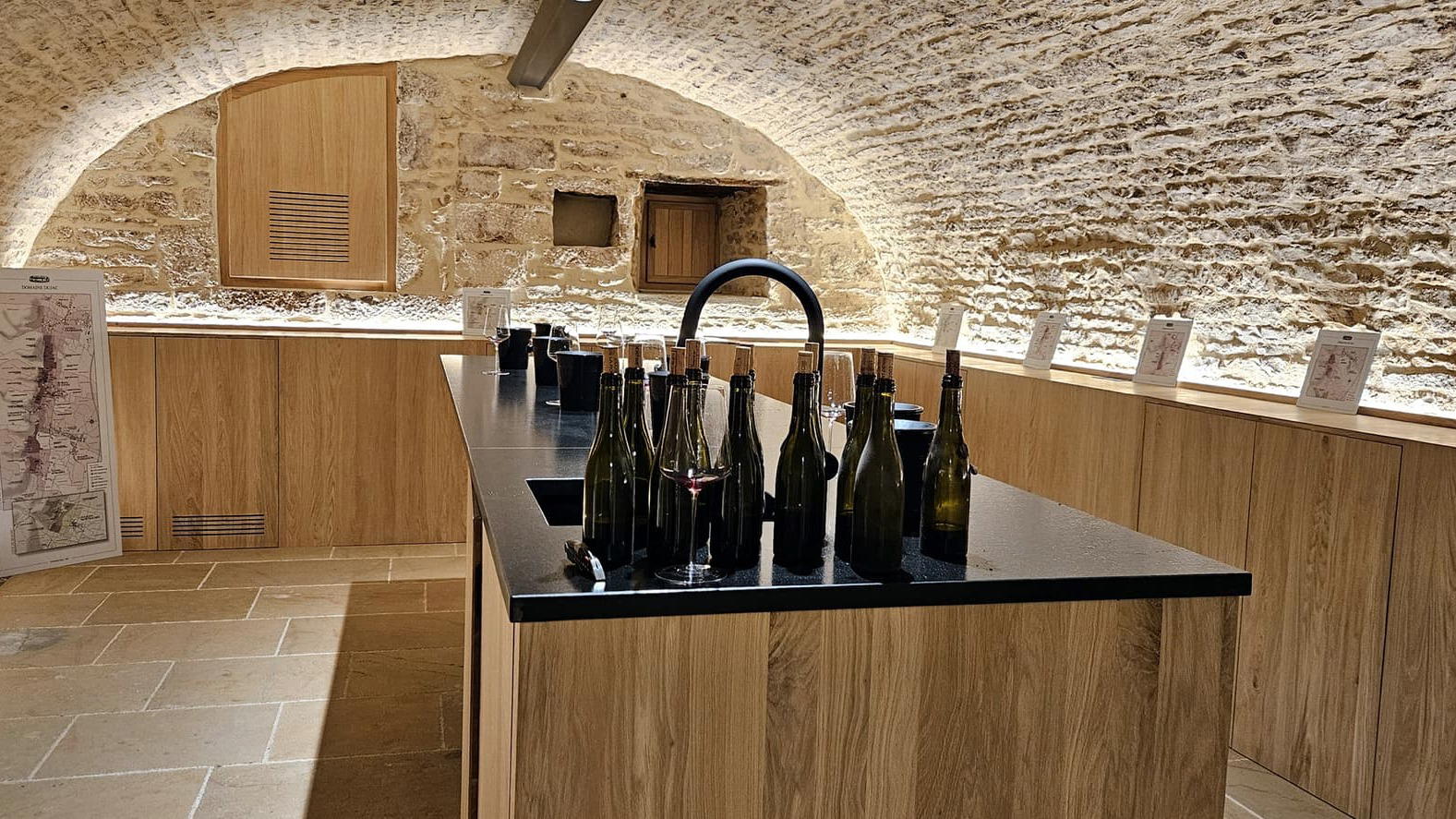
Bars in Vosne-Romanée
Browse all →
Restaurants in Vosne-Romanée
Browse all →
Details
- Elegant
- Sophisticated
- Intimate
- Classic
- Wine Education
- Special Occasion
- Solo Exploration
- Vineyard Tour
- Cave Tasting
- Organic
- Biodynamic
- Vineyard
- Pinot Noir
- Still Red
- Cave Tasting
Elegant and pure with weightless concentration, capturing the essence of Côte de Nuits terroir through utmost purity and finesse.