Michelin 1 Grape
Pascal Roblet's Volnay-based domaine works premier cru parcels across Beaune, Pommard, and Volnay. Family-held estate since 1973.
- Address
- Volnay, France
Burgundy's vigneron tradition divides into two broad camps: the négociant houses that purchase and blend fruit across appellations, and the domaine producers who work their own vines and bottle single-vineyard fruit under estate control. Domaine Roblet-Monnot sits squarely in the latter camp, a family estate operating inside the Côte de Beaune's most tightly clustered premier cru zone. In 1990, Pascal Roblet took over the family domaine and renamed it Domaine Roblet-Monnot. The estate's holdings are in Volnay, an appellation whose premier cru vineyards sit within the limestone-dominant terroirs that produce Pinot Noir reading as classic mid-Côte.
Pascal Roblet has been the domaine's sole winemaker since taking over in 1990, maintaining the estate through three decades of Burgundy's most volatile market cycles. The 1990 takeover placed Roblet-Monnot inside the generation of Burgundy producers who worked through the quality revolution of the 1990s that reduced yields and lengthened hang-time across the Côte d'Or, and the organic and biodynamic turn that reshaped premium Burgundy viticulture from the mid-2000s forward. In 1997, Pascal converted the domaine to biodynamic viticulture. Domaines that survived this arc without being absorbed into larger négociant portfolios typically did so by maintaining tight family control and limiting production to estate-owned parcels, the structural profile Roblet-Monnot has held since 1990.
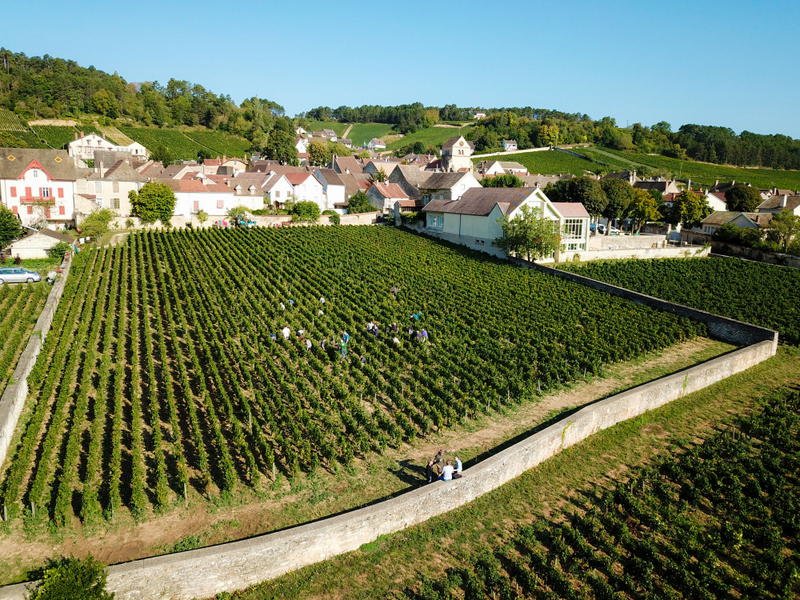
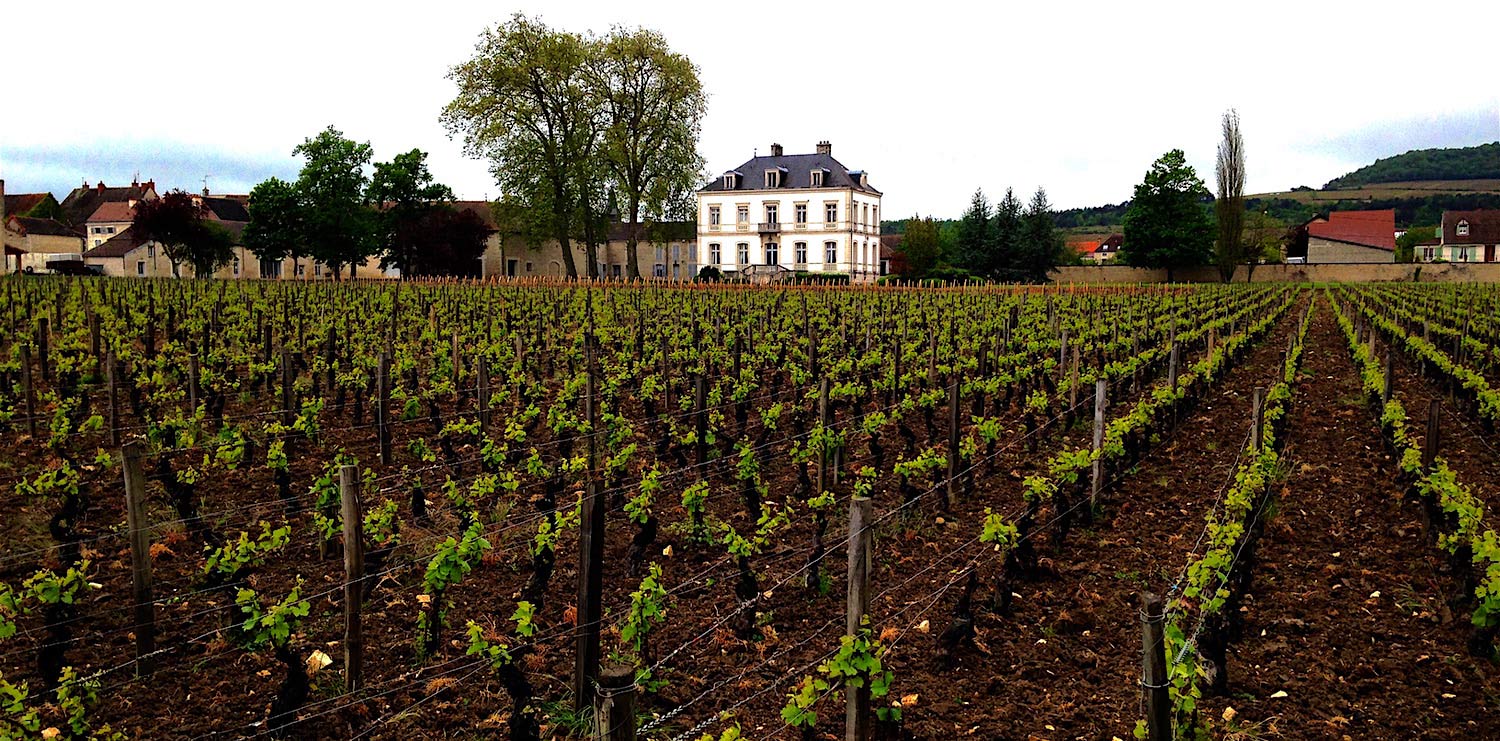
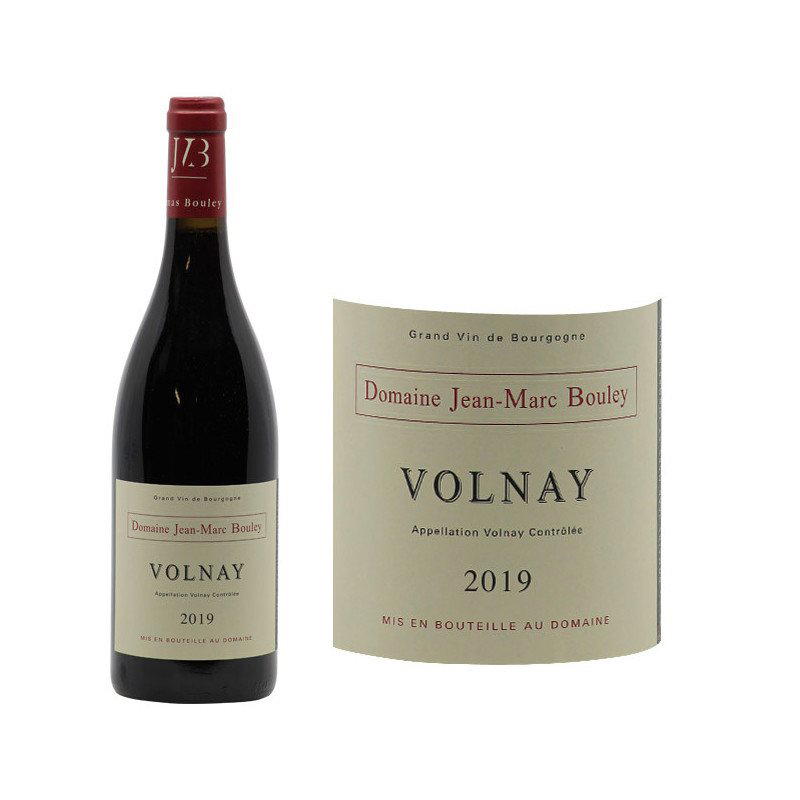
The domaine's vineyard holdings are distributed across Volnay appellations, with the majority of production coming from village-level and premier cru parcels rather than grand cru sites. This allocation reflects the Côte de Beaune's vineyard hierarchy: grand cru sites are rare in Volnay (none), and the premier cru tier carries the technical and commercial load for the village. Volnay's premier cru vineyards, Caillerets, Champans, Taillepieds, Santenots, are limestone-heavy slopes at 250 to 300 metres elevation, with thin topsoil over Jurassic marlstone. The resulting wines read as mid-weight Pinot Noir with red-fruit clarity rather than the darker, more tannic profile typical of Pommard's clay-rich premier crus. The winery's Volnay bottlings sit inside this village profile: red cherry, strawberry, floral lift, moderate tannin structure, and acidity that frames the fruit without dominating.
The winemaking protocol at the winery reads as classic mid-generation Burgundy: whole-cluster fermentation percentages that vary by vintage and parcel but typically sit in the 20 to 40 percent range, indigenous yeast fermentations, punch-downs rather than pump-overs during extraction, and oak regimes that favour used barrels over new. The whole-cluster decision is among the more consequential variables in Burgundy Pinot Noir: stems add tannin, lift aromatics, and require longer ageing before the wine integrates, but they also preserve freshness and add textural complexity when handled correctly. The 20 to 40 percent range that winery works within is conservative relative to the 100-percent whole-cluster producers who emerged in Burgundy during the 2000s. Domaine Cécile Tremblay in Morey-Saint-Denis and Domaine Dugat-Py in Gevrey-Chambertin both work at or near 100 percent, but the winery sits inside the majority camp of Côte de Beaune producers who use stems as a seasoning rather than as the structural spine of the wine.
Indigenous yeast fermentations are now standard practice at quality-focused Burgundy domaines, but this was not always the case. The shift from cultured yeast to indigenous fermentation accelerated in Burgundy during the 1990s as part of the broader quality revolution, driven in part by the examples set by Domaine de la Romanée-Conti in Vosne-Romanée and other upper-tier estates. Indigenous fermentations introduce more vintage-to-vintage variation but are believed to preserve terroir expression more faithfully than cultured yeast, which can impose house-yeast aromatics onto fruit. The winery's commitment to indigenous fermentation since at least the early 2000s places the domaine inside this quality-focused camp, though the estate's profile remains lower than the marquee names who led the shift.
The oak regime at the winery favours used barrels, with new-oak percentages typically below 20 percent for premier cru bottlings and lower still for village-level wines. This is a defining decision inside Burgundy winemaking: new oak adds vanilla, spice, and textural richness, but it also masks terroir when used heavily. The balance between new and used oak separates the richer, more internationally styled Burgundies from the more transparent, site-driven bottlings. Estates that work at 40 to 60 percent new oak, common in the 1980s and early 1990s, produce wines that read as oaky in youth and require a decade or more before the oak integrates. Estates that work below 20 percent new oak produce wines that show more fruit and mineral clarity in youth and age into savoury complexity without the oak layer. The winery's used-oak preference aligns the estate with the transparency camp, though the lack of public visibility for the domaine's bottlings makes peer-set comparisons difficult to anchor.
Domaine the winery does not appear on the major Burgundy allocation lists that dominate U.S. and U.K. distribution, nor does the estate maintain a visible presence in the fine-wine auction market. This places the domaine outside the top 30 to 40 Burgundy producers whose bottles trade at four-figure retail multiples and whose allocation lists close years in advance. The estate's wines are distributed through smaller importers and specialist Burgundy merchants, with availability concentrated in France and select European markets. This distribution profile is typical of mid-tier Burgundy domaines: quality is high enough to command premier cru pricing, but the estate lacks the brand recognition and critic scores required to enter the allocation-list tier. For trade buyers, this positioning offers value: the winery's Volnay premier crus price at a fraction of comparable bottlings from Domaine Marquis d'Angerville or Domaine de Montille, while working inside the same terroir framework and the same technical protocols.
The challenge with lesser-known Burgundy domaines is consistency. The upper-tier estates, Domaine Georges Roumier in Chambolle-Musigny, DRC, Leflaive, Raveneau, produce wines that justify their prices across every vintage. Mid-tier estates operate with less margin for error: a single weak vintage or a poorly timed bottling can damage the estate's reputation with trade buyers, and recovery is difficult when the estate lacks the brand strength to absorb the hit. The winery's three-decade operating history without négociant acquisition or estate sale suggests consistent quality and financial stability, but the lack of widespread critic coverage makes vintage-by-vintage quality difficult to benchmark against peers.
Volnay as a village sits inside Burgundy's premier cru hierarchy but outside the grand cru conversation. The village's most recognised estates, Marquis d'Angerville, Domaine Michel Lafarge, Domaine Yvon Clerget, anchor trade perception of what Volnay Pinot Noir should express: red-fruit clarity, floral lift, moderate tannin, and transparency to terroir. The winery works inside this village profile without defining it. The estate's Volnay premier cru bottlings read as classic village expressions rather than as outlier interpretations, which positions the domaine as a reliable source for buyers who need Volnay fruit on a list but cannot secure allocations from the upper-tier names.
For wine professionals sourcing Burgundy for restaurant lists or retail shelves, the winery functions as a second-tier allocation alternative: the wines deliver on the Volnay terroir promises at price points that allow for reasonable list markups, and the estate's long operating history reduces the risk of bottle variation or premature oxidation that plagues some lesser-known Burgundy producers. The trade-off is visibility: clients who recognise Marquis d'Angerville or Lafarge by name will not recognise the winery, which limits the estate's utility for lists where brand recognition drives sales.
Access to the domaine is trade-focused. Visits are by appointment, and the estate does not maintain a public tasting room or a direct-to-consumer sales channel. This access model is standard for small Burgundy domaines, where production volumes are too limited to support walk-in traffic and where the winemaker's time is allocated to vineyard work and cellar management rather than to hospitality. Trade buyers and sommeliers sourcing directly from the estate should expect to work through the domaine's importer network rather than through direct contact, though appointments for trade visits can be arranged with advance notice. Bottle availability fluctuates by vintage and by cuvée, with premier cru bottlings often allocated in full before release and village-level wines more readily available through standard distribution channels.
Recognition history
Dated appearances from independent guides and award organizations, with the underlying list record or original source where available.
Michelin 1 Grape
Michelin · 2026 Michelin 1 Grape - Burgundy