Skip to Main Content
← Collection
Saint-Aubin, France

Domaine Marc Colin

Damien Colin runs extended-élevage Burgundy whites from Saint-Aubin. Classical peer set with Ramonet and Niellon. Marc Colin lineage since 1970.

Pearl is the En Primeur Club membership app — saves, bookings, and concierge access live there. Same editors, same standards.
Plan your visit on PearlPlan Your Visit
Address
Saint-Aubin, France
Saves & bookings on Pearl
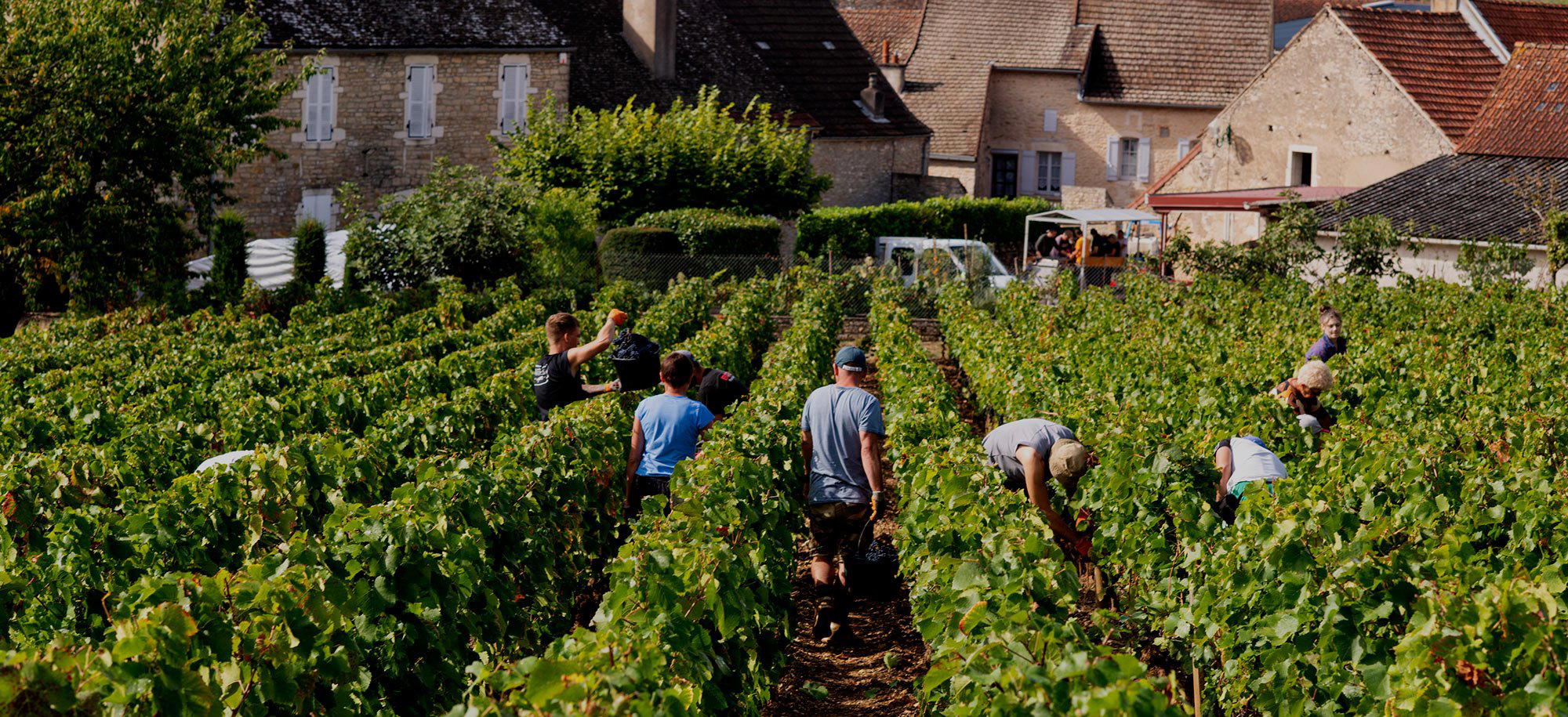
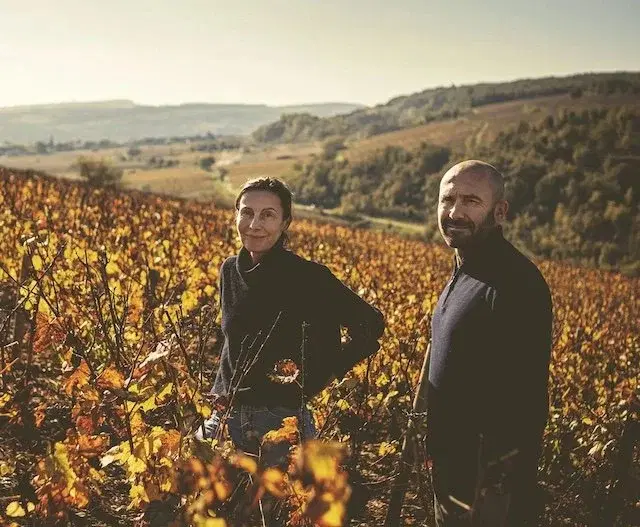
Domaine Marc Colin winery in Saint-Aubin, France
About

The Colin lineage sits at the center of Saint-Aubin's transition from a secondary Côte de Beaune appellation to a recognized source of mineral-driven Chardonnay and structure-first Pinot Noir. Marc Colin founded the domaine in 1970 after working his family's parcels, bottling under his own label at a moment when most Saint-Aubin fruit still moved to négociants. His son Damien Colin took over winemaking responsibilities in the late 1990s and has run the cellar since Marc's retirement in 2004, holding the domaine's technical line through two decades of climate variation and market pressure. The operation farms 15 hectares across Saint-Aubin, Chassagne-Montrachet, and Puligny-Montrachet, with holdings in Premier Cru vineyards including En Remilly, La Chatenière, and Les Chaumées in Saint-Aubin, and Caillerets and Les Chenevottes in Chassagne. The Colin approach favors extended lees aging, restrained oak, and late bottling, a protocol that positions the domaine closer to the Ramonet school of Chassagne than to the earlier-drinking, lower-acidity profile that dominated much of the Côte de Beaune in the 1980s and 1990s.

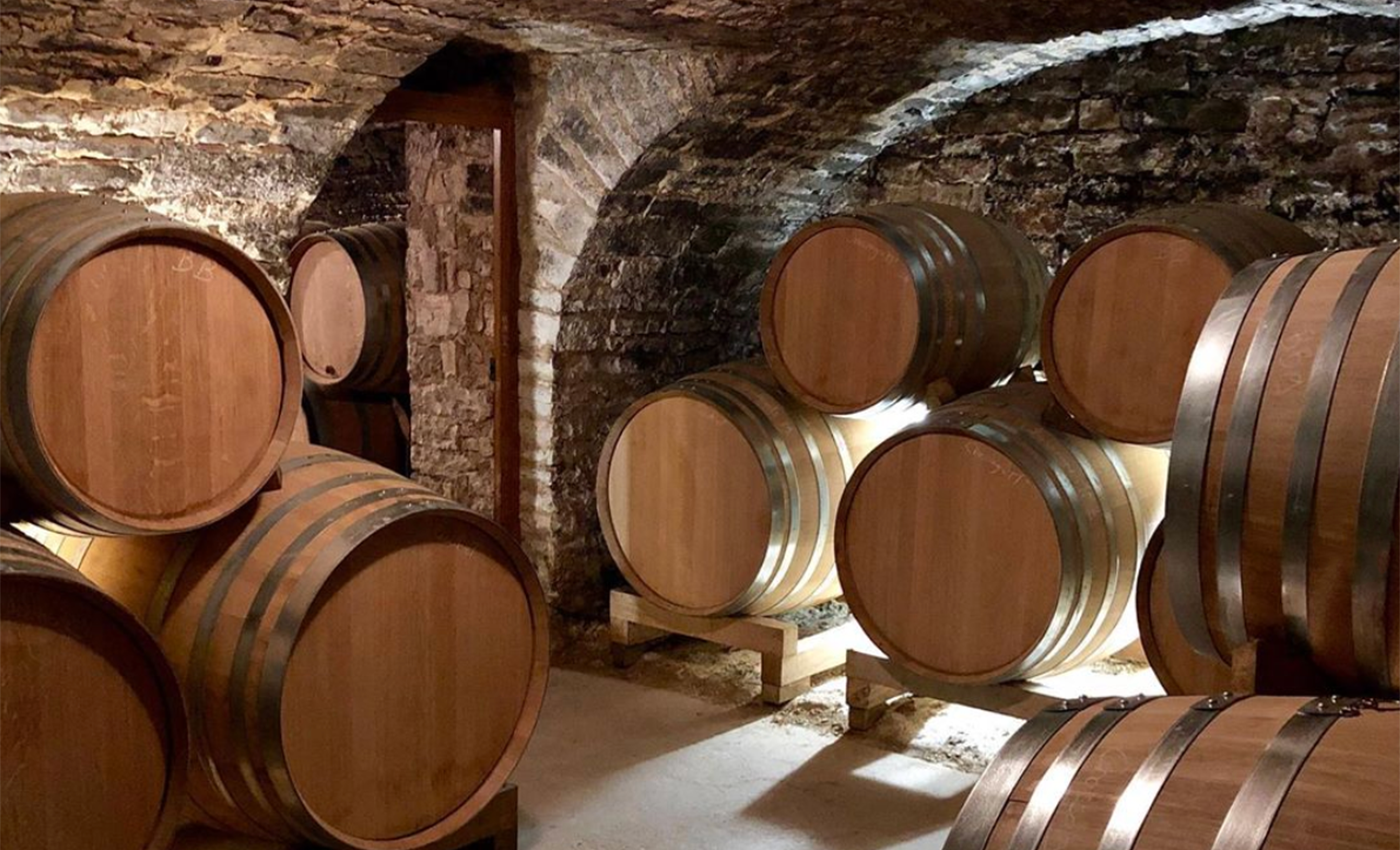
Damien Colin works inside a technical frame inherited from his father but has pushed fermentation temperatures lower and extended pre-bottling élevage by three to six months relative to the Marc Colin baseline of the 1980s. White wines ferment in barrel at ambient cellar temperatures, typically 16 to 19°C, with indigenous yeasts and no bâtonnage during the first six months. The domaine uses roughly 20% new oak across the white Premier Cru bottlings, with the balance in one- and two-year-old Burgundian pièces from Rousseau and François Frères. Élevage runs 14 to 16 months before bottling, with no fining and light filtration only on the village-level cuvées. The red wines follow a similar protocol but with shorter élevage, 12 to 14 months, and slightly higher new-oak percentages, typically 25 to 30% on the Premier Cru reds. The fruit is destemmed entirely, cold-soaked for five to seven days, then fermented with indigenous yeasts in open-top wooden fermenters with manual pigeage twice daily during active fermentation. The domaine does not use enzymes, acidification, or chaptalization except in declared poor vintages, and bottling happens without fining across the red range. This technical line reads as classical Burgundian cellar work rather than as low-intervention or natural winemaking, but it sits at the restrained end of the contemporary Côte de Beaune spectrum in terms of extraction, oak influence, and sulfur additions at bottling.

The Premier Cru parcels in En Remilly and La Chatenière produce the domaine's most structured white wines, with the former showing more stone-fruit weight and the latter more citric tension. Les Chaumées, a south-facing Premier Cru vineyard on the upper slope above the village, yields a red Pinot Noir with more grip and darker-fruit profile than the Saint-Aubin village red, which blends fruit from multiple lieux-dits on the mid-slope. The Chassagne-Montrachet holdings include parcels in the Premier Cru vineyards Caillerets and Les Chenevottes, both on the southern end of the appellation near the Saint-Aubin border. Caillerets is a historically recognized site with a long record of age-worthy Chardonnay; the Colin bottling from this vineyard typically shows more weight and phenolic structure than the Saint-Aubin Premier Crus and requires five to eight years of bottle age to integrate. The Puligny-Montrachet holdings are smaller, concentrated in the village-level appellation, and the fruit is bottled as a separate cuvée under the Puligny-Montrachet AOC. The domaine does not own parcels in any Grand Cru vineyards and does not purchase fruit from outside growers, so the range is entirely estate-bottled from owned or long-term leased parcels.

Marc Colin's founding decision in 1970 to bottle under his own label rather than sell fruit to the Beaune and Meursault négociant houses was not yet standard practice in Saint-Aubin, where the appellation's secondary status and lower vineyard prices made bulk sales the dominant model. The Colin domaine was among the first five estate producers in Saint-Aubin to establish a direct-bottling program, a lineage it shares with Domaine Hubert Lamy and the earlier Raoul Clerget operation. The shift from négociant dependency to estate bottling in Saint-Aubin accelerated through the 1980s and 1990s, and by the time Damien Colin took over the cellar, the appellation had a critical mass of estate producers working at quality levels comparable to Chassagne and Puligny village-level wines. The domaine's technical reputation in the trade rests on this early-mover positioning and on the consistency of the cellar work across vintages. Damien's 16-month élevage protocol and low-intervention fermentation approach produce wines that require patience but reward it, with the Premier Cru whites typically peaking between eight and twelve years post-vintage and holding for another five to eight years beyond that. This aging curve positions the domaine inside the same peer set as Ramonet, Niellon, and the longer-élevage bottlings from Domaine Jean-Claude Bachelet in Beaune, rather than inside the earlier-drinking, more fruit-forward peer set that includes much of the contemporary Saint-Aubin production.

The domaine's allocation structure reflects both the small production scale and the strong trade relationships Marc Colin built in the 1970s and 1980s. Total annual production runs between 6,000 and 7,000 cases, with roughly 60% of that volume allocated to long-term importers in the United States, the United Kingdom, Japan, and Germany. The remaining 40% is sold direct to private clients and to a small number of Michelin-starred restaurants in Burgundy and Paris. The Premier Cru bottlings are the most tightly allocated, with typical production runs of 200 to 400 cases per cuvée depending on the vintage. The domaine does not release wine en primeur and does not participate in the Hospices de Beaune auction, so the primary access point for trade buyers is through the established importer network. Retail pricing on the white Premier Crus sits between €50 and €80 per bottle at the cellar door for recent vintages, with the Chassagne-Montrachet Caillerets commanding the upper end of that range. Secondary-market pricing on older vintages, particularly the 2005, 2009, and 2010 whites, has pushed above €120 per bottle in the UK and US markets, positioning the domaine's aged releases in the same price band as Ramonet Chassagne Premier Cru and below the entry-level Ramonet Montrachet.

Damien Colin's cellar tenure has spanned both the warmer-vintage cluster of the 2000s and 2010s and the return to cooler, higher-acid conditions in 2021 and 2022. His technical response to vintage variation has been to hold fermentation temperatures constant and to adjust élevage length rather than oak percentage or sulfur additions, a conservative protocol that prioritizes consistency over vintage expression. The 2018 and 2019 whites, both from hot vintages with early harvests, received an additional two months of élevage relative to the cooler 2016 and 2017 vintages, a decision that allowed the wines to integrate their alcohol and phenolic structure before bottling. The 2021 whites, from a cool vintage with high natural acidity, returned to the 14-month baseline élevage and show more citric tension and lower alcohol than the 2018 and 2019 releases. This vintage-adaptive élevage approach is standard among the top-tier Burgundian producers but is less common in Saint-Aubin, where shorter élevage and earlier bottling have historically been the norm due to cash-flow pressures and the appellation's lower price points. The Colin domaine's financial position, built on two decades of strong trade relationships and relatively high pricing for Saint-Aubin, has allowed Damien to maintain the longer élevage protocol without the economic pressure to release early.

The domaine sits inside the same technical and commercial peer set as Domaine Joseph Colin in Chassagne-Montrachet, which is run by Marc Colin's other son and shares much of the same cellar philosophy and vineyard sourcing. The two domaines split Marc Colin's original parcels in 2004 when Joseph Colin established his own label, and both operations now work inside the same extended-élevage, restrained-oak, indigenous-yeast protocol. The stylistic similarity is pronounced enough that trade buyers often bracket the two domaines together when sourcing Saint-Aubin and Chassagne, with Joseph Colin's bottlings commanding a slight premium due to the Chassagne AOC and the domaine's higher concentration of Premier Cru parcels. The broader Saint-Aubin peer set includes Domaine Hubert Lamy, which works a similar extended-élevage protocol but with higher new-oak percentages and more pronounced lees-stirring during the first six months of élevage, and the Pierre-Yves Colin-Morey operation, which produces wines with more immediate fruit expression and shorter aging curves. The Colin domaine's position inside this peer set is as a classical, patience-rewarding producer rather than as an innovator or as a market-driven operation chasing earlier drinkability.

Access and Trade Positioning

The domaine does not operate a public tasting room and does not sell direct to walk-in visitors. Access for trade buyers is through the established importer network, with appointments available for credentialed sommeliers, restaurant buyers, and retail buyers working with the domaine's importers. Private clients with existing purchase history can arrange cellar-door visits by advance appointment, typically during the spring and fall release windows. The domaine releases its wines roughly 18 months post-vintage, later than most Saint-Aubin producers and later than many Chassagne and Puligny estates. This release schedule reflects the extended élevage protocol and positions the domaine's wines as cellar-worthy rather than as early-drinking alternatives to higher-priced Chassagne and Puligny bottlings. Allocation priority goes to long-term trade clients and to private buyers with multi-vintage purchase records, so new buyers without an established relationship face limited access to the Premier Cru bottlings. The village-level Saint-Aubin blanc and rouge are more widely available and provide an entry point into the domaine's style, though they do not carry the same aging potential or the same phenolic structure as the Premier Cru releases.

Frequently Asked Questions

How long has Domaine Marc Colin been operating?

Marc Colin founded the domaine in 1970 and bottled under his own label until his retirement in 2004. His son Damien Colin took over winemaking responsibilities in the late 1990s and has run the cellar for more than two decades, maintaining the extended-élevage and restrained-oak protocol established by his father. The domaine's continuous operation under the Colin family spans more than 50 years, positioning it among the longest-tenured estate producers in Saint-Aubin.

Where does Domaine Marc Colin sit in the peer set?

The domaine sits inside the classical, extended-élevage peer set that includes Ramonet, Niellon, and the longer-élevage bottlings from Domaine Jean-Claude Bachelet. Within Saint-Aubin specifically, the domaine is bracketed with Domaine Hubert Lamy and Domaine Joseph Colin as one of the appellation's top-tier producers, with retail pricing on the Premier Cru whites sitting at the upper end of the Saint-Aubin range and overlapping with Chassagne-Montrachet village-level pricing. The domaine's wines require more bottle age than most Saint-Aubin releases and reward patience with structure and complexity comparable to higher-priced Chassagne and Puligny bottlings.

Who has been at the pass, on the floor, or in the cellar at Domaine Marc Colin?

Marc Colin ran the cellar from the domaine's founding in 1970 until his retirement in 2004. Damien Colin took over winemaking responsibilities in the late 1990s, working alongside his father for several years before assuming full control of the cellar in 2004. Damien has held the position for more than 20 years and continues to run the operation, maintaining the technical line established by Marc while extending élevage length and refining the oak regime. No other winemakers have held the head position at the domaine, and the operation has remained family-controlled without outside investment or négociant acquisition.

At a Glance
Vibe
  • Classic
  • Scenic
  • Rustic
  • Hidden Gem
  • Sophisticated
  • Intimate
Best For
  • Wine Education
  • Romantic Getaway
  • Solo Exploration
  • Group Outing
  • Special Occasion
Experience
  • Estate Grounds
  • Historic Building
  • Private Tasting
Sourcing
  • Organic
  • Sustainable
Views
  • Vineyard
  • Mountain
Noise LevelQuiet
CapacitySmall

Traditional Côte de Beaune family domaine focused on purity and finesse, producing mineral-driven Burgundy with silky textures and restrained oak, emphasizing freshness and terroir expression over showiness.[4][1][11]

Additional Properties
AVASaint-Aubin AOC
VarietalsChardonnay, Pinot Noir
Wine Stylesstill_white, still_red
Wine ClubNo
DTC ShippingNo