

Michelin Main Selection · Falstaff Winery - Listed
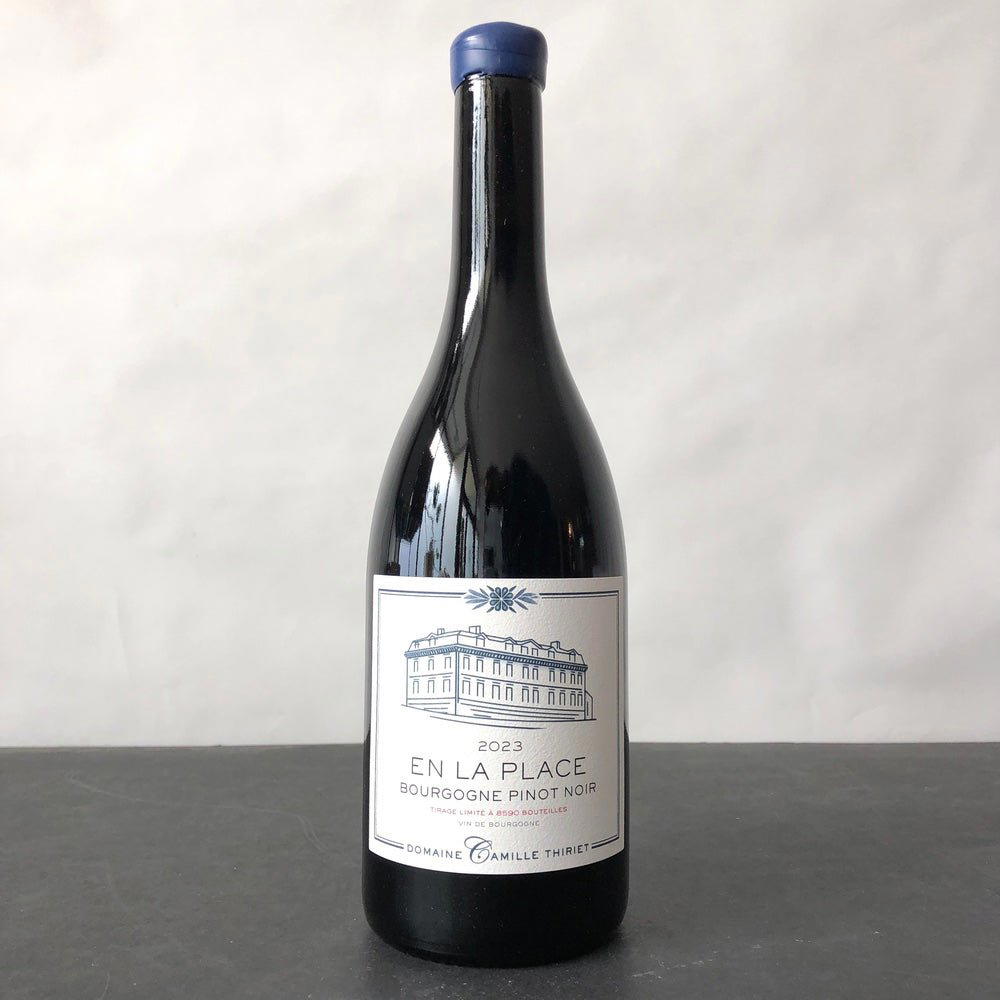
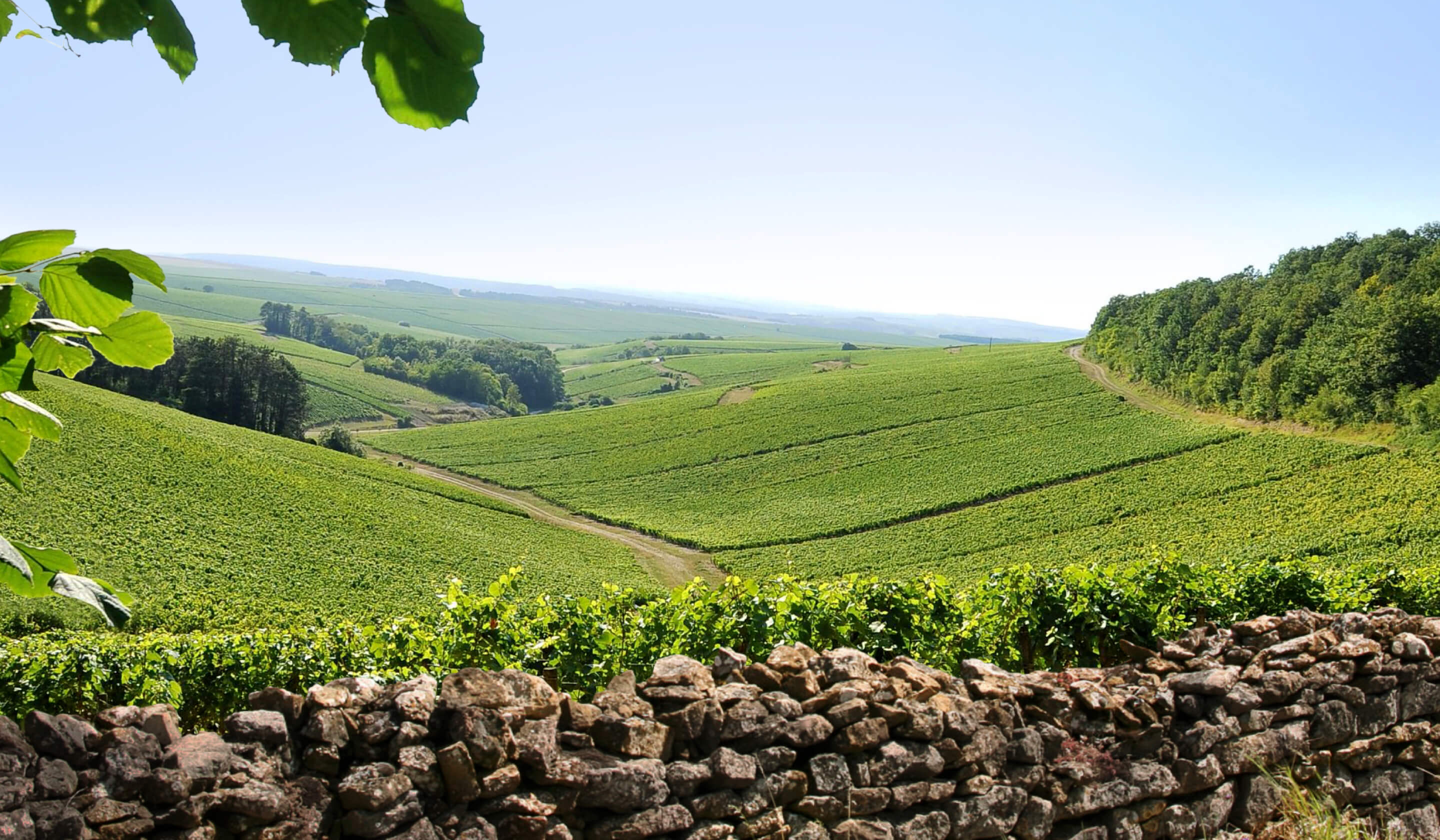
Domaine Camille Thiriet operates from the quiet village of Corgoloin at the southern edge of the Côte de Nuits, where the appellation hierarchy begins to loosen and growers work harder to articulate terroir through craft rather than classified prestige.
Where the Côte de Nuits Meets the Ground
Corgoloin sits at the point where the Côte de Nuits officially ends and the Côte de Beaune has not yet begun. It is a transitional stretch of Burgundy that rarely generates the headlines commanded by Gevrey-Chambertin or Vosne-Romanée to the north, but that quietness is precisely what makes the domaines here worth attention. The villages at this southern fringe of the Côte de Nuits tend to produce wines that reflect limestone and clay-heavy soils rather than the more celebrated iron-rich profiles higher up the slope, a different register of terroir expression, and one that rewards growers willing to work precisely within it.
The achievement is more instructive than it would be in a village where classified vineyards do the heavy lifting.
Terroir at the Appellation Boundary
The soil composition around Corgoloin shifts noticeably from what you find further north on the Côte. The Comblanchien limestone quarried just above the village has been extracted industrially for centuries, the same stone that floors parts of the Paris Opéra, and its presence in the subsoil gives the wines made from these parcels a particular mineral tension. That geological fact shapes what growers can and cannot achieve here: the texture tends toward precision and aromatic clarity rather than the plush weight associated with Nuits-Saint-Georges, roughly four kilometres north.
For a domaine working in this band of the slope, terroir expression is not just a philosophical stance; it is the primary argument for the wine's existence at a premium level. In Burgundy, the appellation ladder provides a shortcut to credibility for many producers. For those based in villages that sit outside the classified hierarchy, the work of articulating place through winemaking discipline carries more weight. The pearl-level recognition Domaine Camille Thiriet holds for 2025 suggests that work is being done with sufficient precision to register beyond the local level.
Corgoloin appears in the broader Burgundy conversation less often than its neighbours, but that relative quietness is worth contextualising. Neighbouring domaines in the same commune, including Domaine Didier Fornerol, work within the same appellation framing, and the collective output from this end of the Côte de Nuits has attracted steady attention from buyers interested in value-relative quality at the southern margin of the region's most prestigious corridor. For a broader map of what Corgoloin's producers offer, our full Corgoloin guide covers the village's character in detail.
Burgundy's southern Côte de Nuits is a different competitive context from the classified châteaux of Bordeaux. To draw the contrast clearly: a property like Château Batailley in Pauillac or Château Branaire Ducru in Saint-Julien operates within a classification framework that dates to 1855 and provides an automatic positioning shorthand. Similarly, Château Bélair-Monange in Saint-Emilion carries Premier Grand Cru Classé status that anchors its market position before a single wine is poured. Domaine Camille Thiriet works without those institutional anchors and earns its positioning through the wines themselves.
The contrast is instructive even across different appellation systems. Alsace producers like Albert Boxler in Niedermorschwihr use Grand Cru vineyard access to establish prestige credentials; the equivalent for a Corgoloin producer is demonstrating that terroir expression at village and regional appellation level can carry comparable intellectual weight.
Within Burgundy specifically, the distinction between domaines that hold classified-vineyard fruit and those working at village appellation level is commercial as much as qualitative. The former can price against name recognition; the latter must build allocation interest through consistent critical attention. This is the structural reality in which producers across Corgoloin operate, and it provides the correct frame for reading any recognition the domaine receives.
The Case for Visiting Corgoloin
Wine tourism along the Côte de Nuits concentrates predictably around the famous appellations: Gevrey, Morey, Chambolle, Vougeot, Vosne, Nuits. Corgoloin receives a fraction of the cellar door traffic those villages generate, which has practical implications. Appointments at smaller domaines here tend to be more accessible than at allocation-heavy addresses further north, and the tasting experience is less mediated by commercial pressure.
The village is easily reached from Beaune, approximately ten kilometres to the south, making it a logical addition to a wine-focused day along the Route des Grands Crus. The N74 connects Corgoloin directly to Nuits-Saint-Georges and Beaune, and the village itself is compact enough that finding the address at 114 Grande Rue requires no navigation complexity. For those building a broader tasting itinerary through French wine regions, the contrast in context between a Côte de Nuits village producer and, say, Château Bastor-Lamontagne in Preignac or Château Clinet in Pomerol illustrates how differently terroir translates across French appellations.
For context beyond France entirely, it is worth noting that prestige recognition systems vary considerably: the work done by a Burgundy village domaine to articulate limestone-driven terroir is a different discipline from what faces producers in, say, Napa Valley at Accendo Cellars, where the critical conversation pivots on different soil and climate variables. The comparison is not a ranking but a reminder that terroir expression is always a local argument, and the most interesting ones are often made in places without the easiest institutional support.
Planning a Visit
Frequently asked questions
Where exactly is Domaine Camille Thiriet?
Domaine Camille Thiriet is located at 114 Grande Rue, 21700 Corgoloin, Corgoloin.
What's the must-try wine at Domaine Camille Thiriet?
The domaine's position at the southern end of the Côte de Nuits, on Comblanchien limestone soils, gives its wines a distinctive character compared to those produced further north around Vosne or Nuits-Saint-Georges. Ask directly at 114 Grande Rue, Corgoloin, which wines represent the current release.
What's Domaine Camille Thiriet best at?
Its position in Corgoloin, at the precise boundary where the Côte de Nuits ends, gives the domaine access to a terroir that is geologically distinct from the more commercially trafficked appellations to the north. That combination of recognised quality and an under-visited address is the clearest argument for seeking it out.
How hard is it to get in to Domaine Camille Thiriet?
No booking data or visit policy is published in the available record for Domaine Camille Thiriet. Smaller Burgundy domaines at the prestige tier often operate by appointment rather than open-door tasting rooms, particularly outside the main harvest season. Arriving at 114 Grande Rue, Corgoloin without prior contact is a gamble; reaching out in advance is the practical approach.
Why does Domaine Camille Thiriet sit outside the main Côte de Nuits appellation villages?
Corgoloin marks the official southern limit of the Côte de Nuits, placing Domaine Camille Thiriet just beyond the run of classified village appellations that ends with Nuits-Saint-Georges. The soils here shift toward Comblanchien limestone, the same stone quarried from the escarpment above, which produces a different structural profile than the iron-rich clays further north.
What's Domaine Camille Thiriet a good pick for?
This domaine suits visitors who have already covered the headline Côte de Nuits appellations and want to cross the boundary into less-visited Corgoloin, where the geology shifts and the crowds thin considerably. It also works well as a standalone destination for anyone specifically interested in how terroir changes at an appellation edge.
How It Stacks Up
Comparable venues nearby, for context on price, style, and recognition.
| Venue | Cuisine | Price | Awards | Notes |
|---|---|---|---|---|
| Domaine Camille ThirietThis venue (the venue you are viewing) | Pinot Noir, Chardonnay | Not listed | Michelin Main Selection · Falstaff Winery - Listed | Not listed |
| Domaine Didier Fornerol | Pinot Noir, Chardonnay | Not listed | Not listed | Corgoloin |
| Domaine Bruno Clair | Pinot Noir, Chardonnay | Not listed | Michelin 2 Grapes · Falstaff Winery - Listed | Marsannay-la-Côte |
| Domaine Henri & Gilles Buisson | Pinot Noir, Chardonnay | Not listed | Michelin 1 Grape · Falstaff Winery - Listed | Saint-Romain |
| Maison Champy | Pinot Noir, Chardonnay | $30–50 | Falstaff Winery - Listed | Beaune |
| Château de la Tour | Pinot Noir, Chardonnay | Not listed | Michelin 1 Grape · Falstaff Winery - Listed | Vougeot |
Recognition history
Dated appearances from independent guides and award organizations, with the underlying list record or original source where available.
Michelin Main Selection
Michelin · 2026 Michelin Grape Main Selection - Burgundy
Falstaff Winery - Listed
Falstaff
Enquire about visiting Domaine Camille Thiriet or buying its wine
Visits to Domaine Camille Thiriet are usually kept for the estate's regular buyers and the wine trade. Tell us when you would like to go and a little about how you buy, and we put the request to the estate and reply to you by email. For buying, we source directly from the producer or from a licensed seller we know and vouch for, and tell you the route before you pay.
Continue exploring
More in Corgoloin
Wineries in Corgoloin
All wineries in Corgoloin →
Bars in Corgoloin
Browse all →
Details
- Rustic
- Intimate
- Classic
- Bohemian
- Wine Education
- Solo Exploration
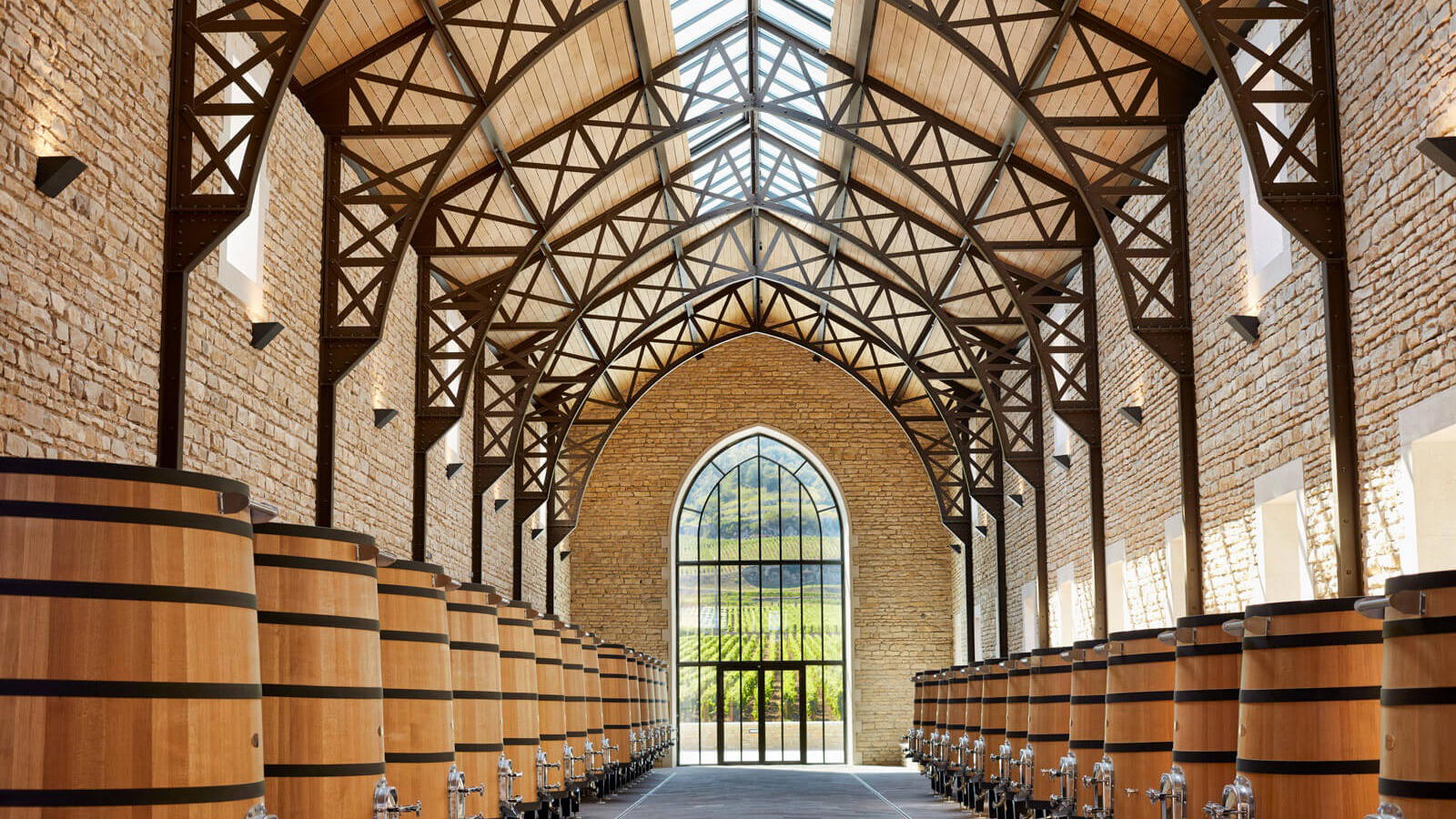
- Barrel Room
- Vineyard Tour
- Estate Grounds
- Private Tasting
- Organic
- Sustainable
- Vineyard
- Pinot Noir
- Chardonnay
- Aligoté
- Savagnin
- Gamay
- Still Red
- Still White
- Private Tasting
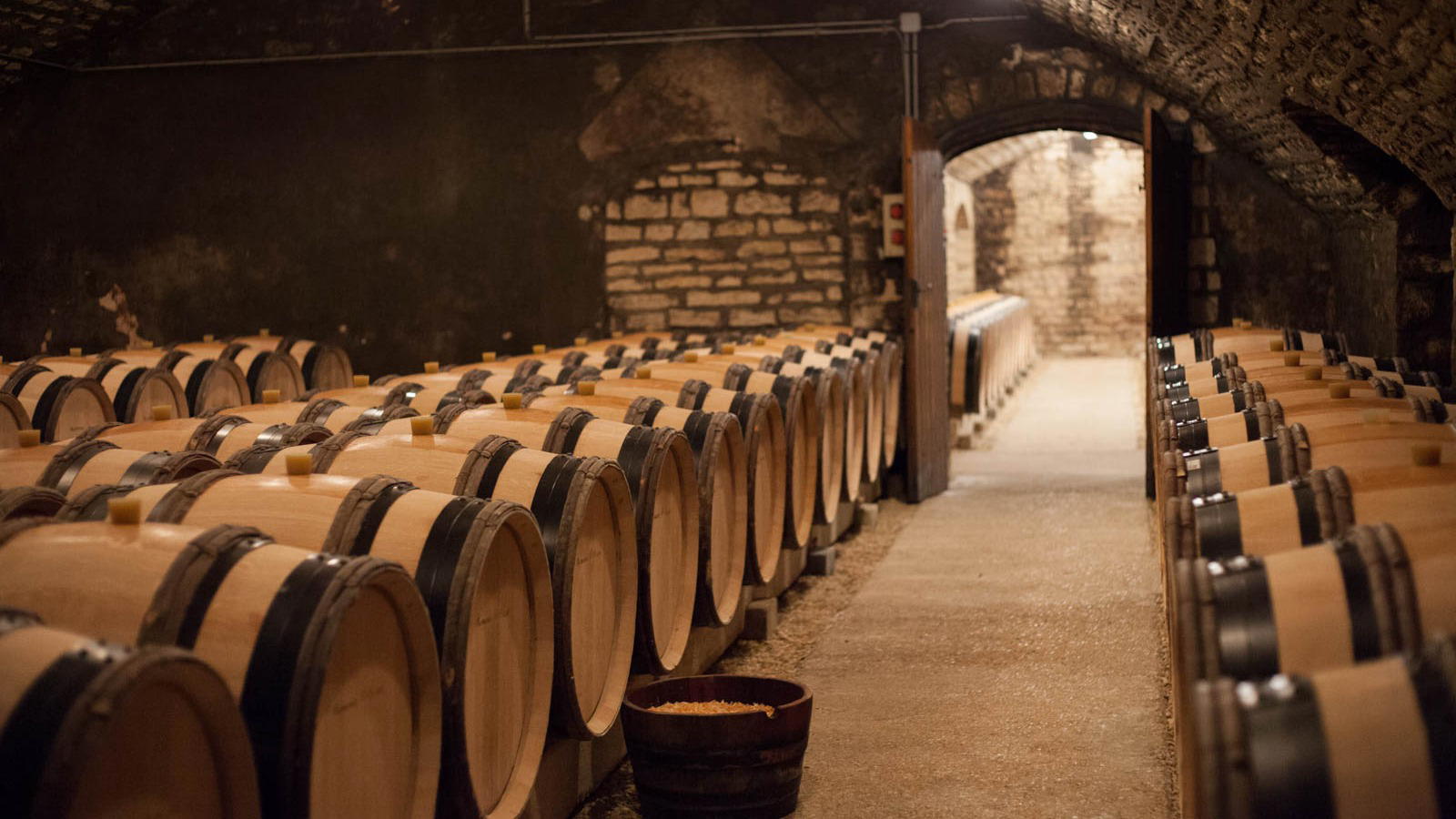
Intimate, rustic cellar environment with a focus on traditional winemaking; minimal modern amenities reflecting the domaine's artisanal philosophy and commitment to terroir expression.