Domaine Sylvain Cathiard

Michelin 1 Grape
Accessing the domaine directly requires patience, the right relationships, and a clear understanding of how Burgundy's allocation system works. This is a producer for collectors who plan ahead.

Pearl is the En Primeur Club membership app — saves, bookings, and concierge access live there. Same editors, same standards.
- Address
- 20 Rue de la Goillotte, 21700 Vosne-Romanée
- Phone
- +33 3 80 62 36 01
- Directions
- Get directions
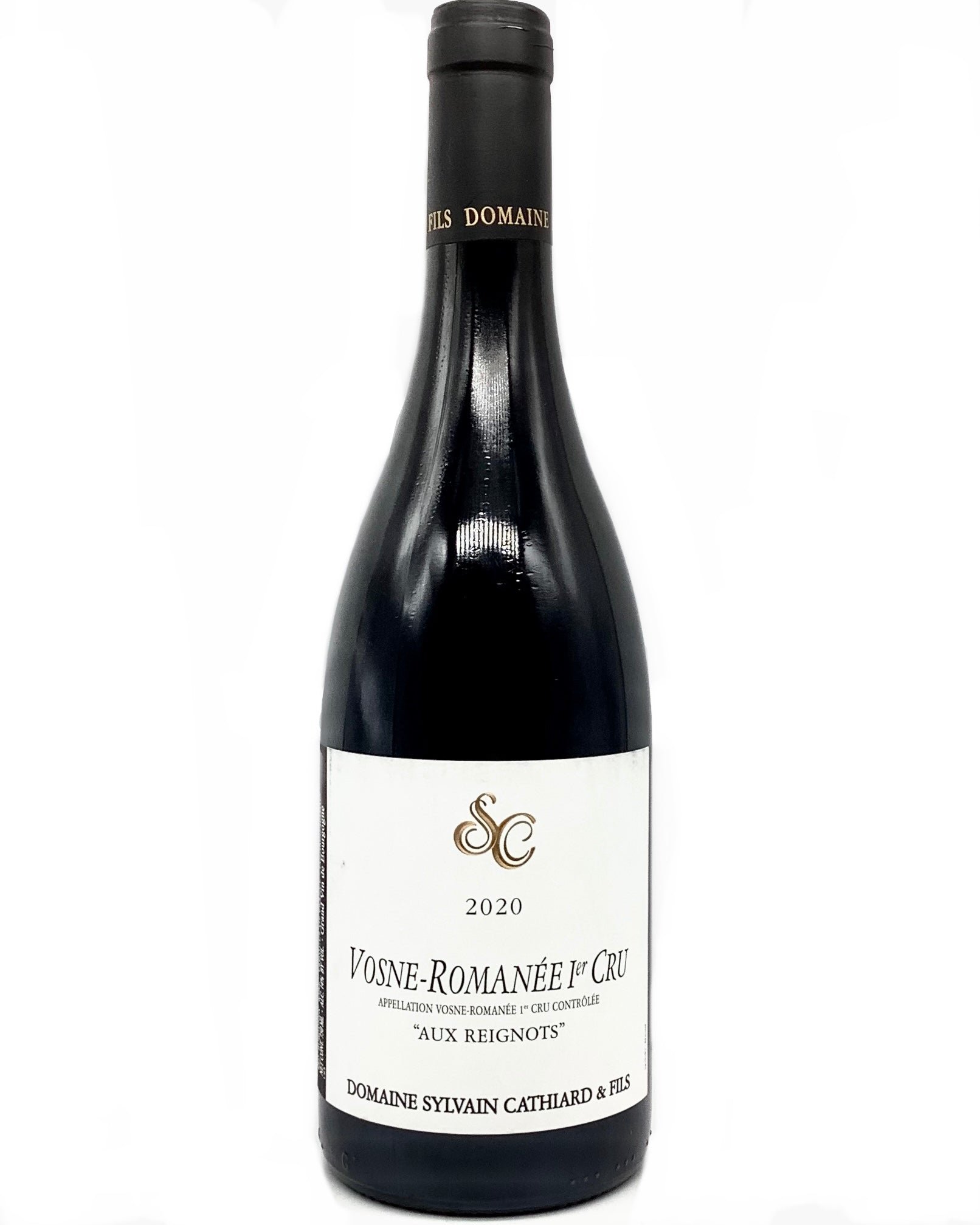
Approaching Vosne-Romanée: The Village That Sets the Reference Point
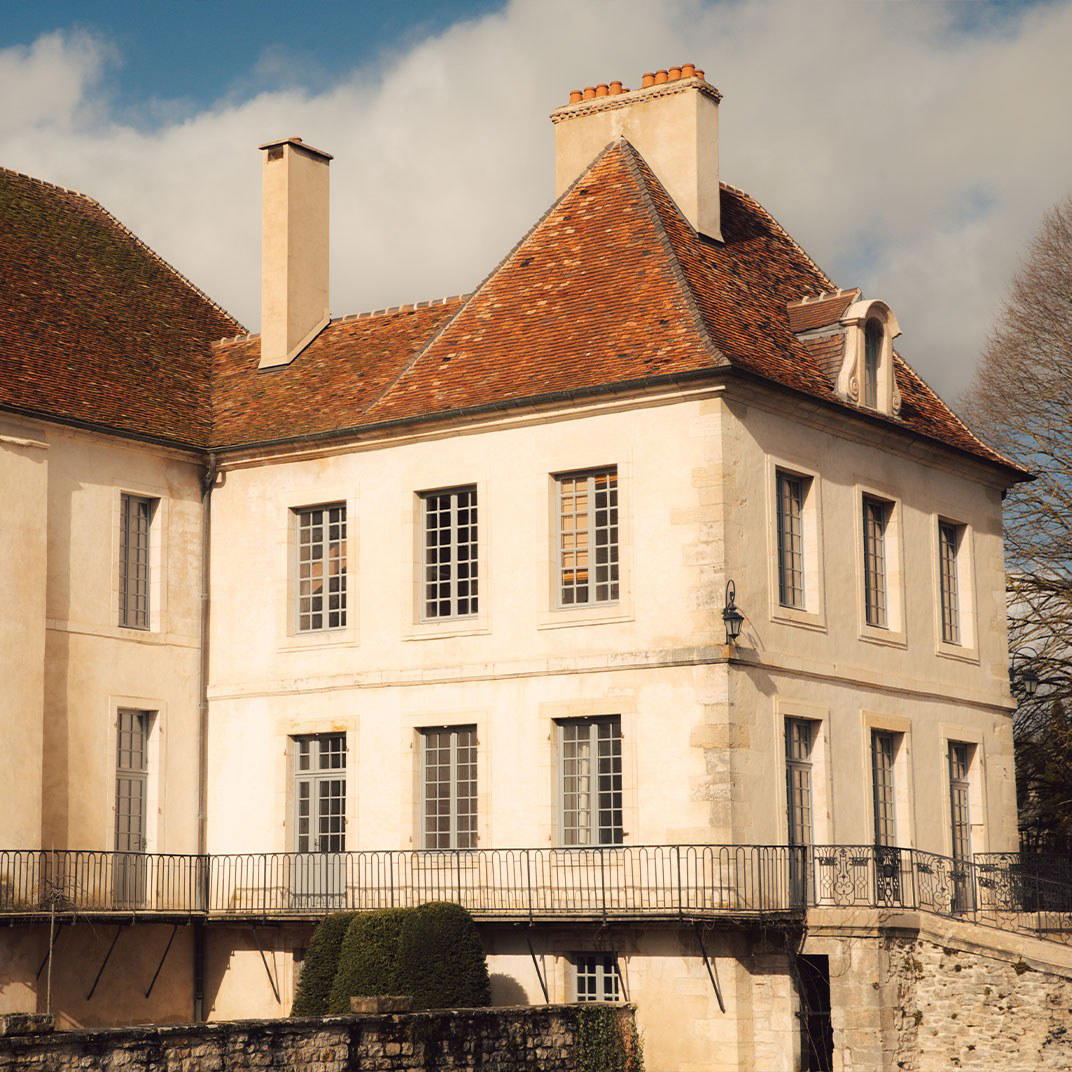
The village of Vosne-Romanée announces itself quietly. A cluster of limestone buildings, a church, narrow lanes running between stone walls — nothing in the physical approach signals why this particular commune sits at the apex of Burgundy's prestige hierarchy. The answer is underground: a sequence of grand and premier cru vineyards whose names — Romanée-Conti, Richebourg, Les Suchots, function less as addresses than as benchmarks against which Pinot Noir elsewhere in the world is still measured. Domaine Sylvain Cathiard, at 20 Rue de la Goillotte, operates within this context. The address is plain. The wines are not.
For a broader orientation to the village's producers and how they relate to one another, our full Vosne-Romanée guide maps the competitive set in detail.
The Allocation System: What Booking Actually Means Here
Visiting or acquiring wine from a domaine like Cathiard requires understanding a fundamental difference between Burgundy and almost every other wine region. There is no cellar door walk-in. There is no online shop. There is no reservations page. Access works through a layered allocation system in which the domaine's existing négociant and private client relationships absorb the vast majority of production. New buyers typically enter through specialist importers in their home market, through auction houses, or, in rarer cases, through introductions from established clients.
The secondary market tells part of the story. Cathiard's premier cru bottles, particularly from the Les Suchots and Aux Malconsorts vineyards, consistently trade at multiples of their original release price. That premium reflects both quality perception and scarcity: production volumes at family-scale domaines in Vosne-Romanée are small by any commercial standard, and the gap between what the domaine releases and what the market wants has only widened over the past decade. For collectors planning a first approach, working through an established UK, US, or Japanese importer with an existing Cathiard allocation is more likely to produce results than direct outreach to the domaine itself.
This dynamic is not specific to Cathiard. Domaine Jean Grivot, operating from the same village, faces comparable allocation pressure for its Échezeaux and Richebourg bottlings. Domaine Bizot operates on an even smaller scale.
The Vineyard Holdings: Why Collectors Pay Attention
Burgundy's classification system means that the vineyards a domaine holds are as important as anything that happens in the cellar. Cathiard's holdings include parcels in some of Vosne-Romanée's most consequential premier cru sites. Les Suchots, which borders Échezeaux to the north, produces wines with a structural depth that distinguishes them from the more immediately expressive village-level bottlings. Aux Malconsorts, positioned just below La Tâche, occupies some of the most coveted non-grand-cru land in the entire Côte de Nuits.
For context within the broader village picture, Domaine René Engel historically held comparable premier cru parcels before its vineyard assets were acquired by Domaine d'Eugénie. Domaine Cécile Tremblay works with similarly small volumes across overlapping village and premier cru sites. The pattern across this group, small holdings, high-demand appellations, tight allocation, is consistent. Cathiard fits squarely within it.
For buyers using ratings as a filtering tool, a 4 Star Prestige at this address indicates wines that belong in serious cellars and that reward extended ageing rather than early consumption.
Trust signals of this kind matter in a market where Burgundy's reputation attracts significant counterfeiting activity. Provenance documentation, original allocation receipts, continuous cold-chain records, direct importer relationships, carries more weight for Cathiard bottles than for producers in regions where cellar-door purchase is direct. Buyers approaching the secondary market for these wines should treat provenance as a non-negotiable part of the acquisition process.
Visiting Vosne-Romanée: The Practical Frame
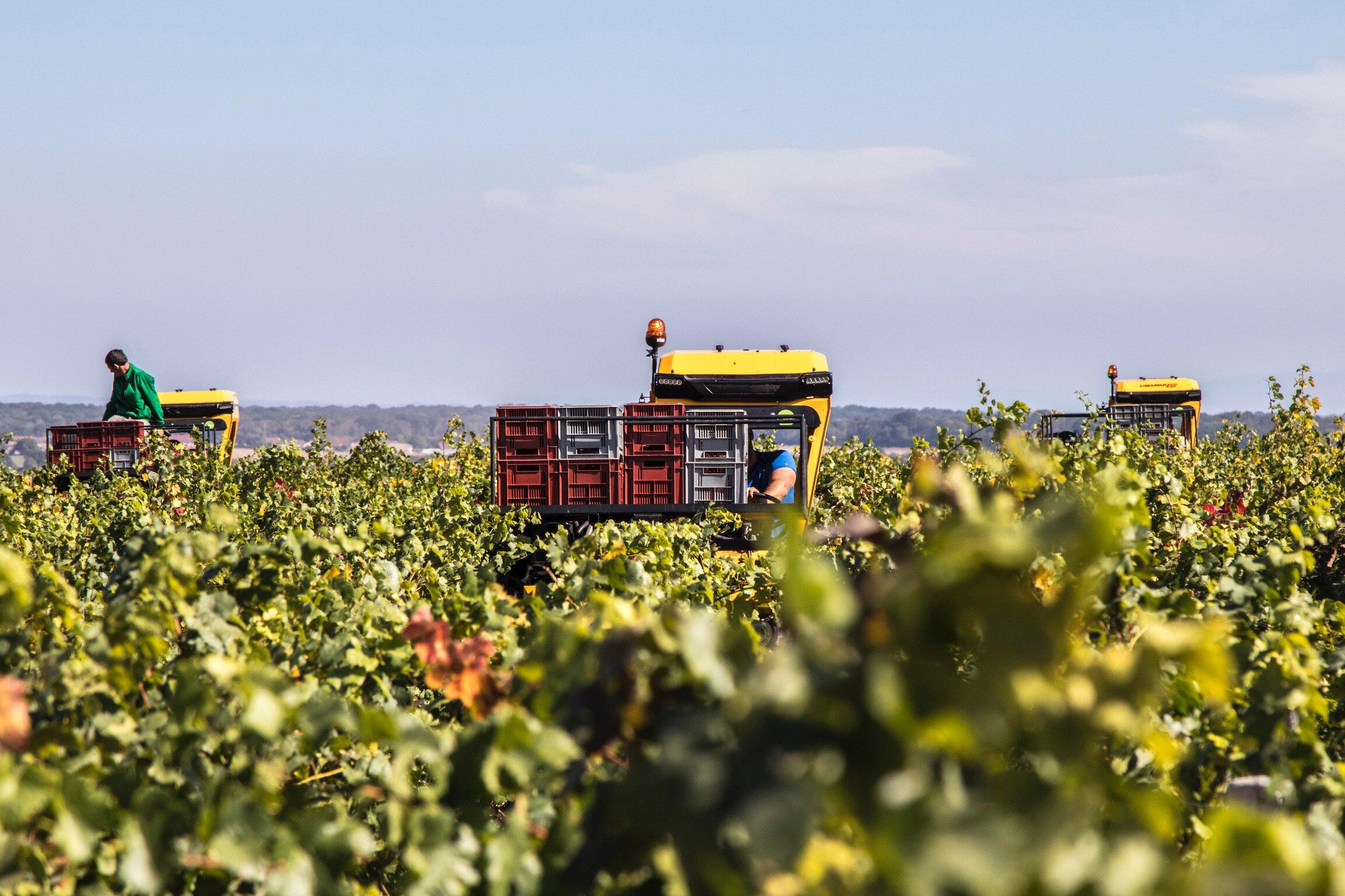
For travellers whose itinerary brings them through the Côte de Nuits, Vosne-Romanée sits between Nuits-Saint-Georges to the south and Vougeot to the north, approximately 15 kilometres south of Dijon. The village itself is compact enough to walk in under an hour, and the Route des Grands Crus cycling path runs directly through it, connecting the major appellations from Marsannay down to Santenay. The harvest period in September and early October brings the highest concentration of activity to the village, though domaine appointments, where they exist, require advance arrangement regardless of season.
The Côte de Nuits as a wine travel destination has become markedly more structured over the past decade, with specialist tour operators offering curated tasting itineraries for pre-vetted collectors. For travellers without existing domaine relationships, these operators often provide the most reliable route into otherwise closed cellars. Direct cold-call enquiries to small domaines in Vosne-Romanée rarely result in appointments, and Cathiard is not an exception to that pattern.
The comparison with more accessible premium wine regions is instructive. Producers like Albert Boxler in Niedermorschwihr or Accendo Cellars in St. Helena operate in regions where direct visits are considerably more feasible. Châteaux in Bordeaux's classified tier, including Château Batailley in Pauillac, Château Branaire-Ducru in Saint-Julien, and Château Bélair-Monange in Saint-Émilion, have historically maintained more structured visitor programmes than their Burgundian counterparts. Even Château Bastor-Lamontagne in Preignac and Château Boyd-Cantenac in Cantenac operate within a Bordeaux system that is more visitor-oriented than anything typical in the Côte de Nuits. The contrast between Burgundy's closed allocation model and the broader wine world's approach to hospitality remains one of the most striking features of the region. Producers as varied as Chartreuse in Voiron and Aberlour in Aberlour maintain active visitor centres as part of their identity. Cathiard does not operate in that register, and that is not a criticism, it reflects the production scale and demand dynamic that define this tier of Burgundy.
Planning Your Approach: The Short Version
For collectors building a position in Cathiard: identify which importers in your market hold a current allocation, establish a relationship before the next release cycle, and expect to work within the importer's existing client hierarchy. For travellers wanting to experience Vosne-Romanée's village-level terroir without a domaine appointment: the village cellars, the Route des Grands Crus, and the wider dining and tasting infrastructure of Beaune, 25 kilometres south, provide substantial context. The wines themselves, where they appear on restaurant lists in Paris, London, or Tokyo, are often the most accessible route to a first encounter with what Cathiard's holdings actually produce in the glass.
Just the Basics
Comparable venues nearby, for context on price, style, and recognition.
| Venue | Cuisine | Awards |
|---|---|---|
| Domaine Sylvain CathiardThis venue — the venue you are viewing | Vosne-Romanée, Pinot Noir, Gamay | Michelin 1 Grape |
| Domaine du Comte Liger-Belair | Vosne-Romanée, Pinot Noir, Chardonnay | Falstaff Winery - Listed |
| Domaine de la Romanée-Conti | Vosne-Romanée, Pinot Noir, Chardonnay | Michelin 3 Grapes · Falstaff Winery - 5 Stars |
| Domaine Leroy | Vosne-Romanée, Pinot Noir, Chardonnay | Michelin 3 Grapes · Falstaff Winery - Listed |
| Domaine Méo-Camuzet | Vosne-Romanée, Pinot Noir, Chardonnay | Michelin 1 Grape · Falstaff Winery - 4 Stars |
| Domaine Mongeard-Mugneret | Vosne-Romanée, Pinot Noir, Chardonnay | Not listed |
Recognition history
Dated appearances from independent guides and award organizations, with the underlying list record or original source where available.
Michelin 1 Grape
Michelin · 2026 Michelin 1 Grape - Burgundy
Continue exploring
More in Vosne-Romanée
Wineries in Vosne-Romanée
Browse all →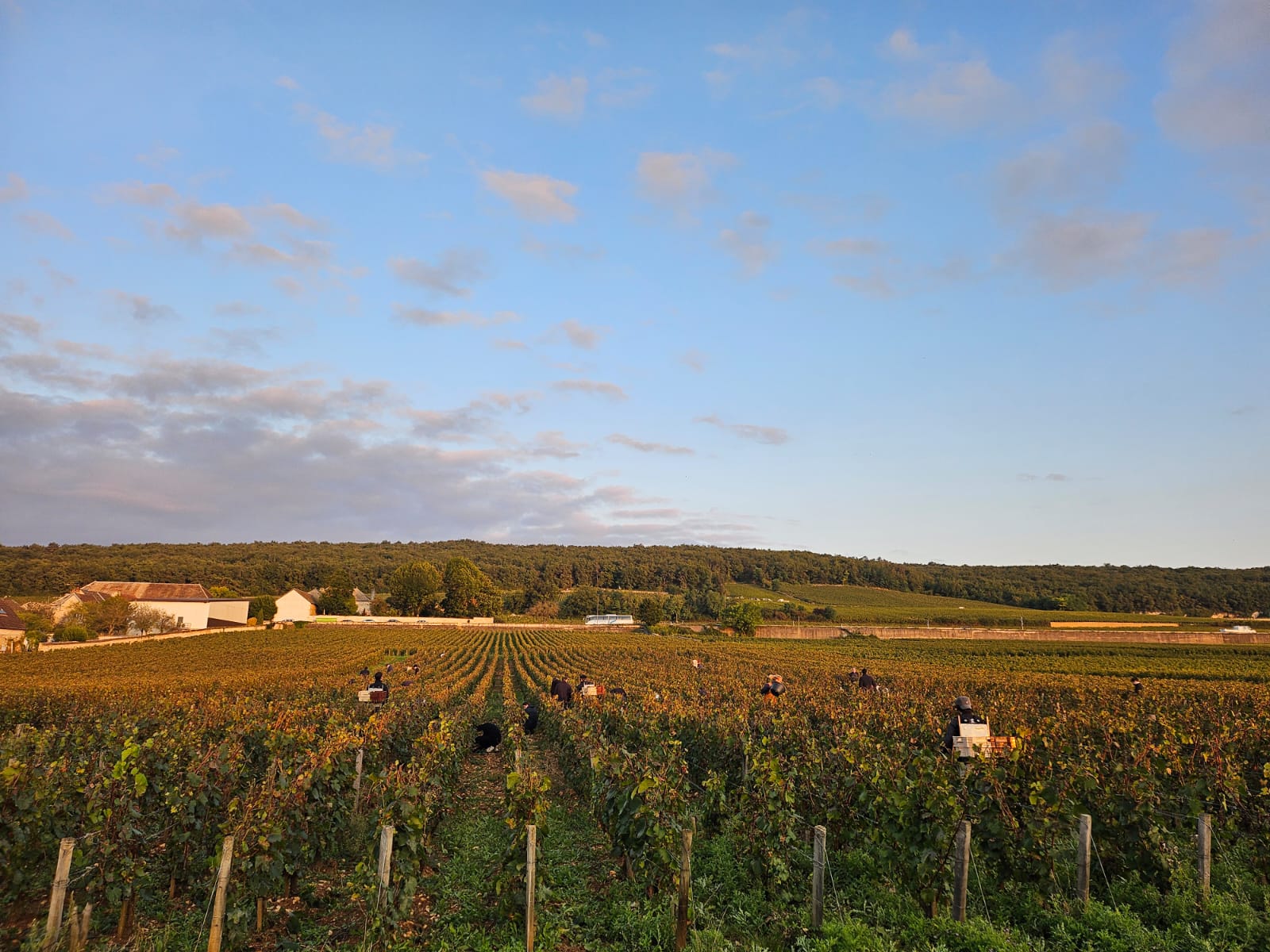
Bars in Vosne-Romanée
Browse all →
Restaurants in Vosne-Romanée
Browse all →
Details
- Elegant
- Sophisticated
- Rustic
- Classic
- Wine Education
- Special Occasion
- Solo Exploration
- Cave Tasting
- Vineyard Tour
- Sustainable
- Organic
- Vineyard
- Pinot Noir
- Gamay
- Aligoté
- Still Red
- Cave Tasting
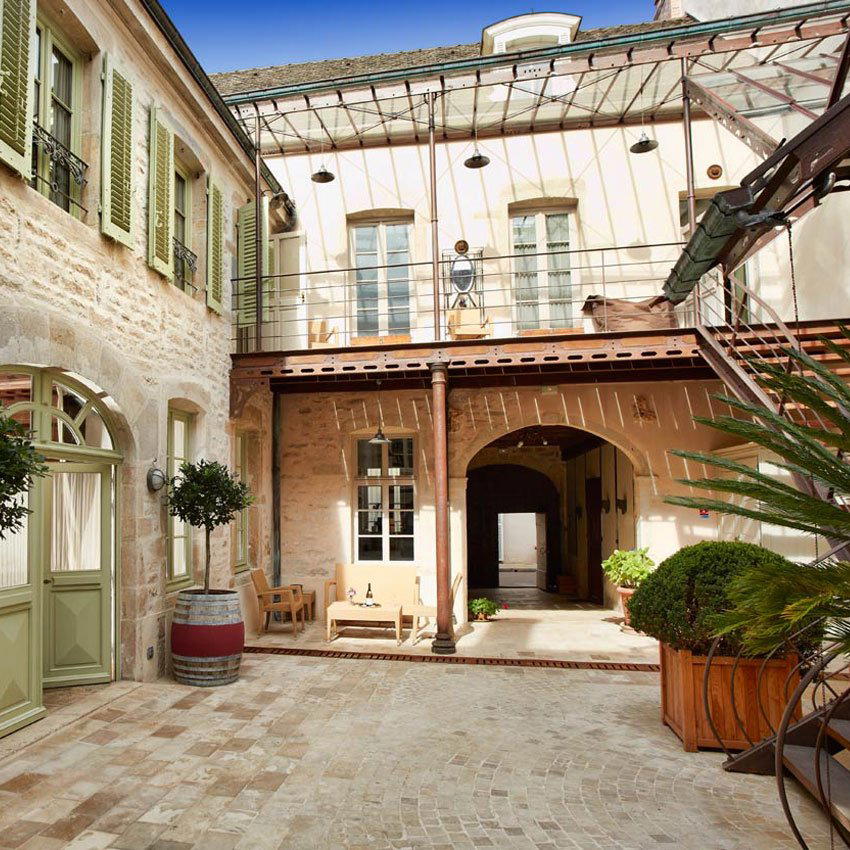
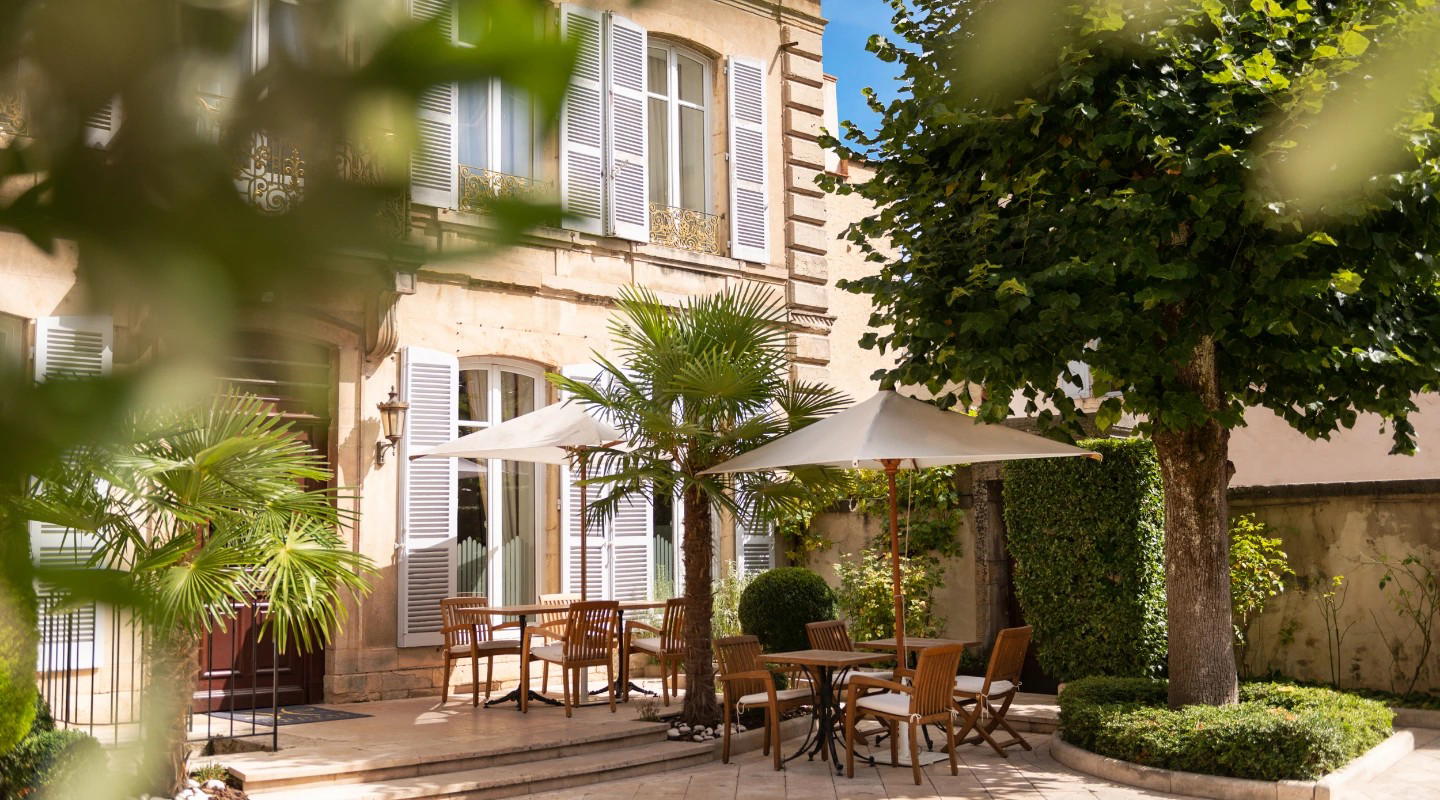
Refined and classic winery atmosphere centered on meticulous winemaking tradition in Burgundy.