Domaine Armand Rousseau


Michelin 1 Grape · Falstaff Winery - 5 Stars
Few estates in Burgundy carry the weight of Domaine Armand Rousseau, a Gevrey-Chambertin producer whose first vintage dates to 1929 and whose holdings across Chambertin, Clos de Bèze, and several premier cru parcels represent a direct argument for how geology and vine age translate into the glass.

Pearl is the En Primeur Club membership app, where members save venues, book tables and use the concierge.
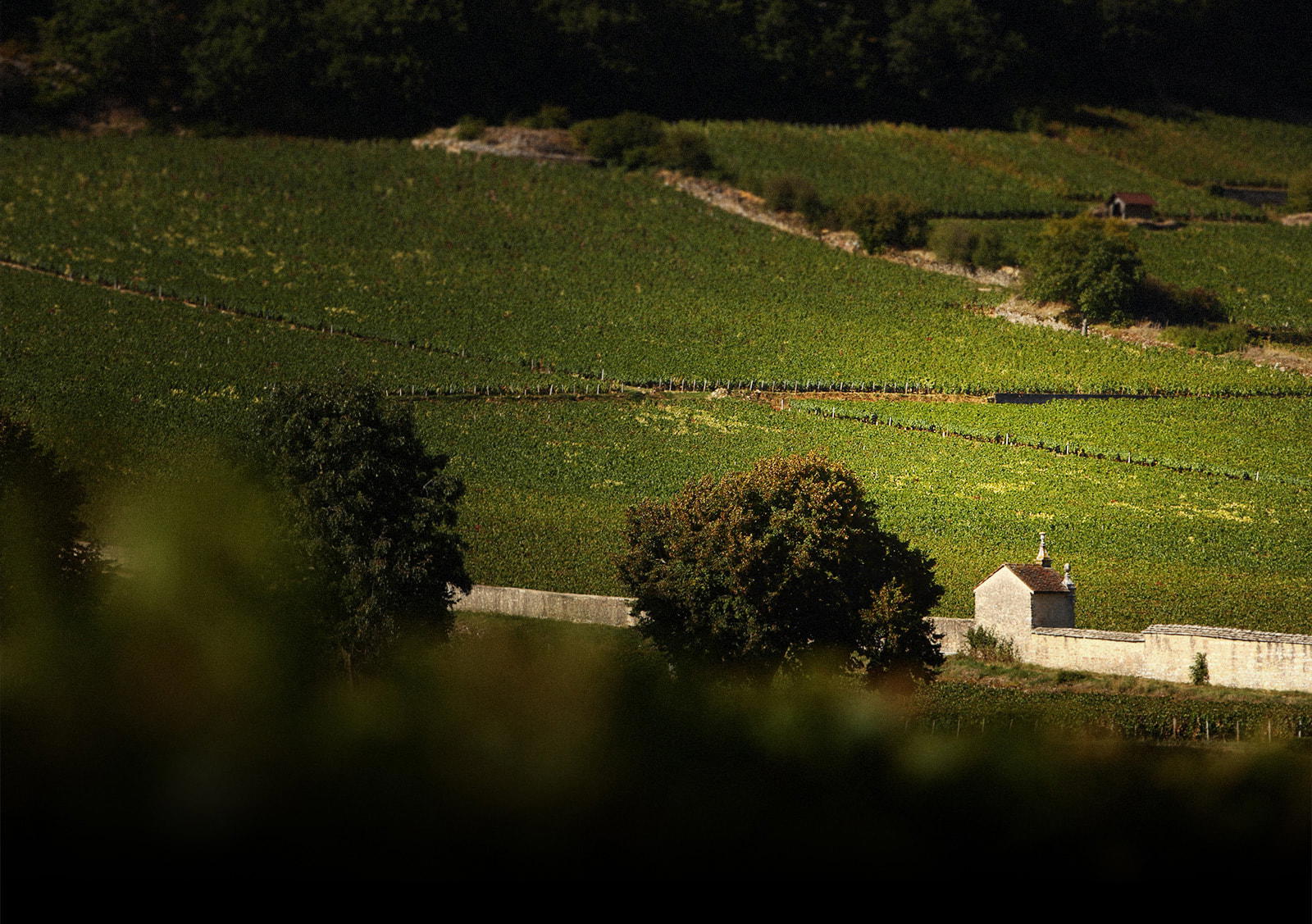
Where Gevrey-Chambertin Begins to Make Sense
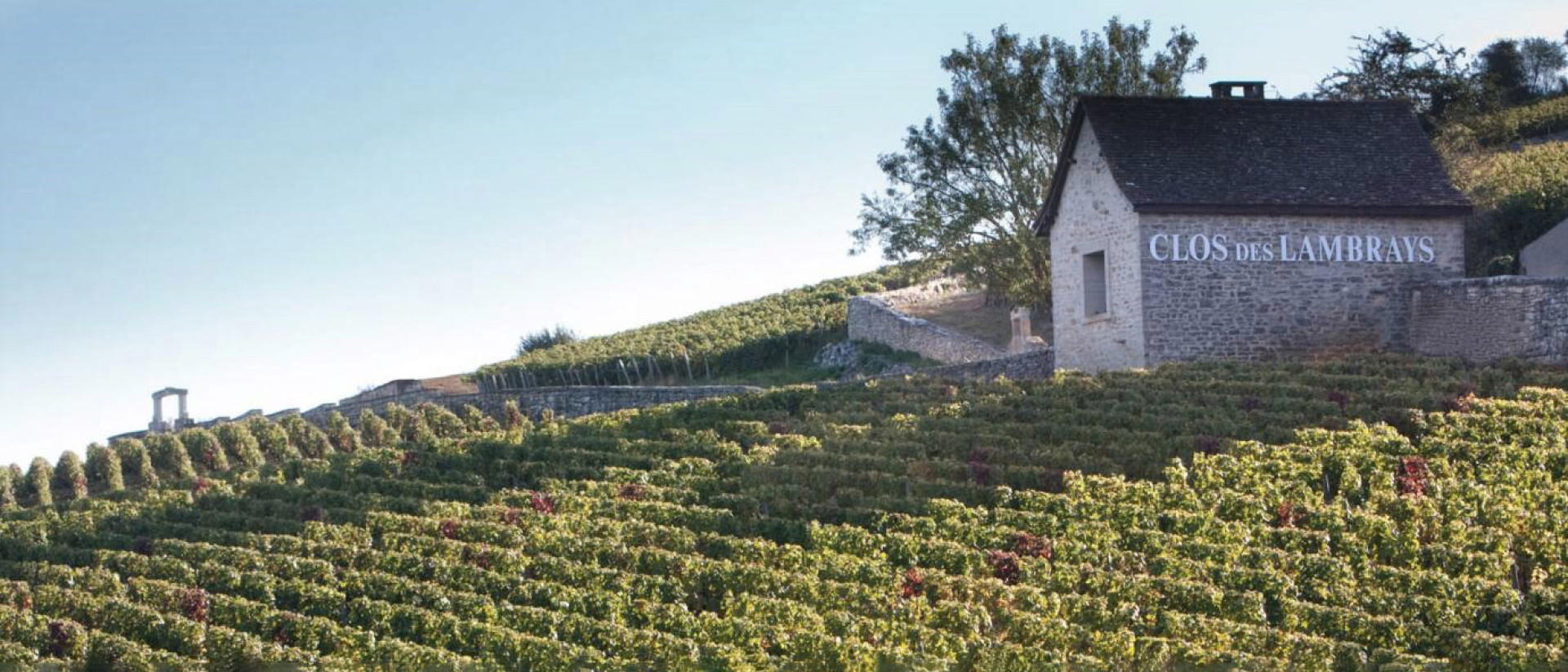
The village of Gevrey-Chambertin sits at a point where the Côte de Nuits narrows and the limestone-marl subsoil rises closer to the surface. The vines on the slope above the village are not dramatic to look at, low-trained Pinot Noir rows, often old enough to have gnarled trunks, working soil that has been cultivated since the Cistercian monks first mapped its potential in the medieval period. What happens in that soil, and what Cyrille Rousseau has done with nearly a century of uninterrupted access to it, is the reason collectors treat an allocation from Domaine Armand Rousseau as something closer to a financial instrument than a case of wine.
The domaine's first vintage was 1929, a fact that positions it within a cohort of Burgundy producers who predate the appellation system, built their holdings before land prices made large-scale acquisition impossible, and have spent decades learning the specific behaviour of individual parcels rather than assembling portfolios from recent purchases. That continuity matters more than it might appear: vine age contributes directly to concentration and complexity, and parcels that have been farmed by the same family for multiple generations develop a consistency of approach that is difficult to replicate at younger estates. Among the Gevrey-Chambertin producers, including Domaine Dugat-Py, Domaine Drouhin-Laroze, Domaine Duroché, Domaine Henri Rebourseau, and Domaine Joseph Roty, Rousseau occupies a category defined by the depth and age of its grand cru holdings rather than by stylistic positioning alone.
The Geology Doing the Work
Grand cru classification in the Côte de Nuits is, at its core, a geological argument. The premiers and grands crus that line the mid-slope of the Gevrey-Chambertin hillside sit on a band of Bathonian and Bajocian limestone, topped by thin, iron-rich soils that drain quickly and force the vine roots to descend in search of water and minerals. The result, in most vintages, is wine with a density of fruit that reads as restrained rather than heavy, because the tannin structure and acidity from the soil's calcium content keep everything in proportion.
Chambertin and Clos de Bèze, the two appellations at the apex of this hierarchy, occupy the most compressed expression of that geology. The parcels that Domaine Armand Rousseau holds in both lieux-dits are not large, and the production volumes reflect that scarcity. The wine that comes from them tends to show the mineral underpinning more clearly than warmer, flatter parcels, and the domaine's approach, consistently low intervention, allowing the site to speak rather than the cellar to interpret, means that vintage variation registers as geological variation, not as winemaking correction. This is how terroir expression works in practice, and Rousseau's track record across difficult and generous vintages alike shows a consistency that can only come from land rather than technique.
Cyrille Rousseau and the Weight of Continuity
Winemaking succession is a recurring challenge for Burgundy's family estates. Domaines built over multiple generations face the same structural risk as any closely held institution: a transition in leadership can disrupt established practices in ways that take years to appear in the bottle. The cellar address at 1 Rue de l'Aumônerie in Gevrey-Chambertin village remains the operational centre, close enough to the appellation's main road to be findable but without the formal visitor infrastructure that some larger négociant houses have developed.
Across French wine regions, from Albert Boxler in Niedermorschwihr in Alsace to Château Bélair-Monange in Saint-Emilion in Bordeaux, producers at this rating level share a common trait: a long-established relationship between a specific site and a consistent interpretive approach that generates wines distinguishable by origin rather than by production style. Rousseau fits squarely within that definition.
Allocation, Access, and What That Means Practically
The practical reality of acquiring Domaine Armand Rousseau wines is that secondary market availability substantially exceeds primary allocation access for most buyers. The domaine's production volumes for its grand cru parcels are small by any measure, and the allocation list, built over years through relationships with négociants, importers, and established private customers, does not expand quickly. Buyers in markets outside France typically access these wines through specialist merchants or auction, where grand cru bottles from quality vintages trade at prices that reflect both scarcity and sustained critical demand.
Timing matters at the Gevrey-Chambertin level. The region's harvest window has shifted earlier over the past two decades, a consequence of warmer growing seasons, and the leading recent vintages have combined that ripeness with the acidity retention that makes Burgundy worth ageing. For collectors considering the domaine's village and premier cru tier, which offers a more accessible entry point than the grand cru labels, tracking release timing through specialist merchants in spring following the harvest remains the most reliable approach.
Elsewhere in the Côte d'Or, the same allocation dynamic applies to a handful of estates. Comparable contexts include Bordeaux houses like Château Batailley in Pauillac, Château Branaire Ducru in St-Julien, and Château Boyd-Cantenac in Cantenac, where classified growth status and sustained demand create similar distribution patterns. Outside France entirely, producers such as Accendo Cellars in St. Helena and Château Bastor-Lamontagne in Preignac operate within the same premium-allocation logic, though the underlying terroir arguments differ substantially. More distant comparisons like Chartreuse in Voiron and Aberlour in Aberlour demonstrate how legacy production with a defined geographic base builds similar collector demand across entirely different categories.
Gevrey-Chambertin has the largest grand cru surface area of any Côte de Nuits commune, which creates a wide range of quality and style within the appellation's top tier. Some producers in the village have moved toward denser extraction and higher new-oak percentages; others have pulled back toward lighter, earlier-drinking styles. Rousseau's position within that spectrum has consistently favoured structure and age-worthiness over immediate accessibility, a choice that the appellation's geology actively supports. Chambertin, in particular, has a reputation for closing down in the first decade after release before opening into something more complex, a pattern that rewards patience and disadvantages buyers expecting early drinking.
Within the village's competitive set, each producer brings a different parcel profile to the same appellation. The comparison with peers such as Domaine Denis Mortet, Domaine Fourrier, Domaine Rossignol-Trapet, and Domaine Trapet Père et Fils illustrates how the same commune produces wines that differ substantially in structure and longevity depending on parcel age, elevation, and cellar approach. Rousseau's combination of prime parcel access and generational consistency places it at a reference point in that comparison rather than simply as one option among several.
For those planning a visit to the region, our full Gevrey-Chambertin restaurants guide covers the broader village context, including dining options and seasonal timing for the Côte de Nuits. The domaine's address at 1 Rue de l'Aumônerie is in the village centre, accessible from Dijon approximately 15 kilometres to the north via the RN74. Visits to the cellar, where arrangements are possible, typically require advance contact rather than walk-in access.
In Context: Similar Options
Comparable venues nearby, for context on price, style, and recognition.
| Venue | Cuisine | Awards | Notes |
|---|---|---|---|
| Domaine Armand RousseauThis venue (the venue you are viewing) | Pinot Noir | Michelin 1 Grape · Falstaff Winery - 5 Stars | Not listed |
| Domaine Drouhin-Laroze | Pinot Noir | Falstaff Winery - Listed | Gevrey-Chambertin |
| Domaine Duroché | Pinot Noir, Chardonnay | Michelin 1 Grape · Falstaff Winery - Listed | Gevrey-Chambertin |
| Domaine Denis Mortet | Pinot Noir | Michelin 2 Grapes · Falstaff Winery - Listed | Gevrey-Chambertin |
| Domaine Pierre Damoy | Pinot Noir | Not listed | Gevrey-Chambertin |
| Domaine Fourrier | Pinot Noir | Michelin Main Selection · Falstaff Winery - Listed | Gevrey-Chambertin |
Recognition history
Dated appearances from independent guides and award organizations, with the underlying list record or original source where available.
Michelin 1 Grape
Michelin · 2026 Michelin 1 Grape - Burgundy
Falstaff Winery - 5 Stars
Falstaff
Domaine Armand Rousseau
Featured Guides
Continue exploring
More in Gevrey-Chambertin
Wineries in Gevrey-Chambertin
All wineries in Gevrey-Chambertin →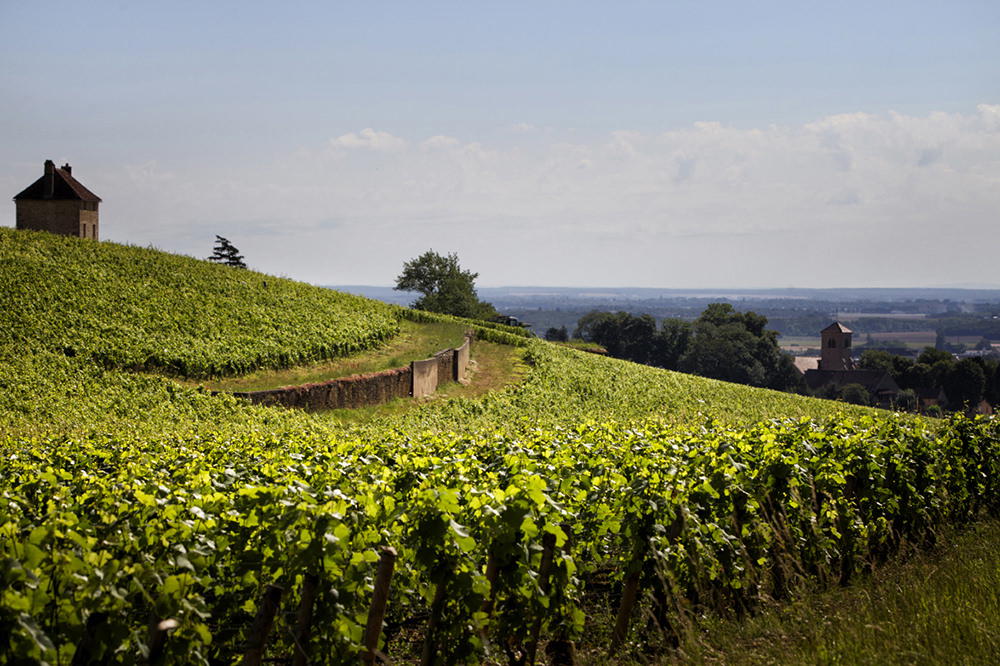
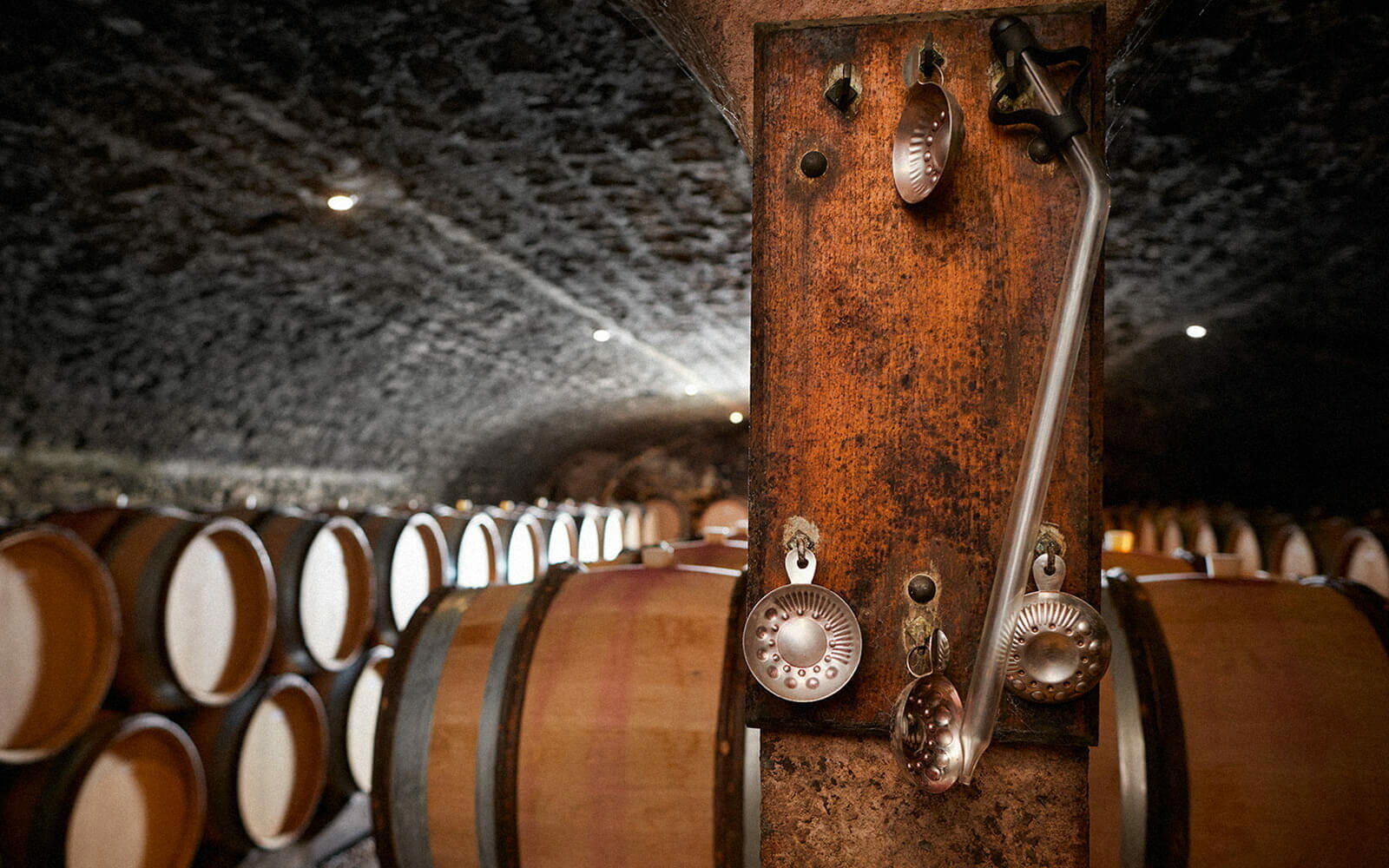
Bars in Gevrey-Chambertin
Browse all →
Restaurants in Gevrey-Chambertin
All restaurants in Gevrey-Chambertin →
Details
- Classic
- Elegant
- Rustic
- Sophisticated
- Well Known
- Wine Education
- Special Occasion
- Cave Tasting
- Vineyard Tour
- Organic
- Sustainable
- Vineyard
- Pinot Noir
- Still Red
- Single Vineyard Tasting
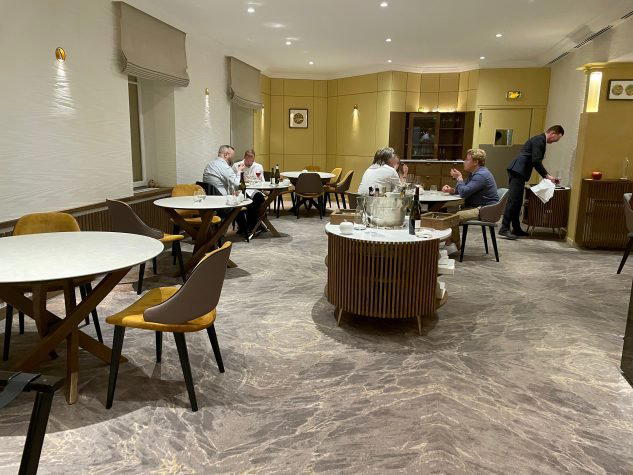
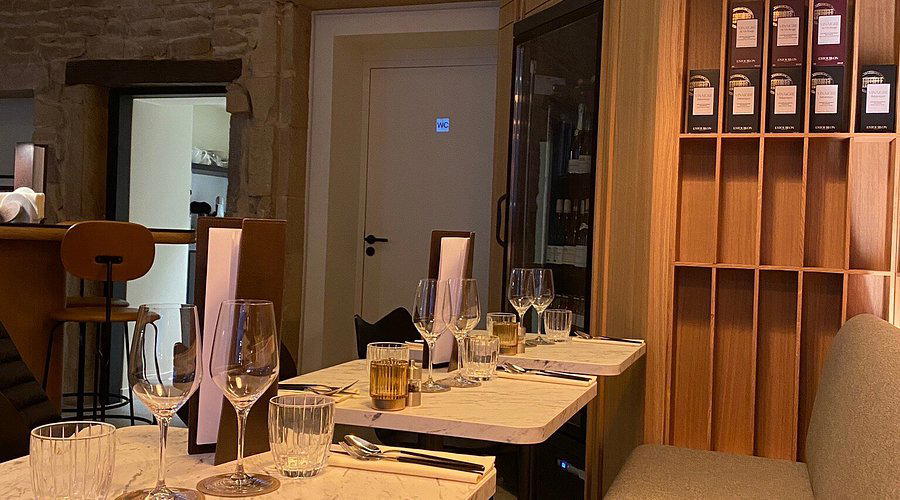
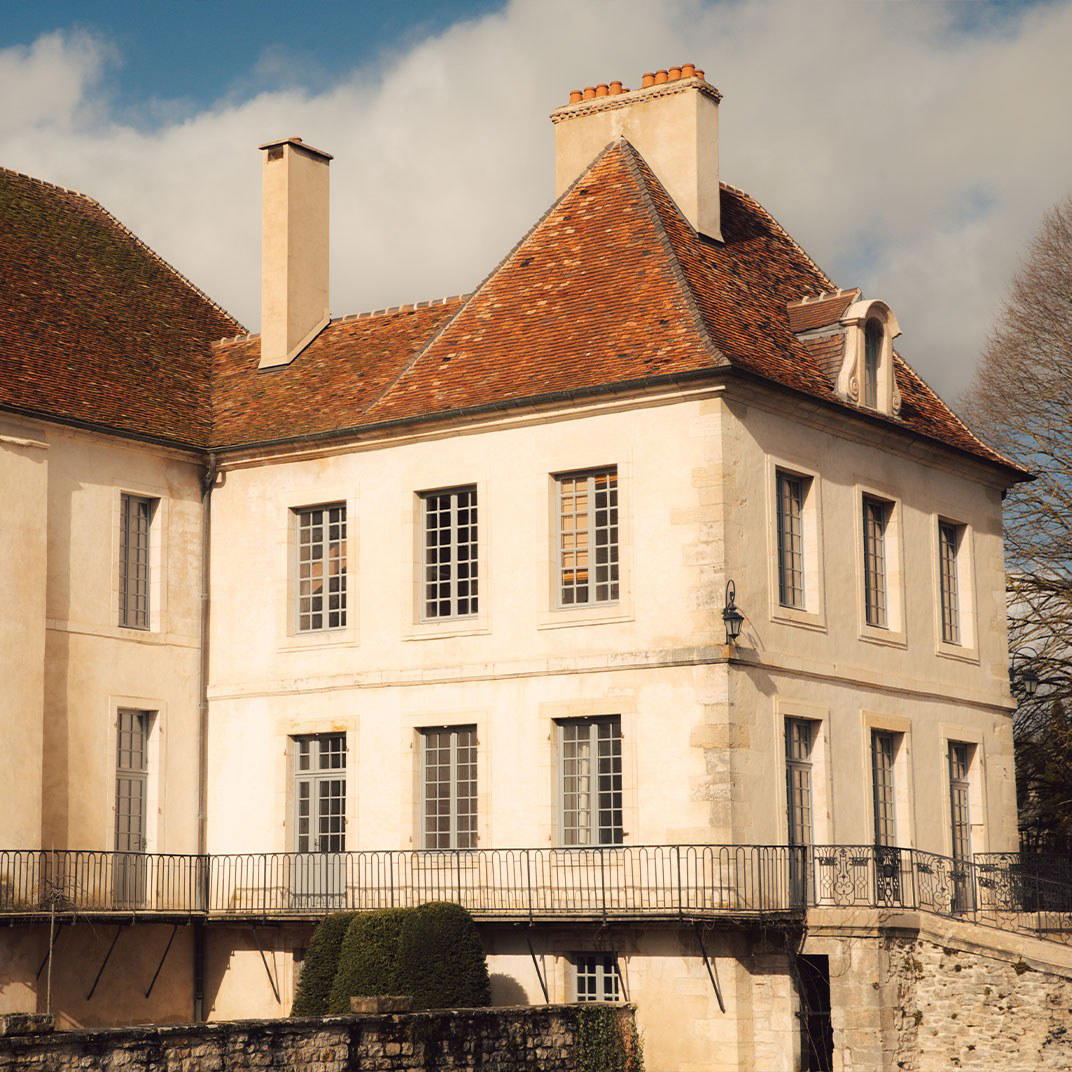
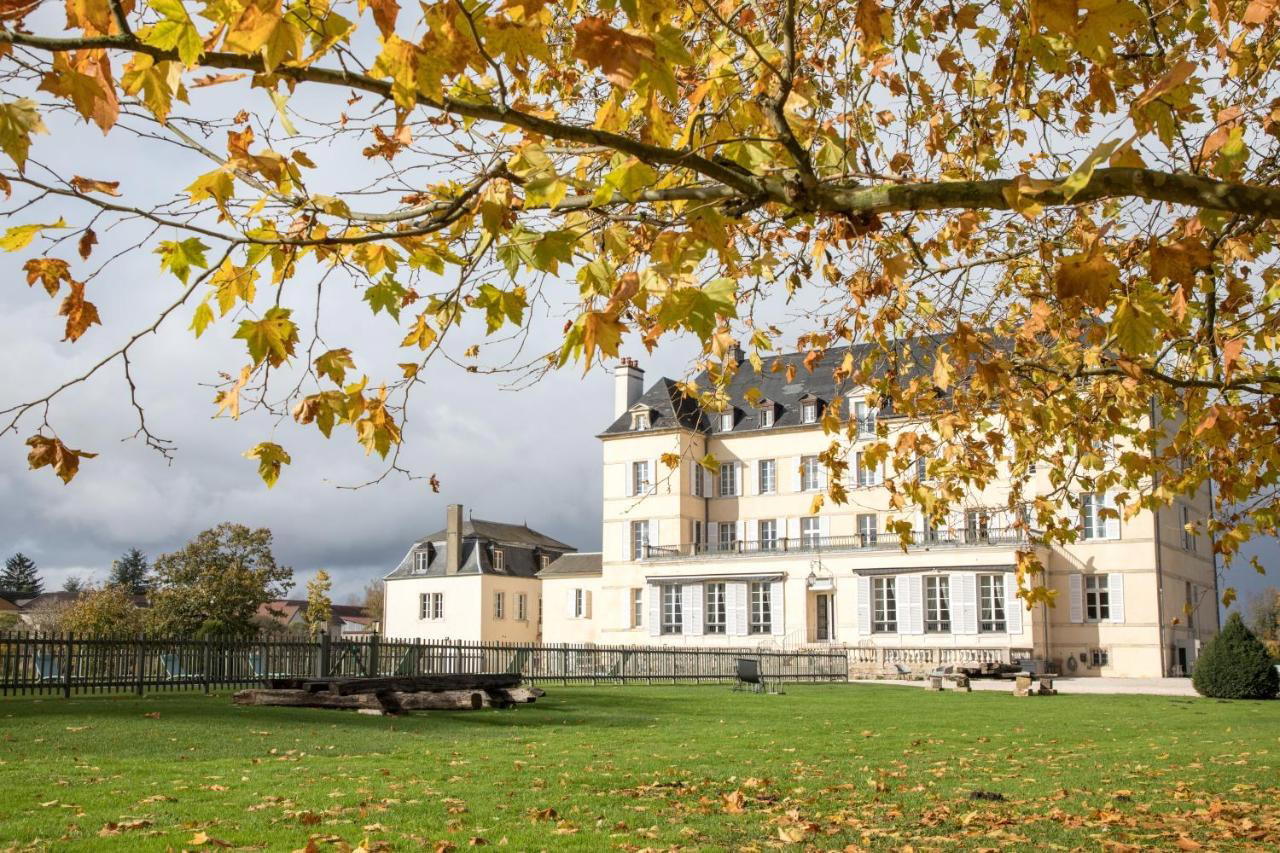
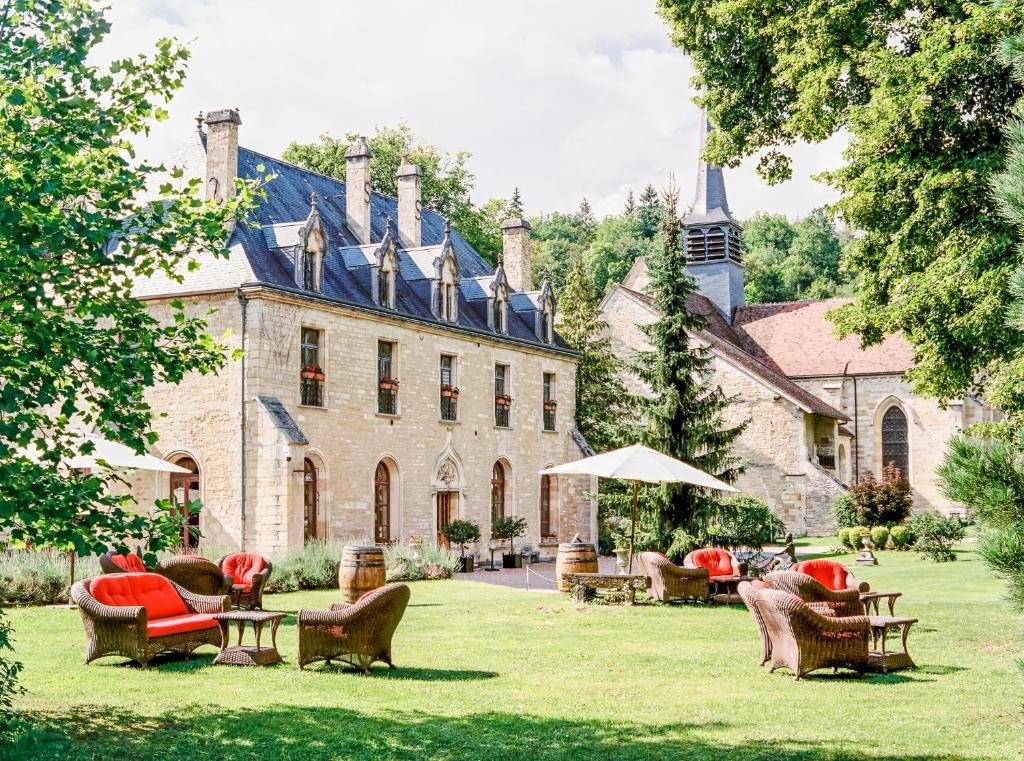
Classic and elegant with a focus on tradition, offering an intimate, historic atmosphere centered around notable wine heritage.