Domaine Ponsot


Michelin 1 Grape · Falstaff Winery - Listed
One of Burgundy's most historically grounded domaines, Ponsot has produced wine from Morey-Saint-Denis since 1934, with current direction under Rose-Marie Ponsot.

Pearl is the En Primeur Club membership app — saves, bookings, and concierge access live there. Same editors, same standards.
- Address
- 21 Rue de la Montagne, 21220 Morey-Saint-Denis
- Phone
- +33 3 80 34 32 46
- Website
- domaine-ponsot.com
- Directions
- Get directions
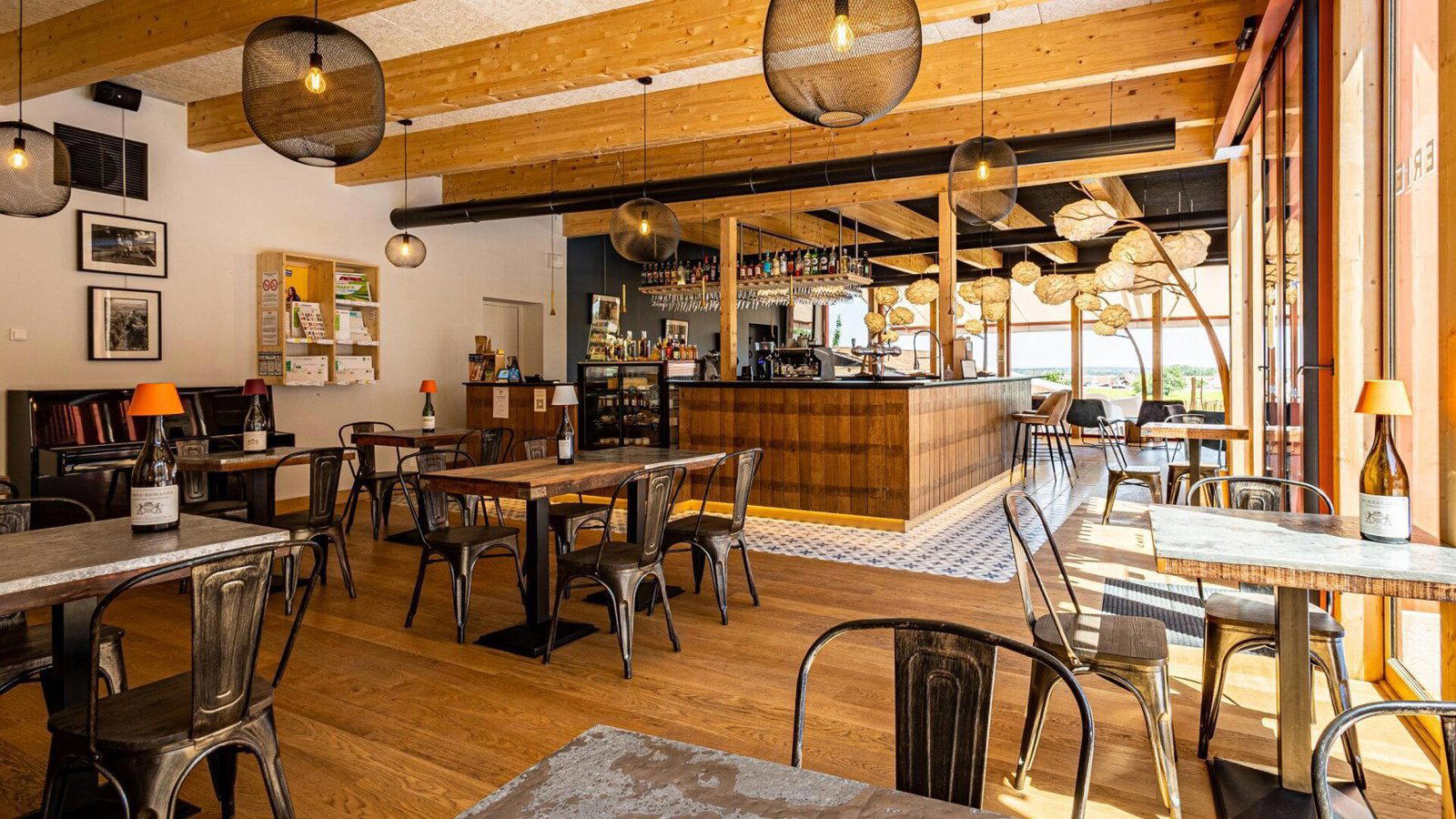
A Village Where the Geology Does the Talking
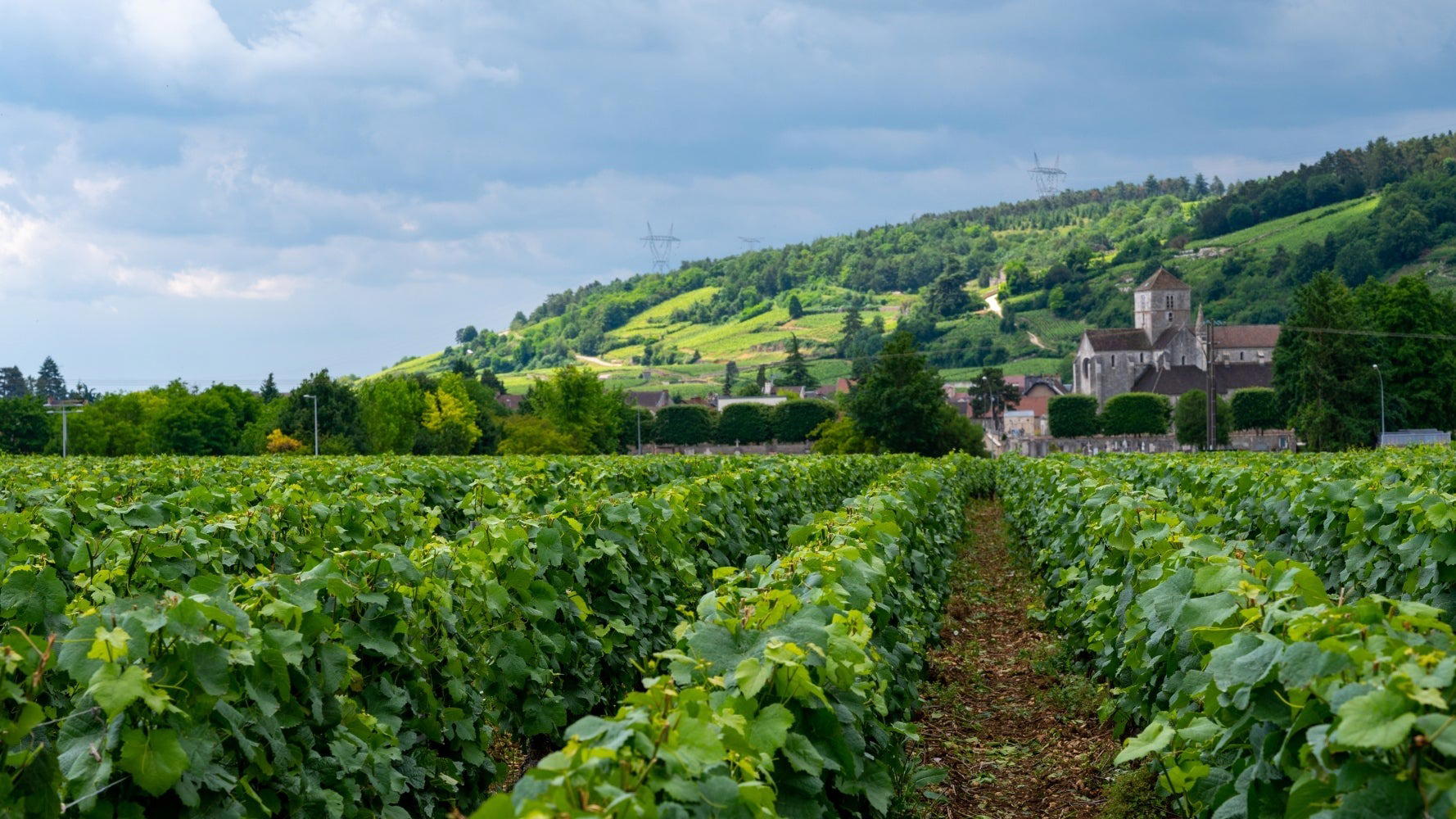
Morey-Saint-Denis occupies a strip of the Côte de Nuits that collectors frequently underestimate relative to its neighbours. Gevrey-Chambertin to the north draws the headlines; Chambolle-Musigny to the south commands the romantic prose. Morey sits between them, producing wines that borrow structural density from the former and aromatic precision from the latter, often within the same premier cru row. It is a village whose reputation is carried largely by its domaines rather than by any single grand name, and Domaine Ponsot, at 21 Rue de la Montagne, is among those that have shaped how serious Burgundy collectors read the appellation.
The address itself signals something. Rue de la Montagne climbs toward the upper village, away from the departmental road that most visitors follow on a quick pass through. Arriving here, particularly in the quieter months between harvest and spring, the village operates at a pace that feels closer to working agriculture than tourism. The cellar door is not a tasting room in any hospitality-forward sense. This is production space first, and the encounter with the wines happens on those terms.
Nine Decades of a Single Address
Few Burgundy domaines can point to a continuous first vintage as far back as 1934. For most of the twentieth century, Burgundy's smaller producers sold juice to négociants rather than bottling under their own label, which makes any estate with pre-war bottling history a rarity in itself. Ponsot's 1934 date of first vintage places it in a founding cohort that predates the appellation contrôlée framework as Burgundy collectors now know it. That continuity matters not as nostalgia, but because it means the domaine has accumulated decades of knowledge about how specific parcels in Morey, Gevrey, and Chambolle perform across different growing seasons.
In Burgundy, where vineyard tenure is fragmented across inheritance and occasional sale, long-held parcels give a producer a consistency of source material that newer entrants cannot replicate on any short timeline. Domaine Ponsot's holdings across multiple grand cru and premier cru sites in Morey-Saint-Denis represent that kind of depth. Peer domaines in the village, including Domaine Arlaud, Domaine Perrot-Minot, Domaine des Lambrays, and Domaine du Clos de Tart, each bring their own parcel strategies and production philosophies, but the competitive set for Ponsot ultimately sits at the level of Burgundy's most historically credentialed estate bottlers.
Rose-Marie Ponsot and the Current Direction
Winemaking at Domaine Ponsot is currently led by Rose-Marie Ponsot. The transition of generational stewardship at family-owned Burgundy domaines is always a moment of close watching for négociants, sommeliers, and collectors. Ponsot's recent vintages under Rose-Marie's direction have maintained the estate's position within the upper tier of Morey-Saint-Denis production.
In a region where winemaker identity is frequently inseparable from house style, it is worth noting that Ponsot's reputation has always been rooted in the quality and character of its vineyards rather than in technical intervention for its own sake. That alignment between terroir and restraint puts Ponsot in a similar critical space to Domaine Dujac, another Morey-Saint-Denis producer where aromatic complexity and cellar patience form the backbone of the approach.
Pairing Context: Matching Ponsot's Wines at Table
The editorial angle on a domaine of this standing is not simply about the wines in isolation but about how they function across a dining context. Morey-Saint-Denis grand crus, and Ponsot's in particular, sit in a register that demands food of corresponding structure. These are not wines to open young and serve with light fare. The tannin architecture and depth of colour in a Clos Saint-Denis from a serious vintage calls for dishes that match its weight: slow-braised game, aged hard cheeses, mushroom-led preparations that echo the forest floor character that Côte de Nuits Pinot Noir carries in its finest expressions.
For collectors building a pairing strategy around Ponsot's range, the broader Morey village appellation wines often provide a more accessible entry point at table before moving up to premier and grand cru levels across a multi-course format. Visitors to the village who want to contextualise their tasting within a full dining experience will find that our full Morey-Saint-Denis restaurants guide maps the local and nearby options that can support that kind of programming.
The practice of pairing events and winemaker dinners has grown considerably across Burgundy in the last decade, as domaines that once operated purely as production facilities have opened more formal channels for direct engagement with collectors and trade visitors. At the prestige level where Ponsot sits, such events tend to be low-capacity and invitation-adjacent rather than open-calendar. Planning around these requires advance contact with the domaine directly and, typically, an established relationship through the trade or allocation channels.
Morey-Saint-Denis is not a one-domaine village, and understanding Ponsot's position requires reading it against the full field. The village's five grand crus (Clos Saint-Denis, Clos de la Roche, Clos des Lambrays, Clos de Tart, and the shared Bonnes-Mares) create a concentration of prestige that few Burgundy villages outside Gevrey and Vosne can match. Ponsot holds parcels in this top tier alongside producers who are equally serious, which means the relevant comparison is not between Ponsot and a generic Burgundy producer but between Ponsot and other grand cru landholders whose work is assessed at auction, at table, and across vintage depth.
That frame extends beyond Morey itself. A collector who follows producers like Albert Boxler in Niedermorschwihr for Alsace whites, or tracks prestige bottlings from estates like Château Bélair-Monange in Saint-Emilion and Château Branaire Ducru in St-Julien, will recognise in Ponsot the same logic: historical continuity, controlled parcel quality, and a reputation that has been built and maintained over generations rather than engineered through recent repositioning. Elsewhere in the world of estate-level production, parallels exist in properties as varied as Accendo Cellars in St. Helena and Château Batailley in Pauillac, where the credibility of the wine rests on a demonstrable track record rather than on any single vintage's critical score.
Planning a Visit to Domaine Ponsot
Morey-Saint-Denis sits on the D974, the Route des Grands Crus that runs the length of the Côte de Nuits. The village is a short drive south from Gevrey-Chambertin and north from Chambolle-Musigny, making it a natural stop on any structured Côte de Nuits itinerary. Arriving by car from Beaune, the journey runs approximately 25 minutes north along the N74. The domaine address at 21 Rue de la Montagne is within the village proper. Visits to a domaine of Ponsot's standing are not walk-in affairs. Contact should be made well in advance, ideally through trade connections or established channels, particularly for anyone seeking to taste across the grand cru range. The allocation structure for leading Burgundy domaines means that access to certain cuvées is tightly controlled, and tasting appointments at this level tend to go to buyers with existing relationships. For those building initial contact, approaching during the quieter pre-harvest period of late summer, or in the months of January through March, offers a better chance of a focused visit than the peak summer tourism window.
At-a-Glance Comparison
Comparable venues nearby, for context on price, style, and recognition.
| Venue | Cuisine | Awards | Notes |
|---|---|---|---|
| Domaine PonsotThis venue — the venue you are viewing | Pinot Noir, Aligoté | Michelin 1 Grape · Falstaff Winery - Listed | Not listed |
| Domaine Dujac | Pinot Noir, Chardonnay | Michelin 2 Grapes · Falstaff Winery - Listed | Morey-Saint-Denis |
| Domaine Perrot-Minot | Pinot Noir | Falstaff Winery - Listed | Morey-Saint-Denis |
| Domaine des Lambrays | Pinot Noir, Chardonnay | Michelin 1 Grape · Falstaff Winery - Listed | Morey-Saint-Denis |
| Domaine Robert Groffier Père & Fils | Pinot Noir, Gamay | Not listed | Morey-Saint-Denis |
| Domaine Arlaud | Pinot Noir, Aligote | Falstaff Winery - Listed | Morey-Saint-Denis |
Recognition history
Dated appearances from independent guides and award organizations, with the underlying list record or original source where available.
Michelin 1 Grape
Michelin · 2026 Michelin 1 Grape - Burgundy
Falstaff Winery - Listed
Falstaff
Continue exploring
More in Morey-Saint-Denis
Wineries in Morey-Saint-Denis
Browse all →
Bars in Morey-Saint-Denis
Browse all →
Restaurants in Morey-Saint-Denis
Browse all →
Details
- Classic
- Elegant
- Rustic
- Sophisticated
- Intimate
- Wine Education
- Special Occasion
- Solo Exploration
- Cave Tasting
- Vineyard Tour
- Historic Building
- Sustainable
- Vineyard
- Pinot Noir
- Aligoté
- Chardonnay
- Still Red
- Still White
- Cave Tasting
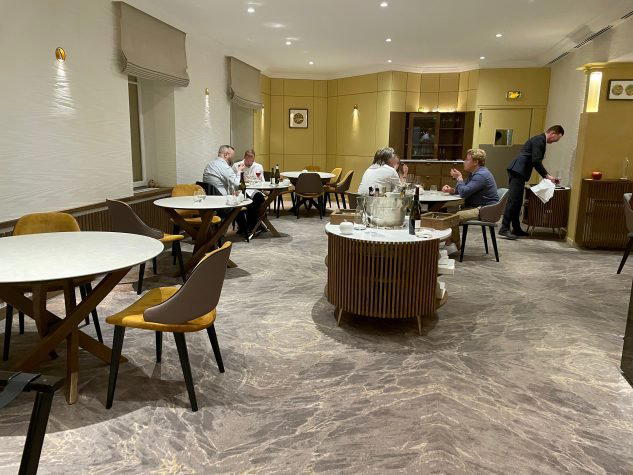
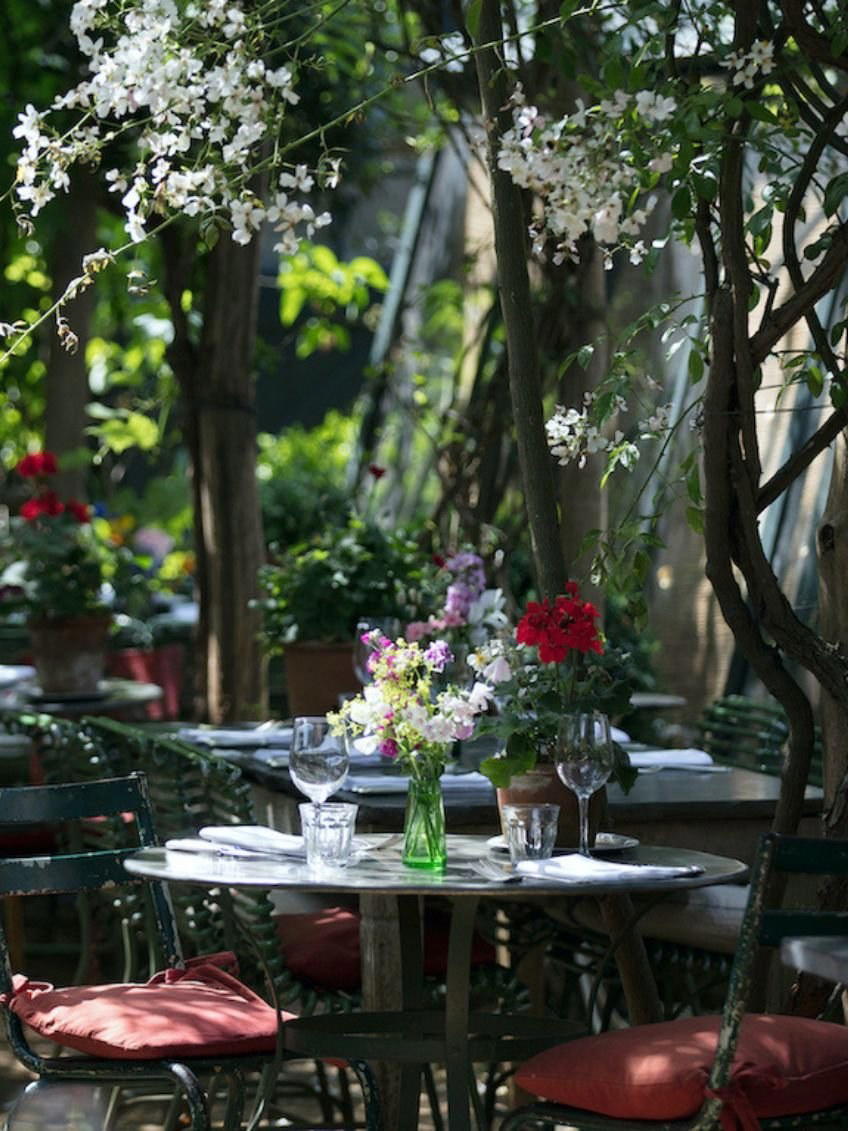
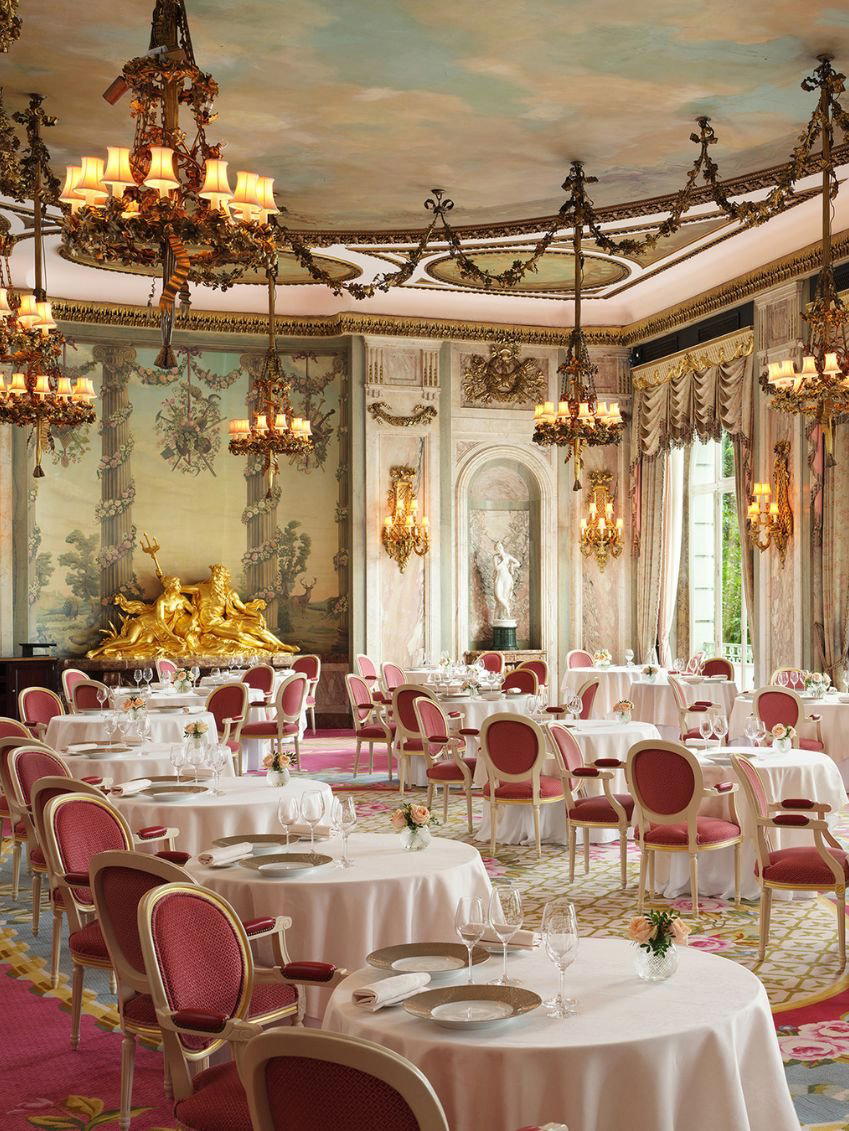
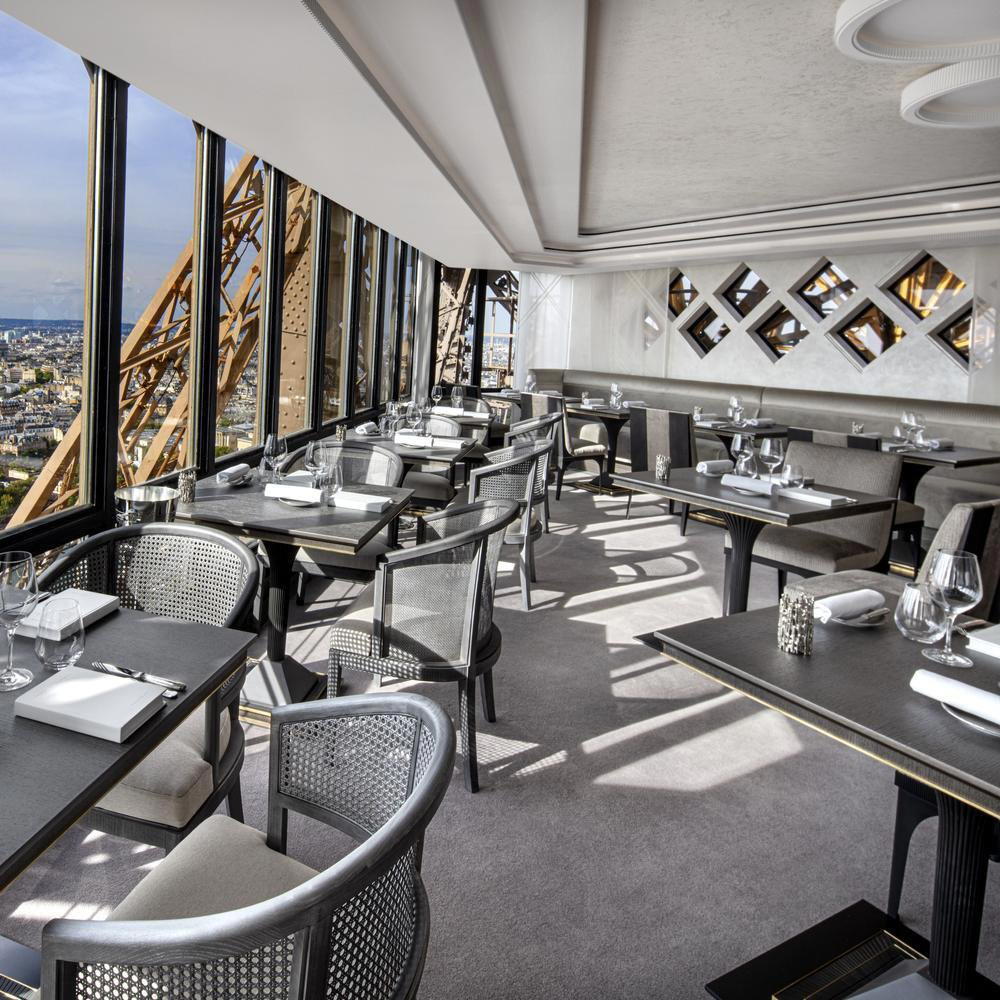
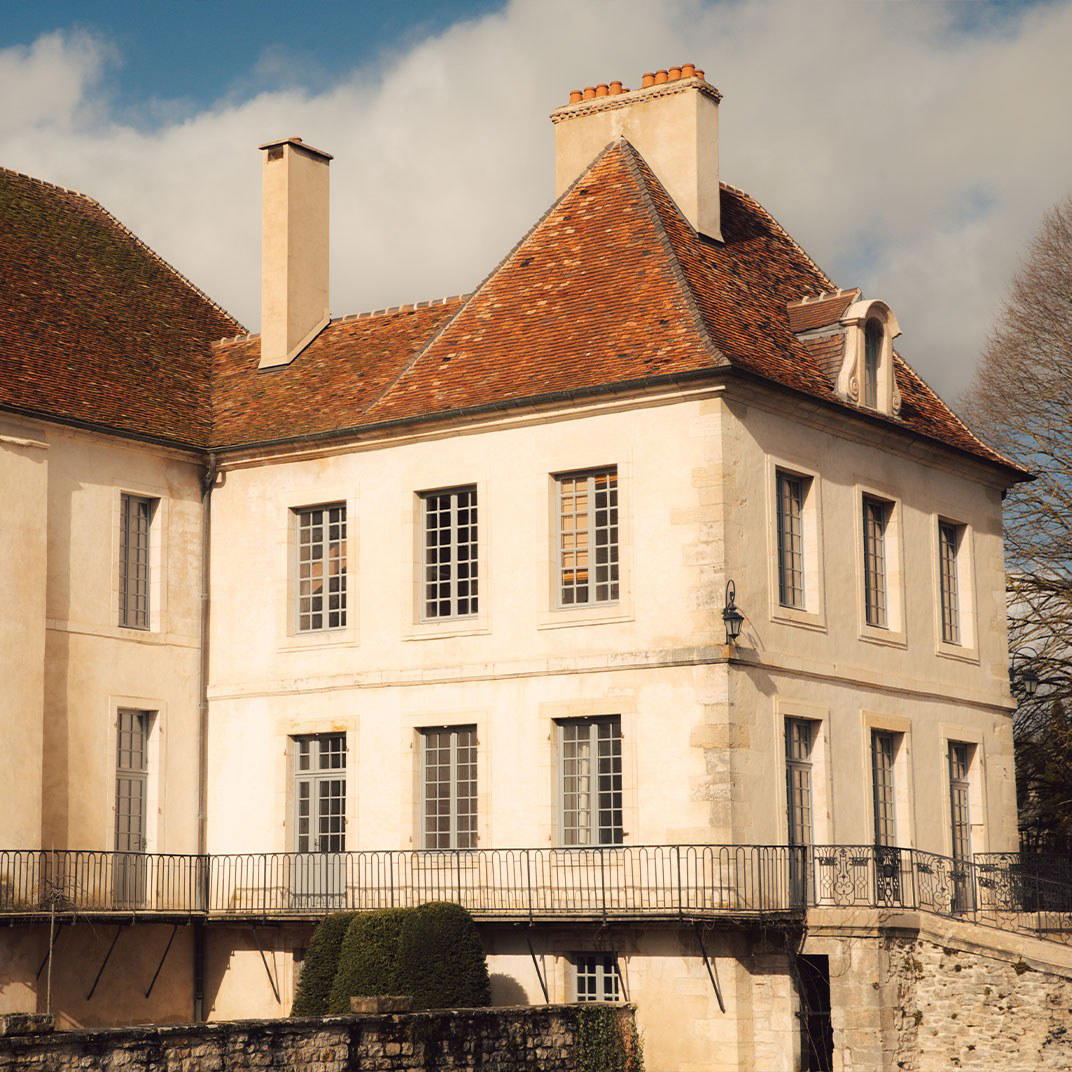
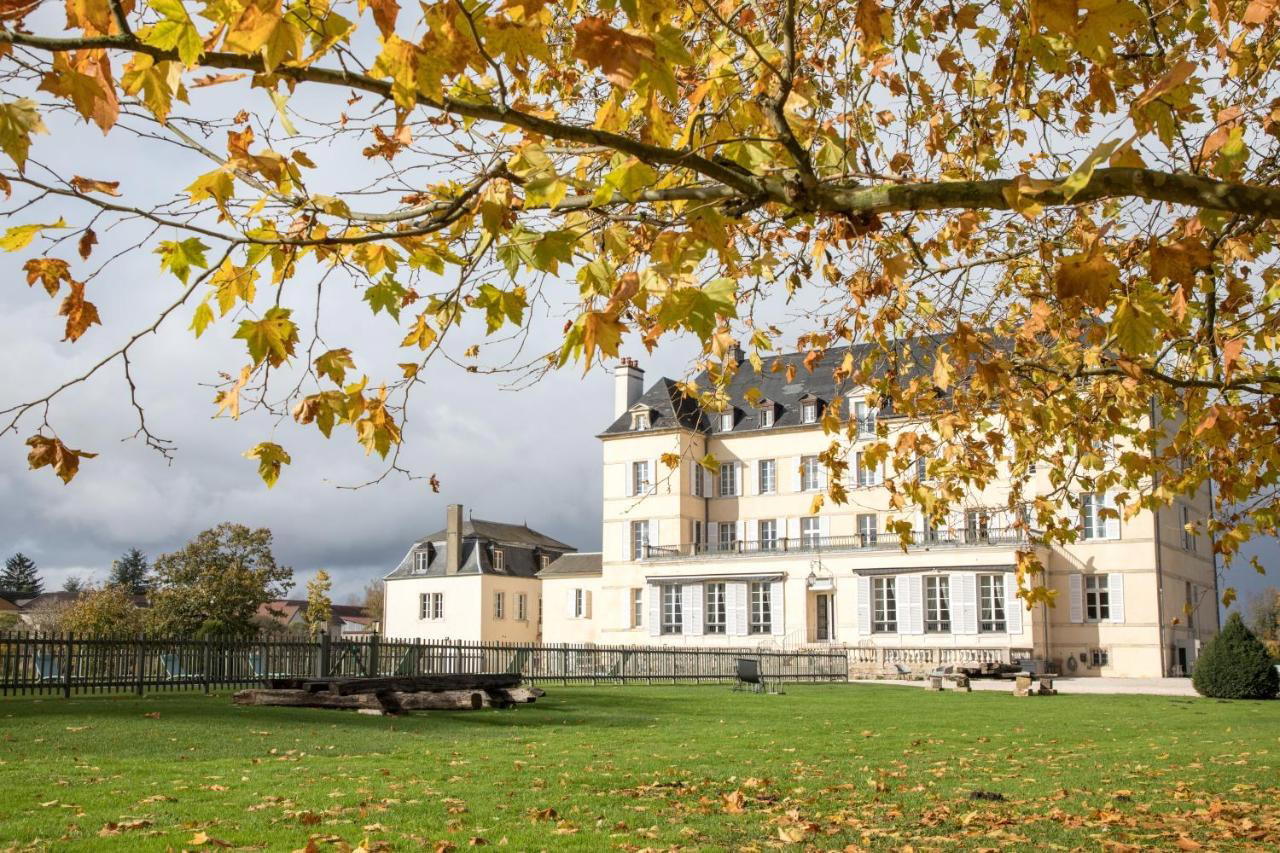
Classic and elegant winery atmosphere focused on terroir expression through minimal intervention winemaking in old oak barrels.