Skip to Main Content
← Collection
Marsannay, France

Domaine Charles Audoin

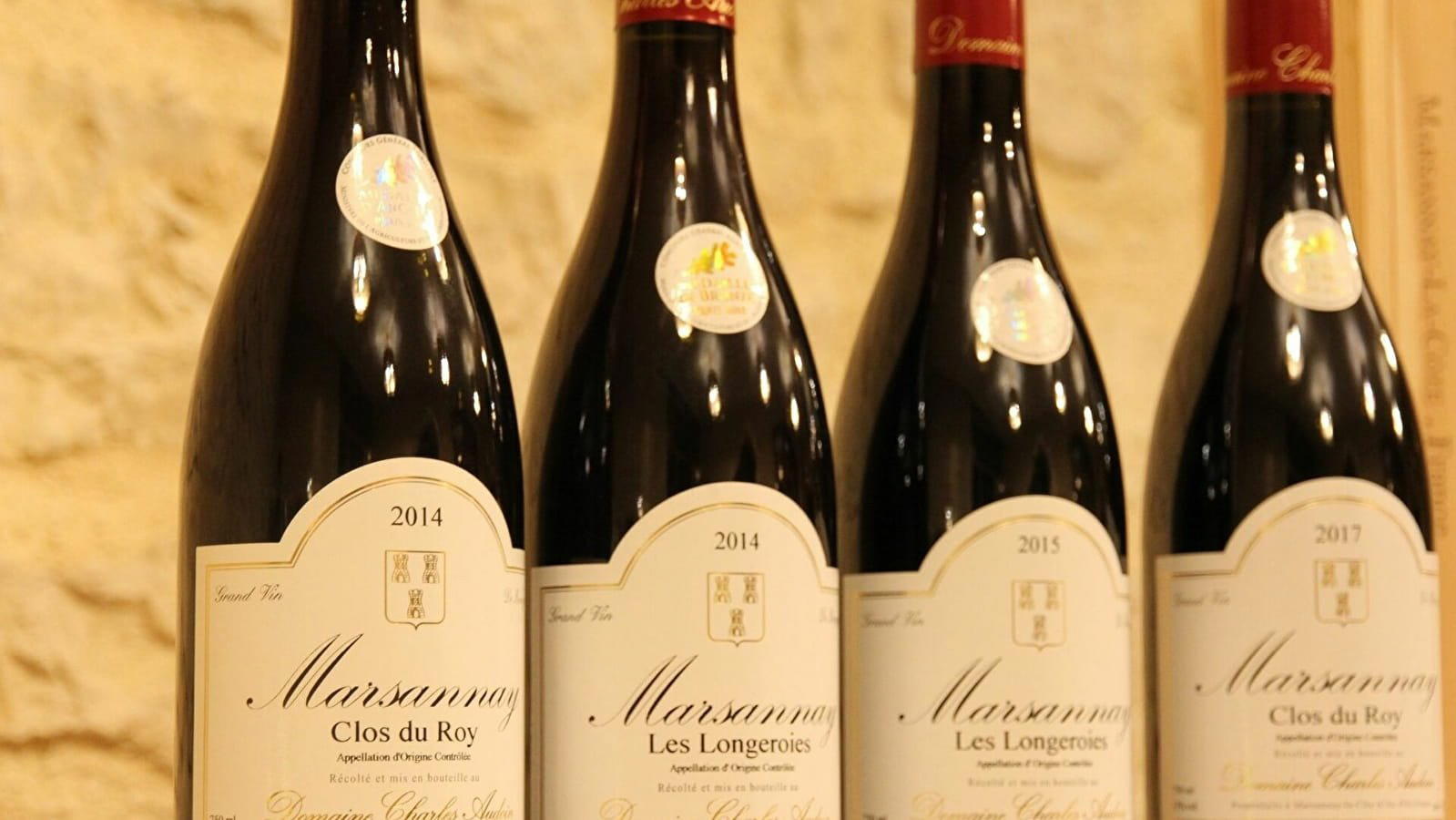
Cyril Audoin makes orthodox village Marsannay and lieu-dit reds across 8–9 hectares. Ambient yeast, 30–50% whole cluster, restrained extraction.

Pearl is the En Primeur Club membership app — saves, bookings, and concierge access live there. Same editors, same standards.
Plan your visit on PearlPlan Your Visit
Address
Marsannay, France
Saves & bookings on Pearl
Domaine Charles Audoin winery in Marsannay, France
About

Marsannay occupies a curious position in Burgundy's nomenclature, neither the raw accessibility of the Hautes-Côtes nor the prestige density of Gevrey-Chambertin one commune south, but a village that earned its own communal appellation in 1987 after decades of rosé production and generic Bourgogne bottlings. The terroir argument runs on thin Bajocian limestone over hard substrates, cooler exposition than the slope above Fixin, and a longer hang time that can produce angular red fruit in lesser vintages or a taut mineral frame in riper years. Domaine Charles Audoin sits inside that lineage as a small family operation making orthodox village-level and lieu-dit Marsannay under the direction of Cyril Audoin, who represents the fifth generation of the family after his father Charles built the domaine's reputation through the 1980s and 1990s. The holdings total approximately 14 hectares across multiple Marsannay lieux-dits, Longeroies, Les Grasses Têtes, Saint-Jacques, with the production model oriented toward lutte raisonnée viticulture, ambient-yeast fermentation, moderate new-oak percentages (typically 15 to 25 percent across the reds, lower on village bottlings), and a deliberately restrained extraction protocol that prioritises tension over weight.

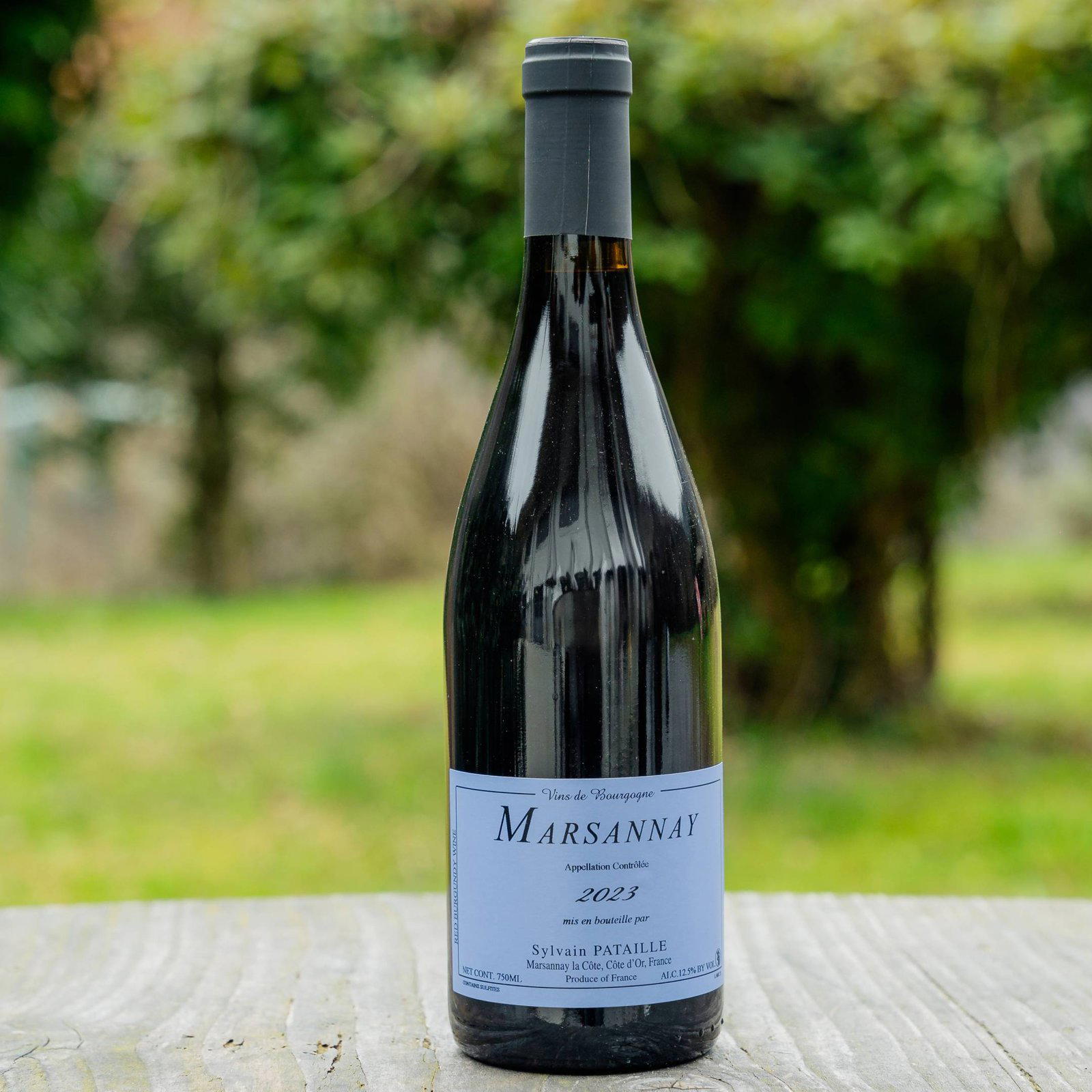
The domaine's founding generation emerged during the period when Marsannay producers were arguing for communal-appellation status, a campaign that succeeded in 1987 and repositioned the village inside Burgundy's hierarchy. Charles Audoin planted and consolidated the estate's parcels during that transition, working inside the cooperative model initially before moving to domaine bottling in the mid-1980s. Cyril Audoin took operational control in the early 2000s and has maintained the house style established by his father, whole-cluster fermentation percentages that vary by vintage and by lieu-dit (typically 30 to 50 percent whole cluster on the reds, higher in warm years to preserve acidity), ambient yeast across all cuvées, 14 to 18 months of élevage in Burgundian pièces with a deliberate cap on new oak to avoid masking the limestone minerality that defines Marsannay's typicity. The domaine achieved organic certification in 2021. The resulting wines sit in the lower-extraction, higher-acid zone of the Marsannay peer set, closer in style to Domaine Sylvain Pataille's mineral-driven approach than to the riper, more generous fruit profile of some cooperative bottlings.

Marsannay's geological structure is the result of a fault line that runs through the commune and exposes multiple soil types within a compact area. The upper slopes above the village show the same Bajocian limestone that defines Gevrey-Chambertin to the south, though at cooler exposition and with thinner topsoil. The mid-slope parcels, where most of Audoin's holdings sit, rest on a mix of clay-limestone over hard Comblanchien stone, a substrate that drains quickly and produces wines with more mineral tension than fruit generosity. The lower-slope parcels near the village center show deeper clay and produce softer, earlier-drinking reds. Audoin's key parcels, Longeroies on the upper slope, Les Grasses Têtes on the mid-slope, Saint-Jacques closer to Couchey, represent the spectrum of Marsannay's terroir range, and the domaine bottles each as a separate lieu-dit cuvée in most vintages. The total production across all bottlings typically sits between 3,000 and 4,000 cases annually, with the majority allocated to longstanding clients in France, Belgium, and the United States. The domaine does not operate a formal allocation system but sells primarily through a network of importers and cavistes who have carried the wines since the 1990s.

The winemaking protocol reflects the orthodox Burgundian model as practiced in Marsannay, hand harvest into small crates, whole-berry sorting on a vibrating table (installed in the early 2010s as yields and fruit quality improved), cold soak for three to five days depending on the vintage, ambient-yeast fermentation in open-top wood fermenters with manual pigeage twice daily during active fermentation, post-fermentation maceration of seven to ten days, then gravity transfer to barrel. The whole-cluster percentage varies by cuvée and by vintage: the village Marsannay typically sees 30 to 40 percent whole cluster, the lieu-dit bottlings 40 to 50 percent, with the percentage adjusted downward in cooler vintages where stem ripeness is marginal. The élevage period runs 14 to 16 months for the village bottlings, 16 to 18 months for the lieux-dits, with new-oak percentages capped at 20 to 25 percent on the top cuvées and 10 to 15 percent on the village wines. The wines are racked once mid-élevage, fined with egg white in most vintages, and bottled without filtration. Sulfur additions are moderate, typically 30 to 40 ppm at crush, 20 to 30 ppm at bottling, and total SO2 at release sits between 80 and 100 ppm, lower than the Burgundian average but not at the radical-reduction levels practiced by some natural-wine producers in the region.

The domaine's red Marsannay bottlings show the characteristic profile of the appellation's cooler, limestone-driven sites: red cherry and cranberry fruit, pronounced chalky minerality, firm but fine-grained tannins, and a structural frame that favors cellaring over immediate accessibility. The lieu-dit bottlings, Longeroies in particular, require five to seven years of bottle age to integrate fully and show more in common with mid-tier Gevrey-Chambertin from the village's northern lieux-dits (Champeaux, Cazetiers) than with the softer, fruit-forward style of some lower-slope Marsannay. The village bottling is the most approachable on release, typically showing ripe red fruit and moderate tannin grip, and can be consumed within three to five years of vintage though it holds well for a decade in strong years. The rosé production, once the domaine's primary output, now represents a smaller percentage of total volume but remains a strong regional reference for dry Pinot Noir rosé, direct-press from Longeroies fruit, ambient-yeast fermentation in stainless steel, bottled early to preserve freshness, and released in the spring following harvest. The white Marsannay, a recent addition to the lineup as white plantings have expanded across the appellation since the 2000s, follows a similar protocol to the reds but with whole-cluster pressing, lower new-oak percentages (10 to 15 percent), and a shorter élevage period of 12 to 14 months.

Cyril Audoin's tenure has coincided with a broader quality elevation across Marsannay as a generation of younger vignerons has taken operational control of family domaines and shifted away from cooperative sales toward estate bottling. The peer set in the village now includes Domaine Sylvain Pataille, whose mineral-driven, low-extraction style sits closest to Audoin's approach; Domaine Bruno Clair, whose Marsannay holdings form part of a larger Côte de Nuits portfolio and are bottled at a slightly higher ripeness and extraction level; and a handful of smaller producers (Collotte, Fougeray de Beauclair) who work inside the same lutte raisonnée framework and favor moderate oak regimes over heavy toast. The shift toward lieu-dit bottlings across the appellation, a trend that accelerated in the 2000s as producers sought to differentiate their wines and justify higher pricing, has clarified the terroir distinctions within Marsannay and positioned the better lieux-dits (Longeroies, Les Favières, Clos du Roy) as peers to entry-level Gevrey-Chambertin and Fixin rather than as generic Côte de Nuits village wine. Audoin's Longeroies bottling has been a consistent performer in this peer set, showing the cooler, more mineral-driven expression of upper-slope Marsannay and aging well over a ten- to fifteen-year window in strong vintages.

The domaine's distribution model reflects the broader economics of small-production Burgundy, limited volume, longstanding importer relationships, minimal direct-to-consumer sales, and pricing that sits in the mid-tier of the Marsannay range. The village Marsannay rouge typically releases at €18 to €22 per bottle ex-domaine, with the lieu-dit bottlings priced at €25 to €30, positioning the wines below the entry-level Gevrey-Chambertin from recognized producers (which typically start at €30 to €35 ex-domaine) but above cooperative Marsannay and generic Bourgogne rouge. The wines appear regularly on restaurant lists in France and Belgium, where Marsannay functions as a lower-cost alternative to Gevrey-Chambertin for sommeliers building by-the-glass programs, and have a smaller but consistent presence in the United States through importers focused on artisan-scale Burgundy producers. The domaine does not operate a mailing list or allocation system; new clients typically acquire the wines through retail channels or through direct purchase at the cellar, where Cyril Audoin maintains limited visiting hours by appointment. The production scale, 3,000 to 4,000 cases across all bottlings, places the domaine in the small-to-mid-size range for Marsannay, larger than the handful of micro-négociants working single-barrel lots but smaller than the cooperative-affiliated producers who dominate regional volume.

Marsannay's position in the Burgundy hierarchy has shifted over the past two decades as the appellation's better producers have demonstrated that the commune's cooler, limestone-driven sites can produce age-worthy reds comparable to entry-level wines from more prestigious villages to the south. The 1987 communal-appellation designation was the formal recognition of that potential, and the subsequent generation of estate-bottling vignerons, Audoin among them, has worked to clarify the terroir distinctions within the village and to position the top lieux-dits as serious cellaring wines rather than as immediate-drinking Côte de Nuits generics. The result is a peer set that now includes a dozen or so producers making lieu-dit-bottled Marsannay at a quality level that justifies comparison to mid-tier Gevrey-Chambertin, Fixin, and Morey-Saint-Denis, with pricing that reflects the appellation's lower prestige but also its stronger value proposition. Audoin's Longeroies bottling sits inside that peer set as a consistent reference for the cooler, more mineral-driven style of upper-slope Marsannay, and the domaine's broader lineup demonstrates the range of expression available within the appellation's compact geological frame.

Access to the domaine is by appointment only, with visits typically structured as a walk through the cellar followed by a tasting of current releases and, in some cases, older vintages from the family's library. Cyril Audoin speaks French and limited English, and visits are oriented toward trade buyers, sommeliers, and serious collectors rather than toward casual tourists. The cellar itself is a functional working space with no tasting room or retail infrastructure, and the domaine does not offer food service or overnight accommodation. Purchases at the cellar are limited to in-stock vintages and are typically capped at one or two cases per client to preserve allocation for longstanding restaurant and retail accounts. The domaine's website provides contact information and a brief description of the holdings but does not support online ordering or direct shipping; clients outside France must acquire the wines through local importers or through retail channels.

Continue exploring

More in Marsannay

Wineries in Marsannay

Browse all →
At a Glance
Vibe
  • Classic
  • Elegant
  • Quiet
  • Sophisticated
Best For
  • Solo Exploration
  • Wine Education
  • Special Occasion
Experience
  • Estate Grounds
Sourcing
  • Organic
  • Sustainable
Views
  • Vineyard
Noise LevelQuiet
CapacitySmall

Traditional, elegant, and refined, with a strong emphasis on clear fruit expression and terroir-driven wines.

Additional Properties
AVAMarsannay AOC
VarietalsPinot Noir, Chardonnay, Aligoté
Wine Stylesstill_red, still_white, still_rose
Wine ClubNo
DTC ShippingNo
