Domaine Ramonet


Michelin Main Selection · Falstaff Winery - Listed
Domaine Ramonet sits at the heart of Chassagne-Montrachet, a reference point for Burgundian white wine that has shaped how collectors and critics think about the village's grands and premiers crus for generations. Plan visits and tastings through direct contact at 11 Rue du Parterre.

Pearl is the En Primeur Club membership app — saves, bookings, and concierge access live there. Same editors, same standards.
- Address
- 11 Rue du Parterre, 21190 Chassagne-Montrachet
- Phone
- +33380213088
- Website
- domaine-ramonet.com
- Directions
- Get directions
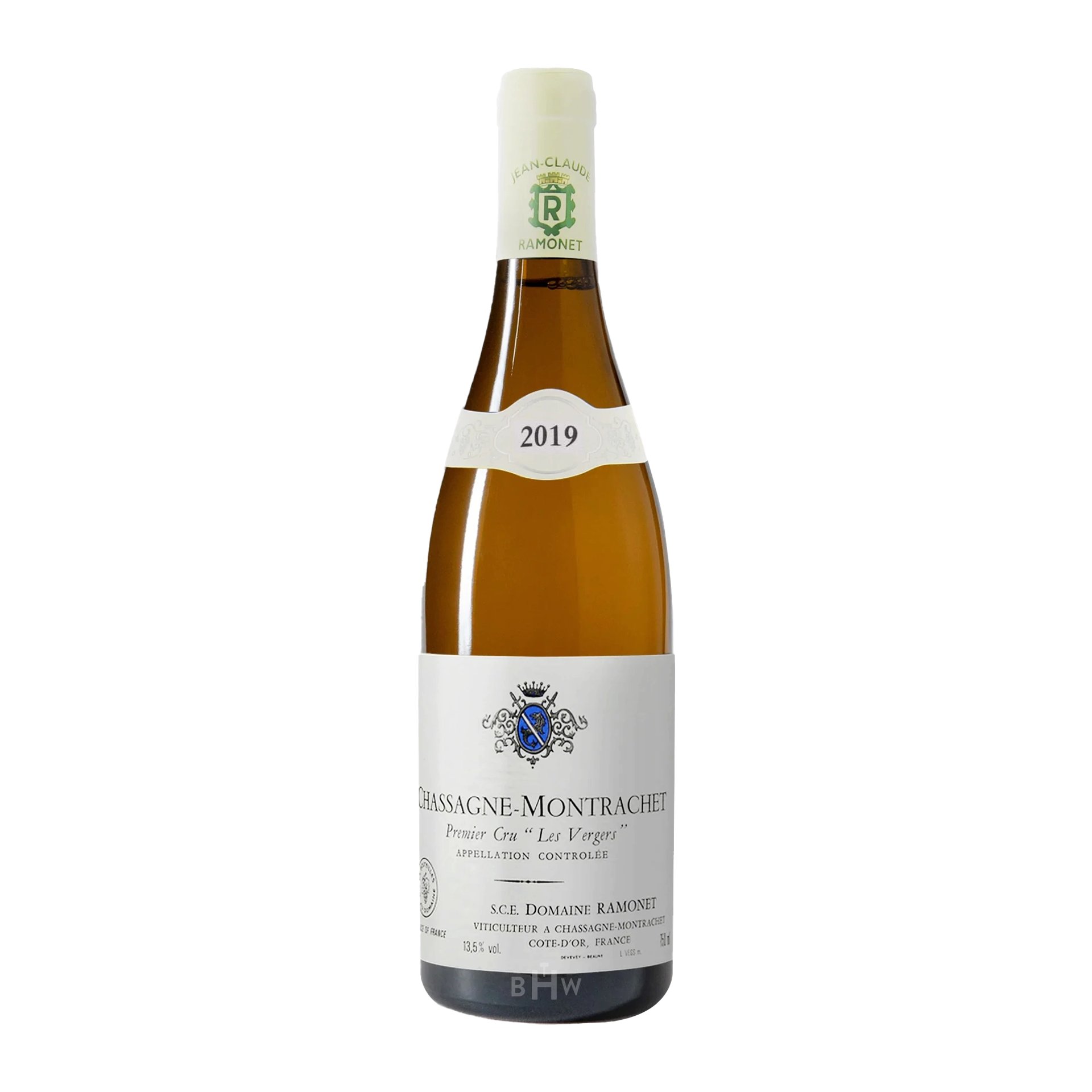
Chassagne-Montrachet and the Weight of White Burgundy
Arrive in Chassagne-Montrachet on a weekday morning in late autumn and the village feels almost impossibly quiet for a place that commands such attention from the wine world. The streets around the Rue du Parterre are narrow, the stone buildings low, and the famous limestone slopes above town catch a pale November light that makes the rows of dormant vines look like something drawn rather than planted. This is the physical reality behind some of the most sought-after white wine addresses in France, and Domaine Ramonet, at number 11, is as central to that story as any name in the appellation.
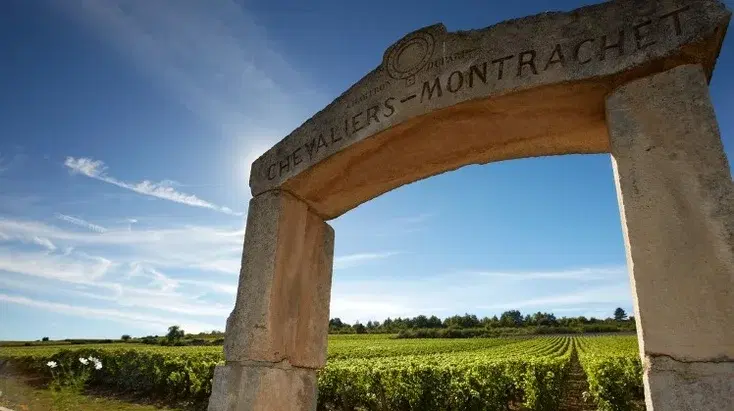
White Burgundy's top tier has always sorted itself through time rather than marketing. The wines that earn sustained collector attention are those that prove, bottle after bottle and vintage after vintage, that they improve across a decade in the cellar rather than flatten. Chassagne-Montrachet's grands crus — Montrachet and Bâtard-Montrachet shared with Puligny, plus Criots-Bâtard-Montrachet — represent the appellation's absolute ceiling, but the village's premier cru map is where serious collectors find depth and some relative latitude before the grands crus begin commanding prices that approach Burgundy's most extreme allocations.
Where Ramonet Sits in the Village Hierarchy
The domaine holds a peer position among Chassagne's most referenced white wine producers, a cohort that includes Domaine Fontaine-Gagnard, Domaine Jean-Marc Pillot, Domaine Pierre-Yves Colin-Morey, Domaine Alex Moreau, and Domaine Simon Colin. What separates Ramonet from newer or smaller operations in that set is the depth of its historical record. The domaine's whites have been cellared, tracked, and re-evaluated across multiple decades, which means that when buyers consider allocation, they are working from a documented aging curve rather than inference from younger vintages.
Within Chassagne-Montrachet's producer hierarchy, that recognition aligns Ramonet with the appellation's most serious reference points rather than its newer, still-proving entrants.
The Cellar Logic: Aging, Barrels, and the Decision After Harvest
The editorial argument for Ramonet has always centred on what happens after the fruit is picked. White Burgundy from premier and grand cru sites undergoes élevage that typically runs twelve to eighteen months in a mix of new and used oak, with the proportion of new barrels varying by appellation level and vintage character. The decision about new oak percentage is consequential: too much and the wine's Chardonnay mineral signature gets buried under toast and vanilla; too little across a heavy vintage and the wine can close awkwardly in its youth. The domaine's long record across multiple vintages suggests a consistent philosophy around wood integration, one that allows the wines to develop in bottle without the élevage masking site character.
Chassagne's limestone and clay soils drive a white wine profile that leans toward a richer, more textural expression than the chalk-heavy profiles typical of Puligny's finest premiers crus. The wines have weight in mid-palate but need time to resolve the tension between that richness and the acidity that the appellation's cooler parcels provide. Collectors who have tracked Ramonet's wines across the better vintages of the past two decades describe a pattern of tightness in the first three to five years, followed by a structured opening across years six through twelve and beyond, the kind of aging curve that makes cellar planning a practical conversation rather than speculation.
For those approaching the domaine for the first time, context from neighboring appellations helps calibrate expectations. The structured, mineral whites produced by Albert Boxler in Niedermorschwihr offer a reference point for how great French white wine from limestone-influenced soils develops across a decade. Closer to home, the broader French fine wine world, estates like Château Bastor-Lamontagne in Preignac, Château Batailley in Pauillac, and Château Bélair-Monange in Saint-Emilion, demonstrates how appellation-level prestige operates as a framework within which individual domaine decisions about élevage and harvest timing get magnified into reputation.
Planning a Visit to the Domaine
Domaine Ramonet does not operate a public tasting room in the conventional sense. Visits to the cellar and any tastings from barrel or bottle are arranged by direct contact at the address on Rue du Parterre. The village of Chassagne-Montrachet sits roughly twenty-five kilometres south of Beaune along the D974, making it accessible as a day visit from Beaune, Meursault, or Dijon, though staying in the village or nearby Puligny-Montrachet allows a more considered pace for anyone planning multiple domaine visits. The harvest window in September and early October is when the village is most active and access to working cellars is often reduced, so serious visitors tend to target November through February, when the wines are in élevage and the domaine is more likely to be available for focused engagement.
For context on the broader village offer, our full Chassagne-Montrachet restaurants guide covers dining and hospitality options across the appellation.
The Wider Reference Set
Collectors who track Ramonet typically also follow a broader French fine wine network that extends well beyond Burgundy. The aging culture and allocation discipline that governs access to Ramonet's leading cuvées mirrors the logic found at estates like Château Branaire Ducru in St-Julien, Château Boyd-Cantenac in Cantenac, and Accendo Cellars in St. Helena, where the relationship between producer and buyer is built over multiple vintages rather than through a single transaction. The principle is consistent across categories: prestige production in limited volume creates a market where direct relationships and early allocation matter more than retail access. Chartreuse in Voiron represents a different expression of the same French artisan production logic, where process discipline over time creates a product that cannot be replicated by volume operators.
What the 2025 Recognition Signals
It confirms a position that serious Burgundy buyers have long factored into their allocation strategies. The rating places Ramonet in a tier where the question is not whether the wines deliver at the expected level, but how to access them given the gap between production volume and collector demand. For buyers newer to Burgundy, the designation functions as a navigation tool: Ramonet is not a domaine to sample once out of curiosity, but one to build a relationship with across multiple vintages if access allows.
Peers You’d Cross-Shop
Comparable venues nearby, for context on price, style, and recognition.
| Venue | Cuisine | Price | Awards | Notes |
|---|---|---|---|---|
| Domaine RamonetThis venue — the venue you are viewing | Chardonnay, Pinot Noir | $150–200 | Michelin Main Selection · Falstaff Winery - Listed | Not listed |
| Domaine Pierre-Yves Colin-Morey | Chardonnay, Pinot Noir | Not listed | Michelin 1 Grape · Falstaff Winery - 4 Stars | Chassagne-Montrachet |
| Domaine Alex Moreau | Chardonnay, Pinot Noir | Not listed | Michelin Main Selection | Chassagne-Montrachet |
| Domaine Leflaive | Chardonnay | Not listed | Michelin 2 Grapes · Falstaff Winery - 5 Stars | Puligny-Montrachet |
| Domaine Fontaine-Gagnard | Chardonnay, Pinot Noir | Not listed | Not listed | Chassagne-Montrachet |
| Domaine Simon Colin | Chardonnay, Pinot Noir | Not listed | Not listed | Chassagne-Montrachet |
Recognition history
Dated appearances from independent guides and award organizations, with the underlying list record or original source where available.
Michelin Main Selection
Michelin · 2026 Michelin Grape Main Selection - Burgundy
Falstaff Winery - Listed
Falstaff
Continue exploring
More in Chassagne-Montrachet
Wineries in Chassagne-Montrachet
Browse all →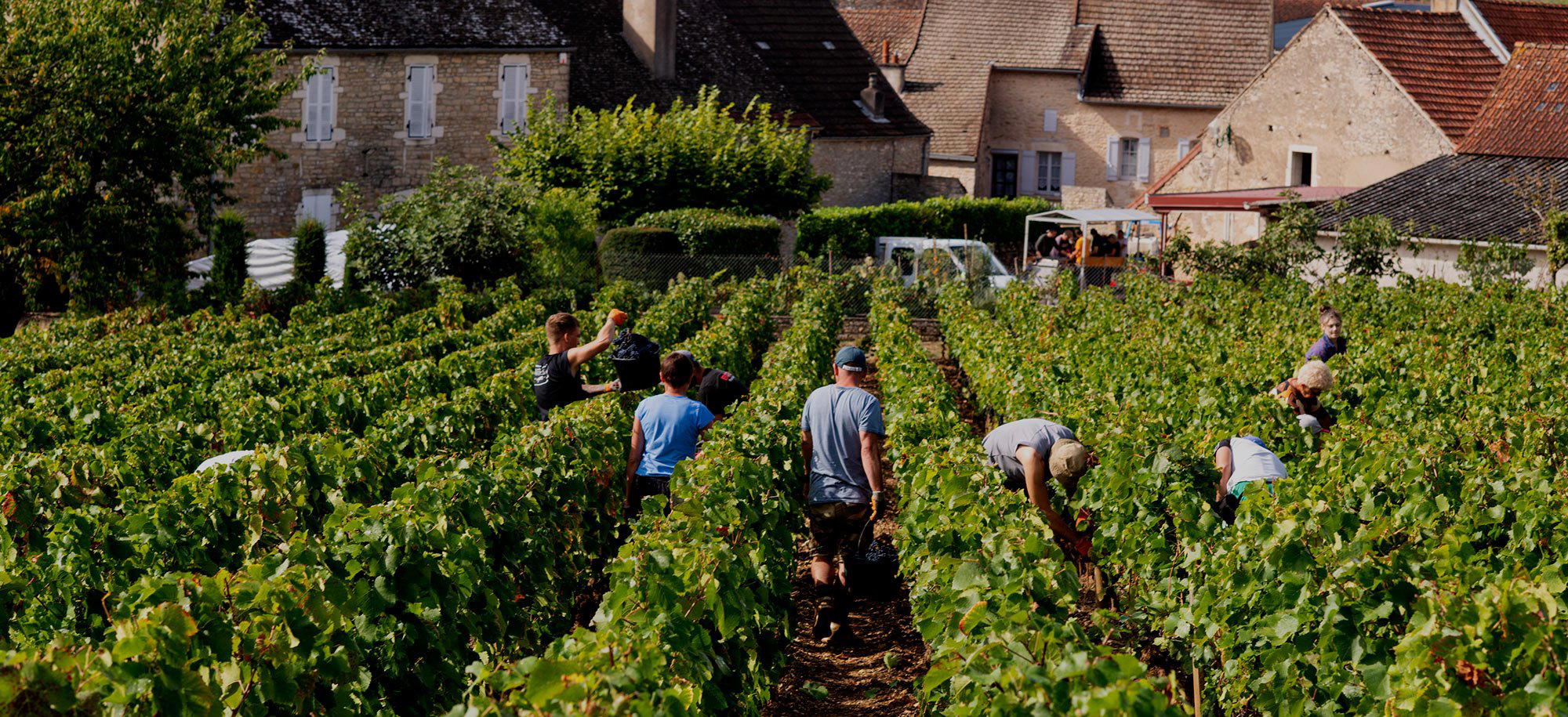
Bars in Chassagne-Montrachet
Browse all →
Restaurants in Chassagne-Montrachet
Browse all →
Details
- Classic
- Elegant
- Sophisticated
- Well Known
- Wine Education
- Special Occasion
- Celebration
- Cave Tasting
- Barrel Room
- Estate Grounds
- Sustainable
- Vineyard
- Chardonnay
- Pinot Noir
- Still White
- Still Red
- Cave Tasting
- Barrel Tasting
- French
- English
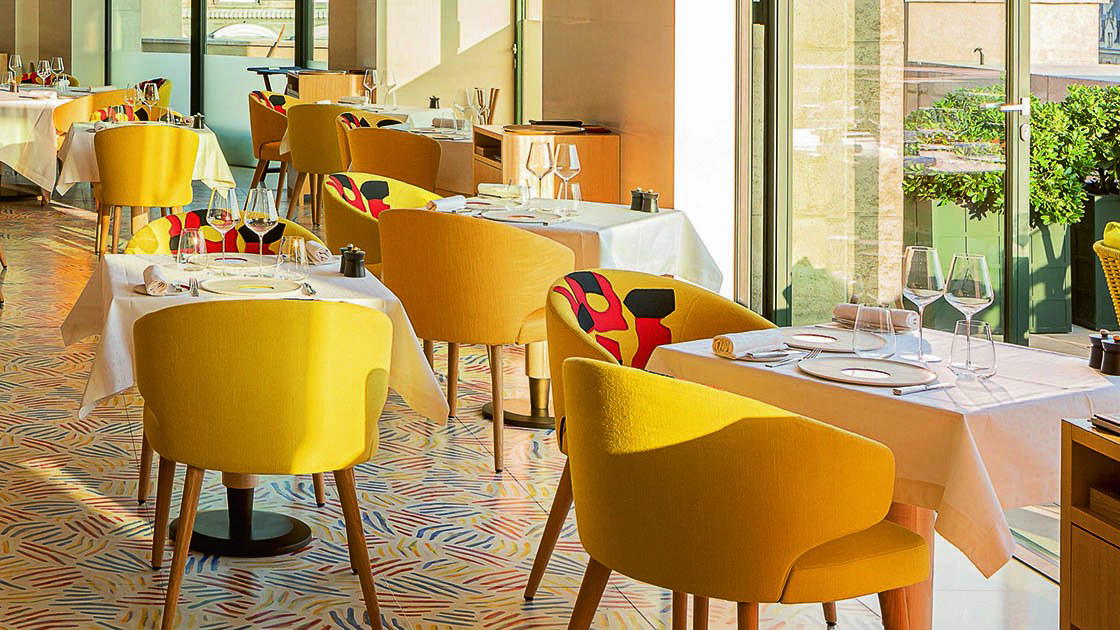
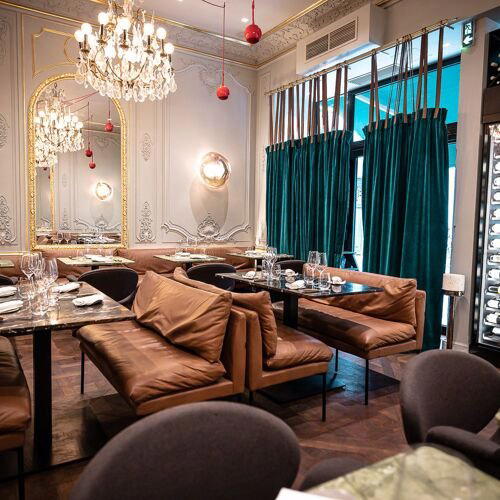
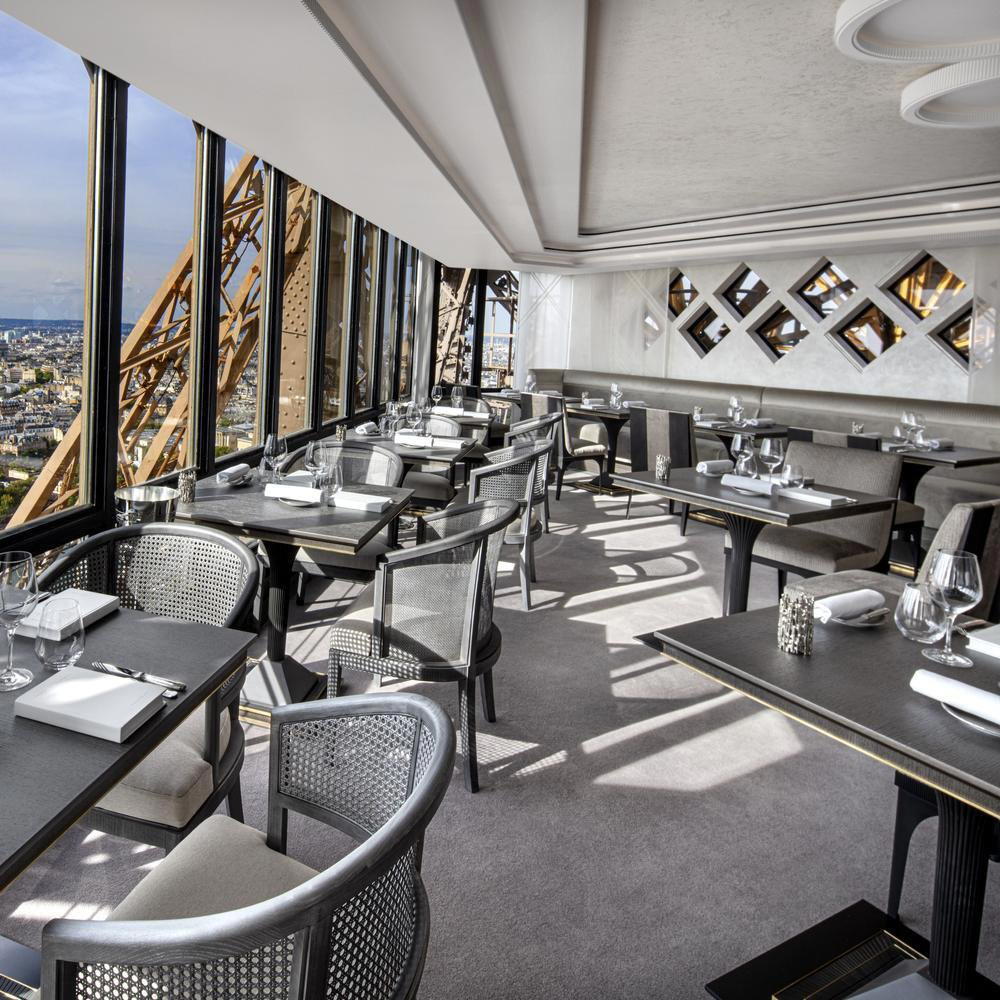
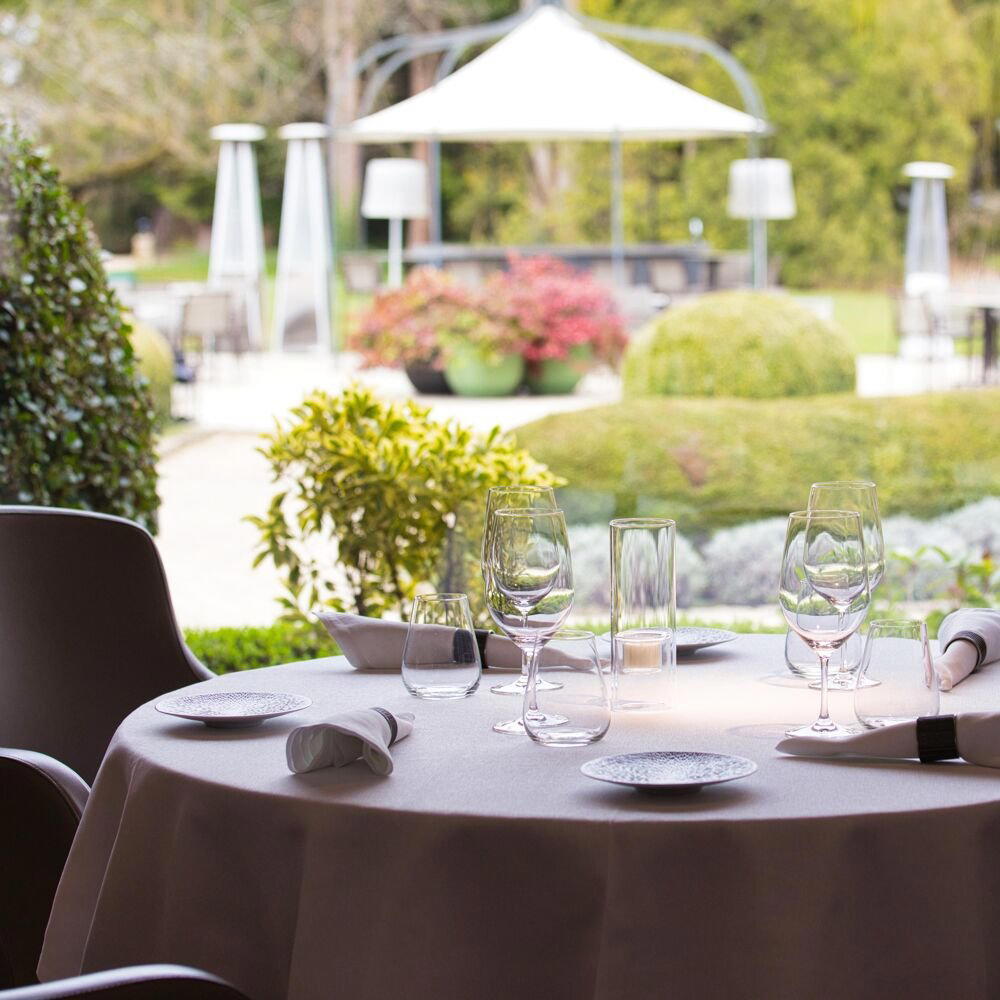
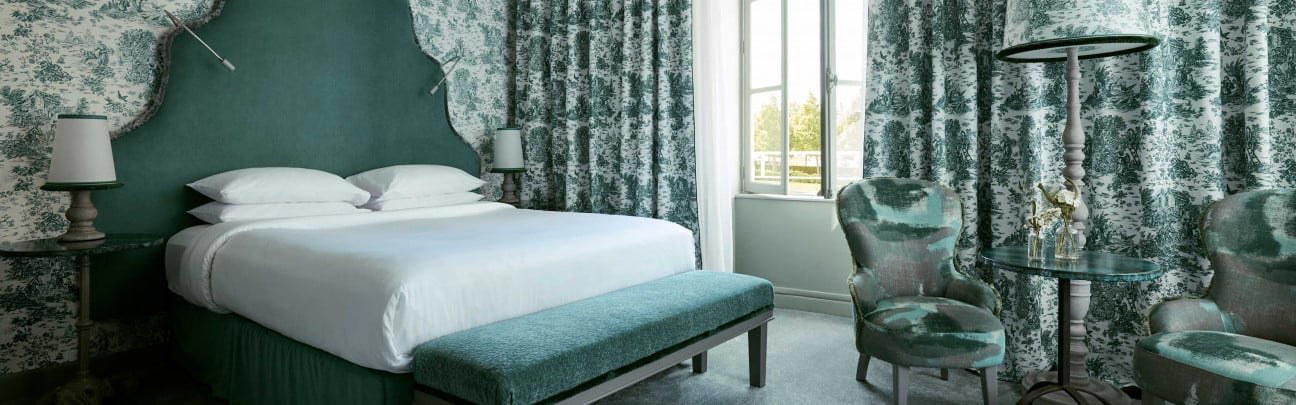
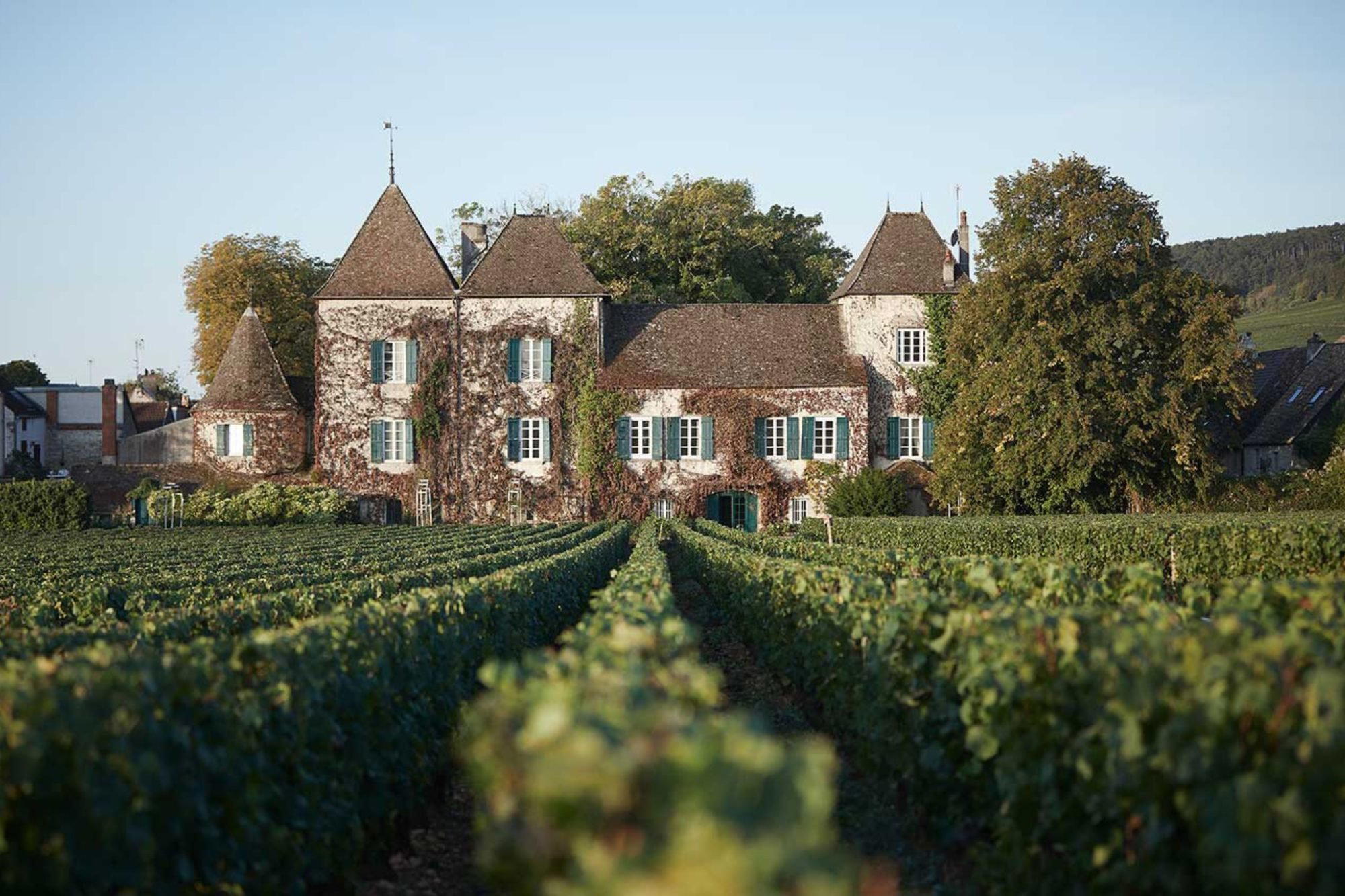
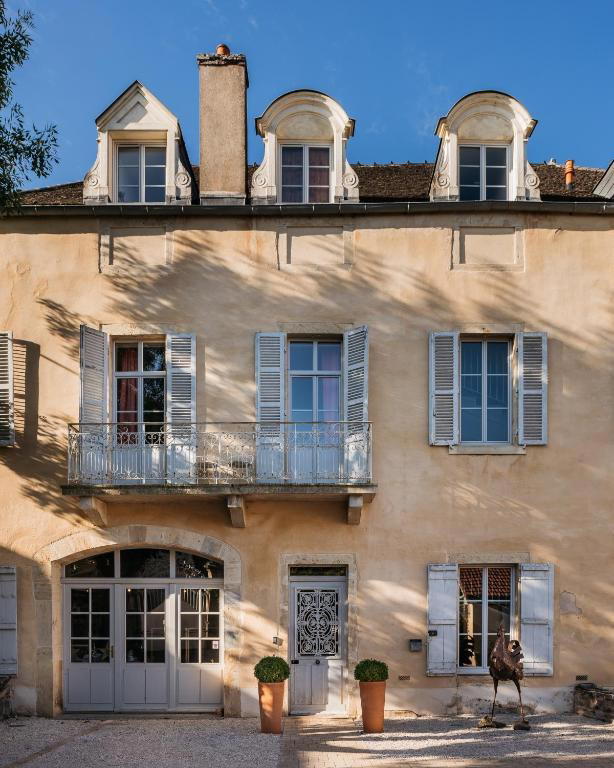
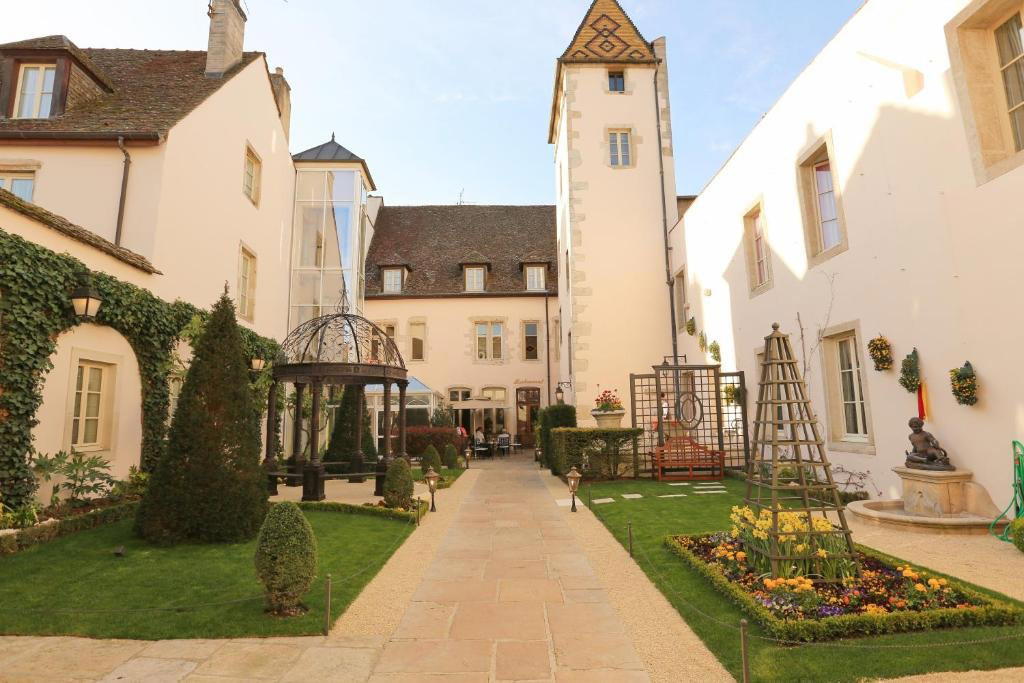
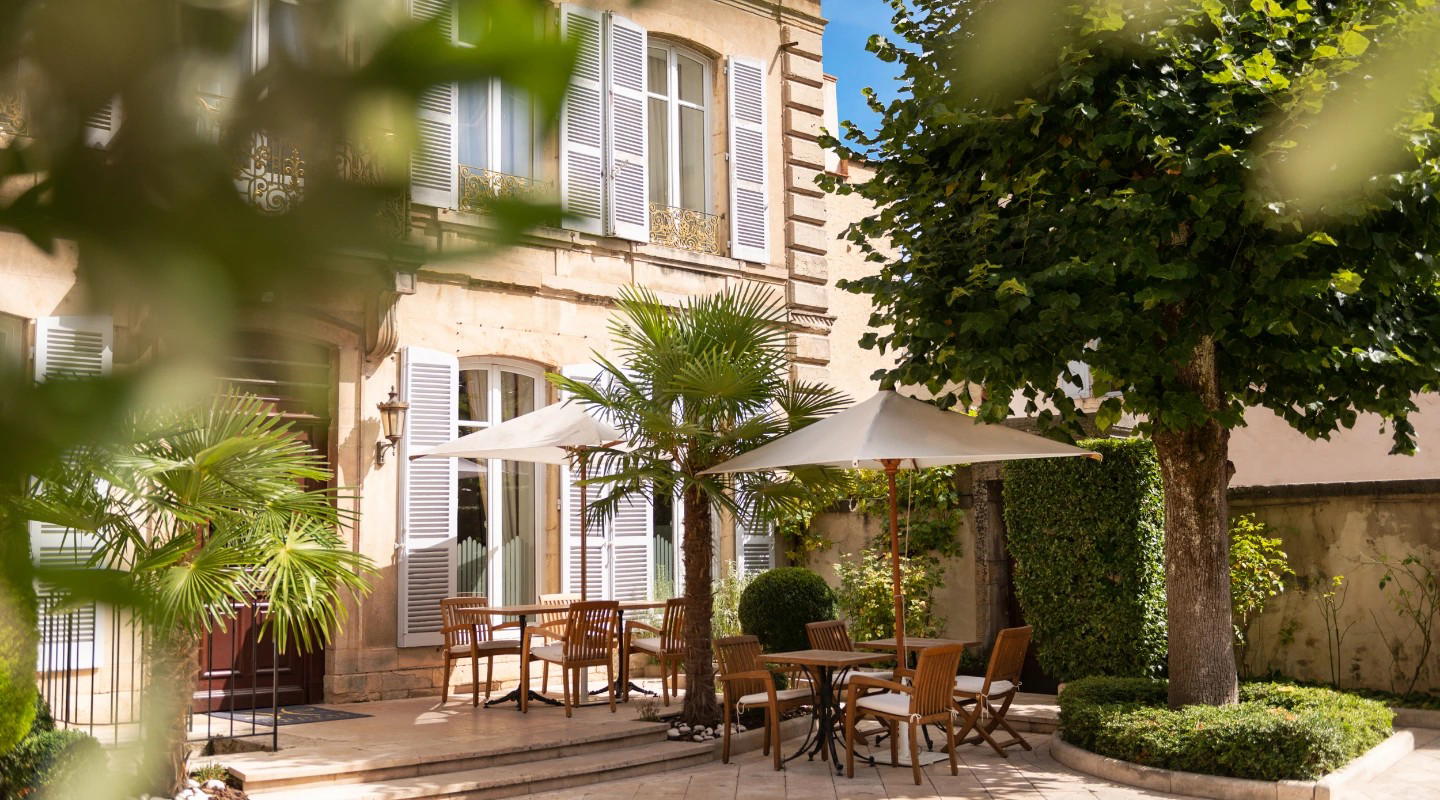
Traditional cellar environment with focus on precision winemaking; austere and serious atmosphere reflecting the estate's dedication to terroir expression over spectacle.