Domaine Bachelet-Monnot


Michelin Main Selection · Falstaff Winery - Listed
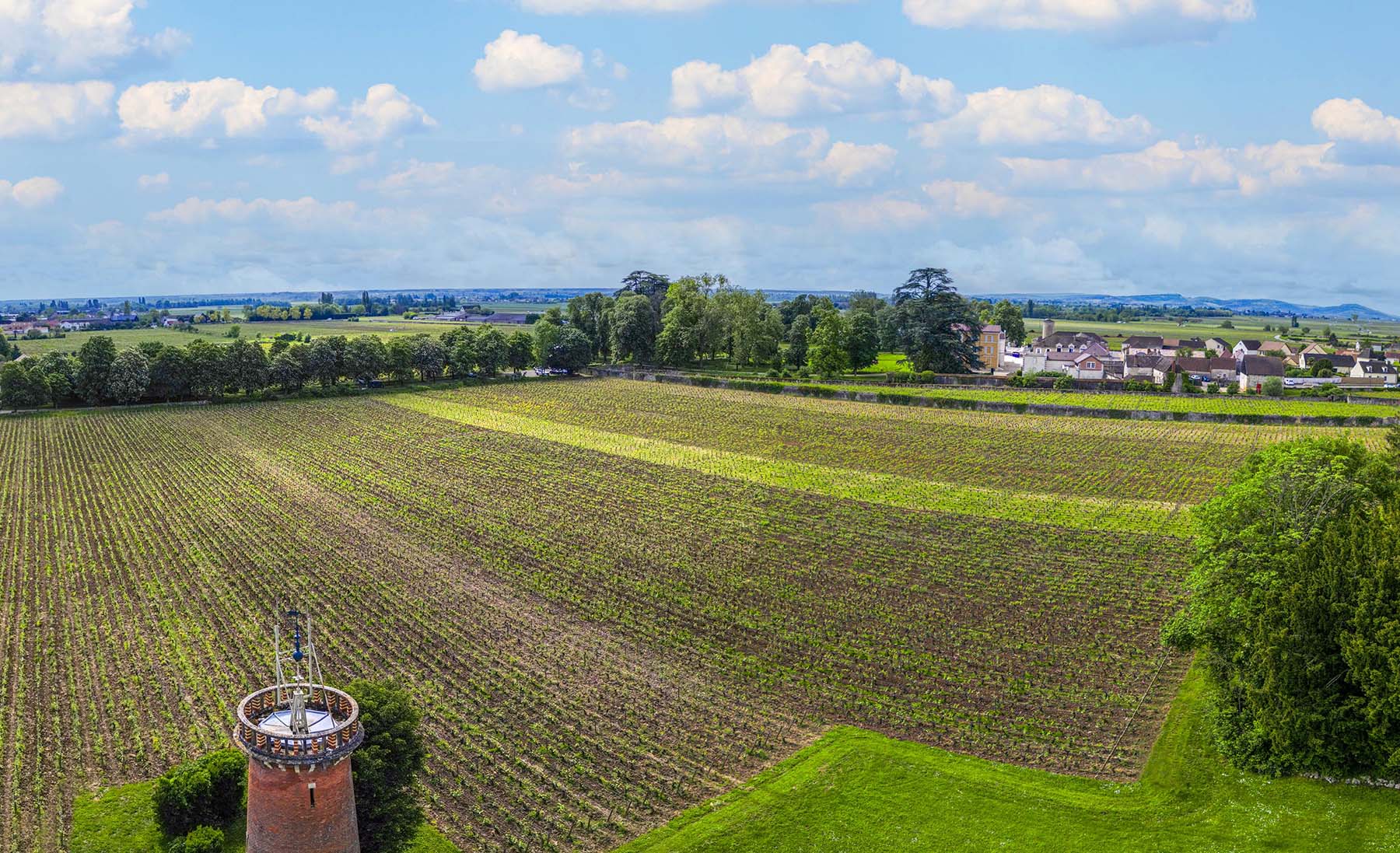
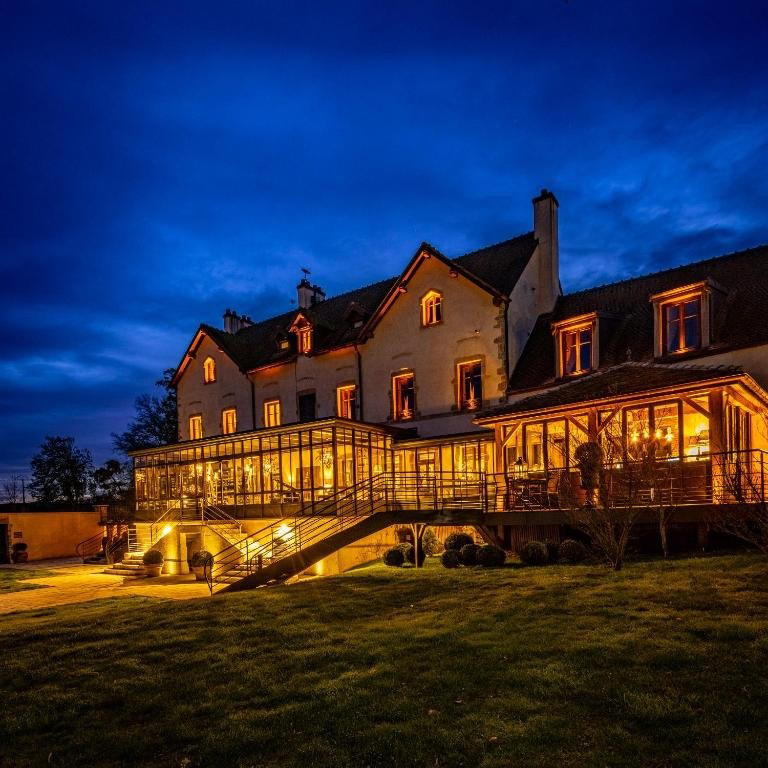
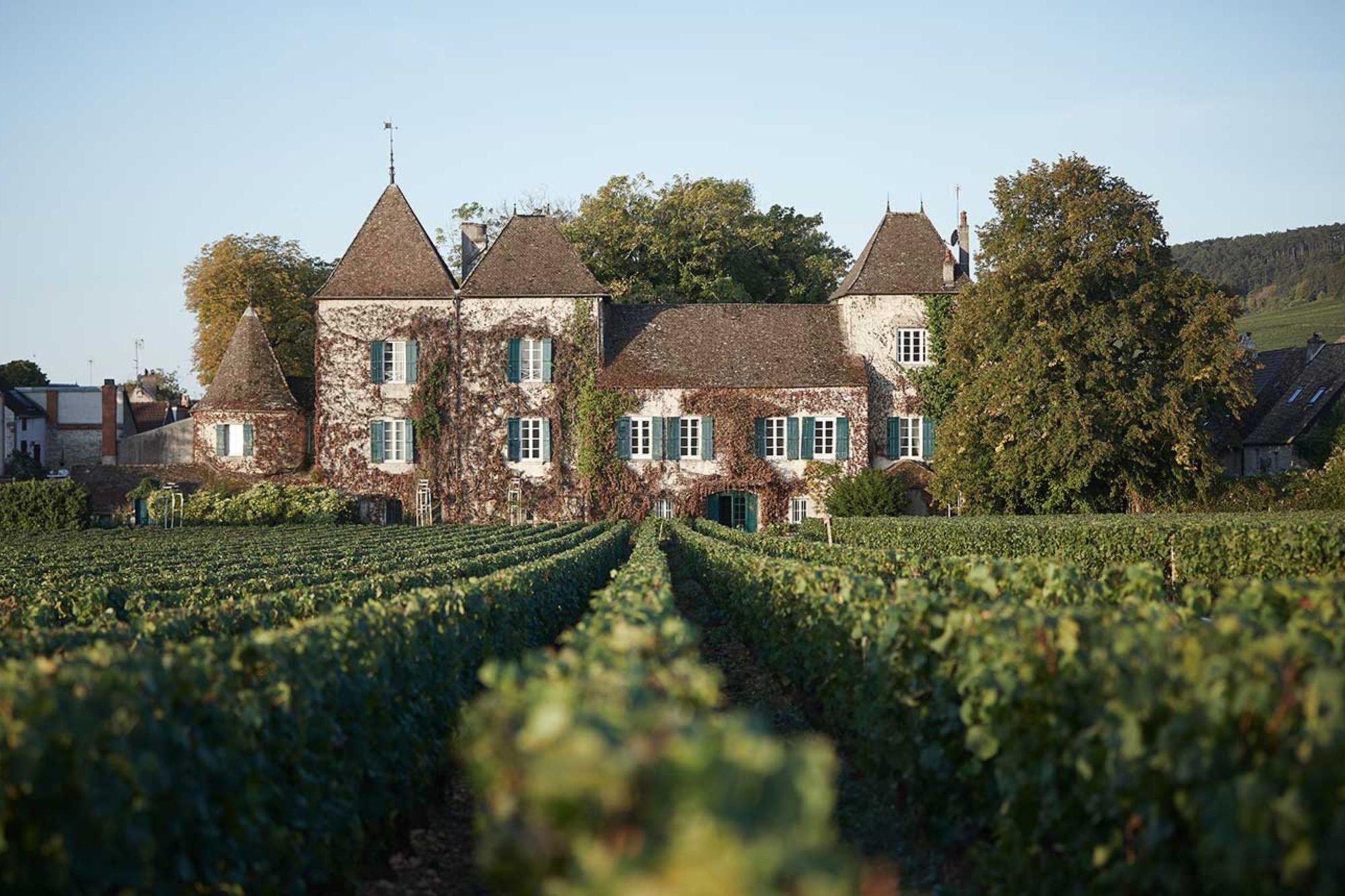
Domaine Bachelet-Monnot sits at the southern edge of the Côte de Beaune in Dezize-lès-Maranges, where Burgundy's limestone-laced soils give way to something slightly wilder and less trafficked than the grands crus corridor to the north.

Pearl is the En Primeur Club membership app, where members save venues, book tables and use the concierge.

The Southern Edge of Burgundy's Hierarchy
Drive south from Santenay along the D974 and the villages thin out, the tourist infrastructure quiets, and the appellation names on cellar doors become less familiar to casual buyers. Dezize-lès-Maranges sits at the tail end of the Côte de Beaune, one of three communes entitled to the Maranges appellation, and it operates at a remove from the pricing pressure and collector attention that defines the stretch between Meursault and Pommard further north. That distance is, for those paying attention, the point. Domaine Bachelet-Monnot is headquartered here, at 15 Grande Rue, and the address itself signals something about where this producer has chosen to plant its flag.
The Maranges appellation was only formally recognised in 1989, which makes it a relative newcomer in a region where appellations sometimes trace their legal boundaries to decisions made a century earlier. That youth, combined with the area's position outside the classic tourist circuit, has historically kept prices below those of neighbouring Santenay and Chassagne-Montrachet. Serious buyers have begun to close that gap, and domaines operating across multiple Côte de Beaune appellations from a Maranges base now occupy an interesting competitive position: terroir access across a price-tiered geography, with flagship parcels in more recognised communes sitting alongside more affordable home-base cuvées.
Terroir, Geology, and Why the Southern Côte de Beaune Reads Differently
The geology of this corner of the Côte de Beaune diverges meaningfully from the limestone-and-marl profiles that dominate Puligny or Chassagne further north. The hills around Maranges rise toward the granite and schist exposures of the Morvan massif, and the soils carry more iron oxide, giving the reds from this area a particular structural character: darker fruit, firmer tannin architecture, and a tendency to close in on themselves when young in a way that distinguishes them from the more immediately giving reds of, say, Volnay. Burgundy trained palates often flag Maranges as a cellaring appellation rather than a drinking-window one, which partly explains why it has attracted less speculative attention than villages with softer early profiles.
In Burgundy, that kind of across-the-board seriousness matters more than in many other wine regions, because the domaine model means the same producer hand shapes wines from potentially very different soils, exposures, and grape varieties. For context, producers earning comparable recognition in the broader Burgundian corridor include operations with established critical records and allocation systems that reflect multi-year collector demand. For other decorated French producers across different regions and styles, see our coverage of Château Branaire Ducru in St-Julien, Château Clinet in Pomerol, and Château Bélair-Monange in Saint-Emilion.
What the Range Tells You About the Domaine
Burgundy domaines that straddle multiple appellations face a version of a resource question that producers in single-appellation regions do not. Every parcel demands attention calibrated to its specific character: the pruning approach that works on old-vine Pinot in a premier cru parcel may be exactly wrong for younger vines on a flatter village-level plot. The fact that Bachelet-Monnot carries Prestige recognition across its range suggests a level of cellar and vineyard discipline that is harder to achieve than producing a single standout wine. It is the difference between a musician who plays one instrument exceptionally and one who conducts across a full programme.
The domaine's location in Dezize-lès-Maranges also means proximity to some of the Maranges premier cru plots on the south-facing slopes of the Montagne des Trois Croix. These parcels, particularly those in Maranges 1er Cru La Fussière and Les Clos Roussots, represent the appellation's ceiling and are the ones most often cited when the region is discussed as a source of serious, age-worthy red Burgundy at below-Santenay pricing. Whether Bachelet-Monnot holds parcels in these specific sites cannot be confirmed from available data, but the geography of Dezize-lès-Maranges means these premier cru slopes are the immediate context for any domaine operating from this commune.
For readers interested in how other prestige-rated producers across France approach their respective terroirs, the EP Club catalogue covers a wide range of appellations and styles, from Château Bastor-Lamontagne in Preignac and Château d'Arche in Sauternes to Albert Boxler in Niedermorschwihr and Château Boyd-Cantenac in Cantenac. Outside France entirely, the contrast between Burgundian terroir expression and New World approaches to Pinot and Chardonnay can be traced through properties like Accendo Cellars in St. Helena.
Visiting and Planning
Dezize-lès-Maranges is not a village that generates its own tourism infrastructure. There is no hotel in the commune, and the closest meaningful dining and accommodation hub is Chagny, roughly fifteen kilometres to the north, which serves as the practical base for visiting this southern stretch of the Côte de Beaune. Beaune itself, the canonical Burgundy visitor city, is approximately thirty kilometres north and functions as the wider region's logistics centre for cellars, restaurants, and wine tourism offices. The D974 and connecting routes make the drive between Beaune and Maranges direct, and the area is navigable as a day trip from Beaune or as part of a longer southern Côte de Beaune itinerary that might also include Santenay and Chassagne-Montrachet.
Visitors planning to call at the domaine directly should contact in advance. Approaching through a specialist Burgundy importer or retailer in your market is often the most reliable route to both securing allocation and establishing the kind of contact that makes a cellar visit possible. For a broader itinerary and orientation, see our full Dezize-lès-Maranges guide.
Harvest timing in this part of Burgundy typically runs in September, with precise dates varying by vintage conditions and parcel. The southern Côte de Beaune can pick slightly earlier or later than the Côte de Nuits depending on the year's thermal profile, and visiting during harvest brings its own logistical complications alongside the obvious appeal of seeing the domaine in its most active state.
The Broader Context: Maranges as a Collector's Appellation
The critical story around Maranges over the past decade has been one of quiet re-evaluation. As village-level Burgundy from better-known communes has moved into price ranges that strain collector budgets, the southern appellations have attracted renewed scrutiny. Maranges, along with Auxey-Duresses and Saint-Aubin, now appears on more serious lists as a source of genuinely terroir-expressive Burgundy at prices that reflect lower name recognition rather than lower quality. The distinction matters: in a region where appellation prestige has historically driven price more than raw wine quality, there are structural inefficiencies that informed buyers can exploit. For more on how prestige recognition functions across different regional contexts, see EP Club's coverage of producers including Château Cantemerle in Haut-Médoc, Château Dauzac in Labarde, Château Batailley in Pauillac, Chartreuse in Voiron, and Château d'Esclans in Courthézon.
At-a-Glance Comparison
Comparable venues nearby, for context on price, style, and recognition.
| Venue | Cuisine | Price | Awards | Notes |
|---|---|---|---|---|
| Domaine Bachelet-MonnotThis venue (the venue you are viewing) | Pinot Noir, Chardonnay | Not listed | Michelin Main Selection · Falstaff Winery - Listed | Not listed |
| Domaine Antoine Jobard | Chardonnay, Pinot Noir | Not listed | Falstaff Winery - Listed | Meursault |
| Domaine Thibault Liger-Belair | Pinot Noir, Chardonnay | $50–100 | Falstaff Winery - Listed | Nuits-Saint-Georges |
| Domaine Michel Briday | Chardonnay, Pinot Noir | Not listed | Not listed | Rully |
| Domaine René Bouvier | Pinot Noir, Chardonnay | Not listed | Not listed | Gevrey-Chambertin |
| Maison Joseph Drouhin | Pinot Noir, Chardonnay | Not listed | Michelin 1 Grape · Falstaff Winery - Listed | Beaune |
Recognition history
Dated appearances from independent guides and award organizations, with the underlying list record or original source where available.
Michelin Main Selection
Michelin · 2026 Michelin Grape Main Selection - Burgundy
Falstaff Winery - Listed
Falstaff
Continue exploring
More in Dezize-lès-Maranges
Wineries in Dezize-lès-Maranges
All wineries in Dezize-lès-Maranges →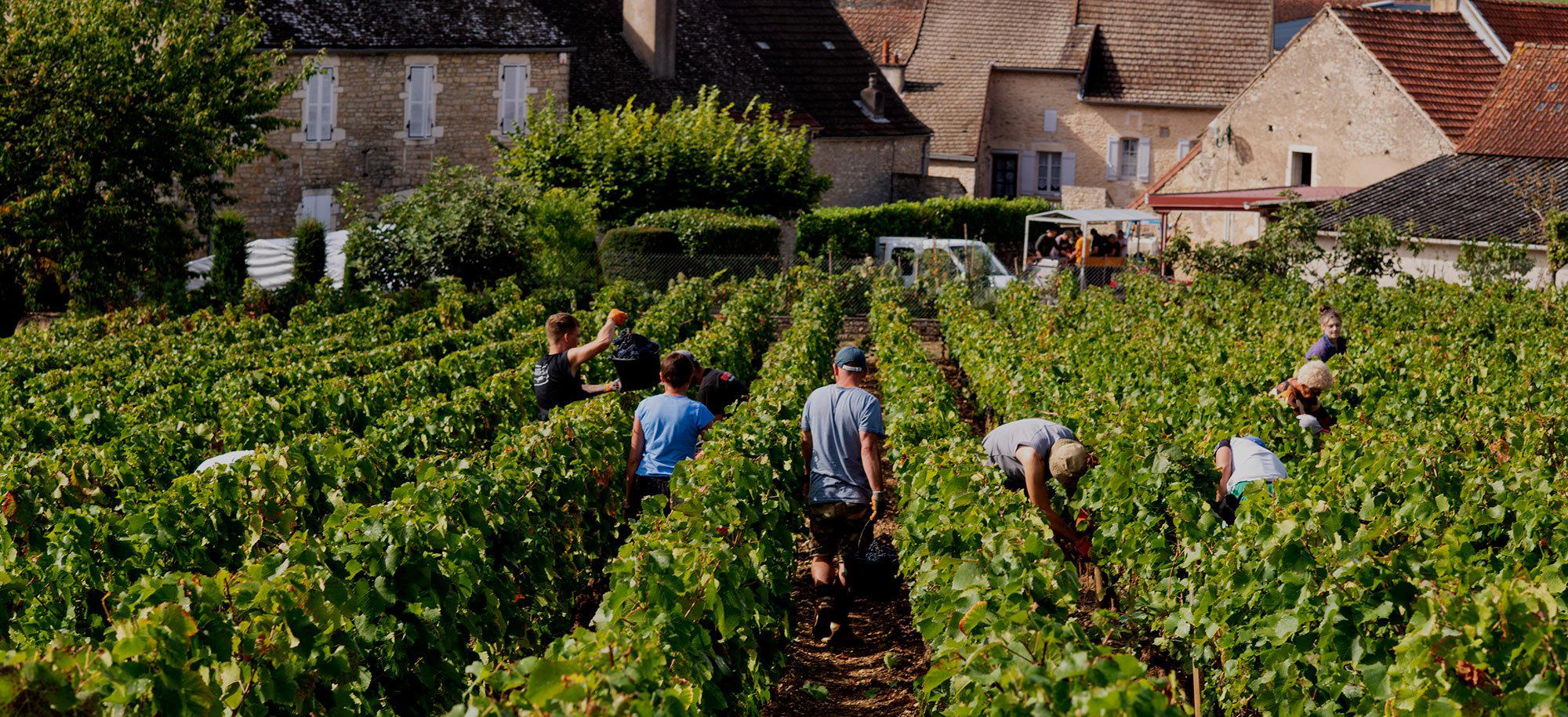
Bars in Dezize-lès-Maranges
Browse all →
Restaurants in Dezize-lès-Maranges
Browse all →
Details
- Elegant
- Rustic
- Quiet
- Scenic
- Wine Education
- Solo Exploration
- Special Occasion
- Vineyard Tour
- Cave Tasting
- Estate Grounds
- Organic
- Vineyard
- Pinot Noir
- Chardonnay
- Still Red
- Still White
- Cave Tasting
- French
Refined and serene winery atmosphere focused on precision winemaking amid historic Burgundy vineyards.