
Michelin 1 Grape
Domaine Bernard Bonin operates from the heart of Meursault's Rue de la Velle. Set within Burgundy's most Chardonnay-dense commune, the domaine represents a precise, terroir-anchored approach to white Burgundy that positions it alongside the village's most serious names.

Pearl is the En Primeur Club membership app — saves, bookings, and concierge access live there. Same editors, same standards.
- Address
- 24 Rue de la Velle, 21190 Meursault
- Phone
- +33 3 80 21 68 99
- Website
- boninetfils.com
- Directions
- Get directions
Where Meursault Speaks Through the Stone
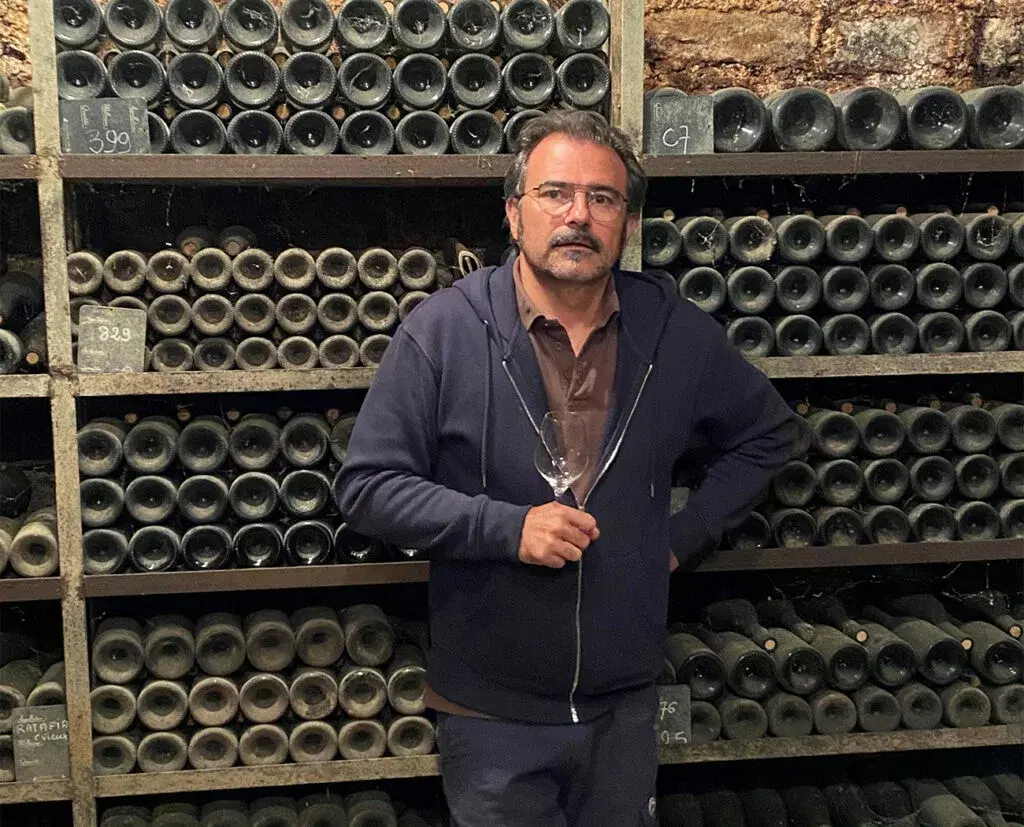
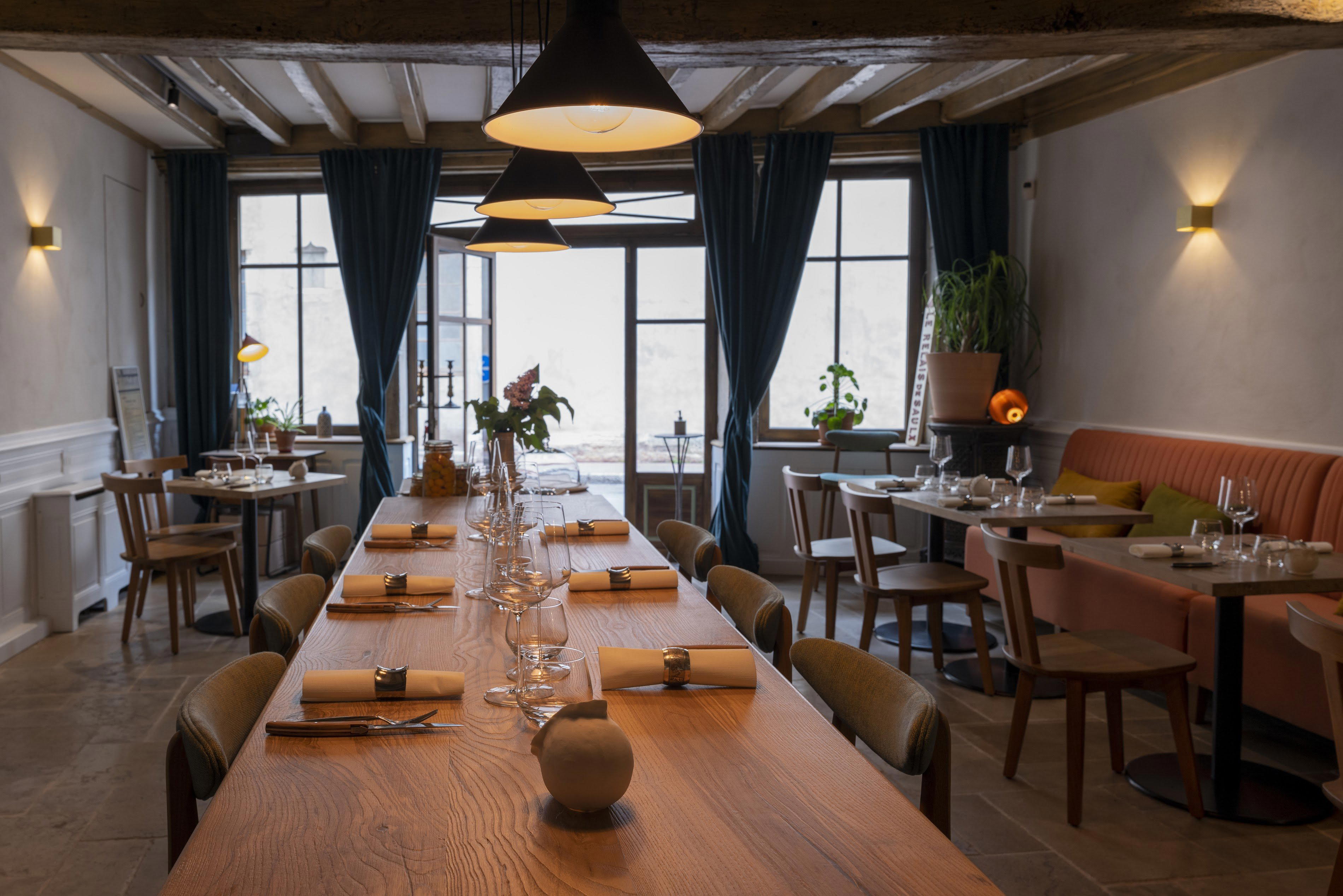
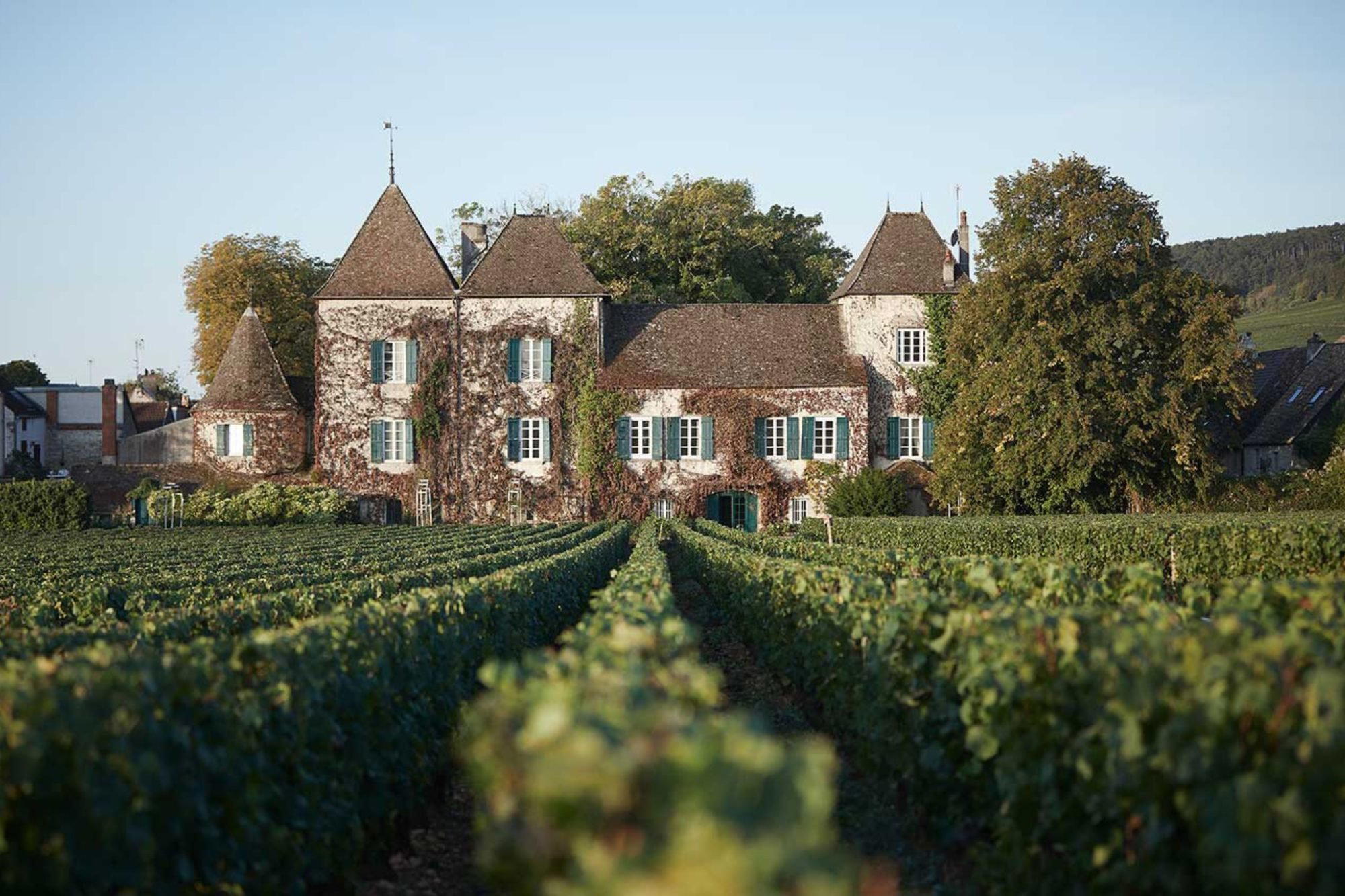
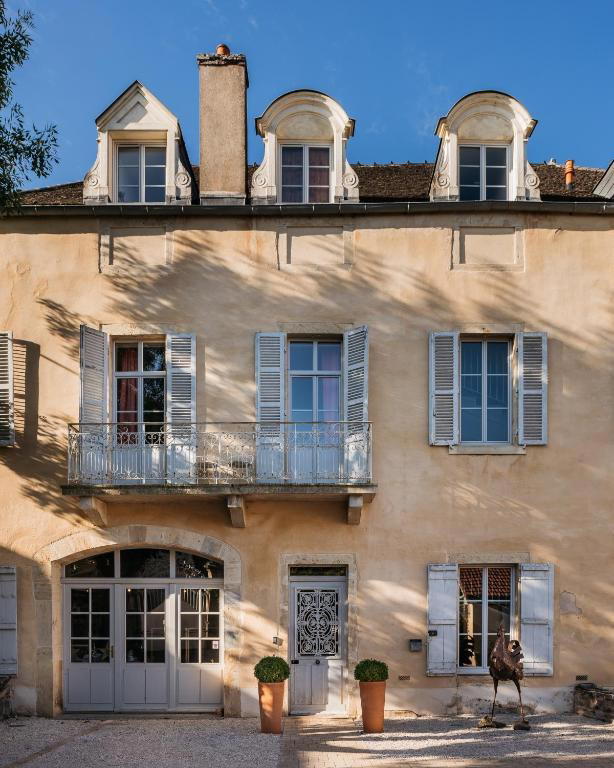
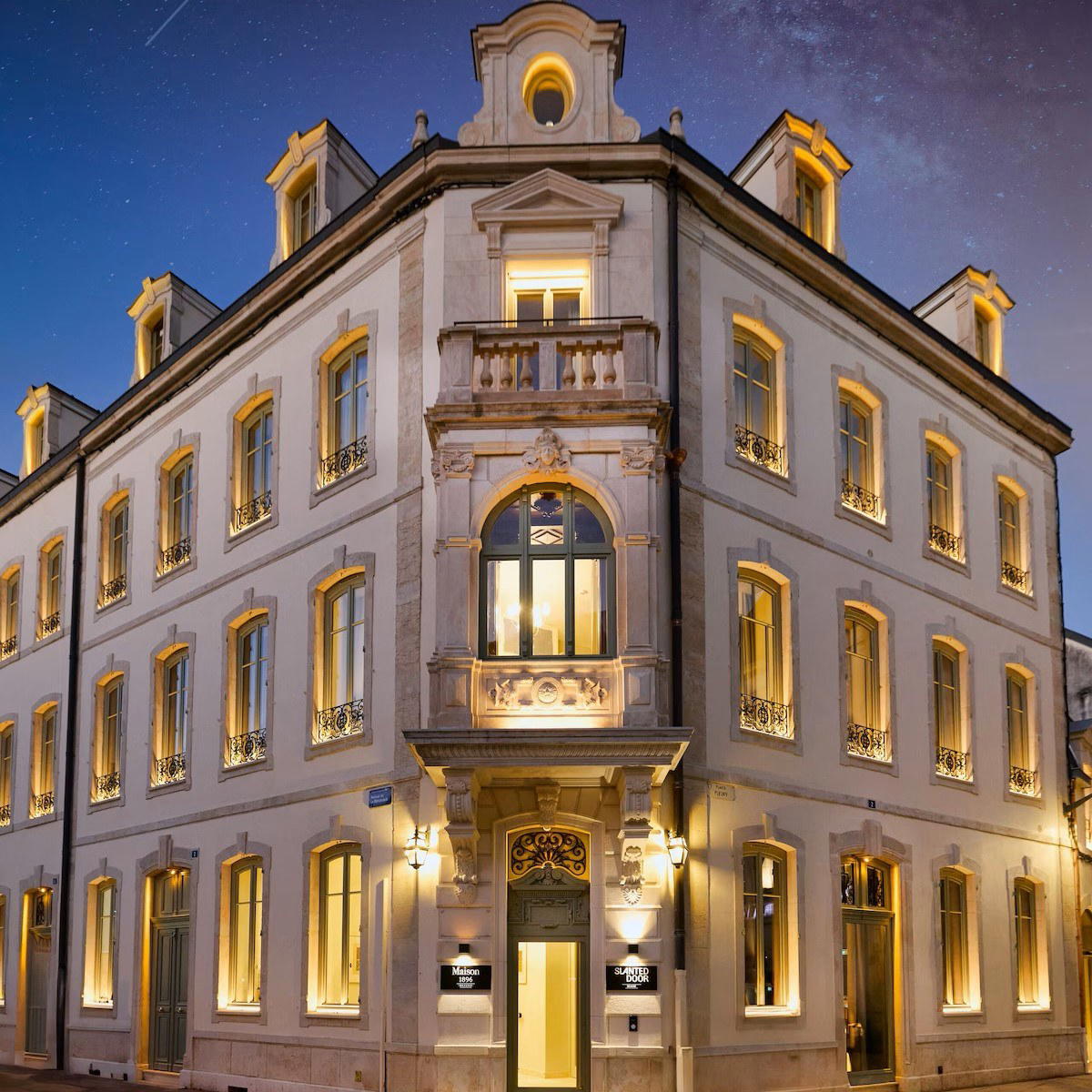
Approach Rue de la Velle on foot and the texture of Meursault announces itself before any wine is poured. The street runs through a neighbourhood of tightly packed limestone buildings, their facades worn to a warm ochre by centuries of Côte de Beaune weather. Domaine Bernard Bonin sits at number 24, embedded in this fabric rather than announced by it. There are no grand gates or visitor pavilions, only the functional architecture of a working Burgundian domaine — and that restraint is the first signal of what the wines will say. In a commune where Château de Meursault draws coachloads and hospitality has been packaged for the tourist circuit, a producer like Bonin occupies a different register entirely.
Meursault and the Weight of White Burgundy
No village in Burgundy carries more expectation for white wine than Meursault. The commune sits between Puligny-Montrachet to the south and Volnay to the north, with its own constellation of premier crus — Perrières, Charmes, Genevrières, that produce Chardonnay of a specific mineral density that other appellations can approximate but not replicate. The soils here are limestone-rich and relatively deep, producing wines with more texture and less steely tension than Chablis, more weight and savoury depth than many Puligny bottlings. This is Chardonnay calibrated to age, and the village's most respected producers treat time as a winemaking tool as much as any cellar intervention.
The competitive set for a small Meursault domaine is genuinely formidable. Domaine Coche-Dury, Domaine Roulot, and Domaine des Comtes Lafon set the reference points at the top of the market, with allocation lists that run years deep. Closer in scale and approach, Domaine Antoine Jobard and Domaine Chavy-Chouet represent the tier of serious family producers whose work rewards patient attention.
The Terroir Frame: Reading the Land Around the Domaine
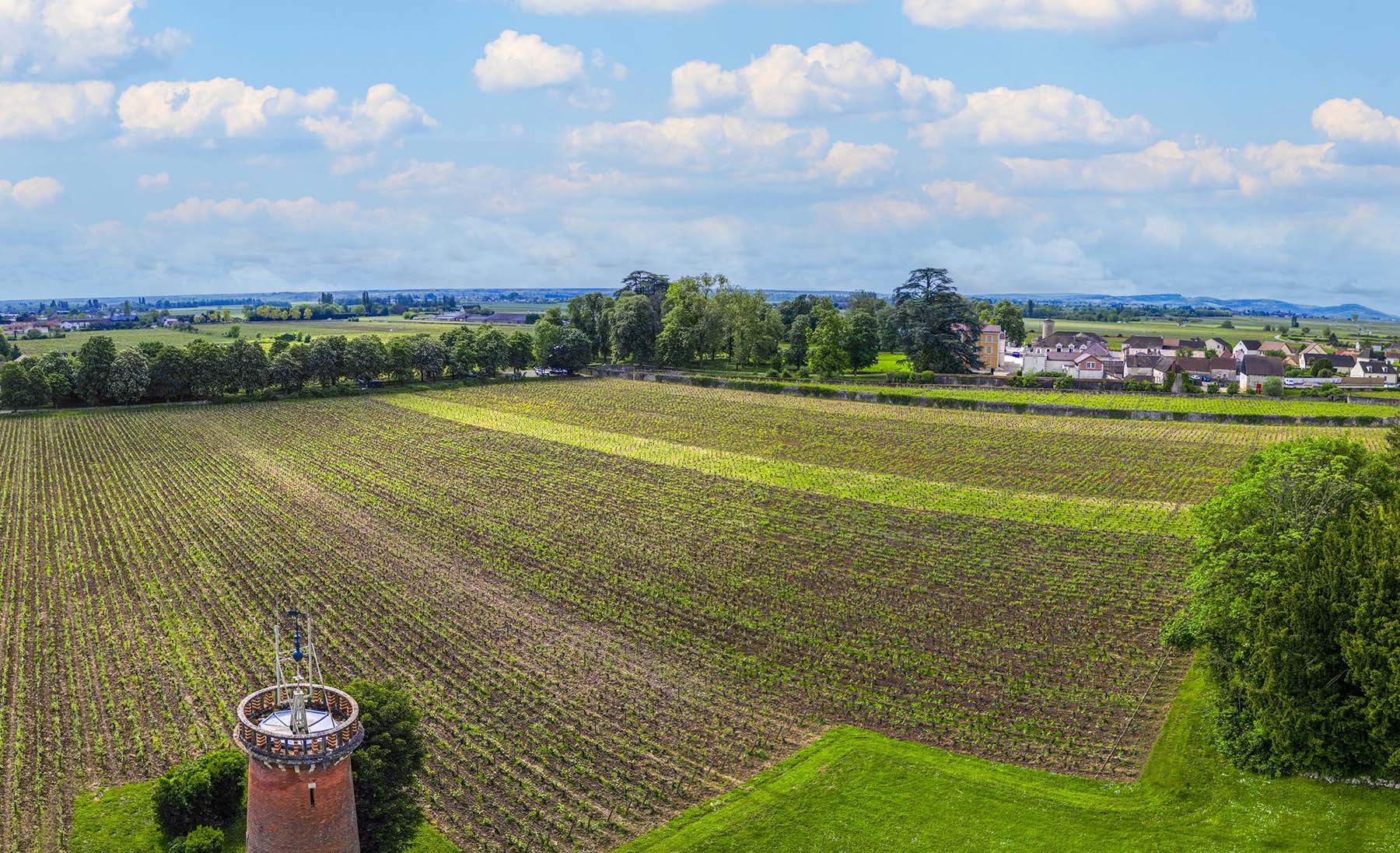
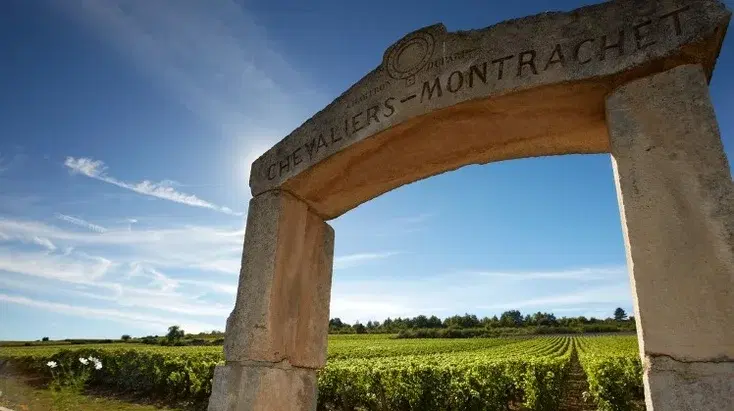
Standing above Meursault on a clear morning, the geometry of Burgundian viticulture resolves into something almost diagrammatic. The Côte de Beaune unfolds in a narrow south-east-facing strip, every parcel demarcated by dry stone walls, the gradient shifting subtly from the richer, flatter village-level plots to the stonier inclines where the premier cru designations begin. This relationship between slope, drainage, and mineral composition is not incidental to the wines of Bonin or any of its neighbours, it is the entire argument. The Domaine Henri Boillot operates across similar terrain, and the contrast between producers working closely adjacent parcels illustrates how much the individual cellar interpretation of a shared terroir matters. Each producer becomes, in effect, a lens through which the same limestone speaks differently.
Meursault's village-level AC bottlings offer the clearest entry into this landscape for buyers who cannot access premier cru allocations. They carry the appellation's signature, that combination of nuttiness, gentle oxidative breadth, and long mineral finish, at a price point that still makes rational sense given what the premier crus command at auction. The domaine at Rue de la Velle is well-positioned to offer that range, and the 2025 prestige rating signals that its execution within the appellation is taken seriously by those who assess it against the full Meursault field.
Visiting Meursault: How the Domaine Fits the Trip
Meursault is compact enough to cover on foot, and Rue de la Velle is reachable from the village centre in a few minutes. Most serious domaine visits in this tier require advance contact, this is not a region that welcomes walk-ins at the cellar door with any consistency. Visitors planning a Côte de Beaune itinerary typically base themselves in Beaune, 8 kilometres north, where hotel inventory is broader and the morning drive south through the vineyards functions as its own orientation. The village of Meursault itself has limited accommodation but a handful of respected restaurants that make a full day here viable. Our full Meursault restaurants guide covers the local dining options worth building time around.
The leading window for visiting the Côte de Beaune is broadly from April through October, when cellar access is more reliably available and the vineyard landscape is at its most legible, the canopy open, the rows distinct, the work of the growing season visible in real time. Harvest in late September to early October brings its own atmosphere, though domaine appointments during that period require even more lead time than usual. Winter visits are possible but the landscape loses much of its character when the vines are dormant and the light is low.
The Prestige Tier in Burgundy's Smaller Domaines
The village is full of producers operating beneath the visibility threshold of the international press while making wines that the French trade and informed collectors track with precision. Domaine Jacques Prieur represents the more publicly prominent end of Meursault production, with grand cru holdings and broad distribution. Bonin operates in a different mode, smaller, more locally anchored, the kind of producer whose wines appear on Burgundy-specialist lists before they reach general retail.
For context beyond this appellation, the dynamic mirrors what you find in other European wine regions where scale and visibility do not perfectly track quality. Albert Boxler in Niedermorschwihr operates similarly within Alsace, a small-production house with deep terroir knowledge and an allocation model that rewards consistent engagement.
Other prestige-tier French producers share this profile. Château Bastor-Lamontagne in Preignac and Château Batailley in Pauillac both represent regions where mid-tier estates with long track records earn recognition that positions them outside the château-tourism circuit while remaining serious objects of collector attention. Château Bélair-Monange in Saint-Emilion, Château Boyd-Cantenac in Cantenac, and Château Branaire Ducru in St-Julien round out a picture of how prestige classification functions across French wine geography. Further afield, Accendo Cellars in St. Helena and Aberlour in Aberlour each demonstrate how the same logic of terroir-focused, small-production excellence translates into Napa Cabernet and Speyside malt respectively. Chartreuse in Voiron offers a different but related example of how French artisanal production with deep historical roots earns prestige through consistency rather than scale.
Planning a Visit to Domaine Bernard Bonin
The domaine address, 24 Rue de la Velle, 21190 Meursault, is the practical starting point. Booking an appointment in advance is the standard protocol for this tier of Burgundian producer, and arriving without prior arrangement is unlikely to result in a tasting. Visitors with an existing relationship with a Burgundy négociant or specialist importer will find that introductions through that channel typically produce the most reliable access. Meursault is leading reached by car from Beaune, which is itself well-connected to Paris via TGV in approximately two hours. Spring and early summer offer the most dependable visiting conditions if terroir observation is part of the purpose.
The Minimal Set
Comparable venues nearby, for context on price, style, and recognition.
| Venue | Cuisine | Price | Awards |
|---|---|---|---|
| Domaine Bernard BoninThis venue — the venue you are viewing | Meursault, Chardonnay | Not listed | Michelin 1 Grape |
| Domaine Rougeot Père et Fils | Meursault, Chardonnay, Pinot Noir | Not listed | Not listed |
| Château de Meursault | Meursault, Chardonnay, Pinot Noir | $50–100 | Falstaff Winery - Listed |
| Domaine Antoine Jobard | Meursault, Chardonnay, Pinot Noir | Not listed | Falstaff Winery - Listed |
| Domaine Génot-Boulanger | Meursault, Chardonnay, Pinot Noir | $100–150 | Falstaff Winery - Listed |
| Domaine des Comtes Lafon | Meursault, Chardonnay, Pinot Noir | Not listed | Michelin 2 Grapes · Falstaff Winery - Listed |
Recognition history
Dated appearances from independent guides and award organizations, with the underlying list record or original source where available.
Michelin 1 Grape
Michelin · 2026 Michelin 1 Grape - Burgundy
Continue exploring
More in Meursault
Wineries in Meursault
Browse all →
Bars in Meursault
Browse all →
Restaurants in Meursault
Browse all →
Details
- Elegant
- Rustic
- Intimate
- Scenic
- Wine Education
- Solo Exploration
- Special Occasion
- Vineyard Tour
- Cave Tasting
- Barrel Room
- Biodynamic
- Organic
- Sustainable
- Vineyard
- Chardonnay
- Still White
- Cave Tasting
- Barrel Tasting
- French
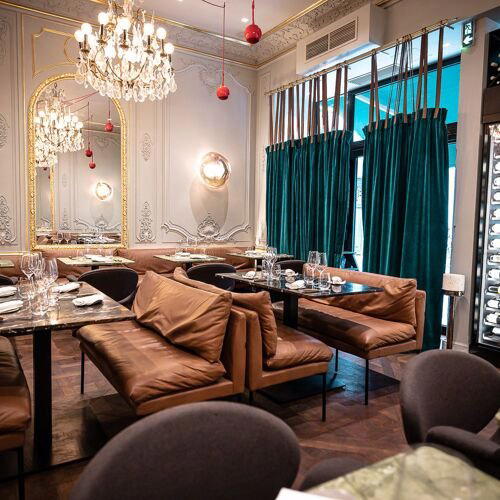
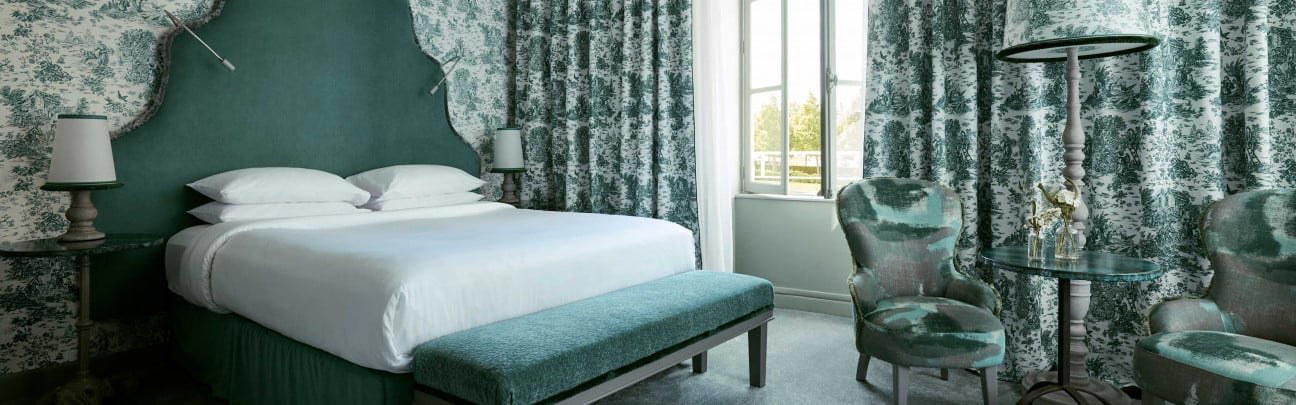
Classic, elegant atmosphere reflecting Burgundian winemaking tradition with focus on purity, minerality, and freshness.